Fishing in Yellowstone National Park
- National Park
- Open 24 hours
- Lakes
- 103
- Rivers
- 226
- Access
- 152
- Boat Ramps
- 2
- Shops
- 0
- Species
- 15
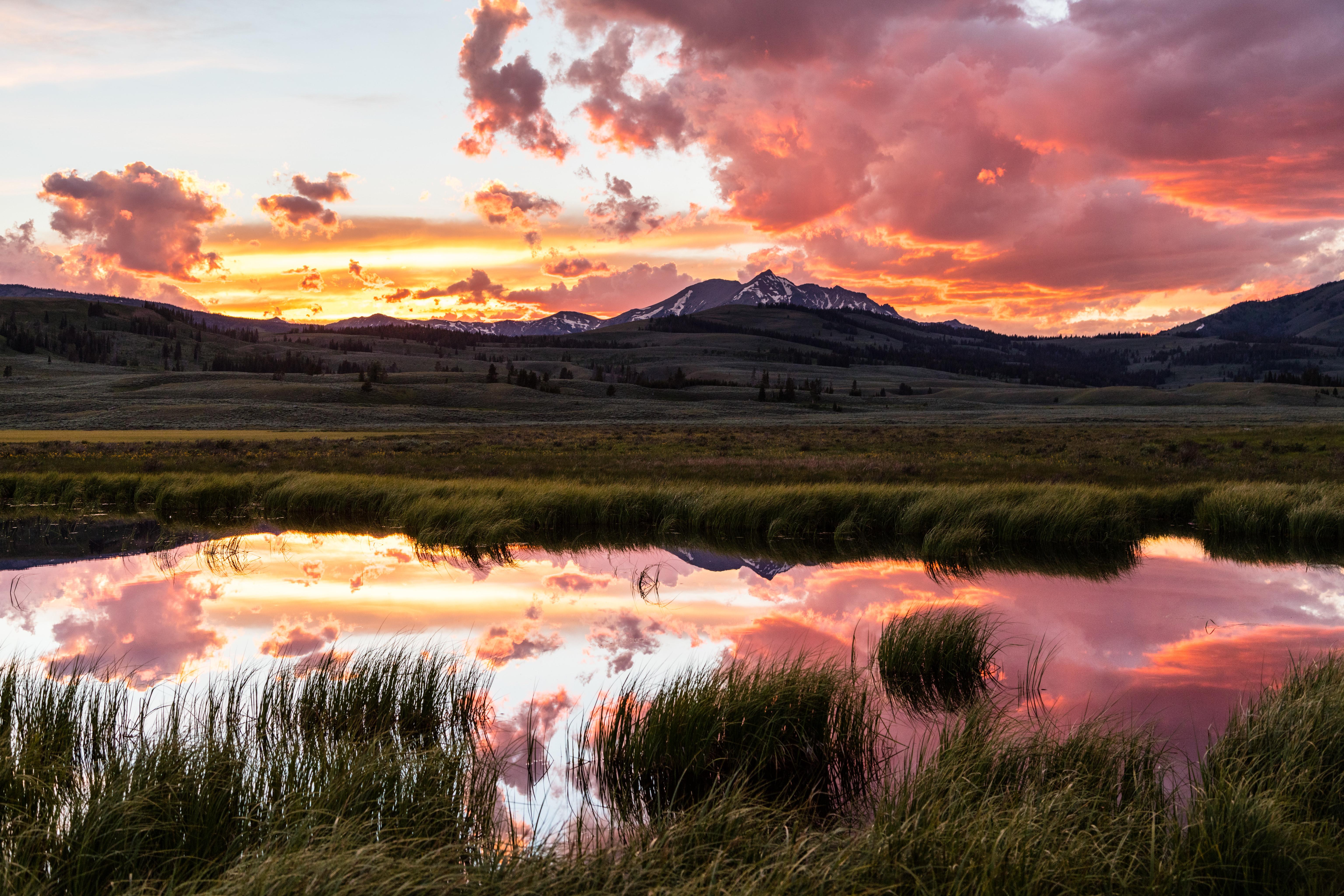
Yellowstone sits on a high volcanic plateau where three states meet, draining into river systems that run in nearly every direction.
The park holds over 2,500 miles of rivers and streams alongside a collection of lakes, all of it managed under a single, park-specific framework built around native fish.
State fishing licenses don't apply here — anglers 16 and older need a Yellowstone National Park fishing permit, available through Recreation. gov. Only lead-free artificial lures or flies are allowed, one rod at a time.
The native fish are the reason the regulations are what they are. Yellowstone cutthroat trout are the dominant species and the ecological anchor — food for grizzly bears, bald eagles, river otters, and roughly 16 other species of birds and mammals.
Arctic grayling and mountain whitefish round out the native sport fish. The rules tilt hard toward conservation, and some waters are catch-and-release or closed entirely; check the current regulations brochure before you go.
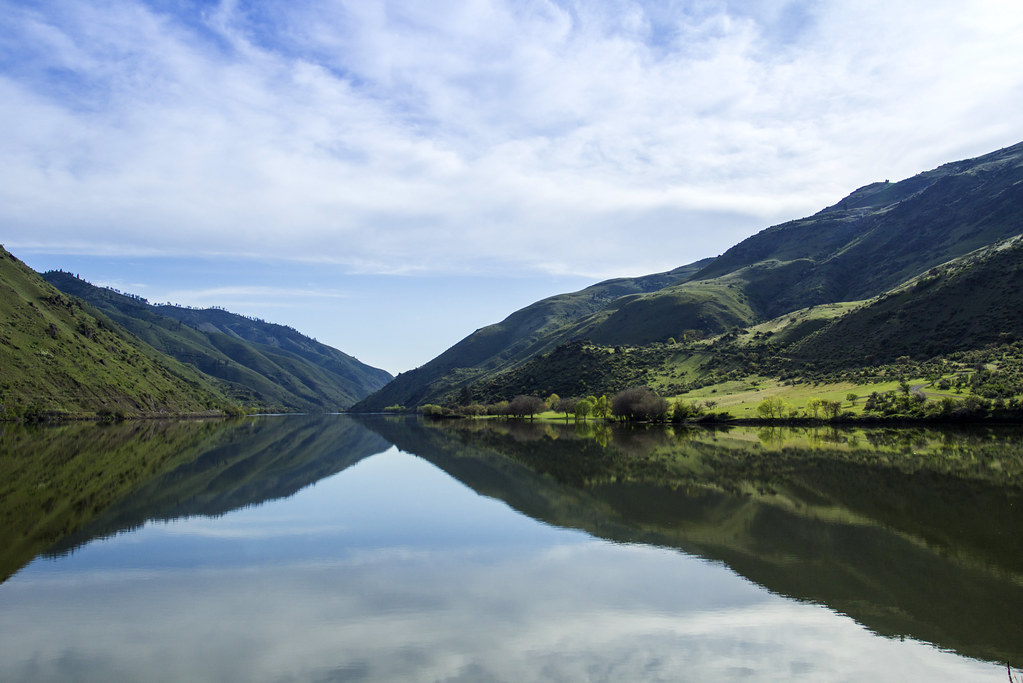
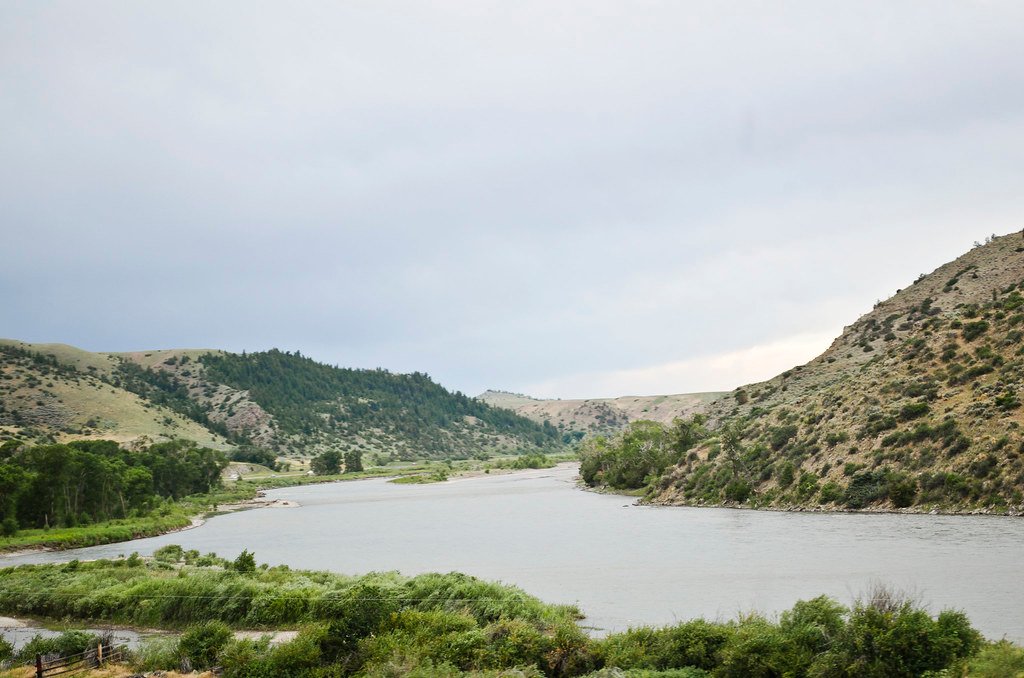
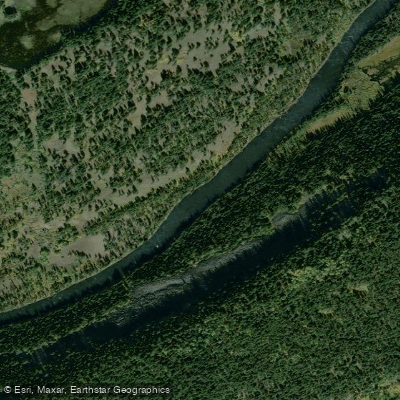
The Yellowstone River is the main stem, running through the park from the lake north through the canyon and beyond. Expect Yellowstone cutthroat through most of it, with some rainbows and cutbow hybrids in the lower stretch.
The Madison forms in the park where the Firehole and Gibbon meet, and all three of those rivers fish well on their own — the Firehole is thermally influenced and known for unusual hatch activity, the Gibbon drains Grebe and Wolf Lakes near Canyon Village.
The Lamar River in the northeast corner of the park is classic cutthroat water with a backcountry feel even from the road. Slough Creek, a Lamar tributary, draws anglers willing to hike for less pressure.
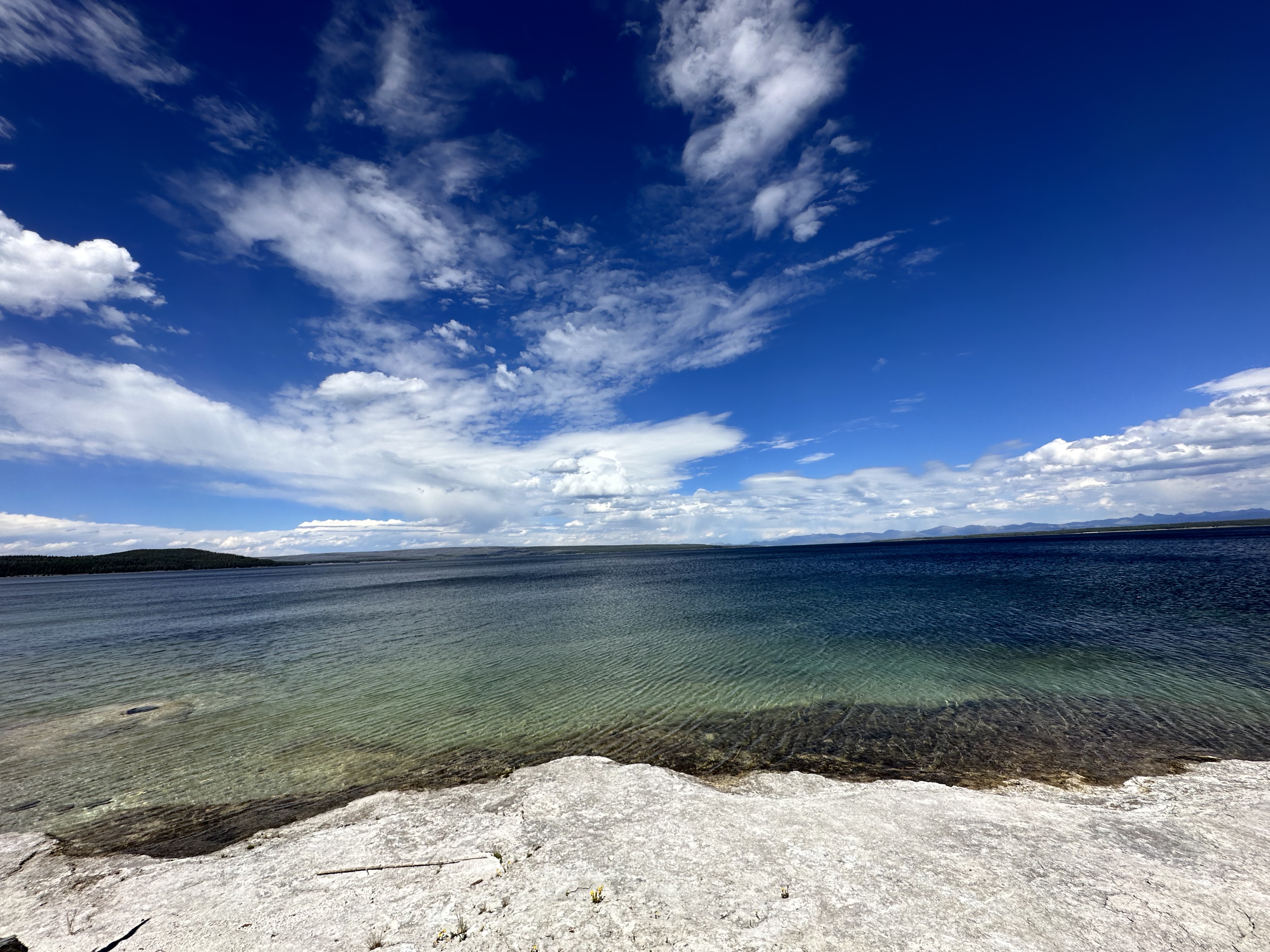
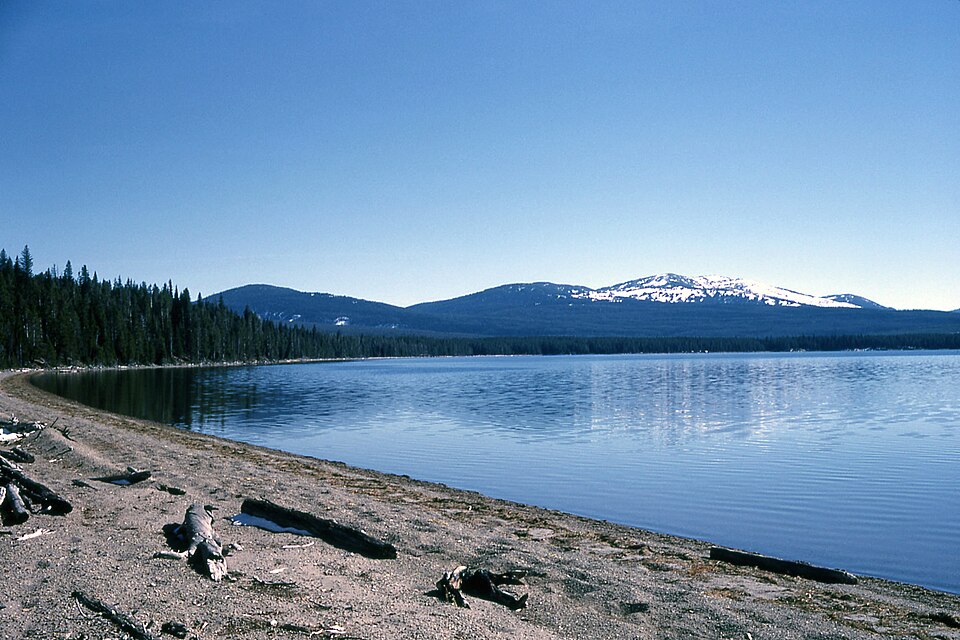
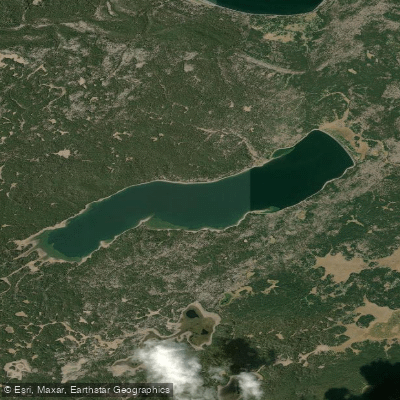
Yellowstone Lake is the largest high-elevation lake in North America and holds Yellowstone cutthroat, though lake trout — a nonnative predator — have significantly altered the fishery there and remain a management concern.
The Madison, Gibbon, and Firehole have an extended season running through October 31. Backcountry fishing is real here — a four-piece 5- or 6-weight rod makes sense for the miles involved.
The park has 12 native fish species total, and the water you're wading through is doing more ecological work than most rivers you'll ever fish.
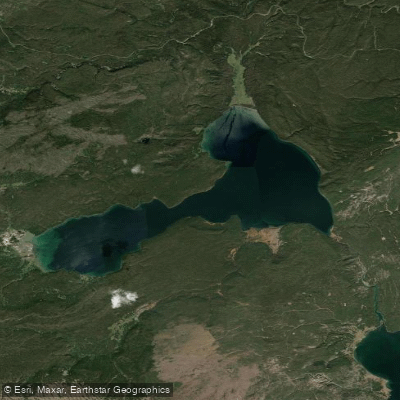
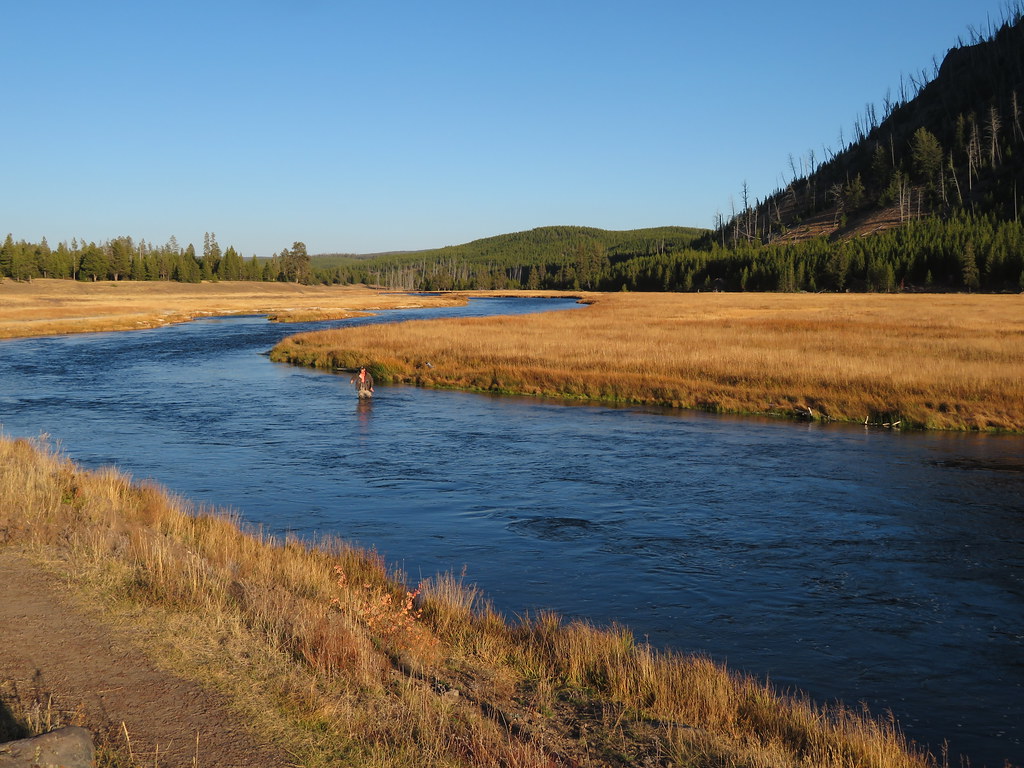
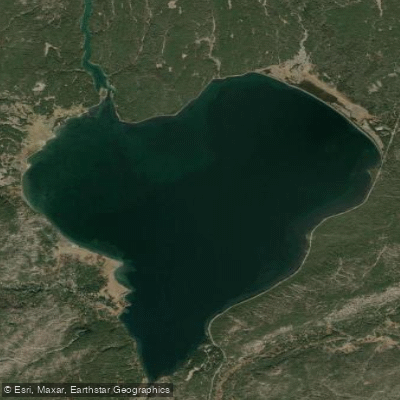
Top waters to fish near Yellowstone National Park
Species & education
Learn what type of fish are in Yellowstone National Park and what's needed to catch them.
Find which waters have the species you want to catch

American Shad
Alosa sapidissima

Arctic Grayling
Thymallus arcticus

Black Crappie
Pomoxis nigromaculatus

Brook Trout
Salvelinus fontinalis

Brown Trout
Salmo trutta

Bull Trout
Salvelinus confluentus

Channel Catfish
Ictalurus punctatus
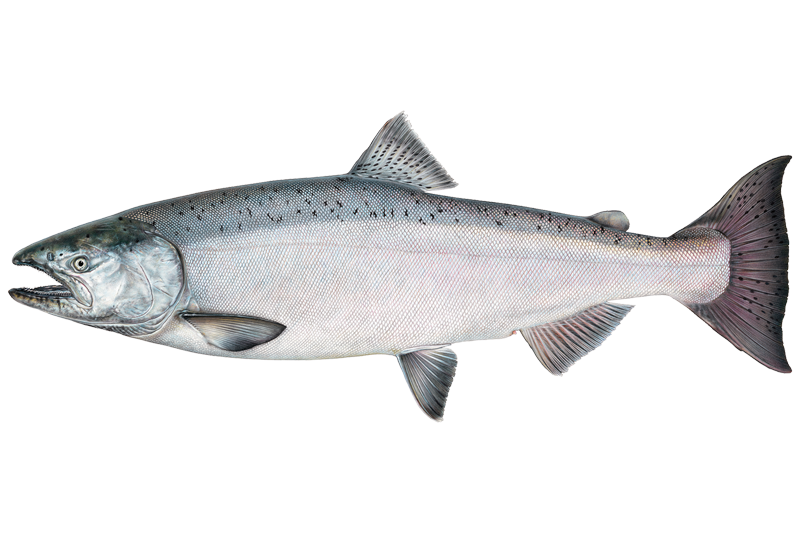
Chinook Salmon

Common Carp
Cyprinus carpio
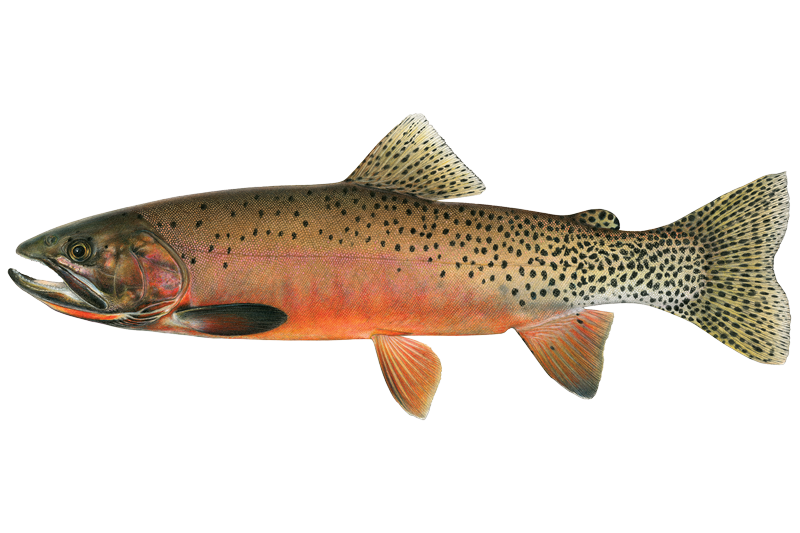
Cutthroat Trout

Lake Trout
Salvelinus namaycush

Largemouth Bass
Micropterus salmoides

Mountain Whitefish
Prosopium williamsoni

Rainbow Trout
Oncorhynchus mykiss

Smallmouth Bass
Water and weather conditions (10 day forecast)
See the best times to fish Yellowstone National Park and check the forecast before you go.
No forecast data available.
Park alerts & road status
Closures and conditions Yellowstone National Park has posted, from the National Park Service.
Checking the park's alerts…
Hours & fees
When Yellowstone National Park is open and what it costs to get in, from the National Park Service.
Hours
Open 24 hoursYellowstone is open daily, year-round, although activities and services are limited at night and certain times of year. The park has five entrance stations, but not all entrance stations are open year-round. Make sure to carefully read about access at each station at different times of year. And remember, all dates are weather-dependent. Please note that camping is possible only in designated campgrounds.
Entrance fees
- Entrance - Private Vehicle$35
- Unlimited entry for one vehicle and all passengers for seven consecutive days, beginning on the day of purchase. Vehicles must be private, non-commercial, and with a seating capacity of 15 or less.
- Entrance - Non-commercial Groups$20
- Non-commercial group (e.g. church groups, scouts) traveling in a vehicle with a capacity of 16 or more people. Cost is per person. Unlimited entry for one vehicle and all passengers for seven consecutive days, beginning on the day of purchase.
- Entrance - Motorcycle$30
- Valid for 7 days. Admits up to 2 private, non-commercial motorcycles with up to 4 total passengers.
- Entrance - Snowmobile$30
- Valid for 7 days. Admits up to 2 snowmobiles with up to 4 total passengers.
- Entrance - Per Person$20
- Entry for visitors on foot, bicycle, ski, etc., when 16 years of age or older.
Parking & getting around
Where to leave the car in Yellowstone National Park. Lots fill early on busy days, so plan where you will park before you head for the water.
Canyon Village
This parking lot is located in front of the Canyon Visitor Education Center.
Fairy Falls Parking Lot
This parking lot is located approximately six miles (9.6 km) north of Old Faithful near the Firehole River.
Grand Canyon of the Yellowstone: Artist Point Parking Lot
This parking lot is located on the South Rim Drive south of Canyon Village.
Grand Canyon of the Yellowstone: North Rim Parking Lot
This parking lot is located south of Canyon Village on the North Rim Road near Brink of the Lower Falls Trailhead.
Grand Canyon of the Yellowstone: Upper Falls Parking Lot
This parking lot is located south of Canyon Village off of the Grand Loop Road near the Brink of the Upper Falls.
Grand Canyon of the Yellowstone: Upper Falls Viewpoints Parking Lot
This parking lot is located south of Canyon Village off of the South Rim Drive.
Grand Canyon of the Yellowstone: Wapati Lake Parking Lot
This parking lot is located south of Canyon Village on the South Rim Drive.
Midway Geyser Basin Parking Lot
ClosedThis parking lot is across the Firehole River near Grand Prismatic & Excelsior geysers.
Old Faithful Central Parking Lot
This parking lot is located south of the Old Faithful Visitor Education Center.
Old Faithful East Parking Lot
This parking lot is sandwiched between the Old Faithful Inn and the Old Faithful Lodge.
Getting around
Yellowstone National Park covers nearly 3,500 square miles in the northwest corner of Wyoming (3% of the park is in Montana and 1% is in Idaho). Yellowstone has five entrance stations, and several are closed to regular vehicles during winter. It takes many hours to drive between these entrances, so be sure to check the status of roads at the entrance you intend to use while planning your trip and before you arrive.
Directions on nps.govFishing guides near Yellowstone National Park
Book a trip with a local fishing guide through Guidesly.

Matt Lloyd
Western River Angler
5.0 (10 reviews)
Discover World-Class Trout Fishing
Book on Guidesly, opens in new tab
Seth Berteaux
West Wyoming Fly Fishing
Fly fishing and more in the beautiful Wyoming
Book on Guidesly, opens in new tab
Zack TenBrink
ZT's Angling Co.
Experience Premier Fly Fishing in Dubois, Wyoming
Book on Guidesly, opens in new tab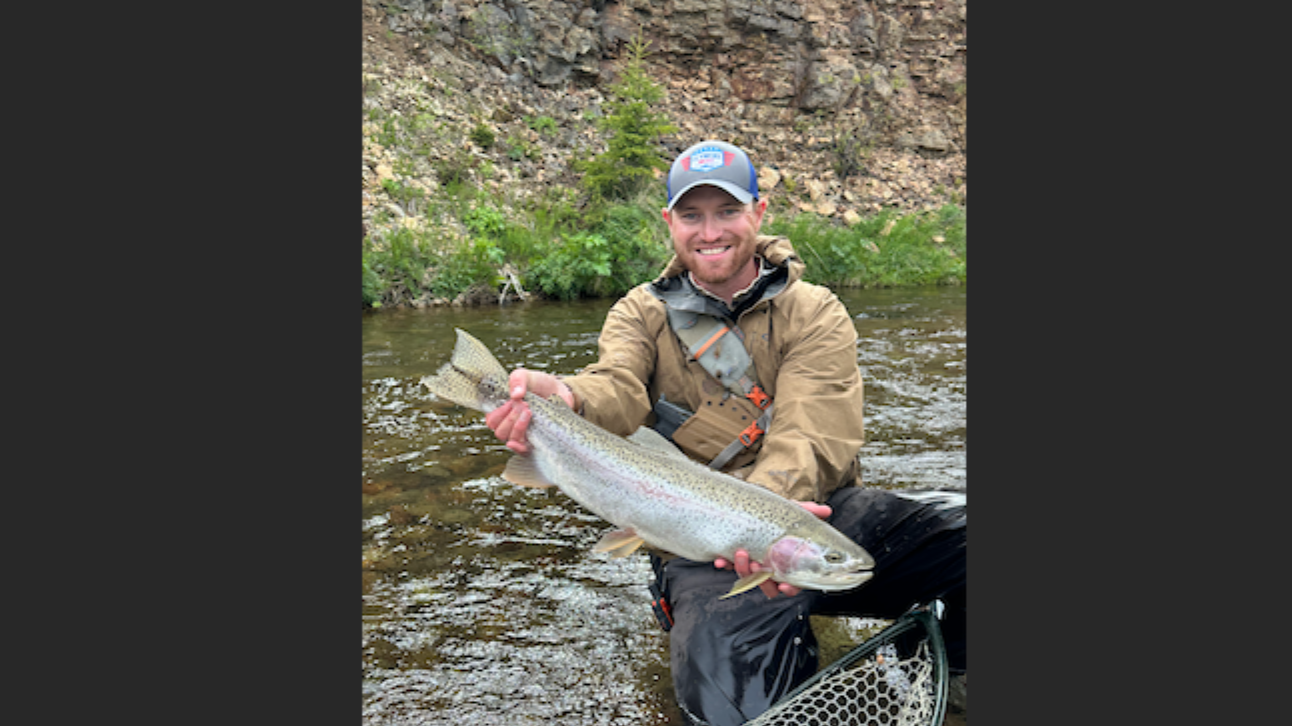
Brendan McDonald
Wyoming Trout Guides
Professional Fly Fishing Guide
Book on Guidesly, opens in new tab
Zach Petrich
Paradise Valley Angler
Family Friendly Fly Fishing Adventure in Montana!
Book on Guidesly, opens in new tab
Fish smarter with real-time insights
Whether you're en route and conditions shift or you're looking for the best spot based on current flows, we enable you to make informed decisions on the fly.




Fishing near Yellowstone National Park
Loading...
Other parks in Wyoming
Gateway towns
Where to base yourself for fishing in Yellowstone National Park.
Largest gateway town, sits at the West Entrance with outfitters, guides, lodging, and a seasonal airport.
- GardinerMT
Sits at the North Entrance, the only entrance open year-round, with lodging, outfitters, and hot springs nearby.
- JacksonWY
Main base for the South Entrance, with an airport, guided tours, and full visitor services; also serves Grand Teton.
- CodyWY
Gateway to the East Entrance with lodging, outfitters, and guided tours into the park's eastern reaches.
Small town at the Northeast Entrance offering lodging and outfitter services for the Lamar Valley corridor.
Yellowstone National Park fishing rules
The park's own rules, on top of Wyoming licenses and regulations. Limits, fees and closures change, so check the park's page before you go.
Park Fishing Permit Required
Anglers 16 and older must carry a valid Yellowstone National Park fishing permit. State licenses from Montana, Wyoming, or Idaho are not valid here. Check the park's permit page for current options and where to buy.

Artificial, Lead-Free Tackle Only
Only lead-free artificial lures or flies are allowed. No organic or inorganic bait and no scented attractants. All hooks must be barbless or have barbs pinched down.
No Felt-Soled Waders
Felt-soled waders and boots are banned throughout the park to prevent the spread of aquatic invasive species. Wear rubber-soled wading footwear instead.
Fly Fishing Only Waters
The Firehole, Madison, and Gibbon rivers below Gibbon Falls are restricted to fly fishing only. Spin fishing with artificial lures is not permitted on these stretches.
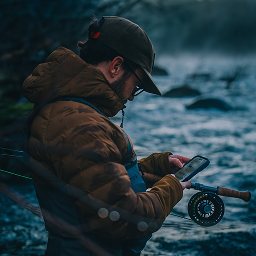
Native Fish Must Be Released
All native fish, including cutthroat trout, Arctic grayling, and mountain whitefish, must be released unharmed. In some areas, nonnative fish must be killed rather than released. Check regional regulations for specifics.
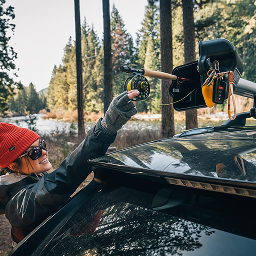
Sunrise to Sunset Hours Only
Fishing is only allowed between sunrise and sunset. Fishing with an artificial light is prohibited. Some waters also face temporary closures during high temperatures, so check current conditions before you go.
Explore Yellowstone National Park
Top fishing waters
Popular Cities
Loading popular cities...

Smarter Fishing Starts in the App.
onWater Fish gives you everything you need to plan smarter, fish better, and own every trip from first cast to last.