Longnose Sucker

The Longnose Sucker is the most widely distributed sucker species in Montana, found in all three major drainages from mountainous streams to plains reservoirs.
These native fish are most abundant in clear, cold streams but can also thrive in moderately warm and turbid waters.
Scientific Name: Catostomus catostomus
- These native fish typically weigh up to 5 pounds and are characterized by their dark olive to slate backs and upper sides with white or yellow underparts.
- During spawning season, breeding males develop striking jet black coloration on their upper bodies and bright red midside bands, making them quite attractive.
- They have 9-12 dorsal fin rays and more than 15 scales above the lateral line.
Fishing in Montana

Missouri River
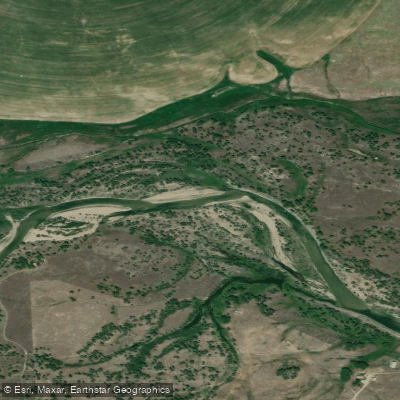
Sun River
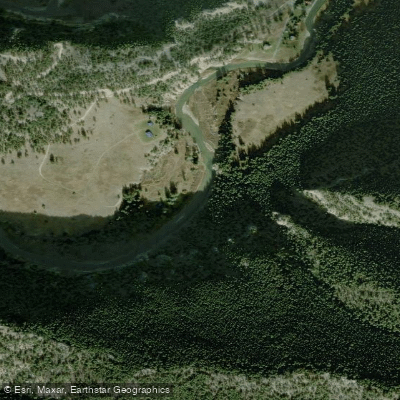
Smith River
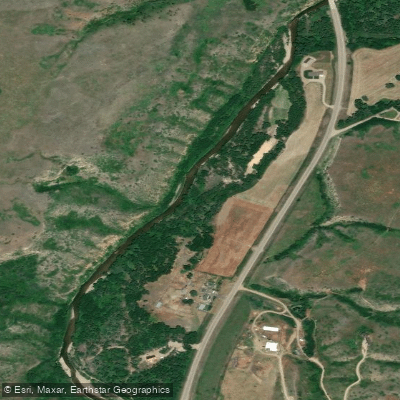
Belt Creek
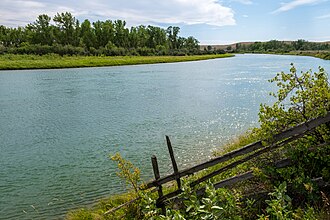
Marias River
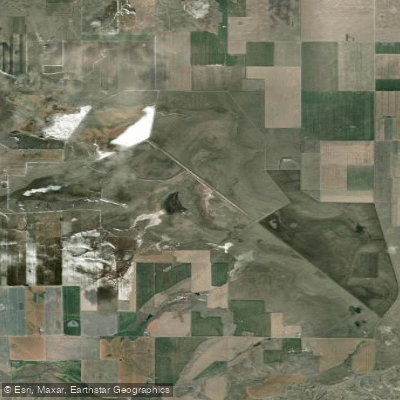
Benton Lake
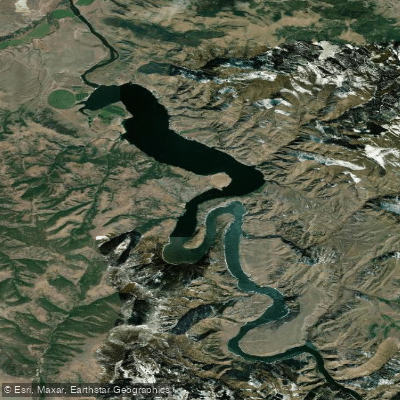
Holter Lake
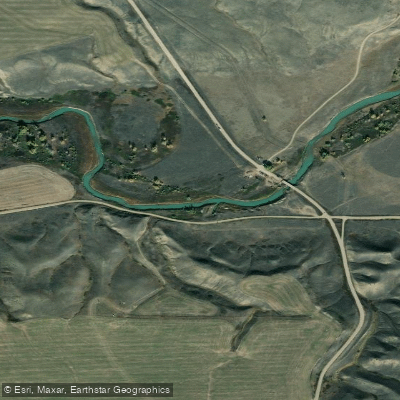
Teton River
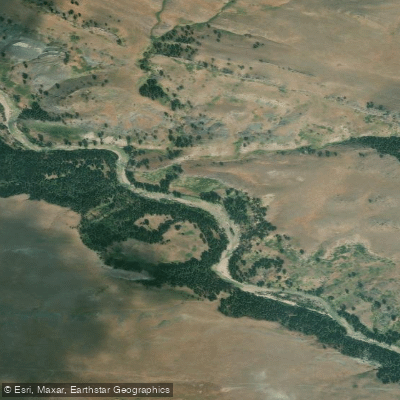
Dearborn River
Little Muddy Creek
What to know
Habitat Distribution
- Found in all three major drainages from mountainous streams to plains reservoirs.
- Most abundant in clear, cold streams but can also thrive in moderately warm and turbid waters.
- Can be found from mountainous streams to plains reservoirs.
Key Locations
- Lake Koocanusa formed by Libby Dam has been particularly favorable for longnose sucker populations.
- Focus on smaller rivers with decent current and river mouths where suckers concentrate.
- Found throughout Montana's three major drainages.
Specific Spots
- Look for them in cold, clear streams and lakes, particularly in areas with gravel bottoms and riffle zones.
- During spawning, they migrate upstream from lakes into tributary streams over loose gravel beds in riffle areas.
- During winter, they move to deeper pools.
Longnose Sucker FAQ
Answers from onWater's species guide.
What flies work for Longnose Sucker in Montana?
Use weighted streamers in sizes 4-8, particularly conehead and beadhead patterns in black and brown colors. Strip leech patterns and e.g.g flies have proven successful.
When is the best time to fish for Longnose Sucker in Montana?
Late summer through early fall when they're feeding aggressively before winter. Spring can also be productive before spawning begins.
How do you catch Longnose Sucker in Montana?
For fly fishing, sight-fishing is most effective. Watch their mouths carefully as they extend to suck up the fly, then set the hook immediately since they'll quickly spit out artificial patterns. Strip leech patterns and e.g.g flies.
What do Longnose Sucker eat?
Their diet consists of considerable algae, midge larvae, and most aquatic invertebrates, using their sensitive, papillae-covered lips to vacuum food from substrates.
Where do Longnose Sucker live in Montana?
Found in all three major drainages from mountainous streams to plains reservoirs. Most abundant in clear, cold streams but can also thrive in moderately warm and turbid waters. Can be found from mountainous streams to plains reservoirs.
Fish smarter with real-time insights
Whether you're en route and conditions shift or you're looking for the best spot based on current flows, we enable you to make informed decisions on the fly.




See it in the app
Most maps show you water.
onWater shows you Longnose Sucker.



- 01 · Species map filter
Map every Longnose Sucker water
Pick Longnose Sucker and the map zeroes in on the waters they call home. No more guessing which lake holds them.
- 02 · Waterbody species
Tap any water. See what lives there.
Species, behavior and seasonal patterns for every lake, river and pond, before you leave the driveway.
- 03 · Angler Intelligence
Ask how to catch Longnose Sucker
Tactics, gear and timing from onWater's AI fishing guide, tuned to the species and the water you're on.
Stop guessing where Longnose Sucker are.
Open the map, filter by Longnose Sucker, and head to water that holds them. Download onWater and plan your next trip in minutes.
- Species map filter
- Angler Intelligence
- Fishing journal
Explore other species
Trout, bass, salmon, panfish and everything in between. Each guide unpacks the behavior, seasons, and tactics that put fish in the net.
No species information available.
Montana licenses and regulations
Explore nearby waters
Explore Montana waters
Top fishing waters
Popular Cities
Loading popular cities...

Smarter Fishing Starts in the App.
onWater Fish gives you everything you need to plan smarter, fish better, and own every trip from first cast to last.