Fishing in Glacier National Park
- National Park
- Open 24 hours
- Lakes
- 131
- Rivers
- 137
- Access
- 26
- Boat Ramps
- 6
- Shops
- 2
- Species
- 15
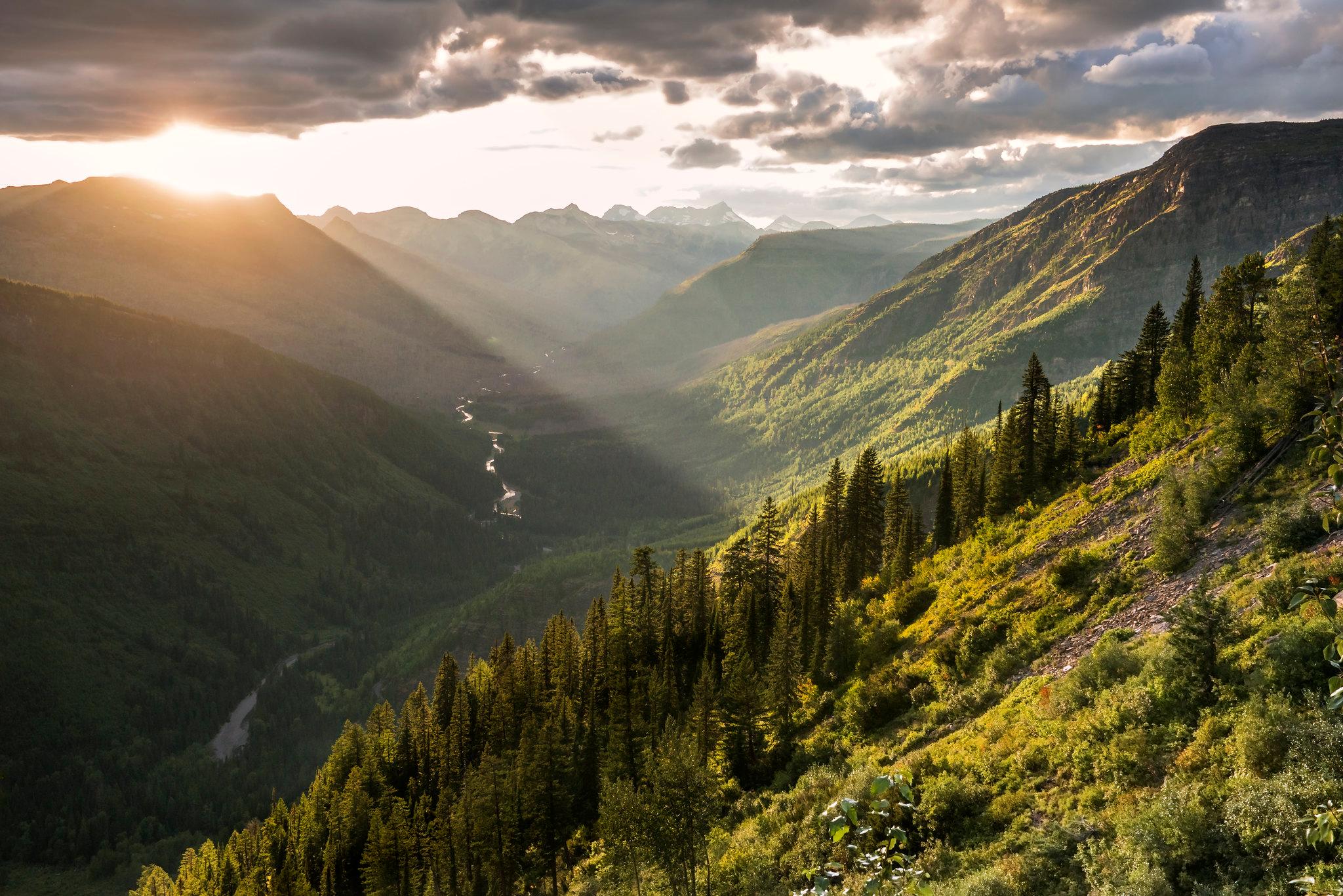
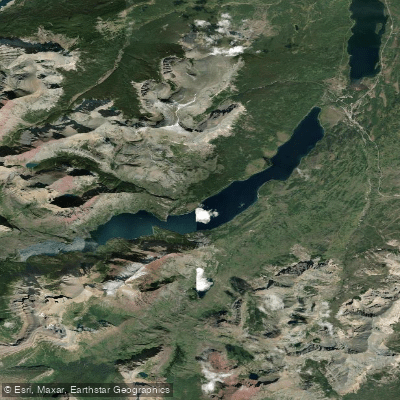
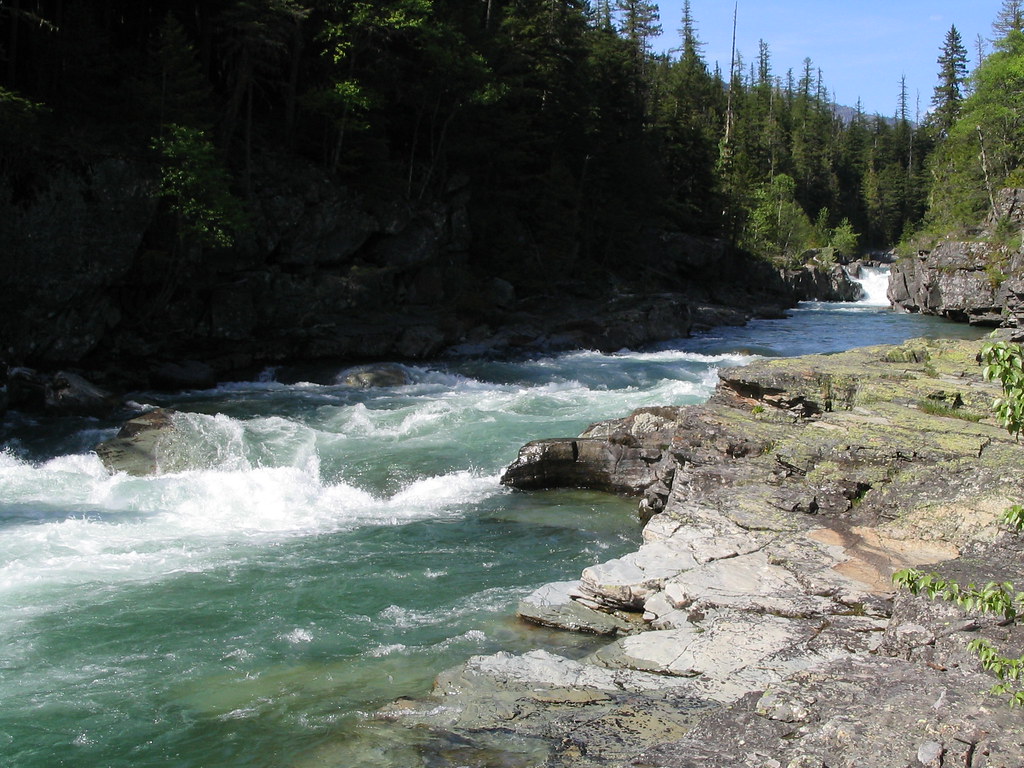
Glacier National Park sits in the northern Rockies of Montana, straddling the Continental Divide, and holds more than 700 lakes along with a dense network of cold streams and rivers draining to both sides of the divide.
The water here is glacially cold and largely undisturbed — the kind of place where the fishery reflects what the landscape has been doing for thousands of years, not what hatchery trucks have been doing for the last few decades.
The park stopped stocking fish in 1971, and the management focus since has been on protecting native species in intact aquatic habitat. The fish that matter most here are westslope cutthroat trout and bull trout, both native to the west side of the park.
Bull trout are federally listed as threatened — any caught must be released immediately, handled with wet hands, and kept in the water as much as possible.
Lake trout, rainbow trout, brook trout, and Arctic grayling are also present, though most non-native species arrived through introductions during the early 1900s.
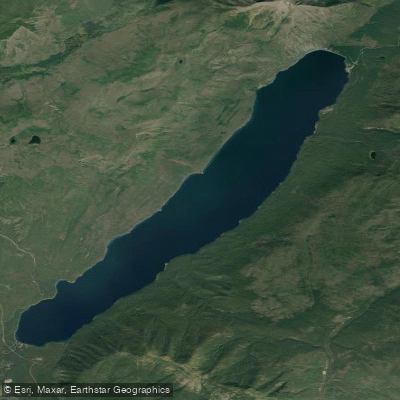
Lake trout, historically native only to waters draining to Hudson Bay on the east side, spread to most of the large west-side lakes through migration from the lower Flathead system. Lake fishing is open year-round inside the park.
The accessible roadside lakes tend to fish slowly — high altitude, cold water, and sparse aquatic vegetation don't grow big fish fast.
The backcountry lakes require hiking, sometimes at significant elevation, but they hold native cutthroat in water that sees very little pressure.
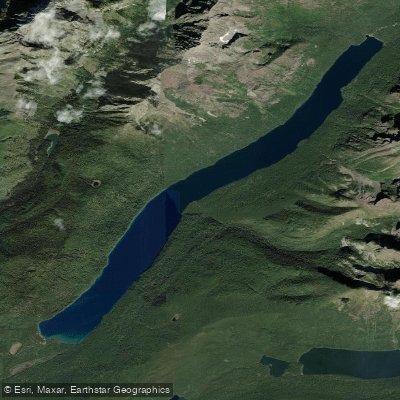
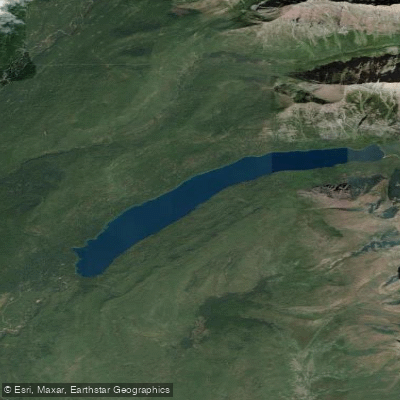
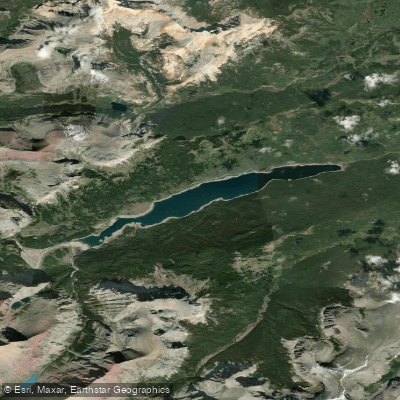
Bowman Lake, on the remote northwest side, is reachable by a long dirt road and holds westslope cutthroat and lake trout.
Kintla Lake, further up that same corridor, is another option — though Kintla Creek between Kintla and Upper Kintla Lake is closed, as is Upper Kintla Lake itself.
Two Medicine Lake on the southeast side falls under Blackfeet Nation jurisdiction for seasons and limits; check tribal regulations before fishing there. Waterton Lake, which straddles the U. S.
-Canada border, follows Parks Canada seasons and limits on the Canadian side. No Montana state fishing license is required inside park boundaries — one of the few places in the state where that's true.
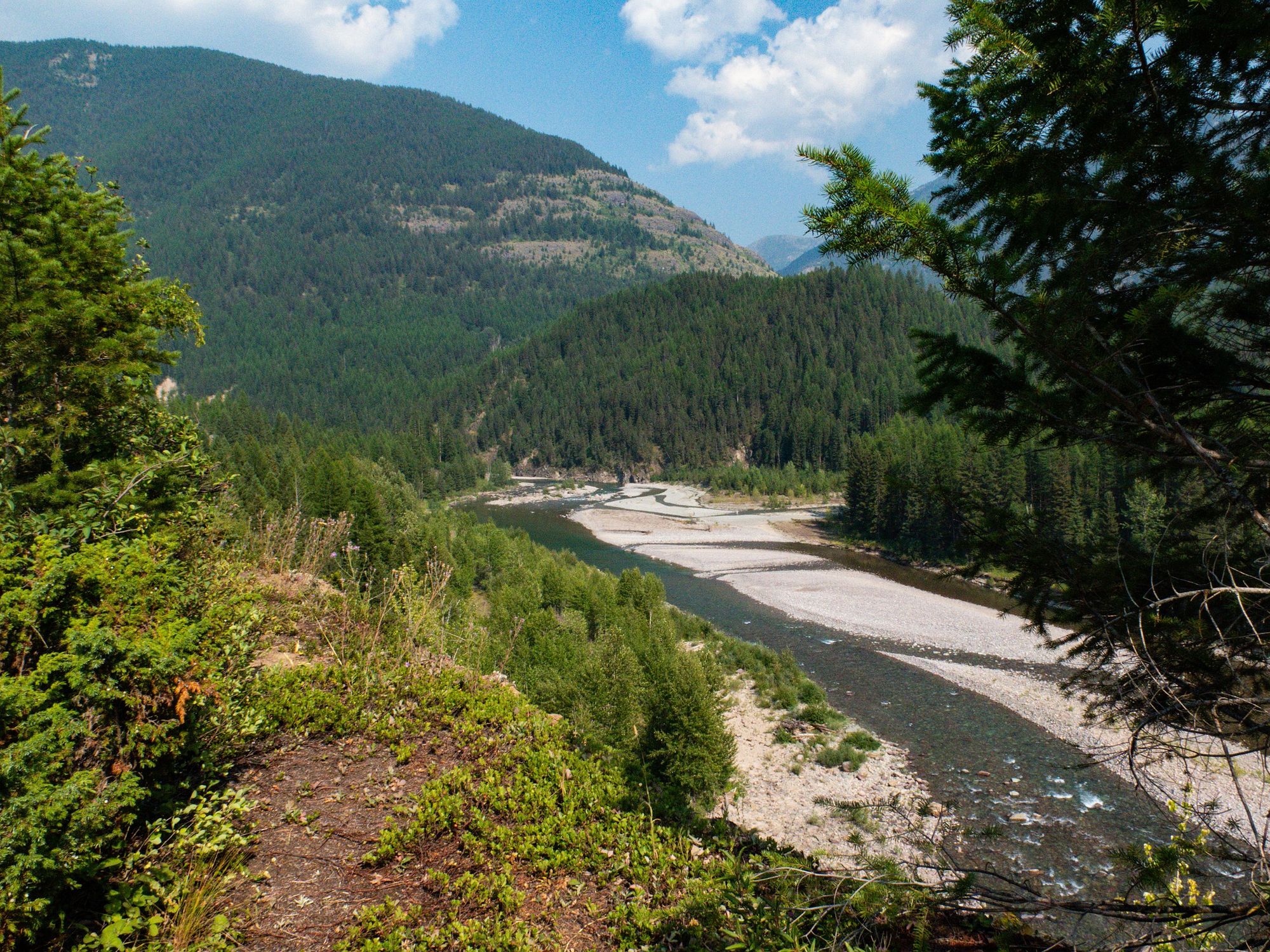
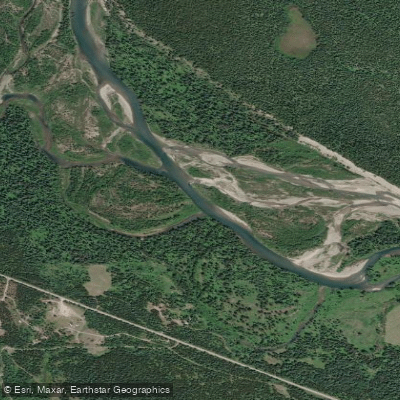
Boundary waters are different: the Middle Fork of the Flathead River, for example, requires a Montana license. Pick up current park regulations at any visitor center or ranger station before you go.
Felt-soled wading boots are prohibited to prevent the spread of invasive species; rubber soles only. A long list of waters are closed entirely — Cracker Lake, Akokala Lake, Slide Lake, and ten named creeks including Nyack, Coal, Ole, and Fish Creek among them.
The North Fork of the Belly River is also closed. Check the closed-waters list carefully before planning a stream trip; the restrictions exist because some of these drainages are the last strongholds for native fish that have nowhere else to go.
The prime fishing window runs roughly late April through late September, with snowpack and access roads dictating the early end of the season more than regulations do.
This is bear country — fish cleaning and food storage require the same attention as any backcountry travel in Glacier. The fishing here asks more of you than most places, and gives back something proportional to the effort.
Species & education
Learn what type of fish are in Glacier National Park and what's needed to catch them.
Find which waters have the species you want to catch

Bull Trout
Salvelinus confluentus
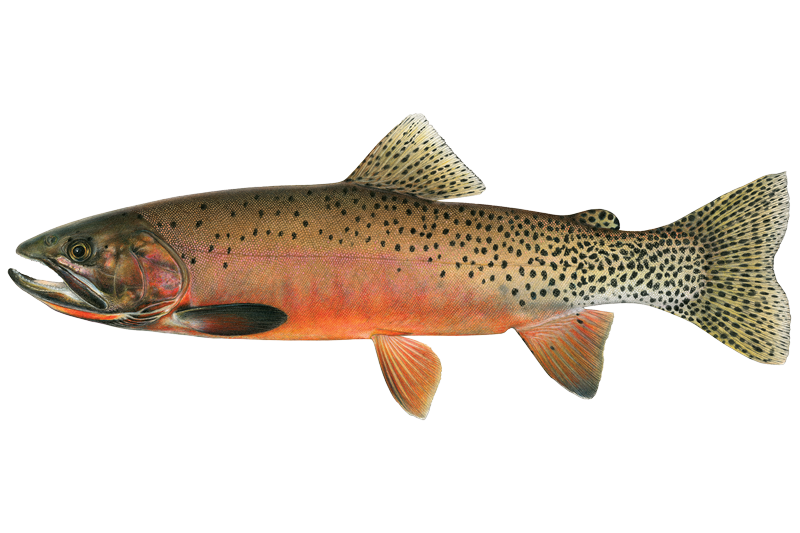
Cutthroat Trout

Lake Trout
Salvelinus namaycush

Mountain Whitefish
Prosopium williamsoni

Rainbow Trout
Oncorhynchus mykiss

Sockeye Salmon
Oncorhynchus nerka
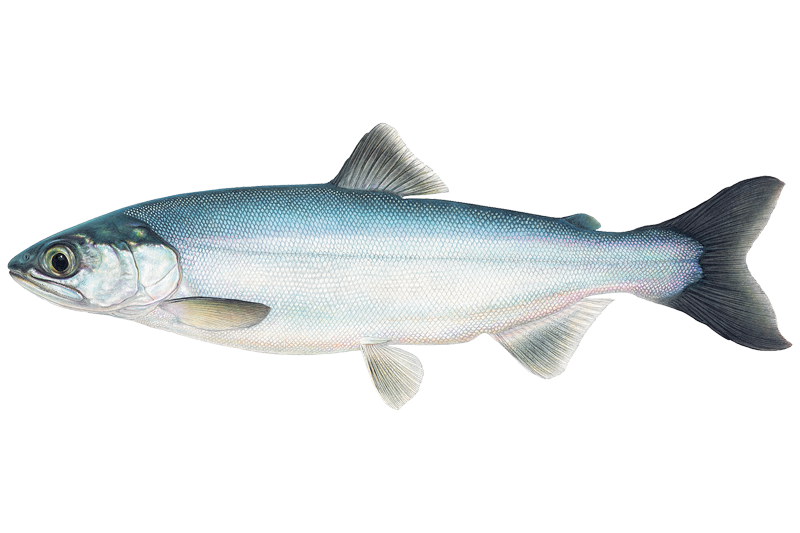
Kokanee Salmon
Oncorhynchus nerka

Lake Whitefish
Coregonus clupeaformis

Longnose Sucker
Catostomus catostomus
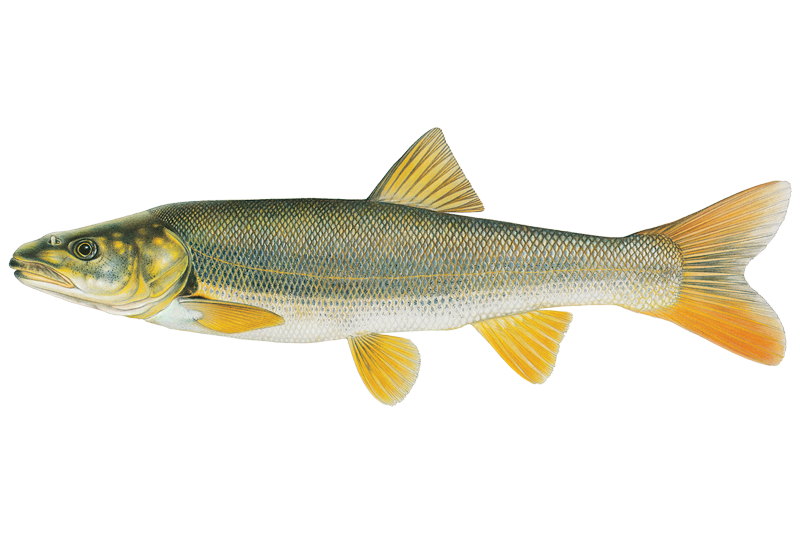
Northern Pikeminnow
Ptychocheilus oregonensis
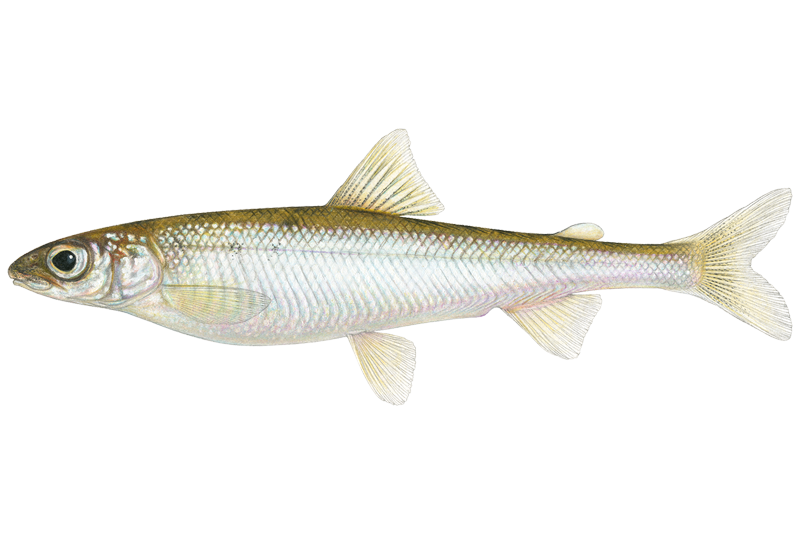
Pygmy Whitefish
Prosopium coulterii

Northern Pike
Esox lucius

Brook Trout
Salvelinus fontinalis

Burbot
Lota lota

White Sucker
Catostomus commersonii
Water and weather conditions (10 day forecast)
See the best times to fish Glacier National Park and check the forecast before you go.
No forecast data available.
Park alerts & road status
Closures and conditions Glacier National Park has posted, from the National Park Service.
Checking the park's alerts…
Hours & fees
When Glacier National Park is open and what it costs to get in, from the National Park Service.
Hours
Open 24 hoursGlacier National Park is open 24 hours a day 365 days of the year. An entrance fee is required, even when entrance stations are not staffed. Instructions are available at each entrance for self-payment.
Entrance fees
- Entrance - Private Vehicle$35
- (Winter Rate - $25.00, November 1 to April 30) This is an entrance fee for all persons traveling in a single, private, non-commercial vehicle (car/truck/van). The pass is good for seven days and is non-transferable. Visitors can enter the park at any time, if the entrance station is not staffed, a self-registration area is available for purchasing a 7-day park pass.
- Entrance - Per Person$20
- (Winter Rate - $15.00, November 1 to April 30) This is a per person entrance fee for a visitor traveling on foot, bicycle, or for individuals traveling together in a vehicle as a non-commercial, organized group. The pass is good for seven days and is non-transferable.
- Entrance - Motorcycle$30
- (Winter Rate - $20.00, November 1 to April 30) Valid for 7 days. Admits up to 2 private, non-commercial motorcycles with up to 4 total passengers.
- Commercial Entrance - Sedan$25
- Entrance fees are based on the seating capacity of the vehicle (driver not included). Commercial Sedan entrance fee is $25, plus $20 per person, 16 years of age or older. The pass is good for seven days and is non-transferable.
- Commercial Entrance - Van$75
- Entrance fees are based on the seating capacity of the vehicle (driver not included). Commercial Van entrance fee is $75 regardless of occupancy. The pass is good for seven days and is non-transferable.
Parking & getting around
Where to leave the car in Glacier National Park. Lots fill early on busy days, so plan where you will park before you head for the water.
Quarter Circle Parking Lot
Parking area for visitors utilizing red buses, Sun Tours or Chalet shuttles. The left side of the parking lot is for guest parking, and the right side is for concessioners to stage and pick up guests.
Getting around
Glacier National Park is located in the northwest corner of Montana along the spine of the Rocky Mountains. By car you can access Glacier via Highway 2, which runs along the southern boundary of the park. You can reach the east side of the park via Highway 89. The nearest airports are in Kalispell and Great Falls, Montana.
Directions on nps.govFish smarter with real-time insights
Whether you're en route and conditions shift or you're looking for the best spot based on current flows, we enable you to make informed decisions on the fly.




Fishing near Glacier National Park
Loading...
Other parks in Montana
Gateway towns
Where to base yourself for fishing in Glacier National Park.
Most popular west-side base with a walkable downtown, outfitters, guides, lodging, and easy access to the West Entrance.
Sits at the West Entrance with rafting outfitters, raft and gear rentals, and lodges right at the park gate.
Affordable west-side town close to the West Entrance with lodging, restaurants, and cabin rentals.
Gateway community on the park's southeast side, offering lodging and a launching point for the Two Medicine and Cut Bank areas.
- St. MaryMT
Sits at the east entrance to Going-to-the-Sun Road, serving as the base for St. Mary and Many Glacier explorations.
Glacier National Park fishing rules
The park's own rules, on top of Montana licenses and regulations. Limits, fees and closures change, so check the park's page before you go.
No State Fishing License Required
You do not need a Montana fishing license to fish inside park boundaries. Check the park's fishing page for any boundary-water exceptions involving tribal or Canadian regulations.
Bull Trout Must Be Released
You cannot keep bull trout. If you catch one, wet your hands with lake or stream water first, handle it carefully, and release it immediately.
Several Waters Are Closed
A number of lakes, creeks, and river sections are completely closed to fishing. Check the park's fishing page for the full list before you head out.
Hook and Line Only
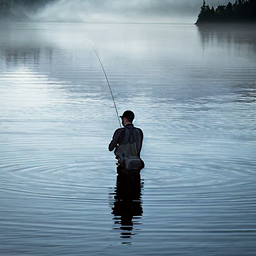
Fishing by hook and line only is allowed, and each person is limited to one rod. Your rod or line must be closely attended at all times.
Watercraft Must Be Inspected
Every watercraft launched in the park must pass an aquatic invasive species inspection before it hits the water. Stop at a designated inspection station on your way in.
Explore Glacier National Park
Top fishing waters
Popular Cities
Loading popular cities...

Smarter Fishing Starts in the App.
onWater Fish gives you everything you need to plan smarter, fish better, and own every trip from first cast to last.