Sauger

Sauger are native Montana fish closely resembling walleye, distinguished by their spotted dorsal fin, scales on their cheeks, and absence of a white-tipped tail. These highly migratory fish can travel up to 600 kilometers between spawning and rearing habitats.
They're piscivorous predators with advanced light-gathering retinas, thriving in low-light environments.
Scientific Name: Sander canadensis
- Bronze to olive-colored fish with dark blotches, spotted dorsal fin, scales on their cheeks, and absence of a white-tipped tail.
- Typically measure 12-15 inches and weigh 1-3 pounds, though exceptional specimens can reach over 20 inches.
Fishing in Montana

Missouri River
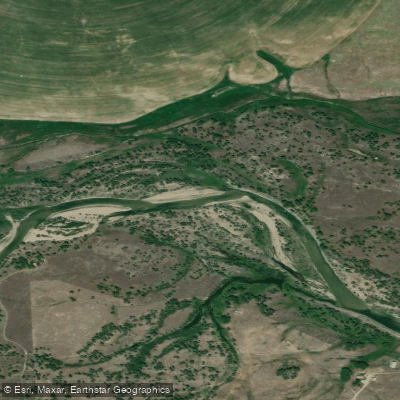
Sun River
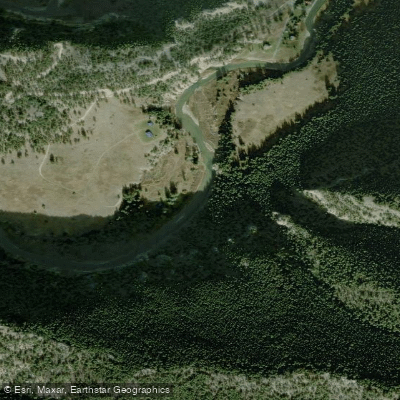
Smith River
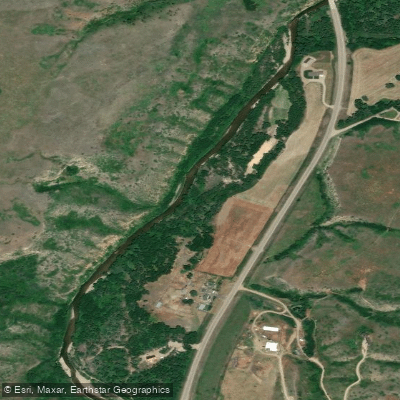
Belt Creek
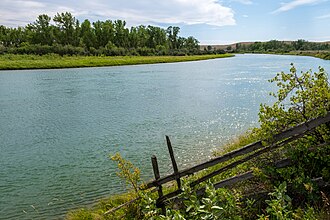
Marias River
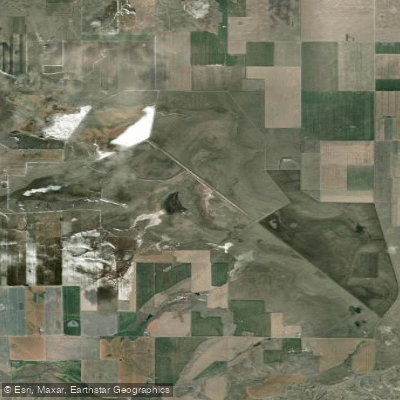
Benton Lake
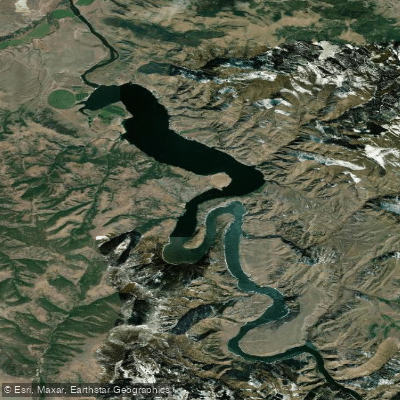
Holter Lake
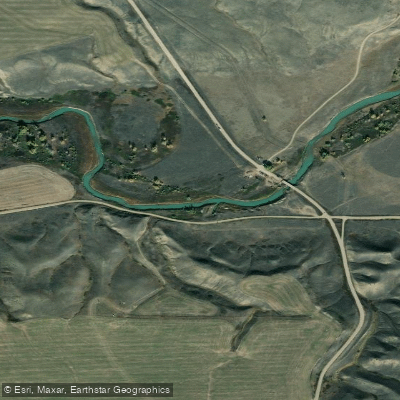
Teton River
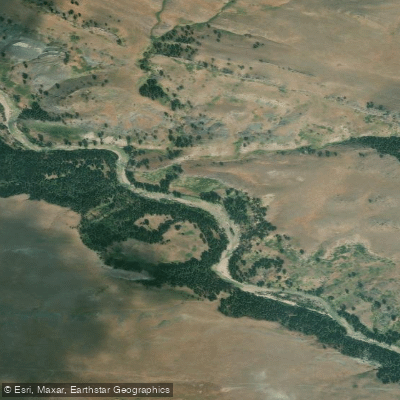
Dearborn River
Little Muddy Creek
What to know
Habitat Distribution
- Current distribution confined mainly to mainstem rivers.
- They're primarily found in the Missouri River and its major tributaries downstream of Great Falls, and the Yellowstone River downstream of Rosebud Creek.
Key Locations
- Missouri River and its major tributaries downstream of Great Falls, Yellowstone River downstream of Rosebud Creek, small portions of the Marias, Musselshell, and Milk rivers, Fort Peck Reservoir, Lower Yellowstone River drainage including areas around Miles City and downstream sections, and the Missouri River system.
Specific Spots
- Target areas like seams below gravel bars, around rocks, and in deeper main channel habitats.
- Look for current breaks and structure.
- Since Sauger are bottom-dwelling fish, focus on deeper areas.
- During spring and early summer high flows, they use off-channel habitats and channel margins, moving to deeper main channel areas in late summer and autumn.
Sauger FAQ
Answers from onWater's species guide.
What are the best lures and bait for Sauger in Montana?
Heavy hair jigs (¾ to 2 ounces) tipped with minnows, brightly colored jigs, spoons, bucktails, and spinnerbaits. Live baits like minnows, nightcrawlers, crayfish, leeches, and small panfish work well.
When is the best time to fish for Sauger in Montana?
Late summer through autumn provides excellent fishing. Spawning occurs from mid-April to May at 50°F water temperatures - avoid fishing during this critical reproductive period.
How do you catch Sauger in Montana?
Vertical jigging is the most effective technique. Try the proven Lindy rig setup trolled at 1.5 mph with shiners at a 45-degree line angle, bouncing occasionally off bottom. For fly fishing (though challenging due to their bottom-dwelling nature), use weighted streamers and nymphs in deeper pools.
What do Sauger eat?
Adults feed primarily on fish. Young consume zooplankton and benthic invertebrates before shifting to a fish diet by autumn of their first year.
Where do Sauger live in Montana?
Current distribution confined mainly to mainstem rivers. They're primarily found in the Missouri River and its major tributaries downstream of Great Falls, and the Yellowstone River downstream of Rosebud Creek.
Fish smarter with real-time insights
Whether you're en route and conditions shift or you're looking for the best spot based on current flows, we enable you to make informed decisions on the fly.




See it in the app
Most maps show you water.
onWater shows you Sauger.



- 01 · Species map filter
Map every Sauger water
Pick Sauger and the map zeroes in on the waters they call home. No more guessing which lake holds them.
- 02 · Waterbody species
Tap any water. See what lives there.
Species, behavior and seasonal patterns for every lake, river and pond, before you leave the driveway.
- 03 · Angler Intelligence
Ask how to catch Sauger
Tactics, gear and timing from onWater's AI fishing guide, tuned to the species and the water you're on.
Stop guessing where Sauger are.
Open the map, filter by Sauger, and head to water that holds them. Download onWater and plan your next trip in minutes.
- Species map filter
- Angler Intelligence
- Fishing journal
Explore other species
Trout, bass, salmon, panfish and everything in between. Each guide unpacks the behavior, seasons, and tactics that put fish in the net.
No species information available.
Montana licenses and regulations
Explore nearby waters
Explore Montana waters
Top fishing waters
Popular Cities
Loading popular cities...

Smarter Fishing Starts in the App.
onWater Fish gives you everything you need to plan smarter, fish better, and own every trip from first cast to last.