Burbot

Burbot are Montana's only freshwater cod species and are native to the Kootenai, Missouri, and Saskatchewan drainages.
These distinctive fish are easily recognized by their single chin barbel, elongated eel-like body, and smooth appearance (though tiny embedded scales are present).
Scientific Name: Lota lota
Also known as ling
- These distinctive fish are easily recognized by their single chin barbel, elongated eel-like body, and smooth appearance (though tiny embedded scales are present).
- They're marked by cream or pale green coloration with dark brown or olive green mottling, providing excellent camouflage against river and lake bottoms.
Fishing in Montana

Missouri River
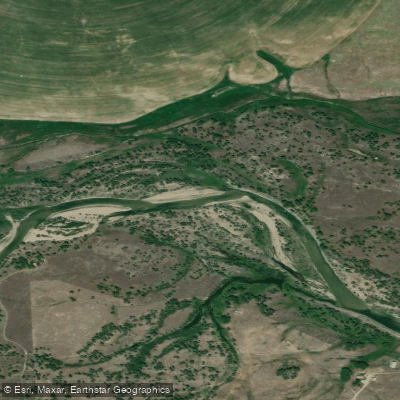
Sun River
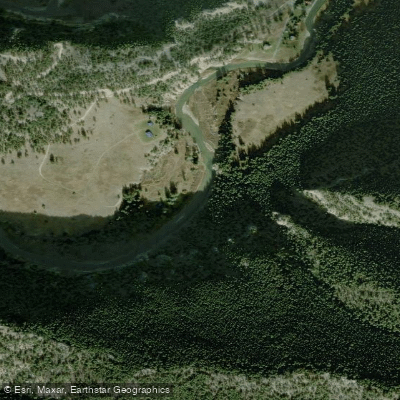
Smith River
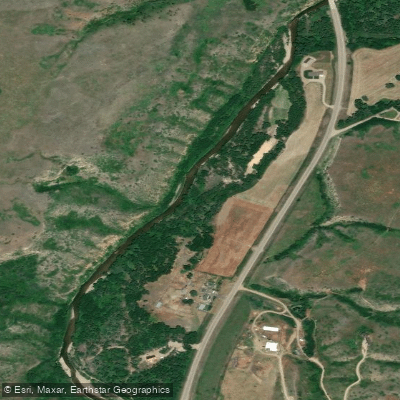
Belt Creek
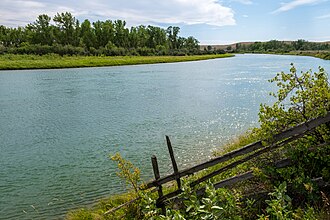
Marias River
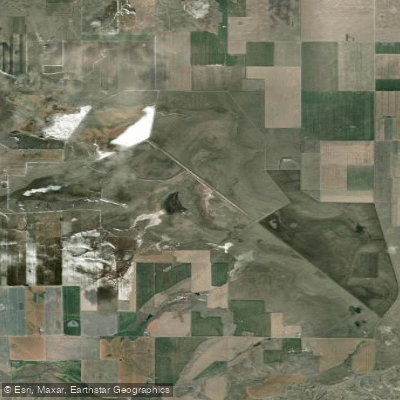
Benton Lake
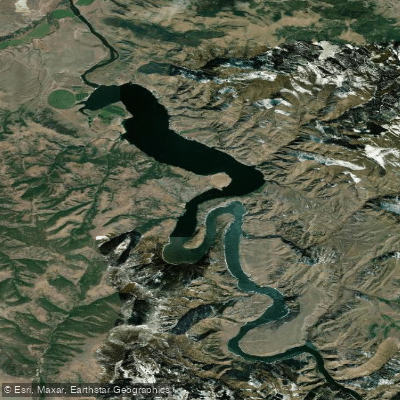
Holter Lake
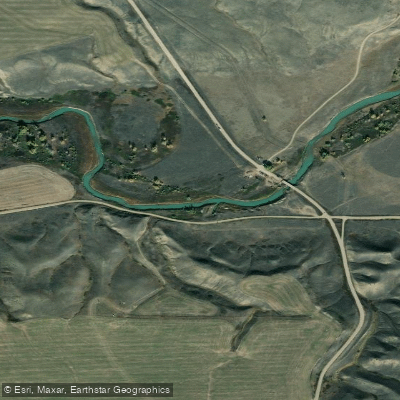
Teton River
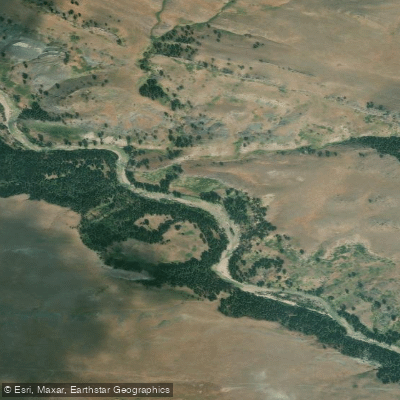
Dearborn River
Little Muddy Creek
What to know
Habitat Distribution
- They inhabit large rivers and cold, deep lakes and reservoirs throughout Montana.
Key Locations
- They inhabit large rivers and cold, deep lakes and reservoirs throughout Montana, including the Missouri River (from Holter Dam downstream), Big Hole River, Beaverhead, Ruby, Madison, Yellowstone, Milk, Poplar, Bighorn, lower Clark Fork, and lower North Fork Flathead rivers.
- Key reservoirs include Hauser, Helena Valley, Holter, Clark Canyon, Canyon Ferry, Newlan Creek, Fort Peck, North Fork Smith River, Lake Frances, and Tiber reservoirs.
- Popular winter locations include the Missouri River system, Newlan Creek Reservoir, Fort Peck Reservoir, and Canyon Ferry Reservoir.
Specific Spots
- Target shallow flats 5-15 feet deep at dusk or during night hours, especially near tributary mouths and creek confluences.
- During daylight, focus on deep holes and structures.
Burbot FAQ
Answers from onWater's species guide.
What are the best lures and bait for Burbot in Montana?
Effective lures include glow-in-the-dark jigging spoons (especially phosphorescent patterns), heavy bucktail jigs, blade baits, and jigs tipped with cut bait. Moonshine Lures casting spoons and Big Nasty Tackle Trout-N-Pout spoons are particularly effective.
When is the best time to fish for Burbot in Montana?
Winter is prime time for burbot fishing in Montana, particularly from December through March when they're most active and feeding heavily before and after spawning. Spring and fall can also be productive as fish move between deep and shallow water.
How do you catch Burbot in Montana?
The key technique is bottom-bouncing: pound your lure on the bottom to stir up sediment and create noise, then lift 6-12 inches off bottom and dance the bait. Burbot often hit during the fall back to bottom. When ice fishing, use tip-ups or aggressive jigging with glow lures.
What do Burbot eat?
Burbot are voracious predators and opportunistic feeders - young fish consume aquatic invertebrates while adults are highly piscivorous, preying on lamprey, whitefish, grayling, young northern pike, suckers, stickleback, trout, and perch.
Where do Burbot live in Montana?
They inhabit large rivers and cold, deep lakes and reservoirs throughout Montana.
Fish smarter with real-time insights
Whether you're en route and conditions shift or you're looking for the best spot based on current flows, we enable you to make informed decisions on the fly.




See it in the app
Most maps show you water.
onWater shows you Burbot.



- 01 · Species map filter
Map every Burbot water
Pick Burbot and the map zeroes in on the waters they call home. No more guessing which lake holds them.
- 02 · Waterbody species
Tap any water. See what lives there.
Species, behavior and seasonal patterns for every lake, river and pond, before you leave the driveway.
- 03 · Angler Intelligence
Ask how to catch Burbot
Tactics, gear and timing from onWater's AI fishing guide, tuned to the species and the water you're on.
Stop guessing where Burbot are.
Open the map, filter by Burbot, and head to water that holds them. Download onWater and plan your next trip in minutes.
- Species map filter
- Angler Intelligence
- Fishing journal
Explore other species
Trout, bass, salmon, panfish and everything in between. Each guide unpacks the behavior, seasons, and tactics that put fish in the net.
No species information available.
Montana licenses and regulations
Explore nearby waters
Explore Montana waters
Top fishing waters
Popular Cities
Loading popular cities...

Smarter Fishing Starts in the App.
onWater Fish gives you everything you need to plan smarter, fish better, and own every trip from first cast to last.