Fishing in Pennsylvania
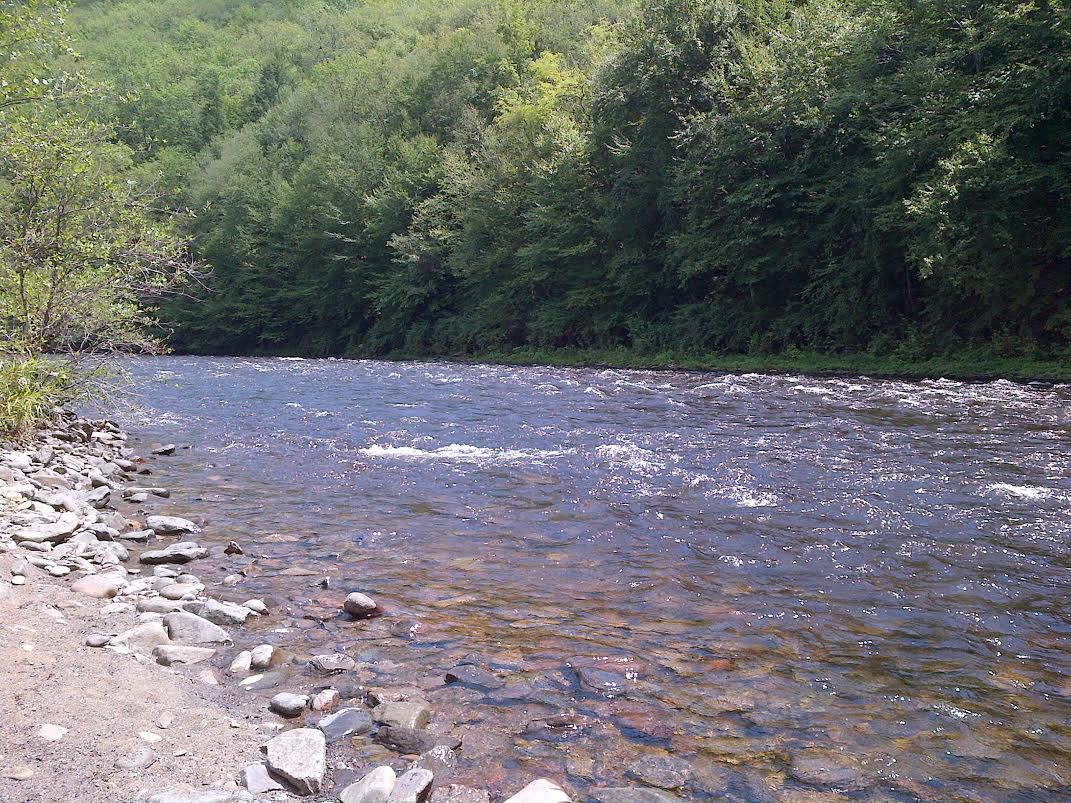
- Lakes
- 1,506
- Rivers
- 7,048
- Access
- 1,498
- Boat Ramps
- 851
- Shops
- 162
Pennsylvania is a state where fishing splits cleanly along two cultural lines: the Opening Day crowds who pack fire halls before dawn for scrambled eggs and scrapple, and the limestone spring-creek crowd who shows up alone at midday to watch a wild brown refuse fly after fly.
Both are deeply Pennsylvanian, and most anglers here move between them depending on the season. The limestone country of the Cumberland and Nittany Valleys is what put the state on the map for serious fly fishers.
Penns Creek, roughly 35 miles of Class A wild trout water with the wild section below Coburn running about 100 feet across, is the headline — especially around Memorial Day, when the Green Drakes blanket the water at dusk and bring big browns to the surface.
Spring Creek near State College stays open year-round and runs cold and insect-rich enough to fish midges in January and Tricos in August; the public stretch at Fisherman's Paradise is one of the most technically demanding pieces of trout water in the East.
The Letort near Carlisle is the historical heart of it — Marinaro and Charlie Fox worked out terrestrial fishing on that slow, weedy water, and the trout haven't gotten any more forgiving since.
Yellow Breeches rounds out the limestone scene, low-gradient and broad-shouldered, with a White Fly hatch in August that's worth planning a trip around. The freestone side of the state runs colder and rougher.
Native brook trout — the only trout actually from here — hold in high-elevation headwaters protected under PFBC's wilderness trout program, and a lot of TU chapter energy gets channeled into keeping them there through the Back the Brookie program and habitat work.
Up in the northwest corner, Lake Erie is a different state of mind. The tributaries — Elk, Walnut, Conneaut — are stocked with roughly a million juvenile steelhead a year, and from mid-September through April the fish push in and the parking lots fill up.
The central basin's walleye fishery is nationally ranked, and the Erie charter fleet is generational, with captains running out of State Street whose grandfathers ran the same water.
Then there's the Susquehanna, all 444 miles of it, with smallmouth holding in gravel riffles from Towanda down to Harrisburg, and a West Branch that — through decades of TU acid-mine-drainage work — is quietly growing wild brown trout again where there used to be nothing alive at all.
One thing to know before you go: access here isn't western. Most of the best wild trout streams aren't navigable in the legal sense, which means private banks are private, full stop. Knock on doors, fish the public stretches, and respect the lines.
The state has over 35,000 miles of wild trout water, but earning your way onto it is part of the deal.
Top waters to fish near Pennsylvania
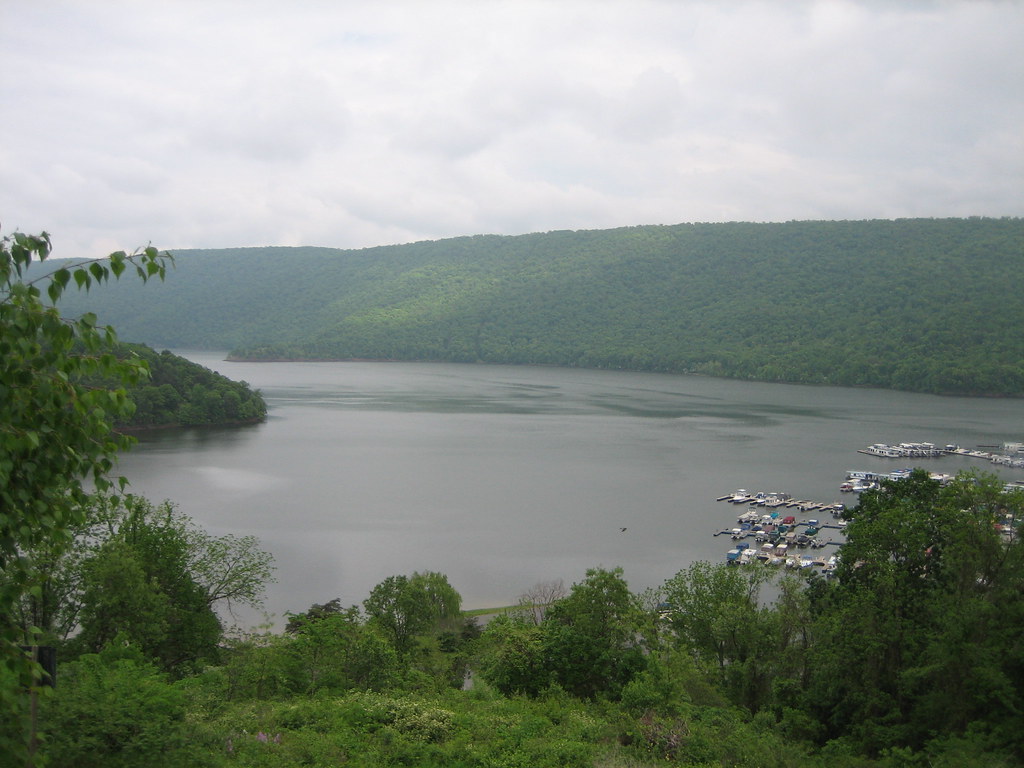
Raystown Lake
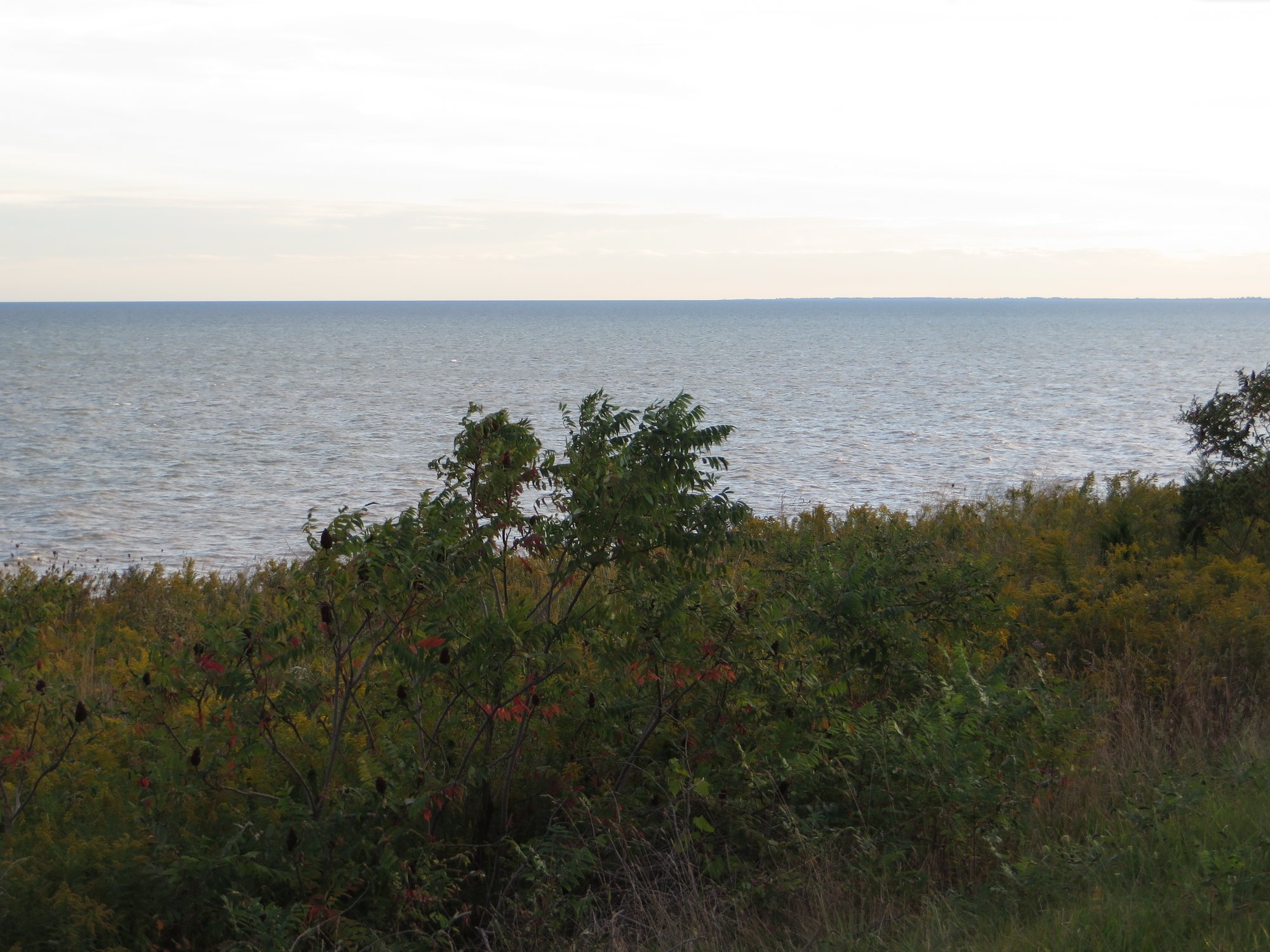
Lake Erie
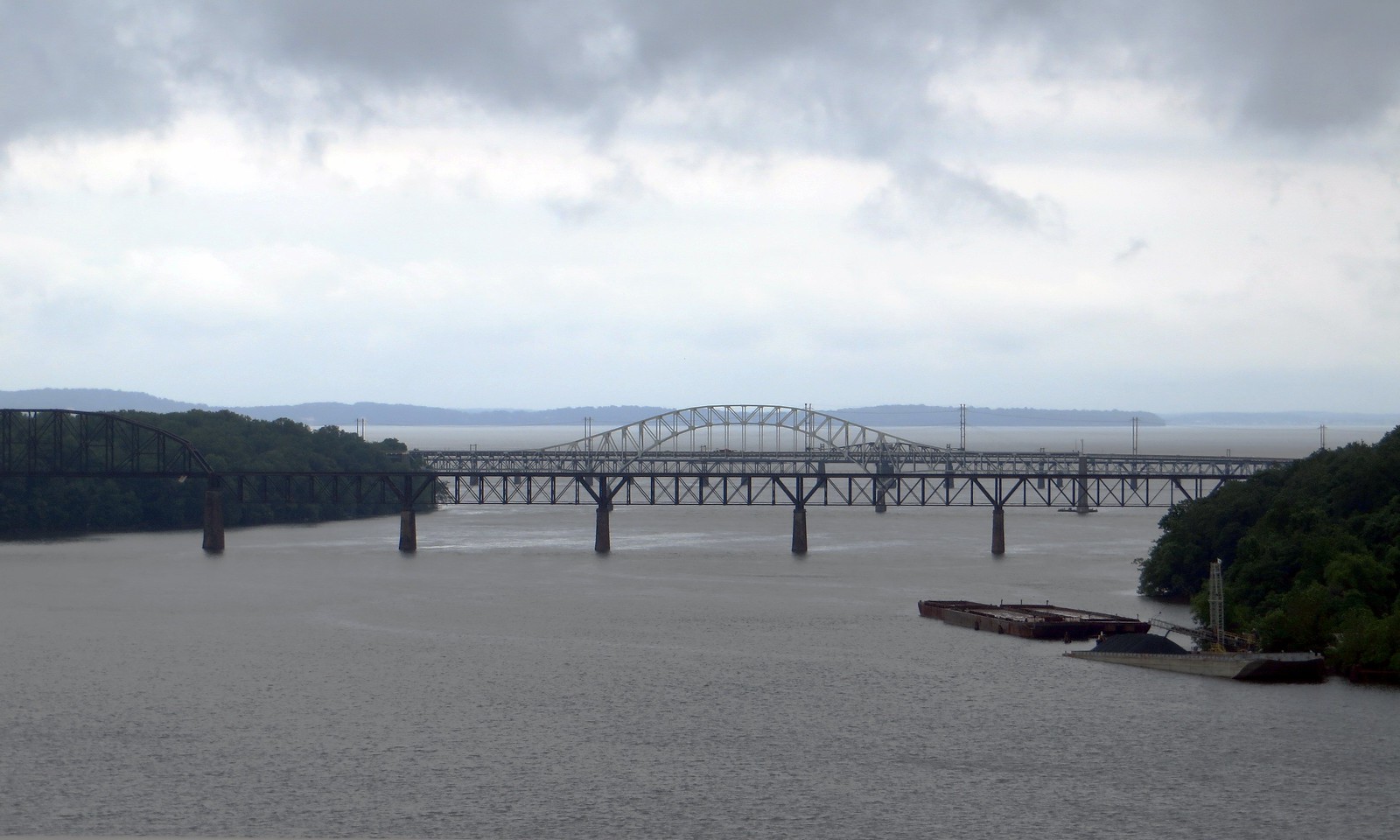
Susquehanna River
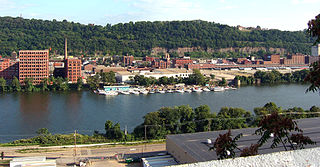
Allegheny River
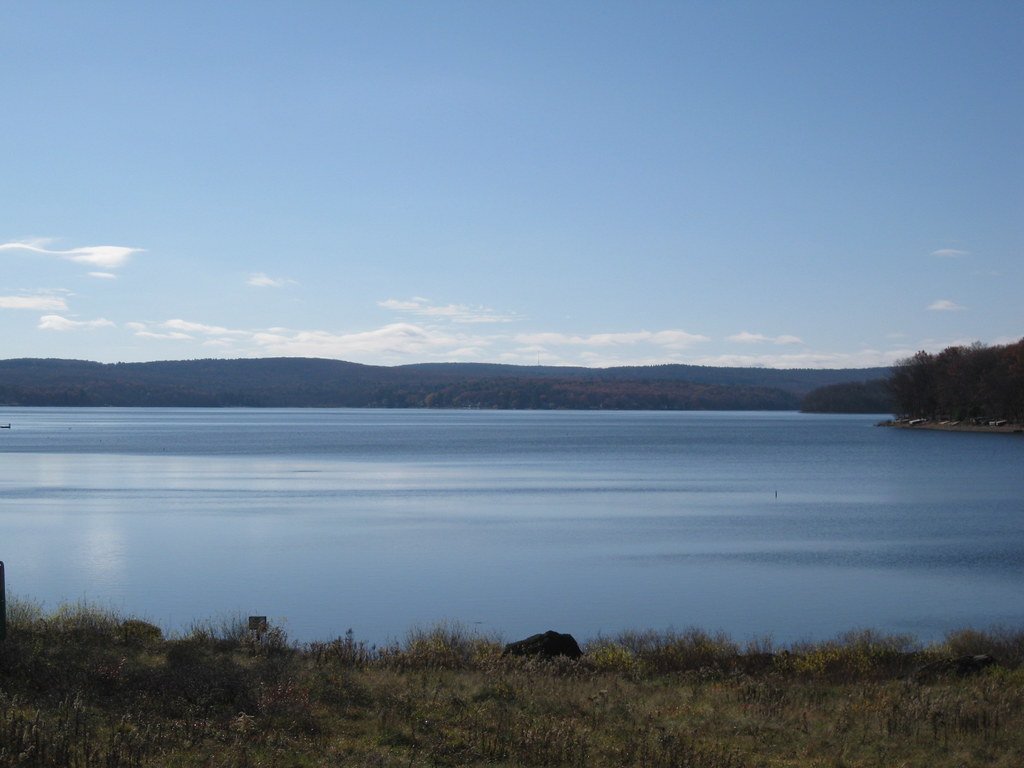
Lake Wallenpaupack
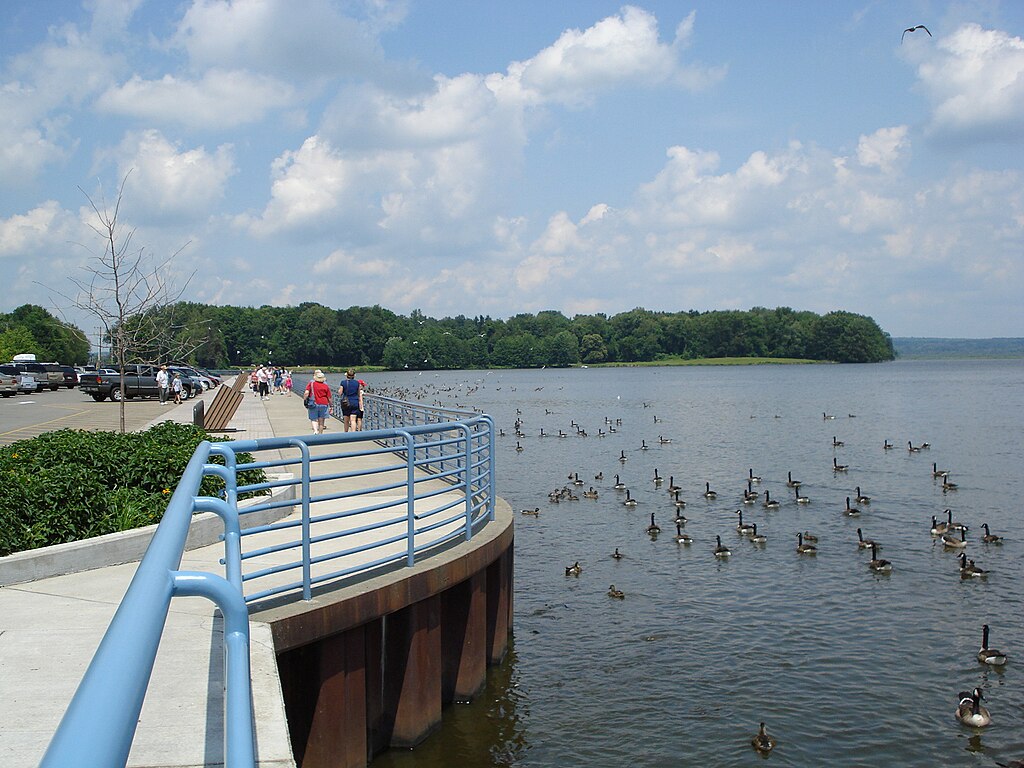
Pymatuning Reservoir
Blue Marsh Lake
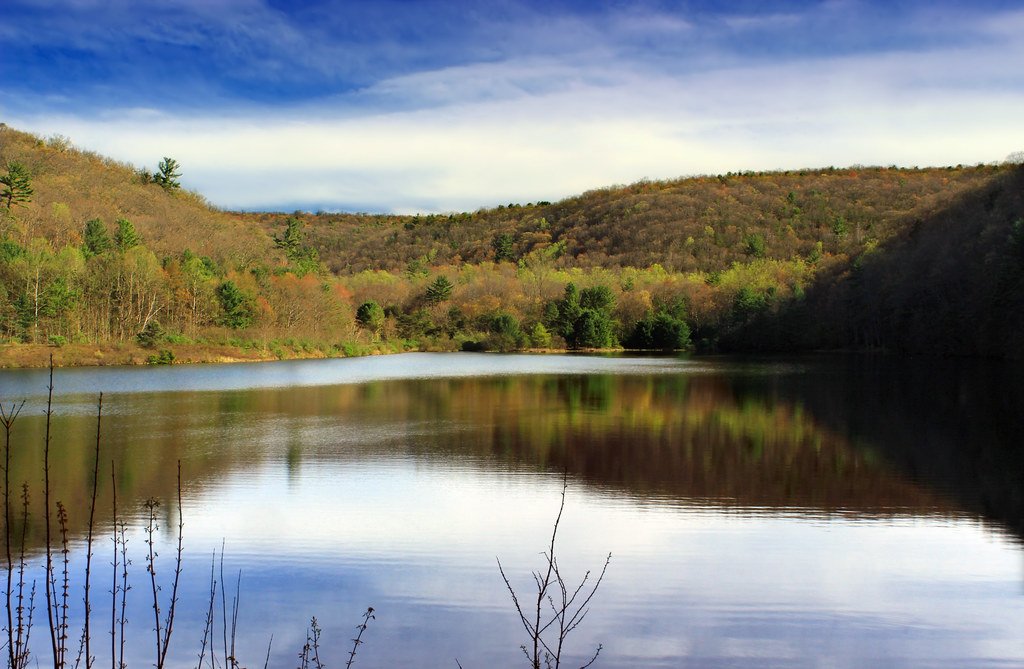
Keller Reservoir
Youghiogheny River Lake
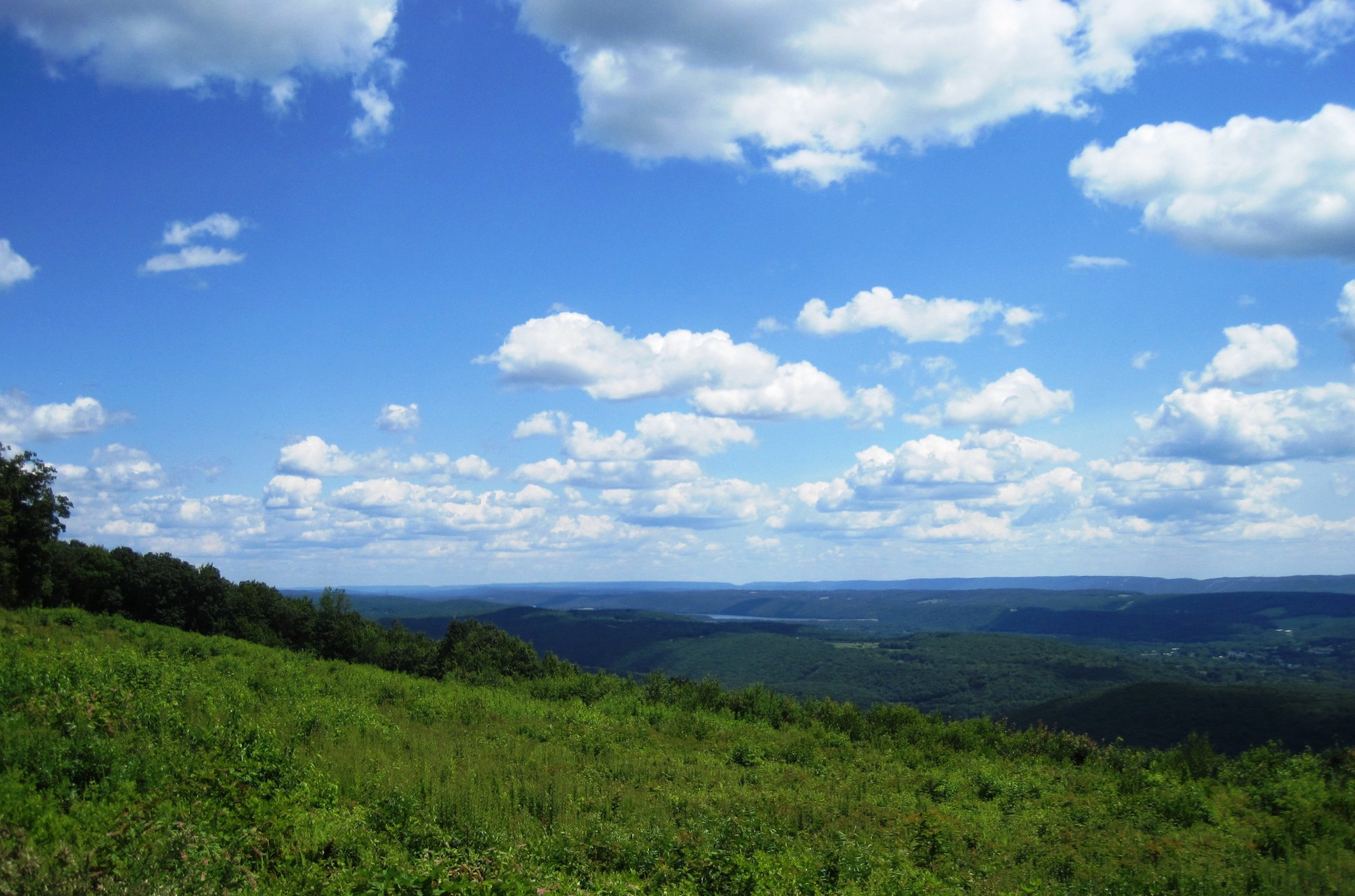
Beltzville Lake
Species & education
Learn what type of fish are in Pennsylvania and what's needed to catch them.

Find which waters have the species you want to catch

Largemouth Bass

Smallmouth Bass
Micropterus dolomieu

Rainbow Trout
Oncorhynchus mykiss

Brown Trout
Salmo trutta

Brook Trout
Salvelinus fontinalis

Northern Pike
Esox lucius

Muskellunge

Walleye

Black Crappie
Pomoxis nigromaculatus

Alewife
Alosa pseudoharengus

American Eel
Anguilla rostrata

American Shad
Alosa sapidissima

Blacknose Dace
Rhinichthys atratulus (eastern), Rhinichthys obtusus (western)

Blue Catfish
Ictalurus furcatus

Bowfin
Amia calva

Brown Bullhead
Ameiurus nebulosus

Burbot
Lota lota

Chain Pickerel
Esox niger

Channel Catfish
Ictalurus punctatus

Chinook Salmon
Oncorhynchus tshawytscha

Coho Salmon
Oncorhynchus kisutch

Common Carp
Cyprinus carpio

Creek Chub
Semotilus atromaculatus

Fallfish
Semotilus corporalis

Flathead Catfish
Pylodictis olivaris

Freshwater Drum
Aplodinotus grunniens

Gizzard Shad
Dorosoma cepedianum

Golden Redhorse
Moxostoma erythrurum

Golden Trout
Oncorhynchus aguabonita

Grass Carp
Ctenopharyngodon idella

Green Sunfish
Lepomis cyanellus

Hickory Shad
Alosa mediocris

Lake Sturgeon
Acipenser fulvescens

Lake Trout
Salvelinus namaycush

Longear Sunfish
Lepomis megalotis

Longnose Gar
Lepisosteus osseus

Longnose Sucker
Catostomus catostomus

Northern Hogsucker
Hypentelium nigricans
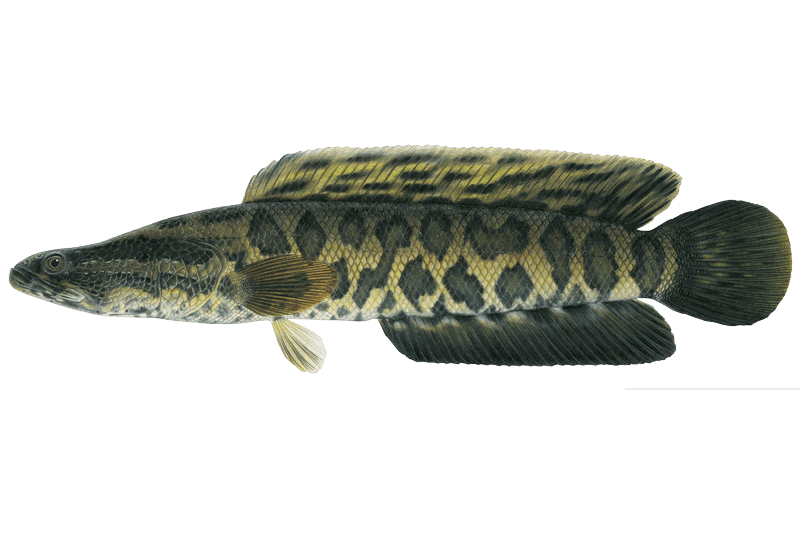
Northern Snakehead
Channa argus

Pumpkinseed
Lepomis gibbosus
Fishing guides in Pennsylvania
Book a trip with a local fishing guide through Guidesly.

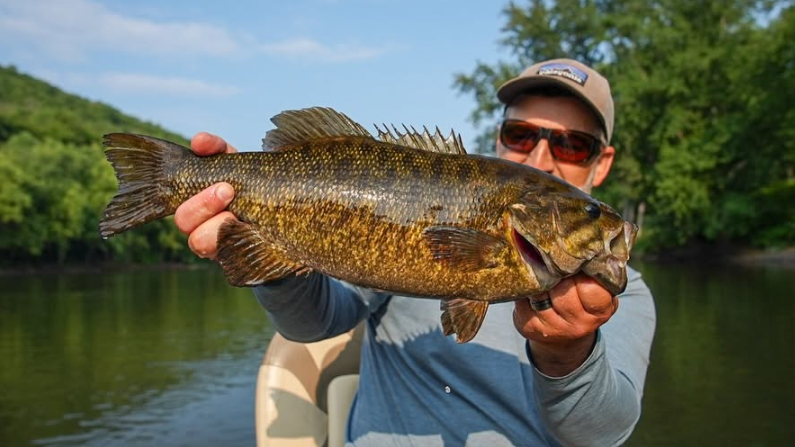
Ry Carman
Spring Fed Angling
5.0 (11 reviews)
Premier Susquehanna River Fly Fishing Guide
Book on Guidesly, opens in new tab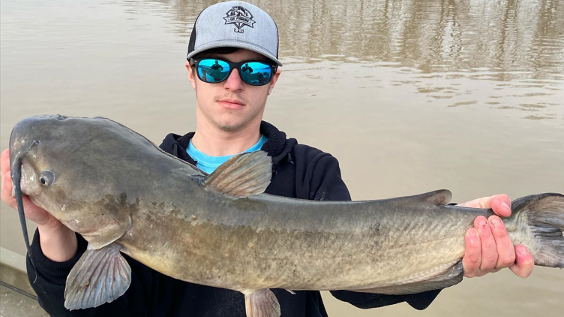
Cameron Hauck
CHfishing
5.0 (8 reviews)
Best Of Susquehanna River, Pennsylvania
Book on Guidesly, opens in new tab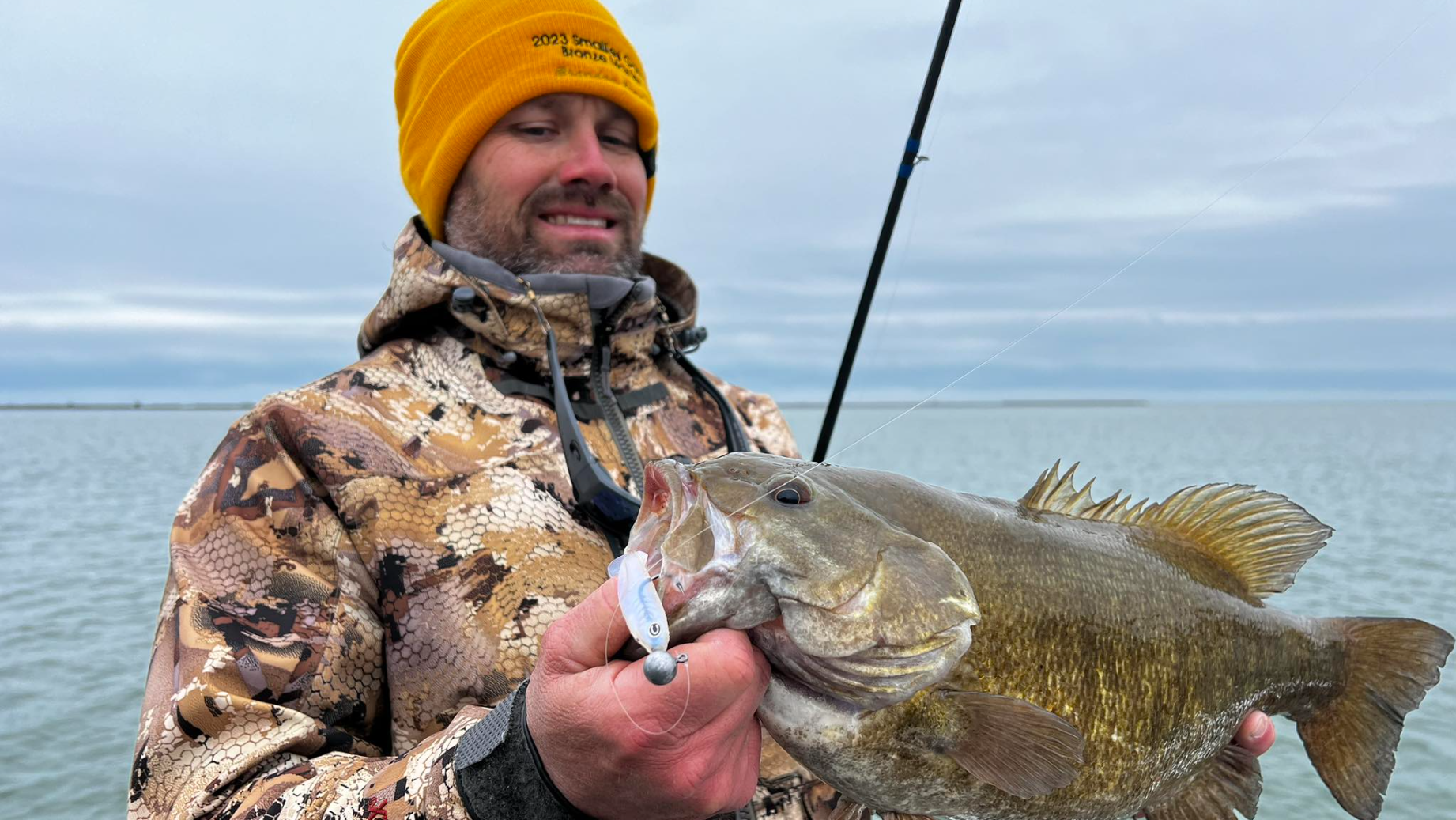
Brandon Sandy
River Redemption
5.0 (4 reviews)
Cast, Reel, Repeat – River Fishing at Its Best!
Book on Guidesly, opens in new tab
Matthew Shopene
Dog's Life Sport Fishing
5.0 (3 reviews)
Memorable experience in Lake Erie Fishing Charters
Book on Guidesly, opens in new tab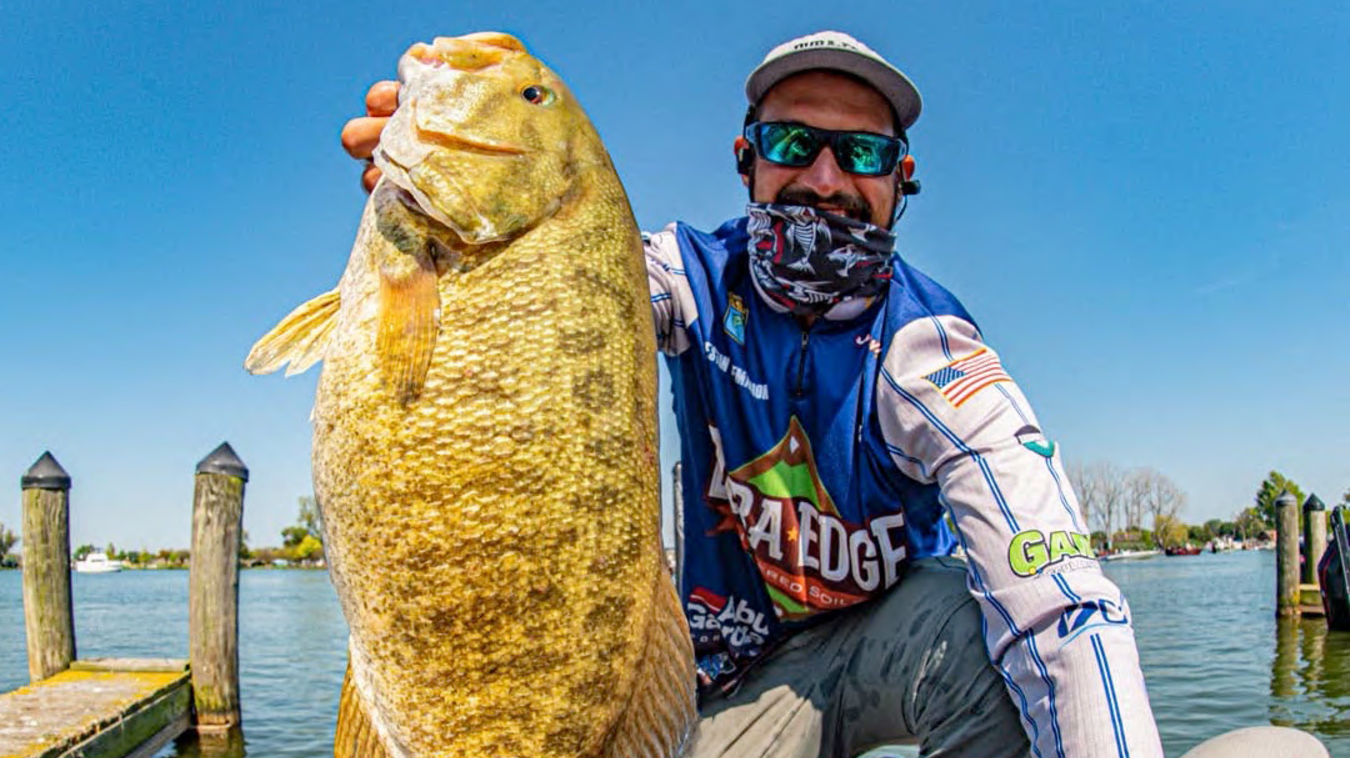
Destin DeMarion
Big Fat Bass Guide Service
5.0 (2 reviews)
Top Tier Lake Erie Bass Fishing Charters!
Book on Guidesly, opens in new tab
Vince Silvaggi
Old Timer Charters
5.0 (1 review)
Premier Lake Erie Sportfishing Charter!
Book on Guidesly, opens in new tab
Fish smarter with real-time insights
Whether you're en route and conditions shift or you're looking for the best spot based on current flows, we enable you to make informed decisions on the fly.







Pennsylvania licenses and regulations

Pennsylvania Boating Regulations
When using any type of watercraft to access a body of water, it is important to follow all federal, state, and local rules and regulations. These rules and regulations include boat permitting and licensing, invasive species inspections and stamps, life jacket and PFD rules, motor size and horsepower restrictions, noise limitations, restrictions on personal watercraft, and many more. Visit the web link below for the most current rules and regulations for this body of water.

Pennsylvania Fishing License
A current license, signed in ink, is required of persons age 16 and over to fish or angle for any species of fish and to take fish bait, baitfish, and species of amphibians and reptiles from Commonwealth waters by those legal methods described in the Pennsylvania Summary of Fishing Regulations and Laws (Summary Book).

Pennsylvania Fishing Regulations
This river has a variety of species and regulations, including potential floating and/or watercraft restrictions. Because this river is specially managed for species, seasons, angling methods, and watercraft, it is strongly encouraged you check all federal, state, and local regulations before fishing. Visit any of the links below, inquire locally, or contact a local fly shop to learn current regulations and restrictions.

Pennsylvania Stream Access Laws
The public has the right to fish in any navigable waterway, which is determined by the practical uses of the water. If a stream is determined navigable, the streambed is considered state owned, thus allowing wading, portage, and fishing. If the stream bed is non-navigable, floating is permitted, but fishing is exclusive to the landowner.
Explore Pennsylvania waters
Top fishing waters
Smarter Fishing Starts in the App.
onWater Fish gives you everything you need to plan smarter, fish better, and own every trip from first cast to last.