Northern Hogsucker
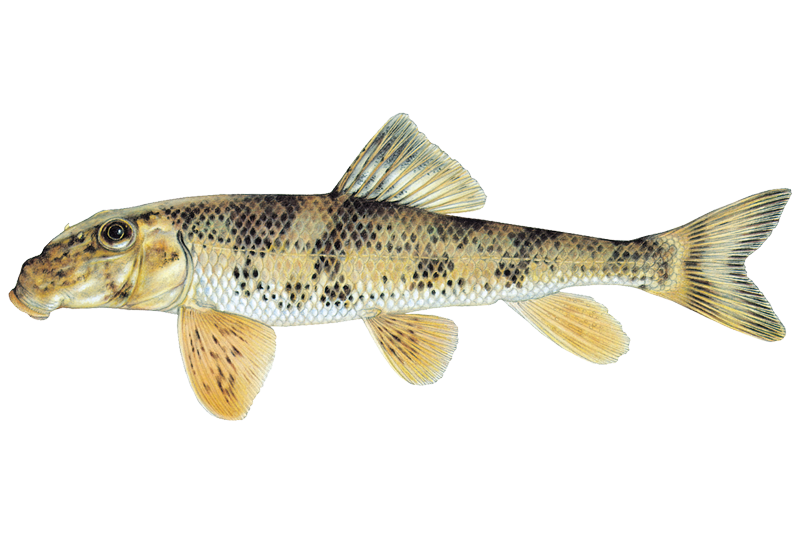
The Northern Hogsucker is a distinctive freshwater sucker species found throughout most of Pennsylvania, though notably absent from most of the Delaware River watershed. These well-camouflaged fish are considered indicators of good water quality.
Scientific Name: Hypentelium nigricans
- These fish reach up to 22 inches and 4 pounds, featuring a large, box-shaped head with protruding fleshy lips, brownish coloration with four oblique dark bars across the back, and a dull bronze sheen.
Fishing in Pennsylvania
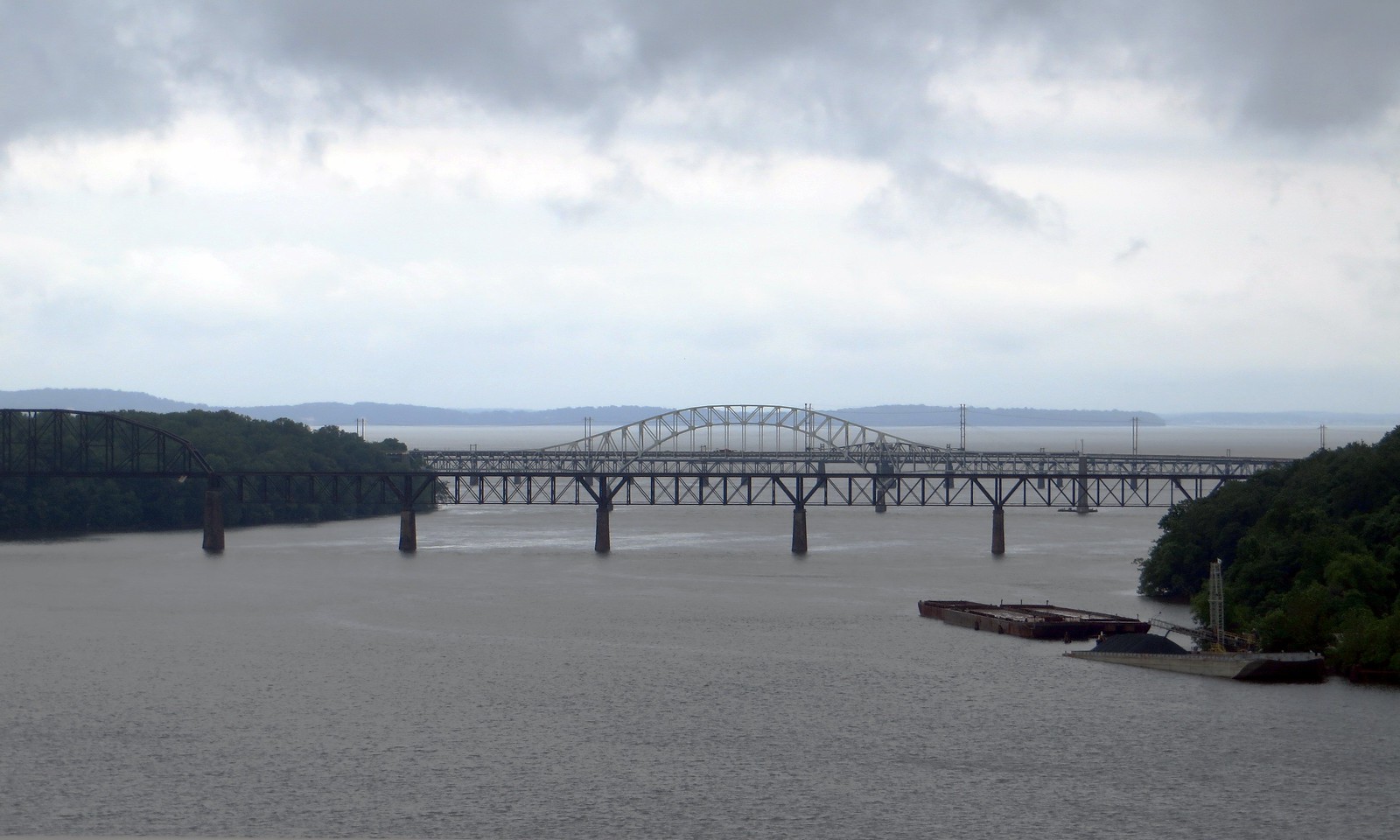
Susquehanna River
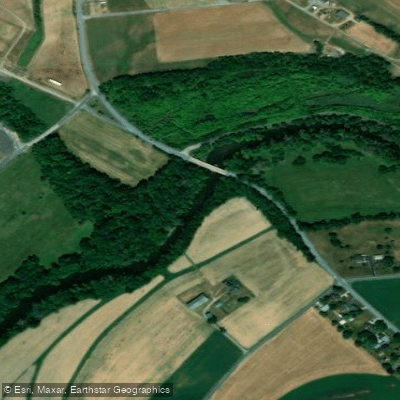
Conodoguinet Creek
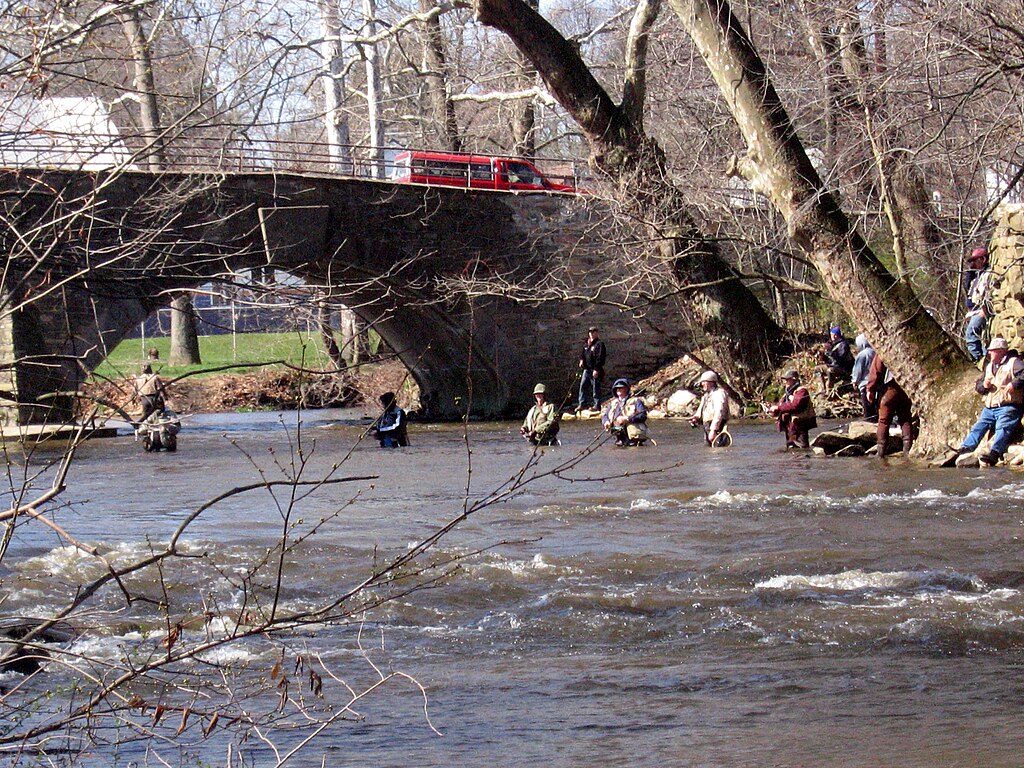
Yellow Breeches Creek
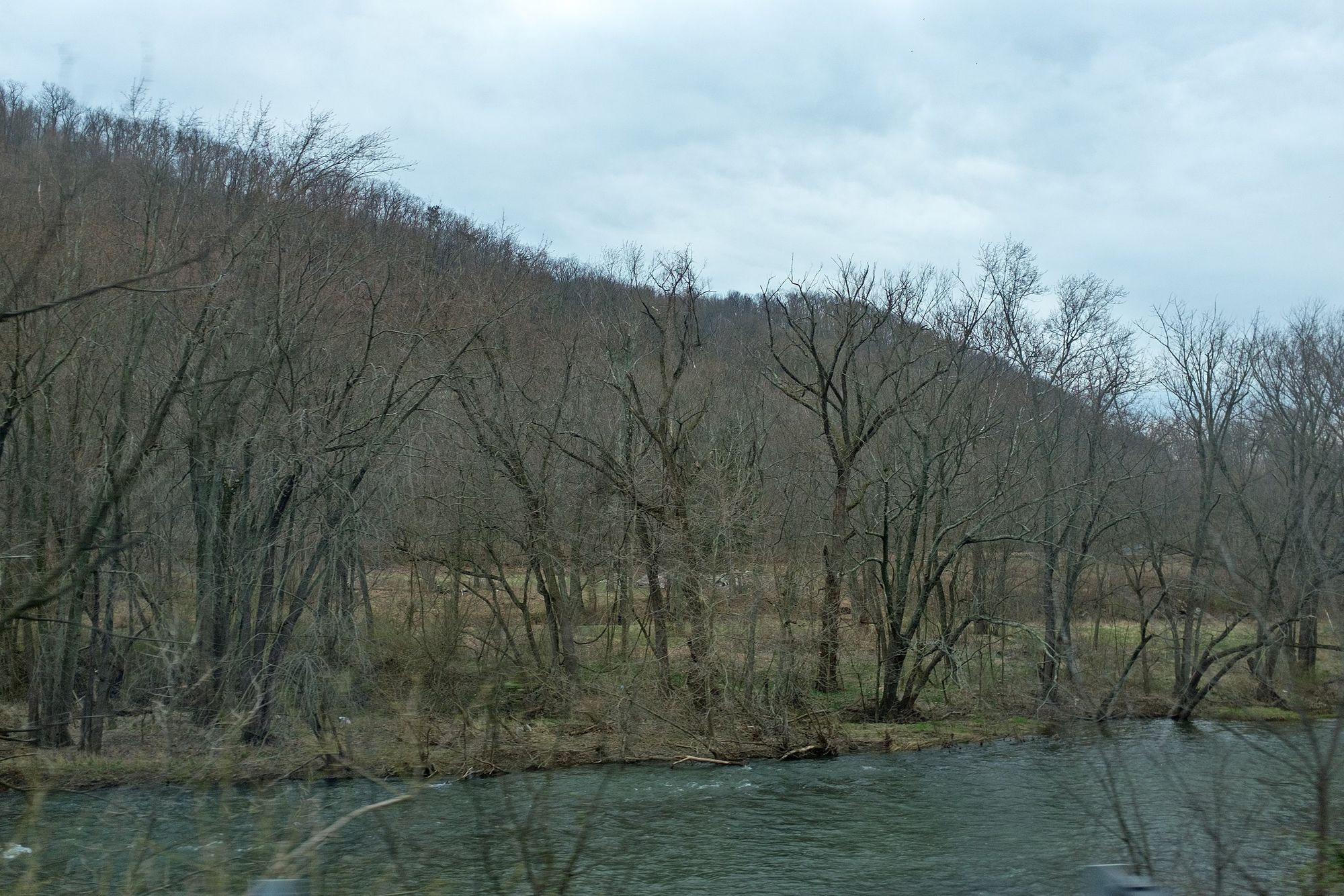
Juniata River
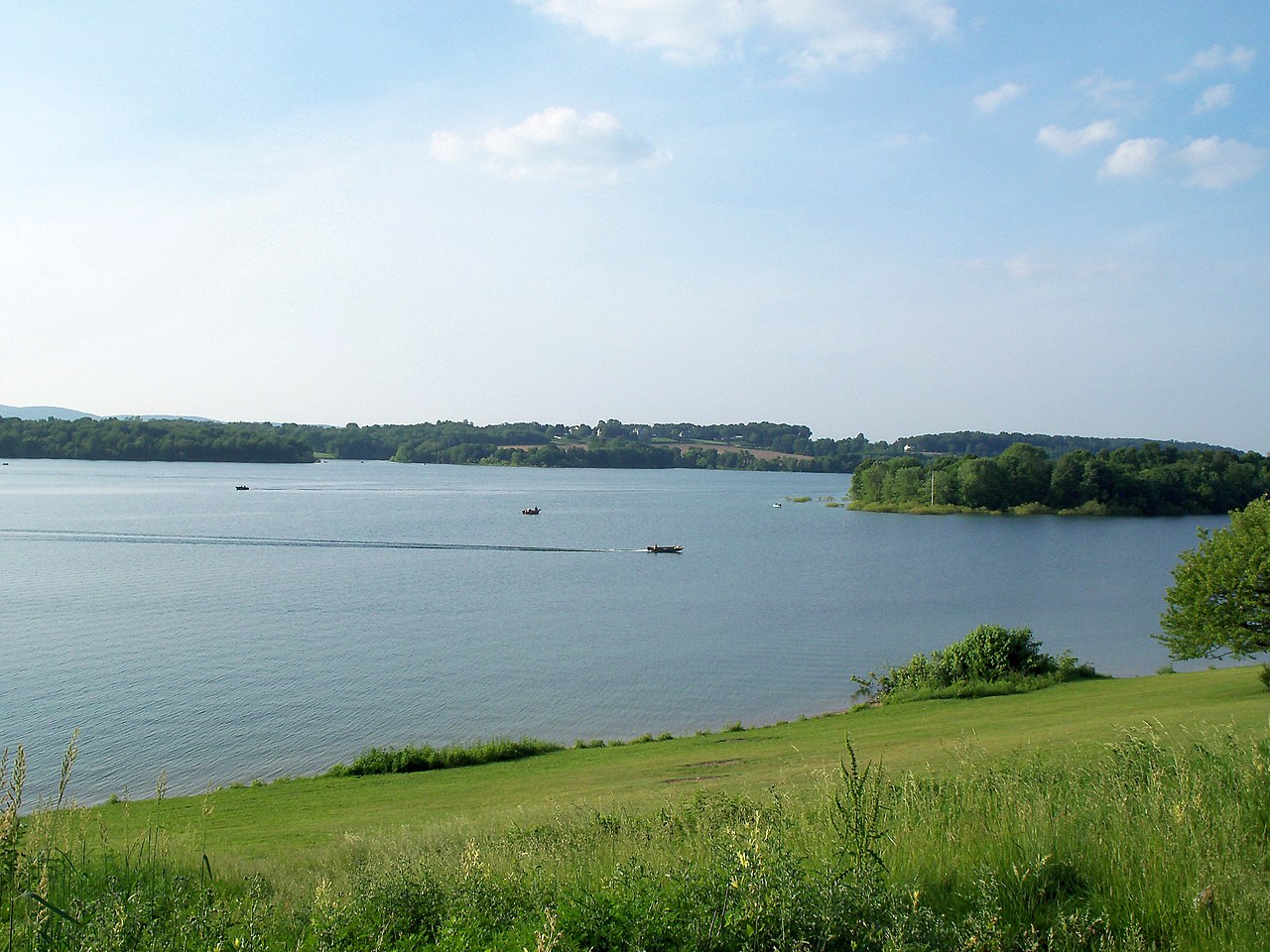
Lake Marburg
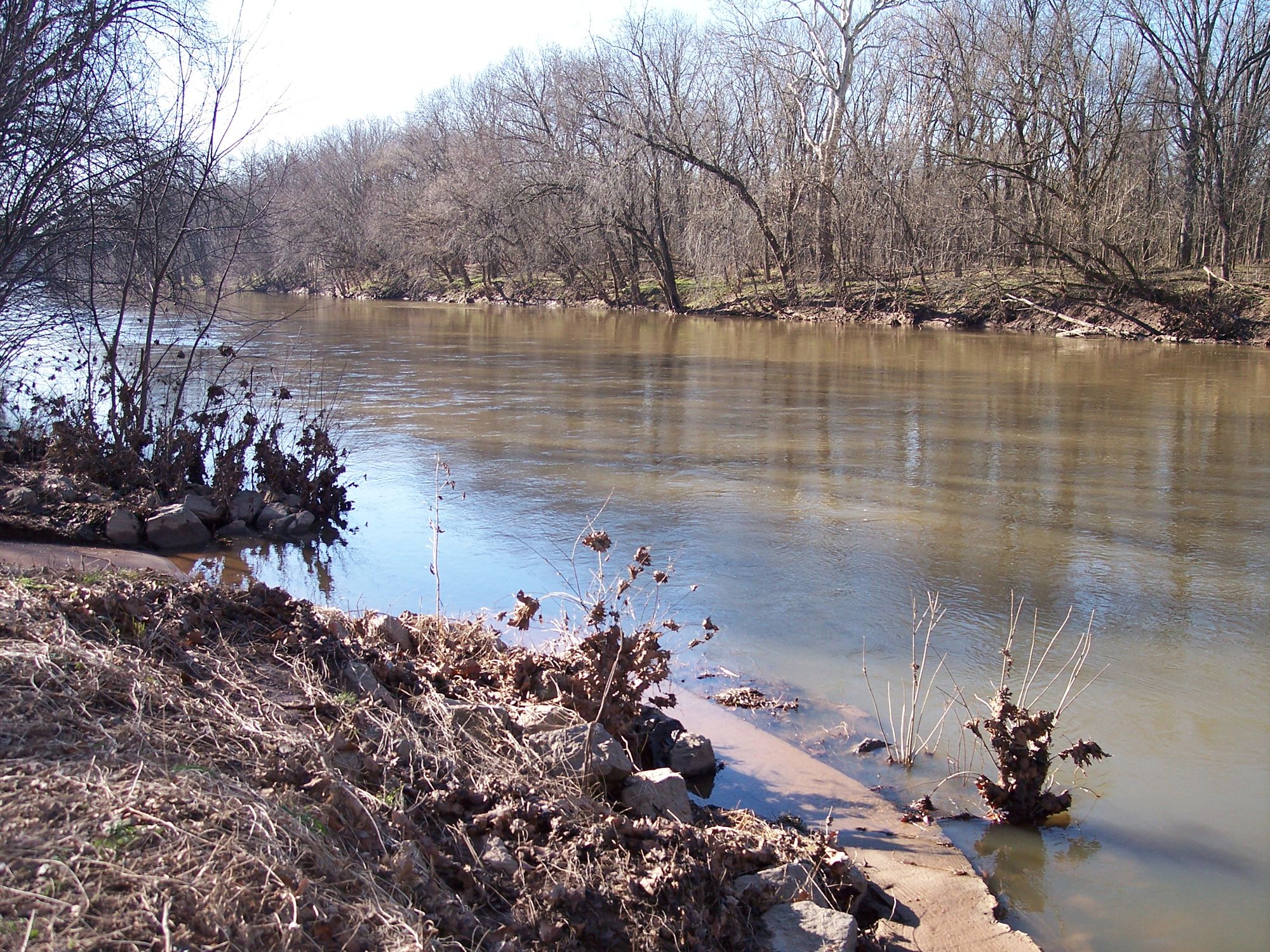
Monocacy River
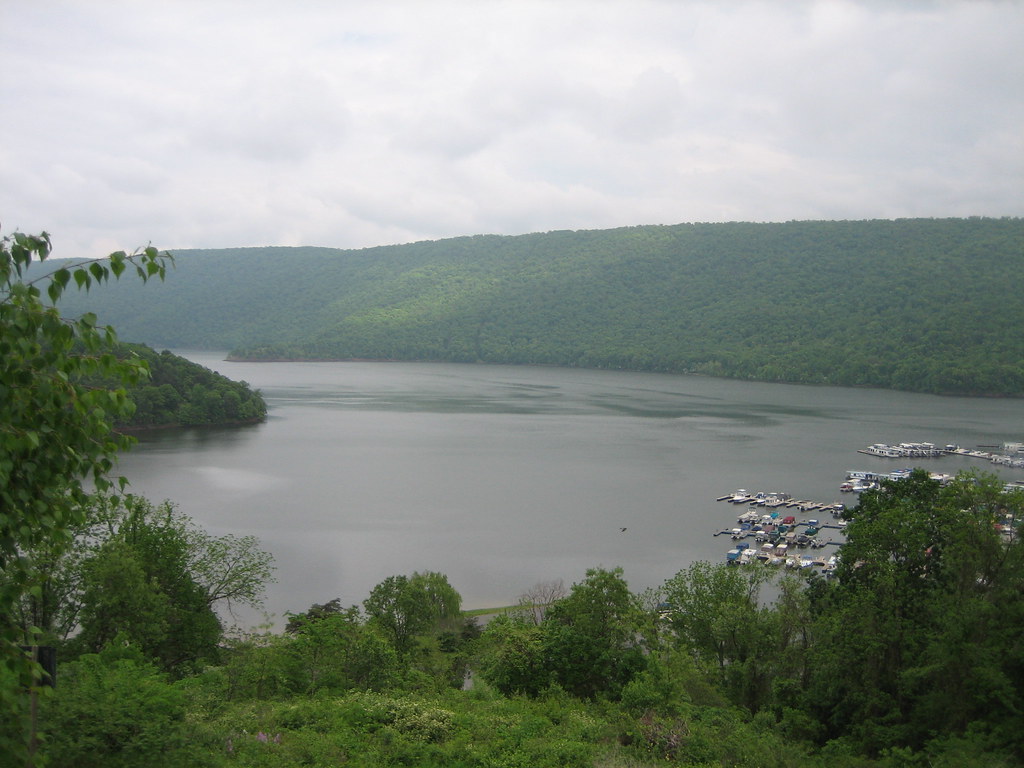
Raystown Lake
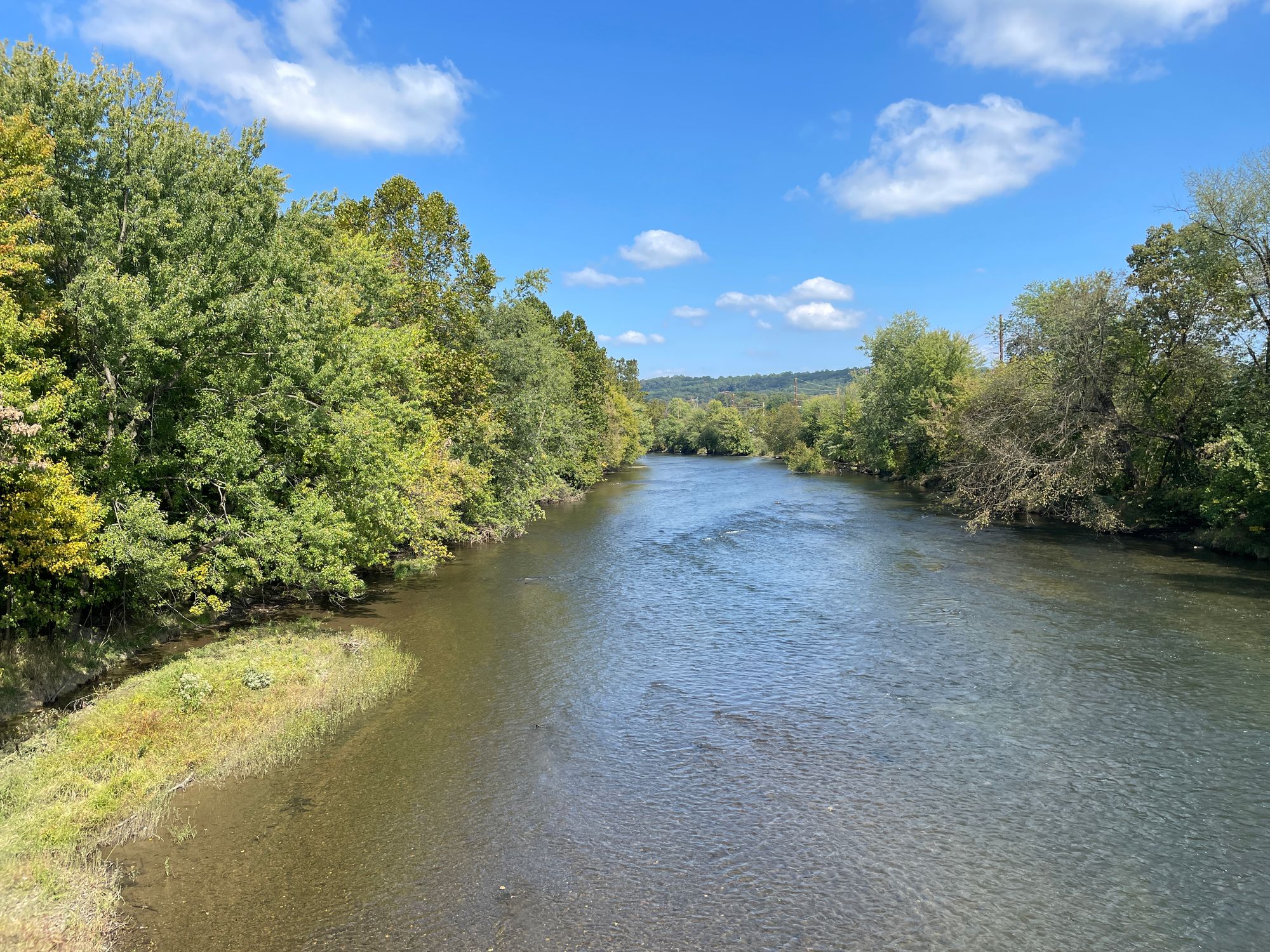
Swatara Creek

Codorus Creek
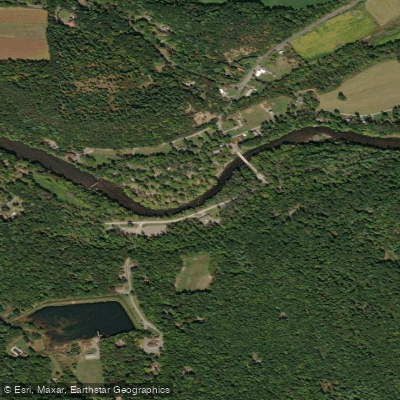
Penns Creek
What to know
Habitat Distribution
- Found in streams ranging from small headwater creeks to larger rivers like the Allegheny system, and can occasionally be found in reservoirs near tributary stream mouths.
- They can be found in both warmwater streams and upper reaches of trout streams.
Key Locations
- Productive Pennsylvania waters include Pike Run, North Fork of Ten Mile Creek, Pigeon Creek, Loyalhanna Creek, and various Allegheny River tributaries.
- The IGFA world record includes specimens caught near Sigel, Pennsylvania and Conodoguinet Creek near Camp Hill.
Specific Spots
- Target gravelly riffles, runs, and pools of clear streams with rocky substrates.
- Focus efforts in riffle areas and adjacent shallow gravel zones where they actively forage, turning over stones.
- They prefer gravelly riffles and rubble areas.
Northern Hogsucker FAQ
Answers from onWater's species guide.
What are the best lures and bait for Northern Hogsucker in Pennsylvania?
Live bait is most effective, particularly red worms or nightcrawlers. Small soft plastics like Mini Trout Magnets can work.
What flies work for Northern Hogsucker in Pennsylvania?
Flies such as hare's ear nymphs can trigger strikes. For fly fishing, use streamers that imitate Hogsuckers as forage: Brown Sculpin, Black Marabou Sculpin, Grizzly Sculpin, or Cranford's Pandora's Box in Olive & Black.
When is the best time to fish for Northern Hogsucker in Pennsylvania?
Avoid fishing during spring spawning period (April-May) when water reaches 60°F. They become inactive when water temperatures drop below 50°F.
How do you catch Northern Hogsucker in Pennsylvania?
Present bait directly in front of or underneath the fish by casting upstream and either drifting naturally with current or anchoring lightly on bottom with minimal weight. Artificial lures require precise placement.
What do Northern Hogsucker eat?
Their diet consists primarily of aquatic insect larvae, crustaceans, mollusks, algae, and plant material scraped from rocks and substrates.
Fish smarter with real-time insights
Whether you're en route and conditions shift or you're looking for the best spot based on current flows, we enable you to make informed decisions on the fly.




See it in the app
Most maps show you water.
onWater shows you Northern Hogsucker.



- 01 · Species map filter
Map every Northern Hogsucker water
Pick Northern Hogsucker and the map zeroes in on the waters they call home. No more guessing which lake holds them.
- 02 · Waterbody species
Tap any water. See what lives there.
Species, behavior and seasonal patterns for every lake, river and pond, before you leave the driveway.
- 03 · Angler Intelligence
Ask how to catch Northern Hogsucker
Tactics, gear and timing from onWater's AI fishing guide, tuned to the species and the water you're on.
Stop guessing where Northern Hogsucker are.
Open the map, filter by Northern Hogsucker, and head to water that holds them. Download onWater and plan your next trip in minutes.
- Species map filter
- Angler Intelligence
- Fishing journal
Explore other species
Trout, bass, salmon, panfish and everything in between. Each guide unpacks the behavior, seasons, and tactics that put fish in the net.
No species information available.
Pennsylvania licenses and regulations
Explore nearby waters
Explore Pennsylvania waters
Top fishing waters
Popular Cities
Loading popular cities...

Smarter Fishing Starts in the App.
onWater Fish gives you everything you need to plan smarter, fish better, and own every trip from first cast to last.