Gizzard Shad

Gizzard Shad (Dorosoma cepedianum) are a herring family fish native to Pennsylvania's Mississippi, Atlantic, and Gulf Slope drainages. In Pennsylvania, they have been accidentally stocked in locations like Conowingo Pond in Lancaster County and Raystown Lake.
Scientific Name: Dorosoma cepedianum
- Characterized by a blunt snout, small toothless mouth, long trailing dorsal ray, and closely packed gill rakers numbering over 400.
- They're distinguished from Threadfin Shad by their dusky fin coloration, 52-70 lateral scales, and lack of black specks on the chin.
- Adults can reach up to 52cm in length.
Fishing in Pennsylvania
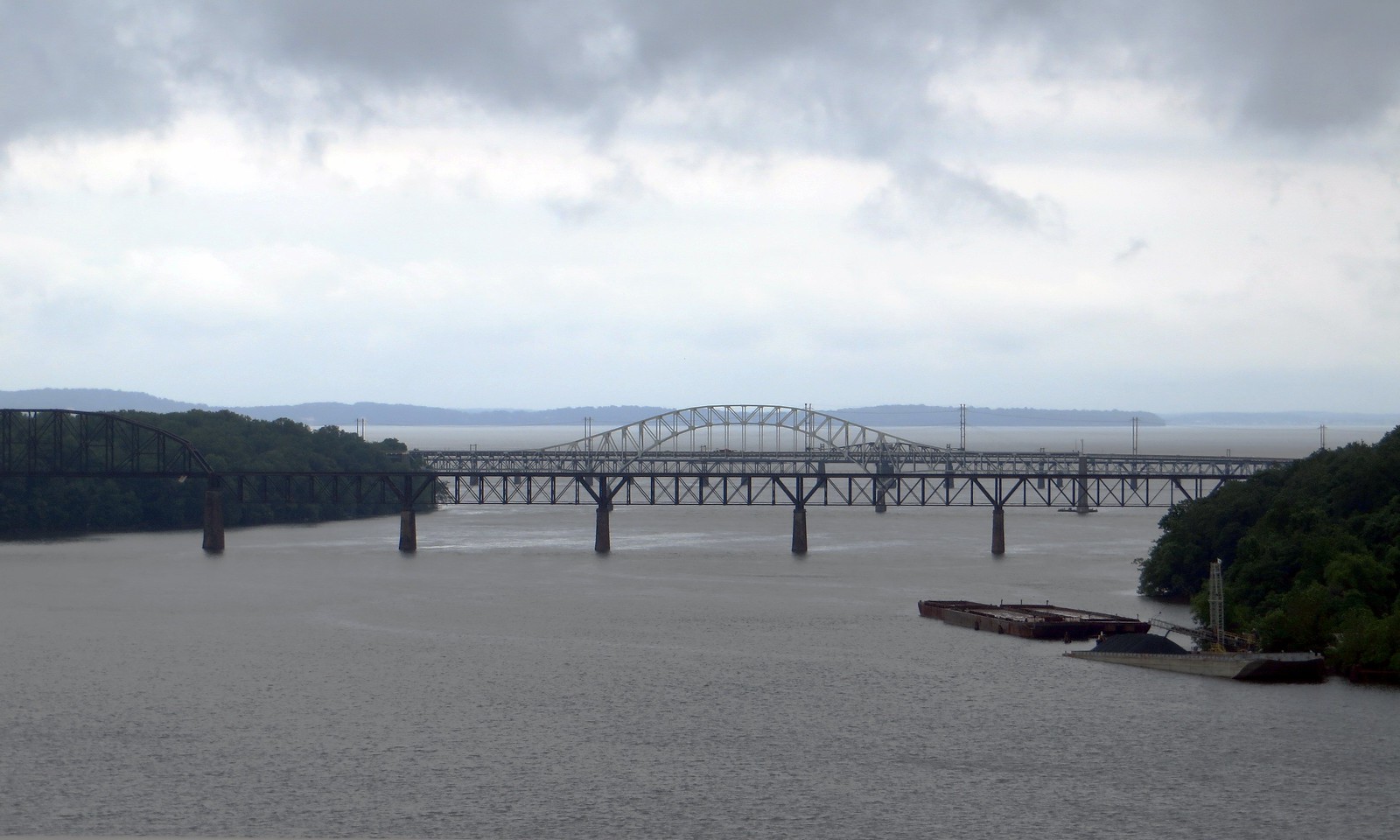
Susquehanna River
Conodoguinet Creek
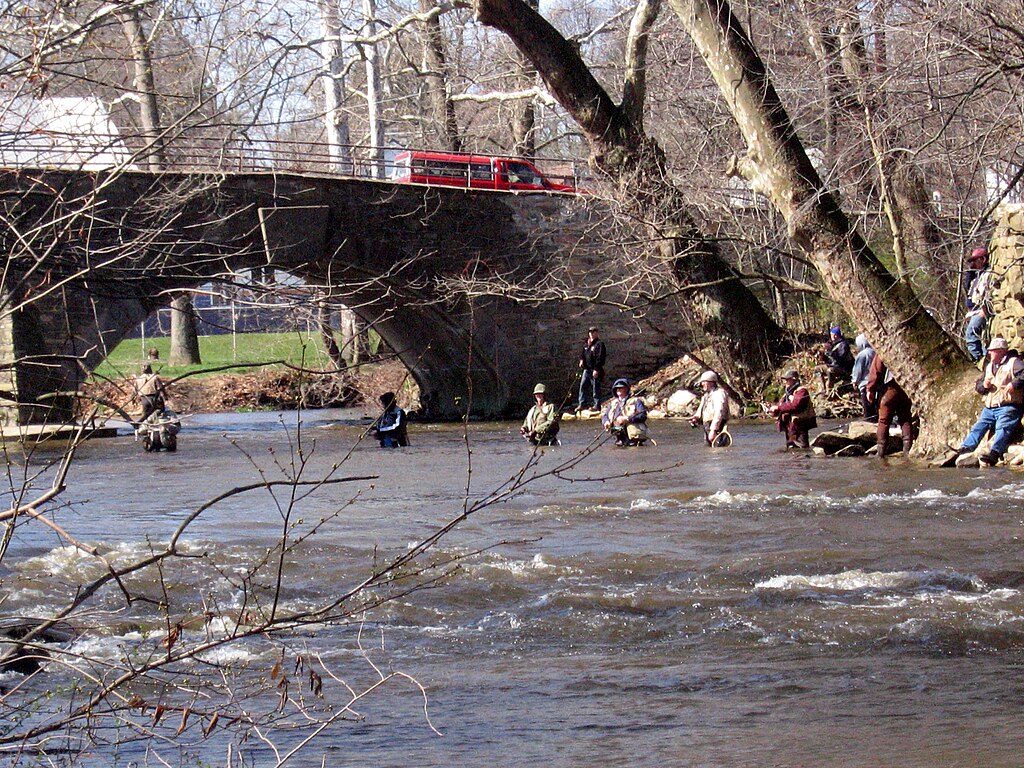
Yellow Breeches Creek
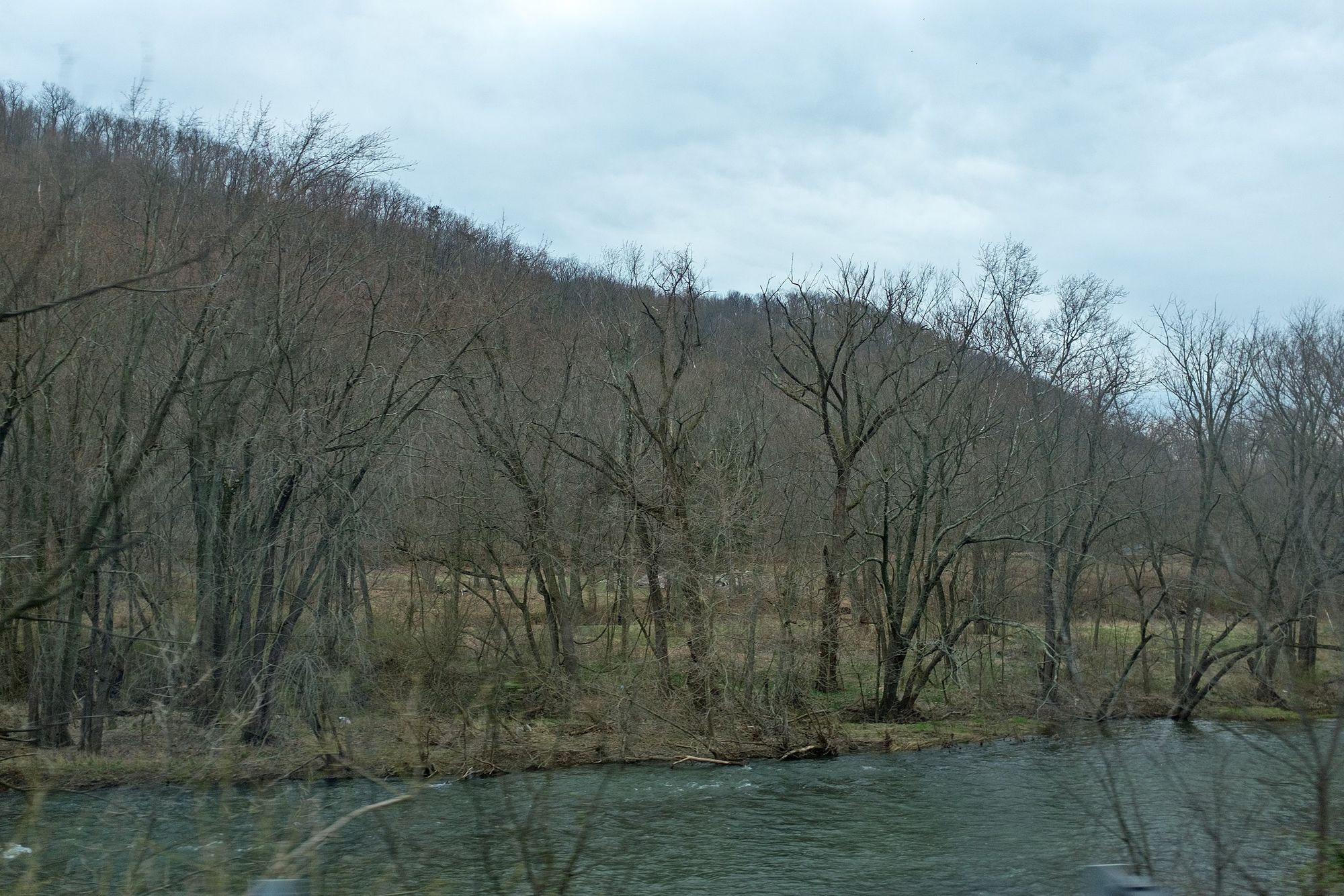
Juniata River
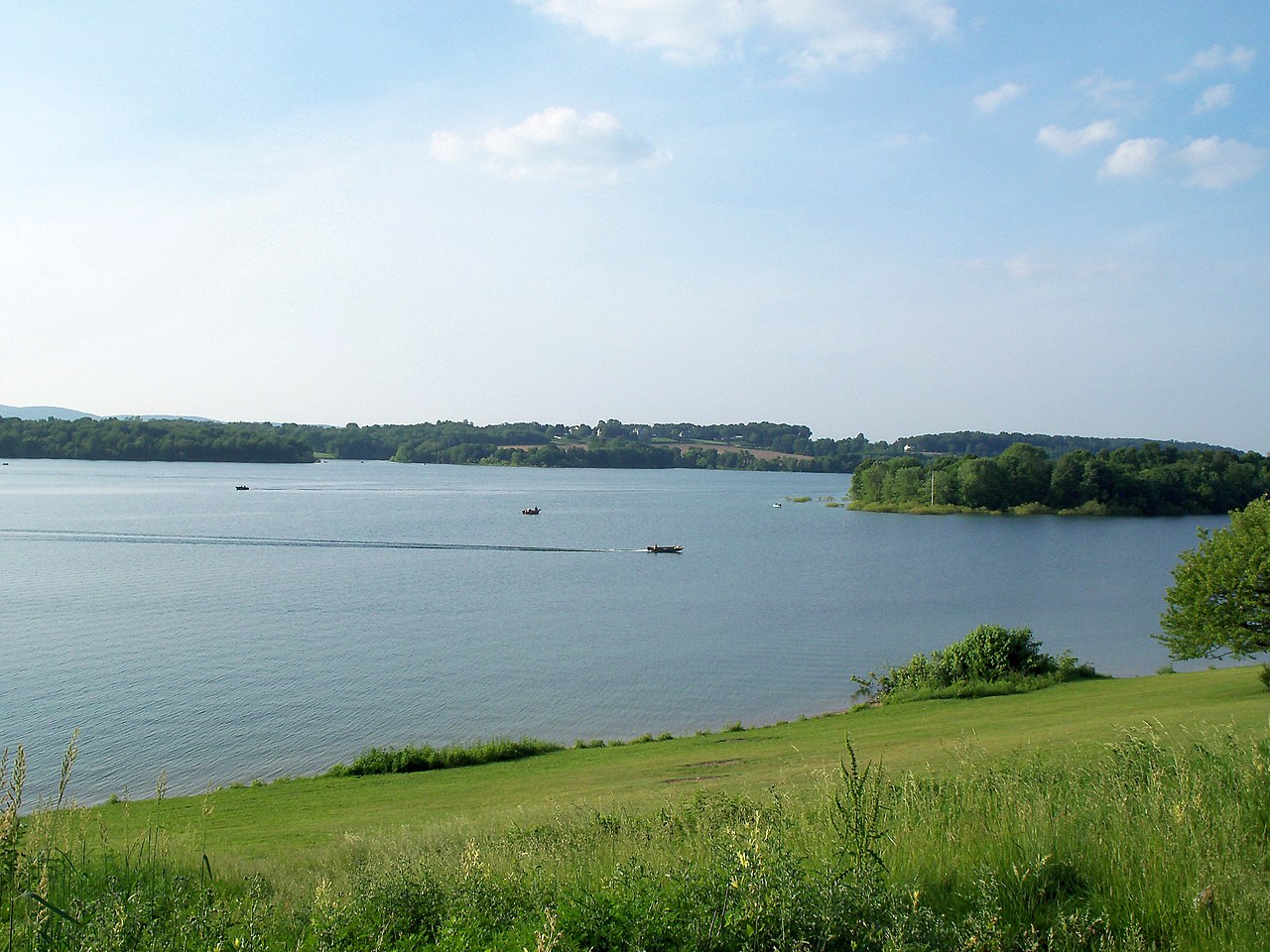
Lake Marburg
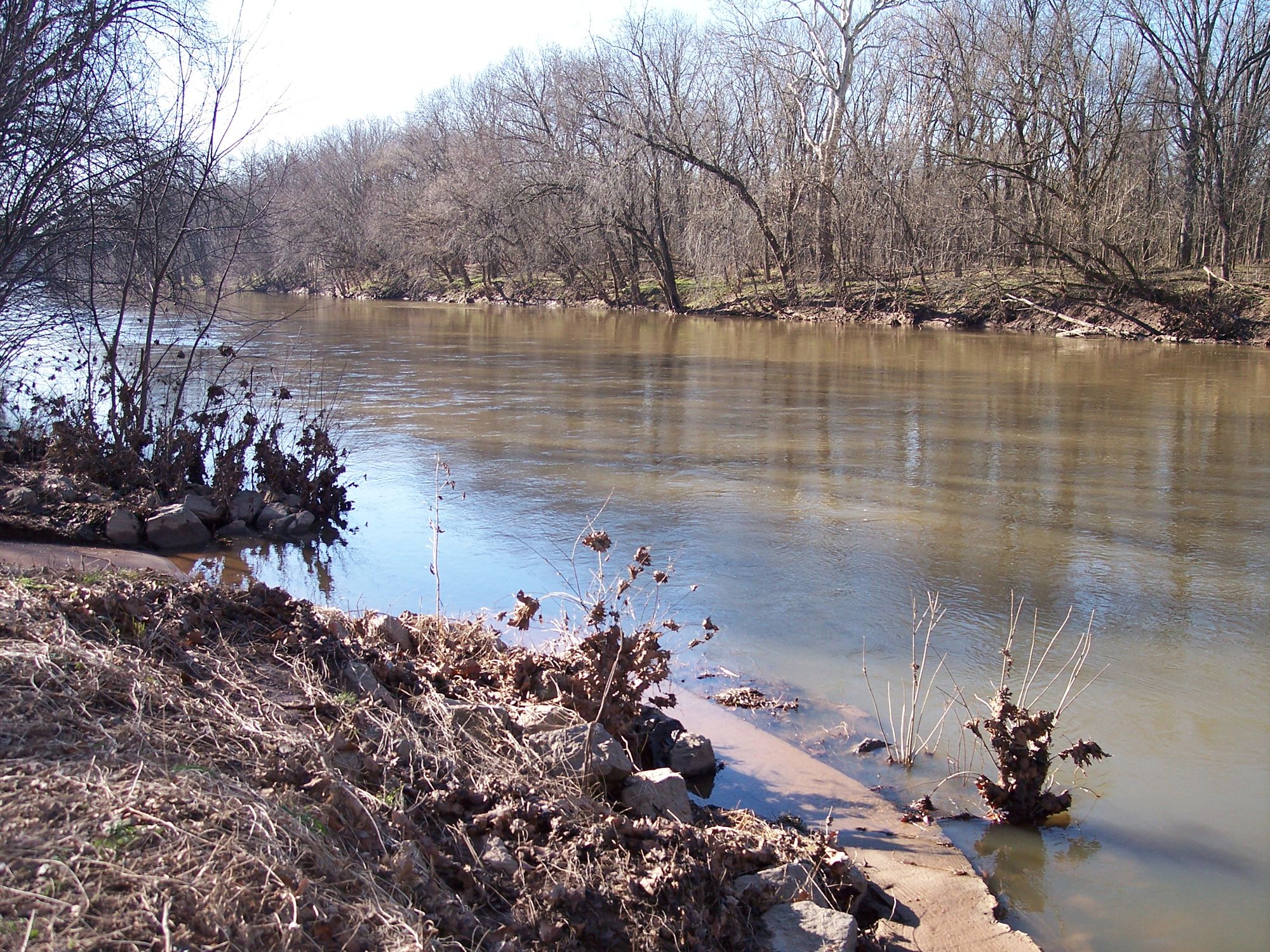
Monocacy River
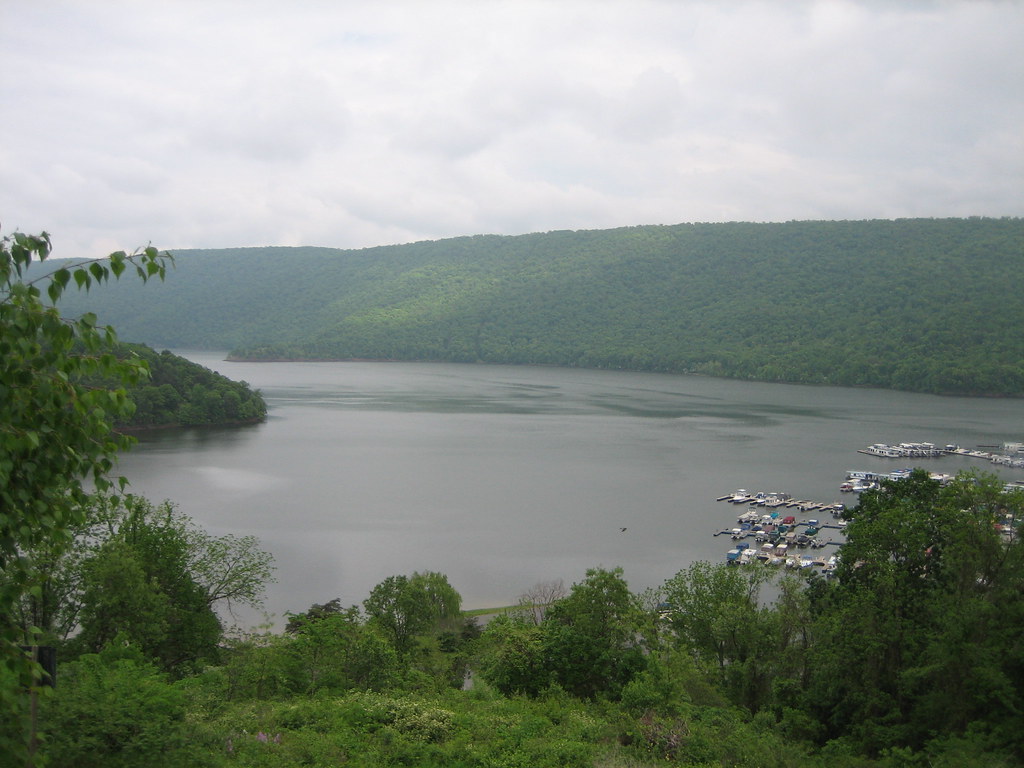
Raystown Lake
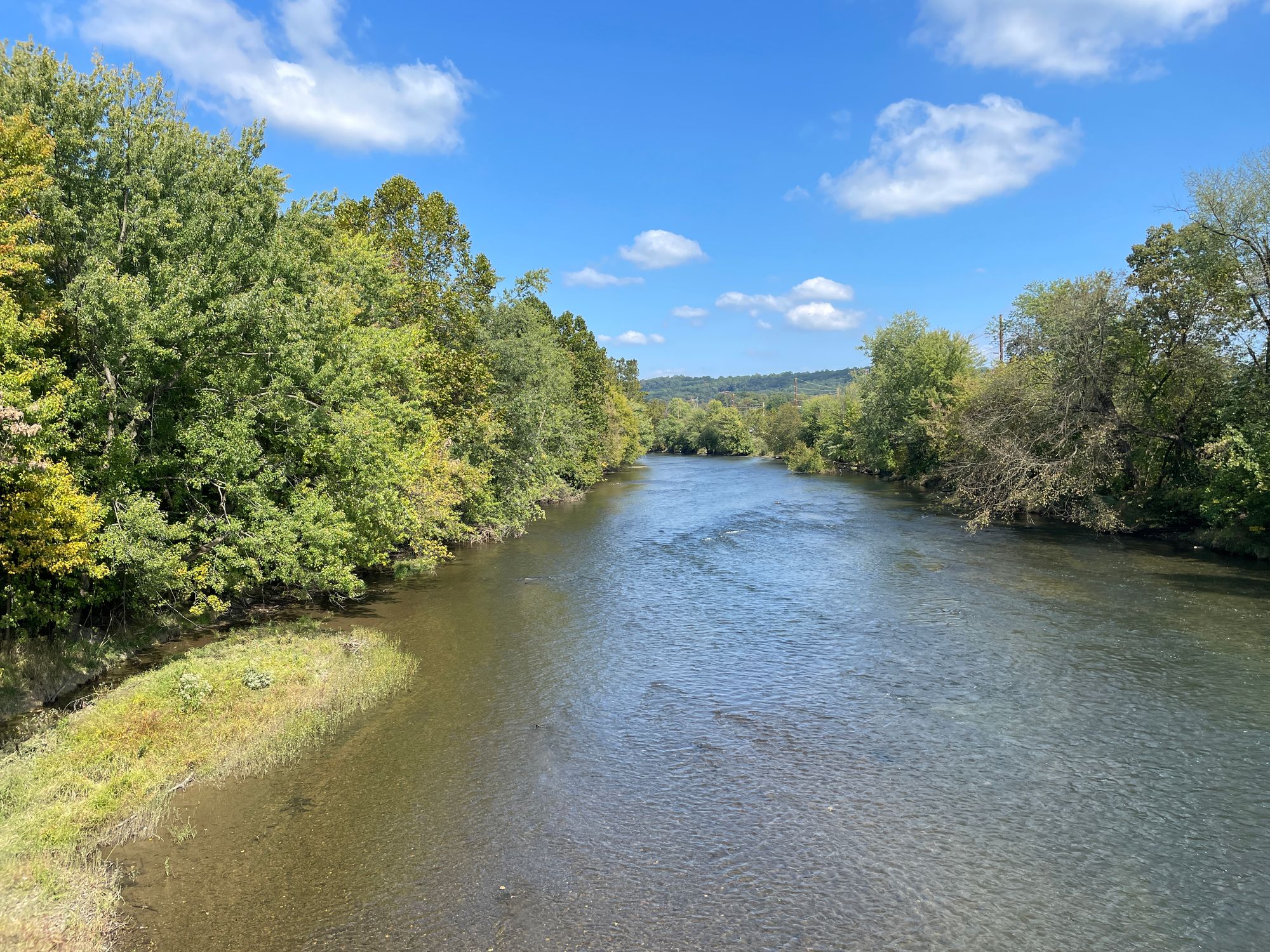
Swatara Creek
Codorus Creek
Penns Creek
What to know
Habitat Distribution
- They prefer warm, fertile, shallow waters with soft mud bottoms and high turbidity, commonly found in large rivers, reservoirs, lakes, and swamps.
- In Pennsylvania, they inhabit waters ranging from clear to silty conditions and can tolerate brackish environments.
Key Locations
- Conowingo Pond in Lancaster County and Raystown Lake.
Specific Spots
- Shallow backwater bays, coves, and areas around boat marinas.
- Target areas with culverts or moving water that bring nutrients and food sources.
- Fish shallow areas (1-5 feet deep) with sandy or muddy bottoms, focusing on protected bays connected to deeper water channels that provide escape routes.
Gizzard Shad FAQ
Answers from onWater's species guide.
When is the best time to fish for Gizzard Shad in Pennsylvania?
Spawning occurs from mid-May to mid-June - during this period, fishing pressure should be avoided to protect spawning populations.
How do you catch Gizzard Shad in Pennsylvania?
Cast net fishing over concentrated schools. Position the cast net over schools located with sonar. Choose days with your back to any wind for better net deployment.
What do Gizzard Shad eat?
Planktivorous filter feeders, primarily consuming algae, phytoplankton, zooplankton, and detritus from bottom sediments - they consume an average of 13% of their wet weight in dry sediment daily.
Where do Gizzard Shad live in Pennsylvania?
They prefer warm, fertile, shallow waters with soft mud bottoms and high turbidity, commonly found in large rivers, reservoirs, lakes, and swamps. In Pennsylvania, they inhabit waters ranging from clear to silty conditions and can tolerate brackish environments.
Fish smarter with real-time insights
Whether you're en route and conditions shift or you're looking for the best spot based on current flows, we enable you to make informed decisions on the fly.







See it in the app
Most maps show you water.
onWater shows you Gizzard Shad.



- 01 · Species map filter
Map every Gizzard Shad water
Pick Gizzard Shad and the map zeroes in on the waters they call home. No more guessing which lake holds them.
- 02 · Waterbody species
Tap any water. See what lives there.
Species, behavior and seasonal patterns for every lake, river and pond, before you leave the driveway.
- 03 · Angler Intelligence
Ask how to catch Gizzard Shad
Tactics, gear and timing from onWater's AI fishing guide, tuned to the species and the water you're on.
Stop guessing where Gizzard Shad are.
Open the map, filter by Gizzard Shad, and head to water that holds them. Download onWater and plan your next trip in minutes.
- Species map filter
- Angler Intelligence
- Fishing journal
Explore other species
Trout, bass, salmon, panfish and everything in between. Each guide unpacks the behavior, seasons, and tactics that put fish in the net.

Find which waters have the species you want to catch

Largemouth Bass

Smallmouth Bass
Micropterus dolomieu

Rainbow Trout
Oncorhynchus mykiss

Brown Trout
Salmo trutta

Brook Trout
Salvelinus fontinalis

Northern Pike
Esox lucius

Muskellunge

Walleye

Black Crappie
Pomoxis nigromaculatus

Alewife
Alosa pseudoharengus

American Eel
Anguilla rostrata

American Shad
Alosa sapidissima

Blacknose Dace
Rhinichthys atratulus (eastern), Rhinichthys obtusus (western)

Blue Catfish
Ictalurus furcatus

Bowfin
Amia calva

Brown Bullhead
Ameiurus nebulosus

Burbot
Lota lota

Chain Pickerel
Esox niger

Channel Catfish
Ictalurus punctatus

Chinook Salmon
Oncorhynchus tshawytscha

Coho Salmon
Oncorhynchus kisutch

Common Carp
Cyprinus carpio

Creek Chub
Semotilus atromaculatus
Fallfish
Semotilus corporalis

Flathead Catfish
Pylodictis olivaris

Freshwater Drum
Aplodinotus grunniens

Golden Redhorse
Moxostoma erythrurum
Golden Trout
Oncorhynchus aguabonita

Grass Carp
Ctenopharyngodon idella

Green Sunfish
Lepomis cyanellus

Hickory Shad
Alosa mediocris

Lake Sturgeon
Acipenser fulvescens

Lake Trout
Salvelinus namaycush

Longear Sunfish
Lepomis megalotis

Longnose Gar
Lepisosteus osseus

Longnose Sucker
Catostomus catostomus

Northern Hogsucker
Hypentelium nigricans
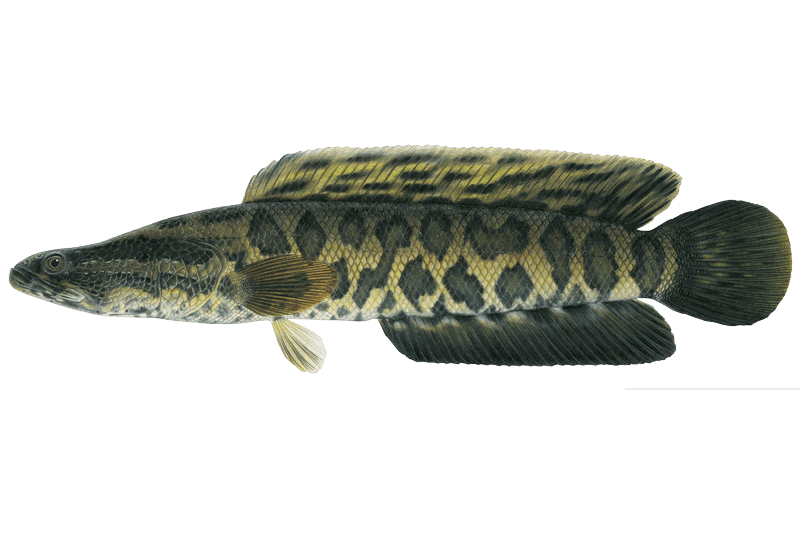
Northern Snakehead
Channa argus

Pumpkinseed
Lepomis gibbosus
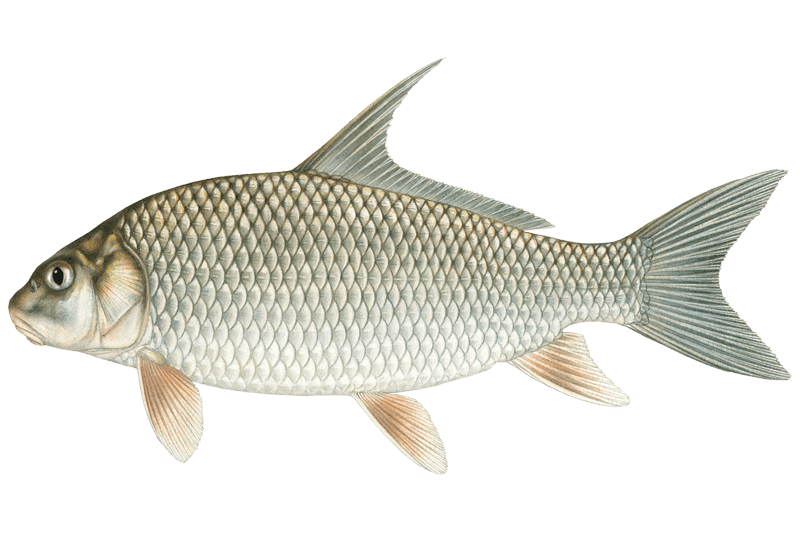
Quillback
Carpiodes cyprinus
Pennsylvania licenses and regulations
Pennsylvania Boating Regulations
When using any type of watercraft to access a body of water, it is important to follow all federal, state, and local rules and regulations. These rules and regulations include boat permitting and licensing, invasive species inspections and stamps, life jacket and PFD rules, motor size and horsepower restrictions, noise limitations, restrictions on personal watercraft, and many more. Visit the web link below for the most current rules and regulations for this body of water.
Pennsylvania Fishing License
A current license, signed in ink, is required of persons age 16 and over to fish or angle for any species of fish and to take fish bait, baitfish, and species of amphibians and reptiles from Commonwealth waters by those legal methods described in the Pennsylvania Summary of Fishing Regulations and Laws (Summary Book).

Pennsylvania Fishing Regulations
This river has a variety of species and regulations, including potential floating and/or watercraft restrictions. Because this river is specially managed for species, seasons, angling methods, and watercraft, it is strongly encouraged you check all federal, state, and local regulations before fishing. Visit any of the links below, inquire locally, or contact a local fly shop to learn current regulations and restrictions.

Pennsylvania Stream Access Laws
The public has the right to fish in any navigable waterway, which is determined by the practical uses of the water. If a stream is determined navigable, the streambed is considered state owned, thus allowing wading, portage, and fishing. If the stream bed is non-navigable, floating is permitted, but fishing is exclusive to the landowner.
Explore nearby waters
Explore Pennsylvania waters
Top fishing waters
Popular Cities
Loading popular cities...

Smarter Fishing Starts in the App.
onWater Fish gives you everything you need to plan smarter, fish better, and own every trip from first cast to last.