Alewife

Alewife are small herring-like fish that exist in three forms in Pennsylvania: native anadromous populations in Atlantic drainage rivers like the Delaware and Susquehanna systems, introduced populations in Lake Erie, and isolated landlocked populations in various lakes and reservoirs.
Scientific Name: Alosa pseudoharengus
- Small herring-like fish typically 8-15 inches long with silvery sides, a grayish-green back, and a distinctive dark spot behind the gill cover.
Fishing in Pennsylvania

Susquehanna River
Conodoguinet Creek
Yellow Breeches Creek
Juniata River
Lake Marburg
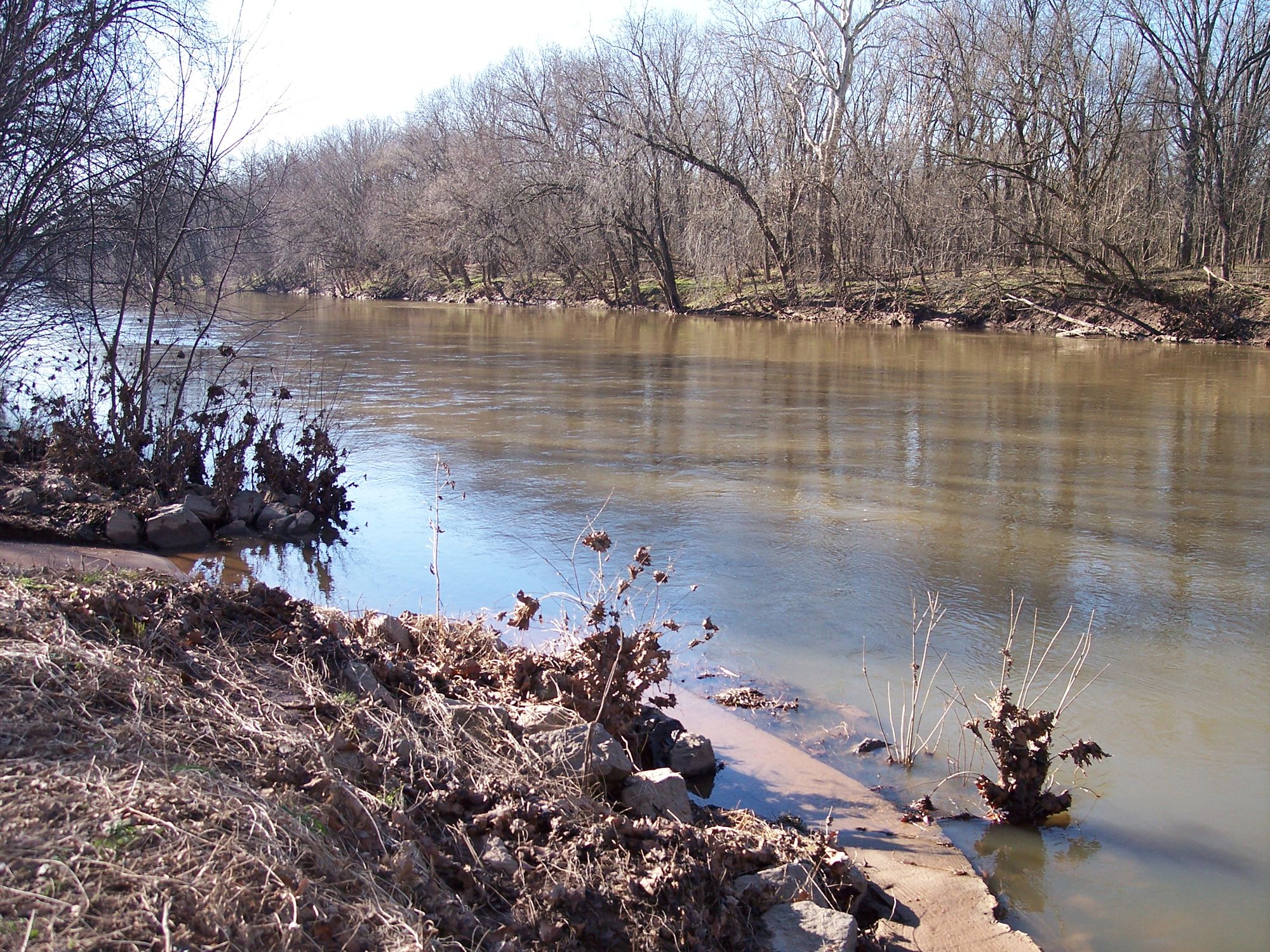
Monocacy River
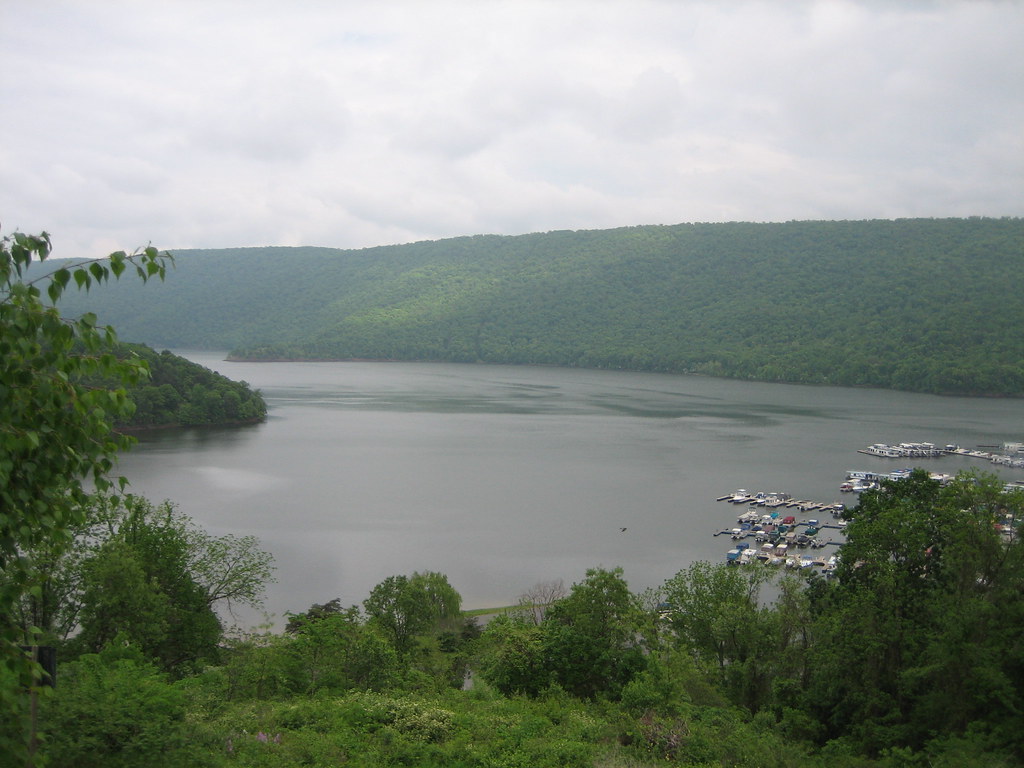
Raystown Lake
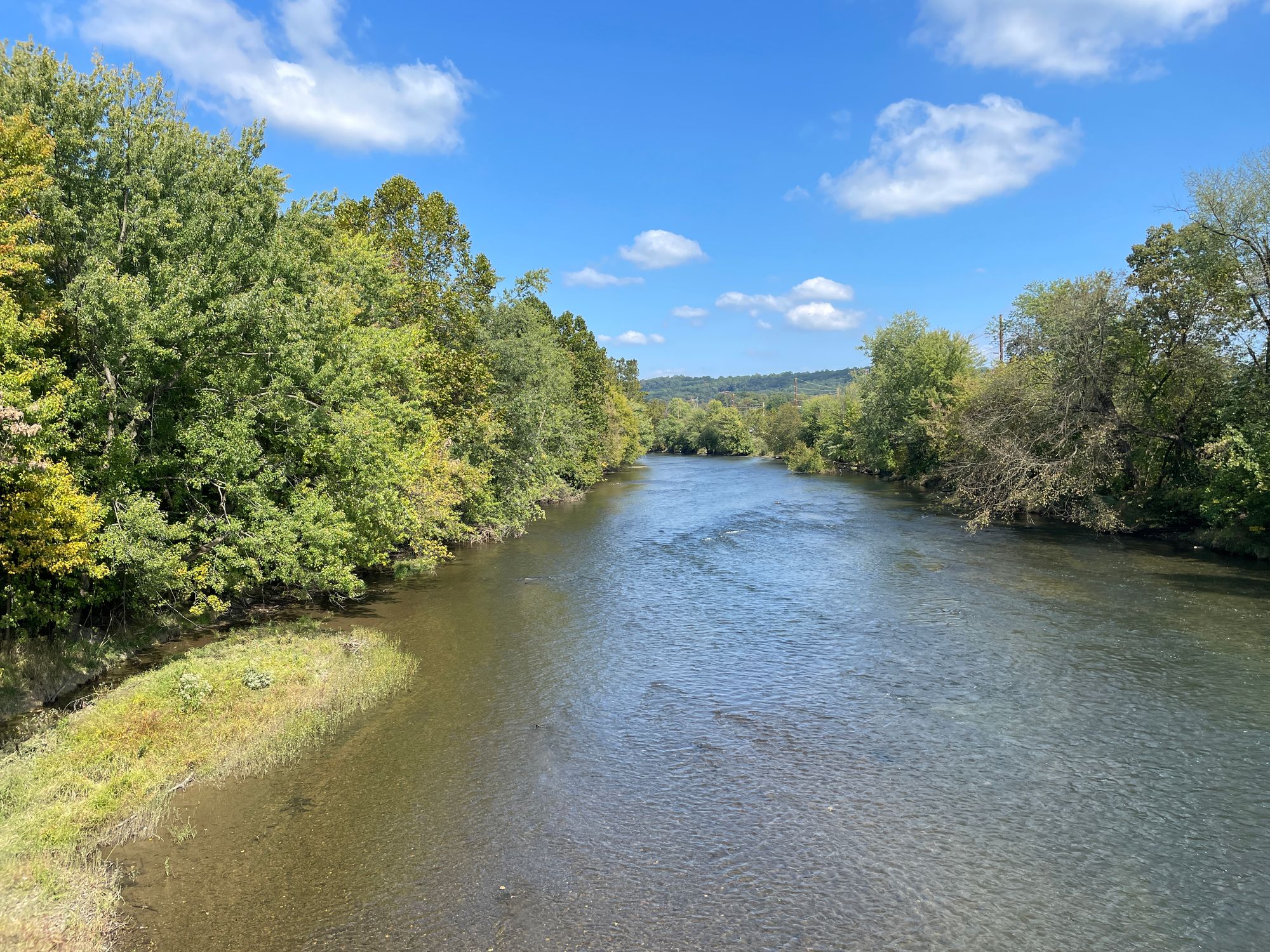
Swatara Creek

Codorus Creek
Penns Creek
What to know
Habitat Distribution
- Native anadromous populations in Atlantic drainage rivers, introduced populations in Lake Erie, and isolated landlocked populations in various lakes and reservoirs.
Key Locations
- Lake Arthur near Pittsburgh, Youghiogheny Reservoir, Yellow Creek Lake, Pymatuning Reservoir, Conowingo Reservoir, Lake Erie tributaries, Delaware and Susquehanna systems.
Specific Spots
- Areas where zooplankton concentrate, typically near creek mouths or shallow bays.
- Fish at varying depths from 10-30 feet.
- In nutrient-rich waters, focus on areas where zooplankton concentrate.
Alewife FAQ
Answers from onWater's species guide.
What are the best lures and bait for Alewife in Pennsylvania?
Small spoons, tiny jigs, or even bare hooks can be effective when fish are concentrated. Tiny jigs or bare hooks on sabiki rigs.
When is the best time to fish for Alewife in Pennsylvania?
Fish during late spring through fall. Avoid fishing during spawning periods (late March through April) when they move to shallow tributary areas.
How do you catch Alewife in Pennsylvania?
Use small multi-hook sabiki rigs. Fish at varying depths from 10-30 feet until you locate schools, as they move vertically throughout the day following food sources. Focus on areas where zooplankton concentrate, typically near creek mouths or shallow bays in early morning or evening.
What do Alewife eat?
Planktivores, feeding primarily on zooplankton including copepods, cladocerans, and small crustaceans. They also consume larger invertebrates like amphipods, mysid shrimp, and occasionally small fish, fish e.g.gs, and larvae. They're filter feeders and particulate feeders.
Where do Alewife live in Pennsylvania?
Native anadromous populations in Atlantic drainage rivers, introduced populations in Lake Erie, and isolated landlocked populations in various lakes and reservoirs.
Fish smarter with real-time insights
Whether you're en route and conditions shift or you're looking for the best spot based on current flows, we enable you to make informed decisions on the fly.




See it in the app
Most maps show you water.
onWater shows you Alewife.



- 01 · Species map filter
Map every Alewife water
Pick Alewife and the map zeroes in on the waters they call home. No more guessing which lake holds them.
- 02 · Waterbody species
Tap any water. See what lives there.
Species, behavior and seasonal patterns for every lake, river and pond, before you leave the driveway.
- 03 · Angler Intelligence
Ask how to catch Alewife
Tactics, gear and timing from onWater's AI fishing guide, tuned to the species and the water you're on.
Stop guessing where Alewife are.
Open the map, filter by Alewife, and head to water that holds them. Download onWater and plan your next trip in minutes.
- Species map filter
- Angler Intelligence
- Fishing journal
Explore other species
Trout, bass, salmon, panfish and everything in between. Each guide unpacks the behavior, seasons, and tactics that put fish in the net.
No species information available.
Pennsylvania licenses and regulations
Explore nearby waters
Explore Pennsylvania waters
Top fishing waters
Popular Cities
Loading popular cities...

Smarter Fishing Starts in the App.
onWater Fish gives you everything you need to plan smarter, fish better, and own every trip from first cast to last.