Lake Trout

Lake Trout are native to Pennsylvania waters, making them one of only five native trout species in the state alongside Brook Trout.
These char are the largest of the freshwater char family and can live exceptionally long lives - commonly exceeding 20 years and potentially reaching over 60 years.
Scientific Name: Salvelinus namaycush
In Pennsylvania, Lake Trout average 15-20 inches but can grow much larger, with some weighing up to 40 pounds. These char are the largest of the freshwater char family.
Fishing in Pennsylvania

Susquehanna River
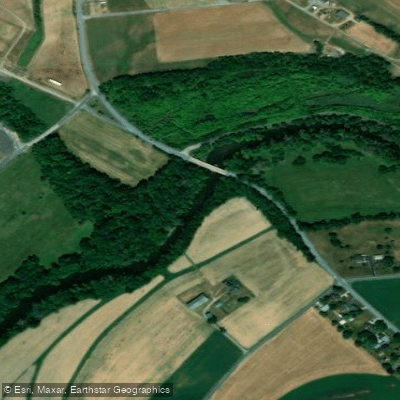
Conodoguinet Creek

Yellow Breeches Creek
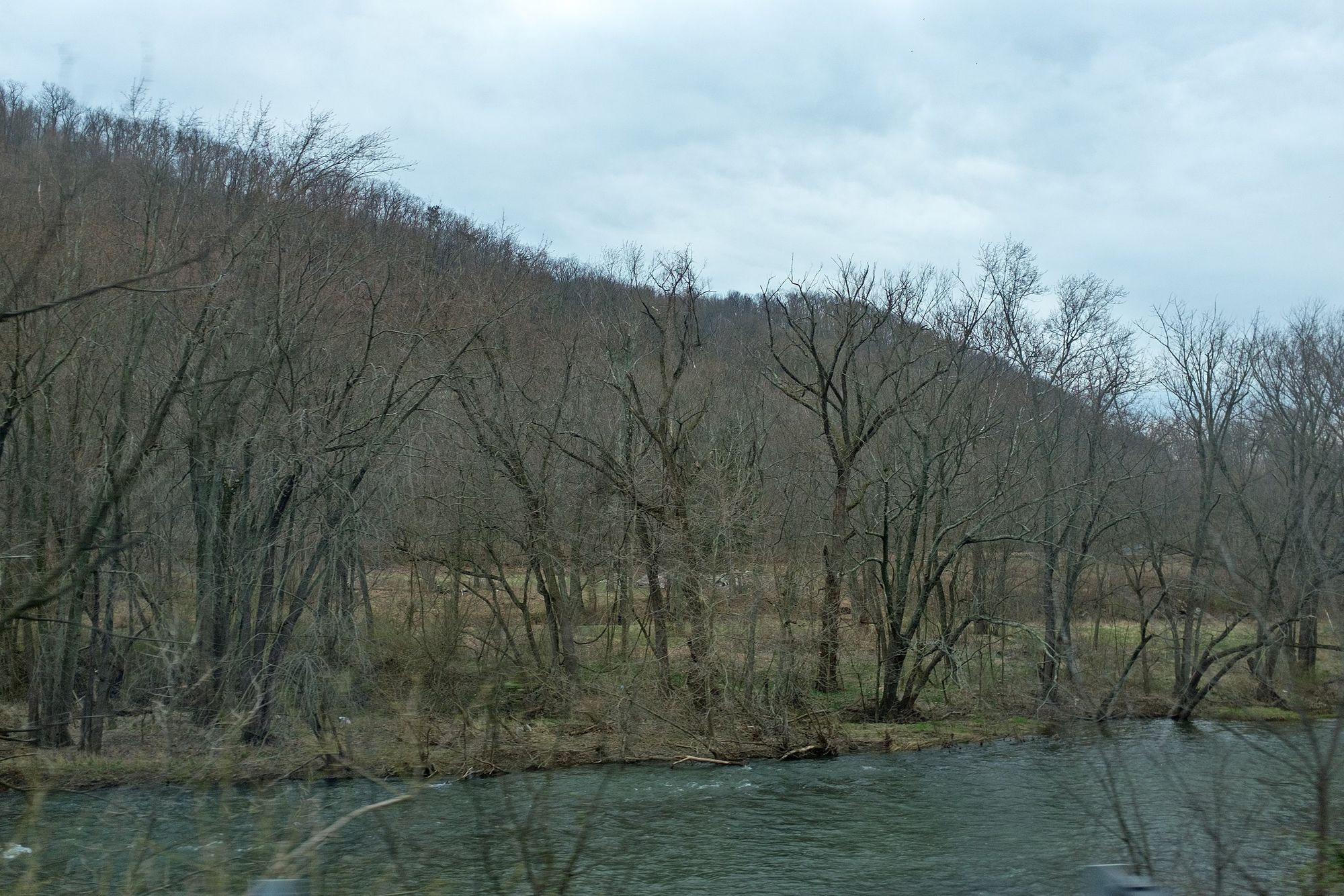
Juniata River

Lake Marburg
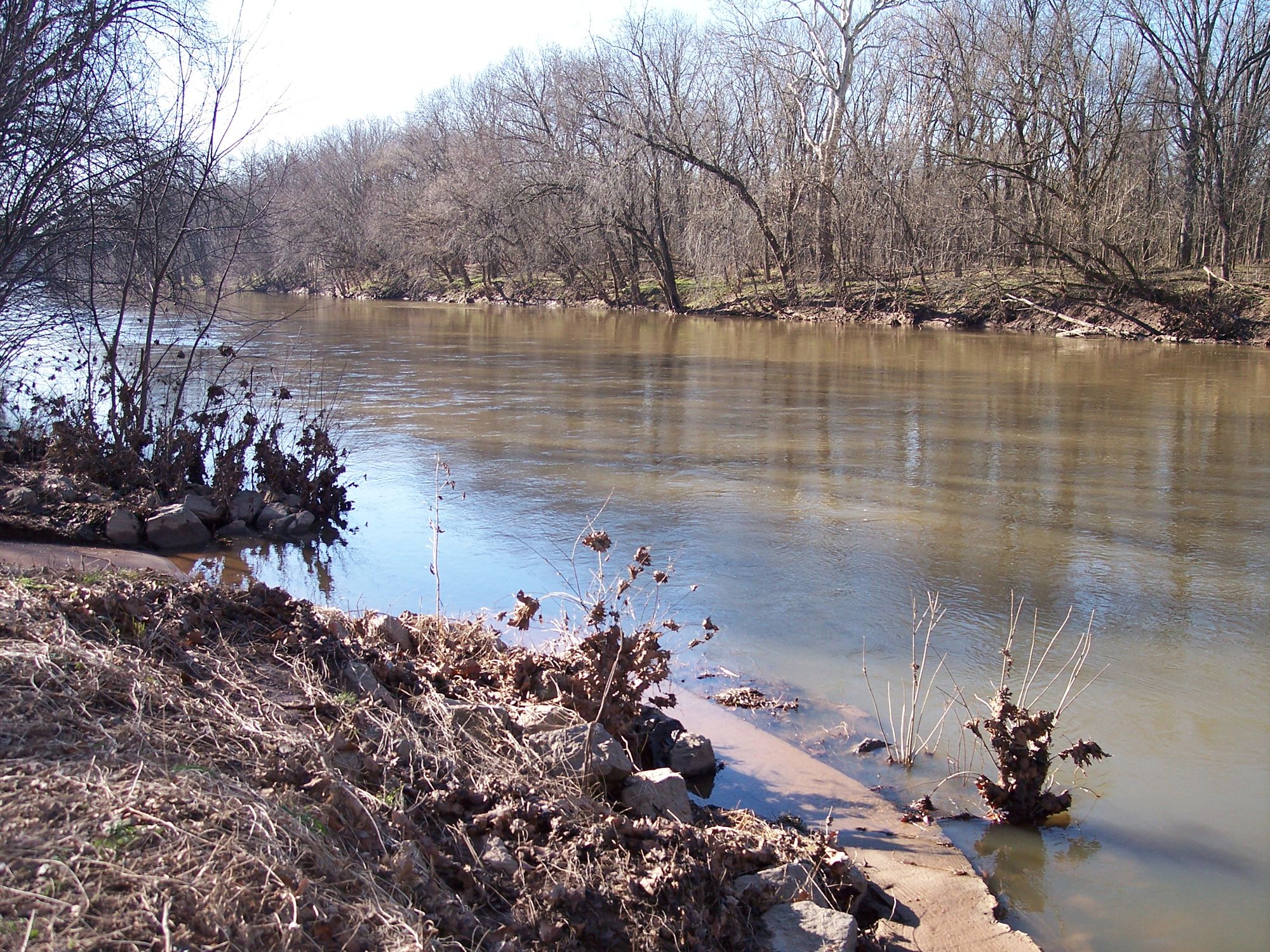
Monocacy River

Raystown Lake
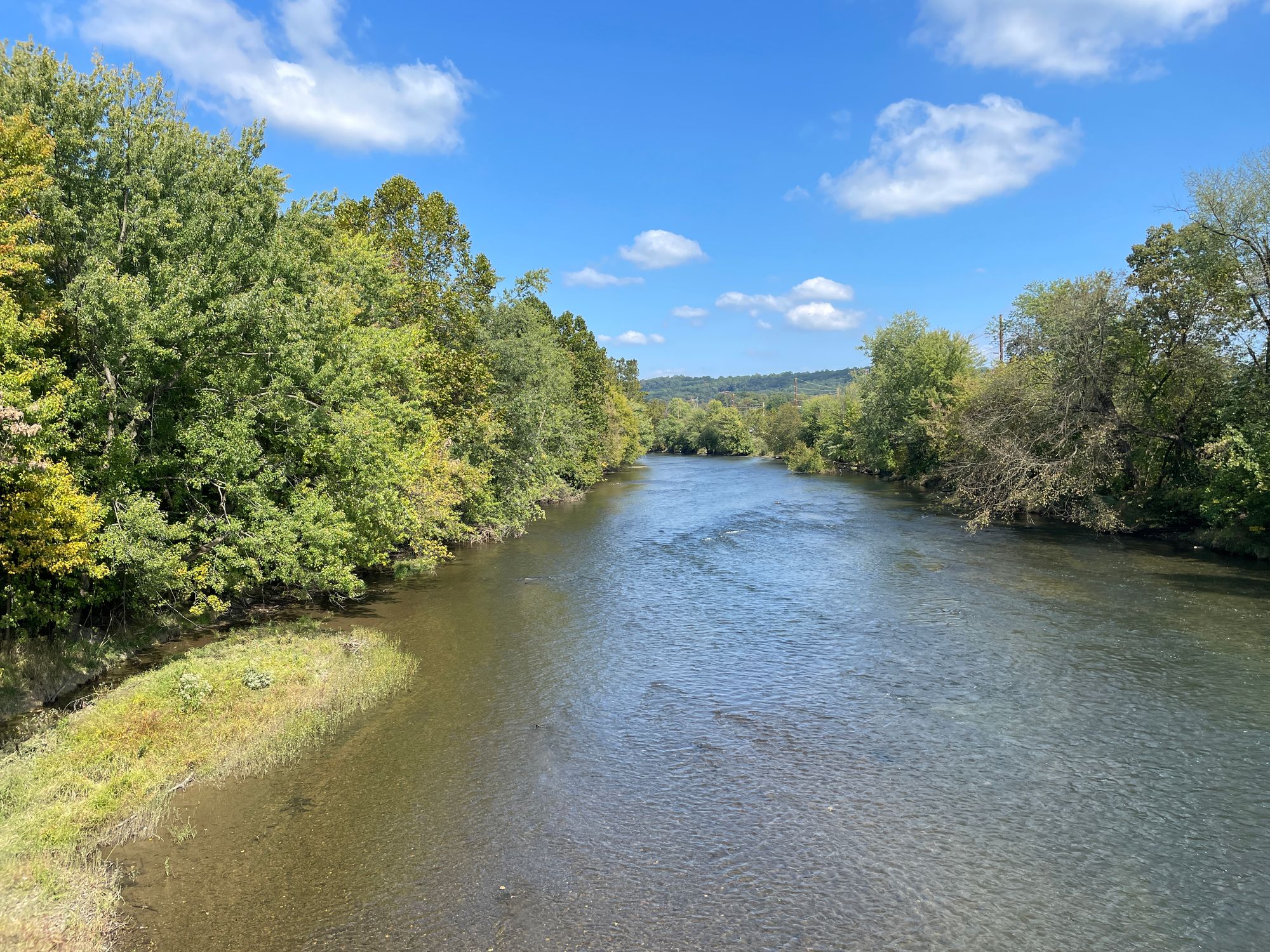
Swatara Creek

Codorus Creek
Penns Creek
What to know
Habitat Distribution
Originally native to Lake Erie and historically reported from Silver Lake in Susquehanna County, both original native stocks are now believed extinct, though stocking efforts continue to support populations in Lake Erie. They prefer cold, deep waters with temperatures below 54°F, thriving in large coldwater lakes greater than 50 feet deep and well-oxygenated waters above 4mg/l.Key Locations
Lake Erie (particularly for ice fishing and summer trolling), Raystown Lake, East Branch Clarion River Dam, and various deep oligotrophic lakes throughout the state. Originally native to Lake Erie and historically reported from Silver Lake in Susquehanna CountySpecific Spots
Target prominent underwater points, especially tips of land that continue underwater. In windy conditions, fish the leeward side of natural windbreaks where eddies form. During summer stratification, they occupy hypolimnetic waters below 10°C in the deeper portions of lakes.Lake Trout FAQ
Answers from onWater's species guide.
What flies work for Lake Trout in Pennsylvania?
Clouser Deep Minnow (the most effective pattern, particularly in orange/white, red/white, and grey/white with tinsel), rabbit fur strip leeches for their undulating action, black Woolly Buggers, Lefty's Big Fish Deceiver in larger sizes up to 5.5 inches, and Mike's Meal Ticket articulated pattern
When is the best time to fish for Lake Trout in Pennsylvania?
Best from April through June when water temperatures are still cool and fish are active in upper lake layers, though they can also be caught through ice during winter months when they're closer to the surface. During spawning period from September through November, anglers should avoid targeting them.
How do you catch Lake Trout in Pennsylvania?
Trolling with downriggers for deep water fishing. Jigging with large spoons or soft plastics works well, especially in colder months when they're feeding closer to the bottom. When trolling flies, use intermediate sink tip lines for shallow water early season.
What do Lake Trout eat?
As top predators, they feed on a variety of prey including zooplankton, small crustaceans, insects, and fish such as alewife, rainbow smelt, whitefish, grayling, sticklebacks, smelt, and suckers. Their diet varies seasonally - they're opportunistic feeders that will target whatever prey is abundant.
Where do Lake Trout live in Pennsylvania?
Originally native to Lake Erie and historically reported from Silver Lake in Susquehanna County, both original native stocks are now believed extinct, though stocking efforts continue to support populations in Lake Erie.
Fish smarter with real-time insights
Whether you're en route and conditions shift or you're looking for the best spot based on current flows, we enable you to make informed decisions on the fly.




See it in the app
Most maps show you water.
onWater shows you Lake Trout.



- 01 · Species map filter
Map every Lake Trout water
Pick Lake Trout and the map zeroes in on the waters they call home. No more guessing which lake holds them.
- 02 · Waterbody species
Tap any water. See what lives there.
Species, behavior and seasonal patterns for every lake, river and pond, before you leave the driveway.
- 03 · Angler Intelligence
Ask how to catch Lake Trout
Tactics, gear and timing from onWater's AI fishing guide, tuned to the species and the water you're on.
Stop guessing where Lake Trout are.
Open the map, filter by Lake Trout, and head to water that holds them. Download onWater and plan your next trip in minutes.
- Species map filter
- Angler Intelligence
- Fishing journal
Explore other species
Trout, bass, salmon, panfish and everything in between. Each guide unpacks the behavior, seasons, and tactics that put fish in the net.
No species information available.
Pennsylvania licenses and regulations
Explore nearby waters
Explore Pennsylvania waters
Top fishing waters
Popular Cities
Loading popular cities...

Smarter Fishing Starts in the App.
onWater Fish gives you everything you need to plan smarter, fish better, and own every trip from first cast to last.