Longnose Sucker

The Longnose Sucker is a critically endangered species in Pennsylvania, listed as state endangered with only five tributaries to the Casselman River in Somerset County currently supporting populations.
This cylindrical-bodied fish represents a relict population from glacial times and the Monongahela River drainage population may be taxonomically distinct from northern populations.
Scientific Name: Catostomus catostomus
This cylindrical-bodied fish has a distinctive horizontal mouth with a long, rounded snout and large papillated lips.
Adults display olive to gray coloring above with white or cream below, while breeding males become darker and both sexes develop red lateral stripes. Pennsylvania specimens rarely exceed 250mm (10 inches), much smaller than the species' typical size elsewhere.
Fishing in Pennsylvania
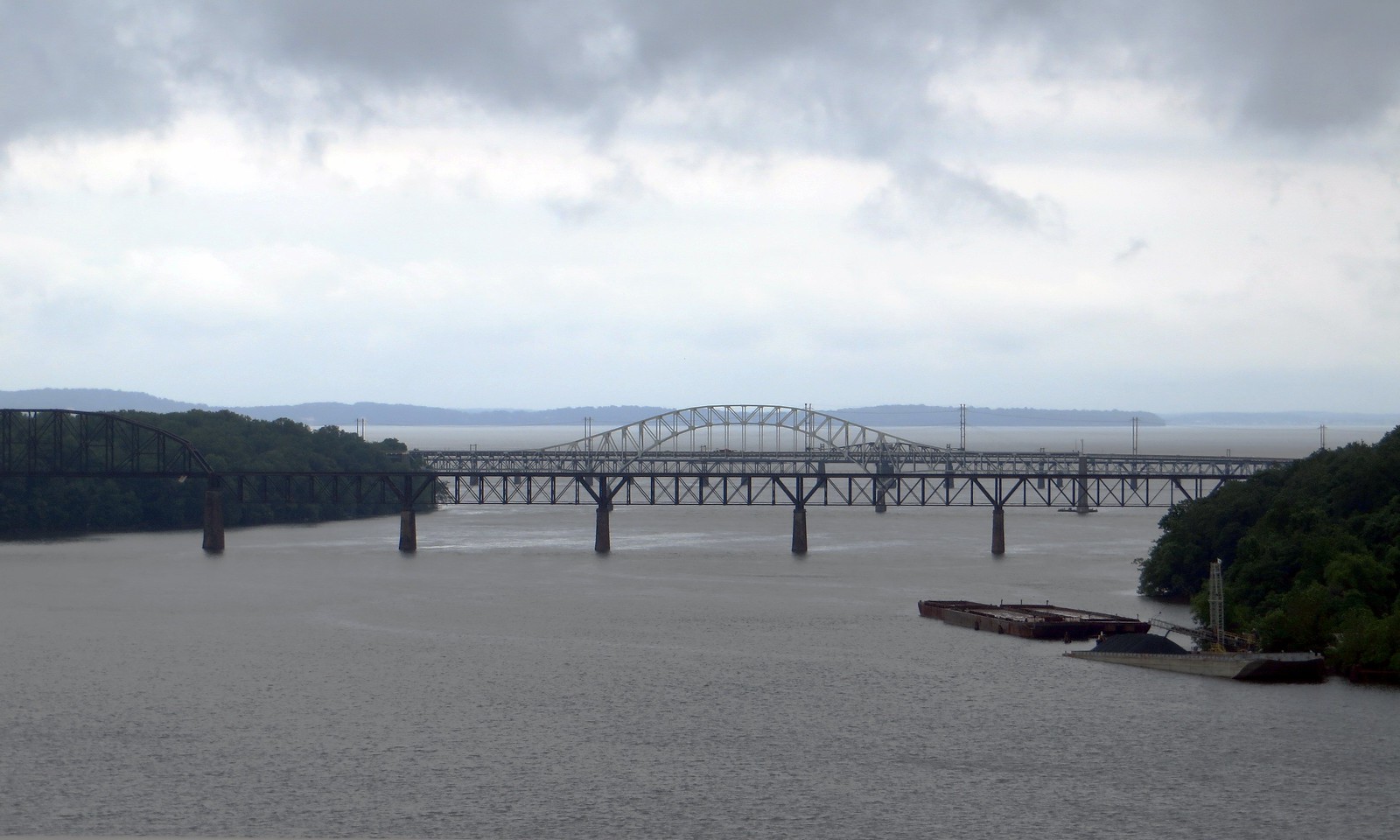
Susquehanna River
Conodoguinet Creek
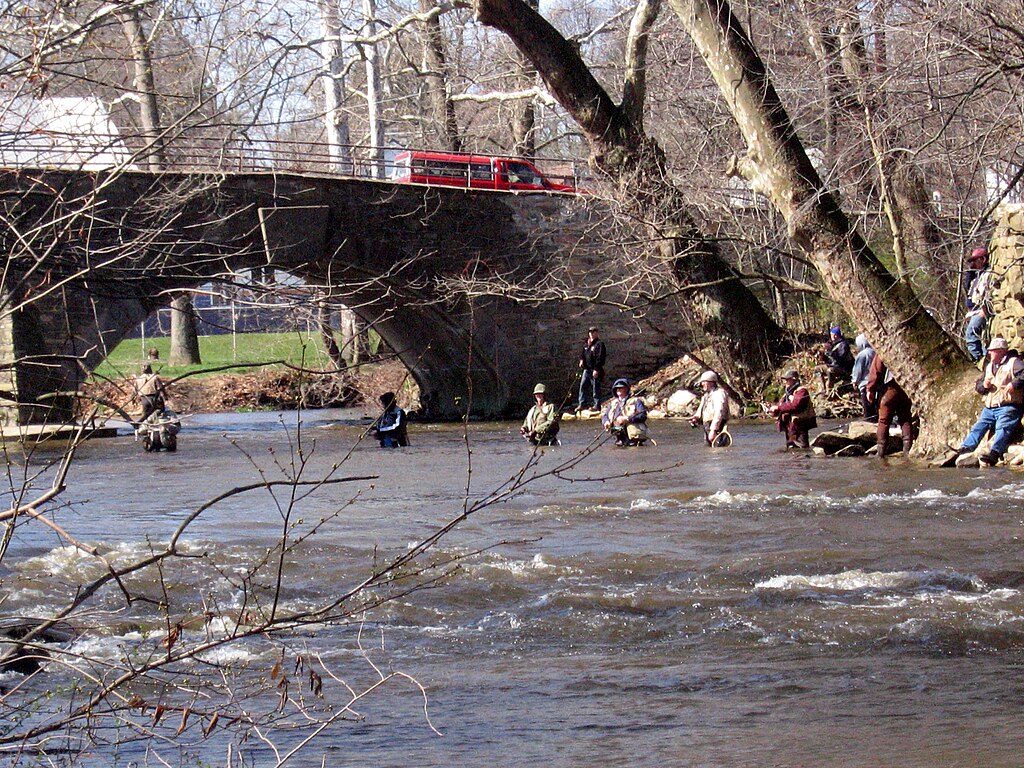
Yellow Breeches Creek
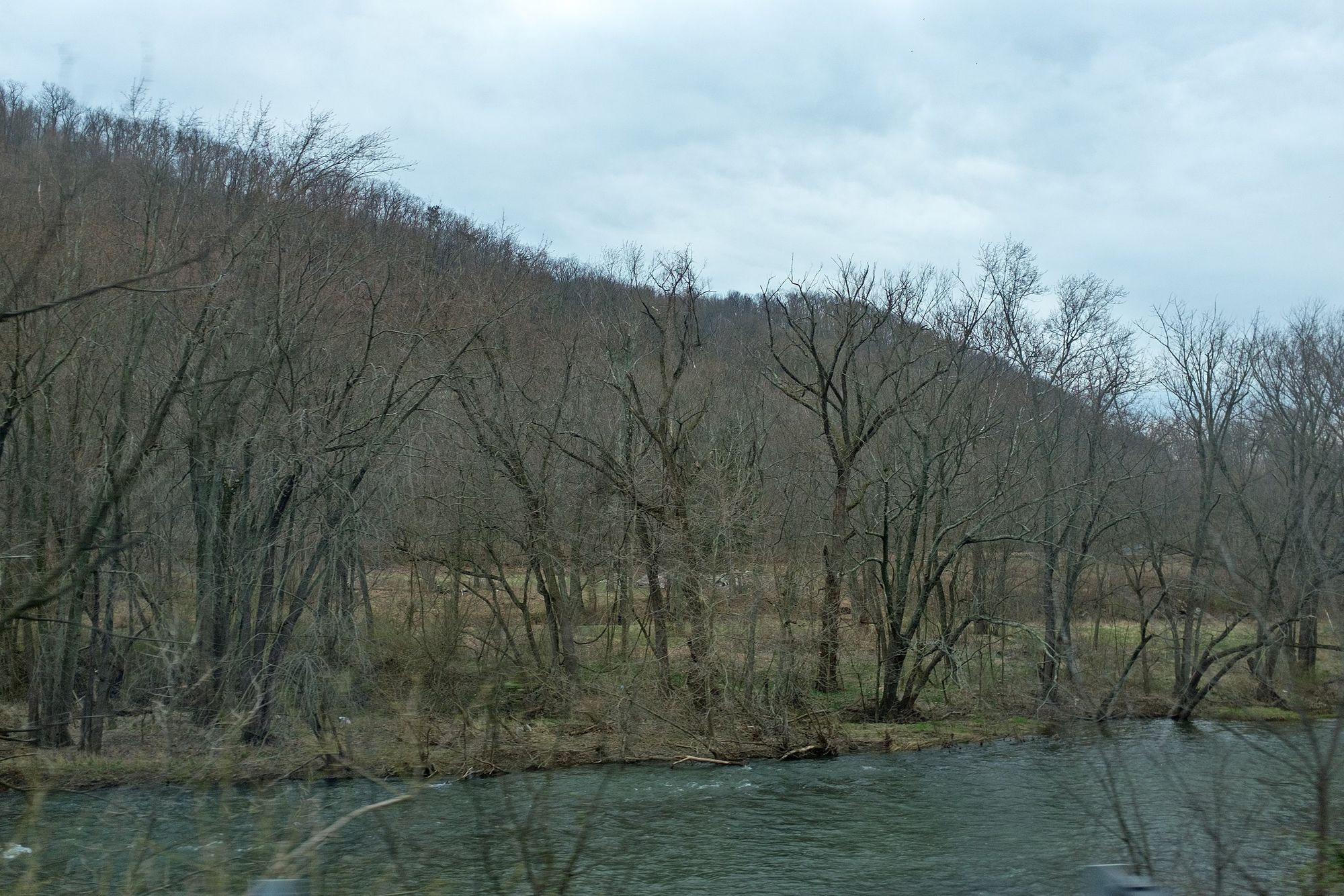
Juniata River

Lake Marburg
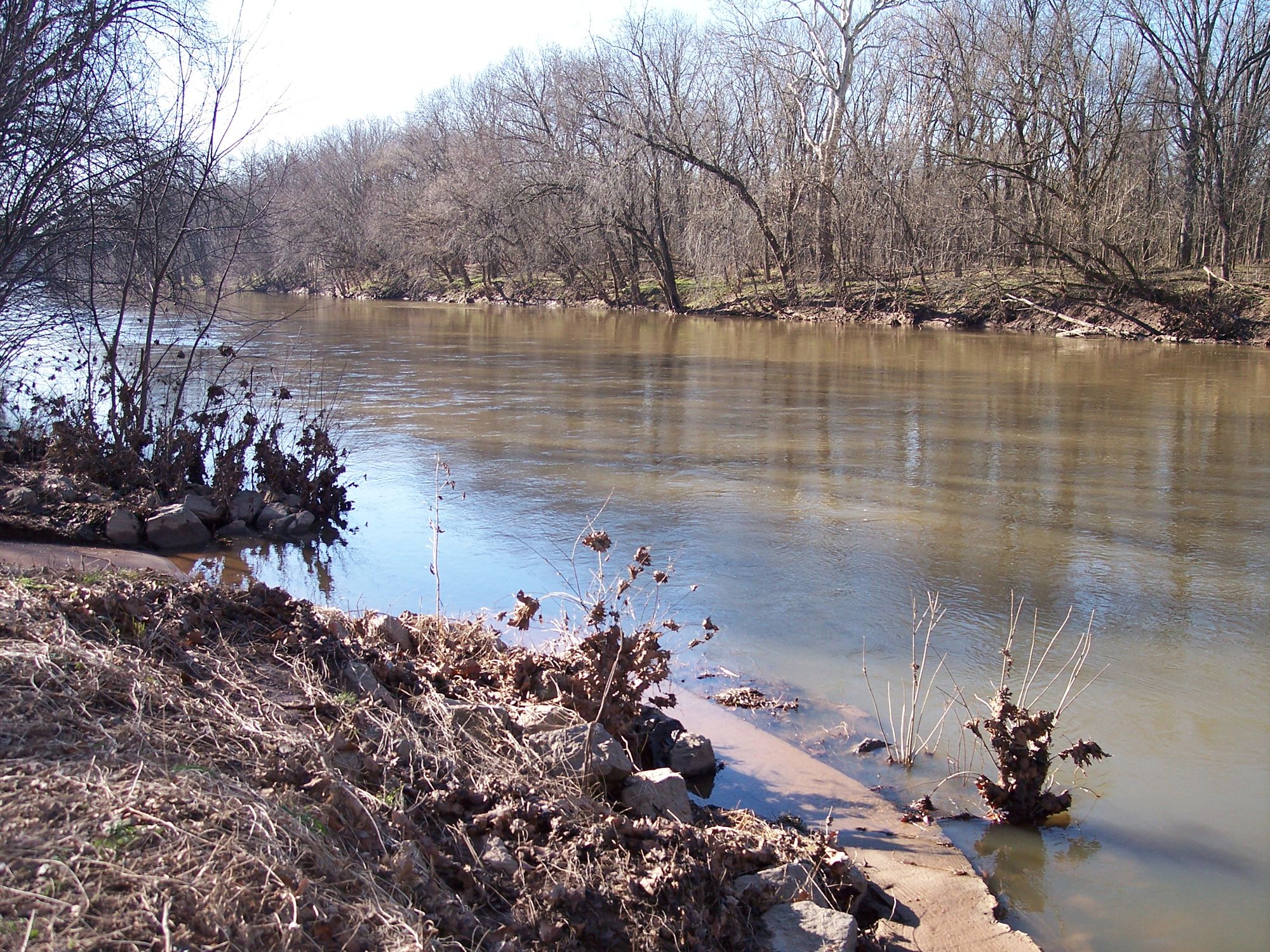
Monocacy River
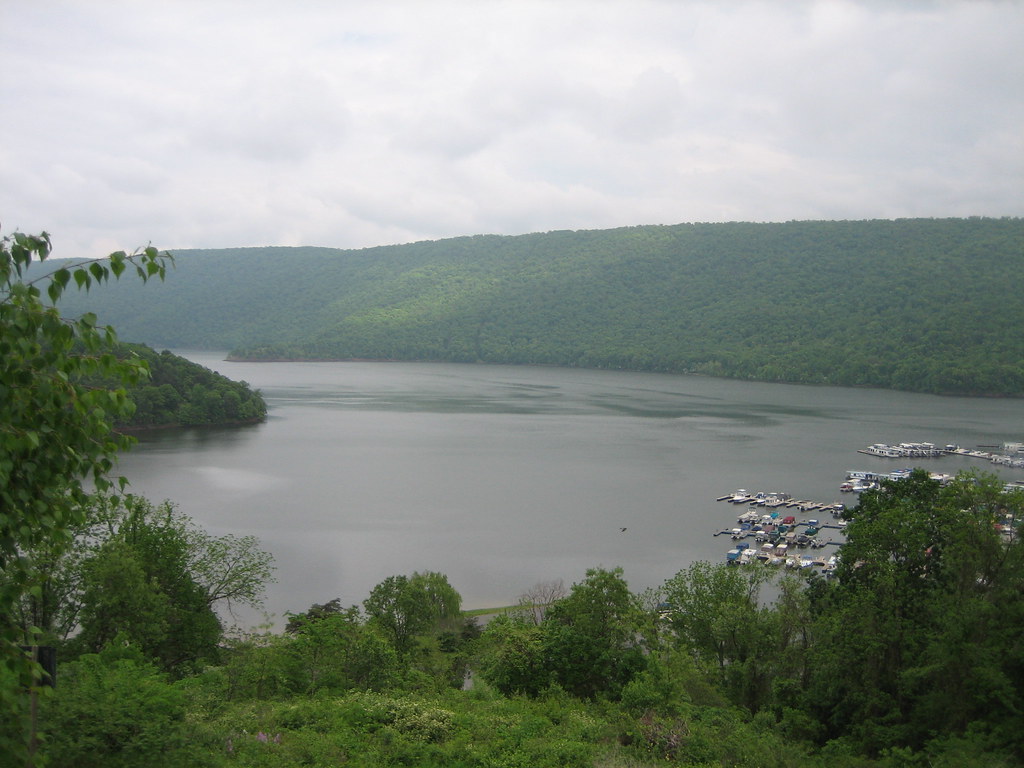
Raystown Lake
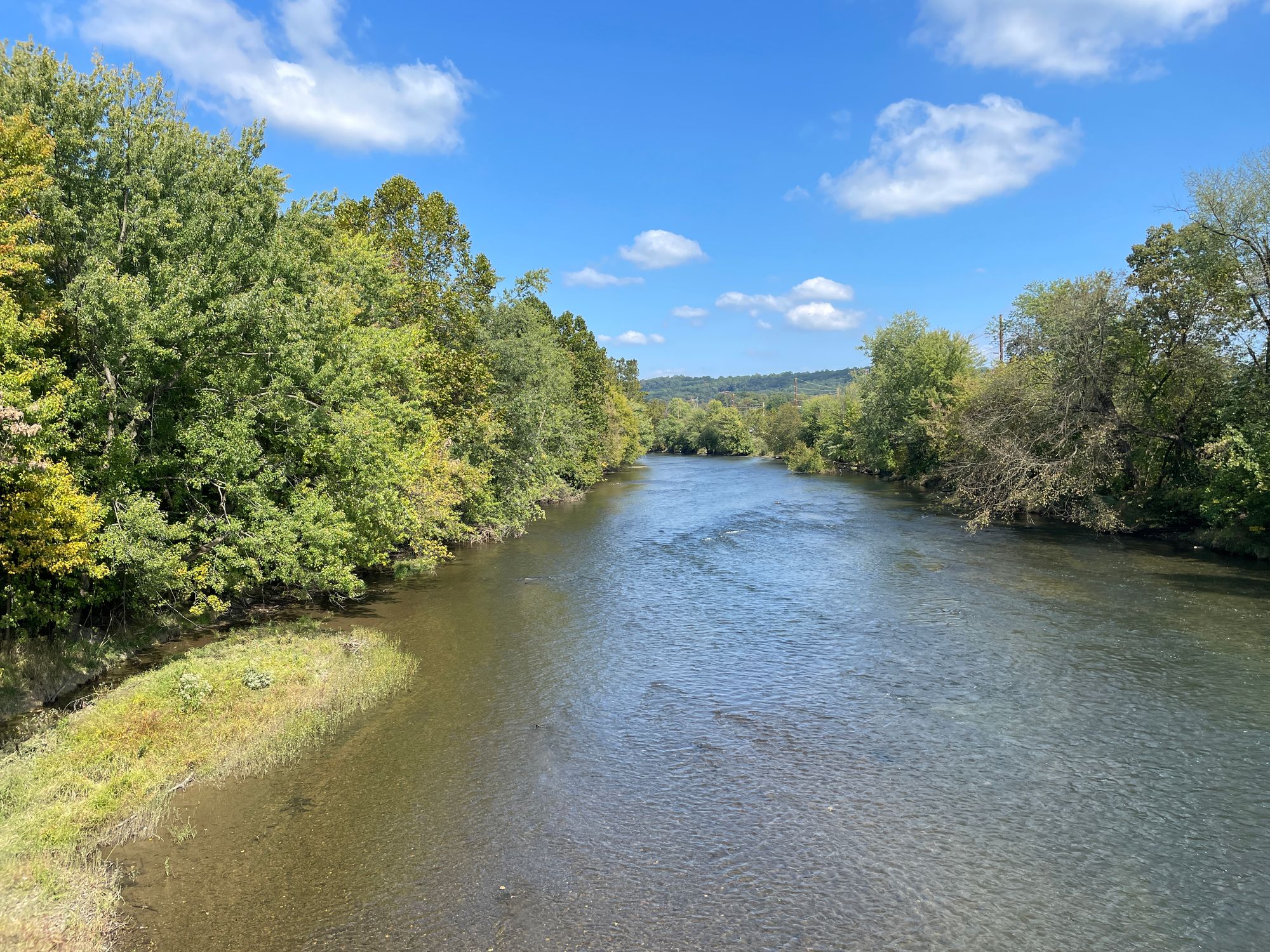
Swatara Creek
Codorus Creek
Penns Creek
What to know
Habitat Distribution
Found only in five tributaries of the Casselman River system in Somerset County.Key Locations
Blue Lick Creek, Elklick Creek, Flaugherty Creek, Piney Creek, and Whites Creek - all tributaries to the Casselman River in Somerset County.Specific Spots
Fish the deeper pools and slower runs below riffles with boulder-rubble substrate in the occupied streams. They inhabit clear, cool streams in deeper pools and slower runs, usually below riffles where boulder-rubble substrate or submerged coarse woody debris exists.Longnose Sucker FAQ
Answers from onWater's species guide.
What flies work for Longnose Sucker in Pennsylvania?
Sucker spawn egg patterns in natural chartreuse have proven effective, particularly during early spring when targeting other sucker species. Small nymphs resembling midge larvae and caddis patterns.
When is the best time to fish for Longnose Sucker in Pennsylvania?
Water temperatures between 50-70°F provide optimal conditions, but avoid April-July spawning periods entirely.
How do you catch Longnose Sucker in Pennsylvania?
Due to the Longnose Sucker's endangered status in Pennsylvania, targeted fishing is not recommended and may be prohibited under state endangered species protections.
What do Longnose Sucker eat?
Longnose Suckers are bottom-feeders with a diverse diet including crustaceans, insect larvae (especially midges), fingernail clams, snails, cladocerans, and aquatic plants.
Where do Longnose Sucker live in Pennsylvania?
Found only in five tributaries of the Casselman River system in Somerset County.
Fish smarter with real-time insights
Whether you're en route and conditions shift or you're looking for the best spot based on current flows, we enable you to make informed decisions on the fly.







See it in the app
Most maps show you water.
onWater shows you Longnose Sucker.



- 01 · Species map filter
Map every Longnose Sucker water
Pick Longnose Sucker and the map zeroes in on the waters they call home. No more guessing which lake holds them.
- 02 · Waterbody species
Tap any water. See what lives there.
Species, behavior and seasonal patterns for every lake, river and pond, before you leave the driveway.
- 03 · Angler Intelligence
Ask how to catch Longnose Sucker
Tactics, gear and timing from onWater's AI fishing guide, tuned to the species and the water you're on.
Stop guessing where Longnose Sucker are.
Open the map, filter by Longnose Sucker, and head to water that holds them. Download onWater and plan your next trip in minutes.
- Species map filter
- Angler Intelligence
- Fishing journal
Explore other species
Trout, bass, salmon, panfish and everything in between. Each guide unpacks the behavior, seasons, and tactics that put fish in the net.

Find which waters have the species you want to catch

Largemouth Bass

Smallmouth Bass
Micropterus dolomieu

Rainbow Trout
Oncorhynchus mykiss

Brown Trout
Salmo trutta

Brook Trout
Salvelinus fontinalis

Northern Pike
Esox lucius

Muskellunge

Walleye

Black Crappie
Pomoxis nigromaculatus

Alewife
Alosa pseudoharengus

American Eel
Anguilla rostrata

American Shad
Alosa sapidissima

Blacknose Dace
Rhinichthys atratulus (eastern), Rhinichthys obtusus (western)

Blue Catfish
Ictalurus furcatus

Bowfin
Amia calva

Brown Bullhead
Ameiurus nebulosus

Burbot
Lota lota

Chain Pickerel
Esox niger

Channel Catfish
Ictalurus punctatus

Chinook Salmon
Oncorhynchus tshawytscha

Coho Salmon
Oncorhynchus kisutch

Common Carp
Cyprinus carpio

Creek Chub
Semotilus atromaculatus

Fallfish
Semotilus corporalis

Flathead Catfish
Pylodictis olivaris

Freshwater Drum
Aplodinotus grunniens

Gizzard Shad
Dorosoma cepedianum

Golden Redhorse
Moxostoma erythrurum

Golden Trout
Oncorhynchus aguabonita

Grass Carp
Ctenopharyngodon idella

Green Sunfish
Lepomis cyanellus

Hickory Shad
Alosa mediocris

Lake Sturgeon
Acipenser fulvescens

Lake Trout
Salvelinus namaycush

Longear Sunfish
Lepomis megalotis

Longnose Gar
Lepisosteus osseus

Northern Hogsucker
Hypentelium nigricans
Northern Snakehead
Channa argus

Pumpkinseed
Lepomis gibbosus
Quillback
Carpiodes cyprinus
Pennsylvania licenses and regulations

Pennsylvania Boating Regulations
When using any type of watercraft to access a body of water, it is important to follow all federal, state, and local rules and regulations. These rules and regulations include boat permitting and licensing, invasive species inspections and stamps, life jacket and PFD rules, motor size and horsepower restrictions, noise limitations, restrictions on personal watercraft, and many more. Visit the web link below for the most current rules and regulations for this body of water.

Pennsylvania Fishing License
A current license, signed in ink, is required of persons age 16 and over to fish or angle for any species of fish and to take fish bait, baitfish, and species of amphibians and reptiles from Commonwealth waters by those legal methods described in the Pennsylvania Summary of Fishing Regulations and Laws (Summary Book).

Pennsylvania Fishing Regulations
This river has a variety of species and regulations, including potential floating and/or watercraft restrictions. Because this river is specially managed for species, seasons, angling methods, and watercraft, it is strongly encouraged you check all federal, state, and local regulations before fishing. Visit any of the links below, inquire locally, or contact a local fly shop to learn current regulations and restrictions.

Pennsylvania Stream Access Laws
The public has the right to fish in any navigable waterway, which is determined by the practical uses of the water. If a stream is determined navigable, the streambed is considered state owned, thus allowing wading, portage, and fishing. If the stream bed is non-navigable, floating is permitted, but fishing is exclusive to the landowner.
Explore nearby waters
Explore Pennsylvania waters
Top fishing waters
Popular Cities
Loading popular cities...

Smarter Fishing Starts in the App.
onWater Fish gives you everything you need to plan smarter, fish better, and own every trip from first cast to last.