Fishing in Kentucky
- Lakes
- 412
- Rivers
- 12,051
- Access
- 242
- Boat Ramps
- 868
- Shops
- 68
Kentucky fishing has a strong west-to-east split, and the easiest way to understand the state is to picture both ends at once.
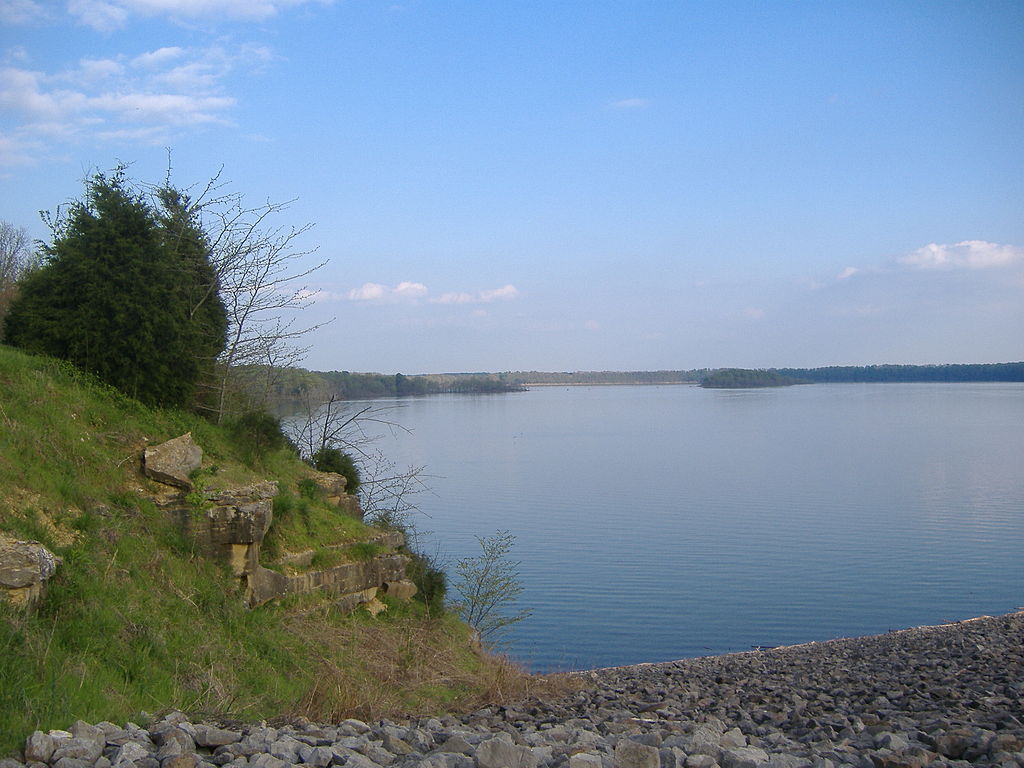
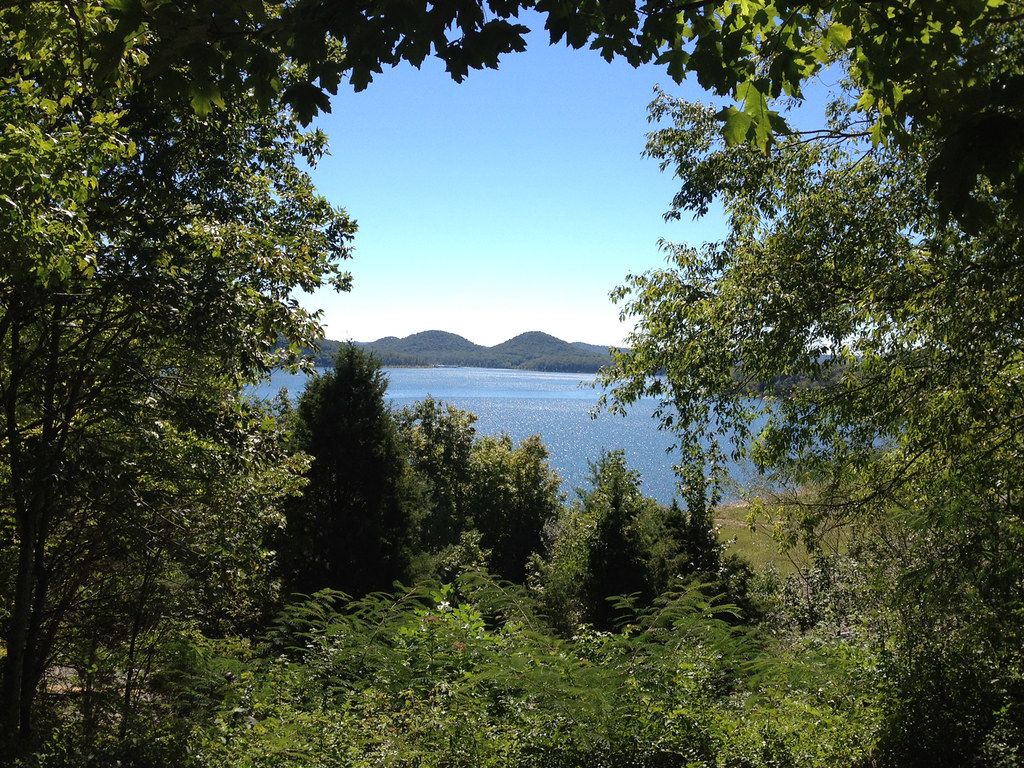
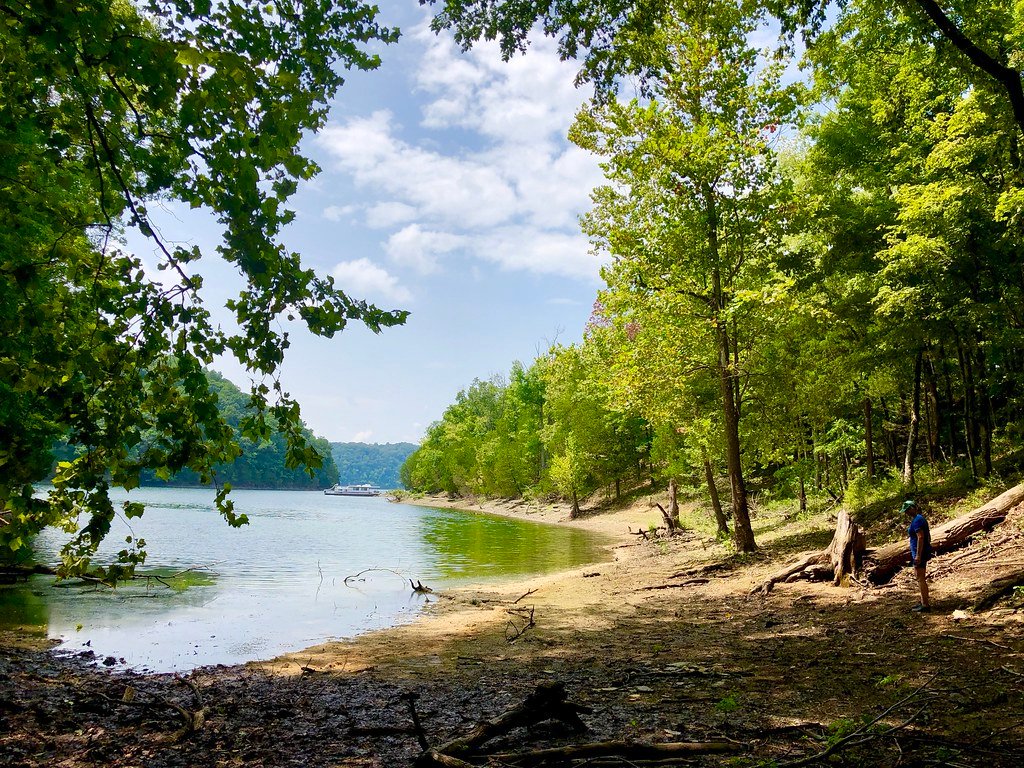
Out west, Kentucky Lake and Lake Barkley sprawl across more than 200,000 acres of TVA reservoir, big enough and deep enough that summer largemouth stack on 12–15-foot ledges dropping into the main river channel — a discipline serious enough that Bassmaster Elite, FLW, and the major crappie circuits keep coming back.
Crappie is arguably the bigger story here.
From late February into May, fish move from deep creek-channel brush to shallow cover as water creeps toward 61–62°F, and the local guides — some of whom build and maintain their own stake beds — work the transition with spider rigs and long poles.
Brad Weakley has been guiding the lake for 41 years, which tells you something about how settled and serious the culture is on this end of the state. Cross to south-central Kentucky and the scene changes entirely.
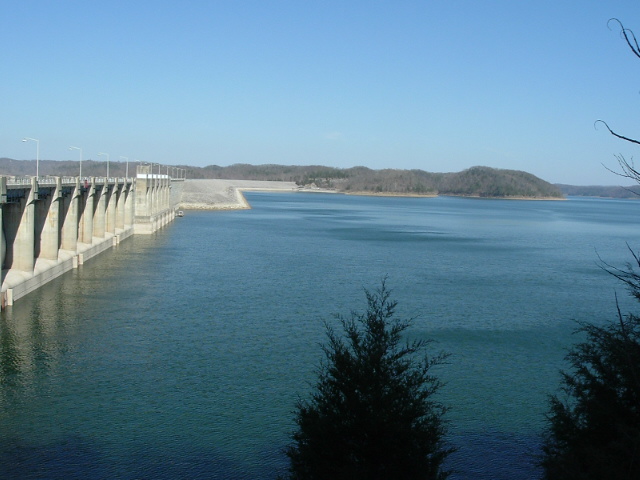
Below Wolf Creek Dam, the Cumberland River runs cold for 75 miles — the longest productive trout tailwater in the South — and it's stocked heavily enough (rainbow, brown, brook, cutthroat) to fish year-round.
Fall is the streamer window for big browns; winter belongs to midges and nymphs when generation is low; April and May bring the best dry-fly activity. The state-record brown (21 lbs) and rainbow (14-6) both came from this river.
A trout permit is required on top of the license, with a 20-inch minimum on browns and a 15–20-inch slot on rainbows, and chumming is off the table. Watch the generation schedule like a tide chart.
Between those poles sits Cave Run Lake, tucked into the Daniel Boone National Forest and known, improbably, as the musky capital of the South.
The 40-inch minimum is backed by a strong catch-and-release ethic among the guides, and the prime window runs October through May. Dale Hollow on the Tennessee line is the smallmouth specialist's water — clear, deep, technical.
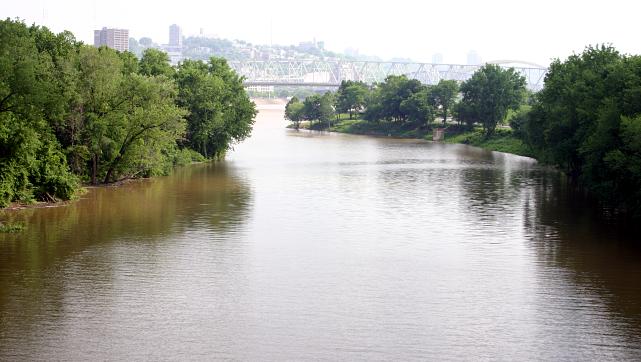
The Ohio River along the northern border is a different animal entirely: blue cats, flatheads, sauger, drum, the occasional alligator gar. One thing to know before you load the truck: Kentucky has no public stream-access law.
Most banks are private, and KRS 150.092 means you need permission, full stop. The best smallmouth water in the state often comes down to who you know.
That's part of why the guide and tournament culture runs as deep as it does here — and why hand-grabbing catfish is still a regulated, living tradition rather than a curiosity.
Species & education
Learn what type of fish are in Kentucky and what's needed to catch them.

Find which waters have the species you want to catch

Largemouth Bass
Micropterus salmoides

Smallmouth Bass
Micropterus dolomieu

Rainbow Trout

Brown Trout

Brook Trout
Salvelinus fontinalis

Cutthroat Trout

Northern Pike
Esox lucius

Muskellunge
Esox masquinongy

Walleye

Black Crappie
Pomoxis nigromaculatus

Alewife
Alosa pseudoharengus
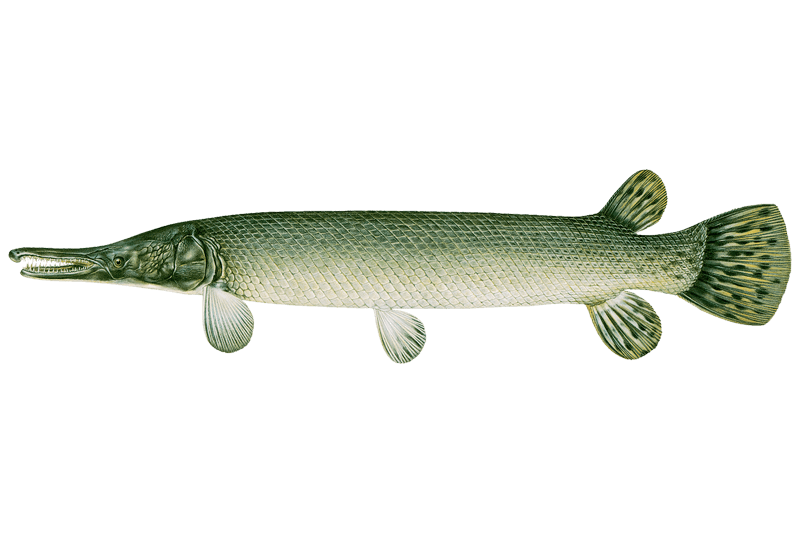
Alligator Gar

American Eel
Anguilla rostrata

Bighead Carp
Hypophthalmichthys nobilis

Bigmouth Buffalo
Ictiobus cyprinellus

Black Buffalo
Ictiobus niger

Black Bullhead
Ameiurus melas

Blue Catfish

Blue Sucker
Cycleptus elongatus

Bowfin
Amia calva

Brown Bullhead
Ameiurus nebulosus

Chain Pickerel
Esox niger

Channel Catfish

Common Carp
Cyprinus carpio

Creek Chub
Semotilus atromaculatus

Fallfish
Semotilus corporalis

Flathead Catfish
Pylodictis olivaris

Flathead Chub
Platygobio gracilis

Flier
Centrarchus macropterus

Freshwater Drum
Aplodinotus grunniens

Gizzard Shad
Dorosoma cepedianum

Golden Redhorse
Moxostoma erythrurum

Golden Trout
Oncorhynchus aguabonita

Goldeye
Hiodon alosoides

Grass Carp
Ctenopharyngodon idella
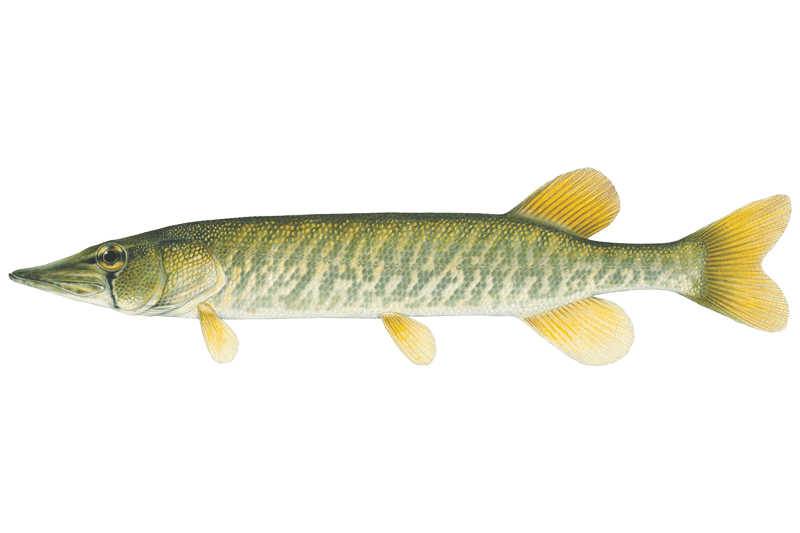
Grass Pickerel
Esox americanus vermiculatus

Green Sunfish
Lepomis cyanellus

Lake Sturgeon
Acipenser fulvescens

Longear Sunfish
Lepomis megalotis

Longnose Gar
Fishing guides in Kentucky
Book a trip with a local fishing guide through Guidesly.


Chris O'Bryan
Boating Adventures with Captain Chris
5.0 (24 reviews)
Experience the Best Rough River Lake Fishing
Book on Guidesly, opens in new tab
Gregg Markowski
Cumberland Trout Bum
5.0 (3 reviews)
Cumberland River Trout Fishing
Book on Guidesly, opens in new tab
Mitchell Fort
Mitchell Fort Fishing
Explore the Finest Kentucky Lake Fishing
Book on Guidesly, opens in new tab
Nicholas Bush
Frontline Dive & Recovery
Kentucky Scuba & Public Safety Diving Experts
Book on Guidesly, opens in new tab
Fish smarter with real-time insights
Whether you're en route and conditions shift or you're looking for the best spot based on current flows, we enable you to make informed decisions on the fly.







Kentucky licenses and regulations

Kentucky Boating Regulations
When using any type of watercraft to access a body of water, it is important to follow all federal, state, and local rules and regulations. These rules and regulations include boat permitting and licensing, invasive species inspections and stamps, life jacket and PFD rules, motor size and horsepower restrictions, noise limitations, restrictions on personal watercraft, and many more. Visit the web link below for the most current rules and regulations for this body of water.

Kentucky Fishing License
All persons must fill out and carry the proper license and permit to fish any Kentucky waters except residents and nonresidents age 15 and younger.

Kentucky Fishing Regulations
This river has a variety of species and regulations, including potential floating and/or watercraft restrictions. Because this river is specially managed for species, seasons, angling methods, and watercraft, it is strongly encouraged you check all federal, state, and local regulations before fishing. Visit any of the links below, inquire locally, or contact a local fly shop to learn current regulations and restrictions.

Kentucky Stream Access Laws
Public usage is limited to larger waterways with more permanent commerce and transportation. The public right to navigation includes boating, fishing, swimming, temporary anchorage and incidental use of the riverbed, regardless of streambed ownership.
National parks in Kentucky
Smarter Fishing Starts in the App.
onWater Fish gives you everything you need to plan smarter, fish better, and own every trip from first cast to last.