Fallfish
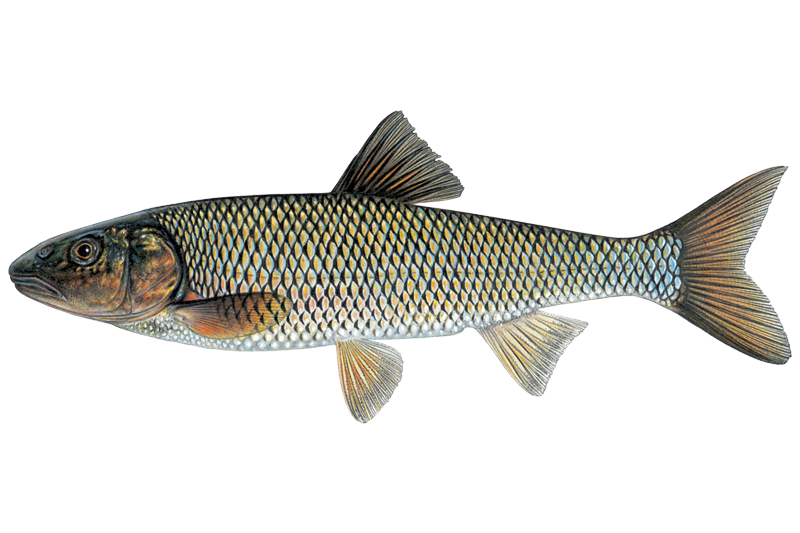
The Fallfish is North America's largest native minnow species and the largest member of the minnow family native to Eastern North America. These impressive fish are worthy quarry due to their large size, aggressive fighting style, and willingness to strike.
Scientific Name: Semotilus corporalis
These impressive fish can reach lengths of 15-19 inches, with exceptional specimens exceeding 19 inches, though average specimens typically measure around 7 inches.
Fallfish have silvery sides with a white belly and develop a distinctive dark stripe running down the center of their body when juvenile. Breeding males develop a pinkish tone on the gill cover region.
Fishing in Kentucky
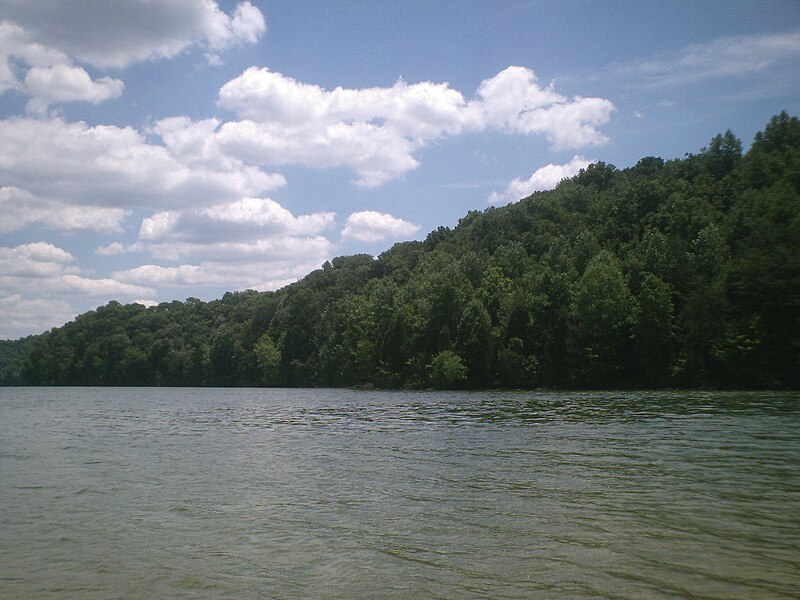
Herrington Lake
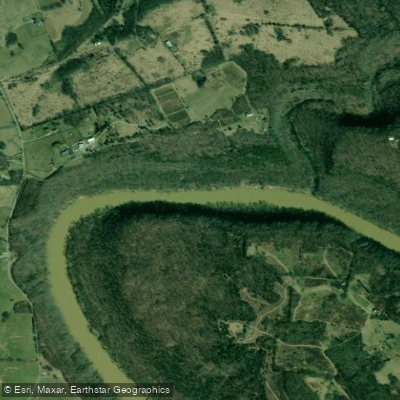
Kentucky River
North Elkhorn Creek
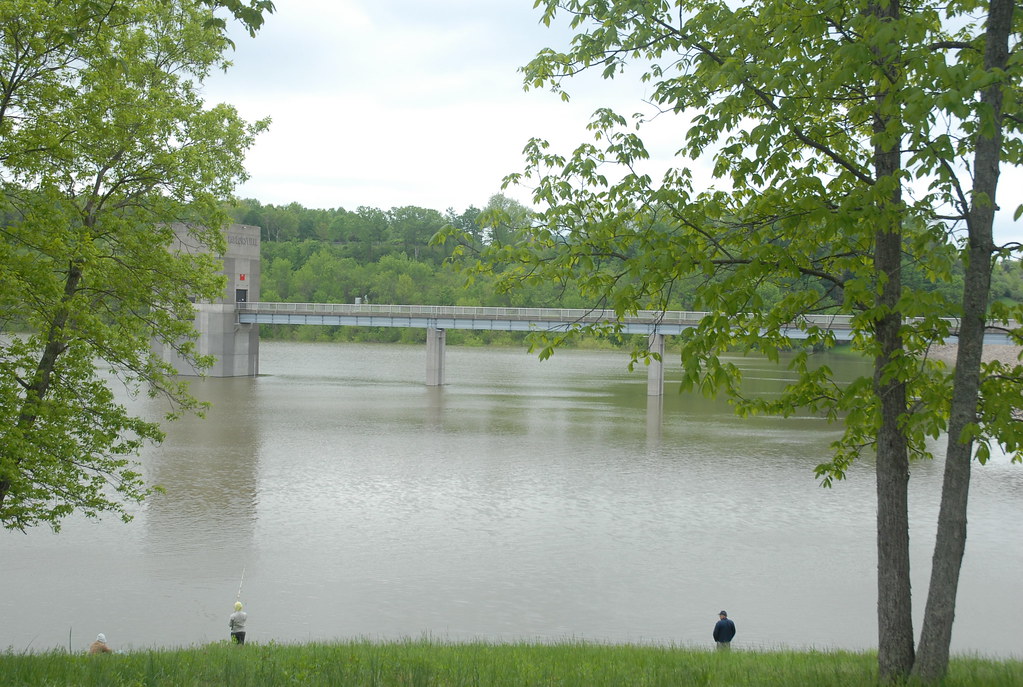
Taylorsville Lake
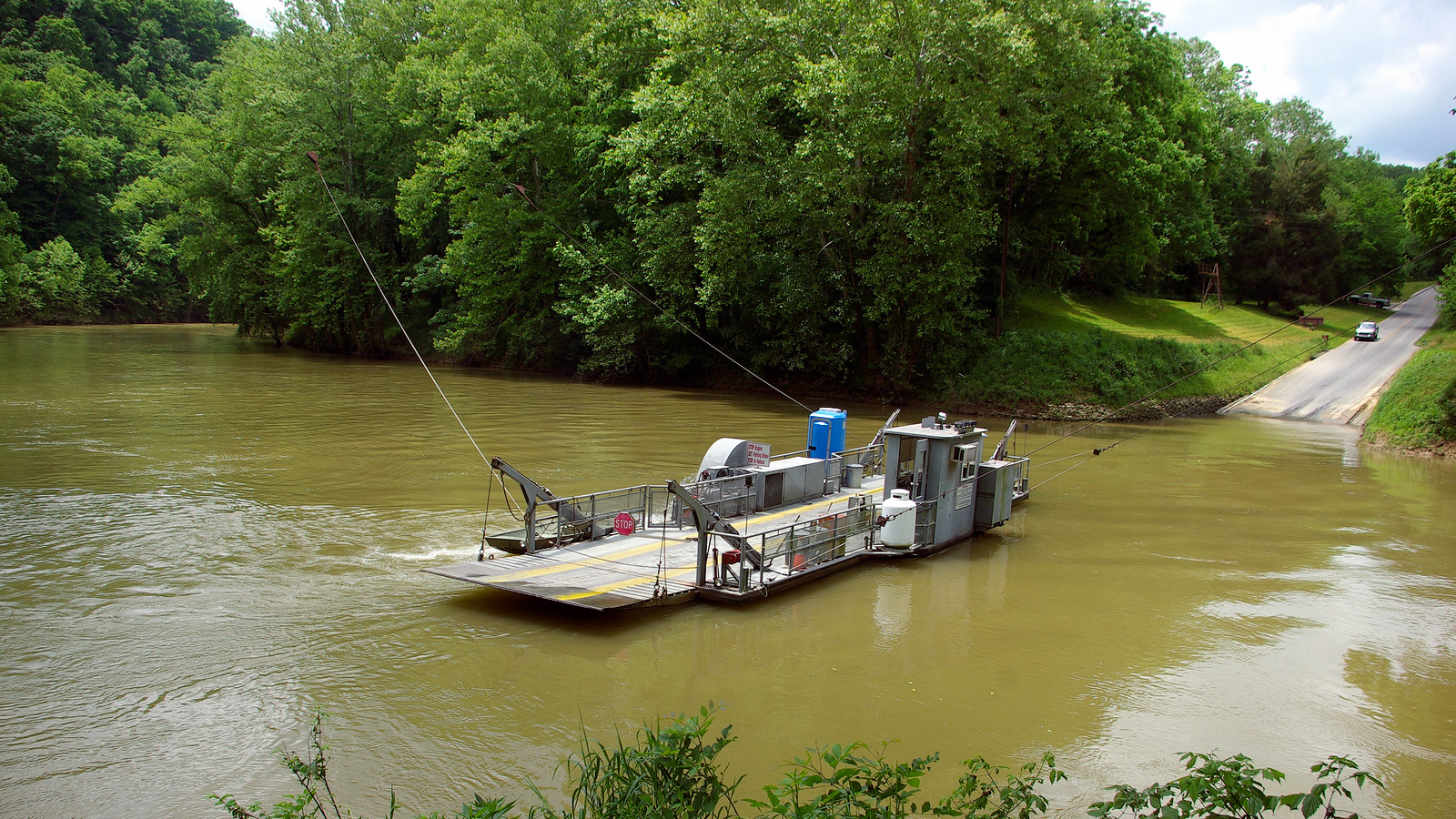
Green River
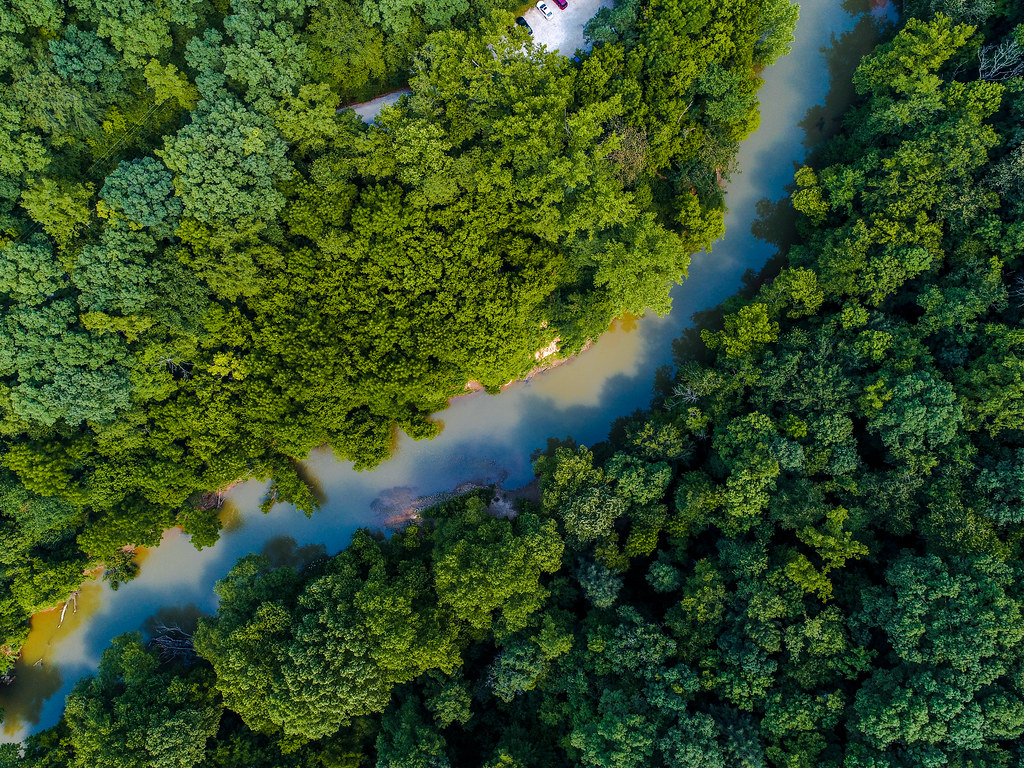
Red River
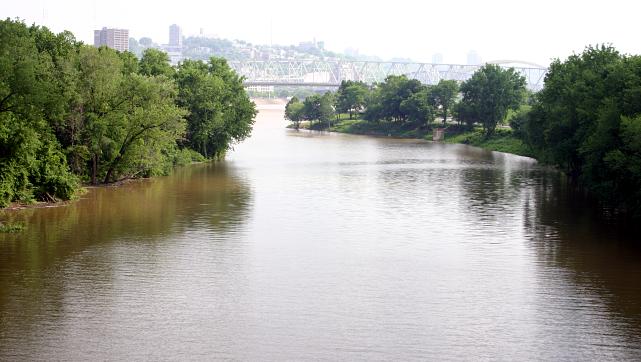
Licking River
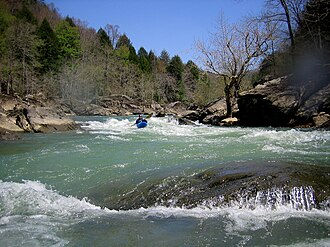
Rockcastle River
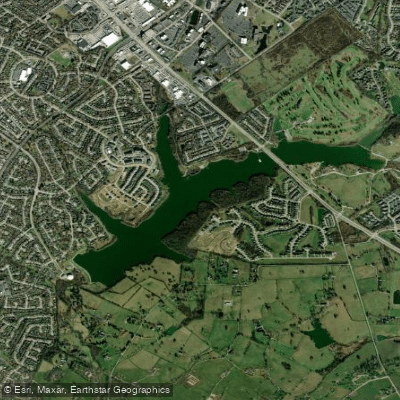
Lexington Reservoir Number 4
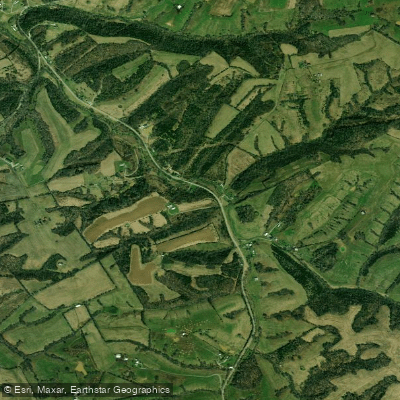
Salt River
What to know
Habitat Distribution
Originally native to the Atlantic Slope from New Brunswick to Virginia and the Hudson Bay drainage, Fallfish have been introduced to various locations outside their native range, including some areas that may overlap with Kentucky waters. They inhabit clear streams, lakes, and ponds.Specific Spots
Predominantly preferring swift currents but can also be found in well-oxygenated pools. As their name suggests, they're often found at the base of waterfalls. Target areas with swift currents, well-oxygenated pools, and the bases of waterfalls or similar structures.Fallfish FAQ
Answers from onWater's species guide.
What flies work for Fallfish in Kentucky?
Parachute Adams (versatile for imitating various insects), Gold-Ribbed Hare's Ear nymphs (classic pattern imitating aquatic insects), small Wooly Buggers in olive or black, Clouser Minnows and other streamer patterns
When is the best time to fish for Fallfish in Kentucky?
Spring and fall typically offer the best fishing opportunities when water temperatures are ideal, though summer fishing during early morning and late evening hours when water is cooler can also be productive.
How do you catch Fallfish in Kentucky?
Both natural presentations and more aggressive retrieves work well. Weedless presentations are advisable when fishing around structure to reduce snagging. Landing them with a net is recommended due to their soft mouths.
What do Fallfish eat?
Their diet varies significantly with age - juvenile Fallfish primarily consume chironomids and zooplankton, but once they reach 100mm in length, their diet transitions dramatically to small fish (including their own young), fish eggs, and terrestrial insects.
Where do Fallfish live in Kentucky?
Originally native to the Atlantic Slope from New Brunswick to Virginia and the Hudson Bay drainage, Fallfish have been introduced to various locations outside their native range, including some areas that may overlap with Kentucky waters. They inhabit clear streams, lakes, and ponds.
Fish smarter with real-time insights
Whether you're en route and conditions shift or you're looking for the best spot based on current flows, we enable you to make informed decisions on the fly.







See it in the app
Most maps show you water.
onWater shows you Fallfish.



- 01 · Species map filter
Map every Fallfish water
Pick Fallfish and the map zeroes in on the waters they call home. No more guessing which lake holds them.
- 02 · Waterbody species
Tap any water. See what lives there.
Species, behavior and seasonal patterns for every lake, river and pond, before you leave the driveway.
- 03 · Angler Intelligence
Ask how to catch Fallfish
Tactics, gear and timing from onWater's AI fishing guide, tuned to the species and the water you're on.
Stop guessing where Fallfish are.
Open the map, filter by Fallfish, and head to water that holds them. Download onWater and plan your next trip in minutes.
- Species map filter
- Angler Intelligence
- Fishing journal
Explore other species
Trout, bass, salmon, panfish and everything in between. Each guide unpacks the behavior, seasons, and tactics that put fish in the net.

Find which waters have the species you want to catch

Largemouth Bass
Micropterus salmoides

Smallmouth Bass
Micropterus dolomieu

Rainbow Trout

Brown Trout

Brook Trout
Salvelinus fontinalis

Cutthroat Trout

Northern Pike
Esox lucius

Muskellunge
Esox masquinongy

Walleye

Black Crappie
Pomoxis nigromaculatus

Alewife
Alosa pseudoharengus
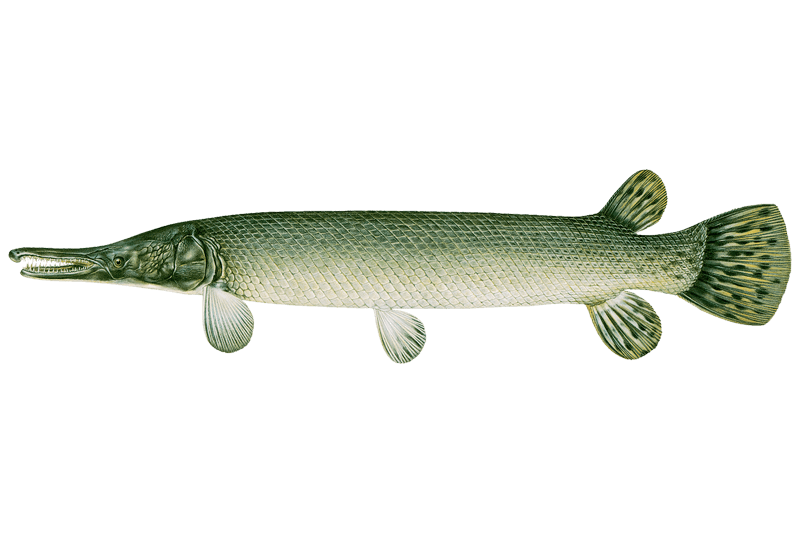
Alligator Gar

American Eel
Anguilla rostrata

Bighead Carp
Hypophthalmichthys nobilis

Bigmouth Buffalo
Ictiobus cyprinellus

Black Buffalo
Ictiobus niger

Black Bullhead
Ameiurus melas

Blue Catfish

Blue Sucker
Cycleptus elongatus

Bowfin
Amia calva

Brown Bullhead
Ameiurus nebulosus

Chain Pickerel
Esox niger

Channel Catfish

Common Carp
Cyprinus carpio

Creek Chub
Semotilus atromaculatus

Flathead Catfish
Pylodictis olivaris

Flathead Chub
Platygobio gracilis

Flier
Centrarchus macropterus

Freshwater Drum
Aplodinotus grunniens

Gizzard Shad
Dorosoma cepedianum

Golden Redhorse
Moxostoma erythrurum
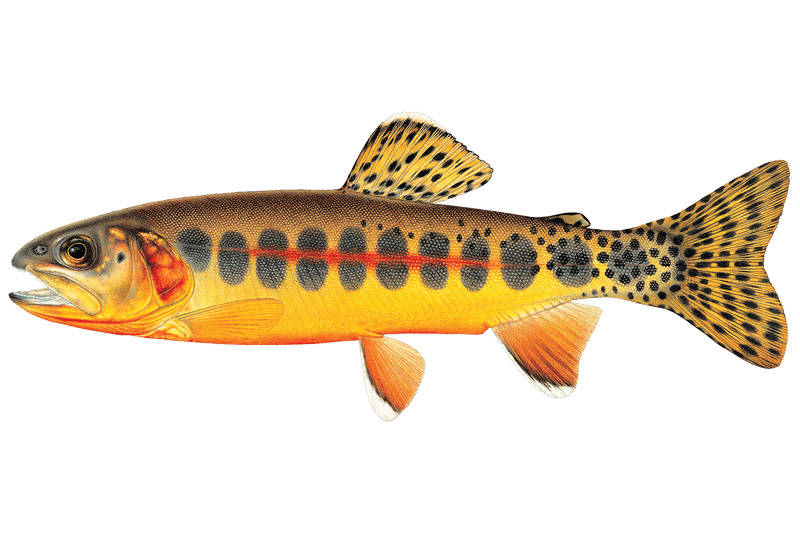
Golden Trout
Oncorhynchus aguabonita

Goldeye
Hiodon alosoides

Grass Carp
Ctenopharyngodon idella
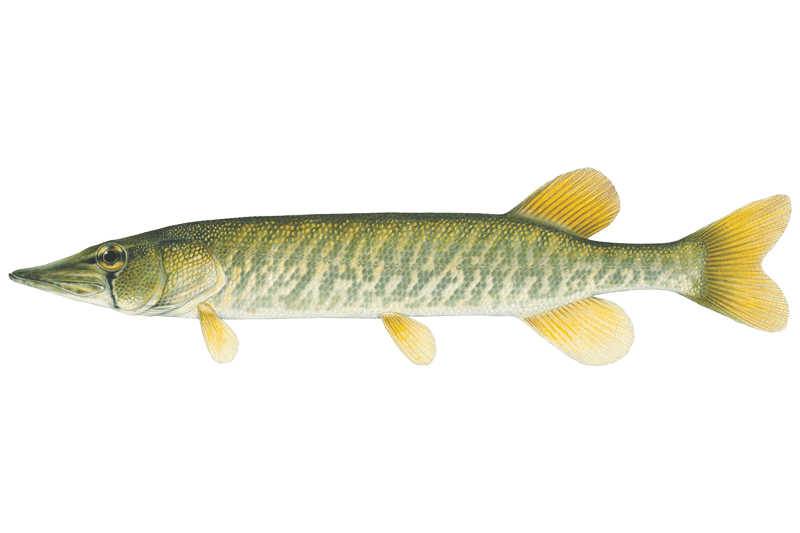
Grass Pickerel
Esox americanus vermiculatus

Green Sunfish
Lepomis cyanellus

Lake Sturgeon
Acipenser fulvescens

Longear Sunfish
Lepomis megalotis

Longnose Gar

Mooneye
Hiodon tergisus
Kentucky licenses and regulations

Kentucky Boating Regulations
When using any type of watercraft to access a body of water, it is important to follow all federal, state, and local rules and regulations. These rules and regulations include boat permitting and licensing, invasive species inspections and stamps, life jacket and PFD rules, motor size and horsepower restrictions, noise limitations, restrictions on personal watercraft, and many more. Visit the web link below for the most current rules and regulations for this body of water.

Kentucky Fishing License
All persons must fill out and carry the proper license and permit to fish any Kentucky waters except residents and nonresidents age 15 and younger.

Kentucky Fishing Regulations
This river has a variety of species and regulations, including potential floating and/or watercraft restrictions. Because this river is specially managed for species, seasons, angling methods, and watercraft, it is strongly encouraged you check all federal, state, and local regulations before fishing. Visit any of the links below, inquire locally, or contact a local fly shop to learn current regulations and restrictions.

Kentucky Stream Access Laws
Public usage is limited to larger waterways with more permanent commerce and transportation. The public right to navigation includes boating, fishing, swimming, temporary anchorage and incidental use of the riverbed, regardless of streambed ownership.
Explore nearby waters
Explore Kentucky waters
Top fishing waters
Popular Cities
Loading popular cities...
Smarter Fishing Starts in the App.
onWater Fish gives you everything you need to plan smarter, fish better, and own every trip from first cast to last.