Blue Catfish

Blue Catfish in Kentucky are the largest member of the catfish family, capable of growing over 55 inches and weighing more than 100 pounds with a maximum lifespan of 20-25 years.
- They're distinguished from channel catfish by their forked tail, straight-edged anal fin with 30-35 rays, and slate blue coloration on the back shading to white on the belly without dark spots.
Fishing in Kentucky
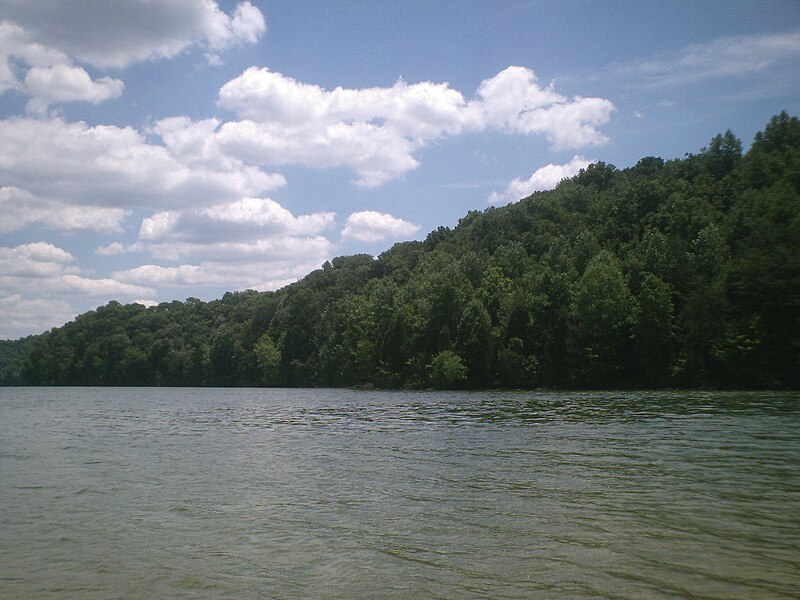
Herrington Lake
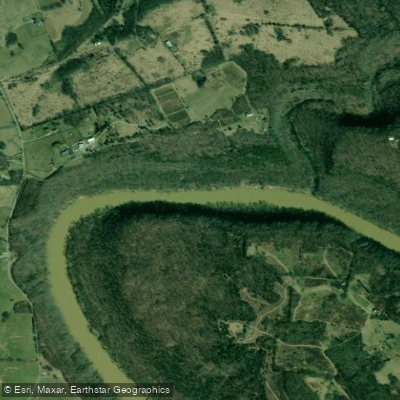
Kentucky River
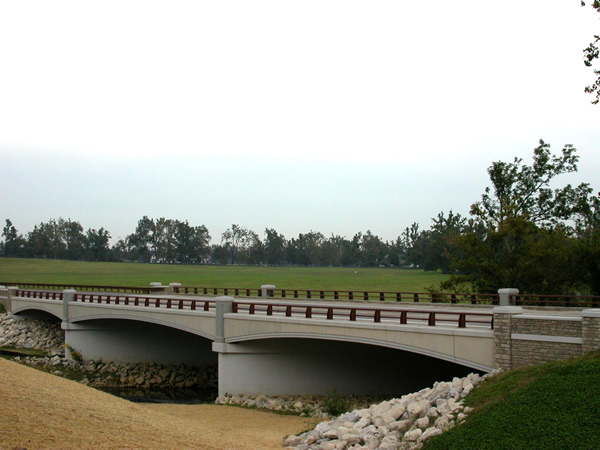
North Elkhorn Creek
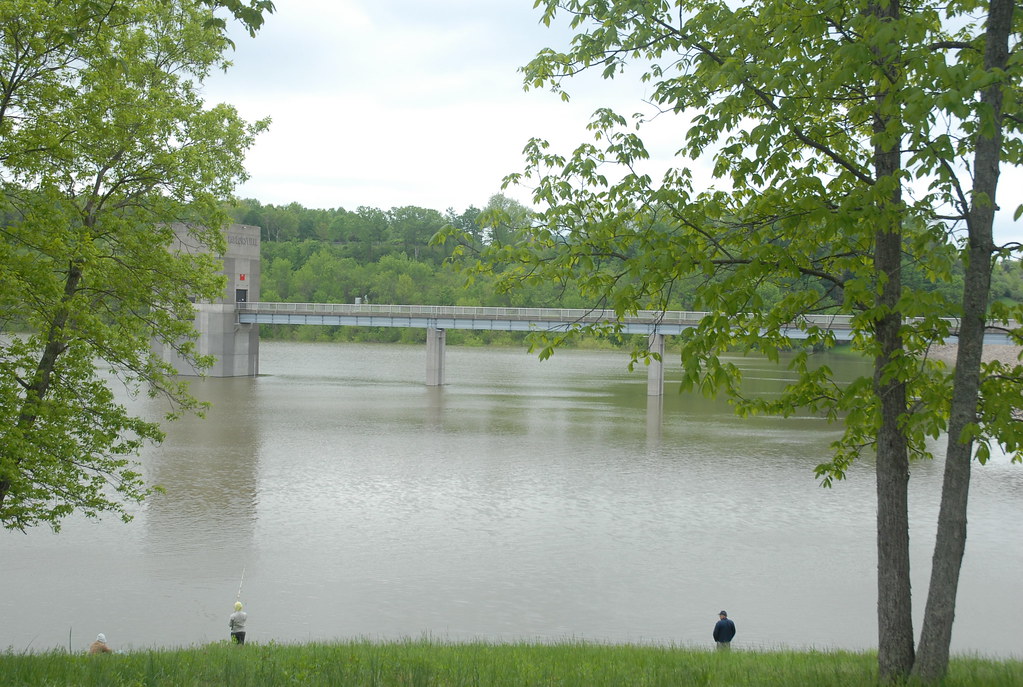
Taylorsville Lake
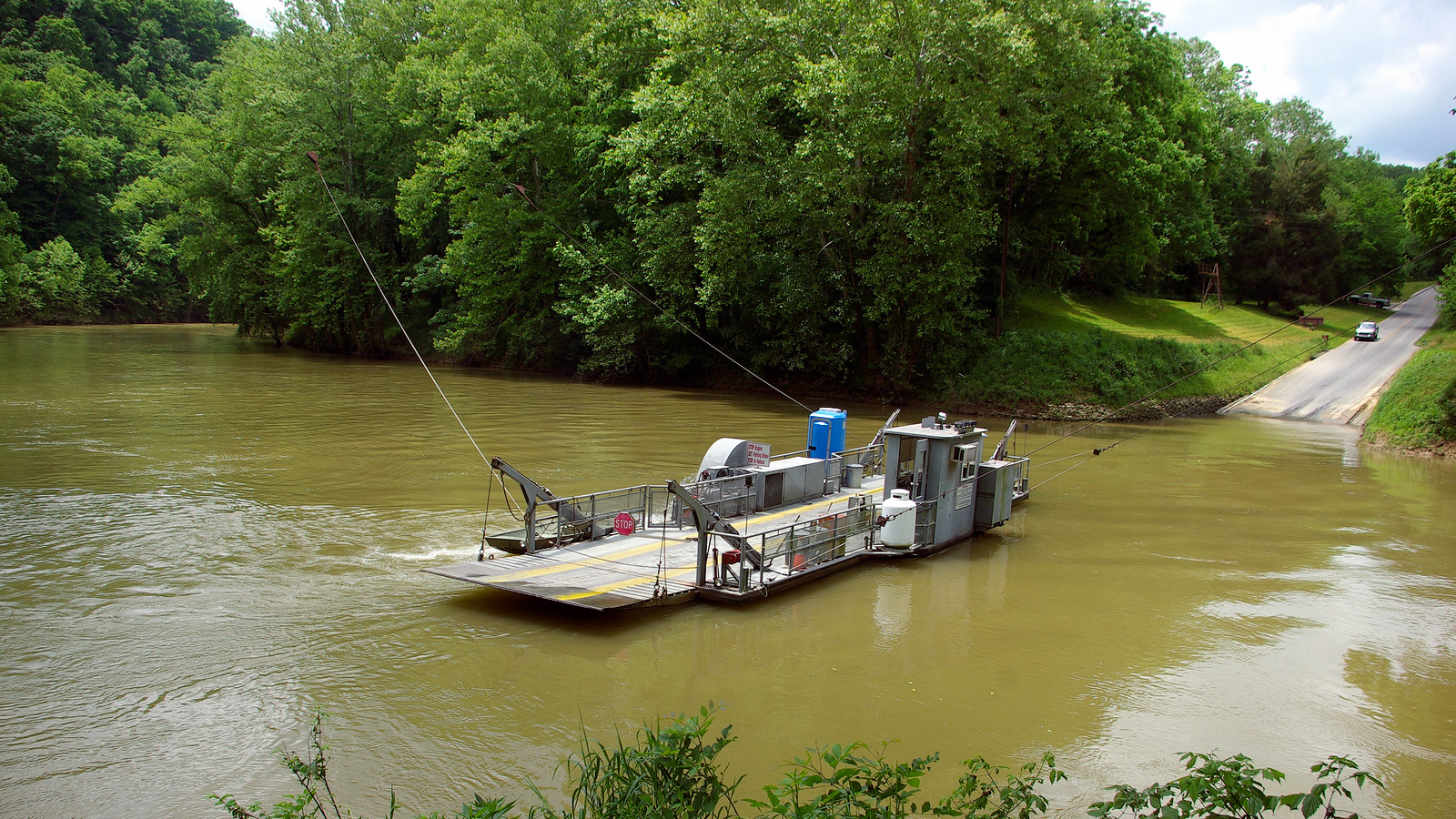
Green River
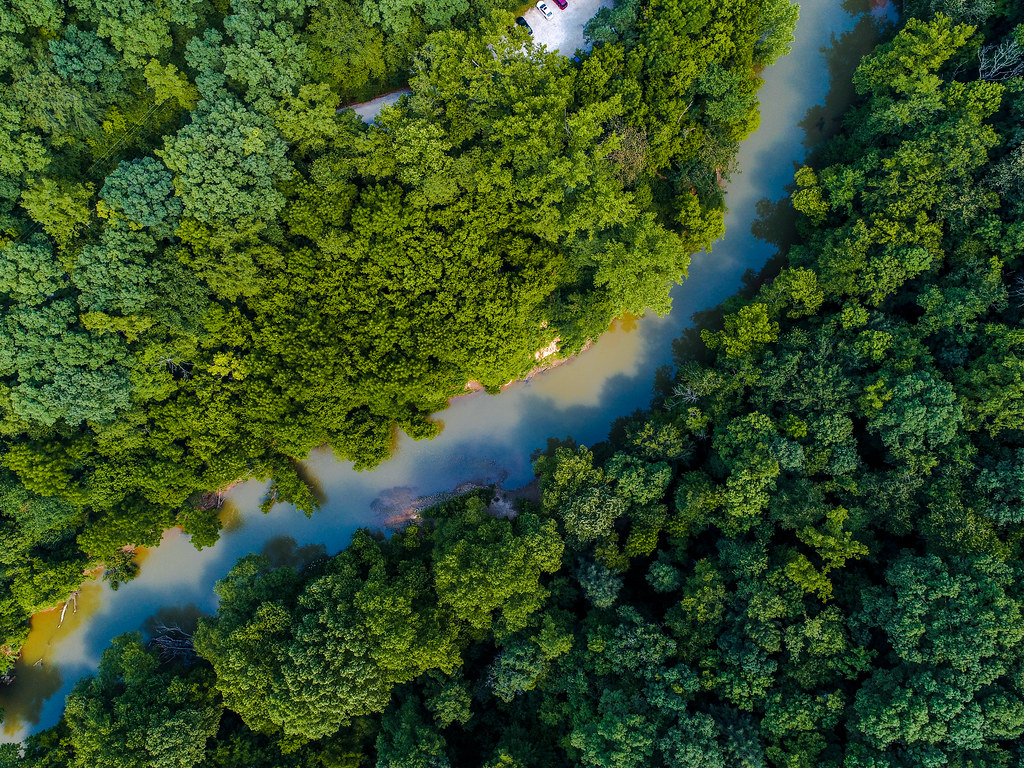
Red River
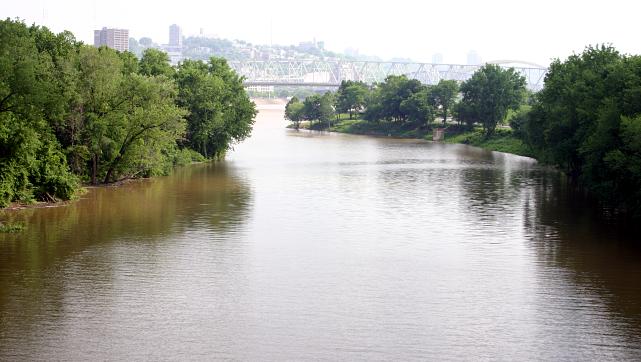
Licking River
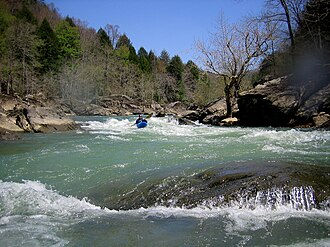
Rockcastle River
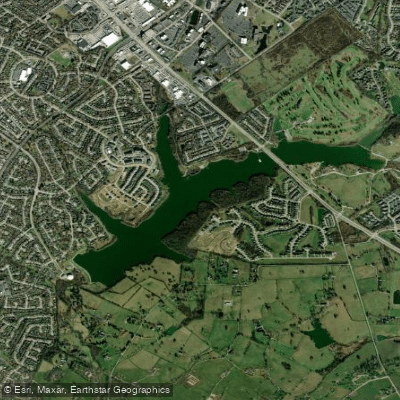
Lexington Reservoir Number 4
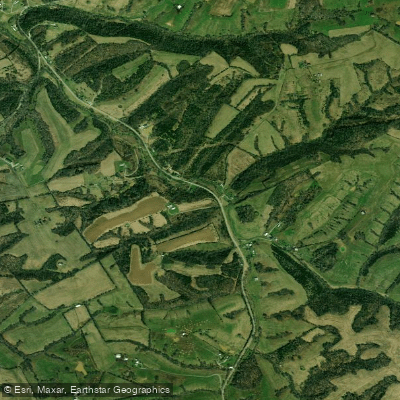
Salt River
What to know
Habitat Distribution
- Blue catfish are primarily large-river fish, preferring main channels, tributaries, and impoundments with strong current and rocky bottom habitat.
Key Locations
- Kentucky Lake, Lake Barkley, the Ohio River, Cumberland River system, and Tennessee River system.
- The tailwaters below Kentucky Dam and Barkley Dam being particularly renowned for trophy-sized fish.
Specific Spots
- Focus on outside river-channel bends with submerged cover including stumps, logs, and rocks over mud bottoms in 30-45 feet of water during winter.
- Target areas with current breaks along river channels, particularly where creek channels intersect main river channels.
- In reservoirs like Kentucky Lake and Lake Barkley, target deep ledges, humps, and channel edges during summer months.
Blue Catfish FAQ
Answers from onWater's species guide.
What are the best lures and bait for Blue Catfish in Kentucky?
Cut gizzard shad (preferred by experienced anglers), live fish, skipjack herring, cut skipjack herring, nightcrawlers, prepared stink baits, and chicken livers.
When is the best time to fish for Blue Catfish in Kentucky?
Winter (December-March) offers the best opportunities for trophy blue catfish. Spring provides excellent action from late March through mid-April as warming water triggers heavy feeding, with fish moving to shallower depths of 15-25 feet.
How do you catch Blue Catfish in Kentucky?
Bottom fishing with Carolina rigs, trotlines or set hooks for covering more water. During periods of generation at Kentucky and Barkley dams, focus on the tailwater areas where current attracts both baitfish and blue catfish.
What do Blue Catfish eat?
Their diet consists primarily of fish (especially gizzard shad, skipjack herring, and threadfin shad) but also includes freshwater mussels, crayfish, and other invertebrates. Blue catfish tend to eat fish earlier in life than other catfish species, with individuals as small as four inches consuming fish.
Where do Blue Catfish live in Kentucky?
Blue catfish are primarily large-river fish, preferring main channels, tributaries, and impoundments with strong current and rocky bottom habitat.
Fish smarter with real-time insights
Whether you're en route and conditions shift or you're looking for the best spot based on current flows, we enable you to make informed decisions on the fly.




See it in the app
Most maps show you water.
onWater shows you Blue Catfish.



- 01 · Species map filter
Map every Blue Catfish water
Pick Blue Catfish and the map zeroes in on the waters they call home. No more guessing which lake holds them.
- 02 · Waterbody species
Tap any water. See what lives there.
Species, behavior and seasonal patterns for every lake, river and pond, before you leave the driveway.
- 03 · Angler Intelligence
Ask how to catch Blue Catfish
Tactics, gear and timing from onWater's AI fishing guide, tuned to the species and the water you're on.
Stop guessing where Blue Catfish are.
Open the map, filter by Blue Catfish, and head to water that holds them. Download onWater and plan your next trip in minutes.
- Species map filter
- Angler Intelligence
- Fishing journal
Explore other species
Trout, bass, salmon, panfish and everything in between. Each guide unpacks the behavior, seasons, and tactics that put fish in the net.
No species information available.
Kentucky licenses and regulations
Explore nearby waters
Explore Kentucky waters
Top fishing waters
Popular Cities
Loading popular cities...

Smarter Fishing Starts in the App.
onWater Fish gives you everything you need to plan smarter, fish better, and own every trip from first cast to last.