Flier

The Flier is a distinctive sunfish species found in Kentucky, though it's less commonly encountered than other panfish.
This deep-bodied, laterally compressed fish belongs to the sunfish family and is notable for its relatively large size compared to other panfish species.
Scientific Name: Centrarchus macropterus
Flier have a small mouth and are characterized by their dark, mottled coloration with a silvery-gray to white body.
Fishing in Kentucky

Herrington Lake
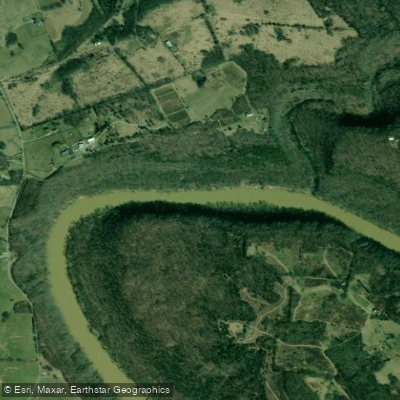
Kentucky River

North Elkhorn Creek

Taylorsville Lake
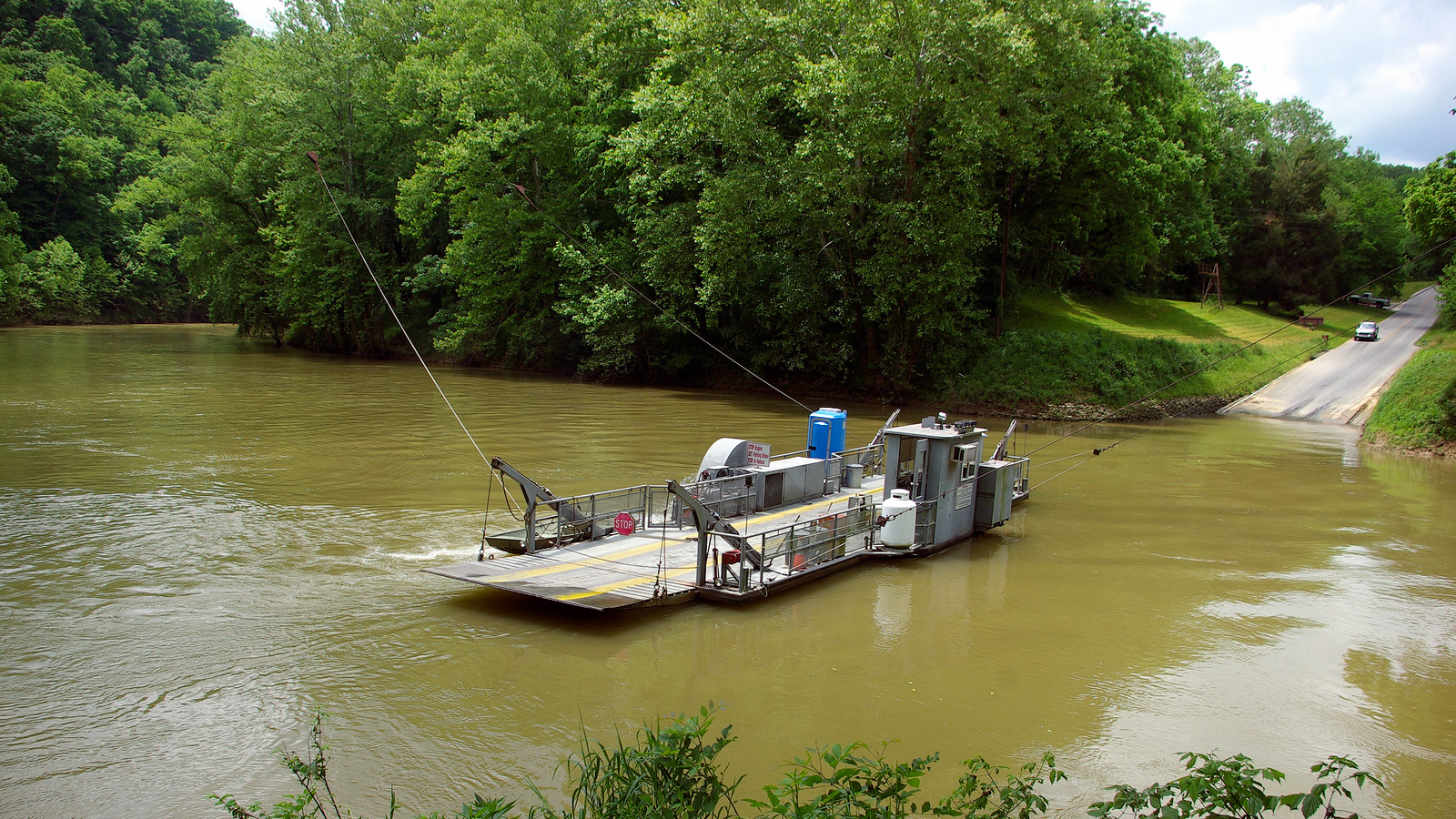
Green River
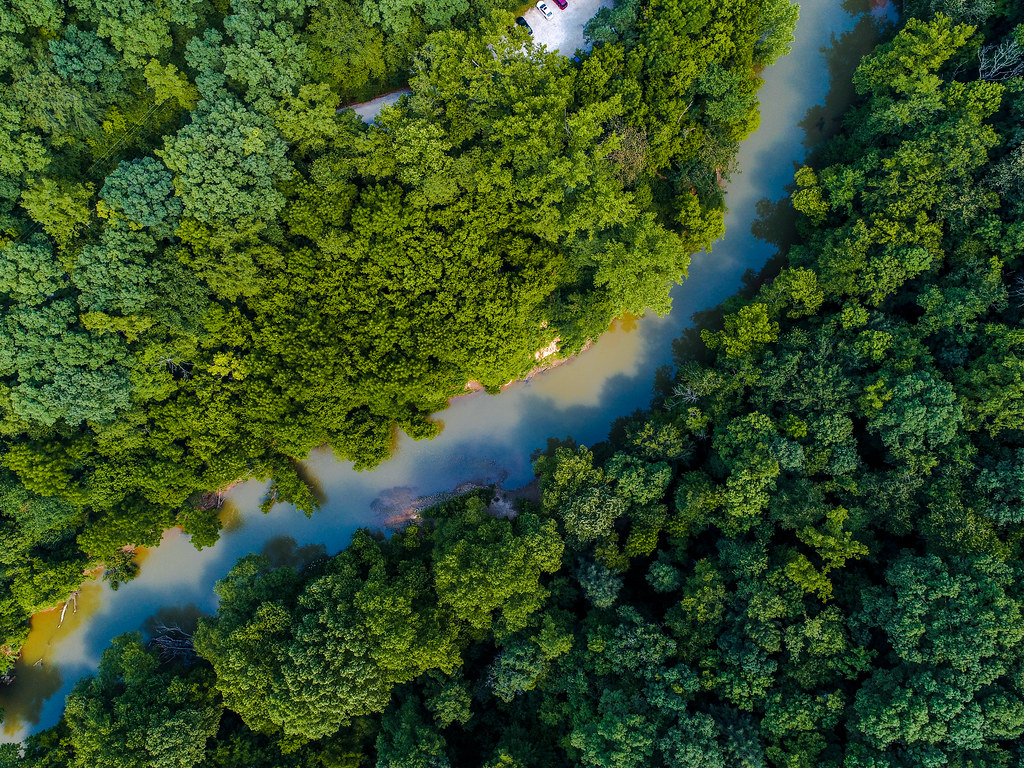
Red River

Licking River
Rockcastle River
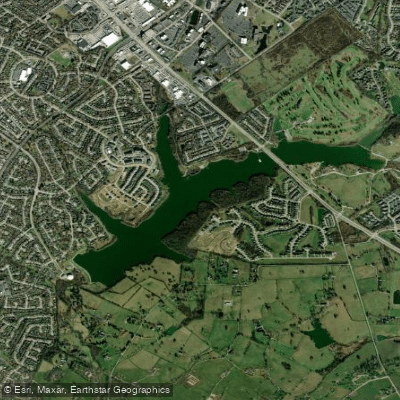
Lexington Reservoir Number 4
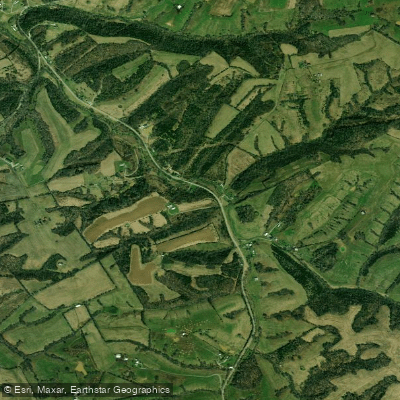
Salt River
What to know
Habitat Distribution
They prefer vegetated areas of slow-moving waters and are typically found in oxbow lakes, sloughs, swamps, and quiet backwaters - particularly in lowland streams and rivers from the lower Green River drainage westward in Kentucky.Key Locations
Particularly in western Kentucky waters, oxbow lakes, sloughs, swamps, and quiet backwaters - particularly in lowland streams and rivers from the lower Green River drainage westward in Kentucky. These fish are most commonly found in western Kentucky's coastal plain lakes and wetland areas.Specific Spots
Focus on areas with abundant aquatic vegetation, fallen timber, and soft bottoms where these fish typically congregate. Look for areas where aquatic vegetation meets deeper water, and focus on stumps, fallen trees, and brush piles in these transition zones.Flier FAQ
Answers from onWater's species guide.
What are the best lures and bait for Flier in Kentucky?
Small jigs are highly effective, particularly 1/16-ounce heads with soft plastic bodies. Live bait produces excellent results, with red worms, crickets, small minnows, and wax worms being top choices.
When is the best time to fish for Flier in Kentucky?
Target shallow areas with cover during warmer months, but be prepared to fish slightly deeper water during colder periods. During summer months, concentrate efforts on shaded areas under overhanging vegetation or structures where Flier seek cooler water and feeding opportunities.
How do you catch Flier in Kentucky?
Small jigs worked slowly through vegetation. Live bait fished under small bobbers or with light split-shot rigs near cover. Fish all baits and lures with deliberate, methodical retrieves rather than aggressive movements.
What do Flier eat?
Flier feed primarily on small invertebrates, aquatic insects, and small crustaceans, using their small mouths to pick food from vegetation and structure.
Where do Flier live in Kentucky?
They prefer vegetated areas of slow-moving waters and are typically found in oxbow lakes, sloughs, swamps, and quiet backwaters - particularly in lowland streams and rivers from the lower Green River drainage westward in Kentucky.
Fish smarter with real-time insights
Whether you're en route and conditions shift or you're looking for the best spot based on current flows, we enable you to make informed decisions on the fly.




See it in the app
Most maps show you water.
onWater shows you Flier.



- 01 · Species map filter
Map every Flier water
Pick Flier and the map zeroes in on the waters they call home. No more guessing which lake holds them.
- 02 · Waterbody species
Tap any water. See what lives there.
Species, behavior and seasonal patterns for every lake, river and pond, before you leave the driveway.
- 03 · Angler Intelligence
Ask how to catch Flier
Tactics, gear and timing from onWater's AI fishing guide, tuned to the species and the water you're on.
Stop guessing where Flier are.
Open the map, filter by Flier, and head to water that holds them. Download onWater and plan your next trip in minutes.
- Species map filter
- Angler Intelligence
- Fishing journal
Explore other species
Trout, bass, salmon, panfish and everything in between. Each guide unpacks the behavior, seasons, and tactics that put fish in the net.
No species information available.
Kentucky licenses and regulations
Explore nearby waters
Explore Kentucky waters
Top fishing waters
Popular Cities
Loading popular cities...

Smarter Fishing Starts in the App.
onWater Fish gives you everything you need to plan smarter, fish better, and own every trip from first cast to last.