Walleye
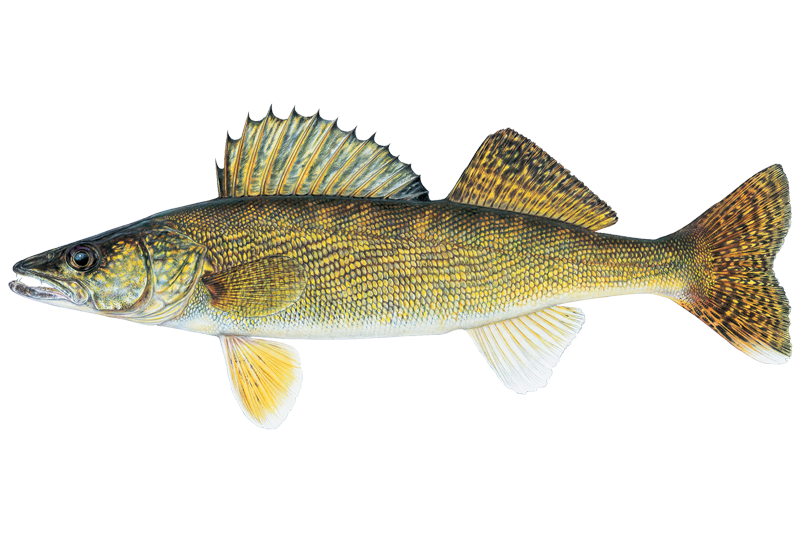
Walleye are a large, piscivorous fish of the Percid family, highly valued as both a sport fish and table fare in Kentucky.
They are coolwater species that thrive in water temperatures between 64-77°F, with an upper temperature tolerance of 29-34°C and preferred summer range of 20-24°C.
- These fish typically measure 15-30 inches and can live 10-12 years, with females reaching up to 25 pounds.
- Walleye are sight predators with a reflective eye layer (tapetum lucidum) that allows exceptional low-light vision, making them primarily nocturnal feeders.
Fishing in Kentucky
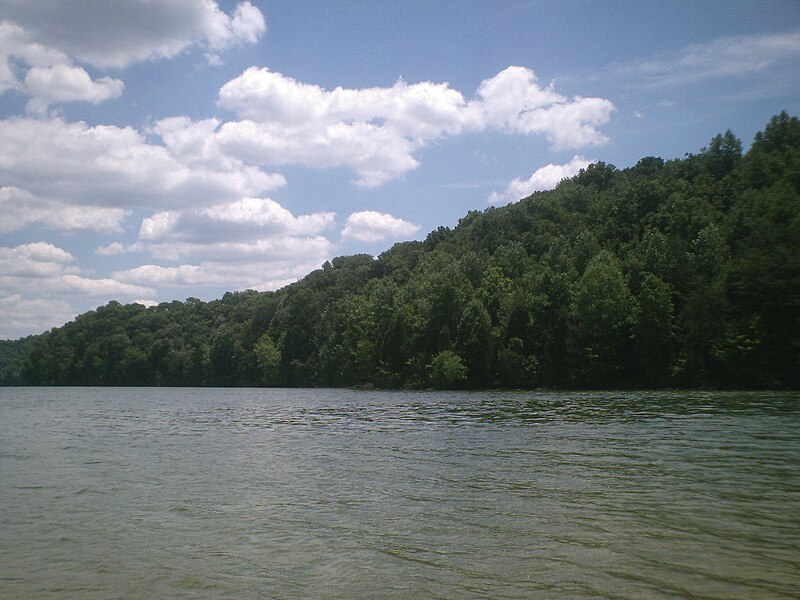
Herrington Lake
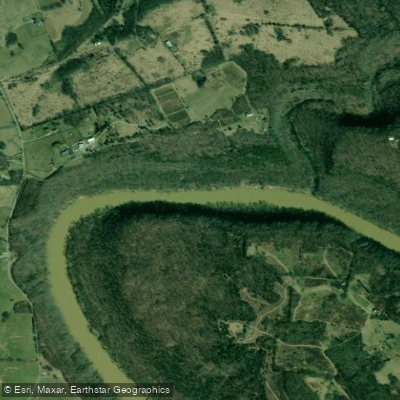
Kentucky River
North Elkhorn Creek
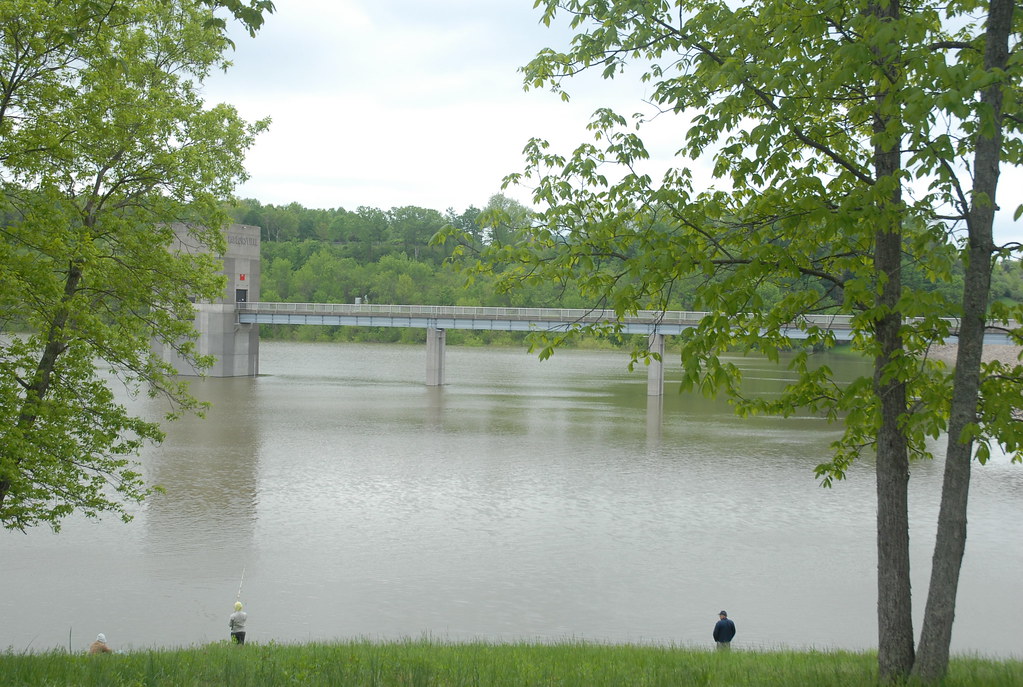
Taylorsville Lake
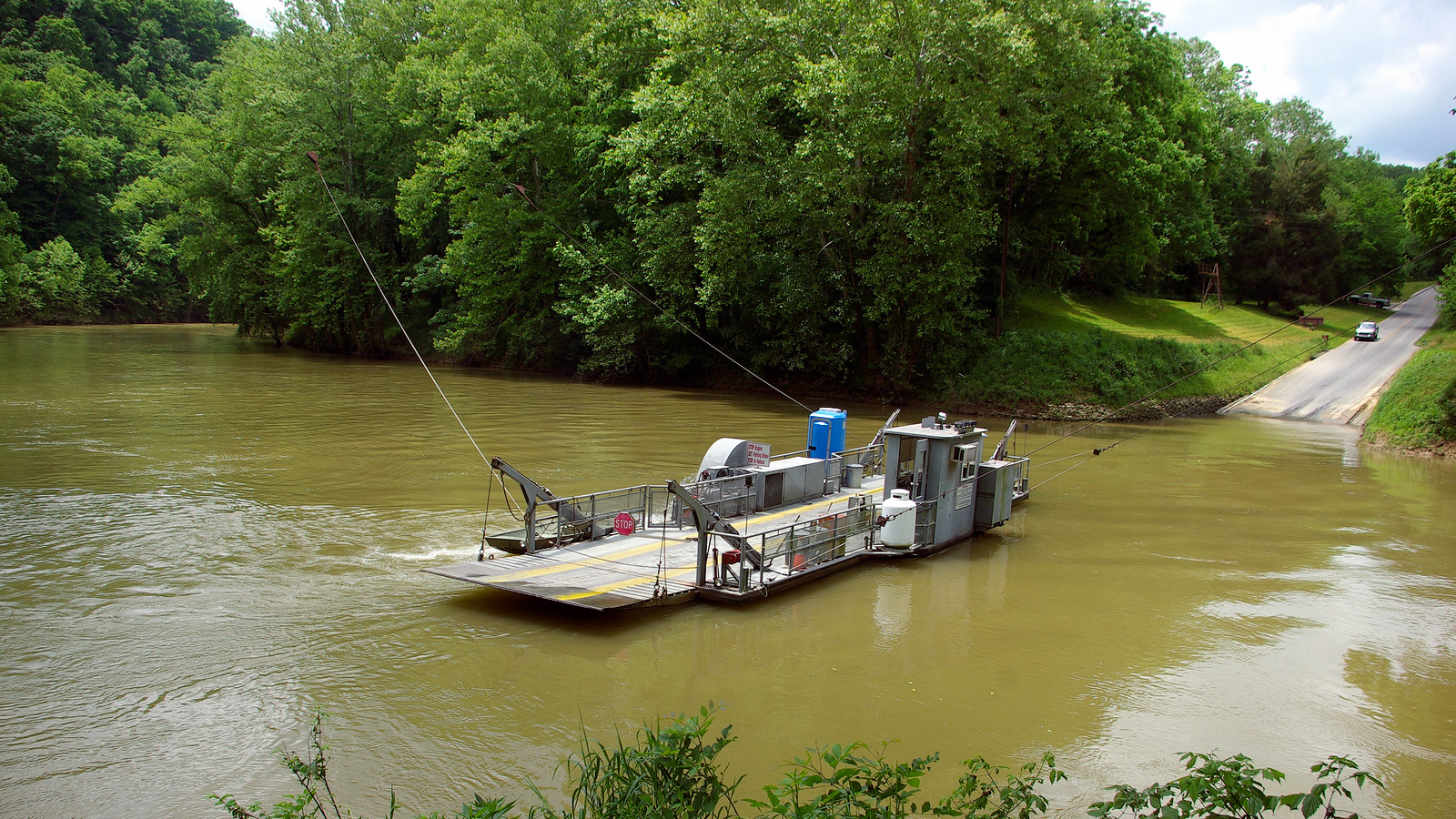
Green River
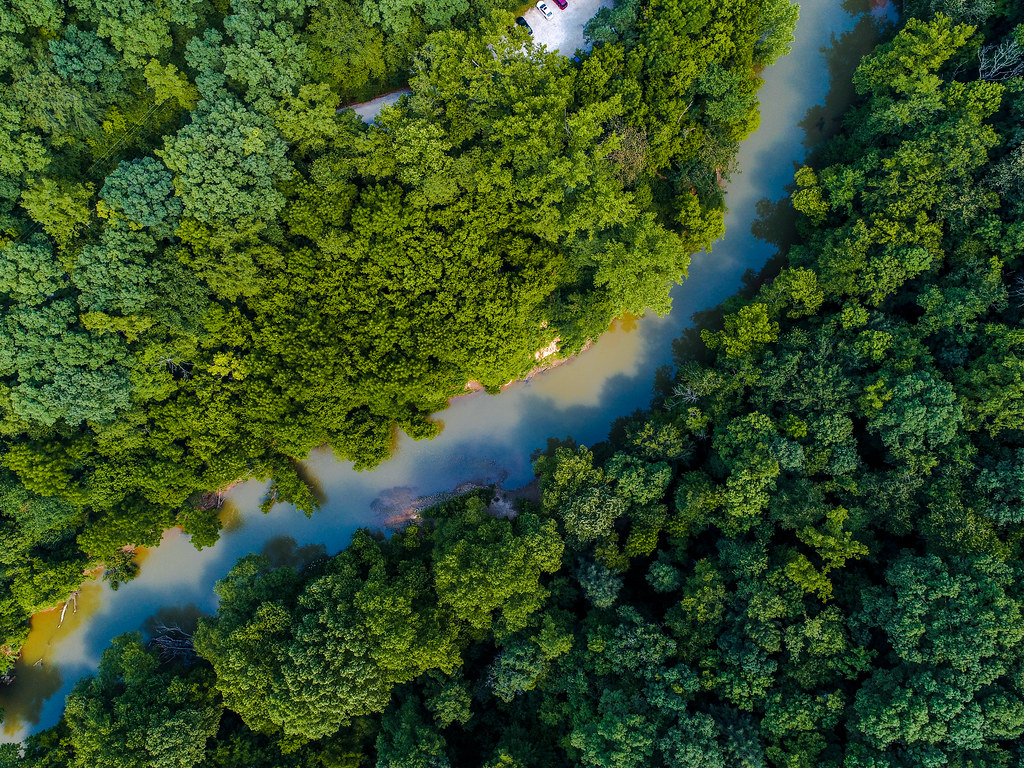
Red River
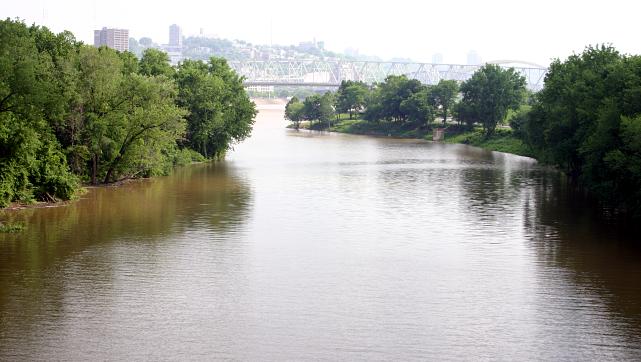
Licking River
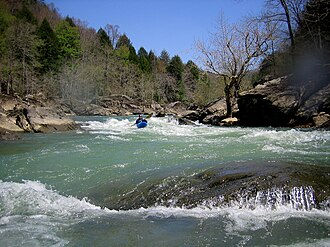
Rockcastle River
Lexington Reservoir Number 4
Salt River
What to know
Habitat Distribution
- They prefer deeper pools with higher flows and regularly migrate, often moving to 20-30 feet deep during summer months.
Key Locations
- Lake Cumberland (premier destination), Kentucky Lake, Lake Barkley, Dale Hollow Lake, Laurel River Lake, Carr Creek Lake, the Ohio River system, Cumberland River tailwaters, and the native population in the Rockcastle River.
- Tailwaters below dams, particularly on the Ohio, Cumberland, and Tennessee rivers.
Specific Spots
- Focus efforts around main lake points, humps, islands, stump beds, standing timber, drop-offs, and river mouths.
- Target rocky areas, current seams, drop-offs, and structure in 6-14 feet of water.
Walleye FAQ
Answers from onWater's species guide.
What are the best lures and bait for Walleye in Kentucky?
Deep-diving crankbaits in blue/yellow, shad patterns, and Tennessee Shad colors, along with jigs tipped with minnows (particularly effective with chartreuse or white curly-tailed grubs).
What flies work for Walleye in Kentucky?
Woolly buggers, clouser minnows, sculpin patterns in brown/black/olive, balanced leeches, and crawfish flies in tan, brown, olive, or orange.
When is the best time to fish for Walleye in Kentucky?
The best walleye fishing in Kentucky occurs during late winter through early spring (December-March) when fish are most active in tailwaters below dams. Summer fishing is productive but requires targeting deeper waters of 20-30 feet where walleye seek optimal temperature and oxygen levels.
How do you catch Walleye in Kentucky?
The two most effective summer techniques are bottom bouncing with worm harnesses and trolling or casting crankbaits. Vertical jigging with an upward motion of about a foot works well when flows are present.
What do Walleye eat?
They feed on yellow perch, minnows, crayfish, leeches, mayflies, and other small fish, being opportunistic predators that will consume almost any organism they can capture.
Fish smarter with real-time insights
Whether you're en route and conditions shift or you're looking for the best spot based on current flows, we enable you to make informed decisions on the fly.







See it in the app
Most maps show you water.
onWater shows you Walleye.



- 01 · Species map filter
Map every Walleye water
Pick Walleye and the map zeroes in on the waters they call home. No more guessing which lake holds them.
- 02 · Waterbody species
Tap any water. See what lives there.
Species, behavior and seasonal patterns for every lake, river and pond, before you leave the driveway.
- 03 · Angler Intelligence
Ask how to catch Walleye
Tactics, gear and timing from onWater's AI fishing guide, tuned to the species and the water you're on.
Stop guessing where Walleye are.
Open the map, filter by Walleye, and head to water that holds them. Download onWater and plan your next trip in minutes.
- Species map filter
- Angler Intelligence
- Fishing journal
Explore other species
Trout, bass, salmon, panfish and everything in between. Each guide unpacks the behavior, seasons, and tactics that put fish in the net.

Find which waters have the species you want to catch

Largemouth Bass
Micropterus salmoides

Smallmouth Bass
Micropterus dolomieu

Rainbow Trout

Brown Trout

Brook Trout
Salvelinus fontinalis

Cutthroat Trout

Northern Pike
Esox lucius

Muskellunge
Esox masquinongy

Black Crappie
Pomoxis nigromaculatus

Alewife
Alosa pseudoharengus
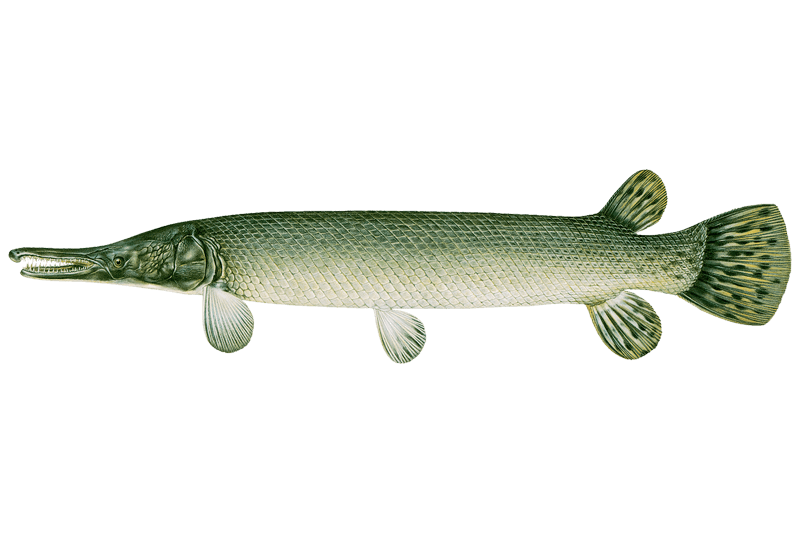
Alligator Gar

American Eel
Anguilla rostrata

Bighead Carp
Hypophthalmichthys nobilis

Bigmouth Buffalo
Ictiobus cyprinellus

Black Buffalo
Ictiobus niger

Black Bullhead
Ameiurus melas

Blue Catfish

Blue Sucker
Cycleptus elongatus

Bowfin
Amia calva

Brown Bullhead
Ameiurus nebulosus

Chain Pickerel
Esox niger

Channel Catfish

Common Carp
Cyprinus carpio

Creek Chub
Semotilus atromaculatus

Fallfish
Semotilus corporalis

Flathead Catfish
Pylodictis olivaris

Flathead Chub
Platygobio gracilis

Flier
Centrarchus macropterus

Freshwater Drum
Aplodinotus grunniens

Gizzard Shad
Dorosoma cepedianum

Golden Redhorse
Moxostoma erythrurum

Golden Trout
Oncorhynchus aguabonita

Goldeye
Hiodon alosoides

Grass Carp
Ctenopharyngodon idella
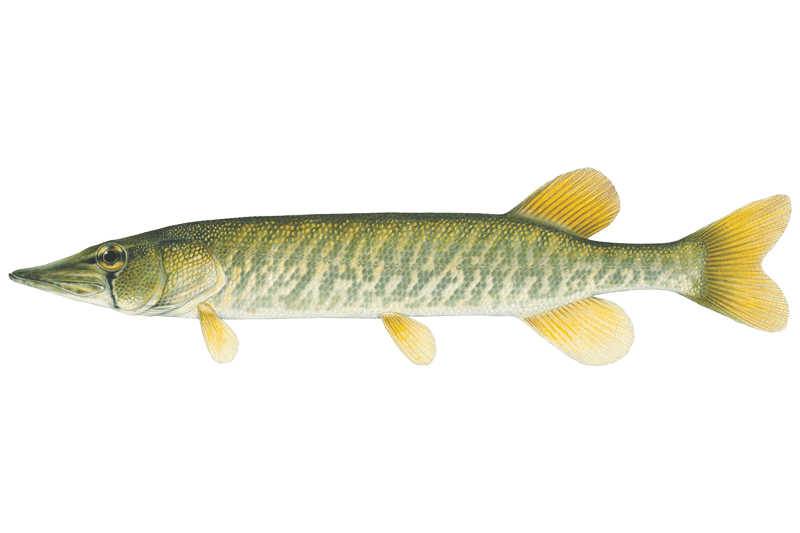
Grass Pickerel
Esox americanus vermiculatus

Green Sunfish
Lepomis cyanellus

Lake Sturgeon
Acipenser fulvescens

Longear Sunfish
Lepomis megalotis

Longnose Gar

Mooneye
Hiodon tergisus
Kentucky licenses and regulations

Kentucky Boating Regulations
When using any type of watercraft to access a body of water, it is important to follow all federal, state, and local rules and regulations. These rules and regulations include boat permitting and licensing, invasive species inspections and stamps, life jacket and PFD rules, motor size and horsepower restrictions, noise limitations, restrictions on personal watercraft, and many more. Visit the web link below for the most current rules and regulations for this body of water.

Kentucky Fishing License
All persons must fill out and carry the proper license and permit to fish any Kentucky waters except residents and nonresidents age 15 and younger.

Kentucky Fishing Regulations
This river has a variety of species and regulations, including potential floating and/or watercraft restrictions. Because this river is specially managed for species, seasons, angling methods, and watercraft, it is strongly encouraged you check all federal, state, and local regulations before fishing. Visit any of the links below, inquire locally, or contact a local fly shop to learn current regulations and restrictions.

Kentucky Stream Access Laws
Public usage is limited to larger waterways with more permanent commerce and transportation. The public right to navigation includes boating, fishing, swimming, temporary anchorage and incidental use of the riverbed, regardless of streambed ownership.
Explore nearby waters
Explore Kentucky waters
Top fishing waters
Popular Cities
Loading popular cities...
Smarter Fishing Starts in the App.
onWater Fish gives you everything you need to plan smarter, fish better, and own every trip from first cast to last.