Black Buffalo

Black Buffalo are native to Kentucky's Mississippi River basin, including the Tennessee and Cumberland river drainages.
These large suckers inhabit pools and backwaters of small to large rivers, lakes, and impoundments throughout Kentucky, preferring deep waters with strong currents.
Scientific Name: Ictiobus niger
- Distinguished from other buffalo species by their more elongated, bullet-shaped bodies and streamlined form, with adults averaging 52 cm in length but capable of reaching up to 48 inches and 80 pounds.
Fishing in Kentucky
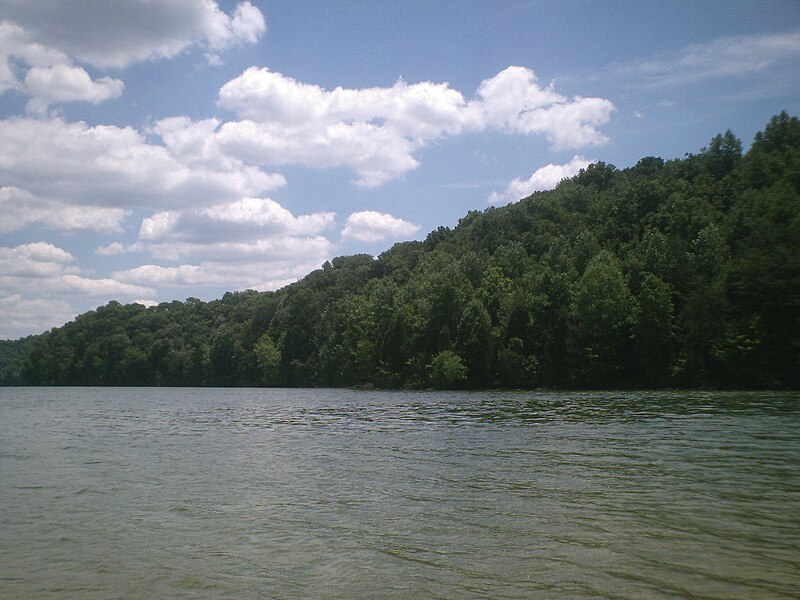
Herrington Lake
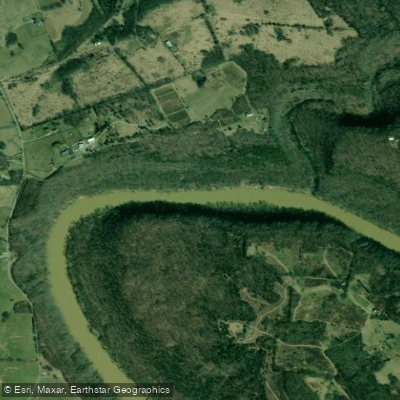
Kentucky River
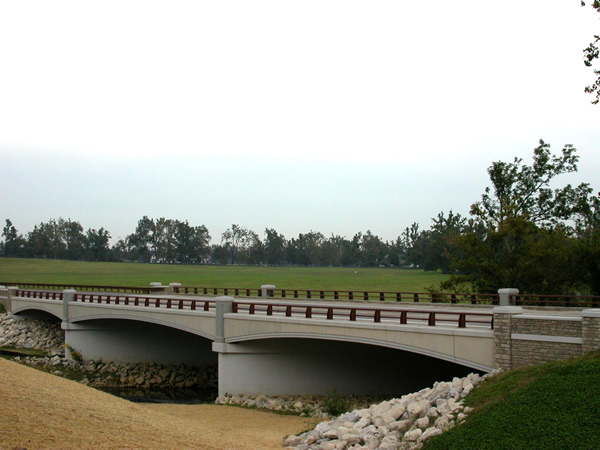
North Elkhorn Creek
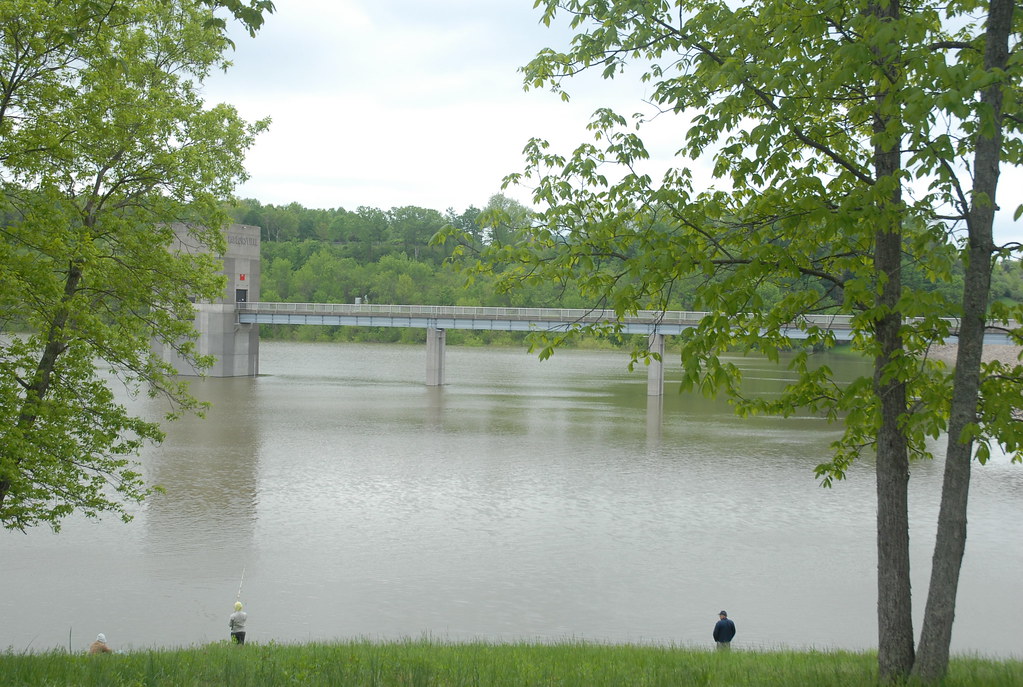
Taylorsville Lake
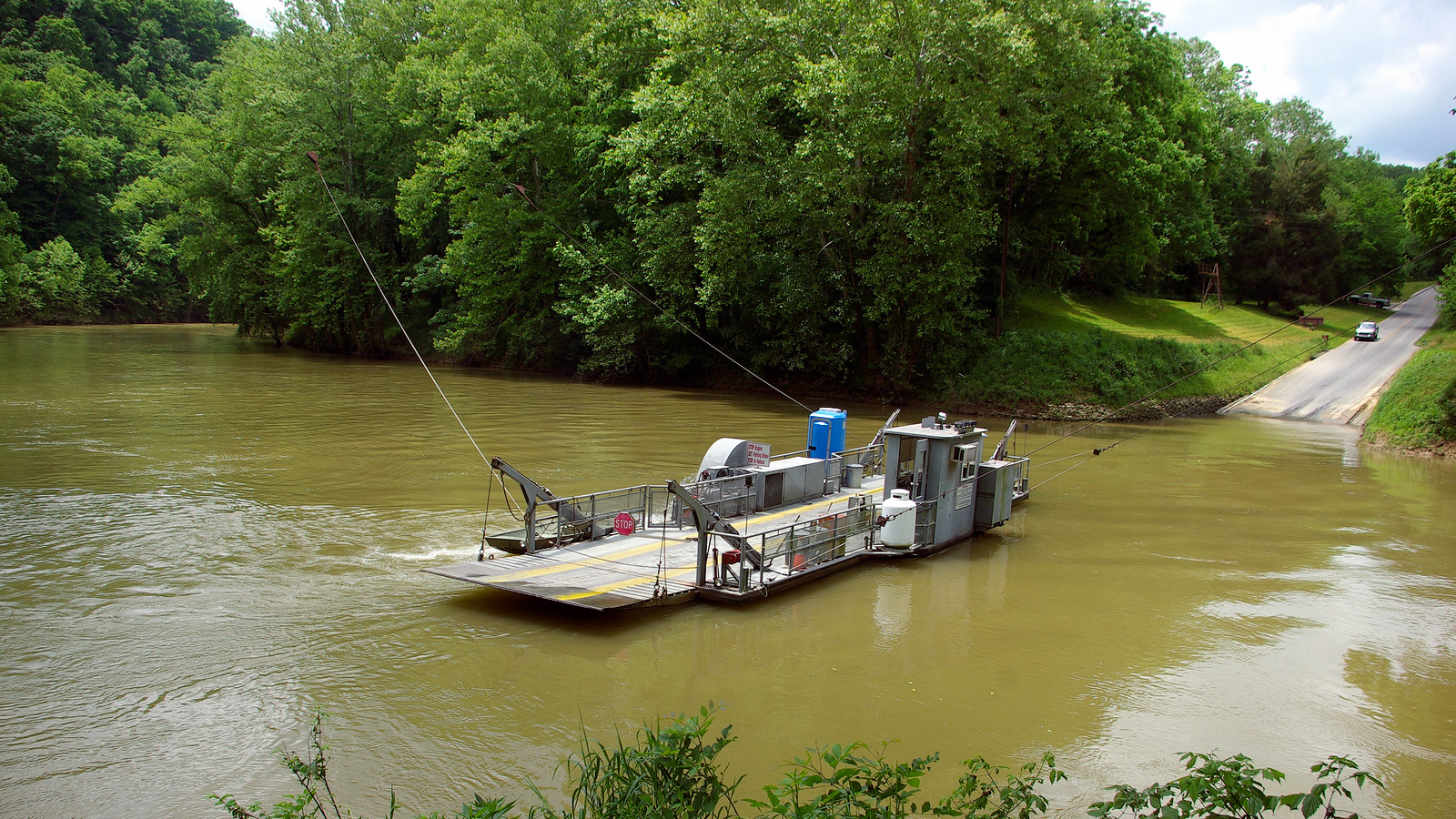
Green River
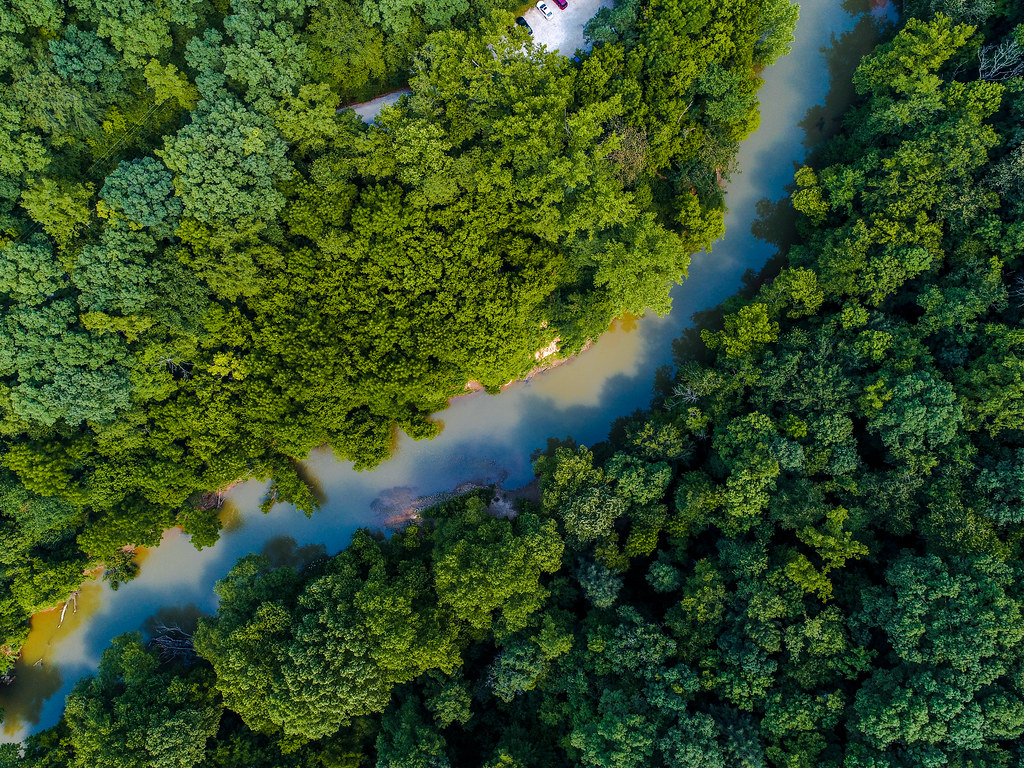
Red River
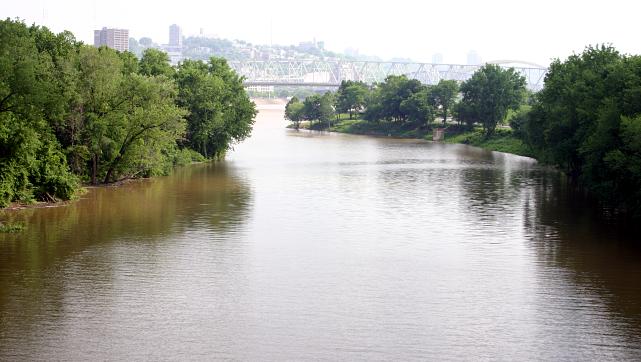
Licking River
Rockcastle River
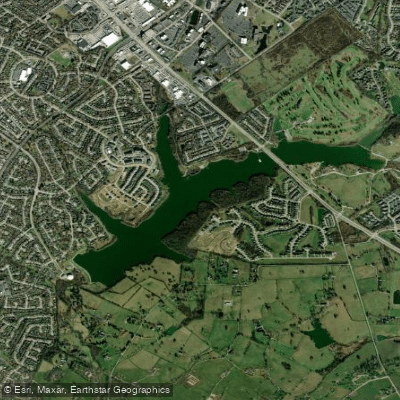
Lexington Reservoir Number 4
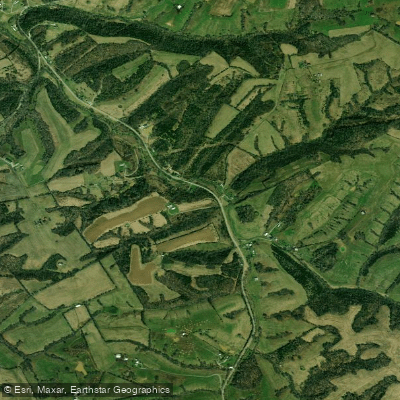
Salt River
What to know
Habitat Distribution
- Native to Kentucky's Mississippi River basin, including the Tennessee and Cumberland river drainages.
- These large suckers inhabit pools and backwaters of small to large rivers, lakes, and impoundments throughout Kentucky, preferring deep waters with strong currents.
Key Locations
- Major Kentucky waterways including the Ohio, Mississippi, Tennessee, Cumberland, Green, Salt, Kentucky, and Licking rivers, as well as reservoirs like Kentucky Lake, Lake Barkley, and Lake Cumberland.
Specific Spots
- Target slow-moving waters in Kentucky's major river systems, focusing on deep pools, backwaters, and areas near submerged structures.
- Look for locations with soft bottoms and moderate vegetation.
- Outside of spawning season, they reside in deeper waters with faster-moving currents.
Black Buffalo FAQ
Answers from onWater's species guide.
What are the best lures and bait for Black Buffalo in Kentucky?
Sweetcorn (particularly thick pieces), dough balls, earthworms, and plant-based baits that mimic their natural diet.
When is the best time to fish for Black Buffalo in Kentucky?
Most productive from late spring through early fall when they're most active in warmer water temperatures between 60-75°F. Avoid fishing during spawning season (April through mid-June) to protect reproduction.
How do you catch Black Buffalo in Kentucky?
A proven technique involves using a hair rig with sweetcorn and a method lead, with the rig sitting directly on muddy or sandy bottoms. Bowfishing is also highly effective during spring when fish move to shallow waters, particularly in clear water conditions on sunny days.
What do Black Buffalo eat?
Black Buffalo are primarily bottom feeders with generalist diets, consuming insect larvae, plankton, vegetation, small mollusks, aquatic crustaceans, algae, and bryophytes.
Where do Black Buffalo live in Kentucky?
Native to Kentucky's Mississippi River basin, including the Tennessee and Cumberland river drainages. These large suckers inhabit pools and backwaters of small to large rivers, lakes, and impoundments throughout Kentucky, preferring deep waters with strong currents.
Fish smarter with real-time insights
Whether you're en route and conditions shift or you're looking for the best spot based on current flows, we enable you to make informed decisions on the fly.




See it in the app
Most maps show you water.
onWater shows you Black Buffalo.



- 01 · Species map filter
Map every Black Buffalo water
Pick Black Buffalo and the map zeroes in on the waters they call home. No more guessing which lake holds them.
- 02 · Waterbody species
Tap any water. See what lives there.
Species, behavior and seasonal patterns for every lake, river and pond, before you leave the driveway.
- 03 · Angler Intelligence
Ask how to catch Black Buffalo
Tactics, gear and timing from onWater's AI fishing guide, tuned to the species and the water you're on.
Stop guessing where Black Buffalo are.
Open the map, filter by Black Buffalo, and head to water that holds them. Download onWater and plan your next trip in minutes.
- Species map filter
- Angler Intelligence
- Fishing journal
Explore other species
Trout, bass, salmon, panfish and everything in between. Each guide unpacks the behavior, seasons, and tactics that put fish in the net.
No species information available.
Kentucky licenses and regulations
Explore nearby waters
Explore Kentucky waters
Top fishing waters
Popular Cities
Loading popular cities...

Smarter Fishing Starts in the App.
onWater Fish gives you everything you need to plan smarter, fish better, and own every trip from first cast to last.