Bigmouth Buffalo
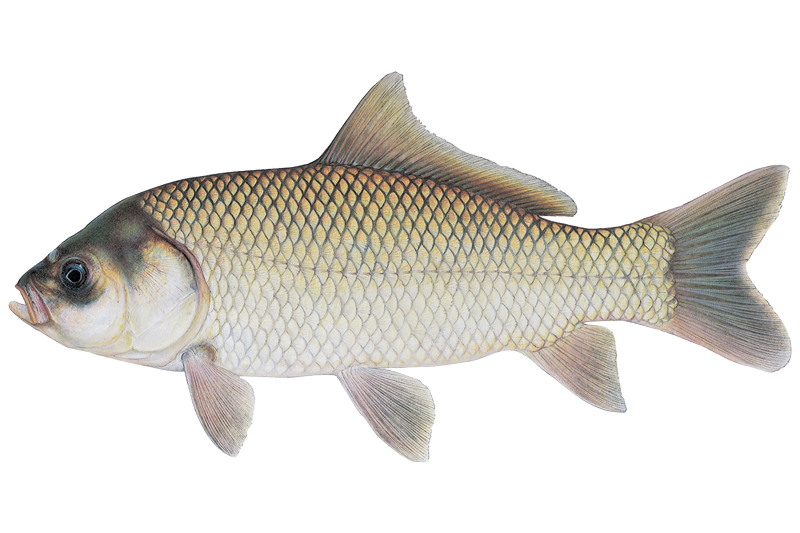
The Bigmouth Buffalo is Kentucky's largest native member of the sucker family, capable of reaching over 4 feet in length and 80 pounds.
These remarkable fish are among North America's longest-lived freshwater species, capable of living over 100 years and showing late maturity.
Unlike other buffalo species, Bigmouth Buffalo are filter feeders with terminal mouths and fine gill rakers (60+ on the first arch) that strain plankton from the water.
Scientific Name: Ictiobus cyprinellus
- Capable of reaching over 4 feet in length and 80 pounds.
- Unlike other buffalo species, Bigmouth Buffalo are filter feeders with terminal mouths and fine gill rakers (60+ on the first arch) that strain plankton from the water.
Fishing in Kentucky

Herrington Lake
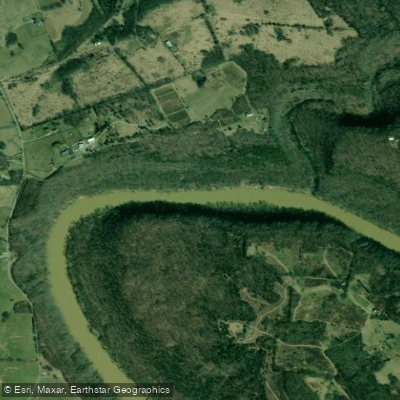
Kentucky River

North Elkhorn Creek
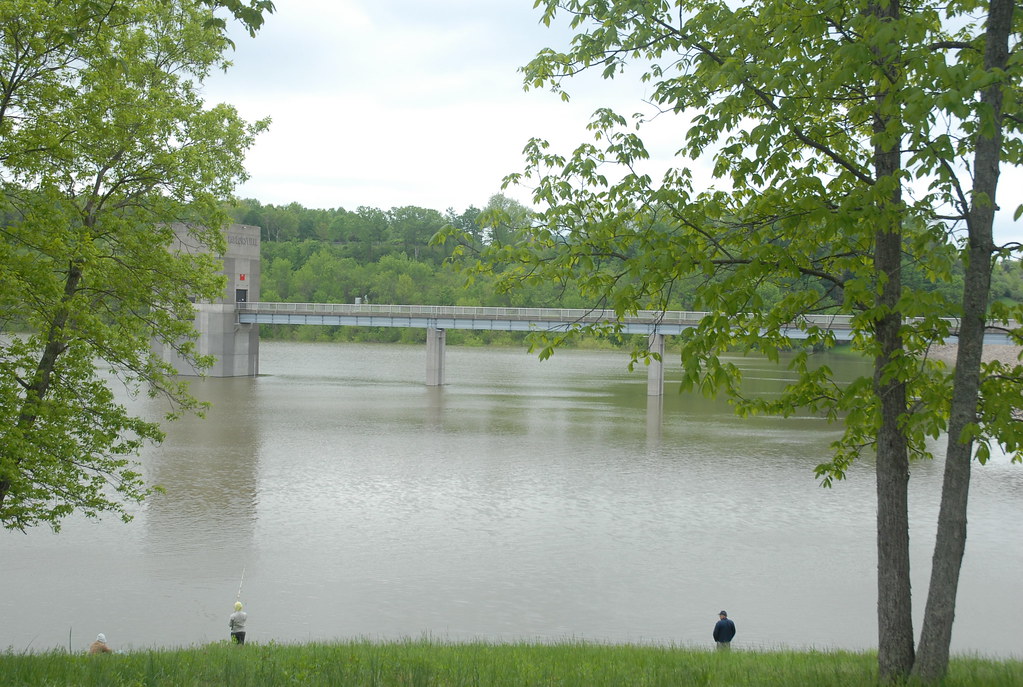
Taylorsville Lake
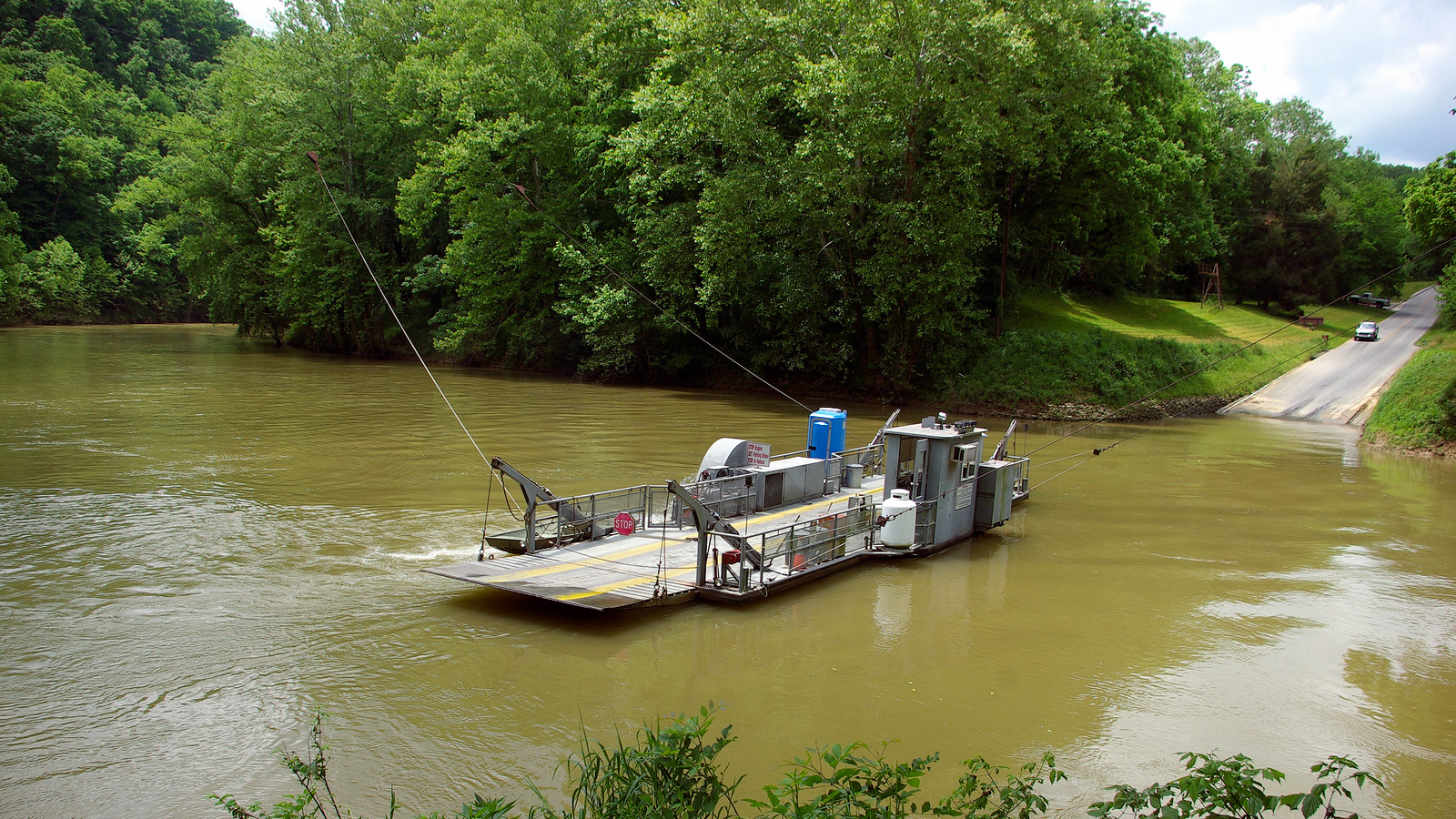
Green River

Red River

Licking River
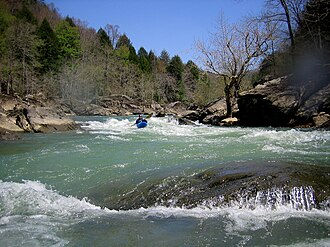
Rockcastle River
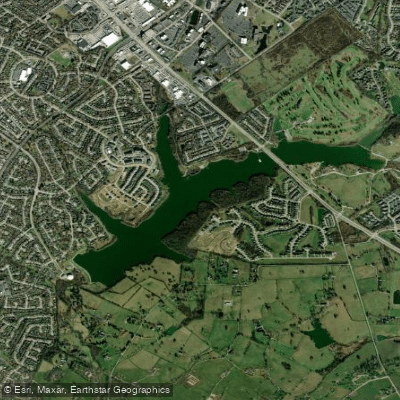
Lexington Reservoir Number 4
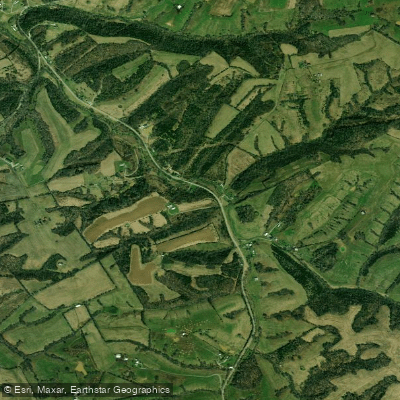
Salt River
What to know
Habitat Distribution
- They prefer slow-moving waters under 5 meters deep and prefer areas with 50-75% pools, backwaters, and marsh areas during spring and summer.
Key Locations
- In Kentucky, they inhabit the main channels, pools, and backwaters of the Ohio River system, Mississippi River drainage, and major reservoirs.
- Fish main river channels, backwaters, oxbows, and reservoir areas in the Ohio River system.
Specific Spots
- Target them in still water situations where they feed from the surface film, or when suspended just below the surface in shallow mud flats.
- Fish main river channels, backwaters, oxbows, and reservoir areas.
- Look for fish feeding on surface scum in river eddies.
Bigmouth Buffalo FAQ
Answers from onWater's species guide.
What flies work for Bigmouth Buffalo in Kentucky?
Key fly patterns include small nymphs (particularly stonefly nymph imitations), glo bugs drifted slowly near feeding fish, woolly buggers, and specialized patterns like cottonwood seed flies. Foam patterns work well when fish are feeding on surface scum in river eddies.
When is the best time to fish for Bigmouth Buffalo in Kentucky?
Spawning occurs from April through June when water temperatures reach 55-79°F - avoid targeting them during this vulnerable period. Best success occurs during June-July when natural cottonwood seeds are on the water.
How do you catch Bigmouth Buffalo in Kentucky?
The most effective approach is fly fishing with specific techniques and patterns. In current, fish must be presented on the bottom using techniques like anchoring the fly stationary or letting it barely roll across rocks.
What do Bigmouth Buffalo eat?
Their diet consists primarily of zooplankton including cladocerans and copepods (about 75% of diet), supplemented by chironomids and other invertebrates. They also consume algae, ostracods, and various insect larvae.
Where do Bigmouth Buffalo live in Kentucky?
They prefer slow-moving waters under 5 meters deep and prefer areas with 50-75% pools, backwaters, and marsh areas during spring and summer.
Fish smarter with real-time insights
Whether you're en route and conditions shift or you're looking for the best spot based on current flows, we enable you to make informed decisions on the fly.




See it in the app
Most maps show you water.
onWater shows you Bigmouth Buffalo.



- 01 · Species map filter
Map every Bigmouth Buffalo water
Pick Bigmouth Buffalo and the map zeroes in on the waters they call home. No more guessing which lake holds them.
- 02 · Waterbody species
Tap any water. See what lives there.
Species, behavior and seasonal patterns for every lake, river and pond, before you leave the driveway.
- 03 · Angler Intelligence
Ask how to catch Bigmouth Buffalo
Tactics, gear and timing from onWater's AI fishing guide, tuned to the species and the water you're on.
Stop guessing where Bigmouth Buffalo are.
Open the map, filter by Bigmouth Buffalo, and head to water that holds them. Download onWater and plan your next trip in minutes.
- Species map filter
- Angler Intelligence
- Fishing journal
Explore other species
Trout, bass, salmon, panfish and everything in between. Each guide unpacks the behavior, seasons, and tactics that put fish in the net.
No species information available.
Kentucky licenses and regulations
Explore nearby waters
Explore Kentucky waters
Top fishing waters
Popular Cities
Loading popular cities...

Smarter Fishing Starts in the App.
onWater Fish gives you everything you need to plan smarter, fish better, and own every trip from first cast to last.