Alewife

Alewife (Alosa pseudoharengus) are invasive forage fish that became established in Kentucky waters in the 1990s. Originally Atlantic coast natives, they've thrived in Kentucky's deep, cool reservoir waters and have since spread to several walleye lakes.
Scientific Name: Alosa pseudoharengus
These silvery, herring-like fish typically measure 10-12 inches in length and are distinguished by their compressed bodies, saw-toothed belly keels, and a distinctive black spot behind the gill cover.
Fishing in Kentucky
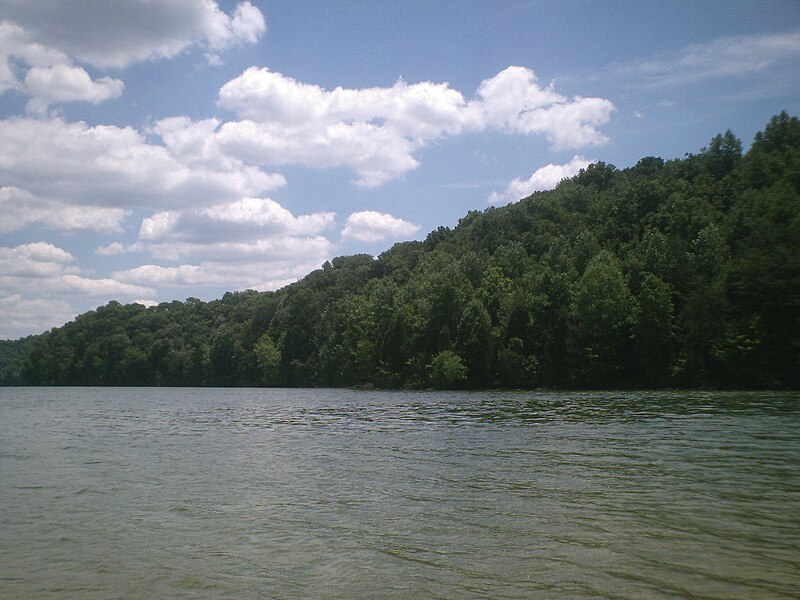
Herrington Lake
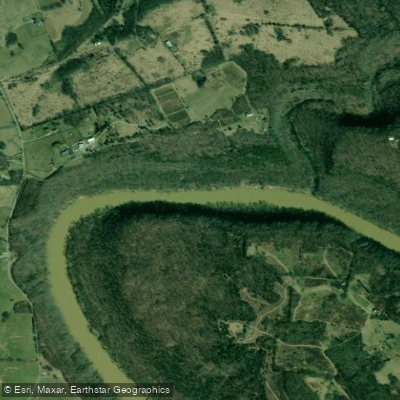
Kentucky River
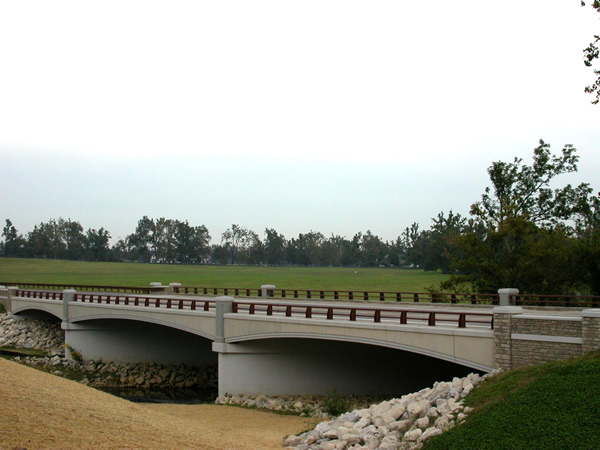
North Elkhorn Creek
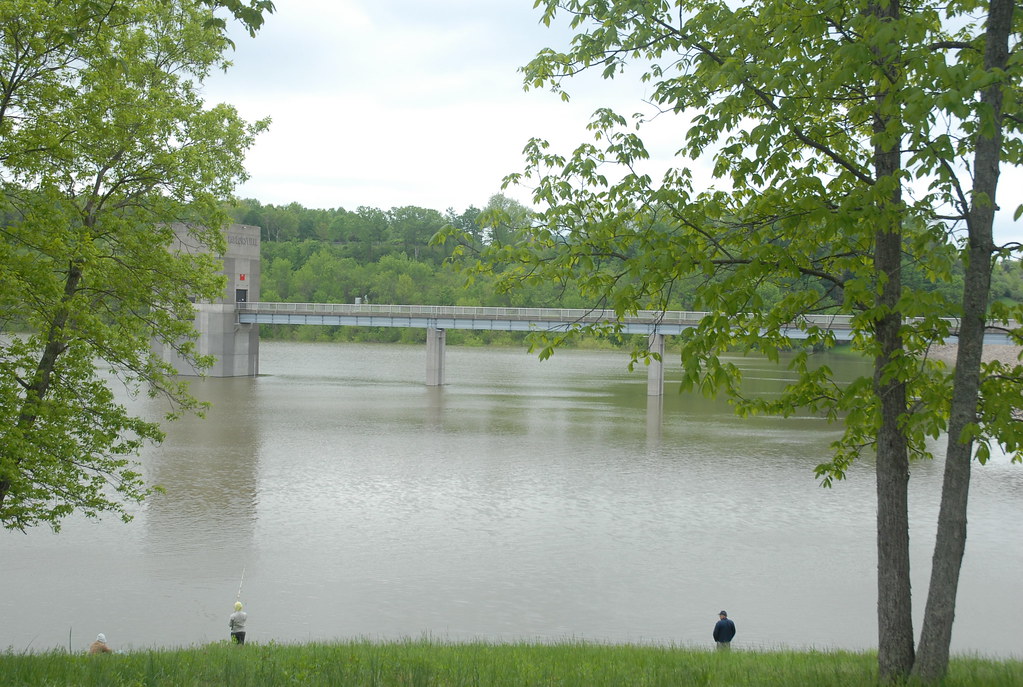
Taylorsville Lake
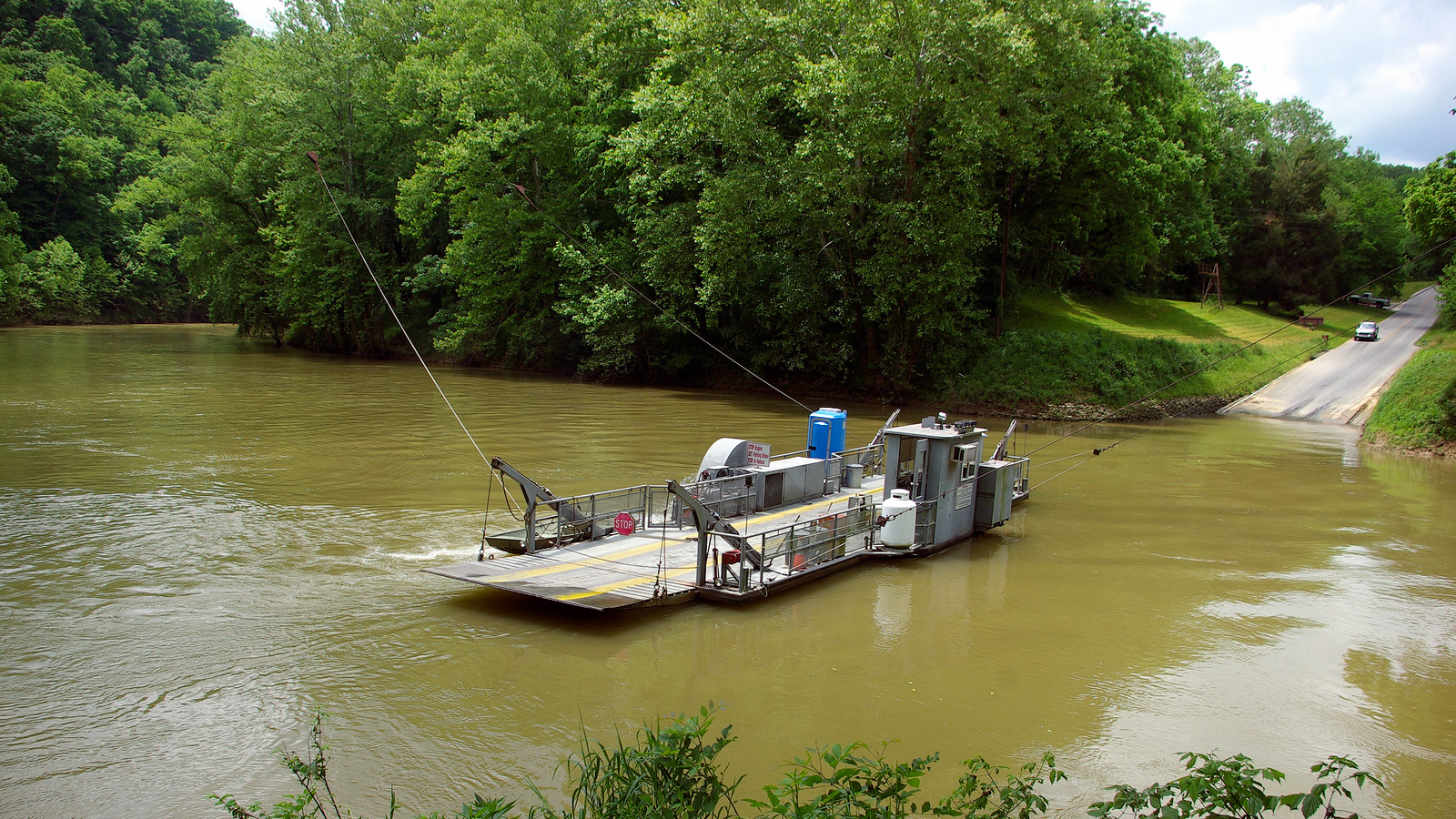
Green River
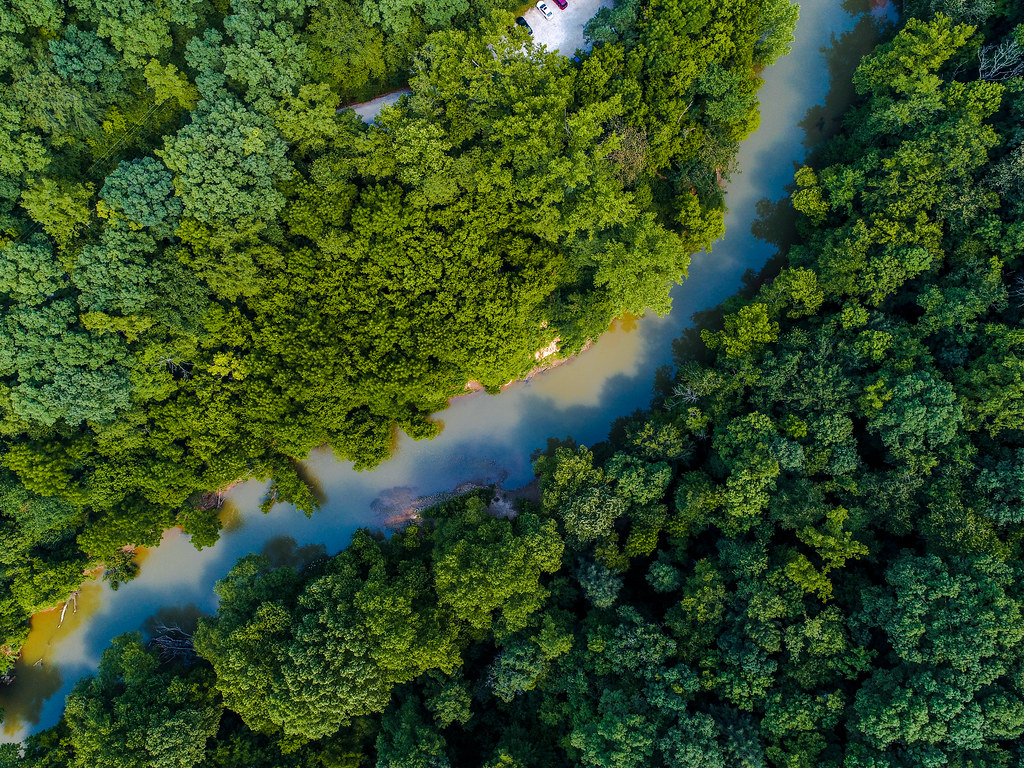
Red River
Licking River
Rockcastle River
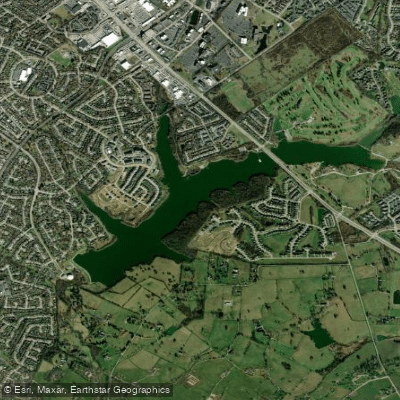
Lexington Reservoir Number 4
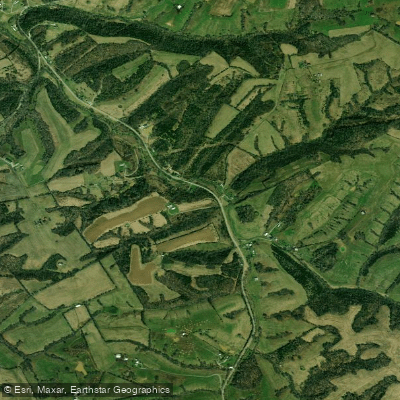
Salt River
What to know
Habitat Distribution
They've thrived in Kentucky's deep, cool reservoir waters, particularly in walleye lakesKey Locations
Lake Cumberland where they first established, Laurel River Lake, Carr Creek Lake, Green River Lake, and Barren River LakeSpecific Spots
Focus on deep, open water areas and main lake points rather than shallow bays. Target schools in 20-60 feet of water. They occupy the warm upper water layers in summer, avoiding cold depths, and move to deeper areas as temperatures cool in autumn.Alewife FAQ
Answers from onWater's species guide.
What are the best lures and bait for Alewife in Kentucky?
Small jigs, spoons, and inline spinners work effectively when vertically jigged through the schools. Small crankbaits and blade baits also produce when trolled along deep structure.
What flies work for Alewife in Kentucky?
Alewife patterns should mimic their slender profile - popular patterns include Rhody Flat Wings tied sparse in white/silver with blue or dark backs, large Deceivers in white with dark blue tops, and juvenile alewife patterns 3-4 inches long with prominent eyes and dark spots behind the head.
When is the best time to fish for Alewife in Kentucky?
Best during late fall through early spring when they're concentrated in deeper waters and not spawning. Cold water periods often concentrate them, making winter fishing very effective. Avoid targeting them during spawning when water temperatures reach 15-16°C.
How do you catch Alewife in Kentucky?
Vertically jig through the schools. Troll along deep structure. Present flies with erratic retrieves to mimic injured baitfish.
What do Alewife eat?
Highly effective zooplanktivores that feed extensively on zooplankton using three feeding methods: gulping for larger prey, individual particulate feeding, and filter feeding. They also consume fish eggs and larvae, including newly-hatched sport fish.
Fish smarter with real-time insights
Whether you're en route and conditions shift or you're looking for the best spot based on current flows, we enable you to make informed decisions on the fly.




See it in the app
Most maps show you water.
onWater shows you Alewife.
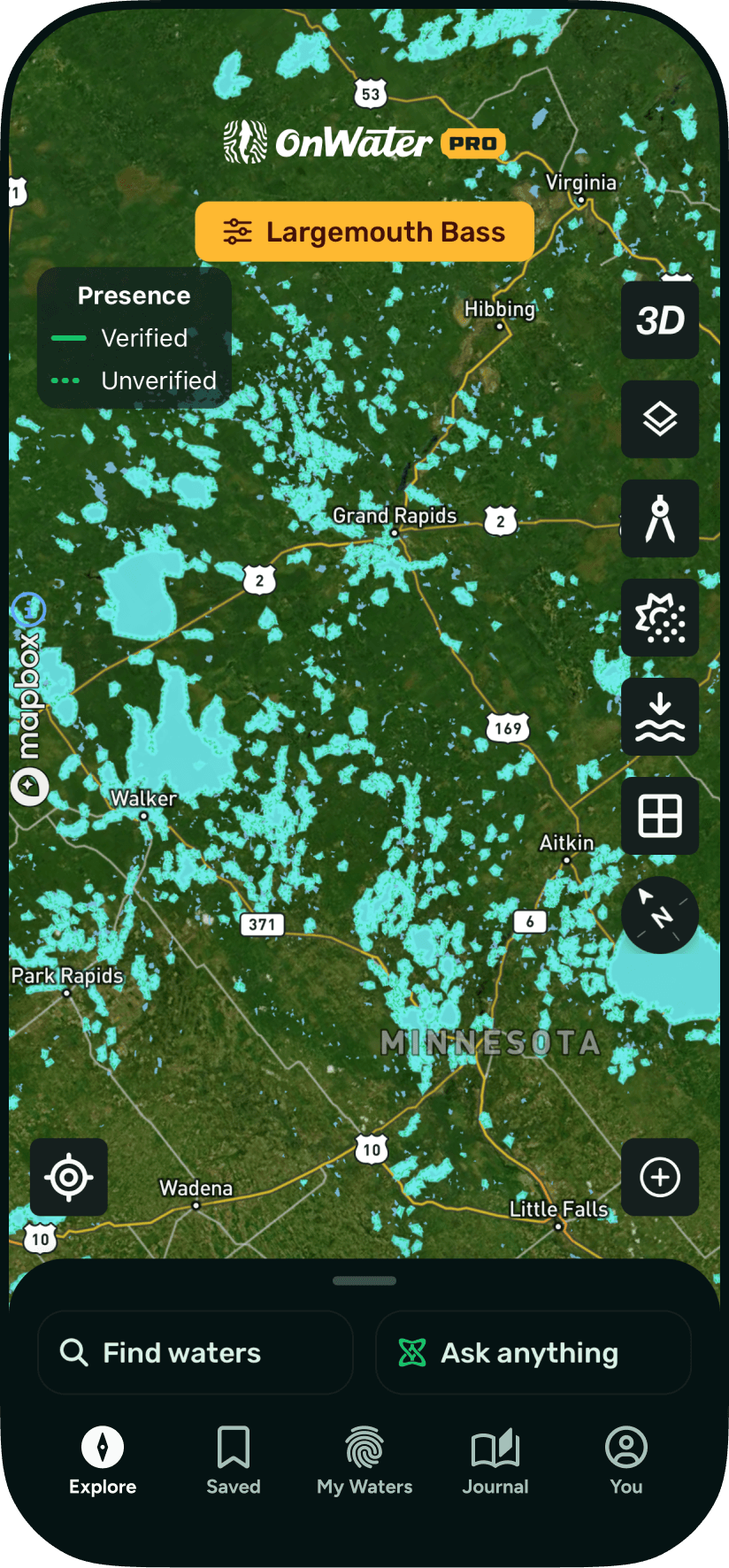
- 01 · Species map filter
Map every Alewife water
Pick Alewife and the map zeroes in on the waters they call home. No more guessing which lake holds them.
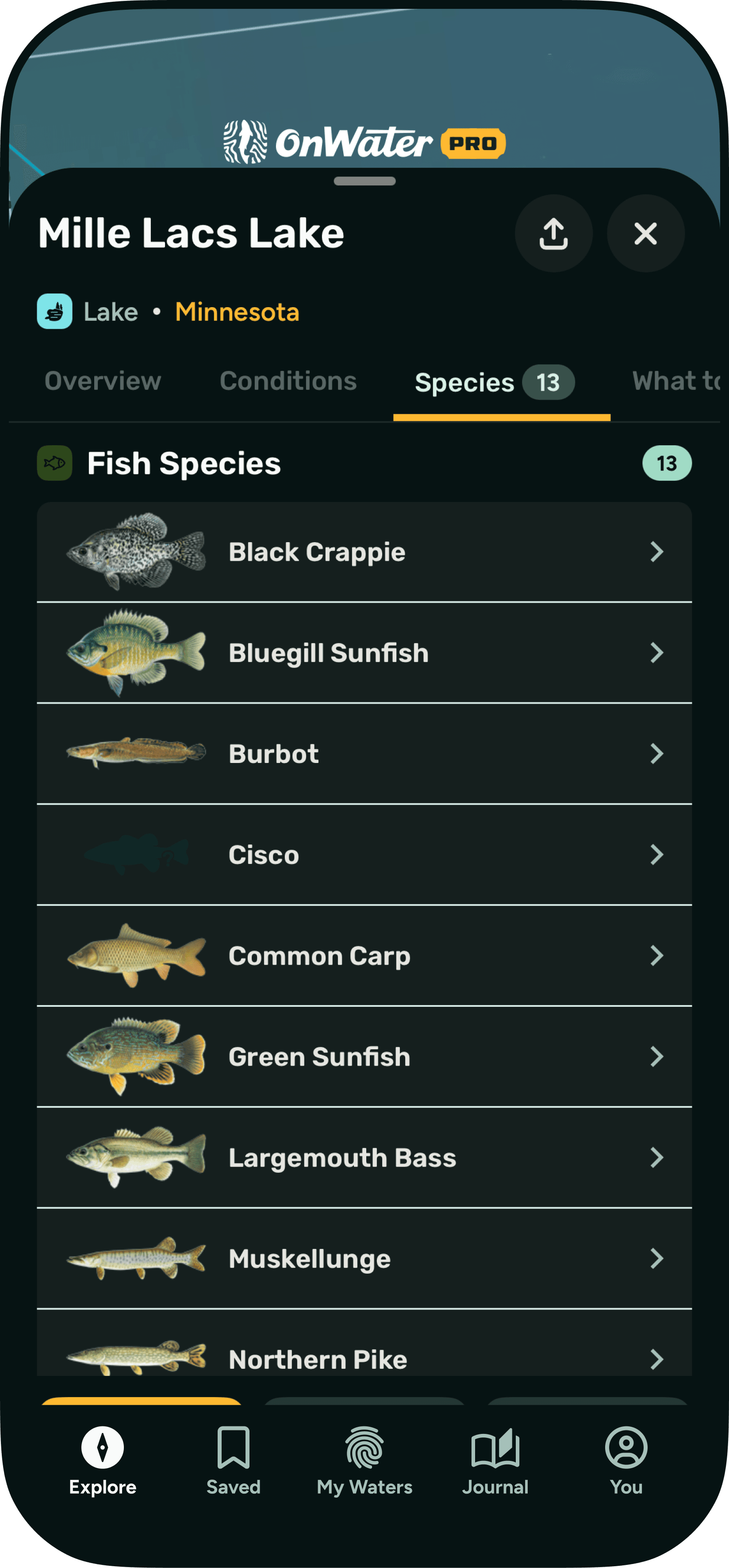
- 02 · Waterbody species
Tap any water. See what lives there.
Species, behavior and seasonal patterns for every lake, river and pond, before you leave the driveway.
- 03 · Angler Intelligence
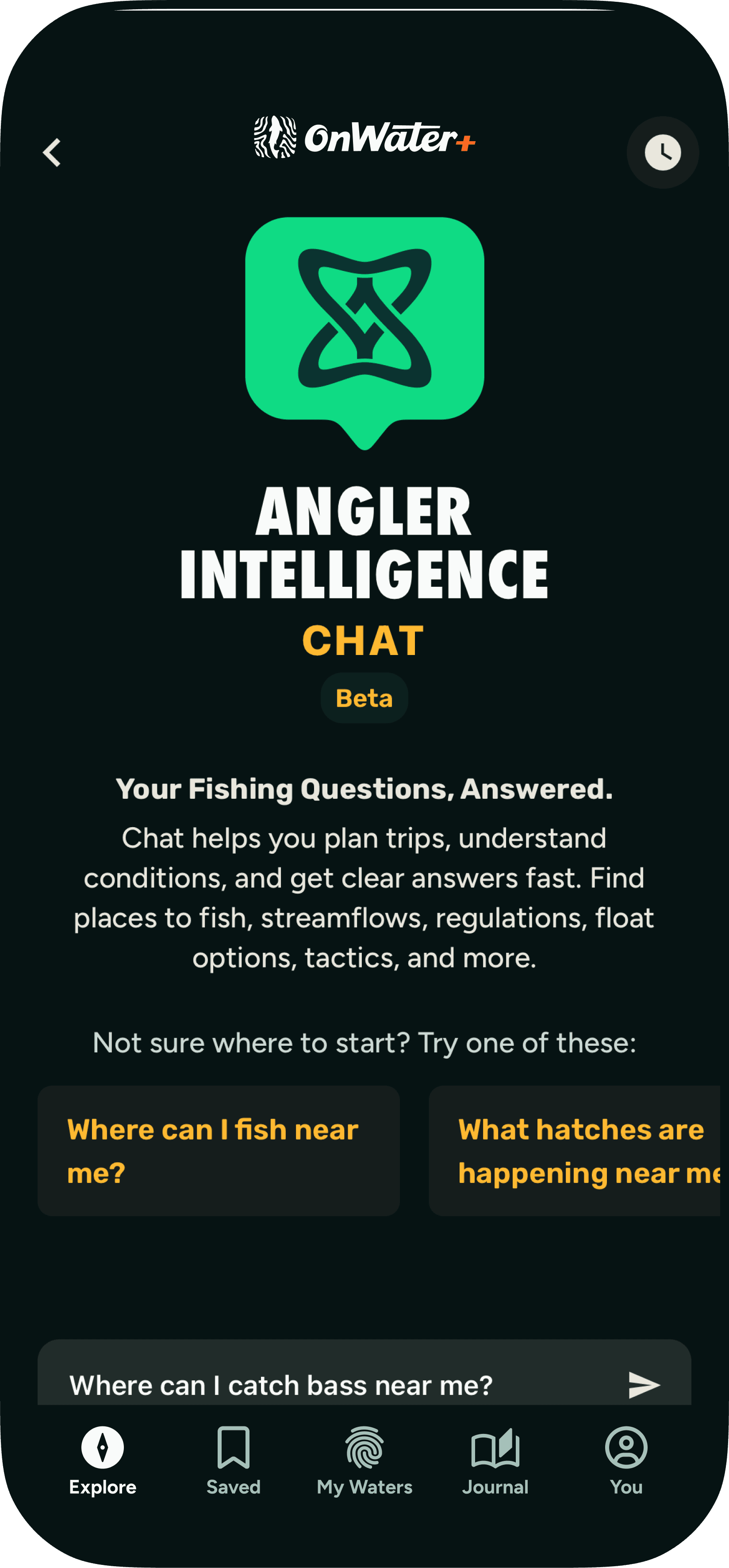
Ask how to catch Alewife
Tactics, gear and timing from onWater's AI fishing guide, tuned to the species and the water you're on.
Stop guessing where Alewife are.
Open the map, filter by Alewife, and head to water that holds them. Download onWater and plan your next trip in minutes.
- Species map filter
- Angler Intelligence
- Fishing journal
Explore other species
Trout, bass, salmon, panfish and everything in between. Each guide unpacks the behavior, seasons, and tactics that put fish in the net.
Find which waters have the species you want to catch
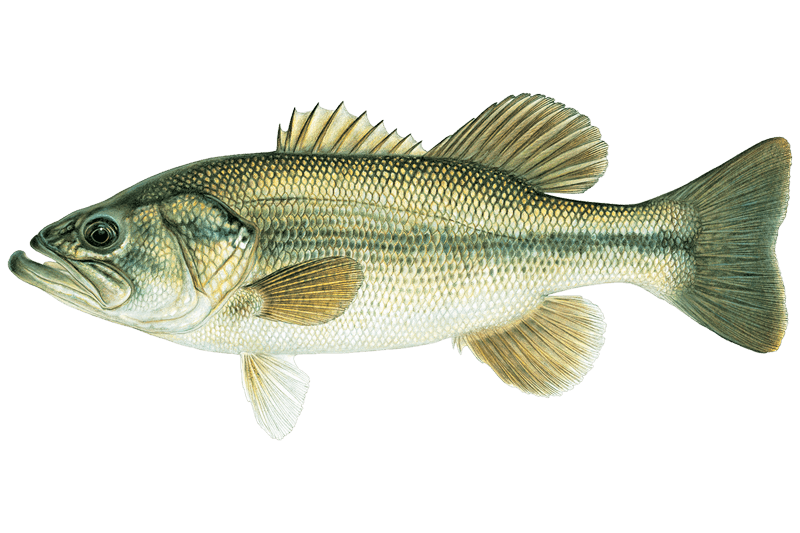
Largemouth Bass
Micropterus salmoides
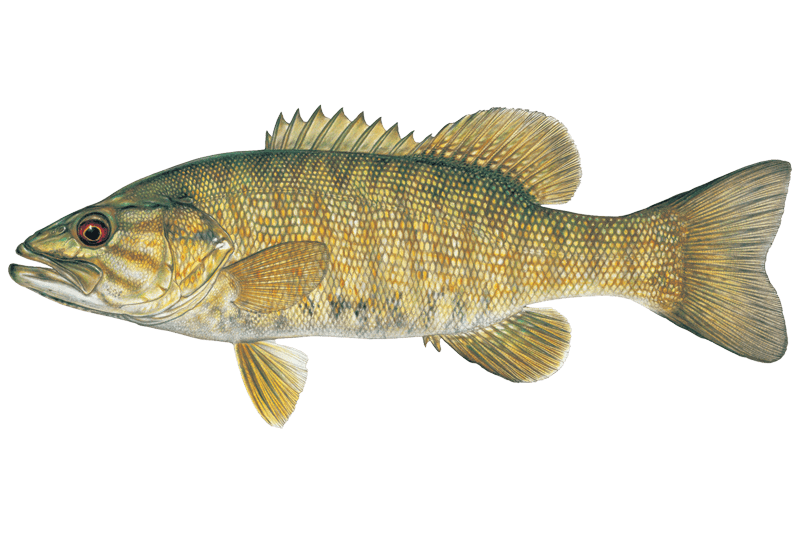
Smallmouth Bass
Micropterus dolomieu
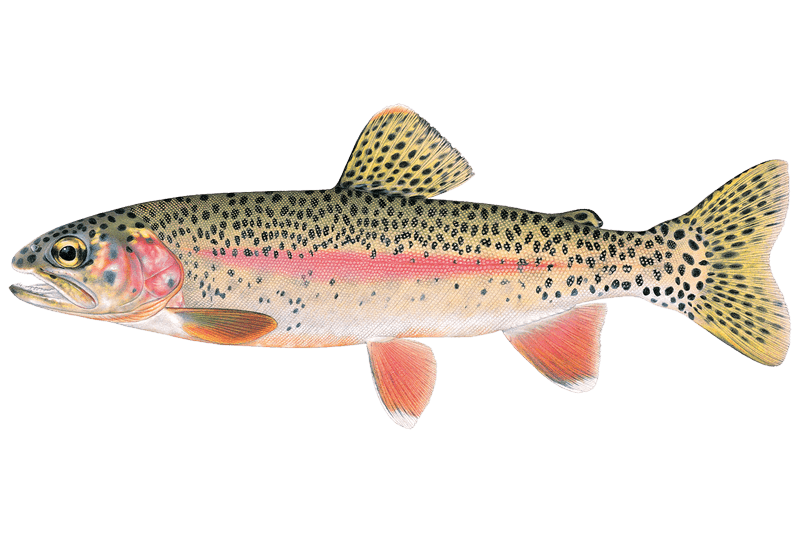
Rainbow Trout
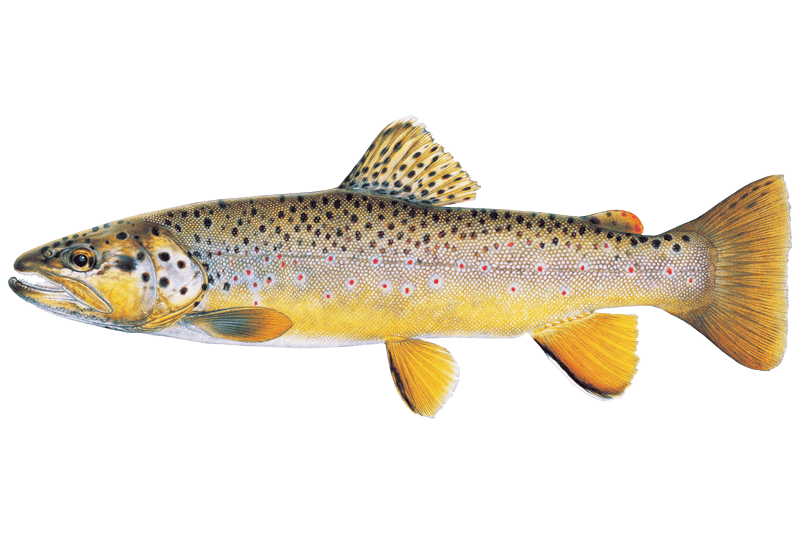
Brown Trout
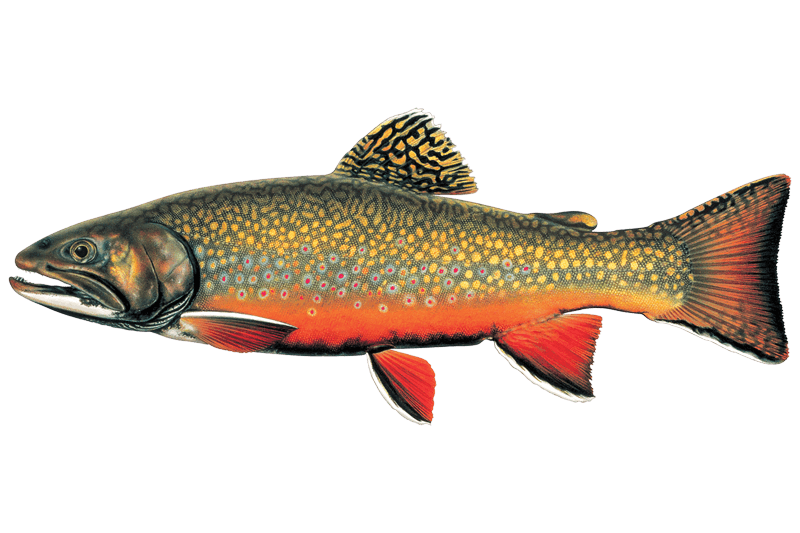
Brook Trout
Salvelinus fontinalis
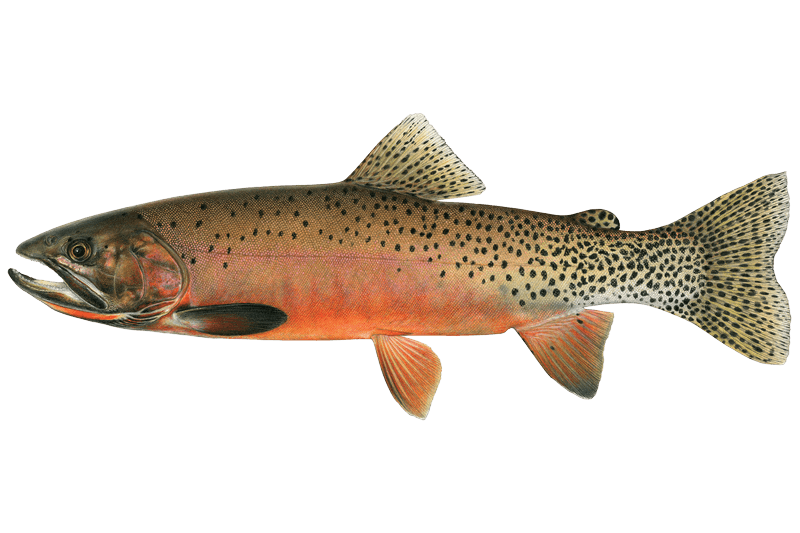
Cutthroat Trout
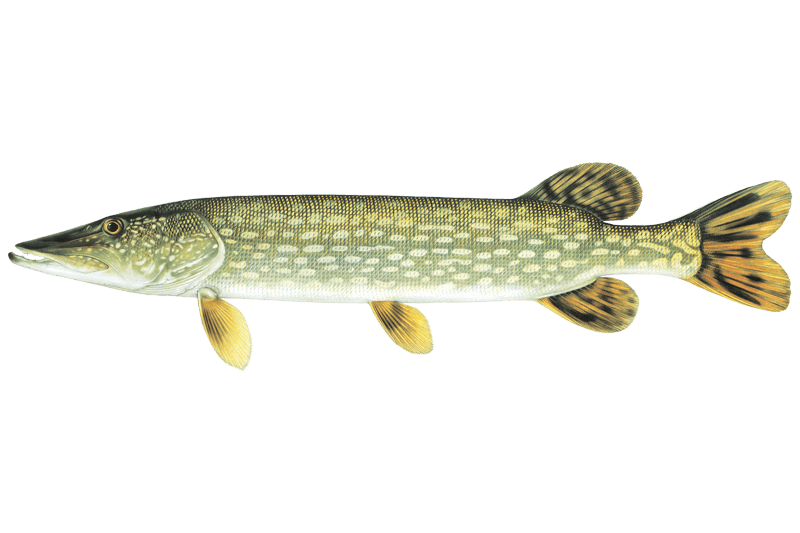
Northern Pike
Esox lucius
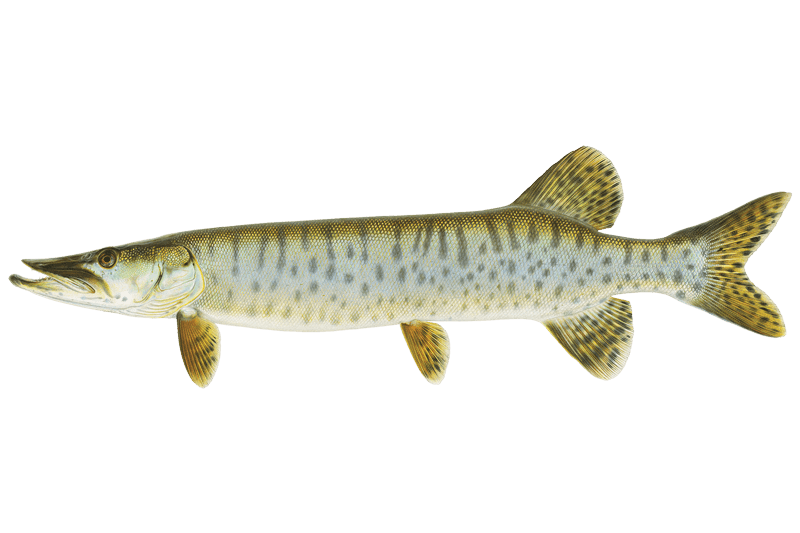
Muskellunge
Esox masquinongy
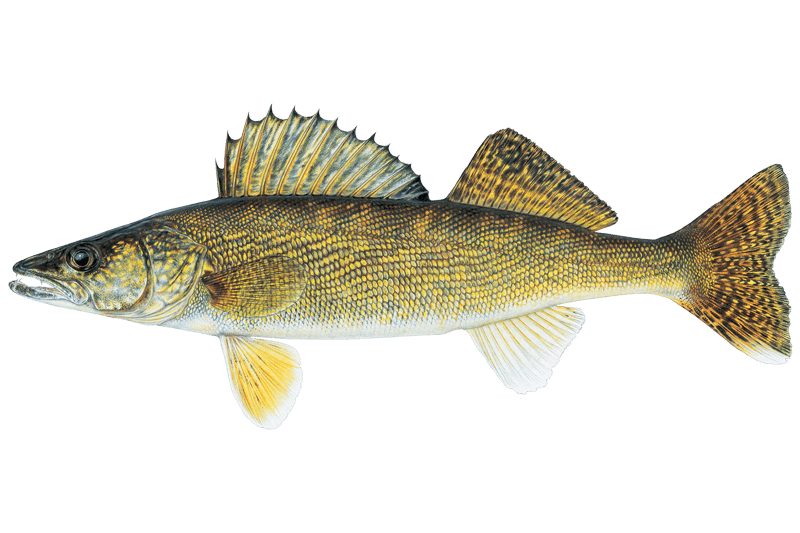
Walleye
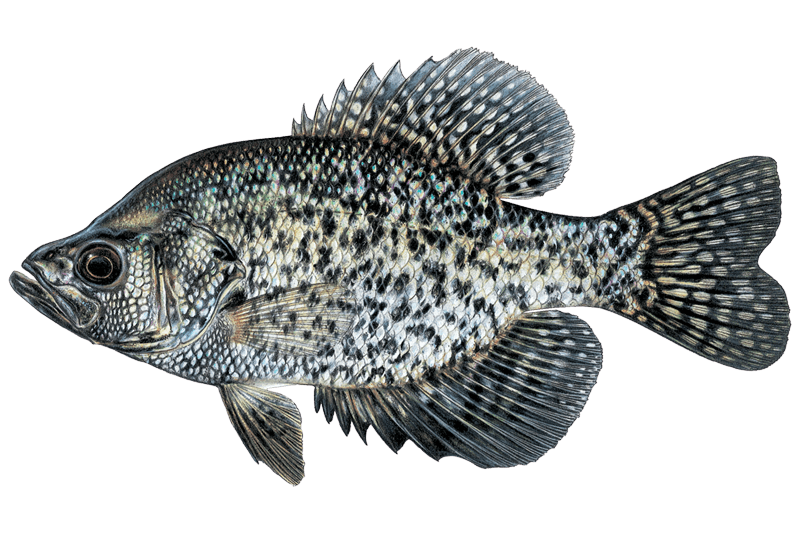
Black Crappie
Pomoxis nigromaculatus
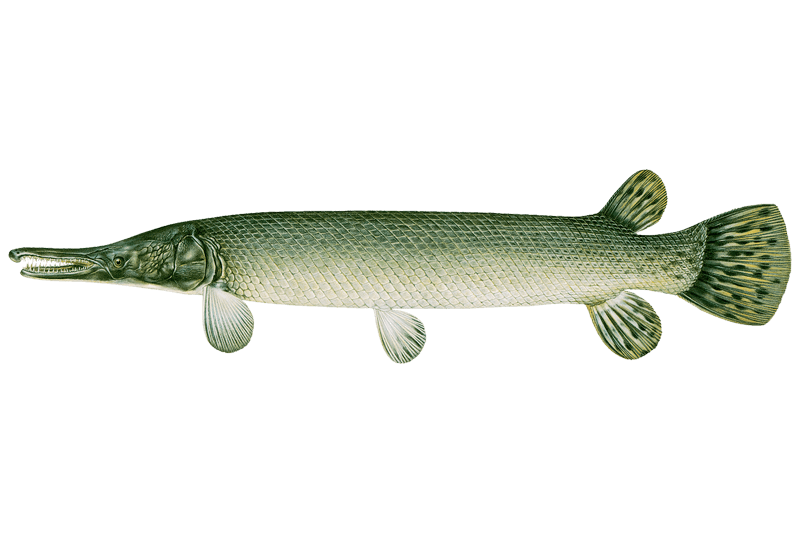
Alligator Gar

American Eel
Anguilla rostrata

Bighead Carp
Hypophthalmichthys nobilis
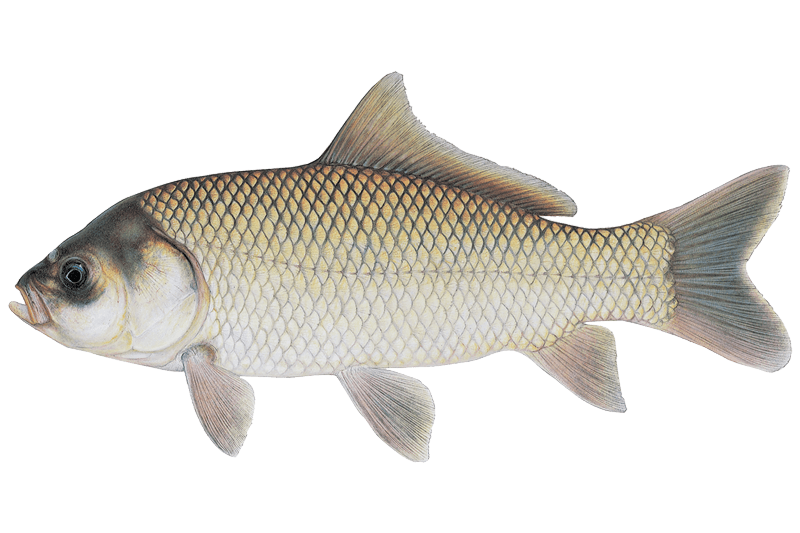
Bigmouth Buffalo
Ictiobus cyprinellus
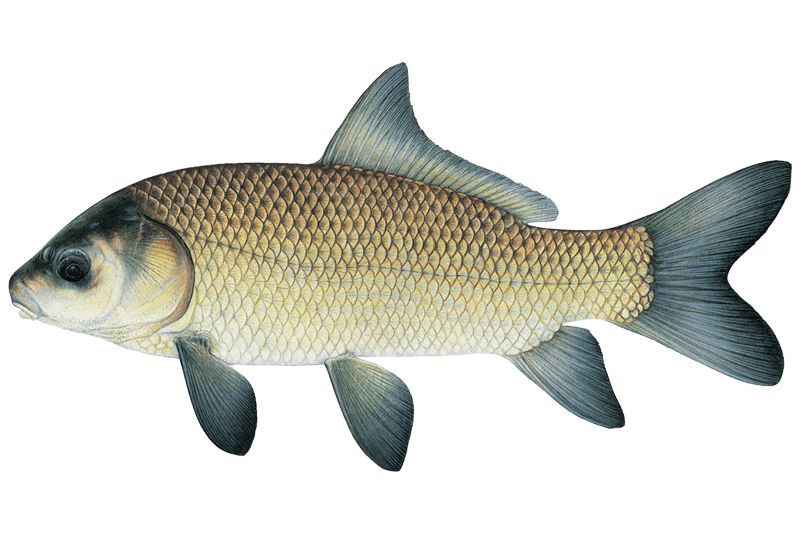
Black Buffalo
Ictiobus niger

Black Bullhead
Ameiurus melas
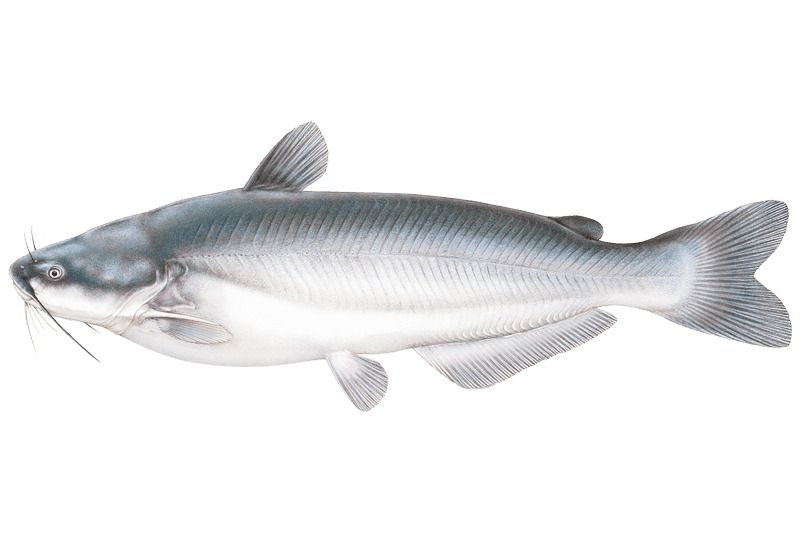
Blue Catfish
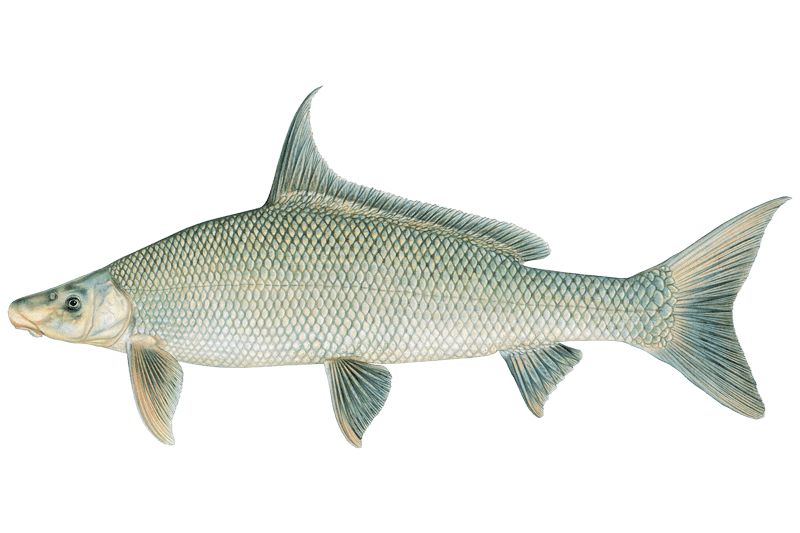
Blue Sucker
Cycleptus elongatus

Bowfin
Amia calva
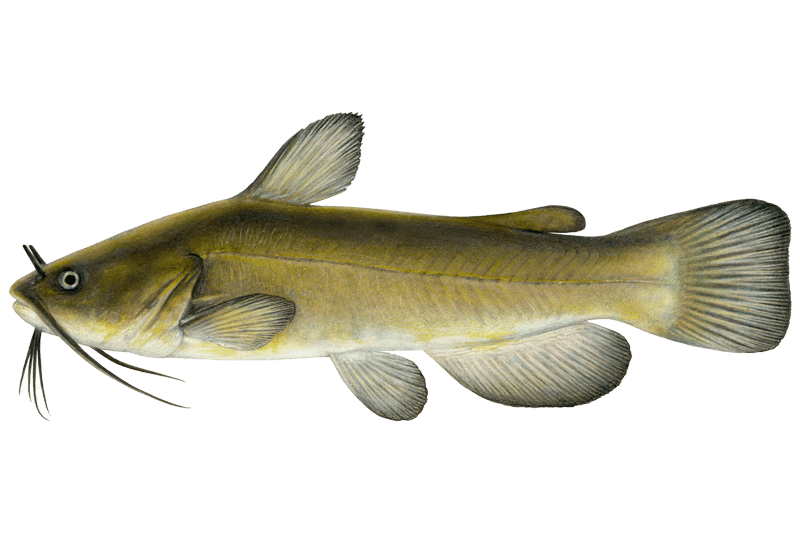
Brown Bullhead
Ameiurus nebulosus
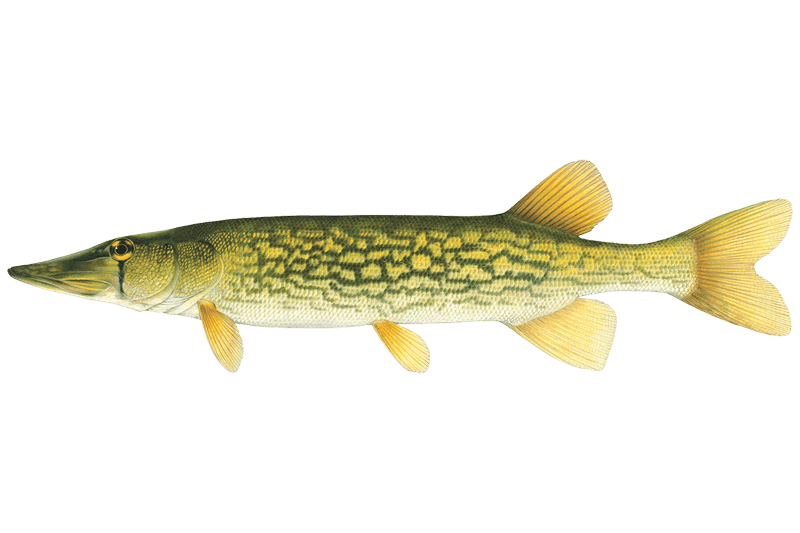
Chain Pickerel
Esox niger
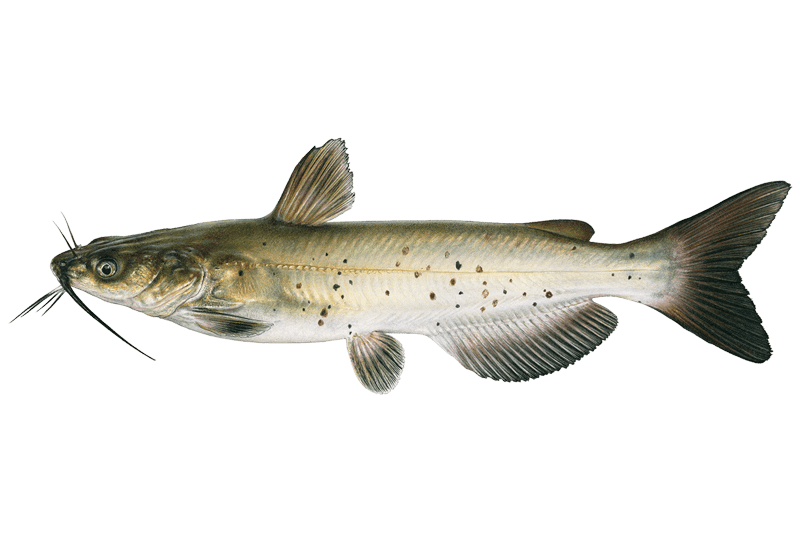
Channel Catfish
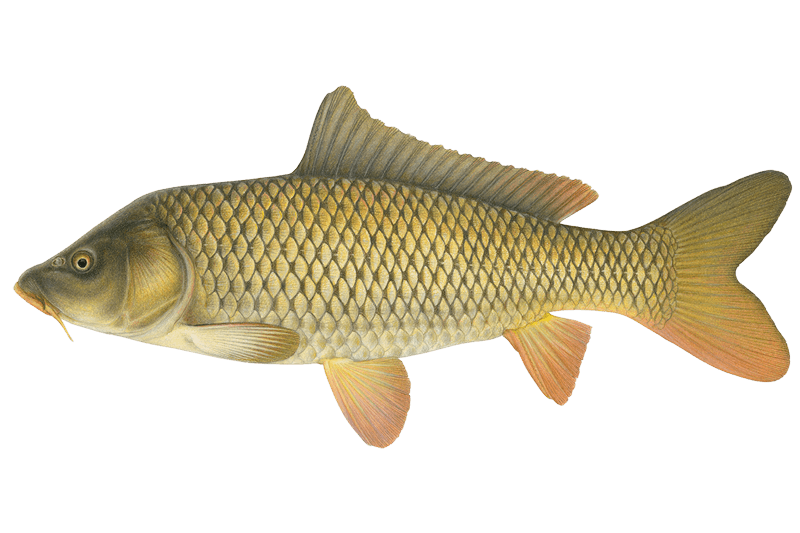
Common Carp
Cyprinus carpio

Creek Chub
Semotilus atromaculatus
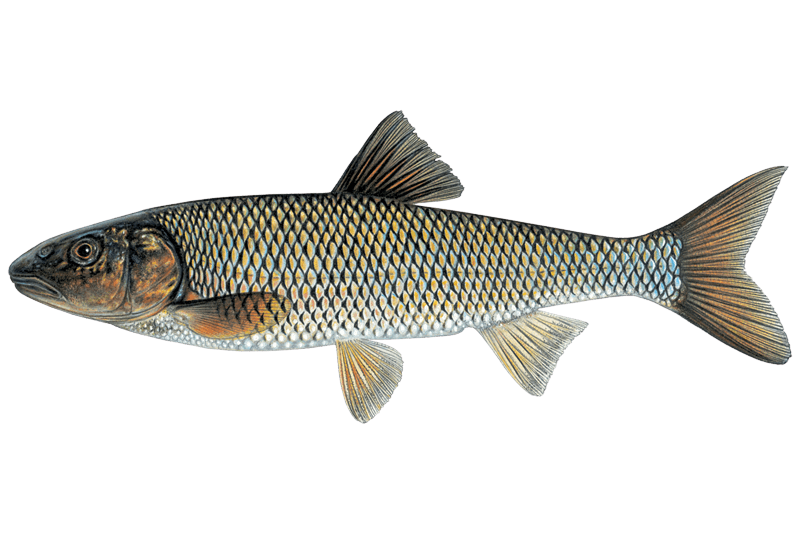
Fallfish
Semotilus corporalis
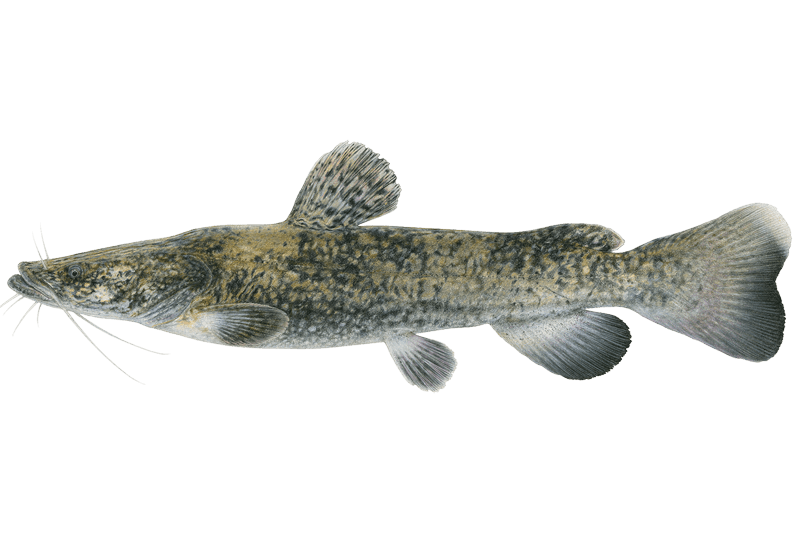
Flathead Catfish
Pylodictis olivaris

Flathead Chub
Platygobio gracilis
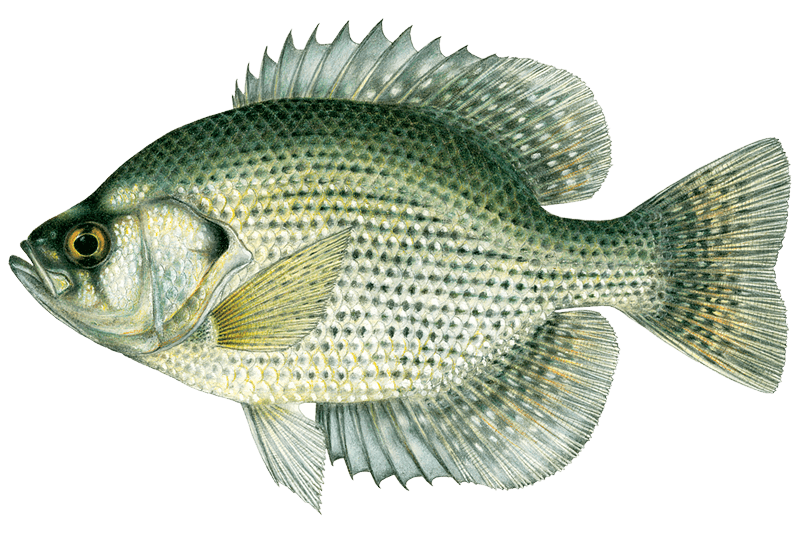
Flier
Centrarchus macropterus
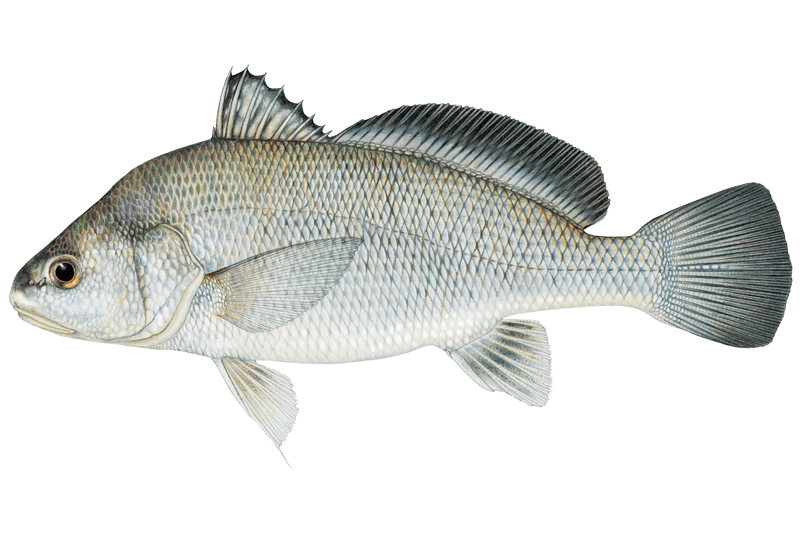
Freshwater Drum
Aplodinotus grunniens

Gizzard Shad
Dorosoma cepedianum
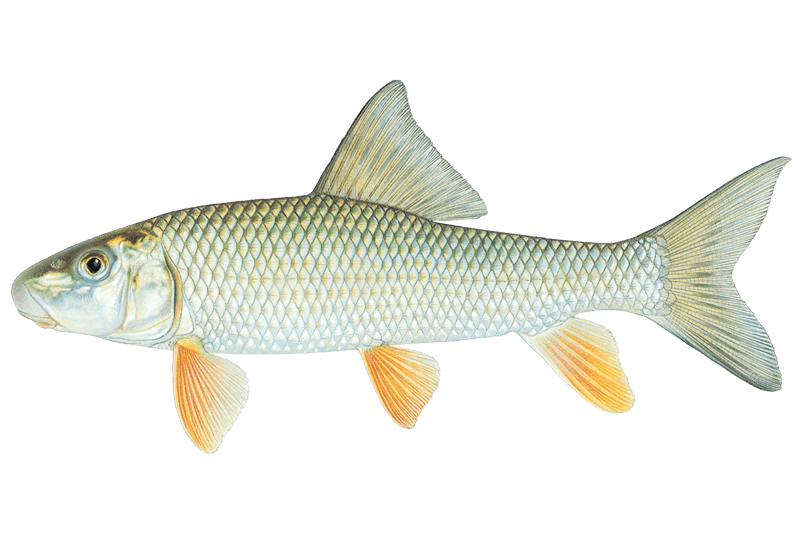
Golden Redhorse
Moxostoma erythrurum
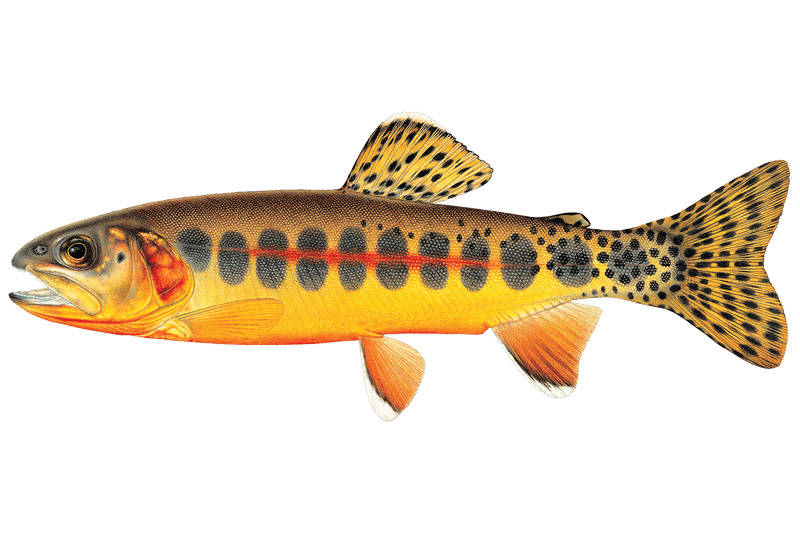
Golden Trout
Oncorhynchus aguabonita

Goldeye
Hiodon alosoides
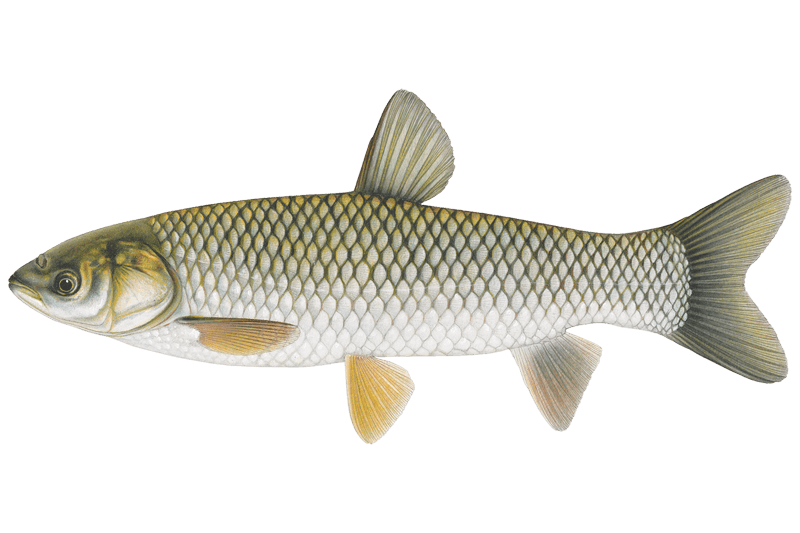
Grass Carp
Ctenopharyngodon idella
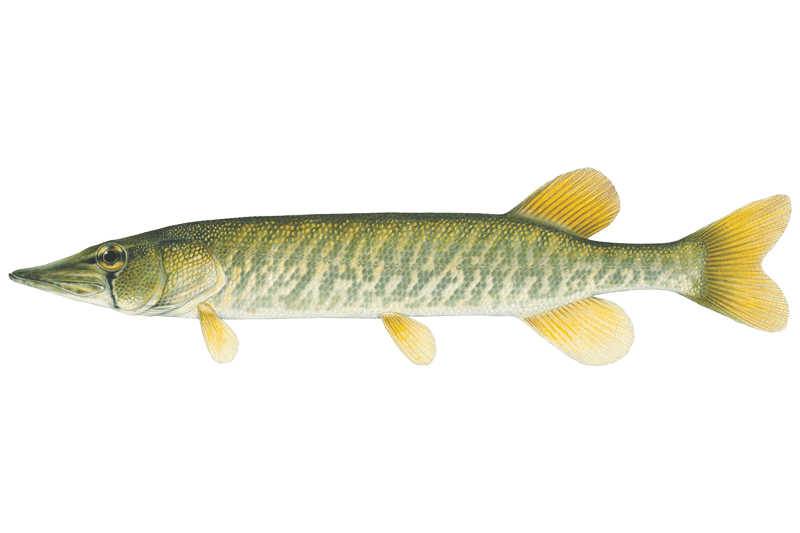
Grass Pickerel
Esox americanus vermiculatus
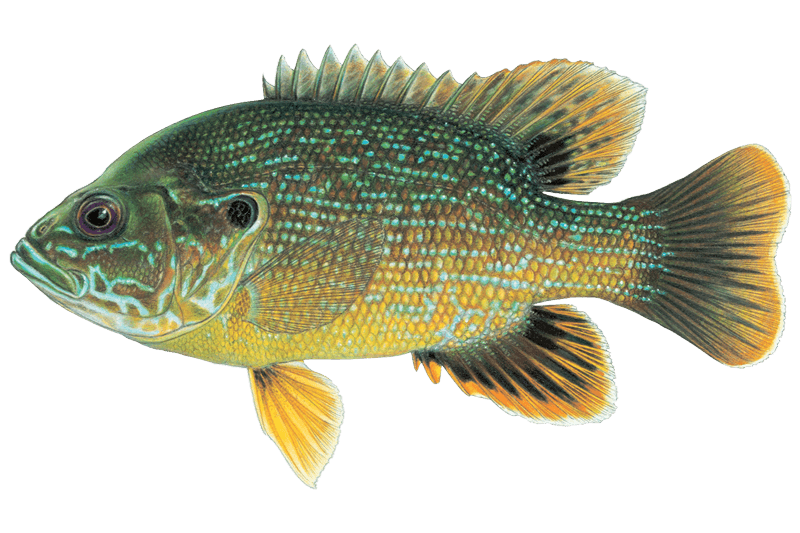
Green Sunfish
Lepomis cyanellus

Lake Sturgeon
Acipenser fulvescens
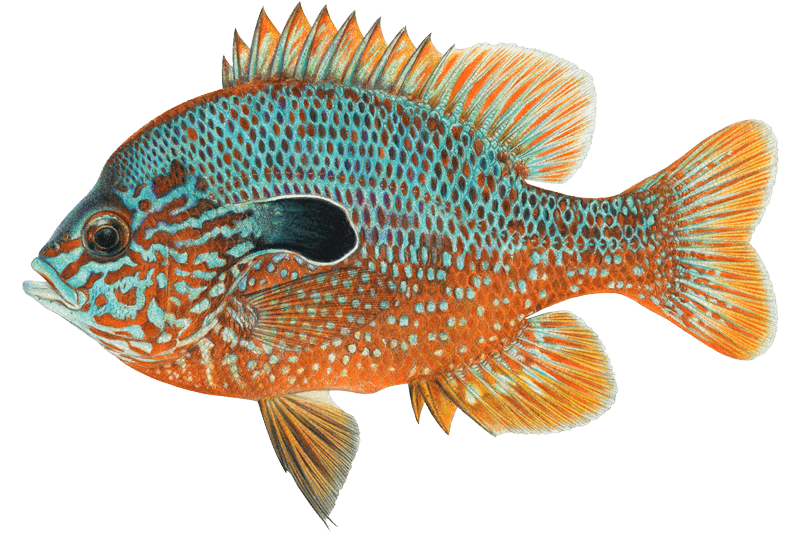
Longear Sunfish
Lepomis megalotis
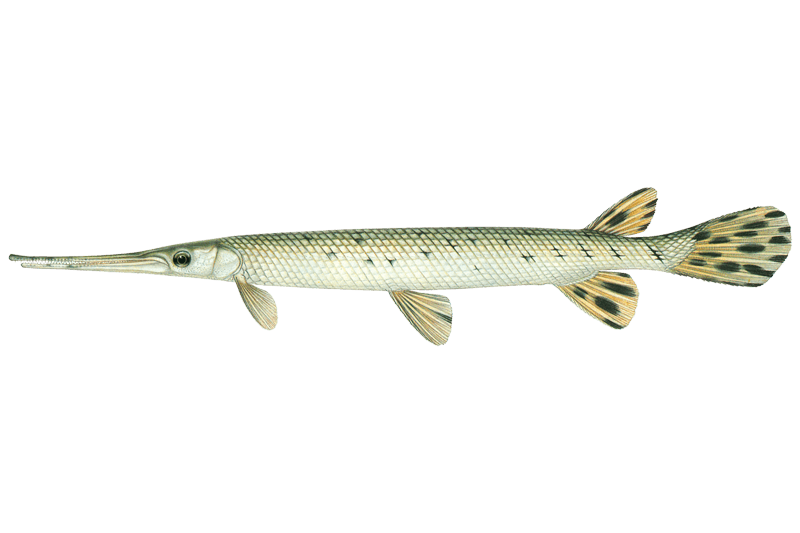
Longnose Gar

Mooneye
Hiodon tergisus
Kentucky licenses and regulations

Kentucky Boating Regulations
When using any type of watercraft to access a body of water, it is important to follow all federal, state, and local rules and regulations. These rules and regulations include boat permitting and licensing, invasive species inspections and stamps, life jacket and PFD rules, motor size and horsepower restrictions, noise limitations, restrictions on personal watercraft, and many more. Visit the web link below for the most current rules and regulations for this body of water.
Kentucky Fishing License
All persons must fill out and carry the proper license and permit to fish any Kentucky waters except residents and nonresidents age 15 and younger.
Kentucky Fishing Regulations
This river has a variety of species and regulations, including potential floating and/or watercraft restrictions. Because this river is specially managed for species, seasons, angling methods, and watercraft, it is strongly encouraged you check all federal, state, and local regulations before fishing. Visit any of the links below, inquire locally, or contact a local fly shop to learn current regulations and restrictions.
Kentucky Stream Access Laws
Public usage is limited to larger waterways with more permanent commerce and transportation. The public right to navigation includes boating, fishing, swimming, temporary anchorage and incidental use of the riverbed, regardless of streambed ownership.
Explore nearby waters
Explore Kentucky waters
Top fishing waters
Popular Cities
Loading popular cities...
Smarter Fishing Starts in the App.
onWater Fish gives you everything you need to plan smarter, fish better, and own every trip from first cast to last.