Fishing in Wales
- Lakes
- 650
- Rivers
- 2,878
- Access
- 93
- Boat Ramps
- 30
- Shops
- 0
Wales sits on the western edge of Britain, a compact country where you're rarely more than an hour from the coast, and where the interior is dominated by mountain ranges, steep-sided valleys, and rivers that drop fast from high ground to tidal estuaries.
The fishing reflects that geography: game rivers, wild stillwaters, productive coarse lakes, and a long, varied coastline that wraps around three sides of the country. The rivers are the heart of it.
The Usk rises in the Black Mountains and runs through the Brecon Beacons, and from March through September it's one of the most consistent wild brown trout rivers in the country — freestone runs, red bedrock, and fish that will take a dry fly in the right conditions.
Wild browns to over 5lb have been landed here on surface tactics.
The Wye, which forms much of the border with England, carries barbel, chub, grayling, and river pike, and is accessible to visiting anglers through the Wye and Usk Foundation's Fishing Passport — a day-ticket scheme covering more than 200 fisheries across Wales and the Marches that has been running since 2003.
Grayling on both rivers fish well into winter, which effectively extends the fly fishing season year-round for those willing to go out in the cold.
Further north, the Teifi and the Mawddach carry sea trout and salmon alongside wild brown trout, and the Conwy drains the mountains of Eryri (Snowdonia) down to the north coast.
These are spate rivers — they fish best when there's been rain and the levels are right. Timing matters here more than anywhere. The stillwaters cover a wide range.
Llyn Tegid, the largest natural lake in Wales, holds perch, pike, trout, grayling, eel, and salmon, and permits are issued by Eryri National Park Authority.
Llyn Brenig, a reservoir in the north with 14 miles of shoreline, is well set up for boat fishing and consistently produces trout. Llyn Cwellyn, near Rhyd Ddu, holds wild brown trout and char — a species that's genuinely uncommon in Welsh waters.
For coarse fishing, Llandegfedd Lake in the south holds the UK record pike: a 46lb 3oz fish taken in 1992 that has never been beaten. The coast adds another dimension entirely.
Wales has over 1,600 miles of coastline, and shore fishing is free — no licence required for saltwater. Bass fishing is strong along much of the coast, and mullet show up in estuaries in specimen sizes. From autumn onward, cod become a realistic target.
Offshore, tope and blue shark are caught on charter boats, and bluefin tuna have started appearing in Welsh waters in recent years. For freshwater fishing, you need two things: a rod licence, issued through the Environment Agency via GOV.
UK, and a permit from the fishery or club controlling the water — there is no public right to fish any river, lake, or canal in Wales. The Fishing Passport scheme is the most practical route into the river fishing for visitors.
Check current rules with the issuing body before you go; seasons, size limits, and bag limits change. Wales doesn't have one defining fishery.
What it has is density — a lot of different water in a small area, most of it in good condition, and enough variety that you can fish a mountain lake in the morning and a tidal estuary in the afternoon without covering much ground.
Species & education
Learn what type of fish are in Wales and what's needed to catch them.
Find which waters have the species you want to catch
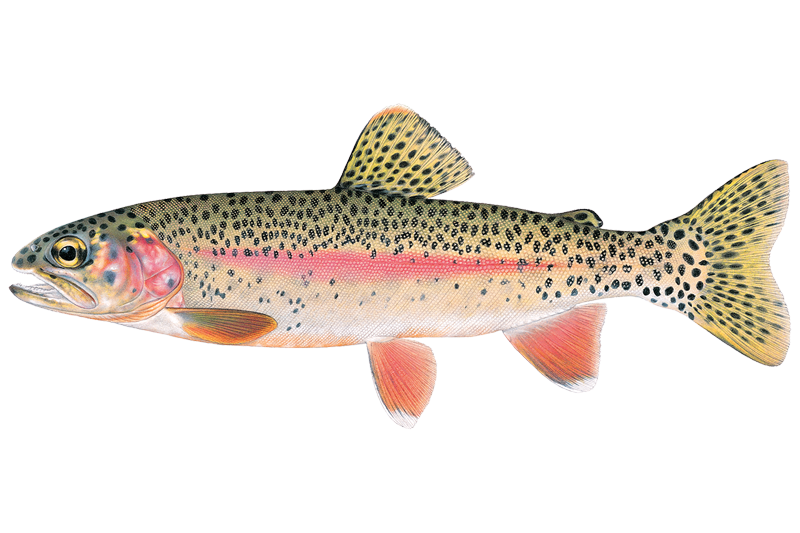
Rainbow Trout
Oncorhynchus mykiss
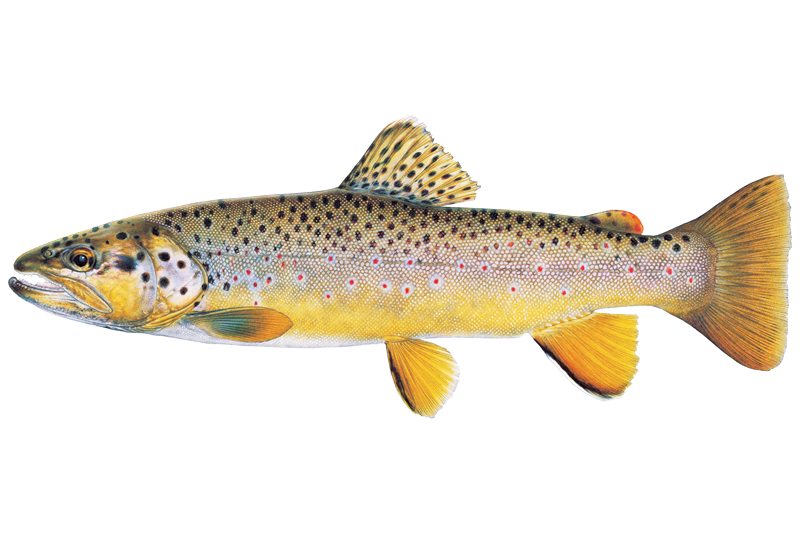
Brown Trout
Salmo trutta
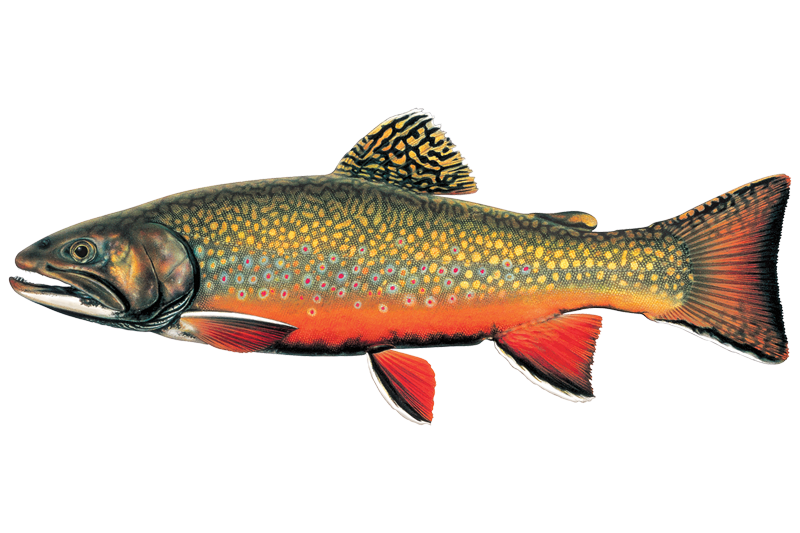
Brook Trout
Salvelinus fontinalis
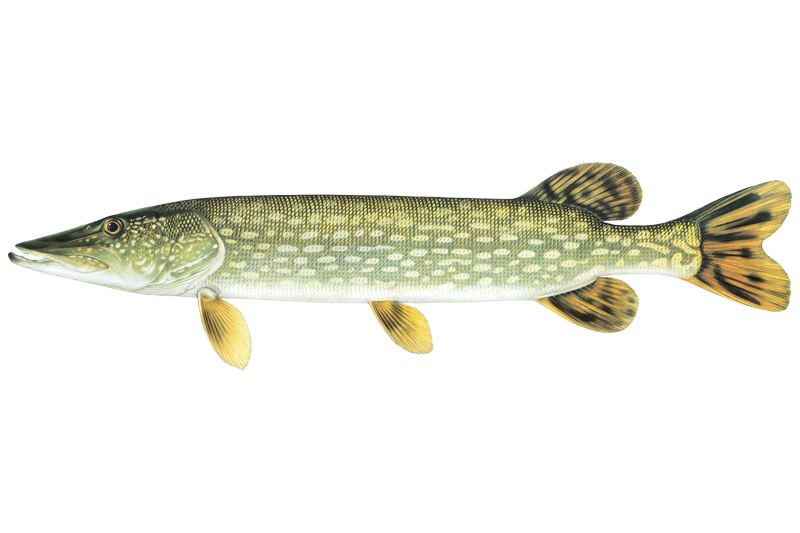
Northern Pike
Esox lucius

Allis Shad
Alosa alosa

Angler
Lophius piscatorius

Arctic Char
Salvelinus alpinus

Atlantic Bluefin Tuna
Thunnus thynnus

Atlantic Cod
Gadus morhua

Atlantic Halibut
Hippoglossus hippoglossus

Atlantic Herring
Clupea harengus

Atlantic Horse Mackerel
Trachurus trachurus

Atlantic Mackerel
Scomber scombrus
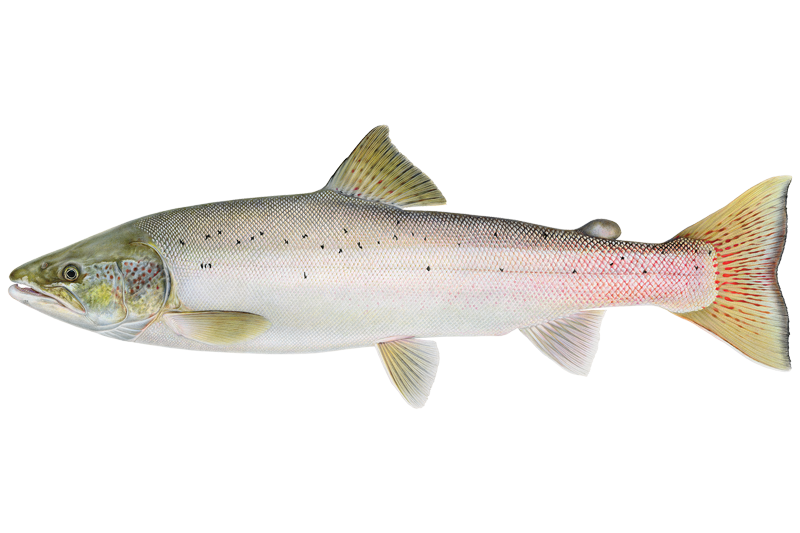
Atlantic Salmon
Salmo salar

Atlantic Wolffish
Anarhichas lupus

Ballan Wrasse
Labrus bergylta

Barbel
Barbus barbus

Black Seabream
Spondyliosoma cantharus

Bleak
Alburnus alburnus

Blonde Ray
Raja brachyura

Blue Shark
Prionace glauca

Bogue
Boops boops

Bourget Whitefish
Coregonus lavaretus

Brill
Scophthalmus rhombus

Bull Huss
Scyliorhinus stellaris

Coalfish
Pollachius virens

Common Bream
Abramis brama
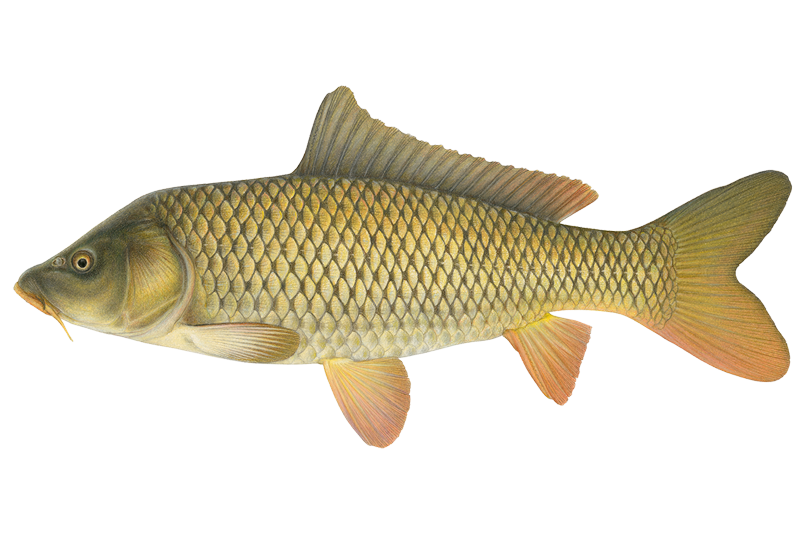
Common Carp
Cyprinus carpio

Common Dace
Leuciscus leuciscus

Common Gudgeon
Gobio gobio

Common Roach
Rutilus rutilus

Common Skate
Dipturus intermedius

Common Sole
Solea solea

Common Stingray
Dasyatis pastinaca

Common Sturgeon
Acipenser sturio

Conger Eel
Conger conger

Corkwing Wrasse
Symphodus melops

Couch's Seabream
Pagrus pagrus

Crucian Carp
Carassius carassius

Cuckoo Ray
Leucoraja naevus
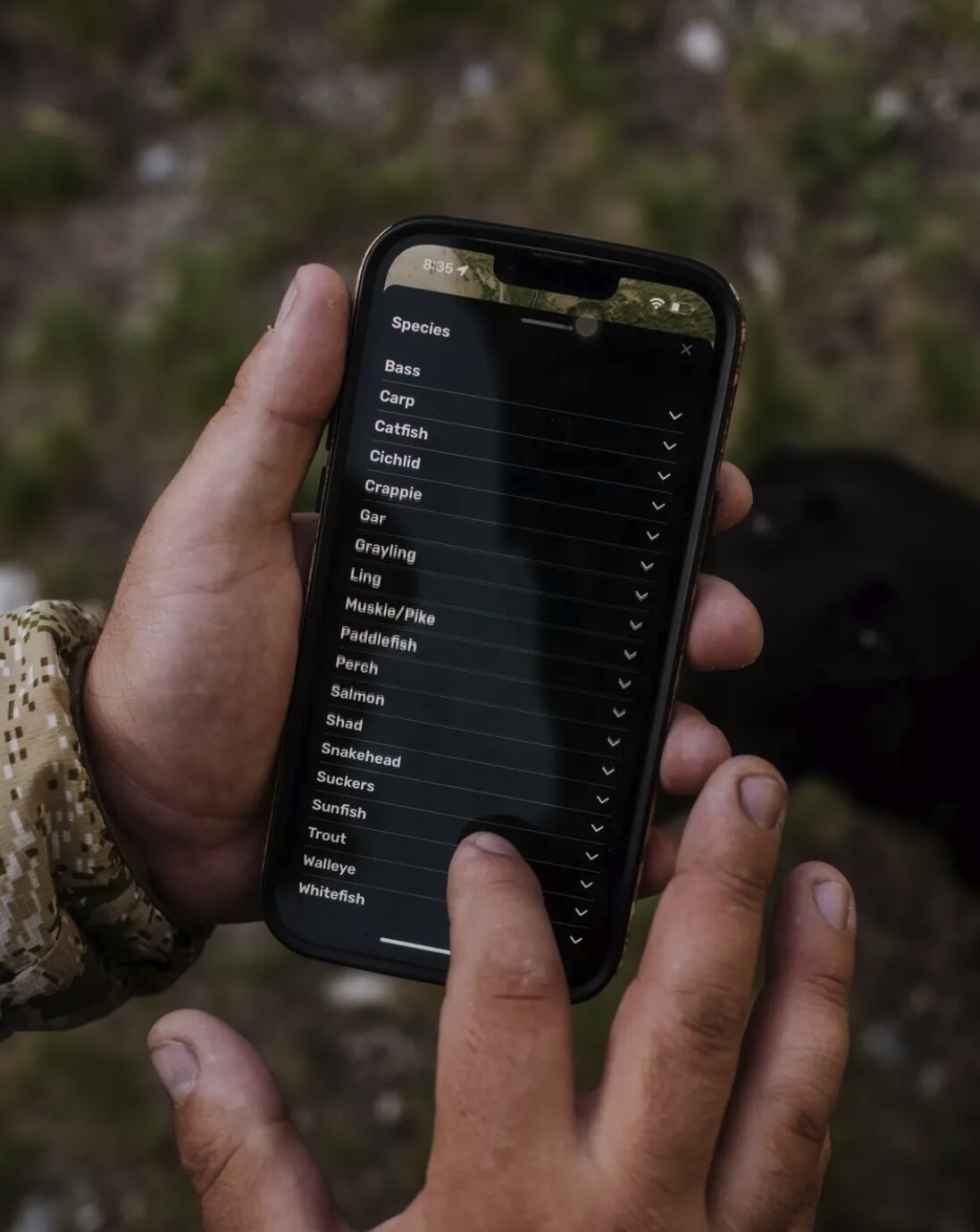
Fish smarter with real-time insights
Whether you're en route and conditions shift or you're looking for the best spot based on current flows, we enable you to make informed decisions on the fly.
Wales licenses and regulations
Explore Wales waters
Top fishing waters
Popular Cities
Loading popular cities...
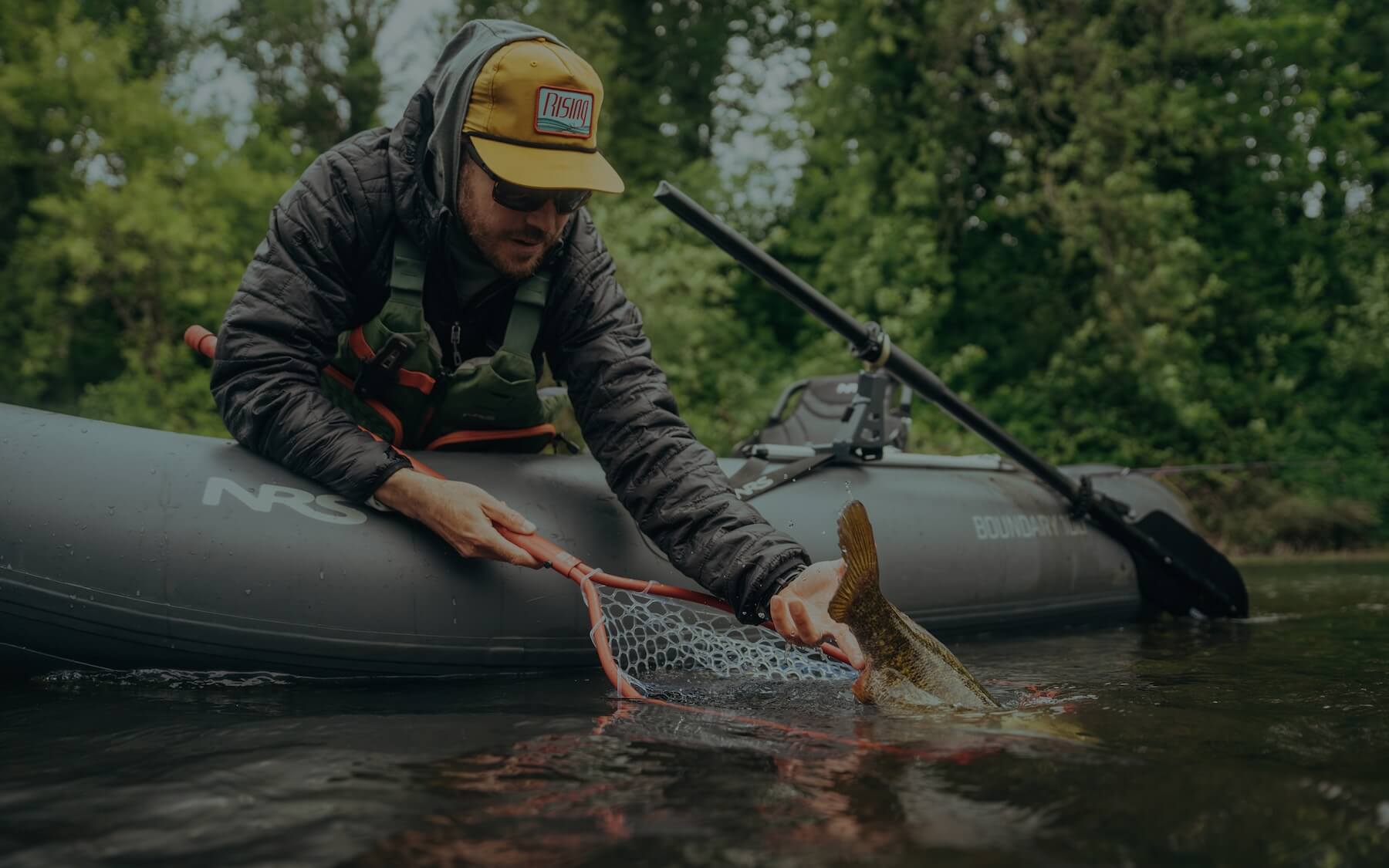
Smarter Fishing Starts in the App.
onWater Fish gives you everything you need to plan smarter, fish better, and own every trip from first cast to last.