Fishing in England
- Lakes
- 3,363
- Rivers
- 13,274
- Access
- 1,167
- Boat Ramps
- 255
- Shops
- 0
England sits at the southern end of Great Britain, and its fishing reflects the country's density and variety in equal measure.
Lowland rivers wind through agricultural plains, chalk streams cut through southern downlands, reservoirs dot the Midlands, and a long coastline wraps from the North Sea around to the Bristol Channel.
It's a heavily fished country — most freshwater is privately owned or club-controlled — but access exists if you know where to look. The chalk streams of the south are what England is known for internationally.
Rivers like the Itchen run clear and cold over gravel beds, holding wild brown trout and grayling in water you can read from the bank.
These fisheries are tightly managed and access is limited, but the fishing, when you get it, is precise work — upstream dry fly to sighted fish. The season runs spring through early autumn, and the Itchen's reputation has been built over generations.
Coarse fishing is where most English anglers actually spend their time. The Norfolk Broads are a genuine pike stronghold, and the Fens of Cambridgeshire produce serious results for pike and perch in autumn.
The River Great Ouse threads through that flat eastern landscape and holds a mix of species that keeps pleasure anglers and match fishers coming back. Carp, tench, and bream peak through spring and summer on stillwaters and canals, which stay open year-round.
Rivers carry a coarse fish closed season from 15 March to 15 June — a rule worth knowing before you plan a trip.
Up in the north, the River Coquet in Northumberland holds salmon and sea trout, and the Wye — shared with Wales — carries wild brown trout and grayling through varied habitat from deep pools to fast riffles.
The River Dove, running through the Peak District, has its own long history with fly fishing that goes back to Izaak Walton.
On the coast, sea bass move inshore along the southern and western coasts from May through October, with St Ives and Brighton Marina both producing fish.
Cod fishing picks up in autumn and runs through winter in the south; further north it's a year-round proposition. Sea fishing requires no licence — unlike freshwater, where anyone aged 13 or over needs a rod licence from the Environment Agency.
Check current rules with the Environment Agency before fishing any river, as byelaws vary by region and seasons change. England's fishing scene rewards patience with the access puzzle.
Club memberships, day tickets on commercial stillwaters, and a handful of open stretches on public rivers all exist alongside each other. The fish are there — it's the paperwork and the phone calls that take practice.
Species & education
Learn what type of fish are in England and what's needed to catch them.
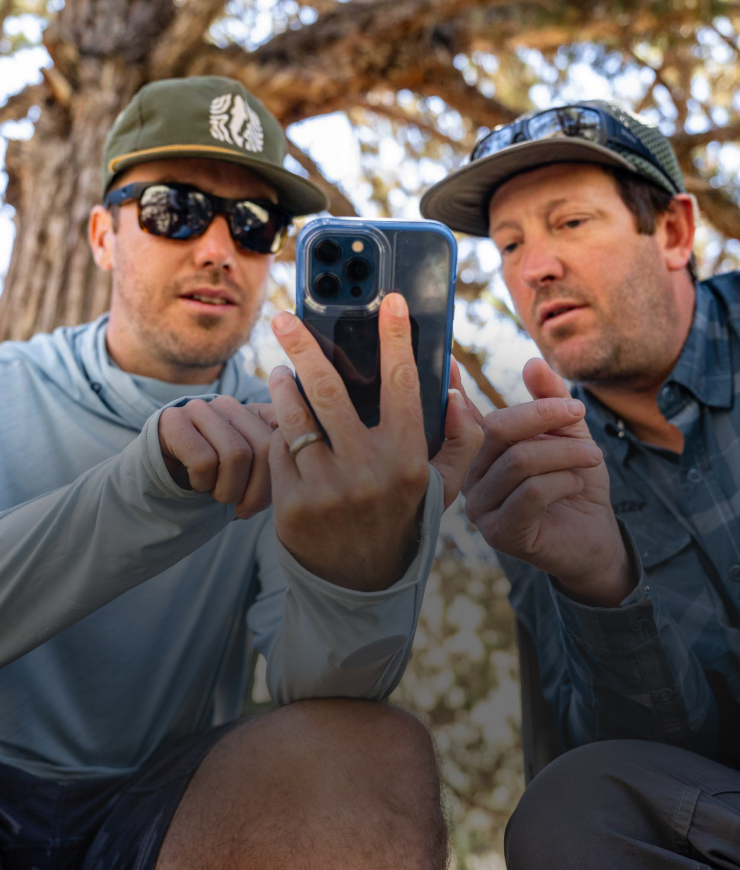
Find which waters have the species you want to catch
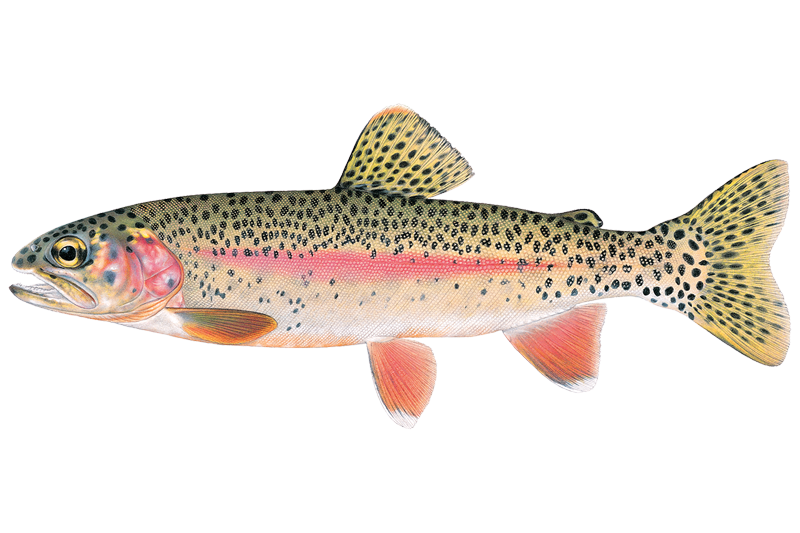
Rainbow Trout
Oncorhynchus mykiss
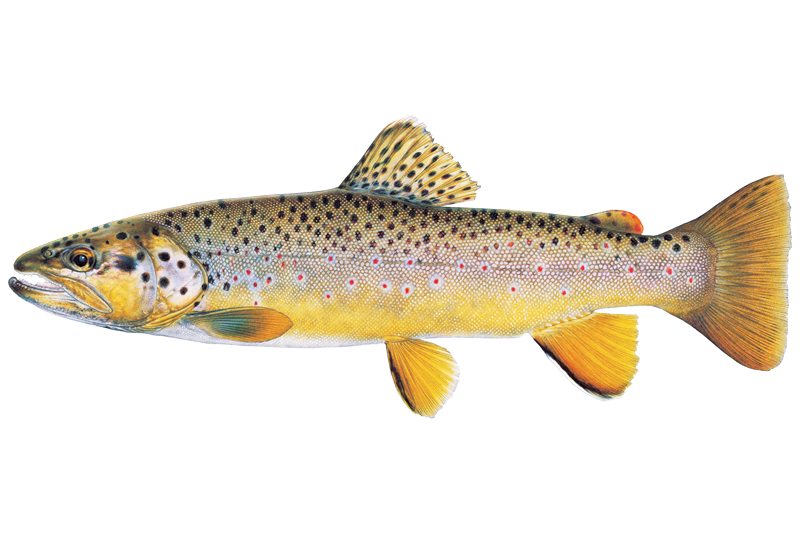
Brown Trout
Salmo trutta
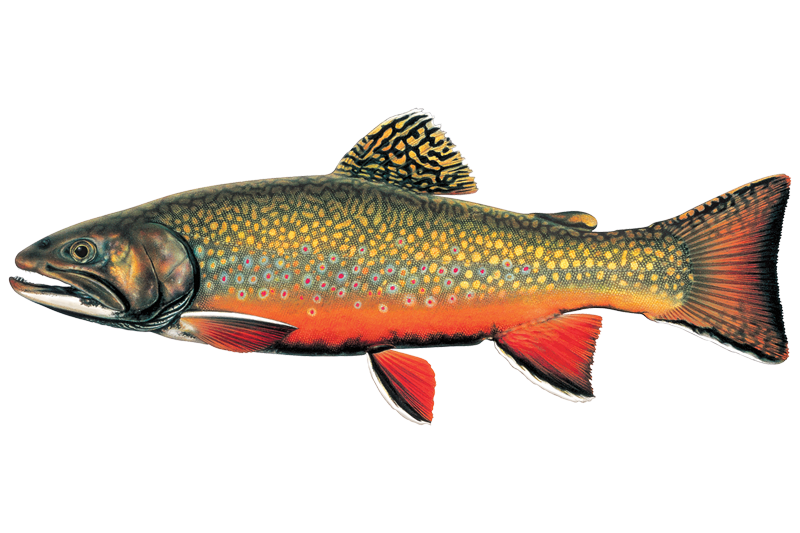
Brook Trout
Salvelinus fontinalis
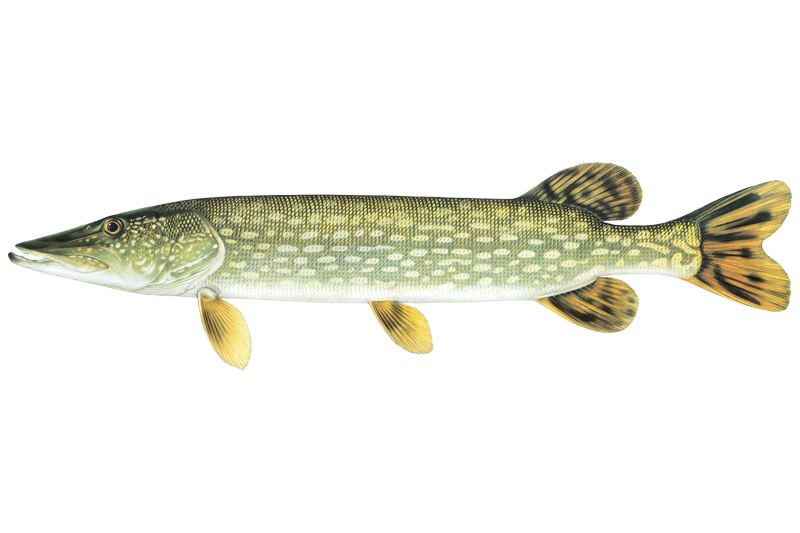
Northern Pike
Esox lucius

Allis Shad
Alosa alosa

Angler
Lophius piscatorius

Arctic Char
Salvelinus alpinus

Atlantic Bluefin Tuna
Thunnus thynnus

Atlantic Cod
Gadus morhua

Atlantic Halibut
Hippoglossus hippoglossus

Atlantic Herring
Clupea harengus

Atlantic Horse Mackerel
Trachurus trachurus

Atlantic Mackerel
Scomber scombrus
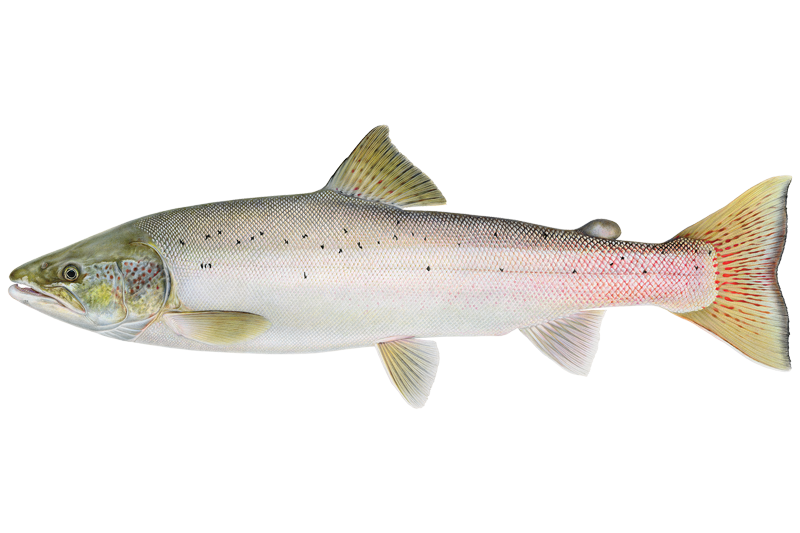
Atlantic Salmon
Salmo salar

Atlantic Wolffish
Anarhichas lupus

Ballan Wrasse
Labrus bergylta

Barbel
Barbus barbus

Black Seabream
Spondyliosoma cantharus

Bleak
Alburnus alburnus

Blonde Ray
Raja brachyura

Blue Shark
Prionace glauca

Bogue
Boops boops

Bourget Whitefish
Coregonus lavaretus

Brill
Scophthalmus rhombus

Bull Huss
Scyliorhinus stellaris

Coalfish
Pollachius virens

Common Bream
Abramis brama
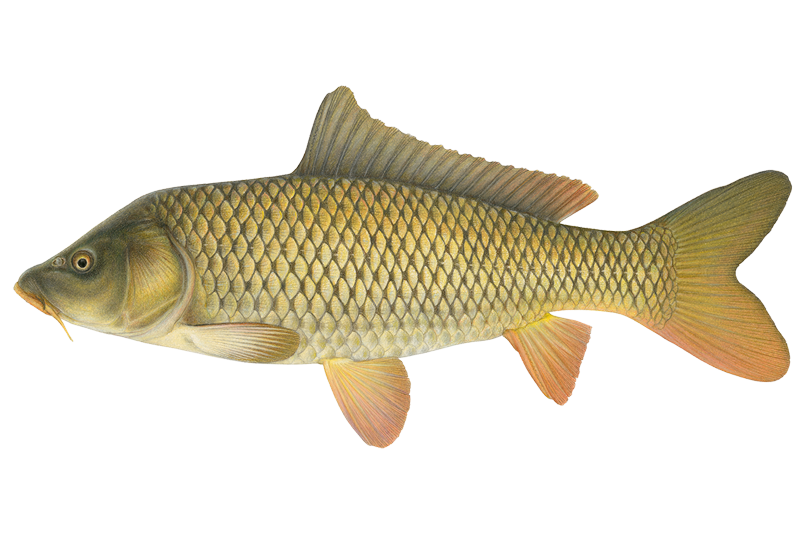
Common Carp
Cyprinus carpio

Common Dace
Leuciscus leuciscus

Common Gudgeon
Gobio gobio

Common Roach
Rutilus rutilus

Common Skate
Dipturus intermedius

Common Sole
Solea solea

Common Stingray
Dasyatis pastinaca

Common Sturgeon
Acipenser sturio

Conger Eel
Conger conger

Corkwing Wrasse
Symphodus melops

Couch's Seabream
Pagrus pagrus

Crucian Carp
Carassius carassius

Cuckoo Ray
Leucoraja naevus
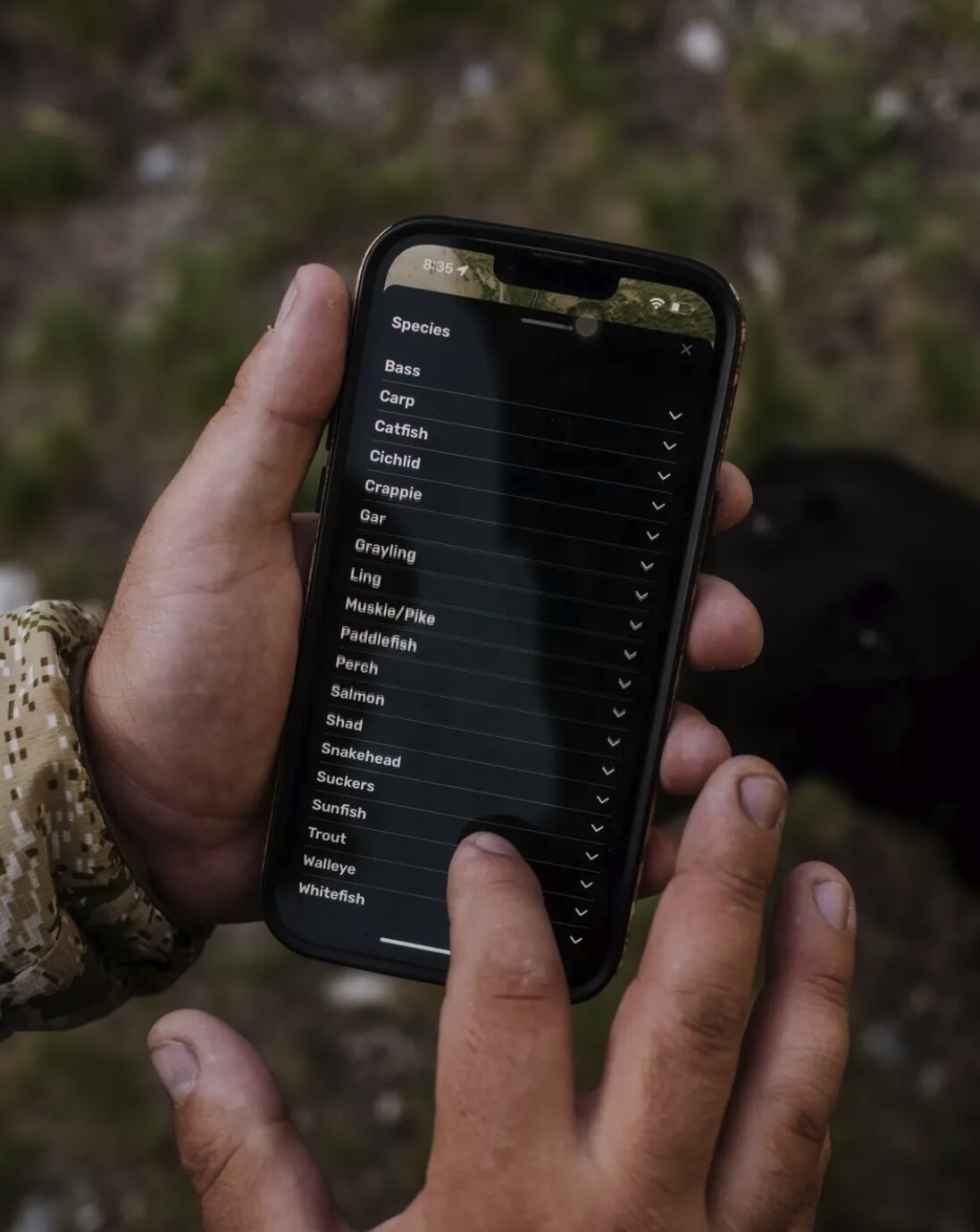
Fish smarter with real-time insights
Whether you're en route and conditions shift or you're looking for the best spot based on current flows, we enable you to make informed decisions on the fly.
England licenses and regulations
Explore England waters
Top fishing waters
Popular Cities
Loading popular cities...
Smarter Fishing Starts in the App.
onWater Fish gives you everything you need to plan smarter, fish better, and own every trip from first cast to last.