Fishing in Washington
- Lakes
- 3,341
- Rivers
- 6,424
- Access
- 1,493
- Boat Ramps
- 923
- Shops
- 105
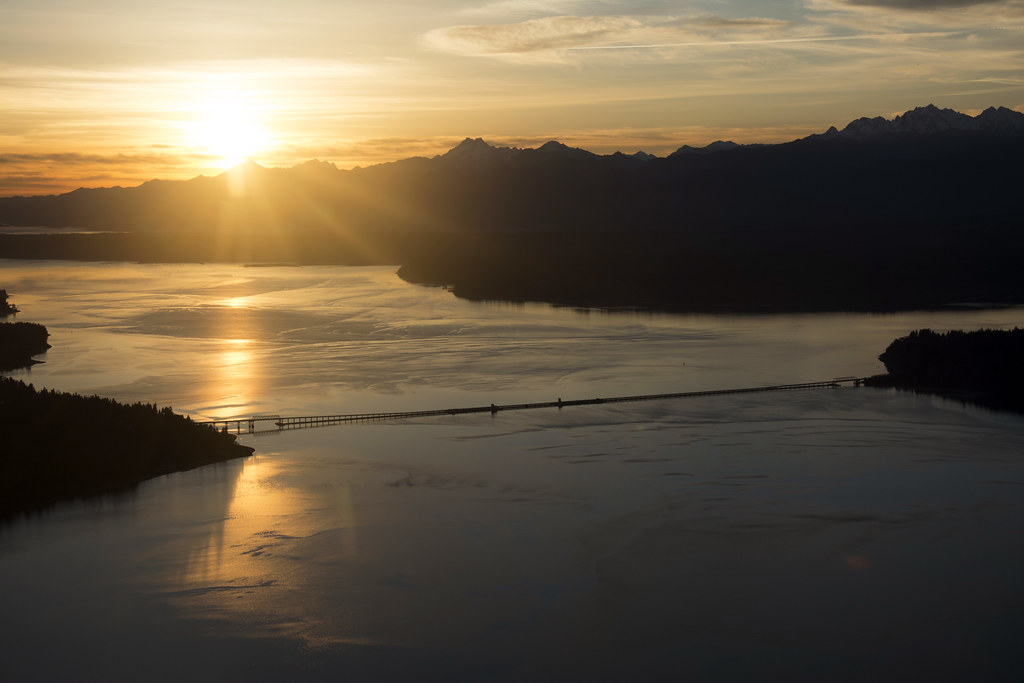
Washington is a two-state fishing world divided by the Cascades, where the western half is anadromous and treaty-entangled and the eastern half runs on hatches, reservoirs, and quota-managed giants.
What ties it all together is salmon — five Pacific species, all with politics attached. West of the mountains, winter belongs to wild steelhead.
The Olympic Peninsula rivers around Forks — the Hoh, Sol Duc, Bogachiel, Calawah, and the Quillayute they all feed — open December 1 and run through March under selective gear rules, with the action peaking from mid-January into February.
Every wild fish goes back; only clipped hatchery steelhead can be kept, and several systems have closed entirely in recent seasons as Olympic Peninsula steelhead face an ESA petition.
The Skagit carries the same weight further north, with its Sauk tributary, and adds a summer sockeye fishery shared with Baker Lake on a 75/25 split.
Out on the saltwater, Puget Sound's Marine Areas 10 and 11 are the most fished water in the state — winter blackmouth, summer Chinook and coho, odd-year pinks, halibut opening in early April, lingcod and crab around all of it.
Seasons are co-set every spring with 20-plus treaty tribes through the North of Falcon process, and emergency in-season changes are routine. Serious anglers check WDFW before every trip. East of the crest, the texture shifts.
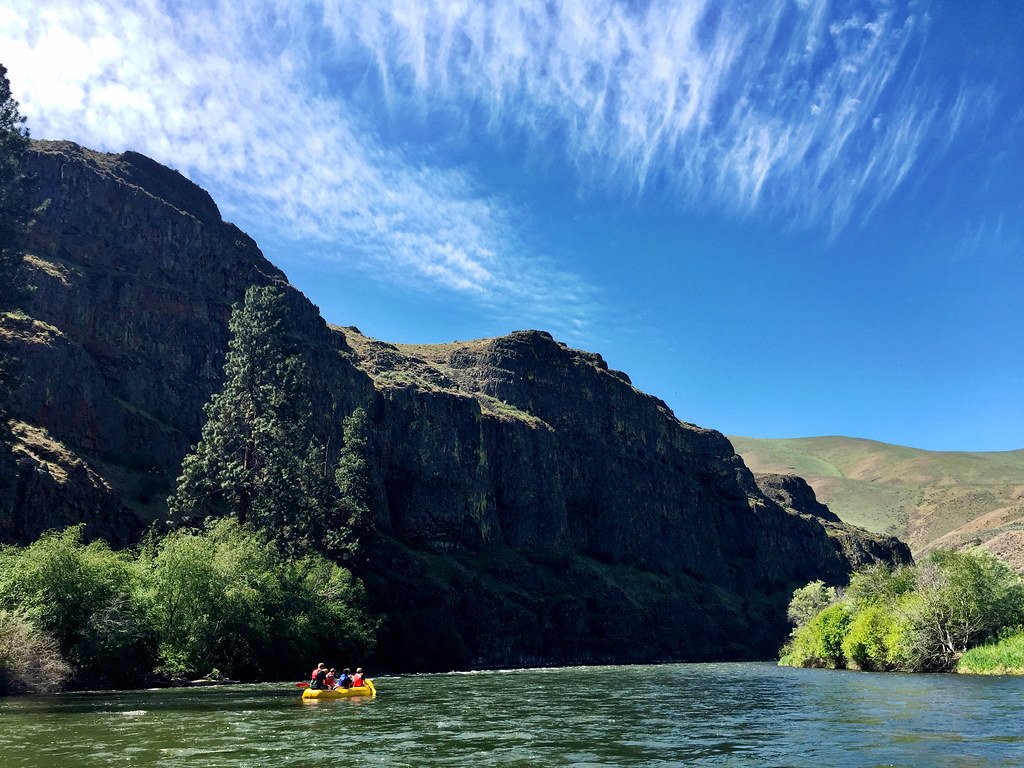
The Yakima is Washington's only Blue Ribbon trout stream, a 70-mile tailwater holding more than 1,000 rainbows per mile through the canyon below Ellensburg.
The Skwala hatch in late February pulls people out before spring really arrives; the fall — October Caddis, BWOs, low water, canyon cottonwoods turning — is the river at its best.
Red's, Troutwater, and Worley Bugger all work this water and trade hatch reports daily. South of there, the Klickitat carries summer and fall steelhead worth swinging two-handers for, with the occasional twenty-pounder in the mix.
The Columbia is its own country. Buoy 10 opens August 1 at the mouth and turns into one of the densest boat fisheries on the West Coast, chasing fall Chinook and coho.
Upriver, white sturgeon are managed week to week within a 38–54-inch slot between Bonneville and McNary — two fish a year, and below Bonneville it's all catch-and-release.
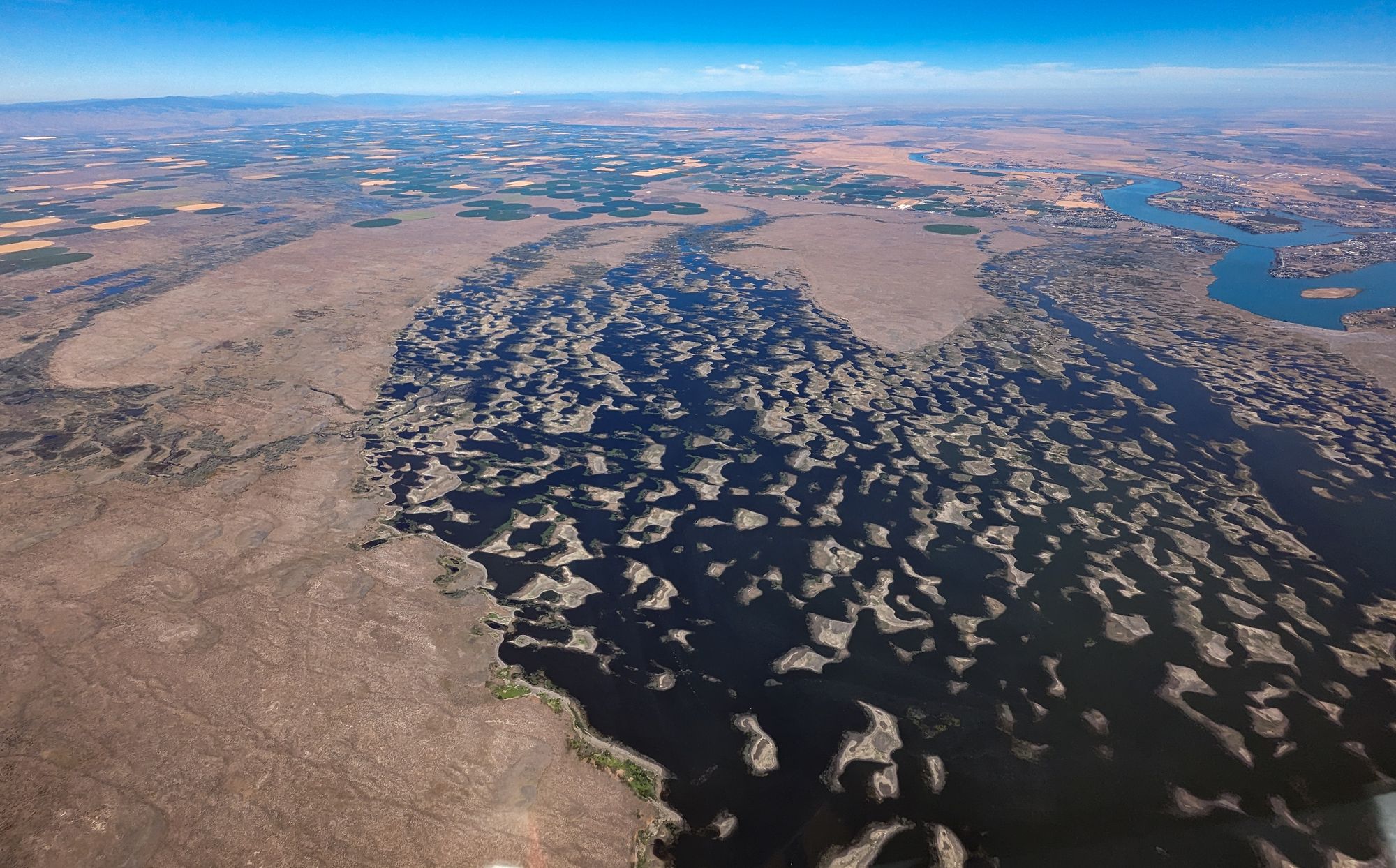
The Snake and mid-Columbia reservoirs — Roosevelt, Banks, Rufus Woods — hold some of the best walleye fishing in the country for anyone who'd rather not chase salmon at all.
One new thing to know: starting January 1, 2026, fishing for salmon or steelhead on Columbia system waters requires the new CRSS endorsement on top of your license. And if you catch a northern pike, kill it.
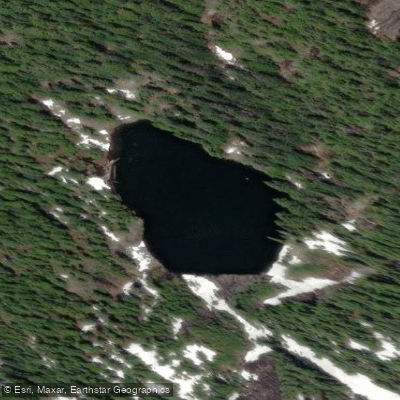
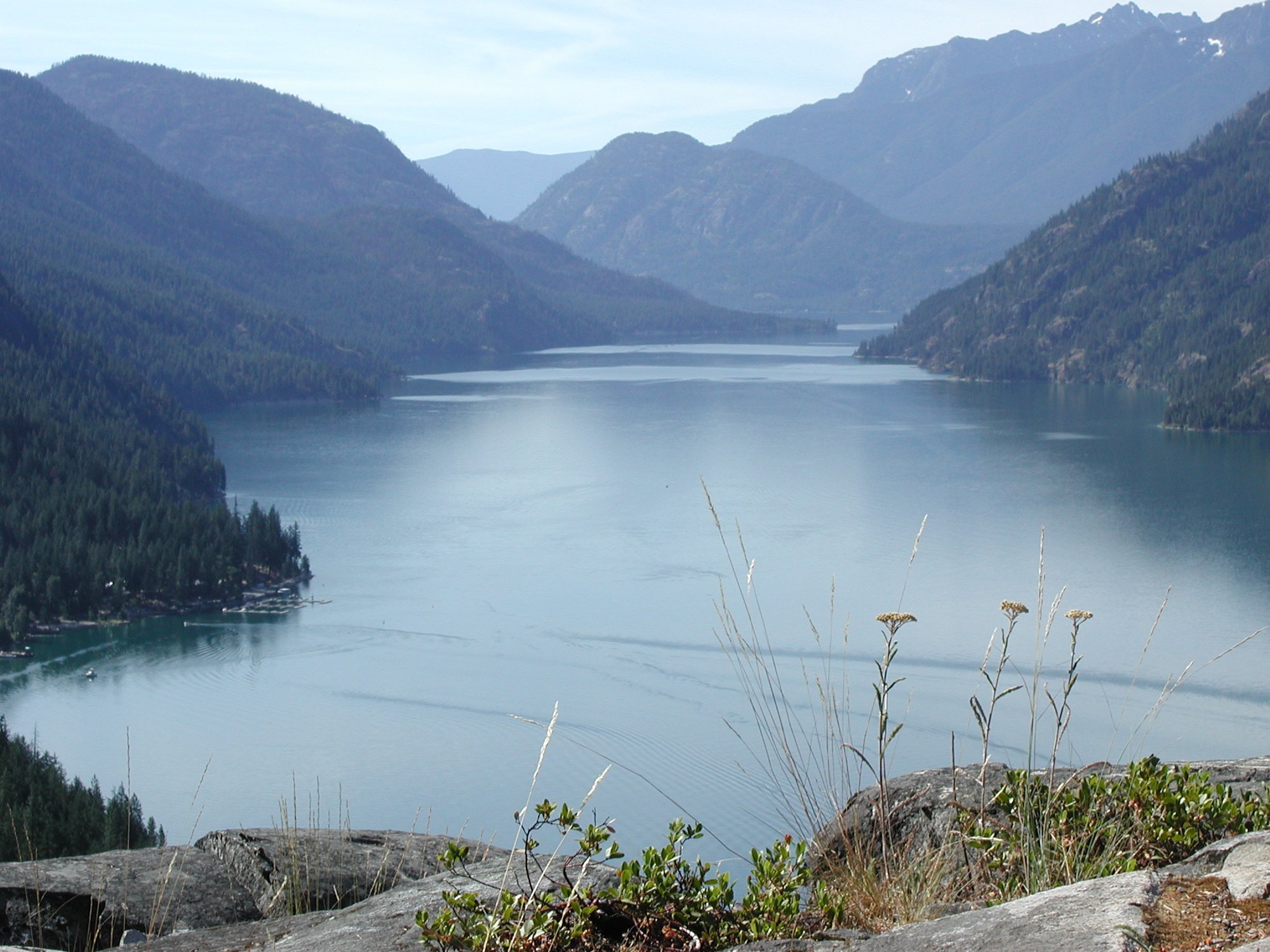
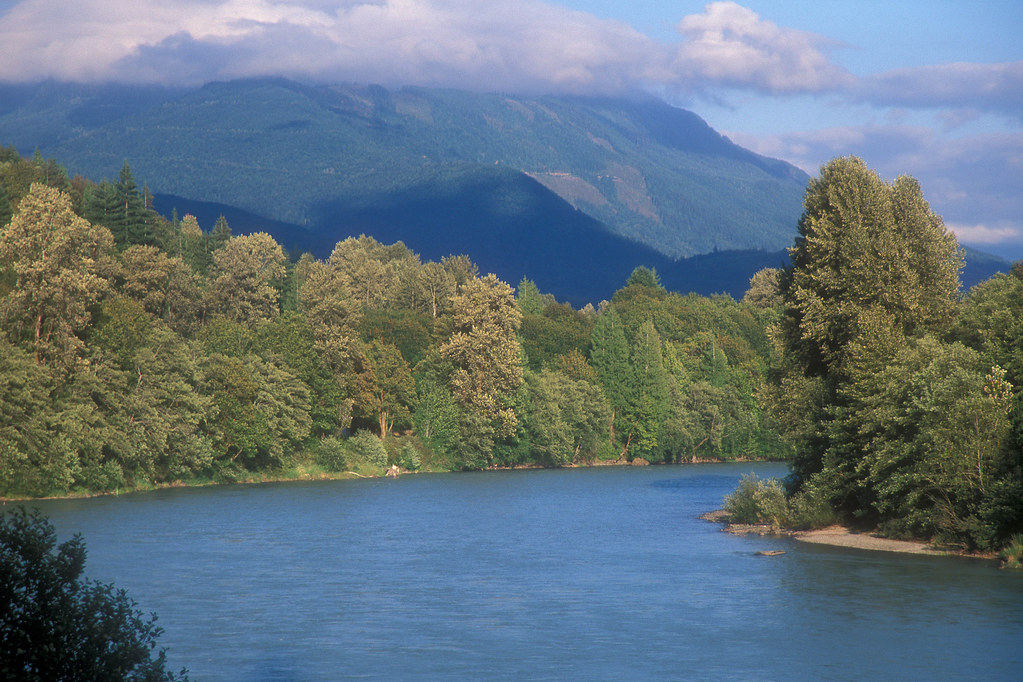
Species & education
Learn what type of fish are in Washington and what's needed to catch them.

Find which waters have the species you want to catch

Largemouth Bass

Smallmouth Bass
Micropterus dolomieu

Rainbow Trout
Oncorhynchus mykiss

Brown Trout
Salmo trutta

Brook Trout
Salvelinus fontinalis

Cutthroat Trout
Oncorhynchus clarkii clarkii (coastal cutthroat), O. clarkii lewisi (westslope cutthroat)

Northern Pike
Esox lucius

Muskellunge
Esox masquinongy x Esox lucius

Walleye
Sander vitreus

Black Crappie
Pomoxis nigromaculatus

American Shad
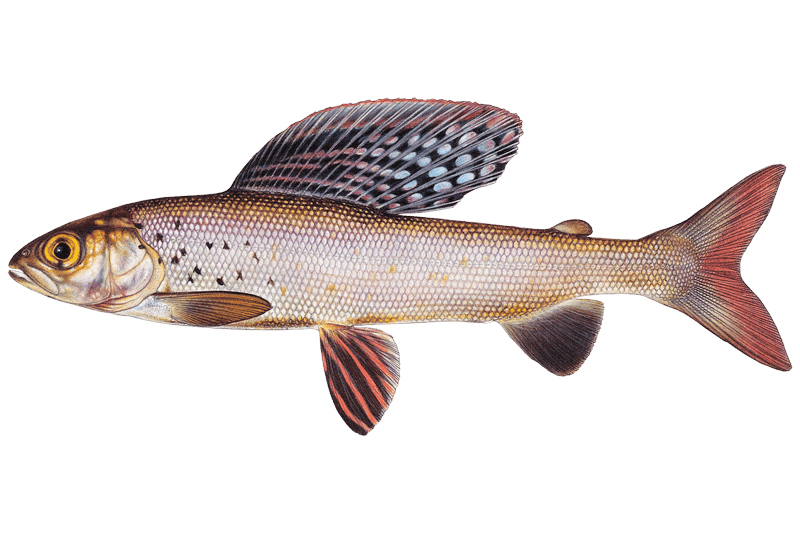
Arctic Grayling
Thymallus arcticus

Atlantic Salmon
Salmo salar

Black Bullhead
Ameiurus melas

Bridgelip Sucker
Catostomus columbianus

Brown Bullhead
Ameiurus nebulosus
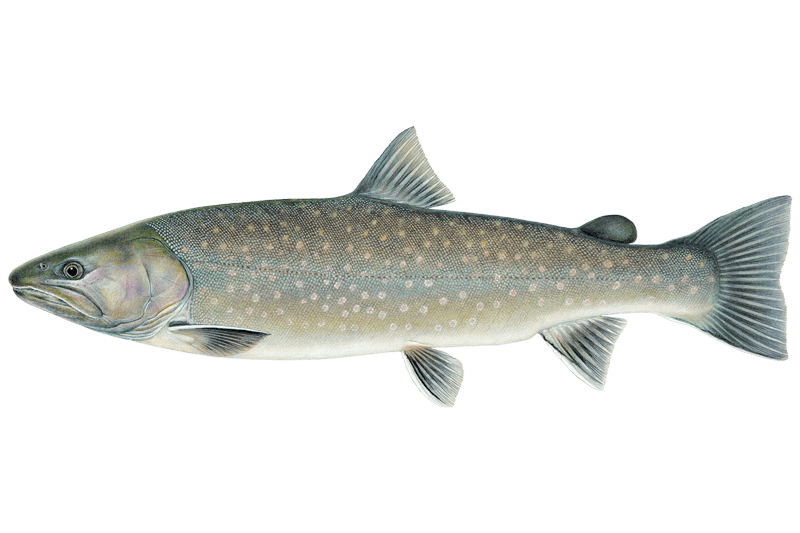
Bull Trout

Burbot
Lota lota

Channel Catfish
Ictalurus punctatus

Chinook Salmon
Oncorhynchus tshawytscha
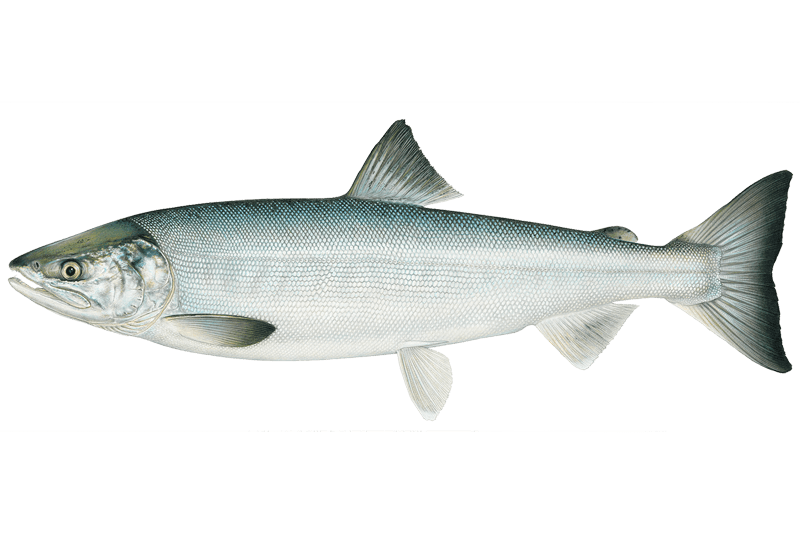
Chum Salmon
Oncorhynchus keta

Coastrange Sculpin
Cottus aleuticus

Coho Salmon
Oncorhynchus kisutch

Common Carp
Cyprinus carpio carpio
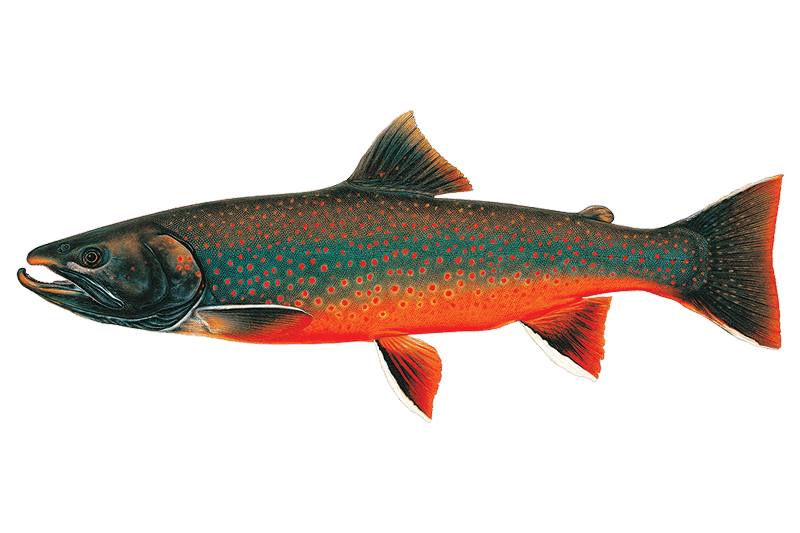
Dolly Varden
Salvelinus malma

Flathead Catfish
Pylodictis olivaris

Gizzard Shad
Dorosoma cepedianum
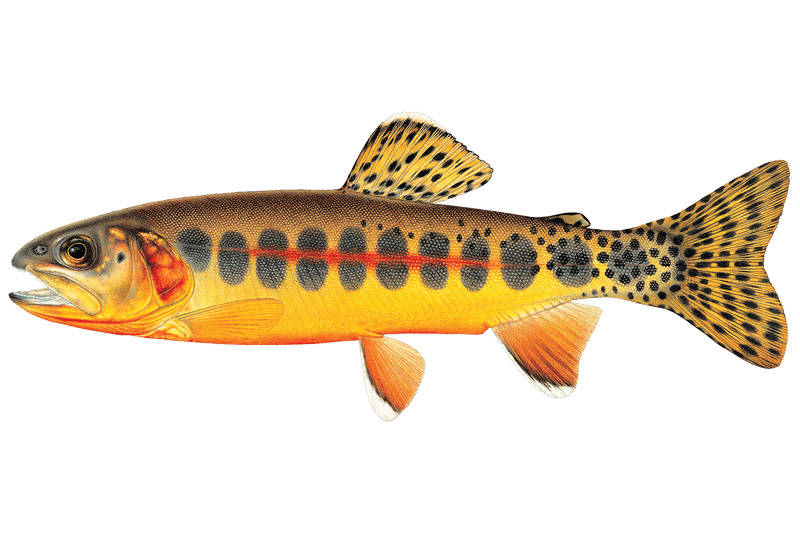
Golden Trout
Oncorhynchus mykiss aguabonita

Grass Carp
Ctenopharyngodon idella

Green Sunfish
Lepomis cyanellus
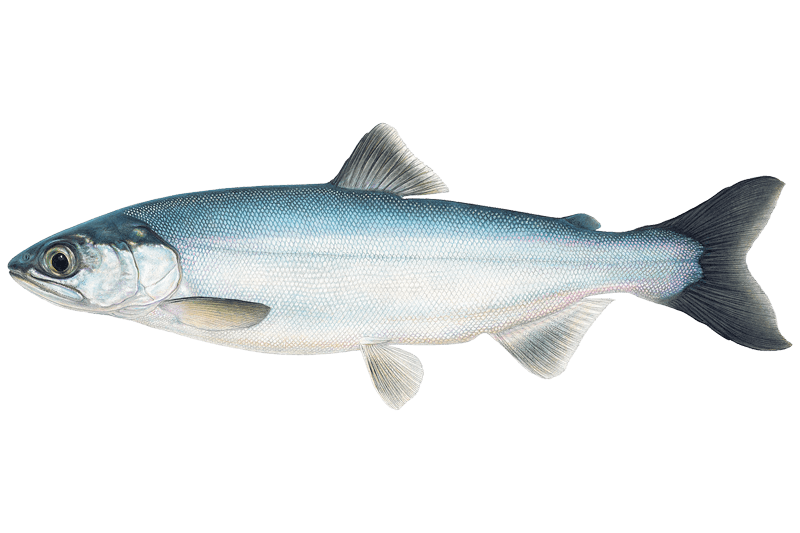
Kokanee Salmon
Oncorhynchus nerka

Lake Trout
Salvelinus namaycush
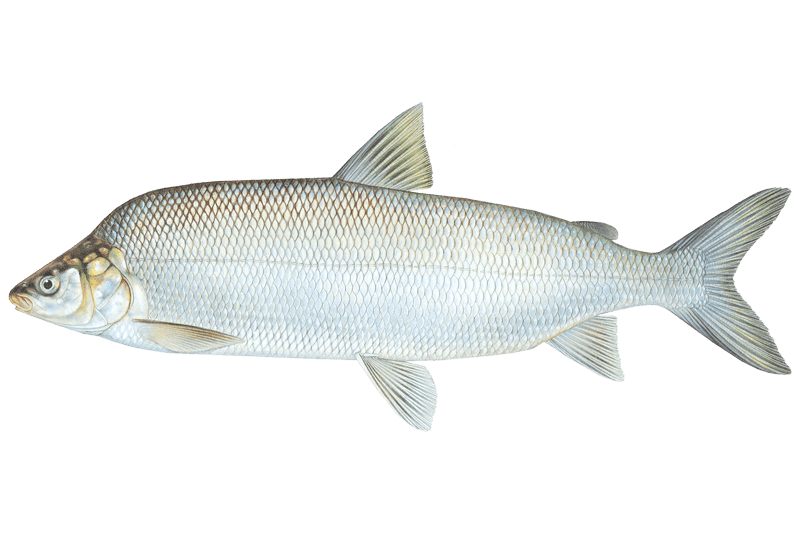
Lake Whitefish
Coregonus clupeaformis

Largescale Sucker
Catostomus macrocheilus

Longnose Sucker
Catostomus catostomus
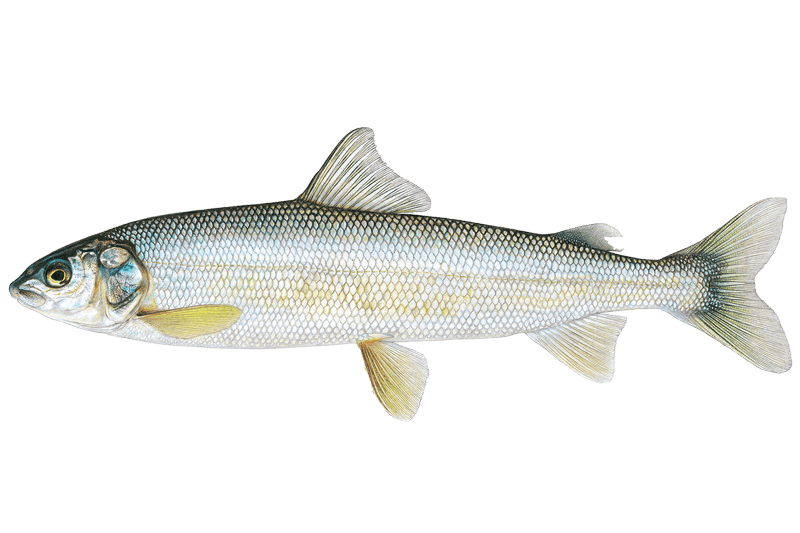
Mountain Whitefish
Prosopium williamsoni
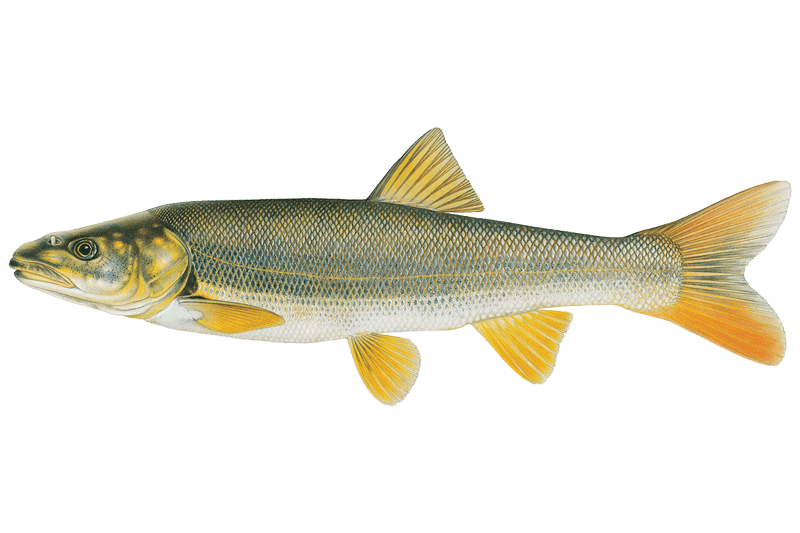
Northern Pikeminnow
Ptychocheilus oregonensis

Pacific Herring
Clupea pallasii

Pacific Lamprey
Entosphenus tridentatus

Pink Salmon
Oncorhynchus gorbuscha
Fishing guides in Washington
Book a trip with a local fishing guide through Guidesly.

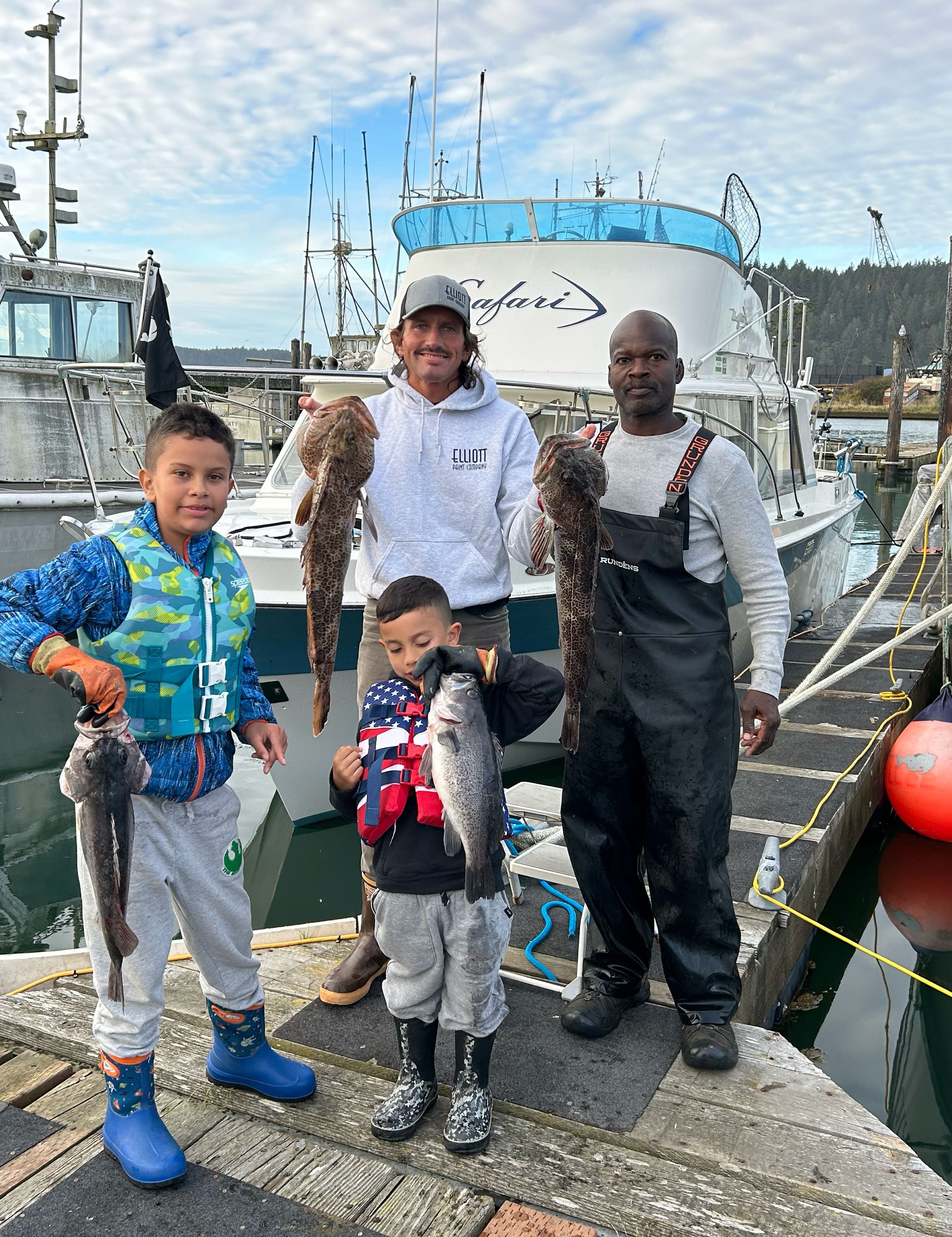
Lamont Nelson
KYS Outdoor adventures
5.0 (10 reviews)
Catch unforgettable Outdoor memories
Book on Guidesly, opens in new tab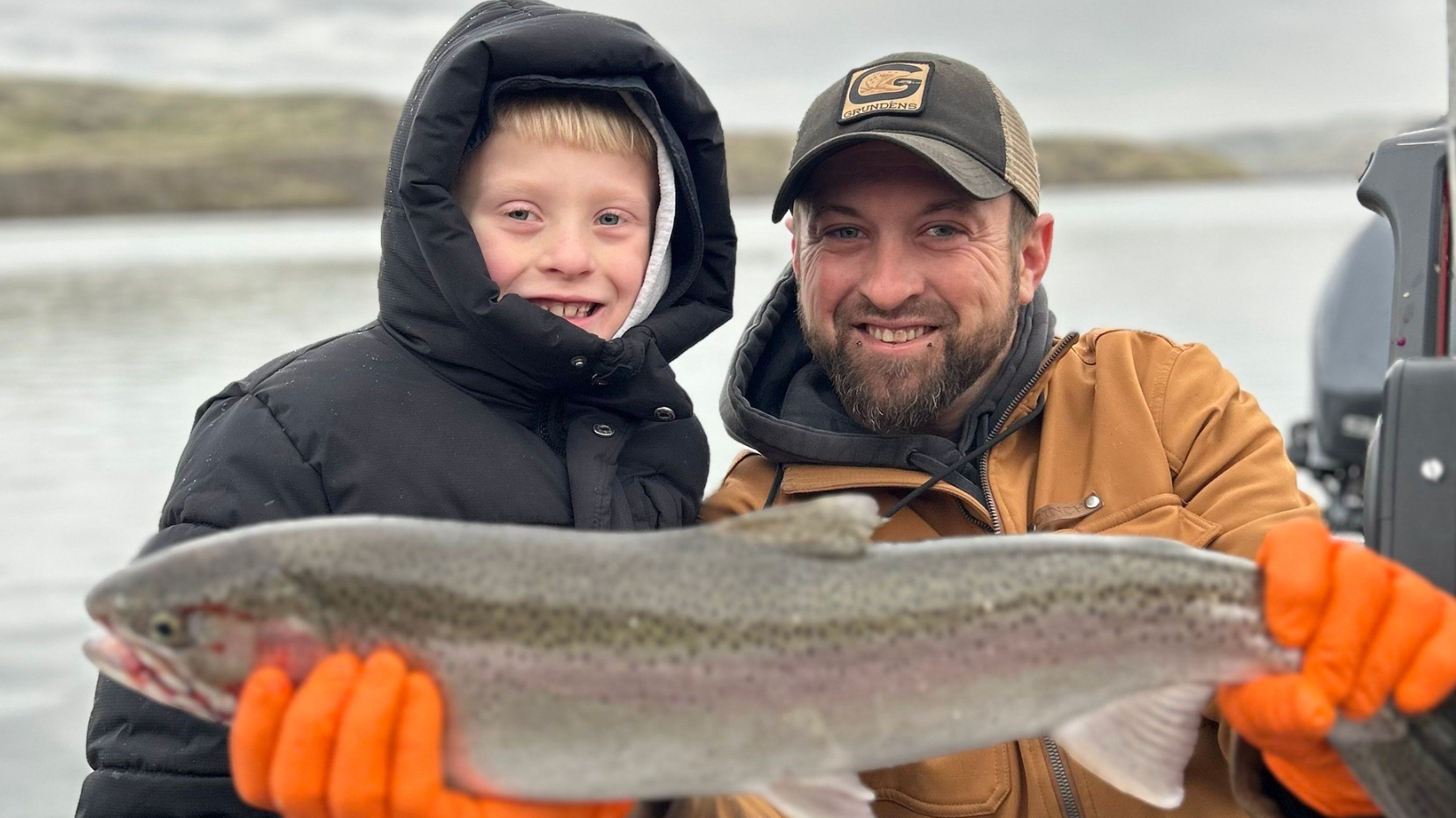
Leon Stafford
Riverlife Guide Service
5.0 (5 reviews)
Columbia River & Snake River Fishing Specialists
Book on Guidesly, opens in new tab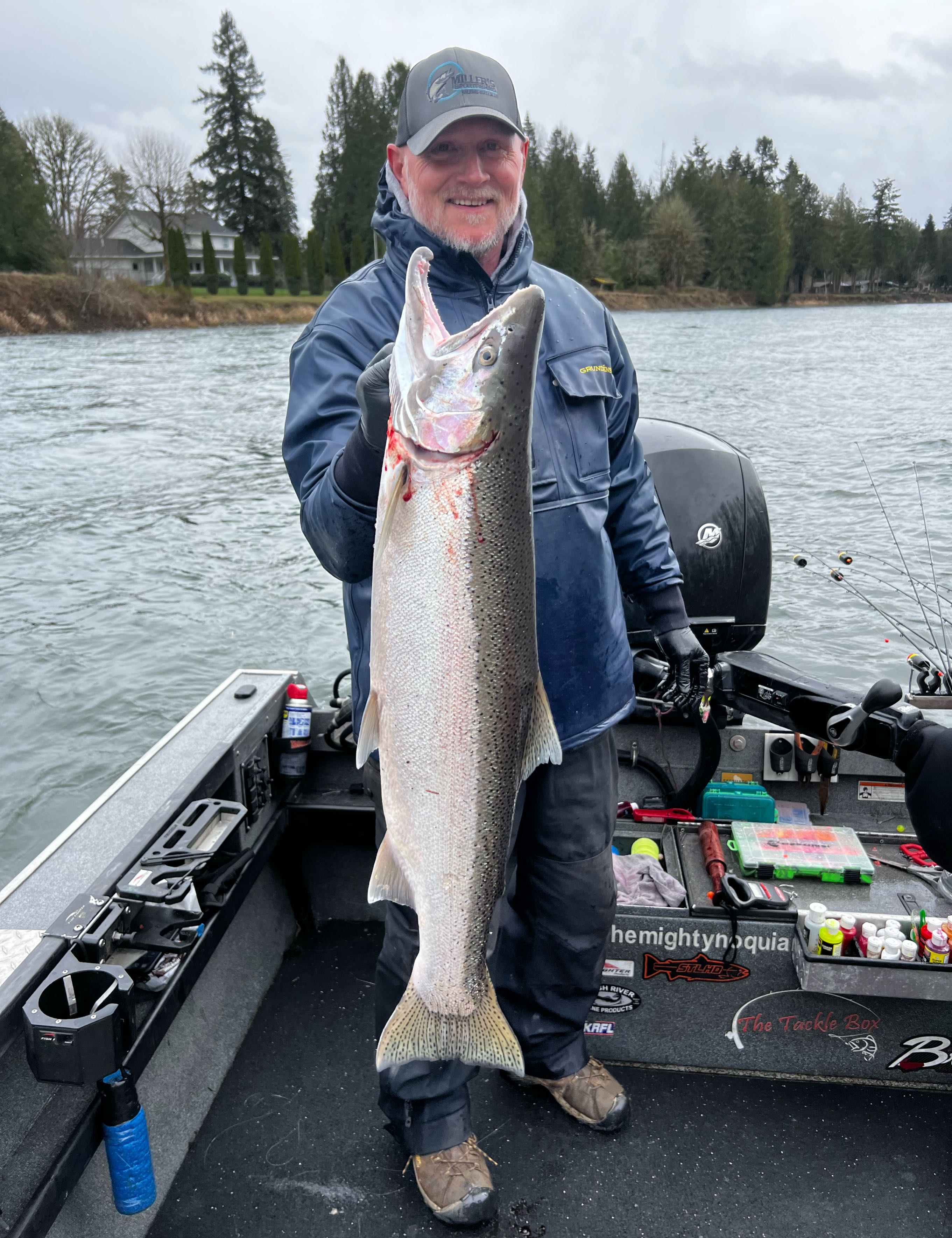
Jim Miller
Miller’s Sportfishing
5.0 (5 reviews)
Washington's Finest: Salmon & Steelhead Fishing!
Book on Guidesly, opens in new tab
Vernon Cross
Vern's Fishing Experience
5.0 (3 reviews)
Top Washington Fishing Charters
Book on Guidesly, opens in new tab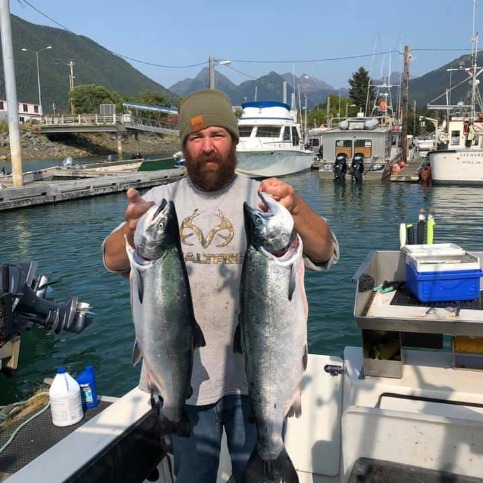
Tyler Basballe
Ripple Effects Charters
5.0 (1 review)
Family-friendly fishing trips in Neah Bay
Book on Guidesly, opens in new tab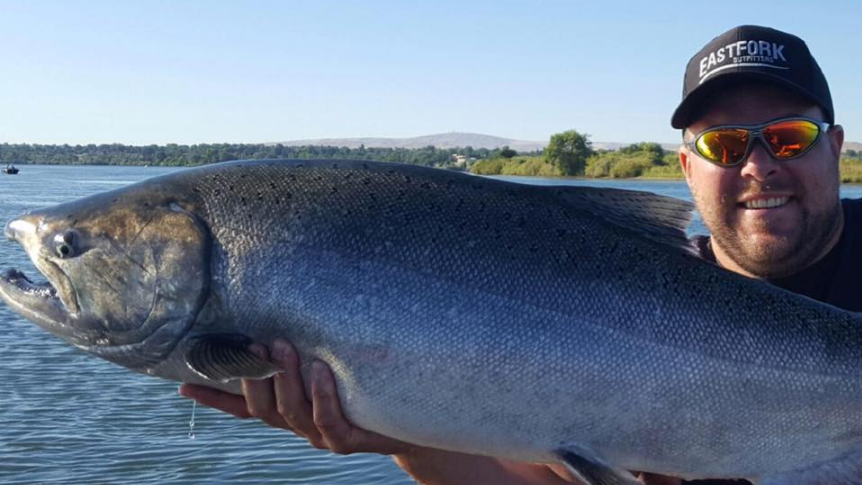
Thor Ostrom
Thunder Outdoors Fishing
5.0 (1 review)
Columbia River Fishing: Book Your Adventure Now!
Book on Guidesly, opens in new tab
Fish smarter with real-time insights
Whether you're en route and conditions shift or you're looking for the best spot based on current flows, we enable you to make informed decisions on the fly.







Washington licenses and regulations

Washington Boating Regulations
When using any type of watercraft to access a body of water, it is important to follow all federal, state, and local rules and regulations. These rules and regulations include boat permitting and licensing, invasive species inspections and stamps, life jacket and PFD rules, motor size and horsepower restrictions, noise limitations, restrictions on personal watercraft, and many more. Visit the web link below for the most current rules and regulations for this body of water.

Washington Fishing License
Residents and non-residents alike must have a license to fish or shellfish in Washington waters. Everyone age 15 and older needs a fishing license. You do not need a license if you are fishing for common carp, crawfish, bullfrogs, or collecting relic shells.
Washington Fishing Regulations
This river has a variety of species and regulations, including potential floating and/or watercraft restrictions. Because this river is specially managed for species, seasons, angling methods, and watercraft, it is strongly encouraged you check all federal, state, and local regulations before fishing. This river is prone to emergency regulations. Stay up to date on specific river regulation changes. Visit any of the links below, inquire locally, or contact a local fly shop to learn current regulations and restrictions.
Washington Stream Access Laws
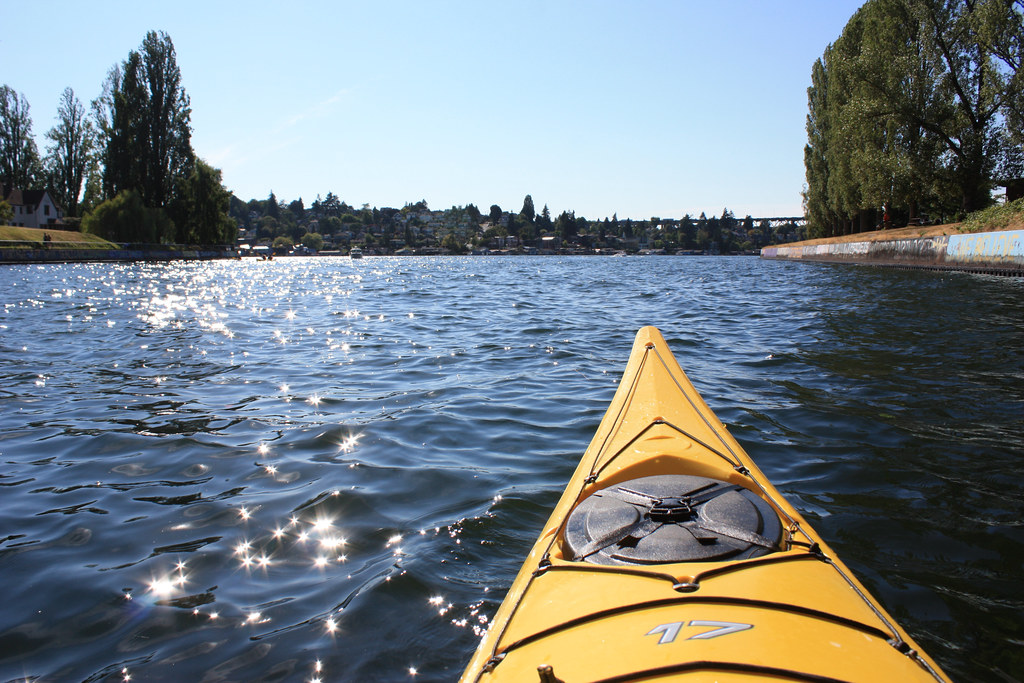
In Washington, the public has a right to use streams that are capable of floating a “bolt of shingles” during high flows. While a bolt of shingles is not large, this test does eliminate some smaller streams capable of being floated in a kayak. Washington does not recognize a right to portage across private land.
Explore Washington waters
Smarter Fishing Starts in the App.
onWater Fish gives you everything you need to plan smarter, fish better, and own every trip from first cast to last.