Fishing in Olympic National Park
- National Park
- Open 24 hours
- Lakes
- 82
- Rivers
- 276
- Access
- 13
- Boat Ramps
- 10
- Shops
- 0
- Species
- 15
Olympic National Park holds a remarkable concentration of water for a single protected area — more than 800 lakes, roughly 4,000 miles of rivers and streams, and over 75 miles of Pacific coastline.
The park occupies the core of Washington's Olympic Peninsula, with river drainages radiating outward from a glaciated mountain interior through old-growth rainforest valleys to the sea.
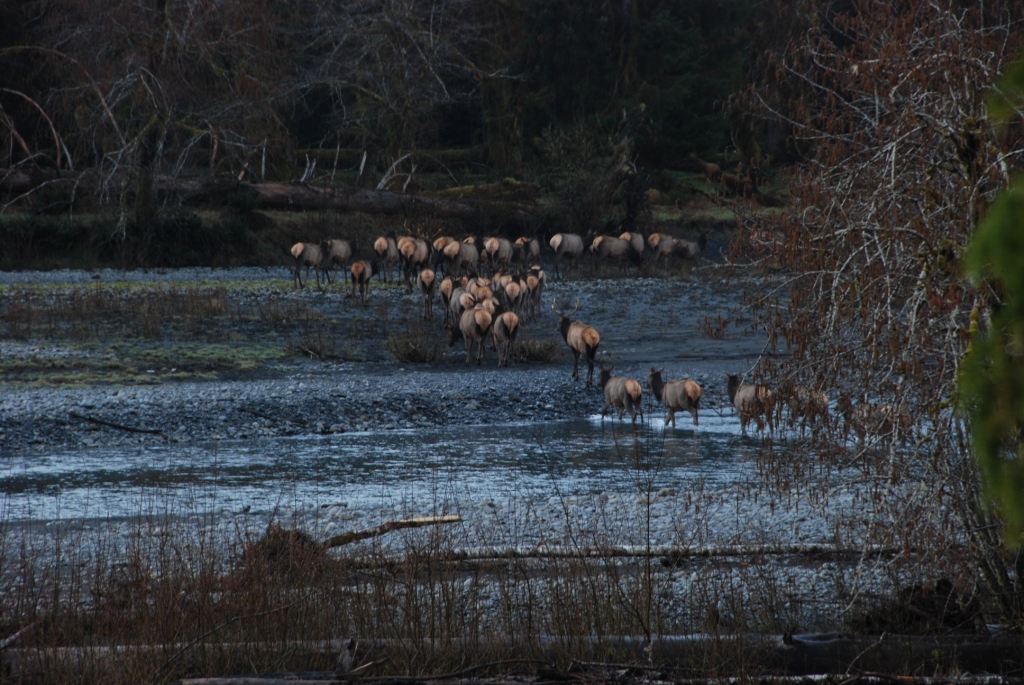
That geography means the fishing spans alpine lakes, wild rainforest rivers, and saltwater shoreline, each with its own species and rhythms. The rainforest rivers are what draw most anglers.
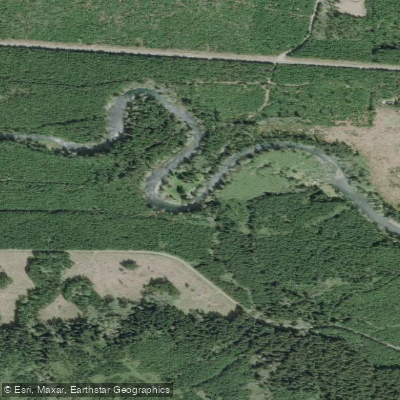
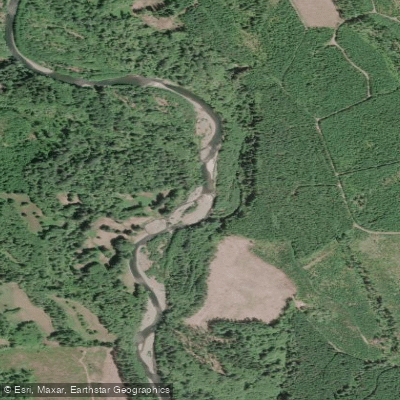
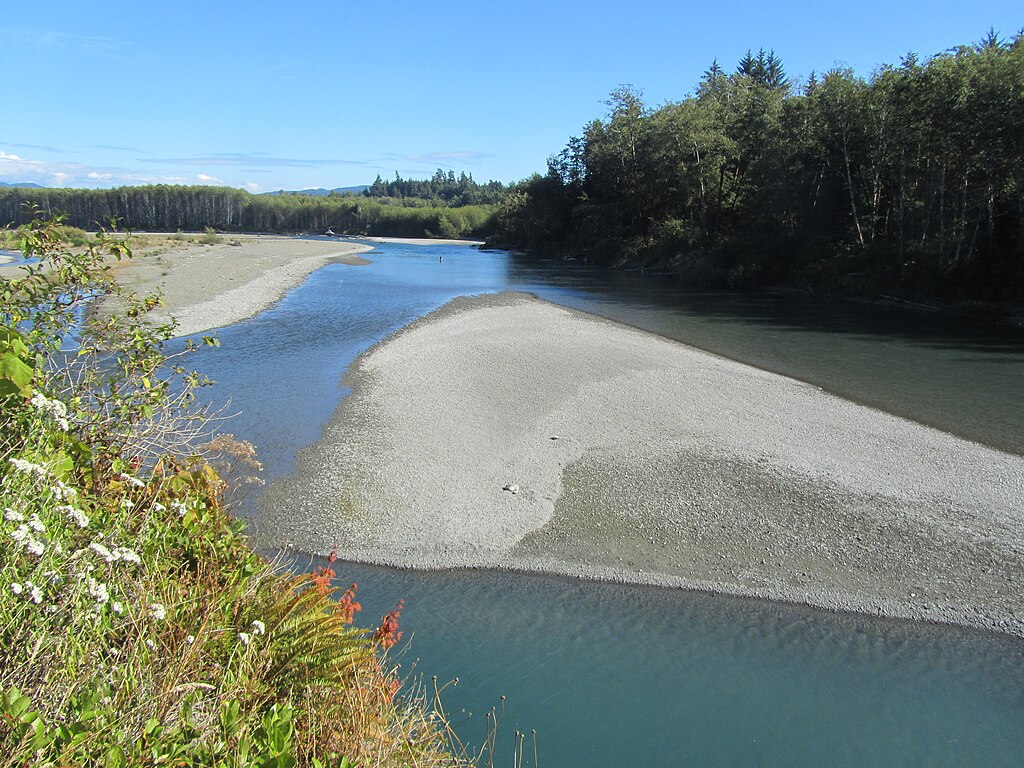
The Sol Duc, Bogachiel, Hoh, Queets, and Quinault all originate in the park's high country and carry runs of wild steelhead, Chinook, and coho salmon.
Winter steelhead are the signature pursuit on these rivers, though the fishing is demanding — highly variable flows and fish that move constantly with water conditions keep anglers honest.
The Queets mainstem is open to fishing in summer and fall under the current regulations, with a catch-record card required for salmon and steelhead.
The Quinault has been subject to emergency closures to protect wild steelhead; check current regulations before planning any trip around it.
The Elwha, now free of both dams after the largest river restoration project in the country's history, remains closed to fishing inside the park as restoration continues. Lake Crescent is the park's most distinctive stillwater.
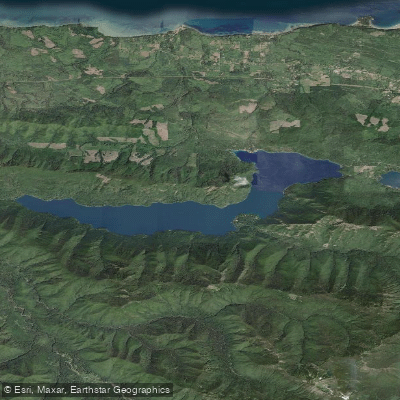
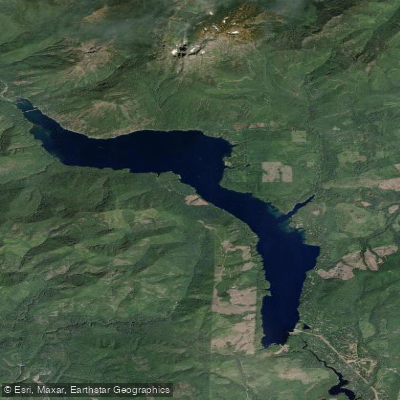
Exceptionally clear and deep, it holds two trout found nowhere else — Beardslee rainbow and Crescenti cutthroat — and has produced Beardslee fish pushing 14 pounds. Fishing from a floating boat improves access considerably.
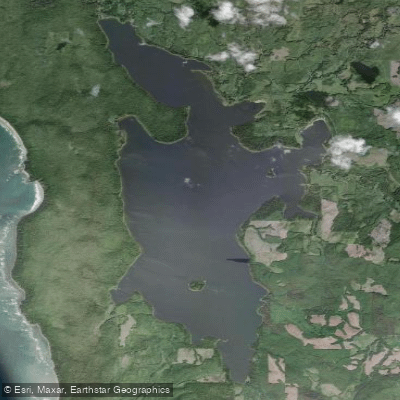
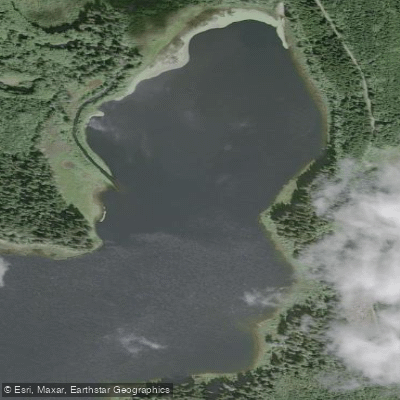
Lake Ozette, near the coast, also draws anglers. The alpine lakes scattered through the backcountry offer smaller trout in remote settings; reaching most of them requires a serious hike and an overnight wilderness permit.
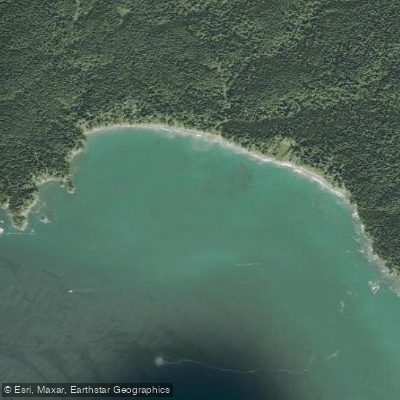
Along the Pacific coast, redtail surfperch and rockfish are present on sandy and gravel beaches, and sea-run cutthroat move into coastal creeks during summer high tides and freshets. Park regulations differ meaningfully from standard Washington state rules.
A state fishing license is not required for most park freshwaters, but a Washington State catch-record card is required when fishing for salmon or steelhead.
Most open waters require artificial lures with a single barbless hook; some sections are fly-fishing only. Bull trout and Dolly Varden must be released if caught.
All waters are closed to fishing unless explicitly opened in the park's Fish & Shellfish Regulations booklet, which runs May 1 through April 30.
River-specific closures can change on short notice — the park posts updates at trailhead bulletin boards, and the regulations booklet is the authoritative source. The best waters here tend to be uncrowded.
That's partly the terrain and partly the regulations, which ask more of anglers than most places do. Come prepared to read the rules carefully, and the park will give you room to fish.
Species & education
Learn what type of fish are in Olympic National Park and what's needed to catch them.
Find which waters have the species you want to catch

Bull Trout
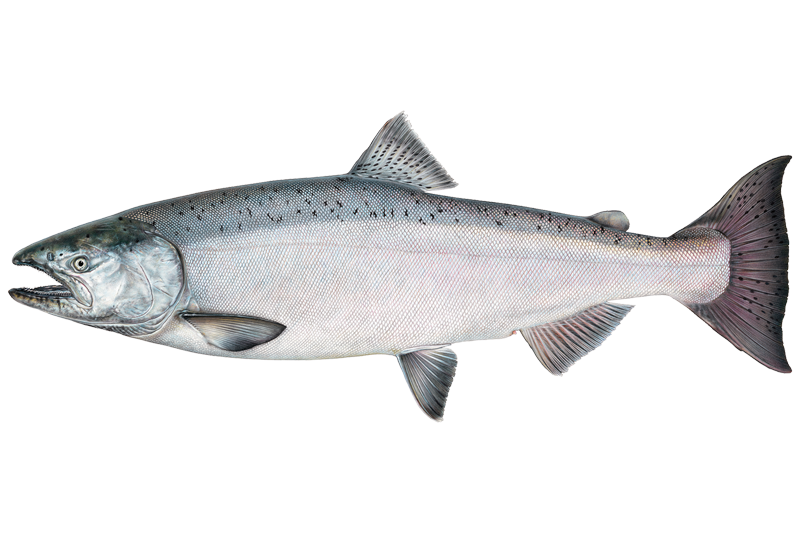
Chinook Salmon
Oncorhynchus tshawytscha

Chum Salmon
Oncorhynchus keta
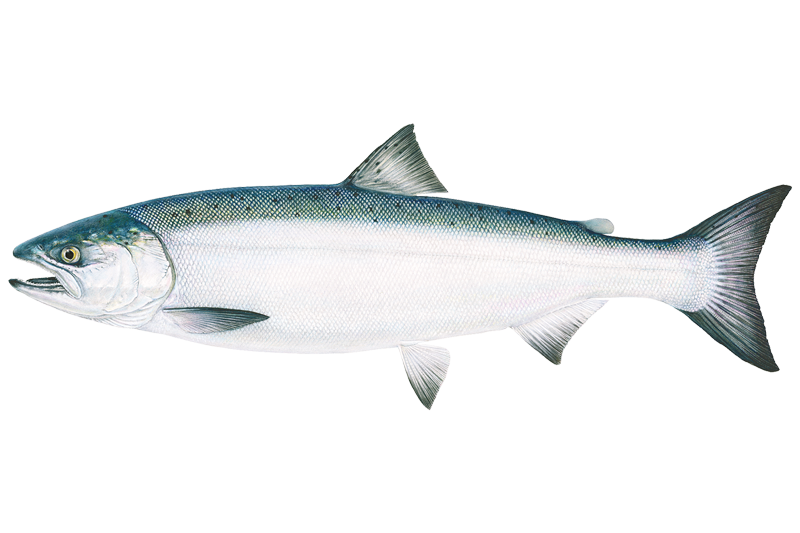
Coho Salmon
Oncorhynchus kisutch
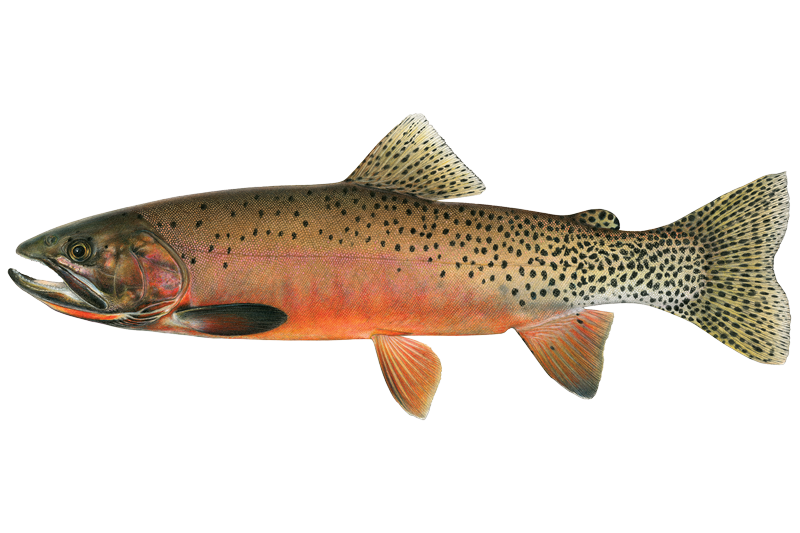
Cutthroat Trout
Oncorhynchus clarkii clarkii (coastal cutthroat), O. clarkii lewisi (westslope cutthroat)
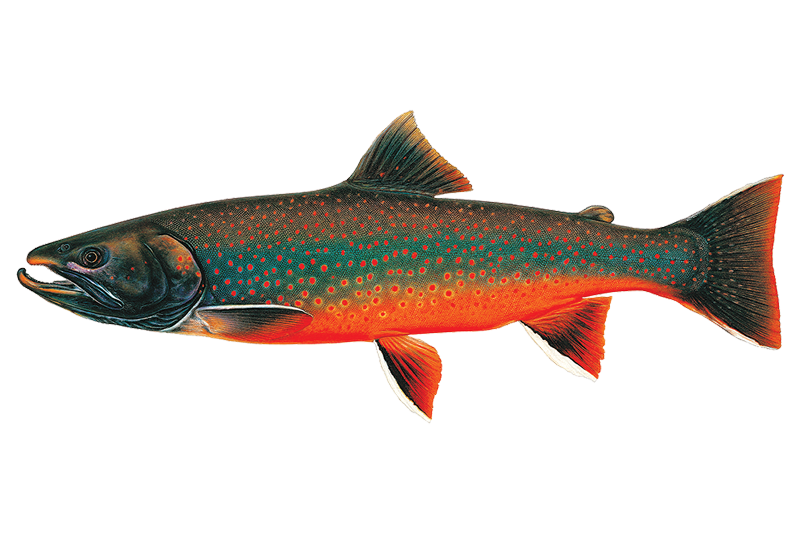
Dolly Varden
Salvelinus malma

Mountain Whitefish
Prosopium williamsoni

Pink Salmon
Oncorhynchus gorbuscha

Rainbow Trout
Oncorhynchus mykiss

Sockeye Salmon
Oncorhynchus nerka

Steelhead
Oncorhynchus mykiss

White Sturgeon
Acipenser transmontanus

Largemouth Bass
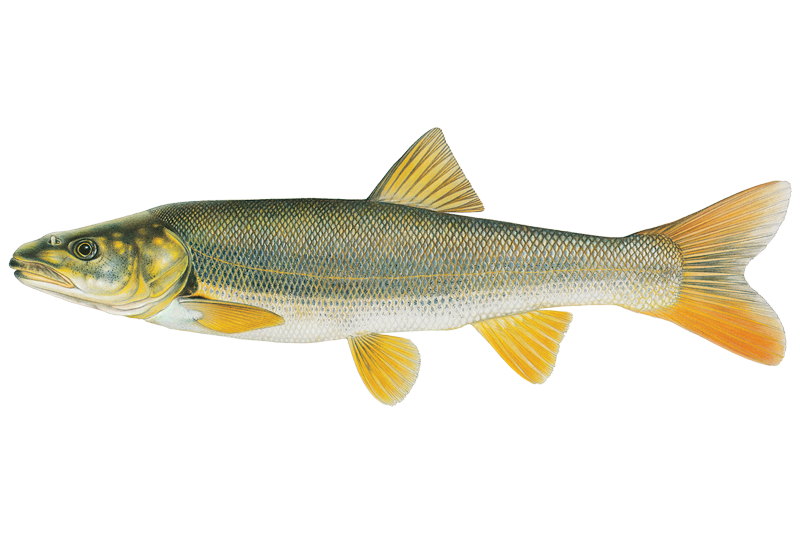
Northern Pikeminnow
Ptychocheilus oregonensis

Yellow Bullhead
Ameiurus natalis
Water and weather conditions (10 day forecast)
See the best times to fish Olympic National Park and check the forecast before you go.
No forecast data available.
Park alerts & road status
Closures and conditions Olympic National Park has posted, from the National Park Service.
Checking the park's alerts…
Hours & fees
When Olympic National Park is open and what it costs to get in, from the National Park Service.
Hours
Open 24 hoursOlympic National Park is open 24 hours a day year-round, although some roads, campgrounds and facilities are open seasonally.
Entrance fees
- Entrance - Private Vehicle$30
- Valid for seven consecutive days. Applies to private, non-commercial vehicles (15 passenger capacity or less). The pass covers all vehicle occupants.
- Entrance - Motorcycle$25
- Valid for 7 days. Admits up to 2 private, non-commercial motorcycles with up to 4 total passengers.
- Entrance - Per Person$15
- Valid for seven consecutive days. This fee admits one person without a vehicle, including hikers, bicyclists, and pedestrians. Individuals fifteen years or younger are admitted free of charge.
- Commercial Entrance - Van$75
- A commercial tour is defined as persons traveling on an itinerary that has been packaged, priced or sold for leisure recreational purposes by an organization that realizes financial gain through the provisions of the service.
- Commercial Entrance - Mini-bus$100
- A commercial tour is defined as persons traveling on an itinerary that has been packaged, priced or sold for leisure recreational purposes by an organization that realizes financial gain through the provisions of the service.
Parking & getting around
Where to leave the car in Olympic National Park. Lots fill early on busy days, so plan where you will park before you head for the water.
Olympic National Park Visitor Center
This is the parking lot for the main park visitor center, located in Port Angeles, WA. Visitors stop here for general park information/orientation, exhibits, park film, children's Discovery Room, sales area, back-country planning and permits at the Wilderness Information Center, nature trails, and restrooms. Special parking lane for RVs.
Getting around
You can reach Olympic National Park via the I-5 corridor or by any one of the quieter state roadways. Once you arrive on the Olympic Peninsula connect to Hwy 101 to reach any destinations in and around Olympic National Park. From Olympia: take I-5 to Hwy 101 From Tacoma: take State Route 16 to Bremerton; take State Route 3 north from Bremerton to State Route 104. From Washington/Oregon Coast connect to Hwy 101 in Aberdeen.
Directions on nps.govFishing guides near Olympic National Park
Book a trip with a local fishing guide through Guidesly.

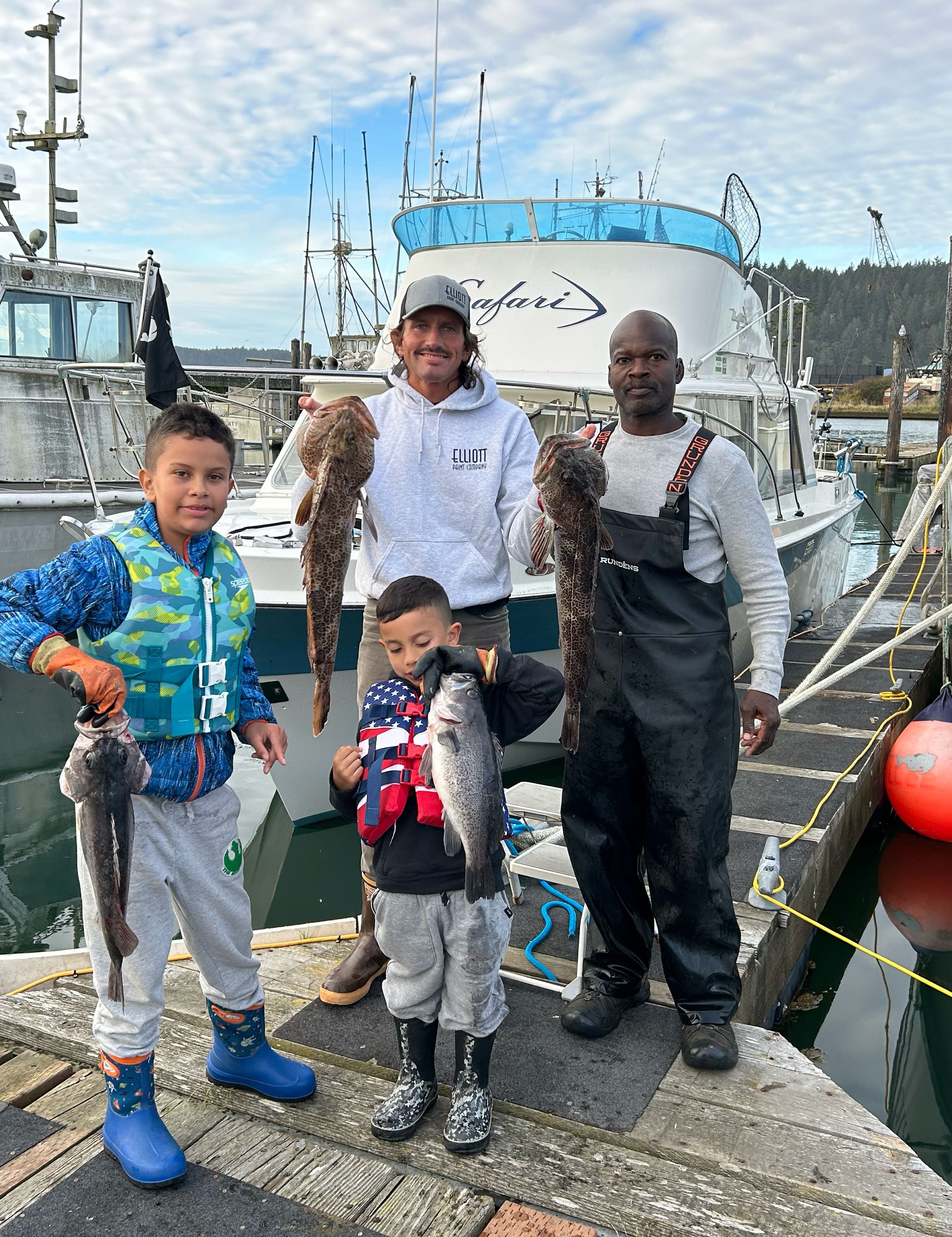
Lamont Nelson
KYS Outdoor adventures
5.0 (10 reviews)
Catch unforgettable Outdoor memories
Book on Guidesly, opens in new tab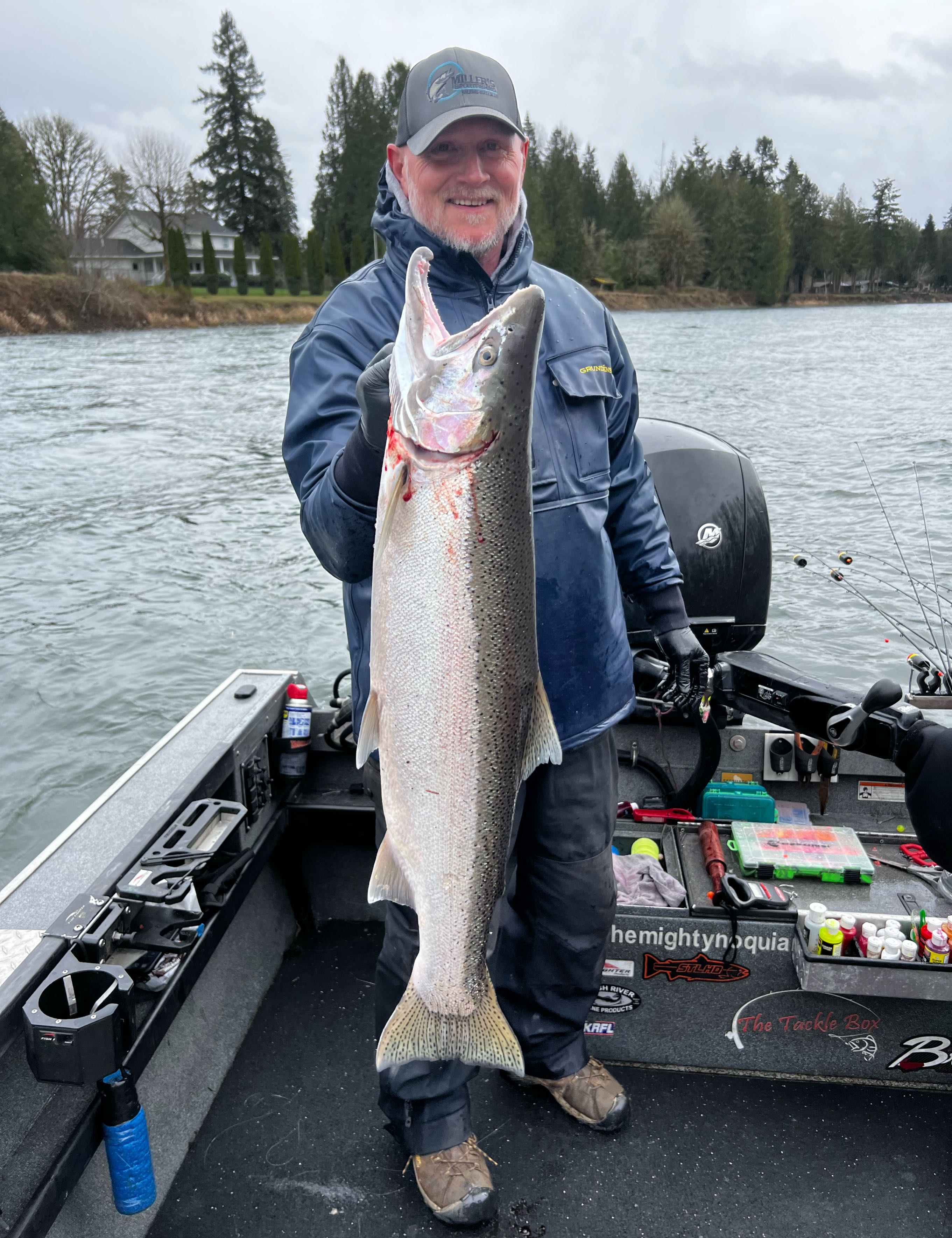
Jim Miller
Miller’s Sportfishing
5.0 (5 reviews)
Washington's Finest: Salmon & Steelhead Fishing!
Book on Guidesly, opens in new tab
Tyler Basballe
Ripple Effects Charters
5.0 (1 review)
Family-friendly fishing trips in Neah Bay
Book on Guidesly, opens in new tab
Christine Dooley
Chris's Guide Service
Salmon River Guided Fishing Trips in Washington
Book on Guidesly, opens in new tab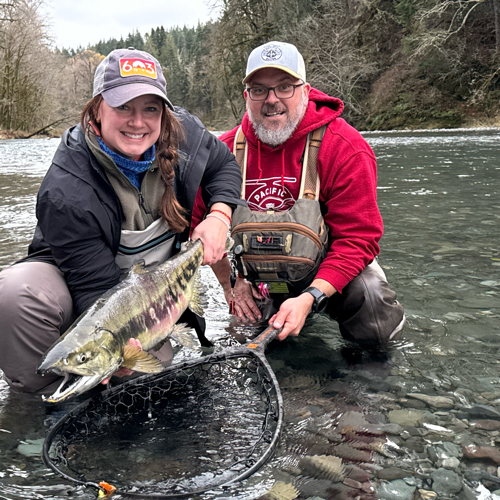
Kyle Faust
Pacific Rover LLC
Private fly fishing trips in the PNW.
Book on Guidesly, opens in new tab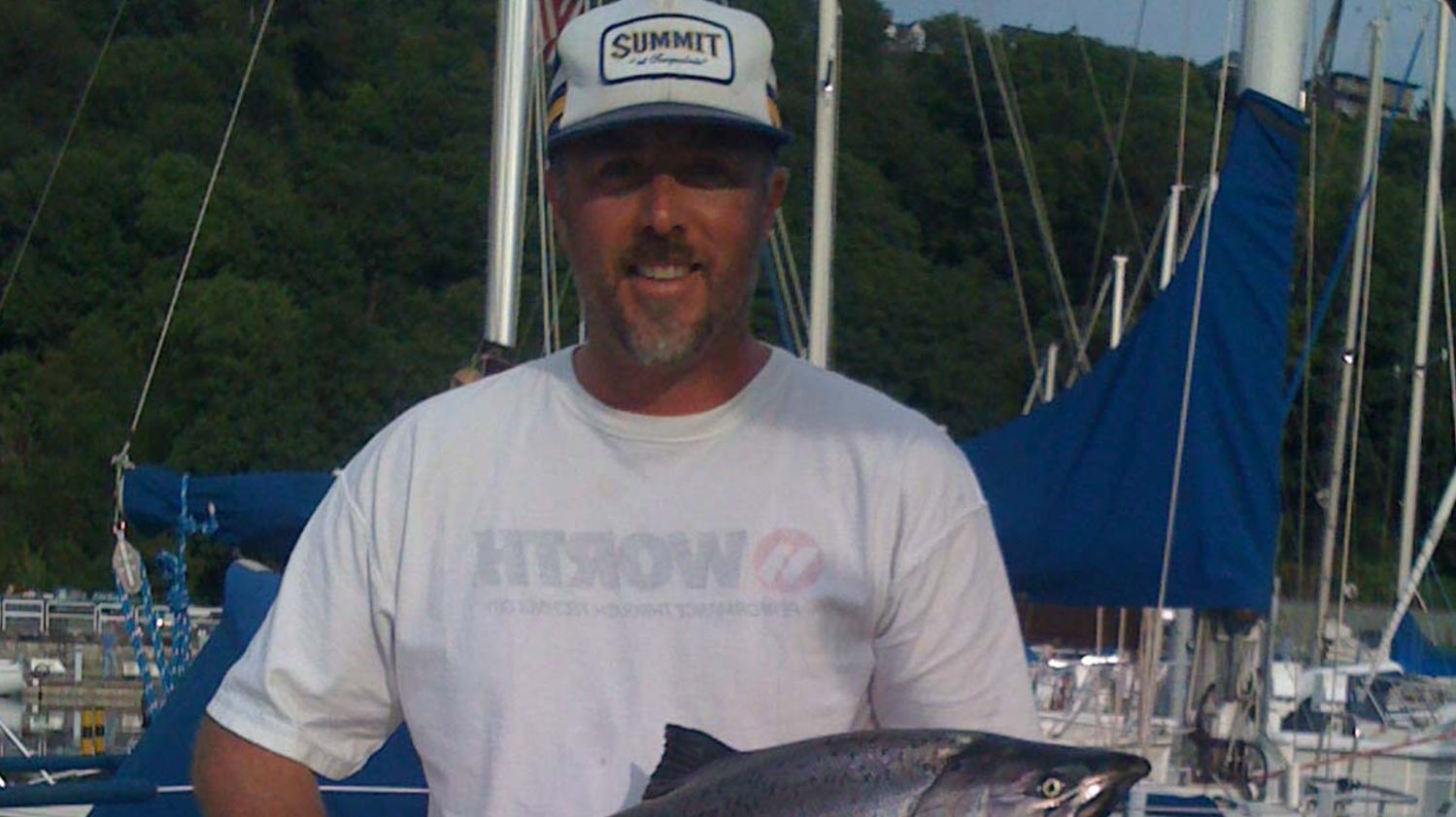
David Godfrey
Wind Knot Salmon Guides
Seattle Salmon Fishing | Wind Knot Salmon Guides
Book on Guidesly, opens in new tab
Fish smarter with real-time insights
Whether you're en route and conditions shift or you're looking for the best spot based on current flows, we enable you to make informed decisions on the fly.




Fishing near Olympic National Park
Loading...
Gateway towns
Where to base yourself for fishing in Olympic National Park.
Main north-entrance hub with the park visitor center, closest access to Hurricane Ridge, and guided hiking outfitters based here.
- ForksWA
Best base for the Hoh Rain Forest and the park's wild Pacific coast beaches on the west side.
- SequimWA
Quieter alternative base on the north side with hotels and services for visitors exploring the same northern entrances as Port Angeles.
- AberdeenWA
Southern gateway town on Hwy 101 where visitors entering the park from the south begin the loop around the Olympic Peninsula.
Olympic National Park fishing rules
The park's own rules, on top of Washington licenses and regulations. Limits, fees and closures change, so check the park's page before you go.

Park fishing regulations apply
Olympic National Park publishes its own Fish and Shellfish Regulations each year. All park waters are closed to removing fish and shellfish unless those regulations specifically allow it. Check the current booklet and local bulletin boards before you fish.
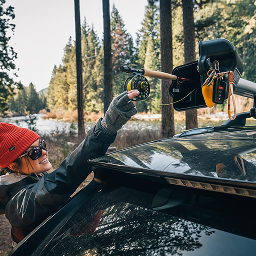
Artificial lures and barbless hooks only
Most park freshwater waters require artificial lures with a single barbless hook. Bait and treble hooks are not permitted on these waters. Check the regulations for any exceptions.
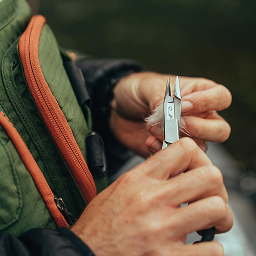
Bull trout and Dolly Varden off limits
Fishing for bull trout and Dolly Varden is prohibited in all park waters. If you accidentally catch one, you must release it immediately.
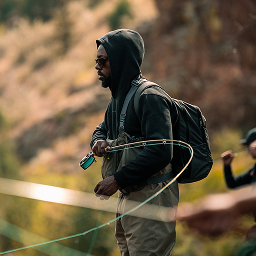
Wild fish must be released
All wild fish species must be released unless the park regulations specifically allow you to keep them. Check the current regulations to see which hatchery fish, if any, may be retained.
Fishing hours are limited
You may only fish from one hour before official sunrise to one hour after official sunset. Waters are closed outside those hours.
Shellfish license required on coast
A Washington State Shellfish and Seaweed license is required to harvest shellfish along the coast. Harvesting seaweed, kelp, and unclassified species is prohibited.
Explore Olympic National Park
Top fishing waters
Popular Cities
Loading popular cities...

Smarter Fishing Starts in the App.
onWater Fish gives you everything you need to plan smarter, fish better, and own every trip from first cast to last.