Longnose Sucker

Longnose Sucker is a native species found throughout Washington, ranging from western Labrador to Colorado, Idaho, and Washington.
Scientific Name: Catostomus catostomus
- These fish are distinguished by their cylindrical body, distinctive horizontal suction-cup mouth, and long rounded snout, with coloration varying from olive to gray above and white or cream below.
- During breeding season, both sexes develop red lateral stripes.
Fishing in Washington
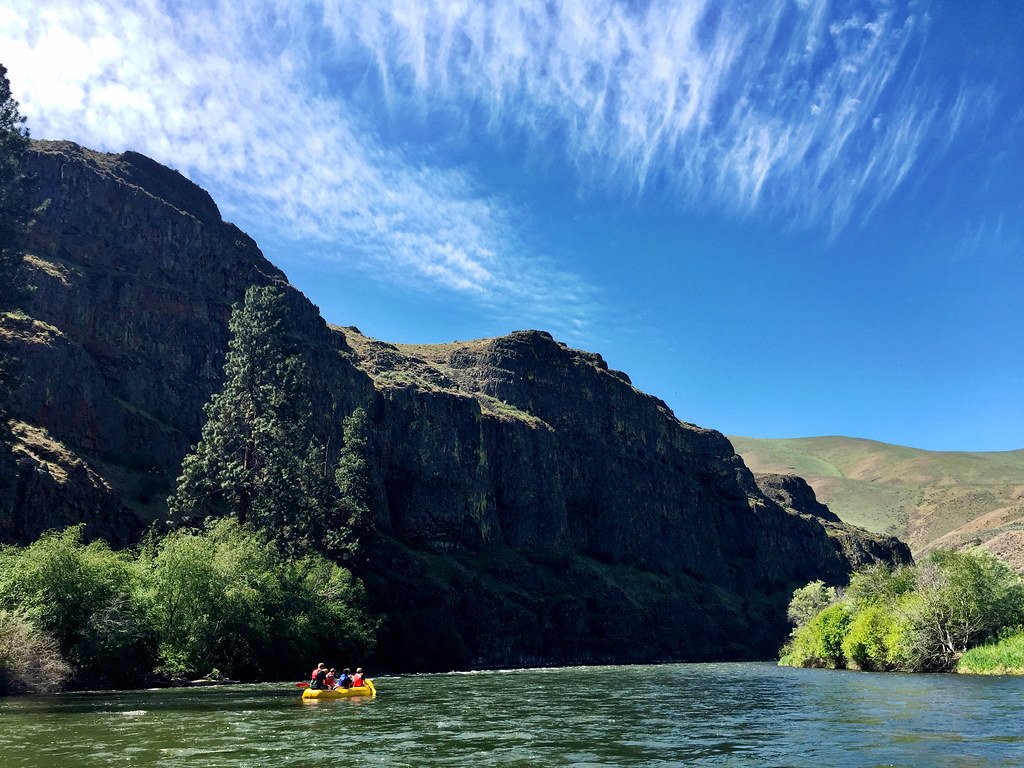
Yakima River
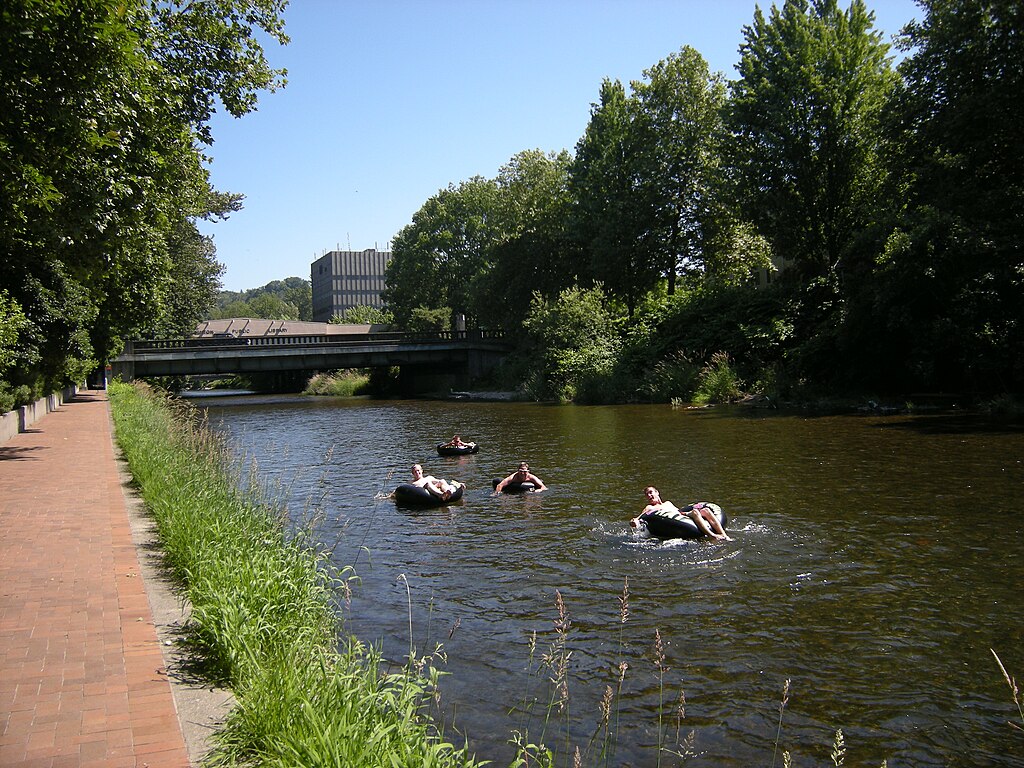
Cedar River
Puyallup River
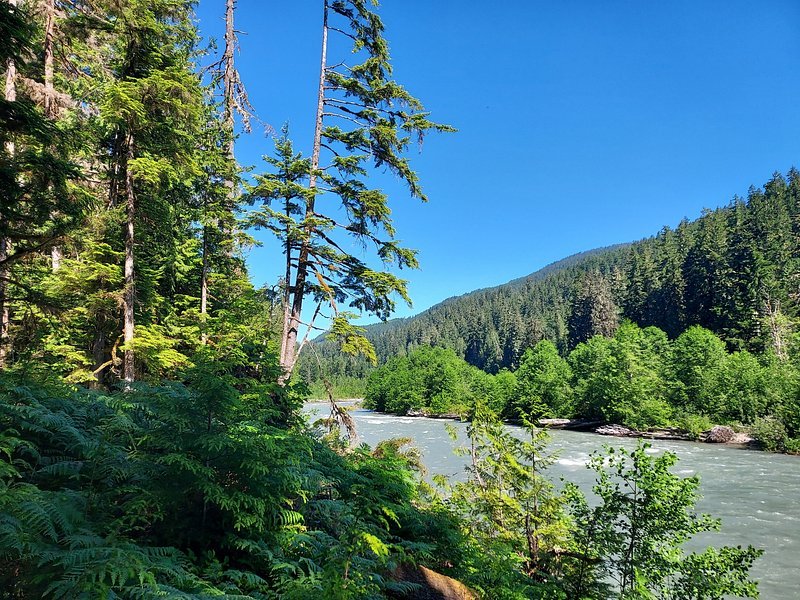
Snoqualmie River
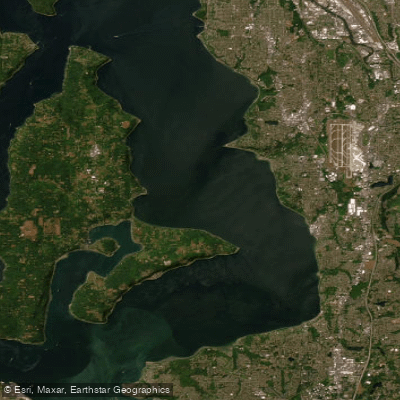
East Passage
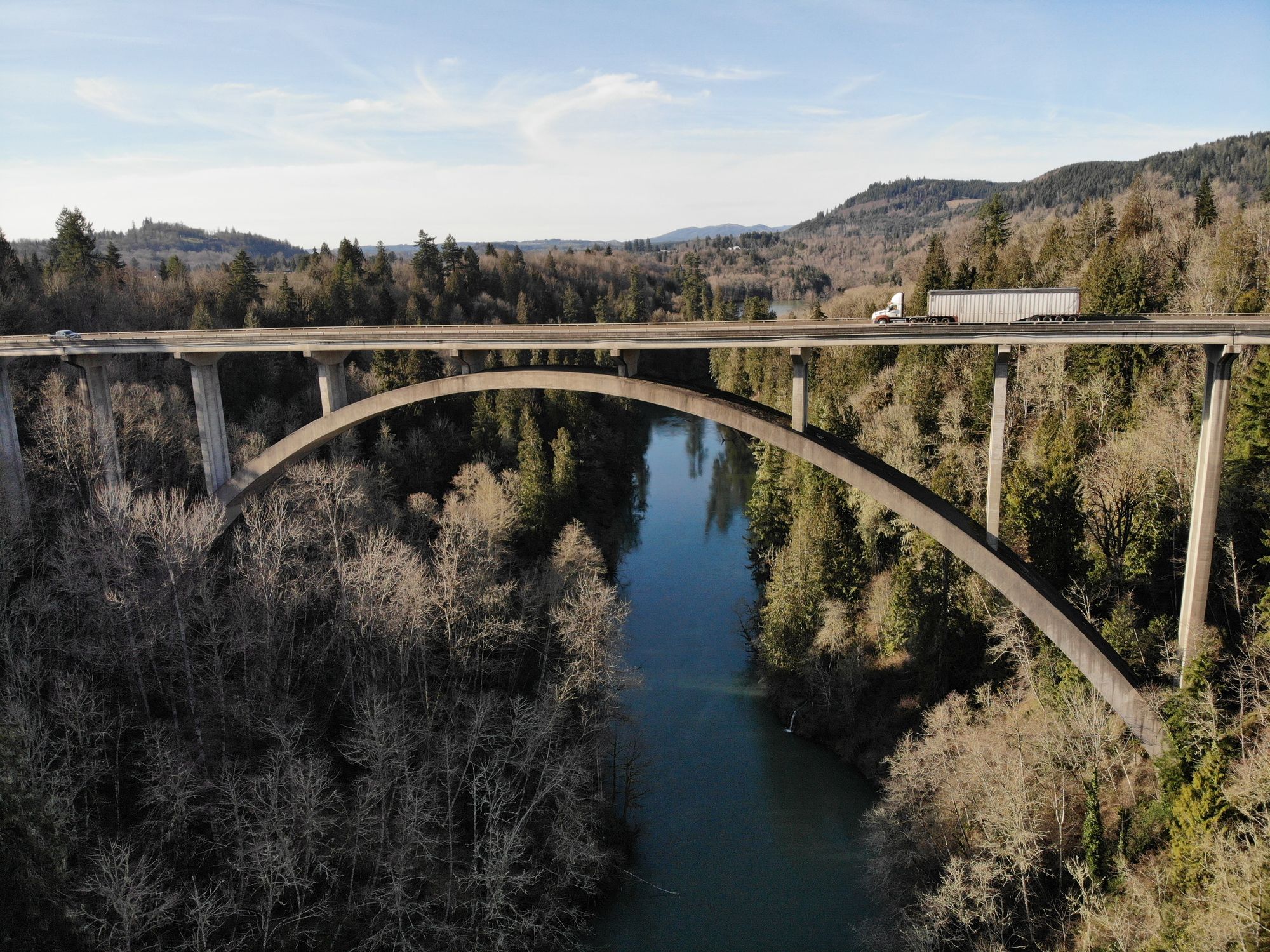
Cowlitz River
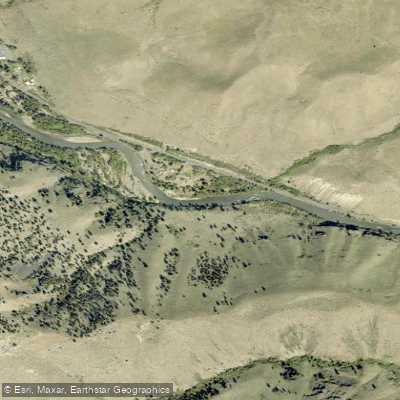
Naches River
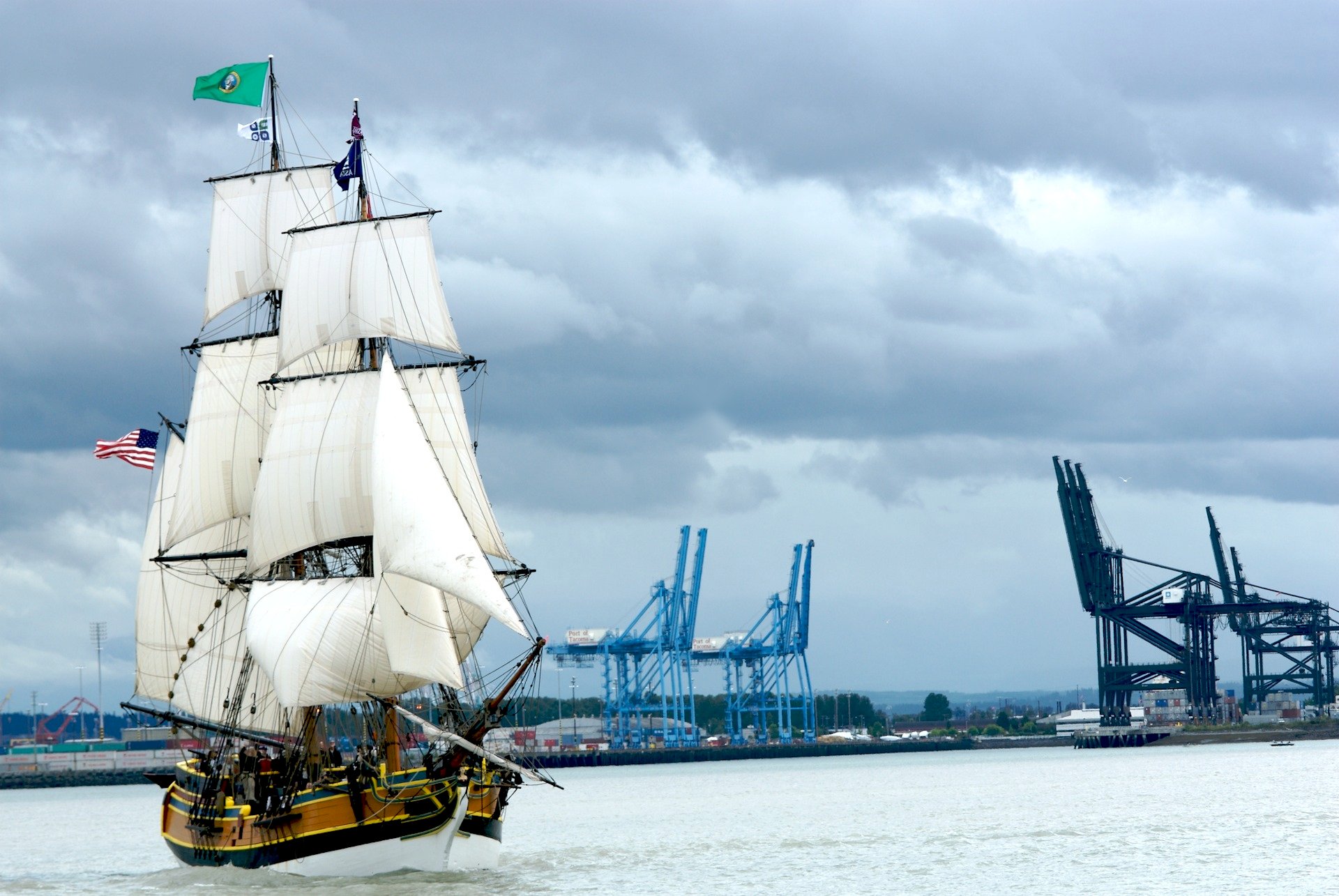
Commencement Bay
Cle Elum River
What to know
Habitat Distribution
- In Washington waters, they inhabit cold, clear streams with clean gravel or cobble substrates as well as deep lake waters.
- They've been documented at depths up to 600 feet in the Great Lakes and can occur in brackish water near Arctic stream mouths.
Key Locations
- Mesa Lake (Franklin County), Lake Whatcom, and various Columbia Basin waters.
- Columbia Basin irrigation waters.
Specific Spots
- Focus on deeper pools and slower runs with boulder-rubble substrate or submerged woody debris, typically below riffles.
- They frequent depths up to 30 meters but move inshore at night to feed.
- Target areas with gravel and cobble substrate, especially near inlet/outlet streams.
Longnose Sucker FAQ
Answers from onWater's species guide.
What flies work for Longnose Sucker in Washington?
Weighted streamers in sizes 4-8 including conehead and beadhead patterns in black and brown colors. Strip leech patterns and sucker spawn e.g.g patterns in natural chartreuse work particularly well.
When is the best time to fish for Longnose Sucker in Washington?
Best fishing occurs in late summer through early spring when they're actively feeding. Avoid April through July spawning season.
How do you catch Longnose Sucker in Washington?
Let bait rest stationary on bottom. Keep line tight to detect subtle bites. Sight-fishing is most effective. Night fishing can be productive as they move to shallower water to feed.
What do Longnose Sucker eat?
Longnose Suckers are omnivorous bottom-feeders consuming amphipods, cladocerans, benthic insects (mainly Chironomidae), other invertebrates, plants, algae, and detritus. In tributaries they primarily eat vegetation and insects, while in lakes they focus on crustaceans and dipterans.
Where do Longnose Sucker live in Washington?
In Washington waters, they inhabit cold, clear streams with clean gravel or cobble substrates as well as deep lake waters. They've been documented at depths up to 600 feet in the Great Lakes and can occur in brackish water near Arctic stream mouths.
Fish smarter with real-time insights
Whether you're en route and conditions shift or you're looking for the best spot based on current flows, we enable you to make informed decisions on the fly.







See it in the app
Most maps show you water.
onWater shows you Longnose Sucker.



- 01 · Species map filter
Map every Longnose Sucker water
Pick Longnose Sucker and the map zeroes in on the waters they call home. No more guessing which lake holds them.
- 02 · Waterbody species
Tap any water. See what lives there.
Species, behavior and seasonal patterns for every lake, river and pond, before you leave the driveway.
- 03 · Angler Intelligence
Ask how to catch Longnose Sucker
Tactics, gear and timing from onWater's AI fishing guide, tuned to the species and the water you're on.
Stop guessing where Longnose Sucker are.
Open the map, filter by Longnose Sucker, and head to water that holds them. Download onWater and plan your next trip in minutes.
- Species map filter
- Angler Intelligence
- Fishing journal
Explore other species
Trout, bass, salmon, panfish and everything in between. Each guide unpacks the behavior, seasons, and tactics that put fish in the net.

Find which waters have the species you want to catch

Largemouth Bass

Smallmouth Bass
Micropterus dolomieu

Rainbow Trout
Oncorhynchus mykiss

Brown Trout
Salmo trutta

Brook Trout
Salvelinus fontinalis

Cutthroat Trout
Oncorhynchus clarkii clarkii (coastal cutthroat), O. clarkii lewisi (westslope cutthroat)

Northern Pike
Esox lucius

Muskellunge
Esox masquinongy x Esox lucius

Walleye
Sander vitreus

Black Crappie
Pomoxis nigromaculatus

American Shad
Arctic Grayling
Thymallus arcticus

Atlantic Salmon
Salmo salar

Black Bullhead
Ameiurus melas

Bridgelip Sucker
Catostomus columbianus

Brown Bullhead
Ameiurus nebulosus
Bull Trout

Burbot
Lota lota

Channel Catfish
Ictalurus punctatus

Chinook Salmon
Oncorhynchus tshawytscha
Chum Salmon
Oncorhynchus keta

Coastrange Sculpin
Cottus aleuticus

Coho Salmon
Oncorhynchus kisutch

Common Carp
Cyprinus carpio carpio
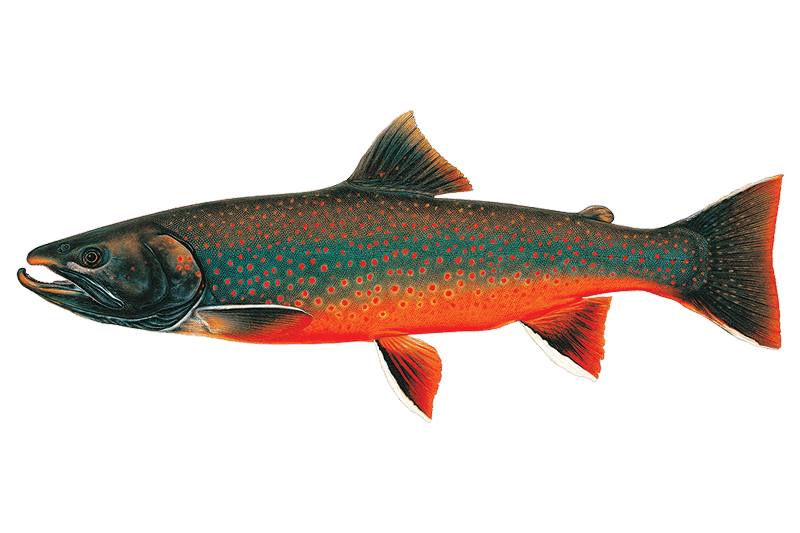
Dolly Varden
Salvelinus malma

Flathead Catfish
Pylodictis olivaris

Gizzard Shad
Dorosoma cepedianum
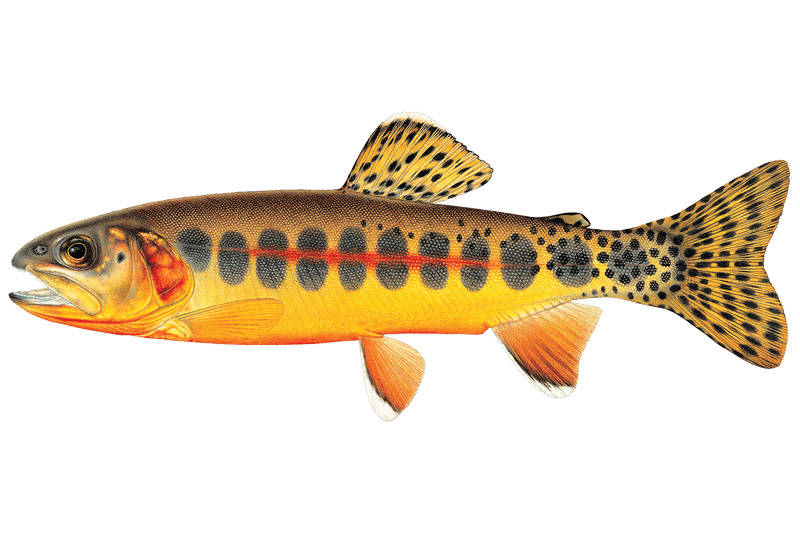
Golden Trout
Oncorhynchus mykiss aguabonita

Grass Carp
Ctenopharyngodon idella

Green Sunfish
Lepomis cyanellus
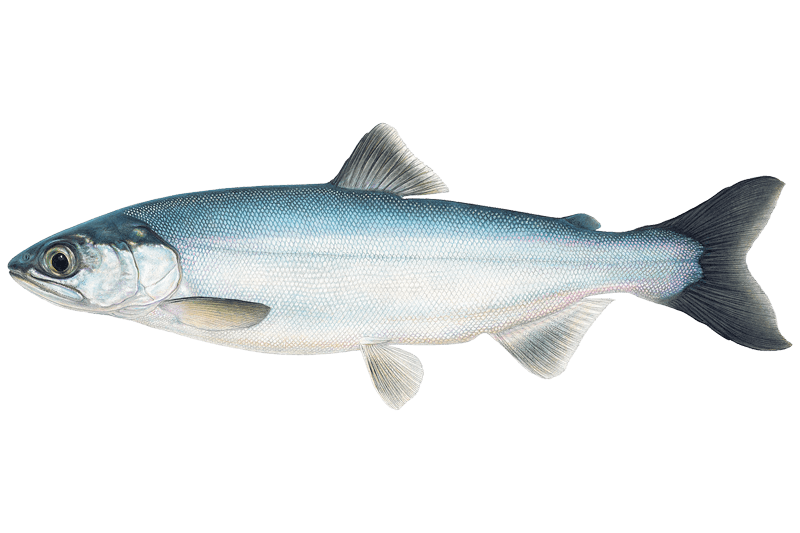
Kokanee Salmon
Oncorhynchus nerka

Lake Trout
Salvelinus namaycush
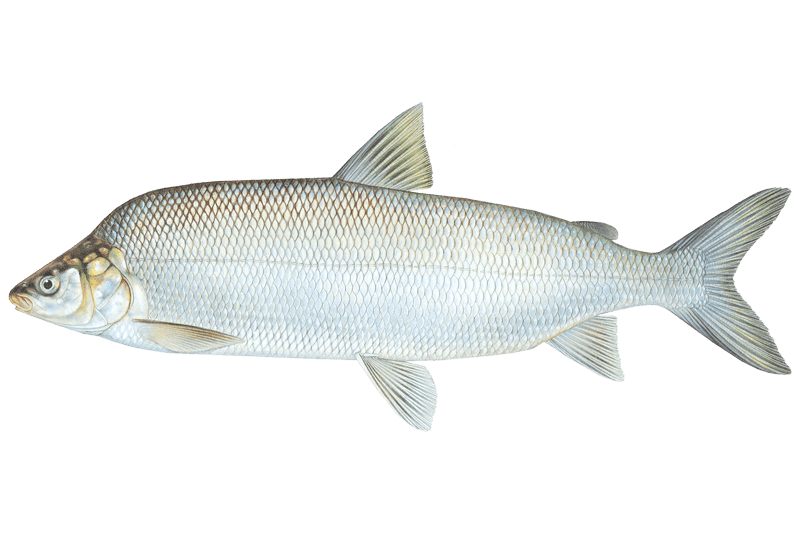
Lake Whitefish
Coregonus clupeaformis

Largescale Sucker
Catostomus macrocheilus
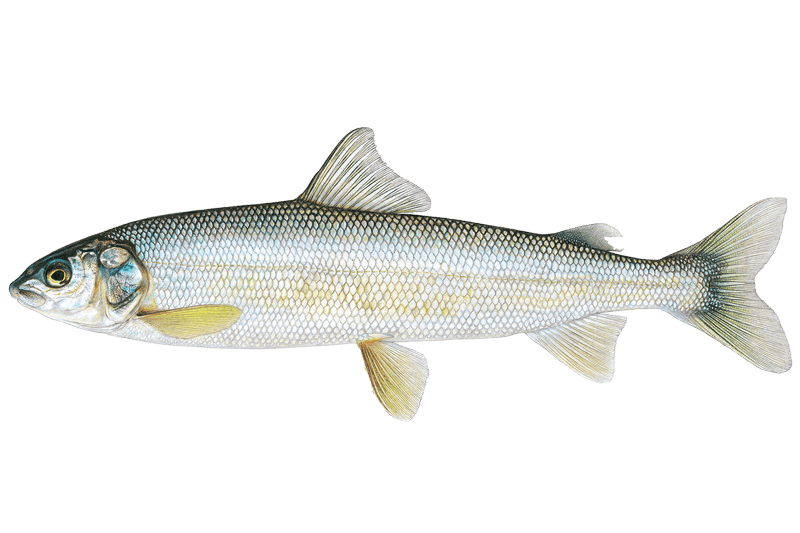
Mountain Whitefish
Prosopium williamsoni
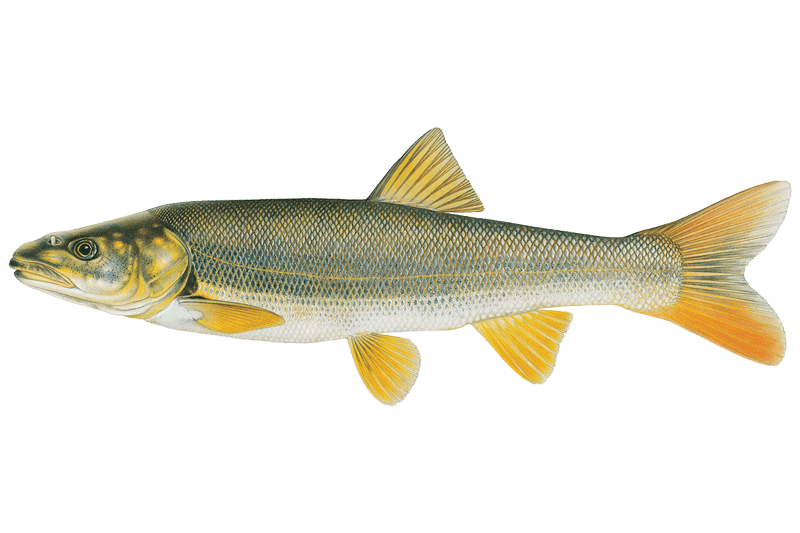
Northern Pikeminnow
Ptychocheilus oregonensis

Pacific Herring
Clupea pallasii

Pacific Lamprey
Entosphenus tridentatus

Pink Salmon
Oncorhynchus gorbuscha

Prickly Sculpin
Cottus asper
Washington licenses and regulations

Washington Boating Regulations
When using any type of watercraft to access a body of water, it is important to follow all federal, state, and local rules and regulations. These rules and regulations include boat permitting and licensing, invasive species inspections and stamps, life jacket and PFD rules, motor size and horsepower restrictions, noise limitations, restrictions on personal watercraft, and many more. Visit the web link below for the most current rules and regulations for this body of water.

Washington Fishing License
Residents and non-residents alike must have a license to fish or shellfish in Washington waters. Everyone age 15 and older needs a fishing license. You do not need a license if you are fishing for common carp, crawfish, bullfrogs, or collecting relic shells.
Washington Fishing Regulations
This river has a variety of species and regulations, including potential floating and/or watercraft restrictions. Because this river is specially managed for species, seasons, angling methods, and watercraft, it is strongly encouraged you check all federal, state, and local regulations before fishing. This river is prone to emergency regulations. Stay up to date on specific river regulation changes. Visit any of the links below, inquire locally, or contact a local fly shop to learn current regulations and restrictions.
Washington Stream Access Laws
In Washington, the public has a right to use streams that are capable of floating a “bolt of shingles” during high flows. While a bolt of shingles is not large, this test does eliminate some smaller streams capable of being floated in a kayak. Washington does not recognize a right to portage across private land.
Explore nearby waters
Explore Washington waters
Top fishing waters
Popular Cities
Loading popular cities...
Smarter Fishing Starts in the App.
onWater Fish gives you everything you need to plan smarter, fish better, and own every trip from first cast to last.