Bridgelip Sucker

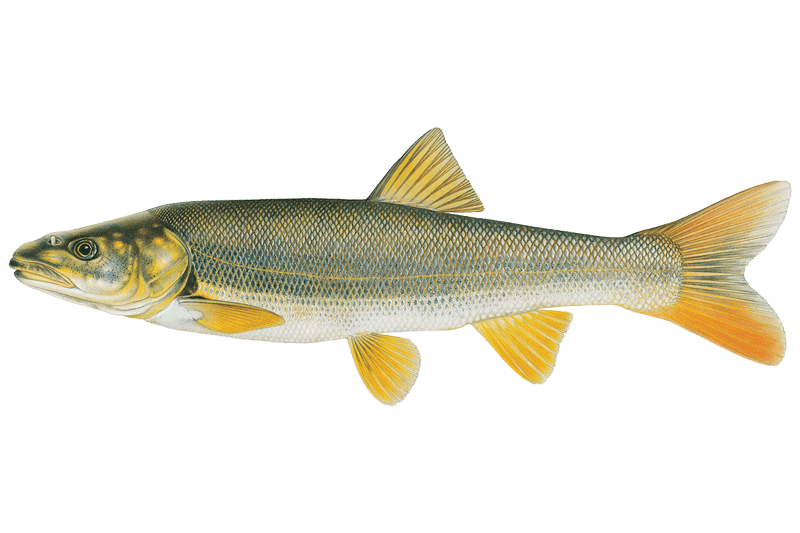
The Bridgelip Sucker is a native freshwater fish occupying the Columbia River system and Fraser River drainage in Washington.
These fish play an important ecological role in nutrient recycling and serve as prey for predatory fish, birds including bald eagles and great blue herons, and mammals.
They're more tolerant of elevated water temperatures than salmon and trout, making them resilient in Washington's varied aquatic environments.
Scientific Name: Catostomus columbianus
Distinguished by smaller scales and olive coloration compared to their larger cousins, the largescale suckers, and range from 5-17 inches in length
Fishing in Washington
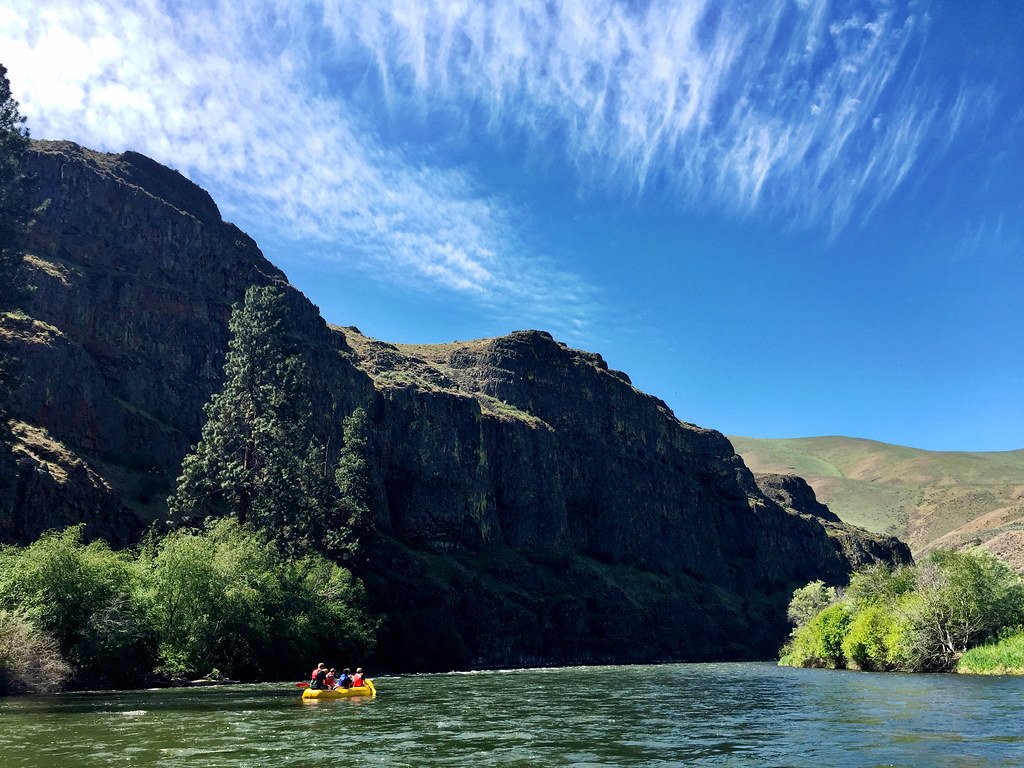
Yakima River
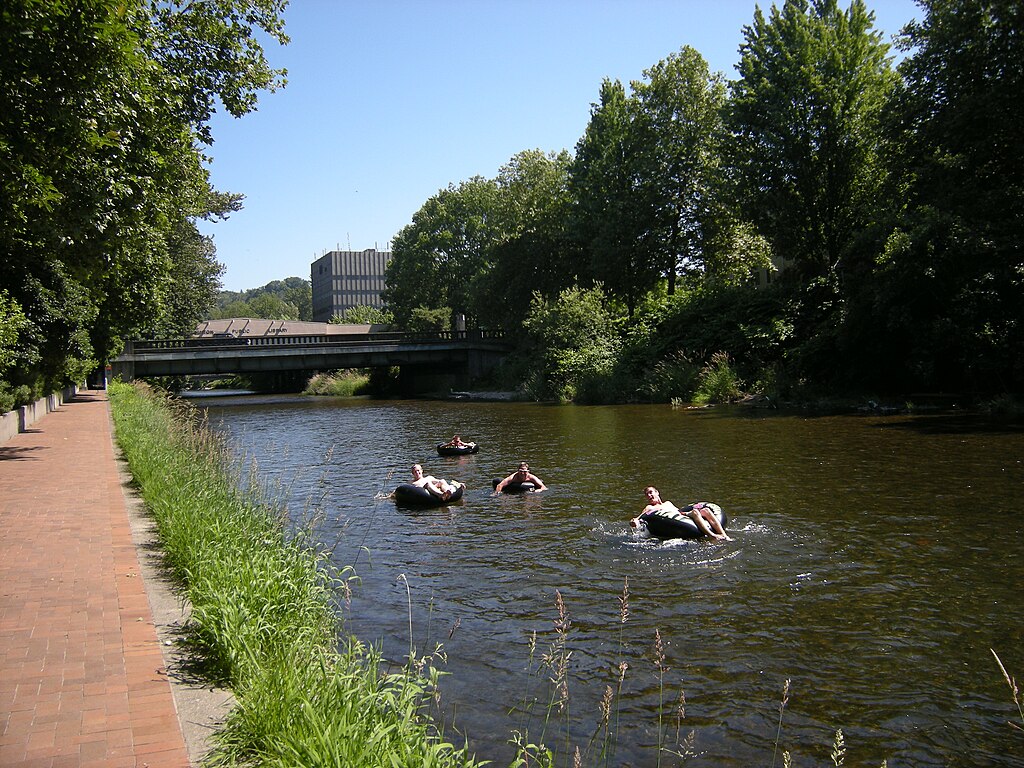
Cedar River
Puyallup River
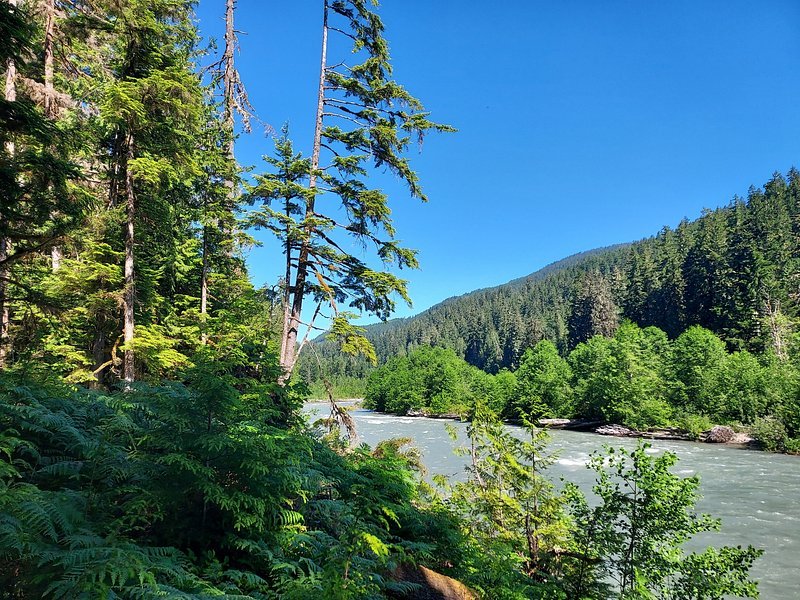
Snoqualmie River
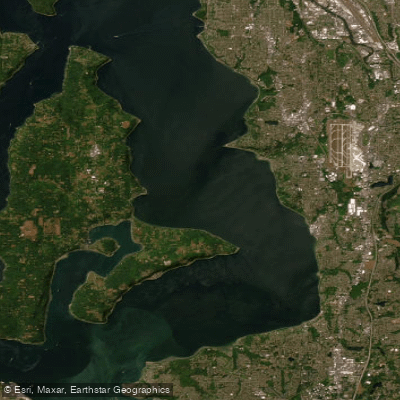
East Passage
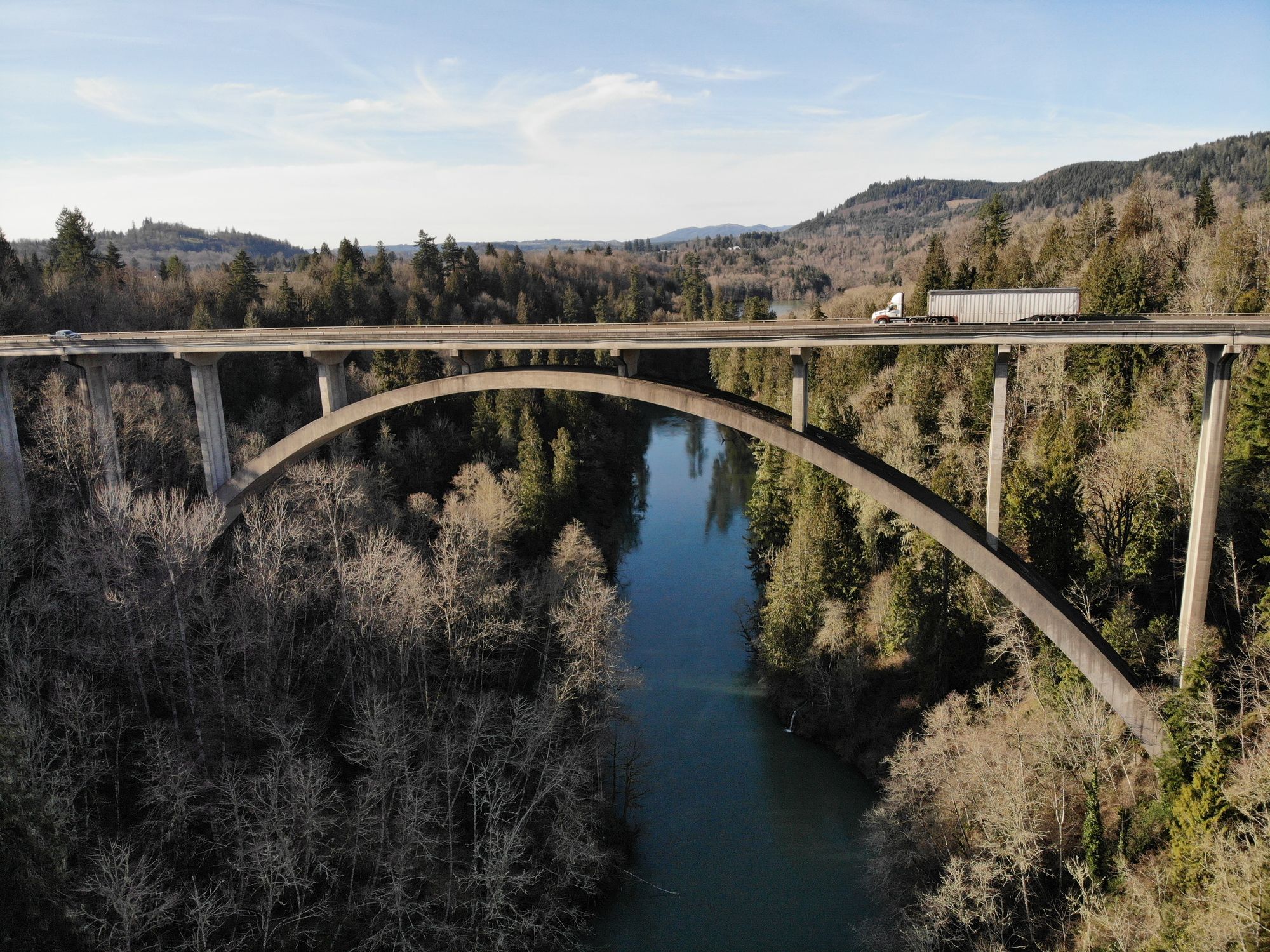
Cowlitz River
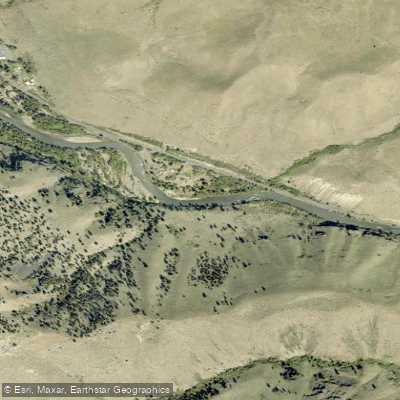
Naches River
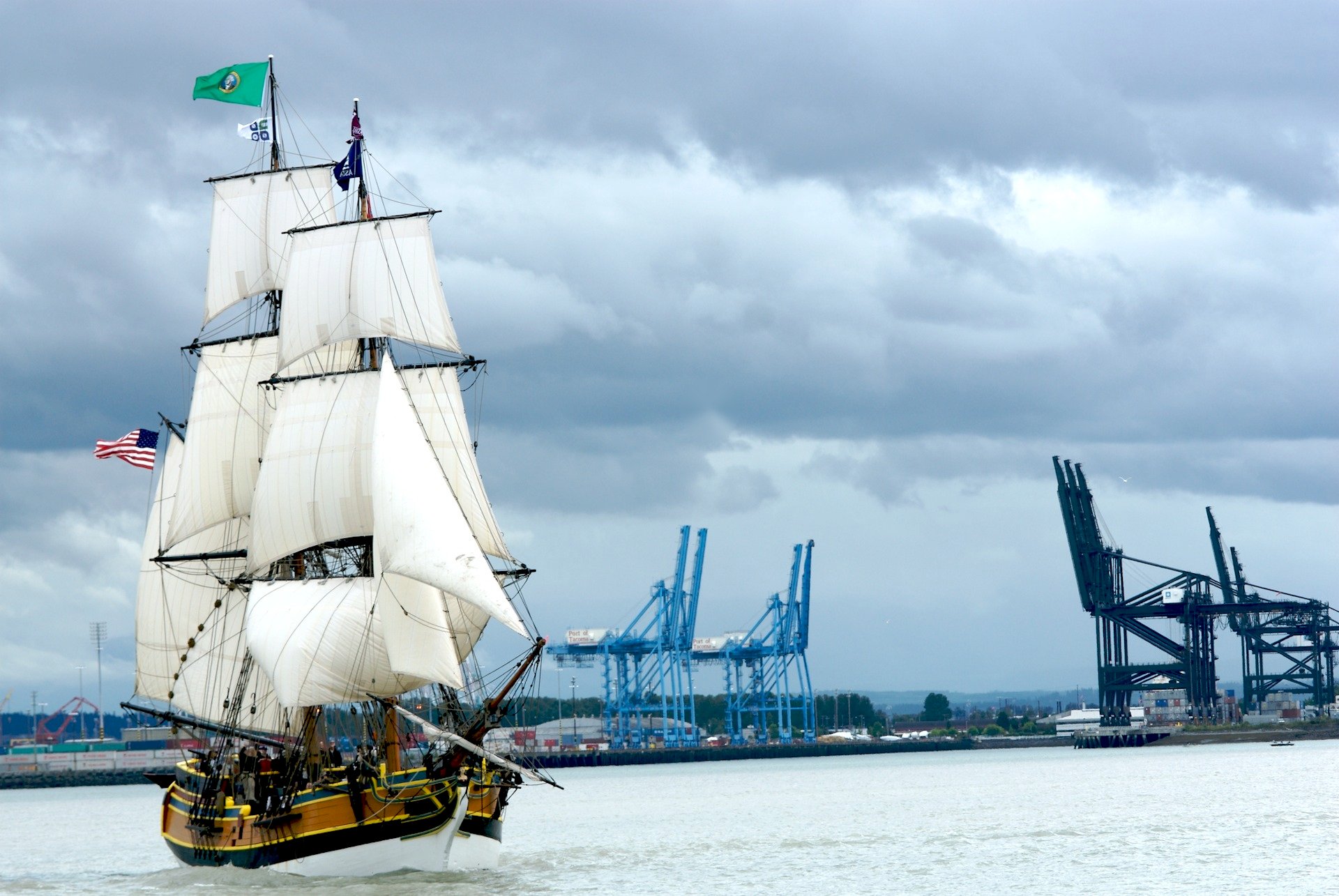
Commencement Bay
Cle Elum River
What to know
Habitat Distribution
Found in lakes, rivers, streams, and reservoirs throughout the Columbia BasinKey Locations
Columbia River system and Fraser River drainage in Washington, including Lake Chelan, Lake Spokane, Lake Pateros, Wenatchee Lake, Twin Lakes, and Rufus Woods LakeSpecific Spots
Lake margins, backwaters, rocky riffles, and sand or silt runs of creeks and medium rivers. Target rocky riffles, sandy runs, lake margins, and backwater areas. Look for them foraging along the bottom.Bridgelip Sucker FAQ
Answers from onWater's species guide.
What flies work for Bridgelip Sucker in Washington?
Weighted streamers in sizes 4-8, particularly conehead and beadhead patterns in black and brown colors. Popular patterns include crayfish flies, Brown Hackles, Purple Maribous, mayfly imitations, stonefly patterns, and midge patterns
When is the best time to fish for Bridgelip Sucker in Washington?
Spring through early summer offers the best fishing opportunities, avoiding the May spawning period
How do you catch Bridgelip Sucker in Washington?
Sight-fishing techniques with precise presentations. Watch their mouths carefully - they extend their sucker mouths when feeding, and you must set the hook immediately when this occurs as they quickly spit out non-food items. Usually presented on a dead drift though they occasionally chase streamers.
What do Bridgelip Sucker eat?
Adults primarily feed on periphyton (green growth and microorganisms on submerged substrata), detritus, and bottom-dwelling crustaceans and insects, while juveniles consume zooplankton and aquatic insect larvae
Fish smarter with real-time insights
Whether you're en route and conditions shift or you're looking for the best spot based on current flows, we enable you to make informed decisions on the fly.







See it in the app
Most maps show you water.
onWater shows you Bridgelip Sucker.



- 01 · Species map filter
Map every Bridgelip Sucker water
Pick Bridgelip Sucker and the map zeroes in on the waters they call home. No more guessing which lake holds them.
- 02 · Waterbody species
Tap any water. See what lives there.
Species, behavior and seasonal patterns for every lake, river and pond, before you leave the driveway.
- 03 · Angler Intelligence
Ask how to catch Bridgelip Sucker
Tactics, gear and timing from onWater's AI fishing guide, tuned to the species and the water you're on.
Stop guessing where Bridgelip Sucker are.
Open the map, filter by Bridgelip Sucker, and head to water that holds them. Download onWater and plan your next trip in minutes.
- Species map filter
- Angler Intelligence
- Fishing journal
Explore other species
Trout, bass, salmon, panfish and everything in between. Each guide unpacks the behavior, seasons, and tactics that put fish in the net.

Find which waters have the species you want to catch

Largemouth Bass

Smallmouth Bass
Micropterus dolomieu

Rainbow Trout
Oncorhynchus mykiss

Brown Trout
Salmo trutta

Brook Trout
Salvelinus fontinalis

Cutthroat Trout
Oncorhynchus clarkii clarkii (coastal cutthroat), O. clarkii lewisi (westslope cutthroat)

Northern Pike
Esox lucius

Muskellunge
Esox masquinongy x Esox lucius

Walleye
Sander vitreus

Black Crappie
Pomoxis nigromaculatus

American Shad
Arctic Grayling
Thymallus arcticus

Atlantic Salmon
Salmo salar

Black Bullhead
Ameiurus melas

Brown Bullhead
Ameiurus nebulosus
Bull Trout

Burbot
Lota lota

Channel Catfish
Ictalurus punctatus

Chinook Salmon
Oncorhynchus tshawytscha
Chum Salmon
Oncorhynchus keta

Coastrange Sculpin
Cottus aleuticus

Coho Salmon
Oncorhynchus kisutch

Common Carp
Cyprinus carpio carpio
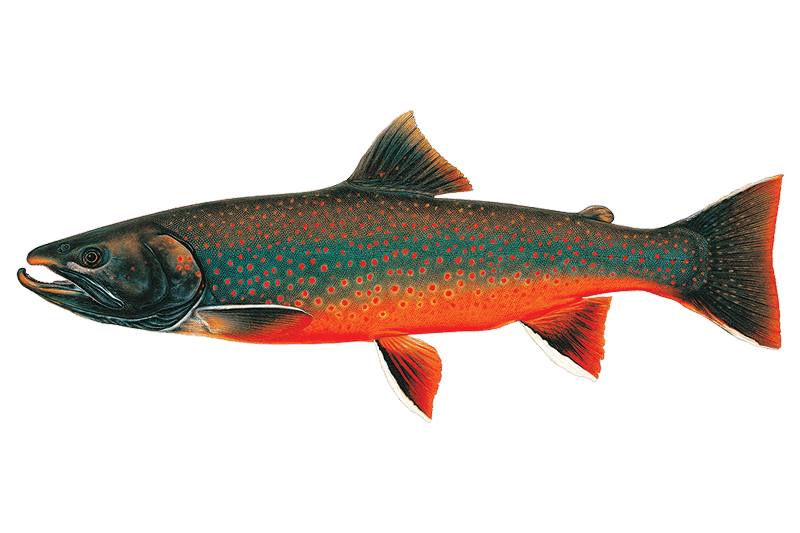
Dolly Varden
Salvelinus malma

Flathead Catfish
Pylodictis olivaris

Gizzard Shad
Dorosoma cepedianum

Golden Trout
Oncorhynchus mykiss aguabonita

Grass Carp
Ctenopharyngodon idella

Green Sunfish
Lepomis cyanellus
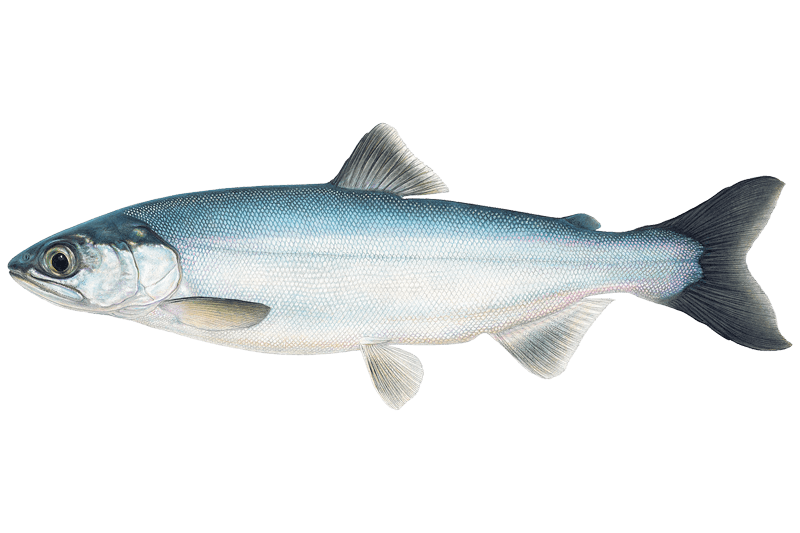
Kokanee Salmon
Oncorhynchus nerka

Lake Trout
Salvelinus namaycush
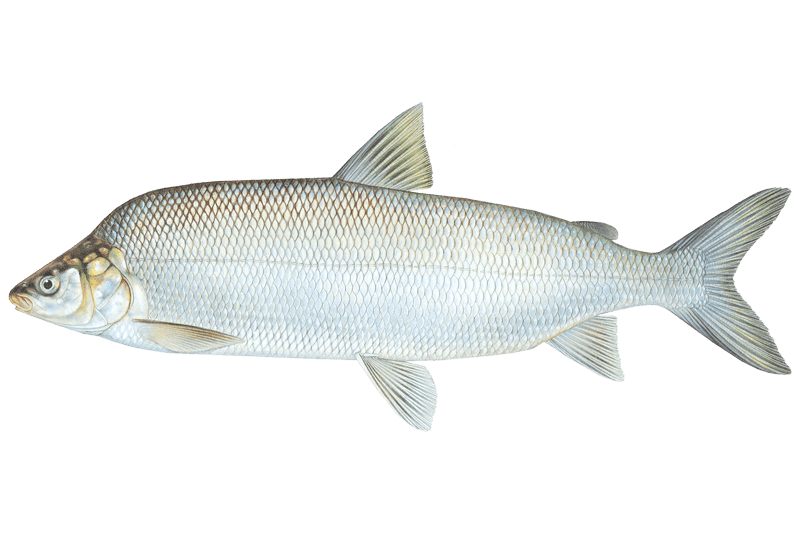
Lake Whitefish
Coregonus clupeaformis

Largescale Sucker
Catostomus macrocheilus

Longnose Sucker
Catostomus catostomus
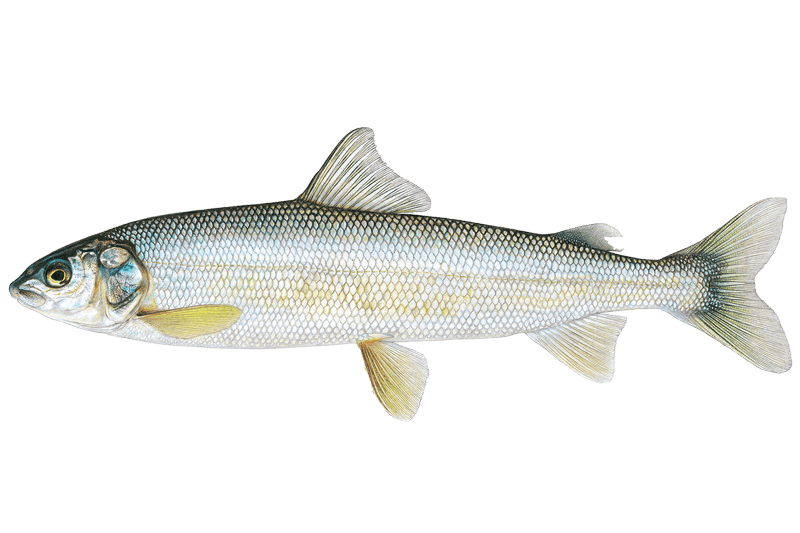
Mountain Whitefish
Prosopium williamsoni
Northern Pikeminnow
Ptychocheilus oregonensis

Pacific Herring
Clupea pallasii

Pacific Lamprey
Entosphenus tridentatus

Pink Salmon
Oncorhynchus gorbuscha

Prickly Sculpin
Cottus asper
Washington licenses and regulations

Washington Boating Regulations
When using any type of watercraft to access a body of water, it is important to follow all federal, state, and local rules and regulations. These rules and regulations include boat permitting and licensing, invasive species inspections and stamps, life jacket and PFD rules, motor size and horsepower restrictions, noise limitations, restrictions on personal watercraft, and many more. Visit the web link below for the most current rules and regulations for this body of water.

Washington Fishing License
Residents and non-residents alike must have a license to fish or shellfish in Washington waters. Everyone age 15 and older needs a fishing license. You do not need a license if you are fishing for common carp, crawfish, bullfrogs, or collecting relic shells.

Washington Fishing Regulations
This river has a variety of species and regulations, including potential floating and/or watercraft restrictions. Because this river is specially managed for species, seasons, angling methods, and watercraft, it is strongly encouraged you check all federal, state, and local regulations before fishing. This river is prone to emergency regulations. Stay up to date on specific river regulation changes. Visit any of the links below, inquire locally, or contact a local fly shop to learn current regulations and restrictions.

Washington Stream Access Laws
In Washington, the public has a right to use streams that are capable of floating a “bolt of shingles” during high flows. While a bolt of shingles is not large, this test does eliminate some smaller streams capable of being floated in a kayak. Washington does not recognize a right to portage across private land.
Explore nearby waters
Explore Washington waters
Top fishing waters
Popular Cities
Loading popular cities...

Smarter Fishing Starts in the App.
onWater Fish gives you everything you need to plan smarter, fish better, and own every trip from first cast to last.