Burbot

Burbot are the only freshwater member of the cod family (Gadidae).
These unique fish have an eel-like serpentine body with a flattened head, single chin barbel, and two dorsal fins - a short first fin followed by a longer second dorsal fin that extends to a rounded tail.
Washington represents the southwestern extreme of burbot distribution in North America, with populations likely originating from post-glacial dispersion in the unglaciated portion of the Columbia River basin.
Scientific Name: Lota lota
Also known as freshwater ling, eelpout, lawyer
- Their mottled skin appears leopard-like with brown, black, or yellow coloration.
- Burbot grow slowly in Washington compared to other regions, with some reaching 19 years old and 29 inches.
- The current state record is 17.37 pounds from Bead Lake.
Fishing in Washington
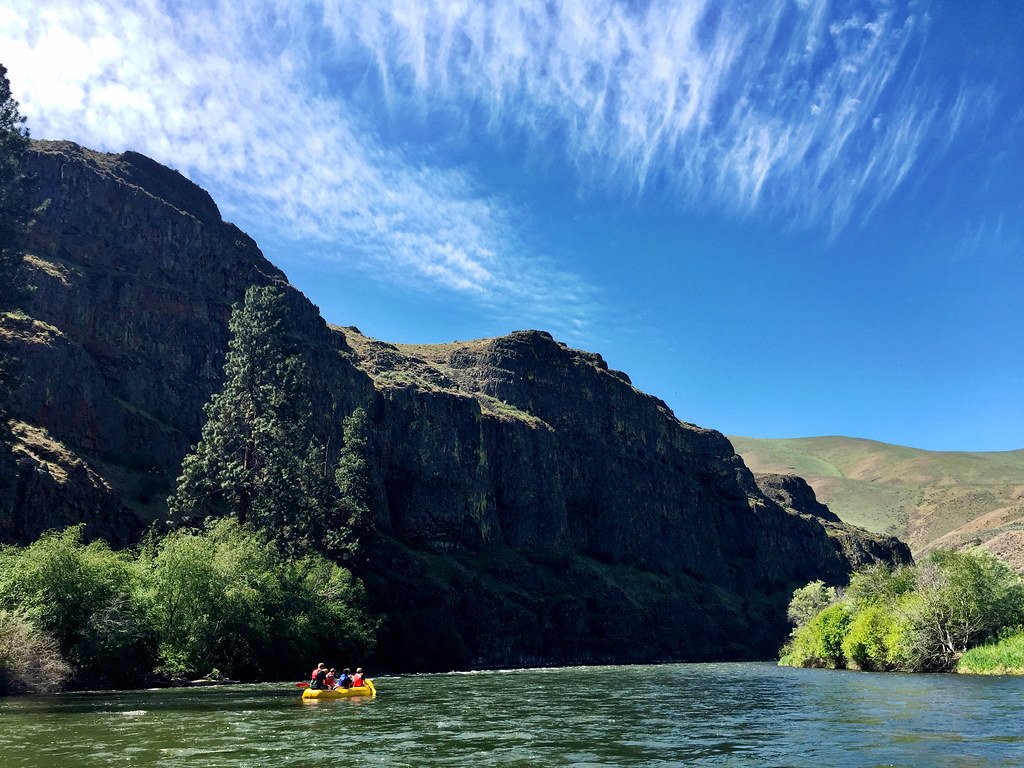
Yakima River
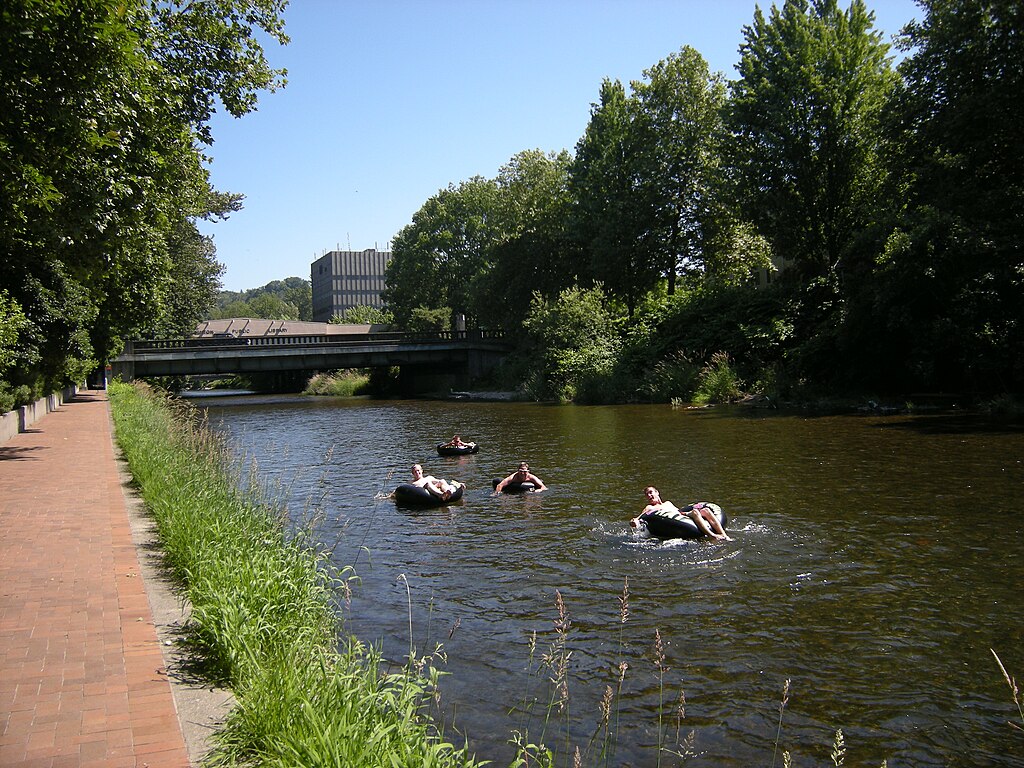
Cedar River
Puyallup River
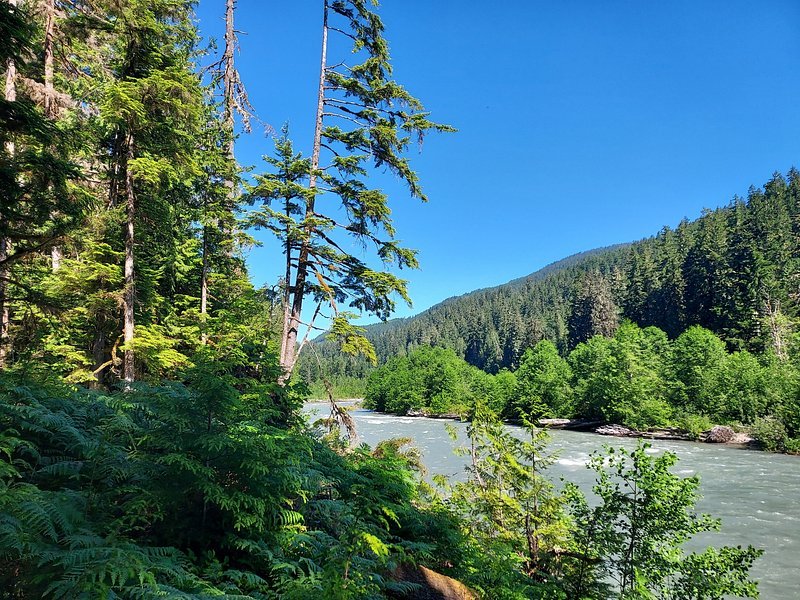
Snoqualmie River
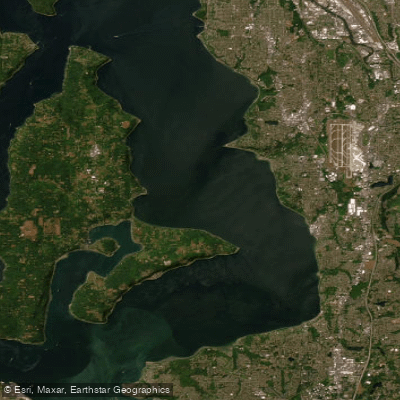
East Passage
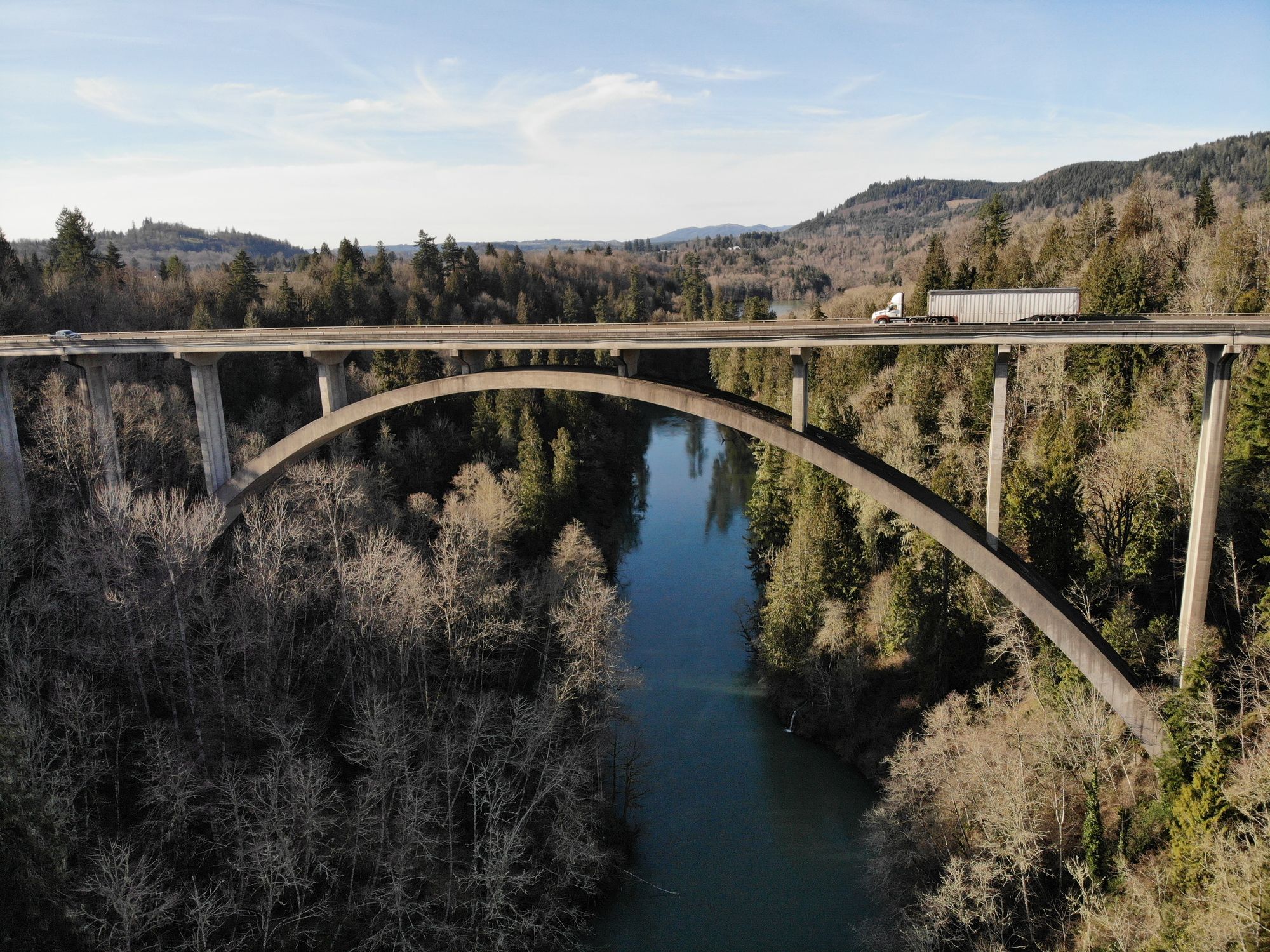
Cowlitz River
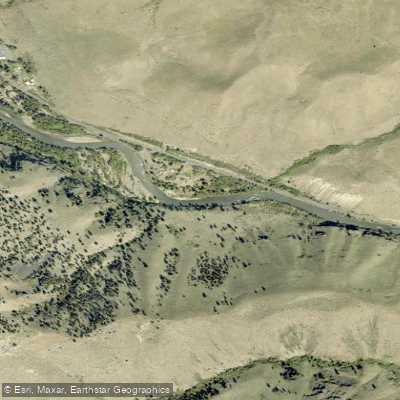
Naches River
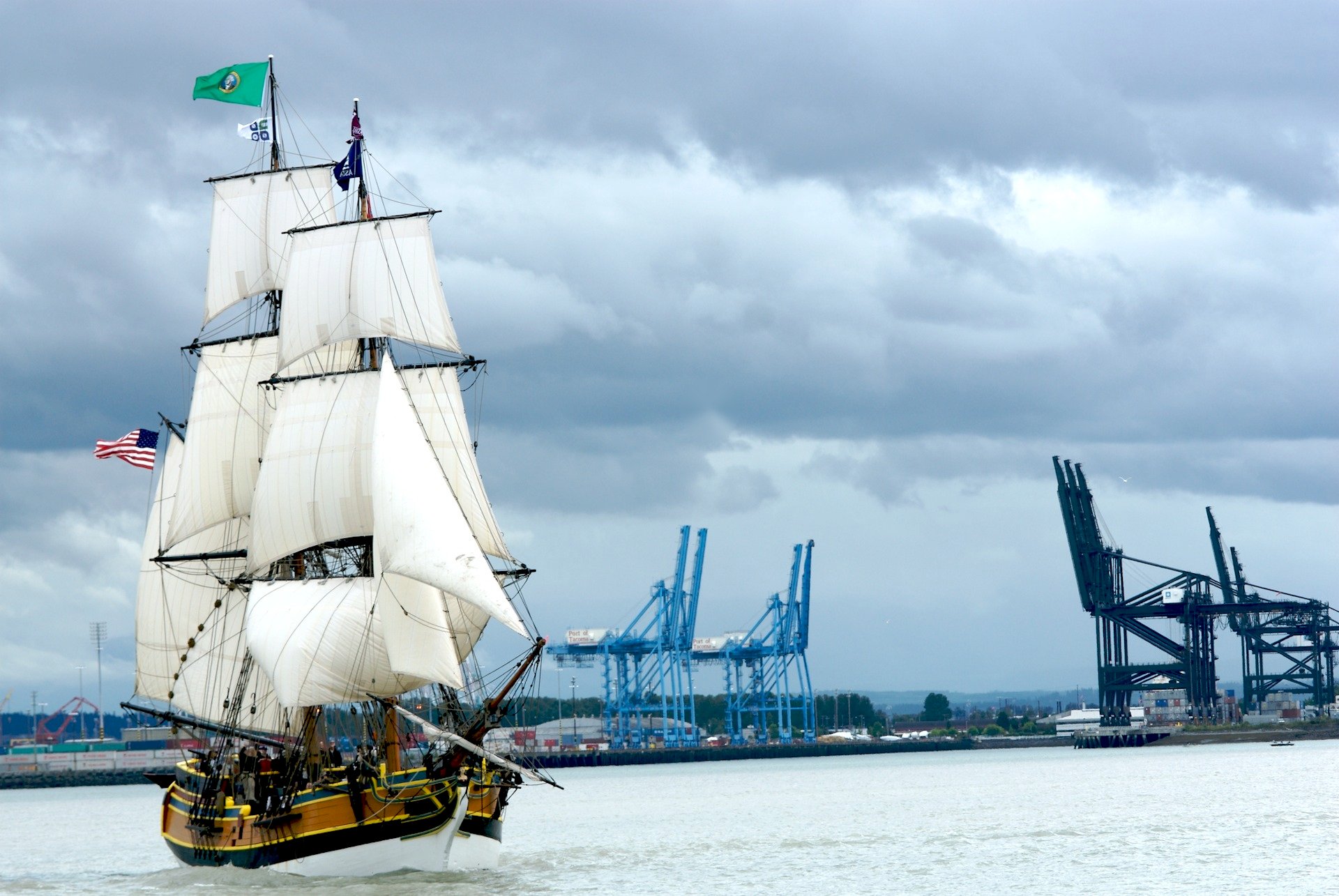
Commencement Bay
Cle Elum River
What to know
Habitat Distribution
- Burbot prefer large, deep, cold lakes and reservoirs, primarily in the northern Columbia River drainage, upper Yakima River watershed, and Pend Oreille region.
Key Locations
- Only 11 lakes and reservoirs in northern and eastern Washington contain burbot, primarily in the northern Columbia River drainage, upper Yakima River watershed, and Pend Oreille region.
- These include Banks Lake (Grant County), Bead and Sullivan Lakes (Pend Oreille County), Lake Chelan (Chelan County), Cle Elum, Kachess, and Keechelus Lakes (Kittitas County), Lake Roosevelt (multiple counties), Palmer Lake (Okanogan County), and Rufus Woods Reservoir.
Specific Spots
- For Lake Roosevelt, focus on the Spokane Arm and mouth of Colville River.
- At Sullivan Lake, target the southern end near Harvey Creek inlet.
- Ice fishing at lakes like Bead Lake - drill holes over rocky points in 40-80 feet of water.
Burbot FAQ
Answers from onWater's species guide.
What are the best lures and bait for Burbot in Washington?
Essential lures include phosphorescent (glow) jigging spoons like Big Nasty Tackle Trout-N-Pout spoons in 1-1/8 oz, Moonshine Lures super glow spoons in yellow goby color, and soft plastic baits on weighted jigheads with twist tails in bright colors.
When is the best time to fish for Burbot in Washington?
Winter is the prime time for burbot fishing in Washington, particularly mid-winter (January-February). They spawn mid-winter (January-March) under ice in shallow water, making this period unsuitable for fishing as they focus on reproduction rather than feeding.
How do you catch Burbot in Washington?
Target depths of 20-50 feet near rocky bottoms during winter, transitioning from deep water (40+ feet) in early evening to shallower areas (10-20 feet) after dark. Fish right on the bottom, aggressively pounding and stirring up sediment to attract burbot, then lift the lure 6-12 inches off bottom and let it flutter.
What do Burbot eat?
Adult burbot are voracious predators feeding on kokanee, walleye, peamouth, smallmouth bass, rainbow trout, and mysids.
Where do Burbot live in Washington?
Burbot prefer large, deep, cold lakes and reservoirs, primarily in the northern Columbia River drainage, upper Yakima River watershed, and Pend Oreille region.
Fish smarter with real-time insights
Whether you're en route and conditions shift or you're looking for the best spot based on current flows, we enable you to make informed decisions on the fly.




See it in the app
Most maps show you water.
onWater shows you Burbot.



- 01 · Species map filter
Map every Burbot water
Pick Burbot and the map zeroes in on the waters they call home. No more guessing which lake holds them.
- 02 · Waterbody species
Tap any water. See what lives there.
Species, behavior and seasonal patterns for every lake, river and pond, before you leave the driveway.
- 03 · Angler Intelligence
Ask how to catch Burbot
Tactics, gear and timing from onWater's AI fishing guide, tuned to the species and the water you're on.
Stop guessing where Burbot are.
Open the map, filter by Burbot, and head to water that holds them. Download onWater and plan your next trip in minutes.
- Species map filter
- Angler Intelligence
- Fishing journal
Explore other species
Trout, bass, salmon, panfish and everything in between. Each guide unpacks the behavior, seasons, and tactics that put fish in the net.
No species information available.
Washington licenses and regulations
Explore nearby waters
Explore Washington waters
Top fishing waters
Popular Cities
Loading popular cities...

Smarter Fishing Starts in the App.
onWater Fish gives you everything you need to plan smarter, fish better, and own every trip from first cast to last.