Bluegill
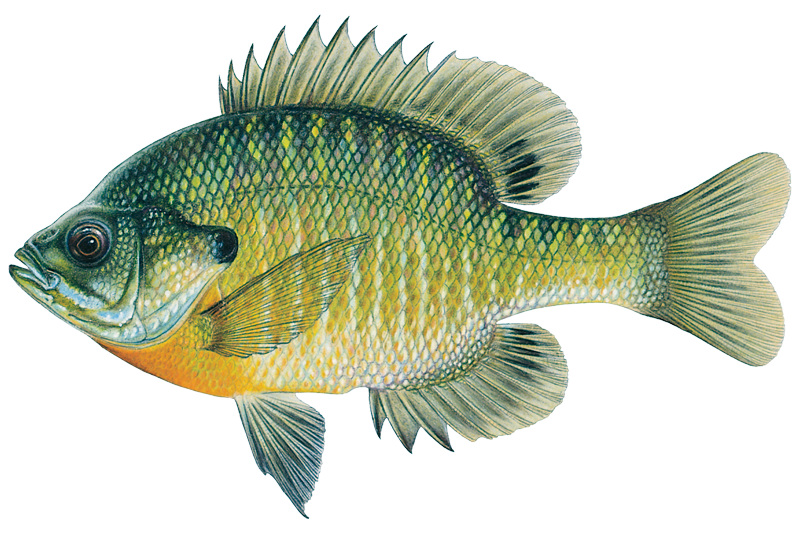
Bluegill are one of Rhode Island's most widespread and abundant native freshwater fish species, found in over 45 native fish habitats across the Ocean State.
Scientific Name: Lepomis macrochirus
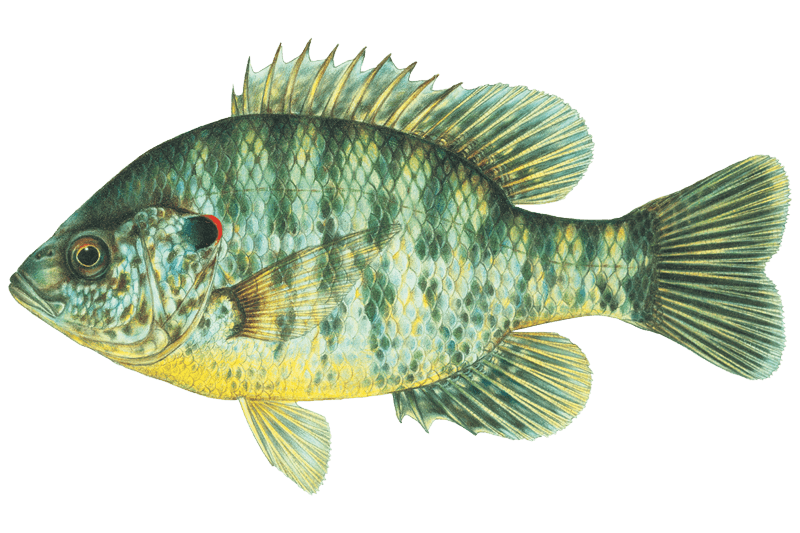
- These deep-bodied sunfish are characterized by their distinctive bluish coloration on the gill covers and cheeks, small mouths, and slab-sided profile.
- In Rhode Island waters, bluegill typically reach 6-10 inches in length with an average of 7.5 inches, though specimens up to 16 inches have been recorded.
Fishing in Rhode Island
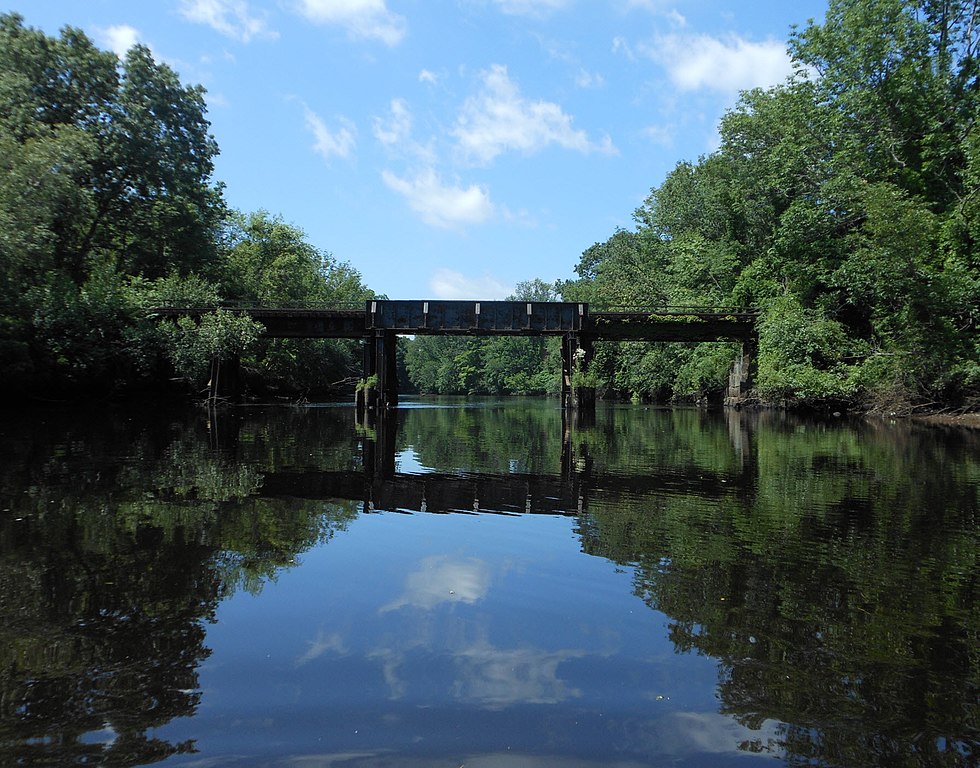
Taunton River
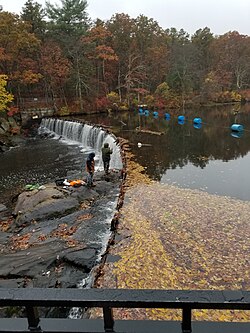
Blackstone River
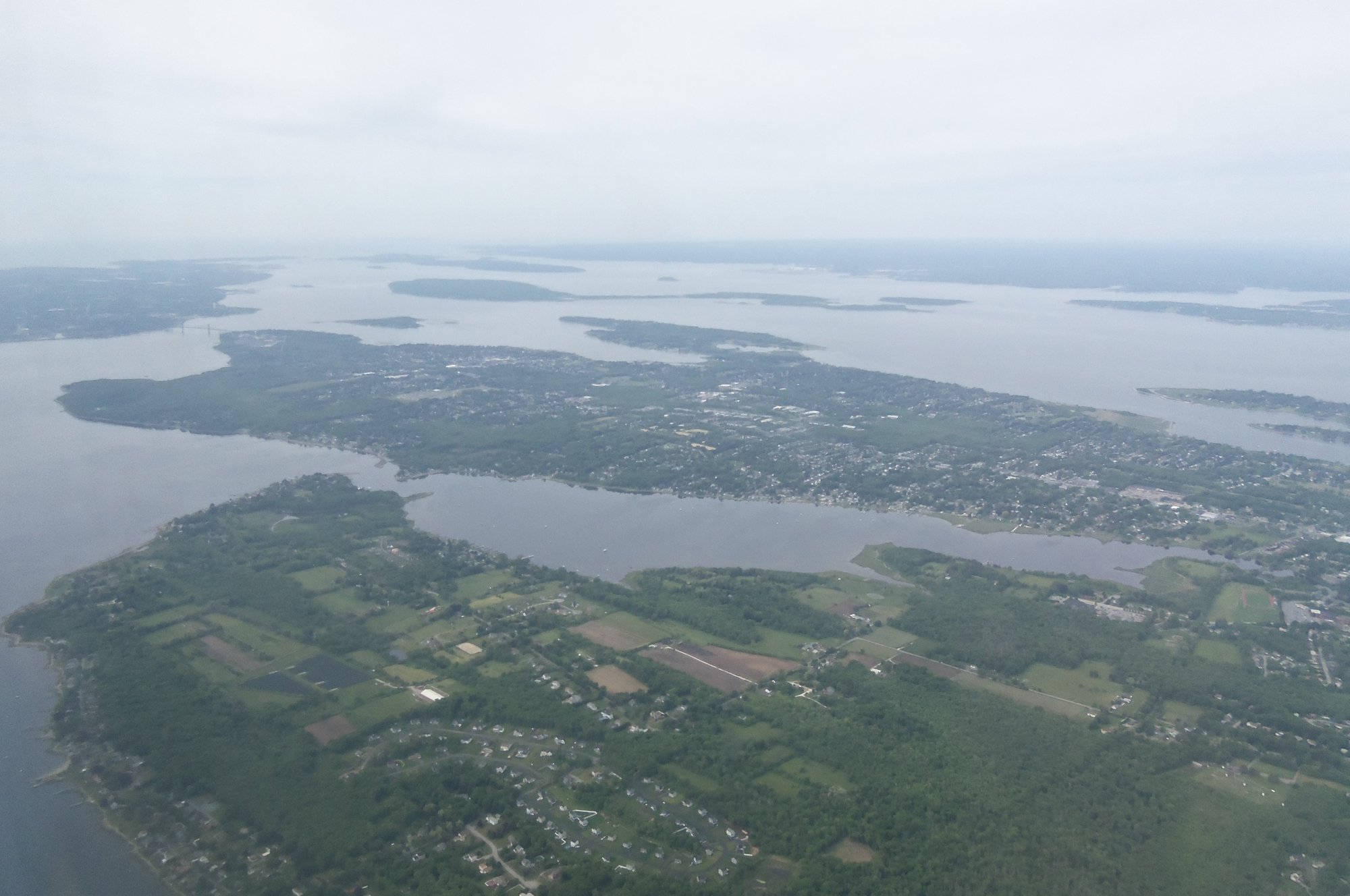
Narragansett Bay
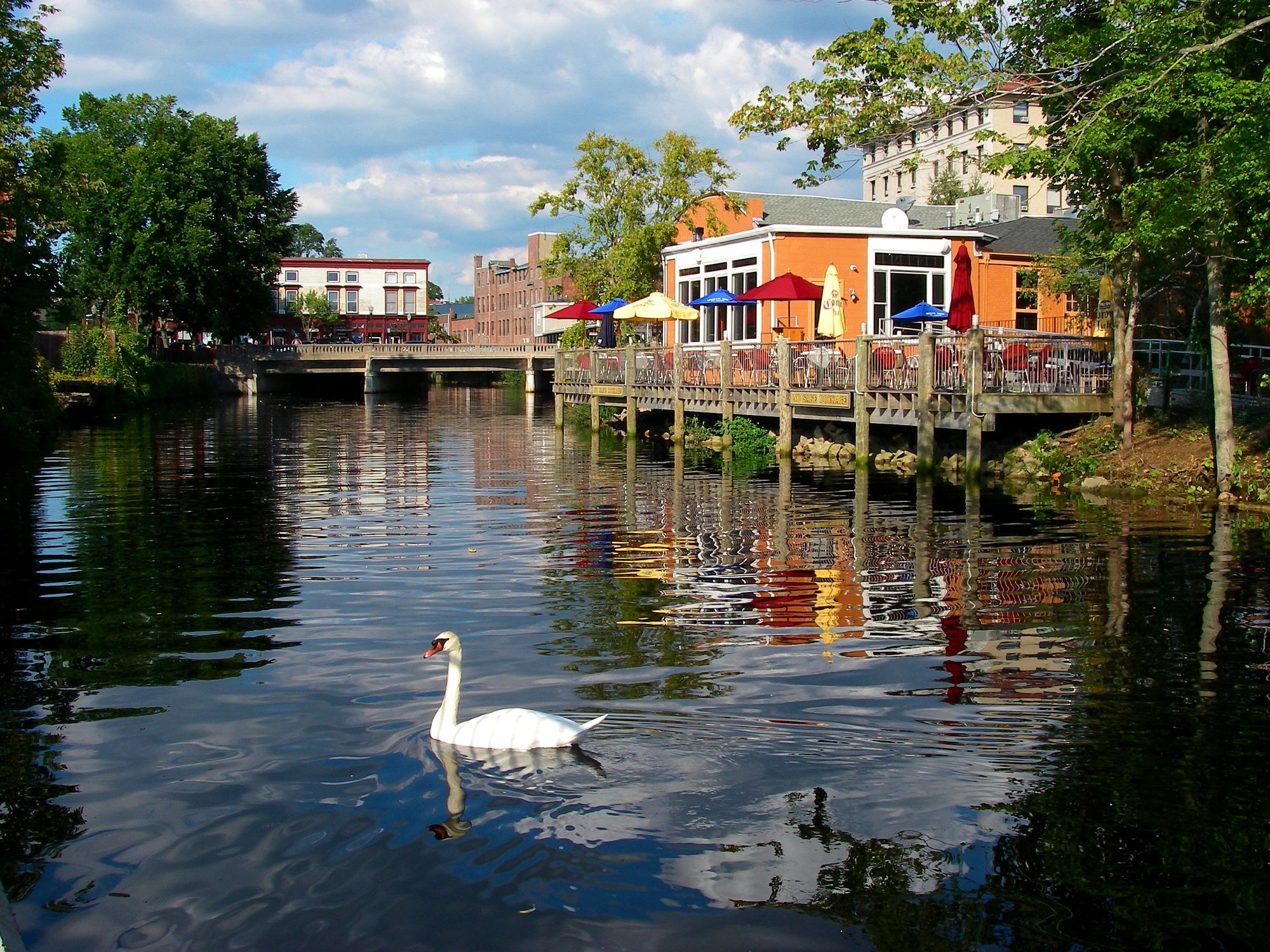
Pawcatuck River
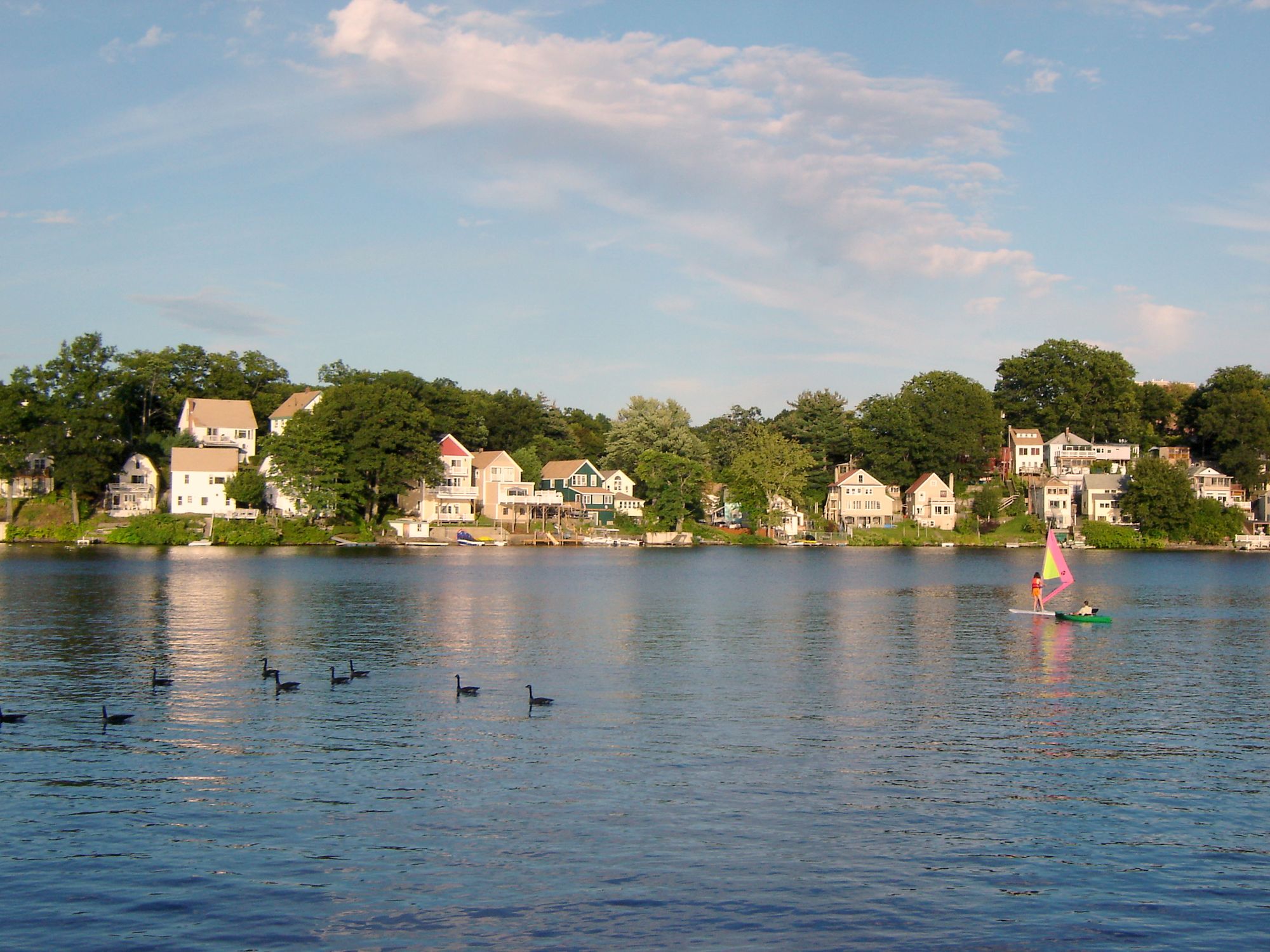
Lake Quinsigamond
Rhode Island Sound
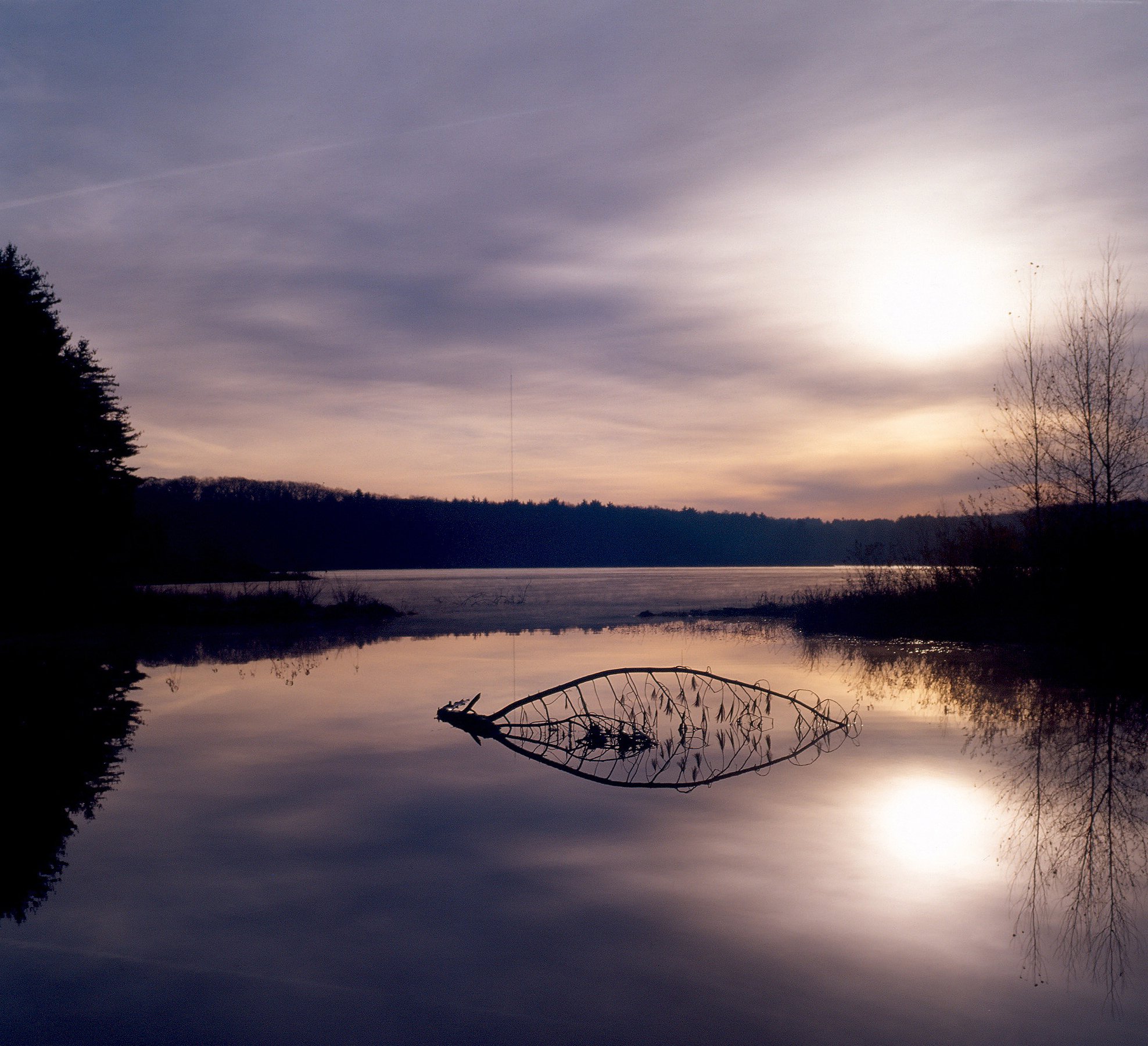
Wachusett Reservoir

Charles River
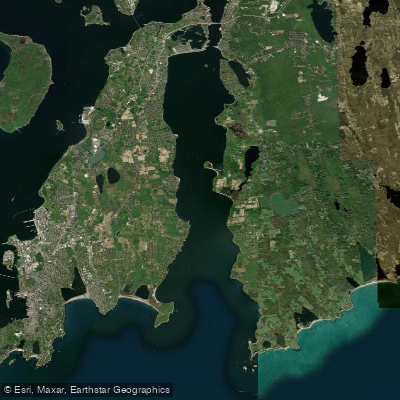
Sakonnet River
Clear River
What to know
Habitat Distribution
- Rhode Island bluegill inhabit various water bodies and prefer shallow, weedy areas with vegetation like lily pads and bullrushes, typically in water 1-3 feet deep with firm sand or mud bottoms.
Key Locations
- Carbuncle Pond (known for stocked trout and largemouth bass), Olney Pond in Lincoln Woods State Park, Stafford Pond (476 acres), Wyoming Pond, Barber Pond, and Pascoag Reservoir.
Specific Spots
- Target shallow areas with vegetation around docks, fallen trees, weed beds, and shoreline structure.
Bluegill FAQ
Answers from onWater's species guide.
What are the best lures and bait for Bluegill in Rhode Island?
Small jigs tipped with worms or crickets, 1/16-ounce Mimic Minnow Spins, small spinners like Mepps Aglia, and tiny spoons. Live bait options include nightcrawlers, crickets, grasshoppers, small minnows, and grubs.
What flies work for Bluegill in Rhode Island?
Size 10-14 terrestrials like small floating poppers (chartreuse, blue, yellow), black/gray/brown foam spiders, size 10-8 Woolly Buggers in olive or black, Royal Coachman during summer insect hatches, size 12-18 black ants, size 12-14 beetles, and size 8-10 grasshoppers.
When is the best time to fish for Bluegill in Rhode Island?
Spring through fall when they're most active, with peak fishing from late spring through early summer and again in early fall. In winter, downsize presentations and fish slower in deeper water 6-10 feet deep.
How do you catch Bluegill in Rhode Island?
Focus on areas with aquatic vegetation and structure, and be prepared for aggressive strikes during feeding periods. In winter, downsize presentations and fish slower.
What do Bluegill eat?
They're primarily sight feeders with a diverse diet including insect larvae (dragonfly, mosquito), water spiders, crickets, grasshoppers, grass shrimp, crayfish, small minnows, nightcrawlers, and aquatic vegetation when other food becomes scarce.
Fish smarter with real-time insights
Whether you're en route and conditions shift or you're looking for the best spot based on current flows, we enable you to make informed decisions on the fly.







See it in the app
Most maps show you water.
onWater shows you Bluegill.



- 01 · Species map filter
Map every Bluegill water
Pick Bluegill and the map zeroes in on the waters they call home. No more guessing which lake holds them.
- 02 · Waterbody species
Tap any water. See what lives there.
Species, behavior and seasonal patterns for every lake, river and pond, before you leave the driveway.
- 03 · Angler Intelligence
Ask how to catch Bluegill
Tactics, gear and timing from onWater's AI fishing guide, tuned to the species and the water you're on.
Stop guessing where Bluegill are.
Open the map, filter by Bluegill, and head to water that holds them. Download onWater and plan your next trip in minutes.
- Species map filter
- Angler Intelligence
- Fishing journal
Explore other species
Trout, bass, salmon, panfish and everything in between. Each guide unpacks the behavior, seasons, and tactics that put fish in the net.

Find which waters have the species you want to catch

Largemouth Bass
Micropterus salmoides

Smallmouth Bass
Micropterus dolomieu

Rainbow Trout

Brown Trout
Salmo trutta

Brook Trout
Salvelinus fontinalis

Northern Pike
Esox lucius

Black Crappie
Pomoxis nigromaculatus

Alewife
Alosa pseudoharengus

American Eel
Anguilla rostrata

American Shad
Alosa sapidissima

Atlantic Salmon

Black Bullhead
Ameiurus melas

Black Sea Bass
Centropristis striata

Bluefish
Pomatomus saltatrix

Brown Bullhead
Ameiurus nebulosus

Chain Pickerel
Esox niger

Channel Catfish
Ictalurus punctatus

Common Carp

Creek Chub
Semotilus atromaculatus
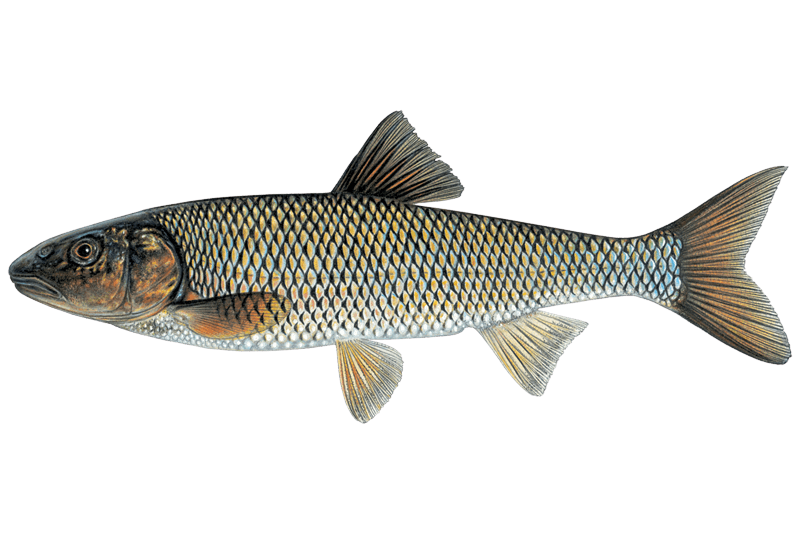
Fallfish
Semotilus corporalis

Gizzard Shad
Dorosoma cepedianum

Hickory Shad
Alosa mediocris

Pumpkinseed
Lepomis gibbosus
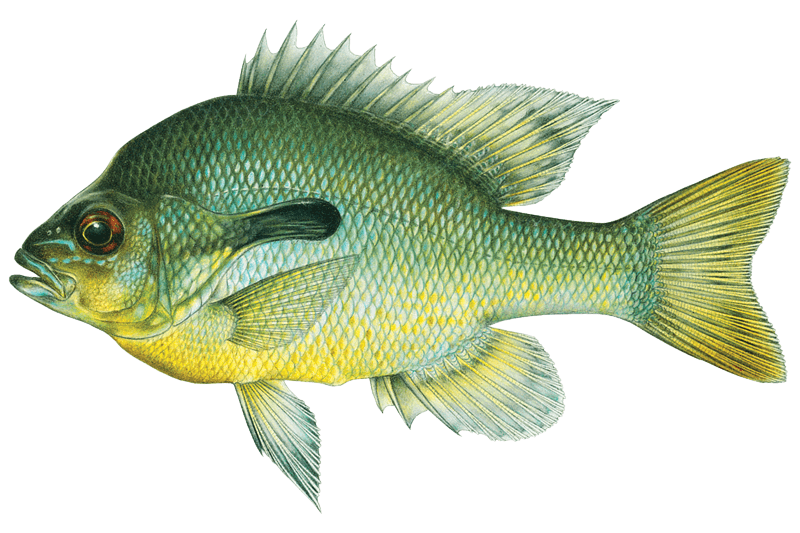
Redbreast Sunfish
Lepomis auritus
Redear Sunfish
Lepomis microlophus
Redfin Pickerel
Esox americanus americanus

Rock Bass
Ambloplites rupestris

Scup
Stenotomus chrysops
Striped Bass
Morone saxatilis

Summer Flounder
Paralichthys dentatus

Tautog
Tautoga onitis
Tiger Trout
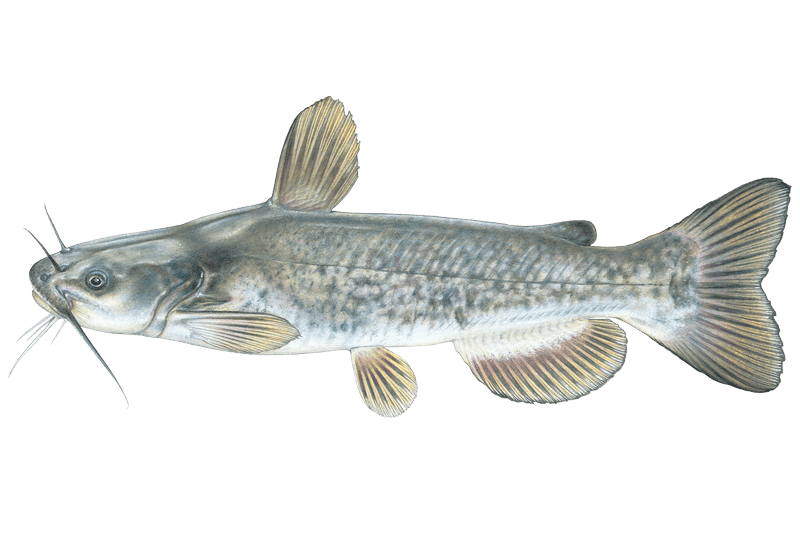
White Catfish
Ameiurus catus
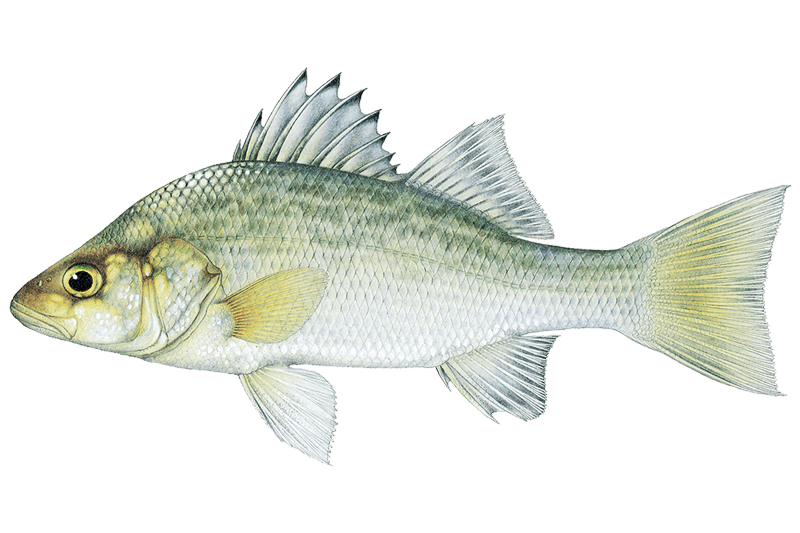
White Perch
Morone americana
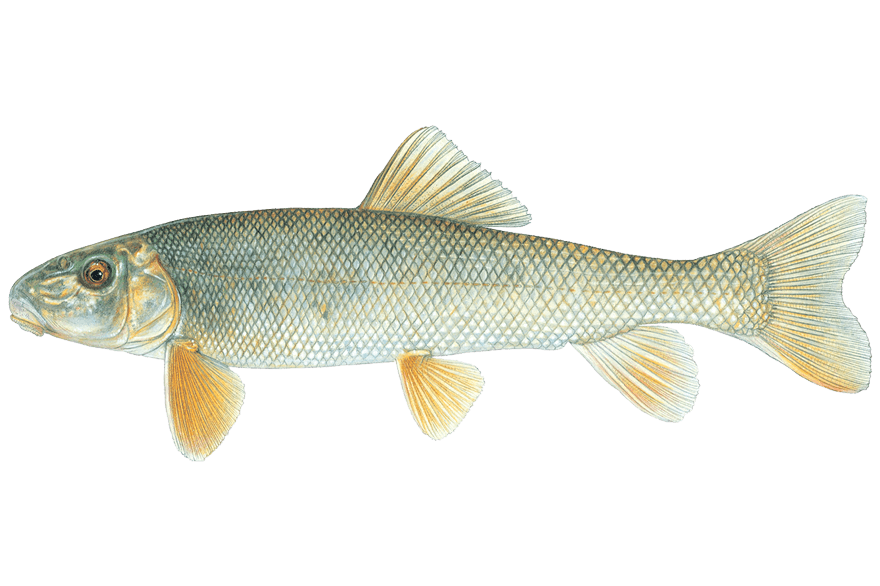
White Sucker
Catostomus commersonii
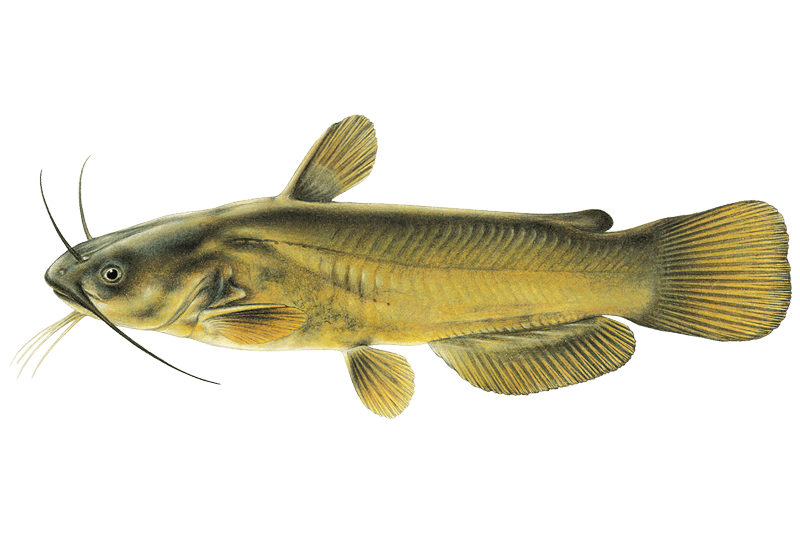
Yellow Bullhead
Ameiurus natalis
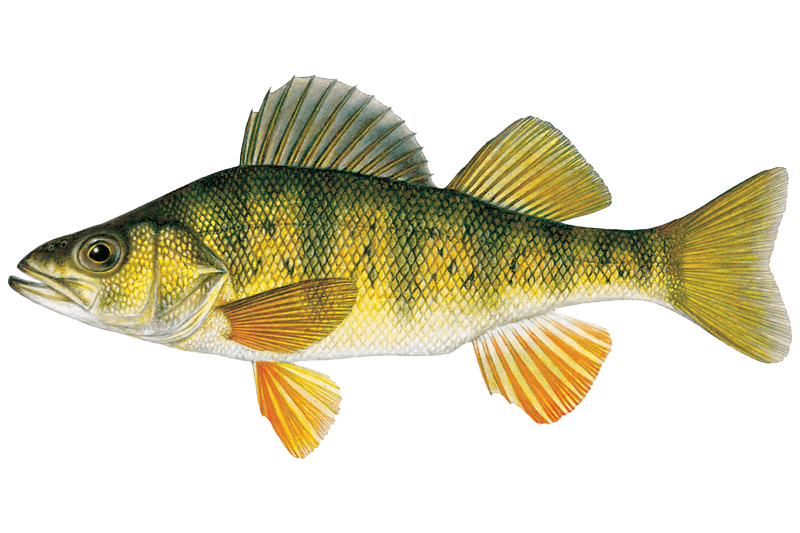
Yellow Perch
Perca flavescens
Rhode Island licenses and regulations
Rhode Island Boating Regulations
When using any type of watercraft to access a body of water, it is important to follow all federal, state, and local rules and regulations. These rules and regulations include boat permitting and licensing, invasive species inspections and stamps, life jacket and PFD rules, motor size and horsepower restrictions, noise limitations, restrictions on personal watercraft, and many more. Visit the web link below for the most current rules and regulations for this body of water.

Rhode Island Fishing License
Recreational Freshwater Fishing Licenses are required of anglers fifteen (15) years of age and older. Recreational Saltwater Fishing Licenses are required of anglers sixteen (16) years of age and older.

Rhode Island Fishing Regulations
This river has a variety of species and regulations, including potential floating and/or watercraft restrictions. Because this river is specially managed for species, seasons, angling methods, and watercraft, it is strongly encouraged you check all federal, state, and local regulations before fishing. Visit any of the links below, inquire locally, or contact a local fly shop to learn current regulations and restrictions.
Rhode Island Stream Access Laws
Rhode Island’s public trust doctrine opens all waters of the state, up to the high water mark, to public use. The state doesn’t have its own navigability test.
Explore nearby waters
Explore Rhode Island waters
Top fishing waters
Popular Cities
Loading popular cities...
Smarter Fishing Starts in the App.
onWater Fish gives you everything you need to plan smarter, fish better, and own every trip from first cast to last.