Brown Bullhead

Brown Bullhead are native freshwater catfish widely distributed throughout Rhode Island's ponds, streams, and rivers.
In Rhode Island, they're one of the most commonly encountered freshwater species, found in over 35% of sampled locations across all but one watershed.
Scientific Name: Ameiurus nebulosus
- These scaleless catfish are characterized by dark olive brown to black coloration dorsally with lighter sides, dark chin barbels, and a squared caudal fin.
- They typically range from 1.25 to 14.75 inches in Rhode Island waters, though they can exceed 18 inches.
- The current Rhode Island state record is 4 lbs. 9.44 oz. caught in 1998.
Fishing in Rhode Island
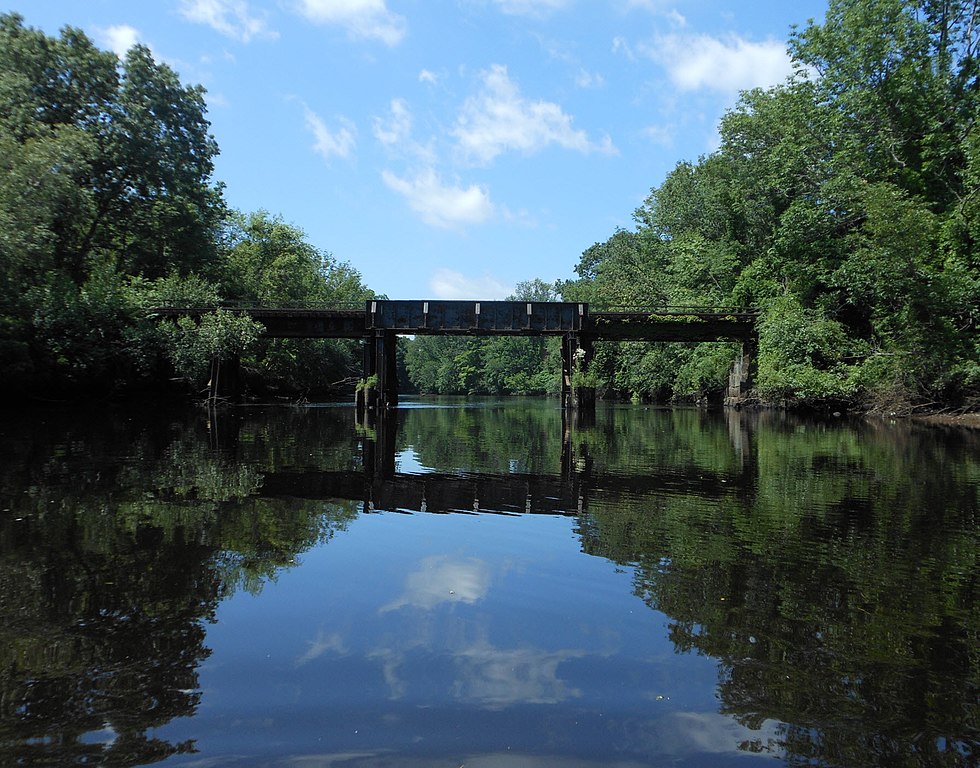
Taunton River
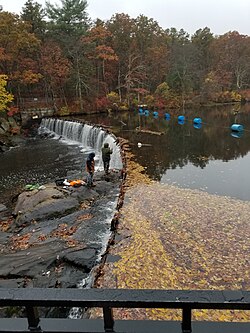
Blackstone River
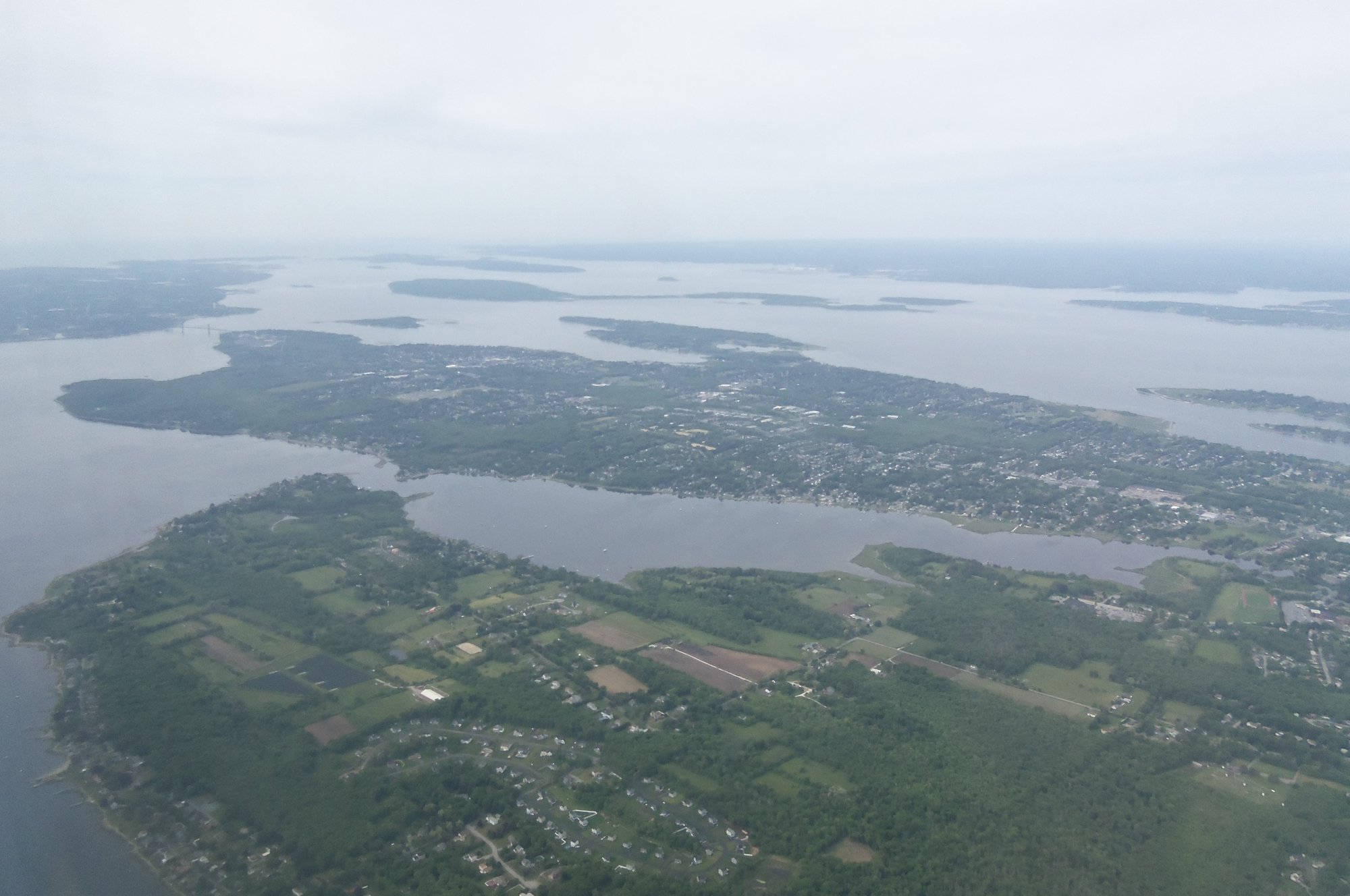
Narragansett Bay
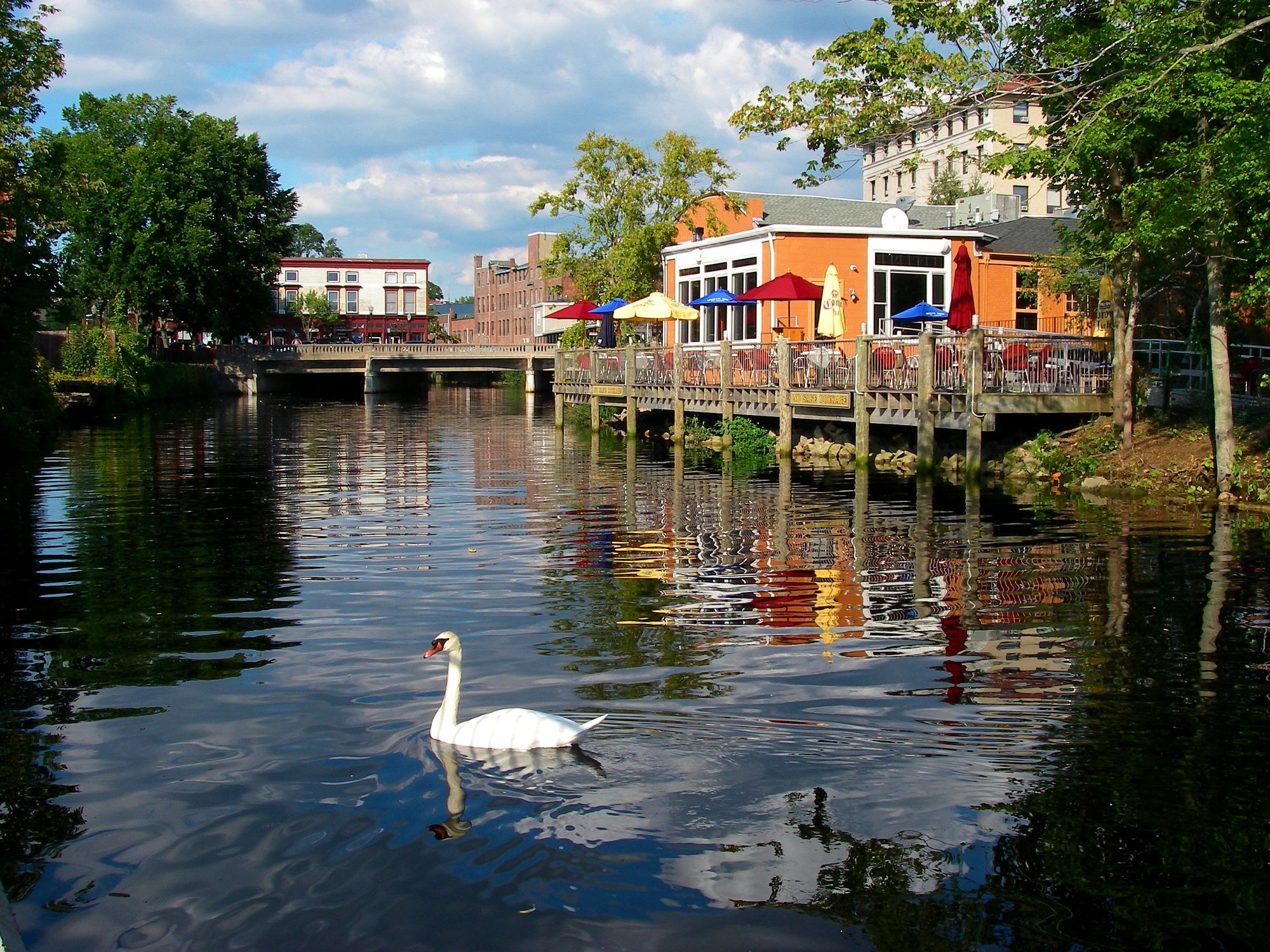
Pawcatuck River
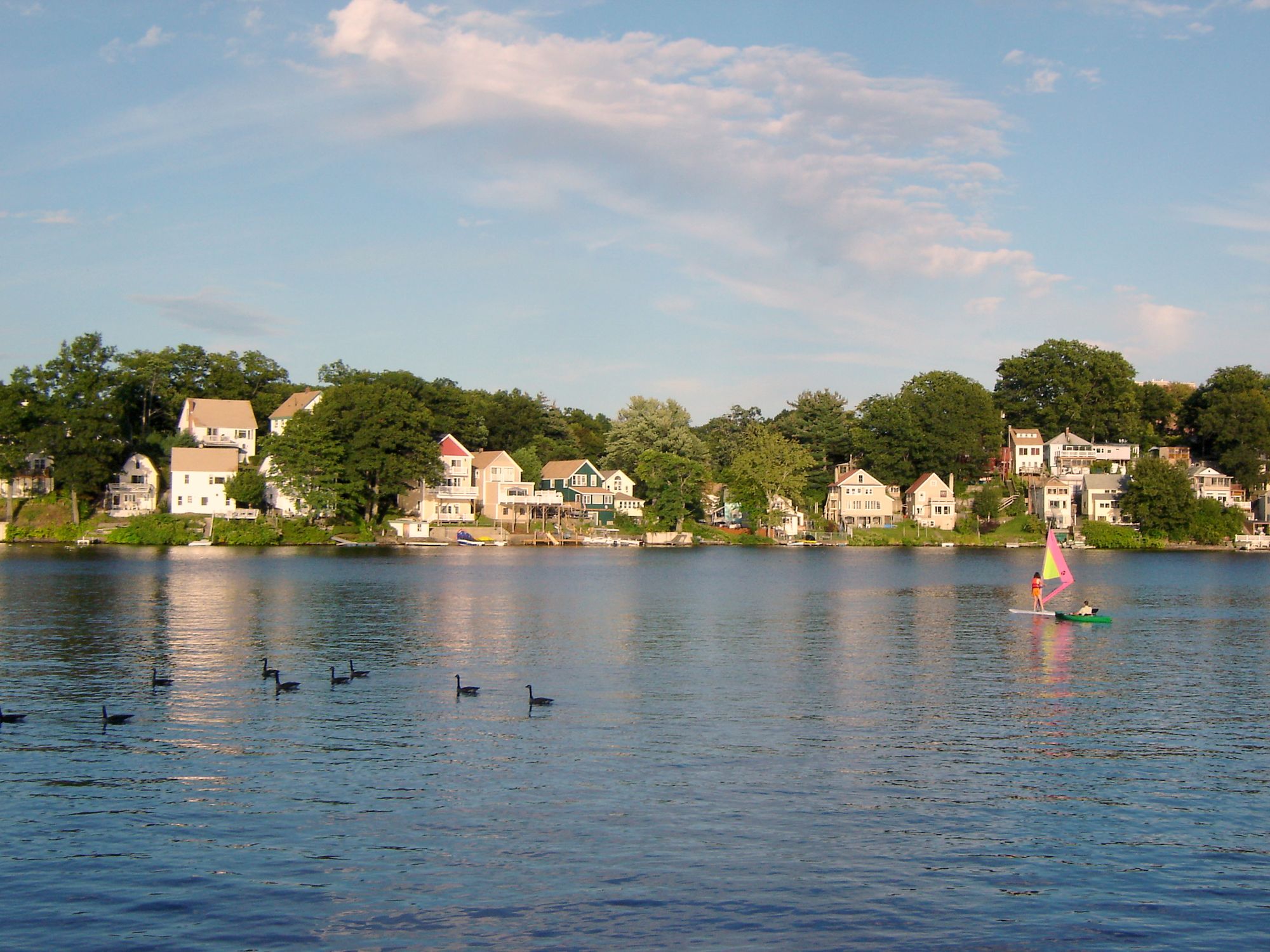
Lake Quinsigamond
Rhode Island Sound
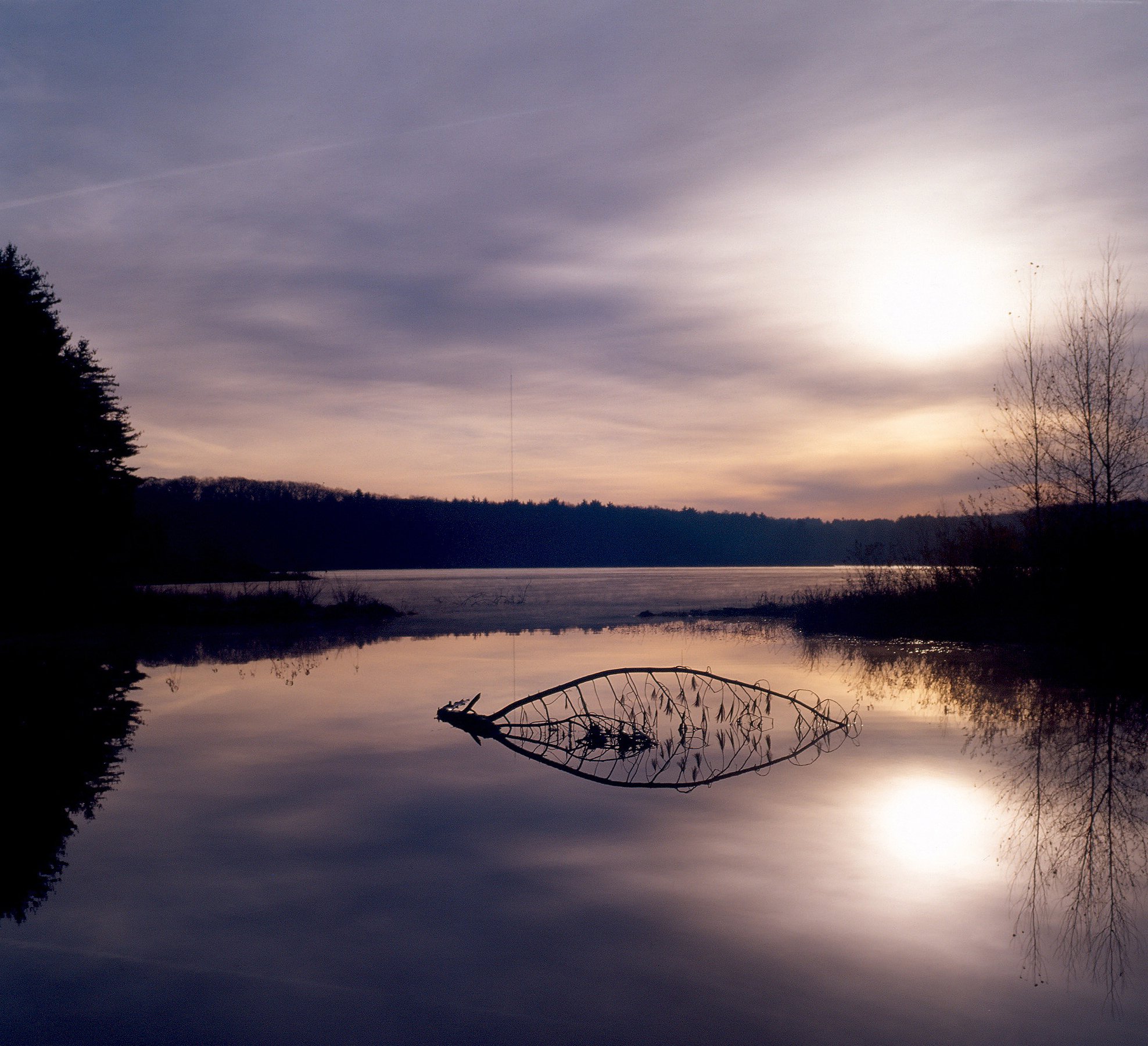
Wachusett Reservoir

Charles River
Sakonnet River
Clear River
What to know
Habitat Distribution
- These hardy fish prefer vegetated areas of ponds and sluggish streams with muddy bottoms.
- Their ability to survive in degraded conditions where other fish cannot makes them particularly abundant in Rhode Island's diverse freshwater habitats.
Key Locations
- In Rhode Island, they're found statewide in numerous water bodies including management area ponds and major lake systems.
Specific Spots
- Focus on vegetated areas of ponds and slow-moving streams, particularly in vegetated areas with muddy bottoms.
Brown Bullhead FAQ
Answers from onWater's species guide.
What are the best lures and bait for Brown Bullhead in Rhode Island?
Top baits include nightcrawlers (especially those from compost piles for stronger scent), chicken liver, cut bait, dough balls, and corn.
When is the best time to fish for Brown Bullhead in Rhode Island?
The best fishing occurs during warm weather months, with action improving throughout spring and peaking before the May-June spawning period, then picking up again in early fall before declining as waters cool. Winter fishing is challenging.
How do you catch Brown Bullhead in Rhode Island?
For fly fishing, suspend small microjigs (1/80 to 1/64 oz, #8 hook) under a strike indicator and retrieve very slowly with long pauses along shorelines.
What do Brown Bullhead eat?
Brown bullheads are benthic omnivores. They feed primarily at night using their sensitive barbels to locate food, consuming aquatic plants, algae, insects, worms, fish e.g.gs, small fish, mollusks, leeches, and crayfish.
Where do Brown Bullhead live in Rhode Island?
These hardy fish prefer vegetated areas of ponds and sluggish streams with muddy bottoms. Their ability to survive in degraded conditions where other fish cannot makes them particularly abundant in Rhode Island's diverse freshwater habitats.
Fish smarter with real-time insights
Whether you're en route and conditions shift or you're looking for the best spot based on current flows, we enable you to make informed decisions on the fly.




See it in the app
Most maps show you water.
onWater shows you Brown Bullhead.



- 01 · Species map filter
Map every Brown Bullhead water
Pick Brown Bullhead and the map zeroes in on the waters they call home. No more guessing which lake holds them.
- 02 · Waterbody species
Tap any water. See what lives there.
Species, behavior and seasonal patterns for every lake, river and pond, before you leave the driveway.
- 03 · Angler Intelligence
Ask how to catch Brown Bullhead
Tactics, gear and timing from onWater's AI fishing guide, tuned to the species and the water you're on.
Stop guessing where Brown Bullhead are.
Open the map, filter by Brown Bullhead, and head to water that holds them. Download onWater and plan your next trip in minutes.
- Species map filter
- Angler Intelligence
- Fishing journal
Explore other species
Trout, bass, salmon, panfish and everything in between. Each guide unpacks the behavior, seasons, and tactics that put fish in the net.
No species information available.
Rhode Island licenses and regulations
Explore nearby waters
Explore Rhode Island waters
Top fishing waters
Popular Cities
Loading popular cities...

Smarter Fishing Starts in the App.
onWater Fish gives you everything you need to plan smarter, fish better, and own every trip from first cast to last.