Largemouth Bass

Largemouth bass in Rhode Island are a non-native species that was widely introduced for sport fishing and have established thriving populations throughout the state's freshwater bodies.
These aggressive predators are voracious predators that are opportunistic feeders.
Scientific Name: Micropterus salmoides
- These aggressive predators are characterized by their large mouth that extends past the eye, dark horizontal stripe pattern, and olive-green coloration.
Fishing in Rhode Island
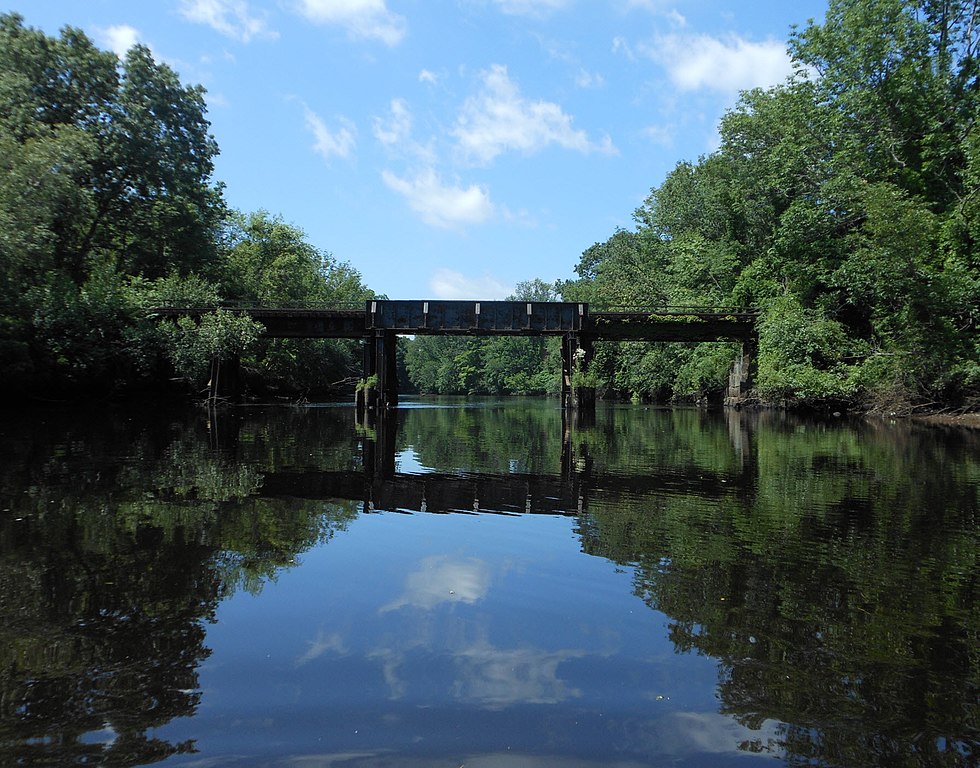
Taunton River
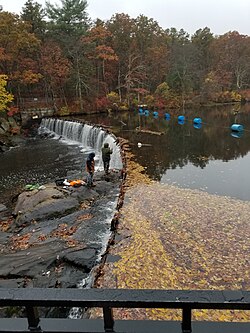
Blackstone River
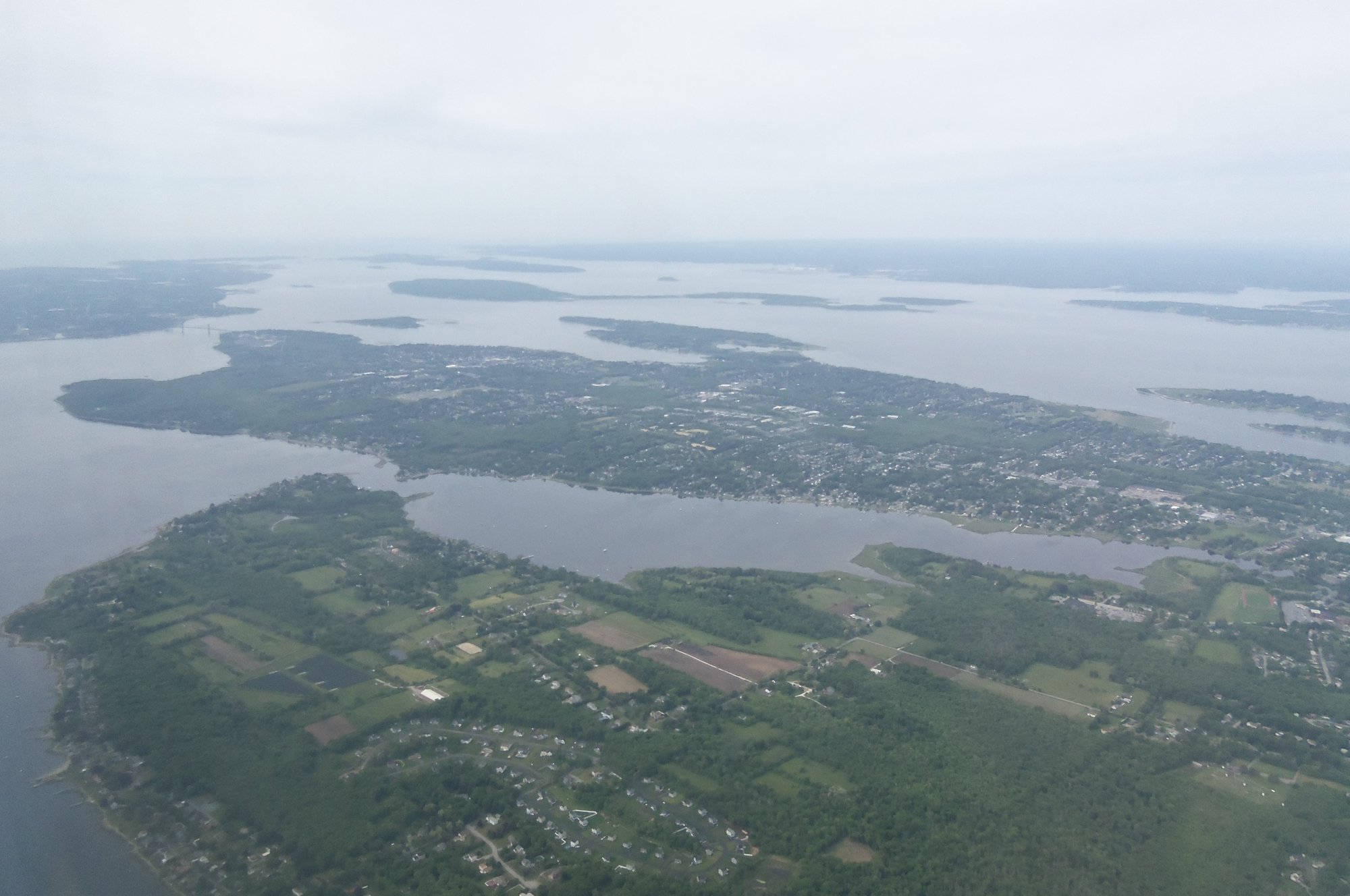
Narragansett Bay
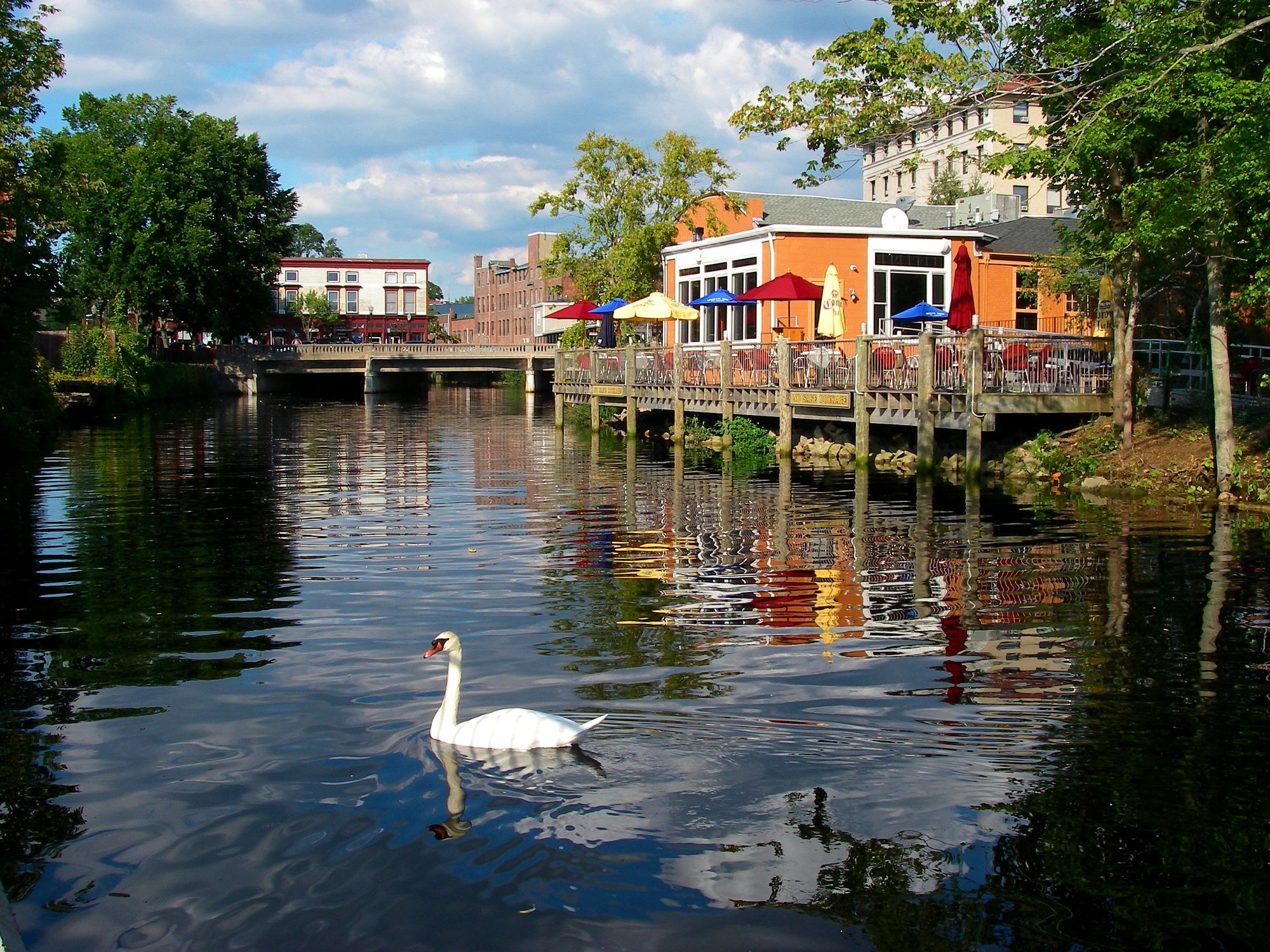
Pawcatuck River
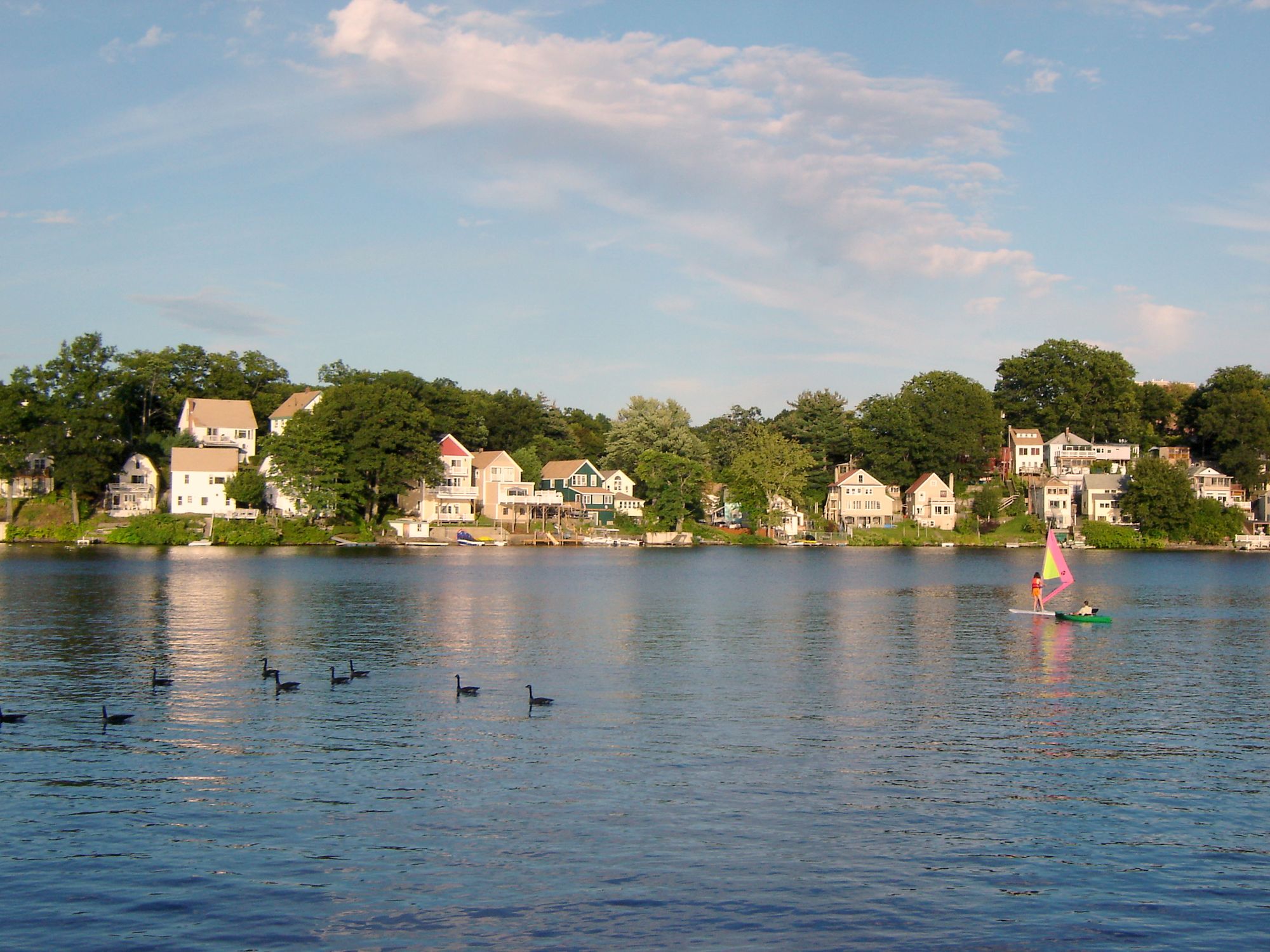
Lake Quinsigamond
Rhode Island Sound
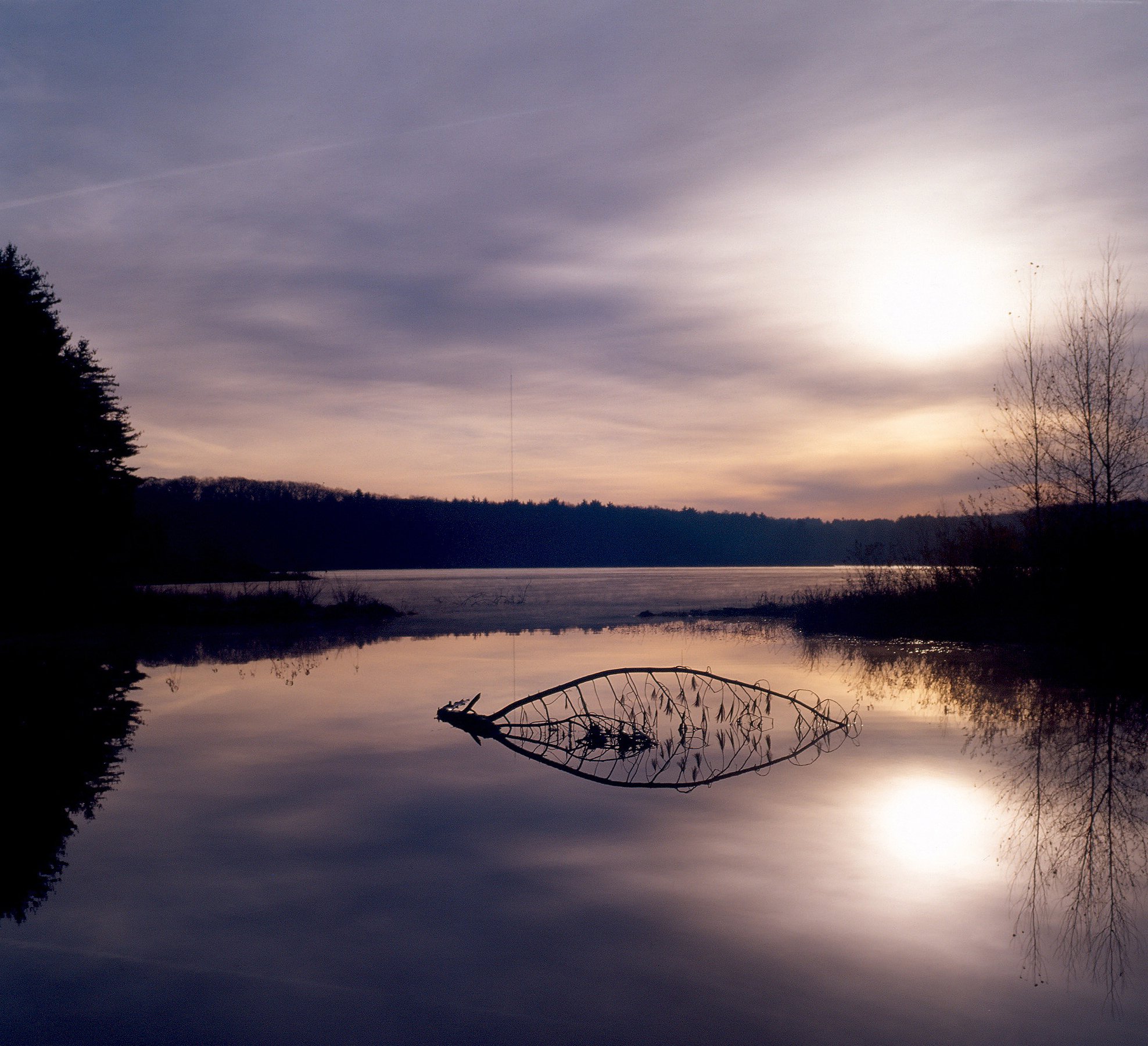
Wachusett Reservoir

Charles River
Sakonnet River
Clear River
What to know
Habitat Distribution
- Rhode Island's largemouth bass are most abundant in warmer, shallower, and weedier environments including lakes, reservoirs, ponds, and slow-moving rivers.
Key Locations
- Prime Rhode Island bass waters include Indian Lake, Wallum Pond, Watchaug Pond, Johnson's Pond, Wilson Reservoir, Upper Slatersville Reservoir, and Carbuncle Pond.
Specific Spots
- They thrive in waters with structure like vegetation, downed trees, brush piles, docks, and rock formations.
- Target vegetation lines, points leading to deep water, fallen trees, docks, and rocky structure.
Largemouth Bass FAQ
Answers from onWater's species guide.
What are the best lures and bait for Largemouth Bass in Rhode Island?
Productive lures include crankbaits (square-bills for shallow cover), spinnerbaits, jigs with crawfish trailers, soft plastics (Texas-rigged worms, creature baits), and topwater poppers. Rhode Island's bass respond well to natural baitfish colors in clear water and brighter patterns in stained water.
What flies work for Largemouth Bass in Rhode Island?
Top fly patterns include poppers (bumblebee, frog, chartreuse patterns), Clouser Minnows (chartreuse/white, pink/white), crawfish patterns like Cohen's Jiggy Craw, woolly buggers, diving bugs, and leech patterns.
When is the best time to fish for Largemouth Bass in Rhode Island?
Rhode Island maintains a year-round bass season. Spring pre-spawn fishing is excellent. Summer bass concentrate around vegetation edges, fallen timber, and deeper structure during daylight hours. Fall provides exceptional fishing as bass feed aggressively before winter.
How do you catch Largemouth Bass in Rhode Island?
Work poppers with 'bloop' sounds and 2-3 second pauses. Fish crankbaits along weed edges and bump them off cover to trigger reaction strikes. In colder water, slow presentations with long pauses work best - use jerkbaits with extended pauses and slowly drag jigs across bottom.
What do Largemouth Bass eat?
Rhode Island bass are voracious predators feeding on fish (bluegill, perch, young bass), crayfish, frogs, insects, and even small mammals. They're opportunistic feeders that will consume anything fitting in their mouth, from snakes and birds to mice.
Fish smarter with real-time insights
Whether you're en route and conditions shift or you're looking for the best spot based on current flows, we enable you to make informed decisions on the fly.




See it in the app
Most maps show you water.
onWater shows you Largemouth Bass.



- 01 · Species map filter
Map every Largemouth Bass water
Pick Largemouth Bass and the map zeroes in on the waters they call home. No more guessing which lake holds them.
- 02 · Waterbody species
Tap any water. See what lives there.
Species, behavior and seasonal patterns for every lake, river and pond, before you leave the driveway.
- 03 · Angler Intelligence
Ask how to catch Largemouth Bass
Tactics, gear and timing from onWater's AI fishing guide, tuned to the species and the water you're on.
Stop guessing where Largemouth Bass are.
Open the map, filter by Largemouth Bass, and head to water that holds them. Download onWater and plan your next trip in minutes.
- Species map filter
- Angler Intelligence
- Fishing journal
Explore other species
Trout, bass, salmon, panfish and everything in between. Each guide unpacks the behavior, seasons, and tactics that put fish in the net.
No species information available.
Rhode Island licenses and regulations
Explore nearby waters
Explore Rhode Island waters
Top fishing waters
Popular Cities
Loading popular cities...

Smarter Fishing Starts in the App.
onWater Fish gives you everything you need to plan smarter, fish better, and own every trip from first cast to last.