Tautog

Tautog (Tautoga onitis), also known as blackfish or tog, are thick-lipped, stout members of the wrasse family native to Rhode Island waters.
These bottom-dwelling fish are most abundant from Cape Cod to Cape Hatteras, making Rhode Island ideal habitat within their core range.
Scientific Name: Tautoga onitis
Also known as blackfish, tog
Adults are darkly colored, ranging from chocolate gray to deep dusky, olive green, or dull blackish, with irregular mottling. Larger adults are sometimes called 'white-chinners' due to their characteristic white lower jaw.
Juveniles and females typically display more mottled brown coloration, while mature males are often grayish or blackish with prominent white markings.
Fishing in Rhode Island
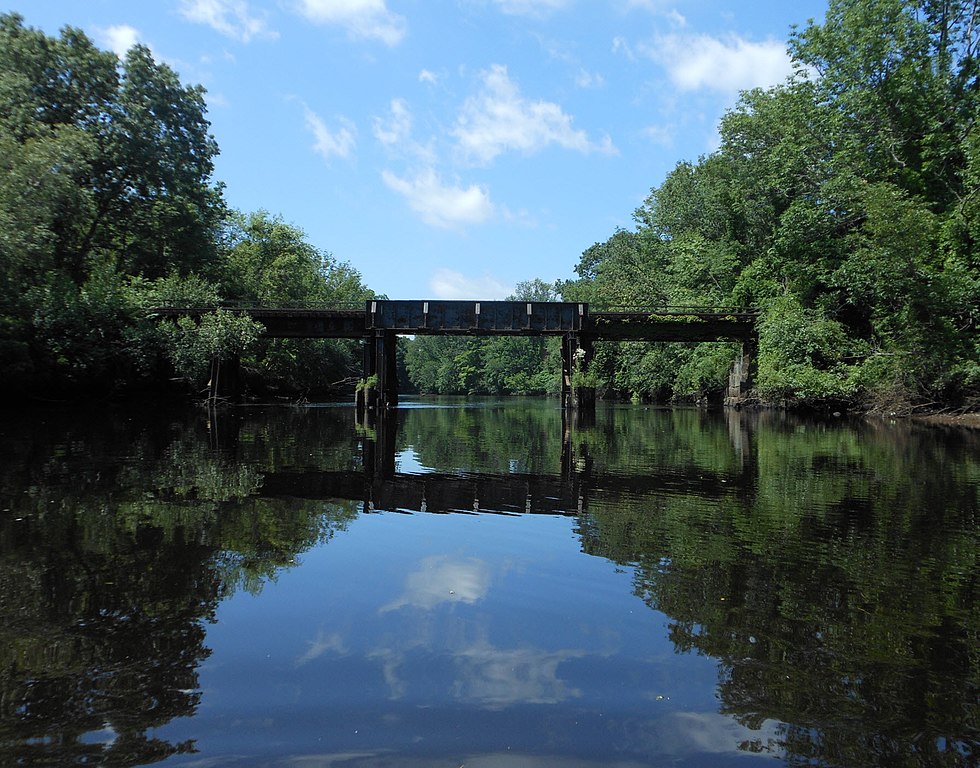
Taunton River
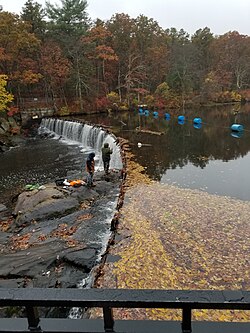
Blackstone River
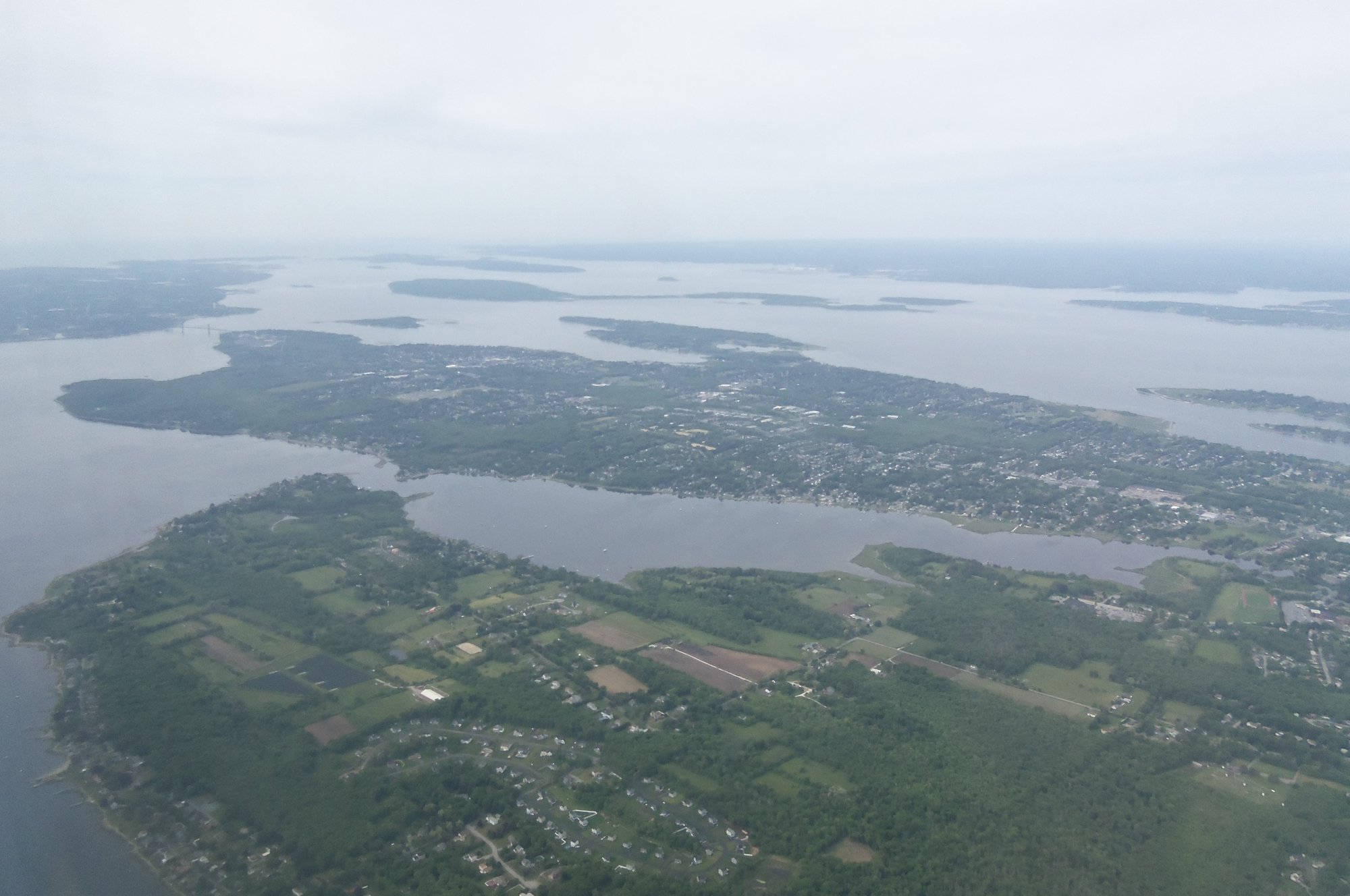
Narragansett Bay
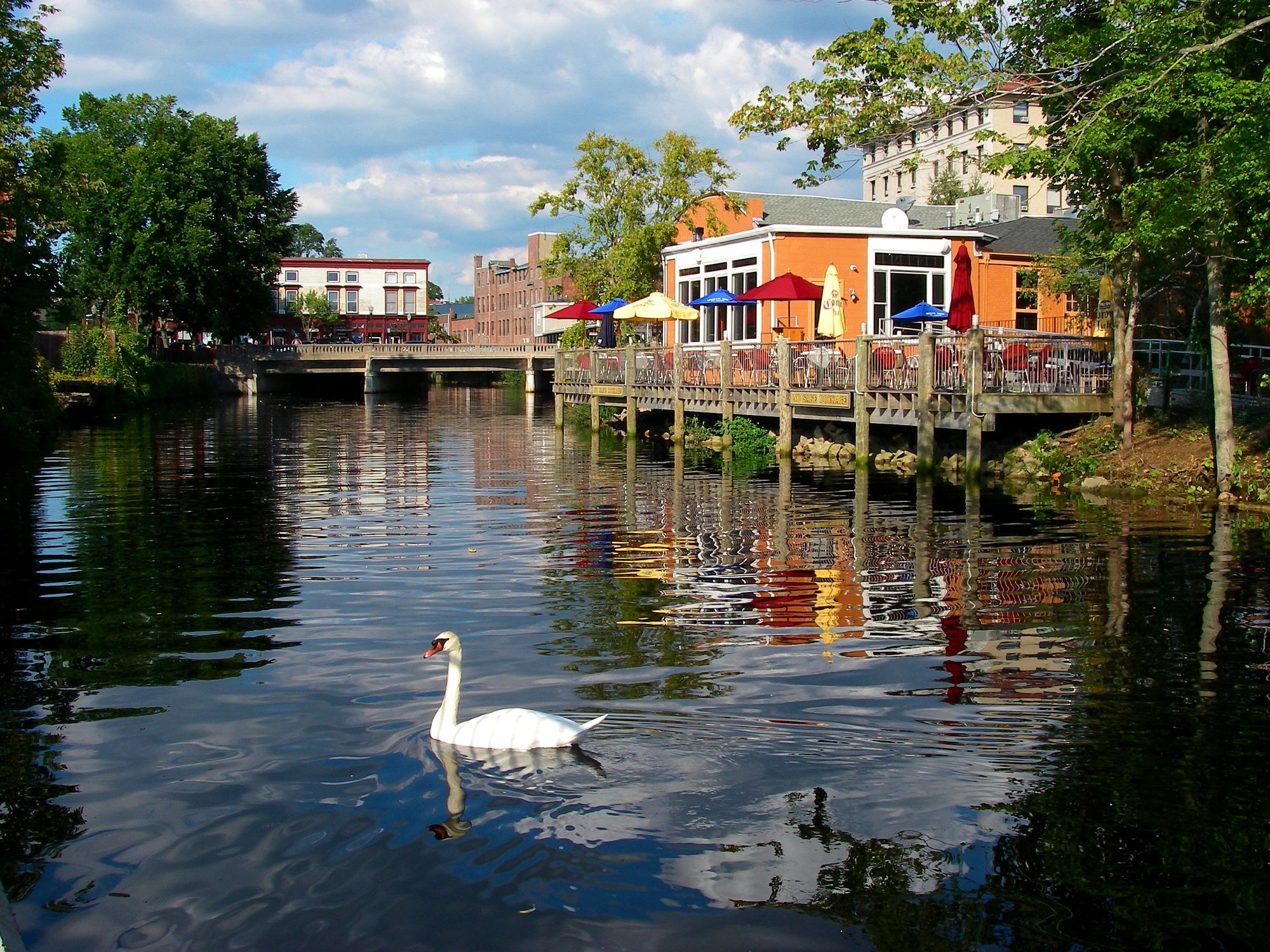
Pawcatuck River
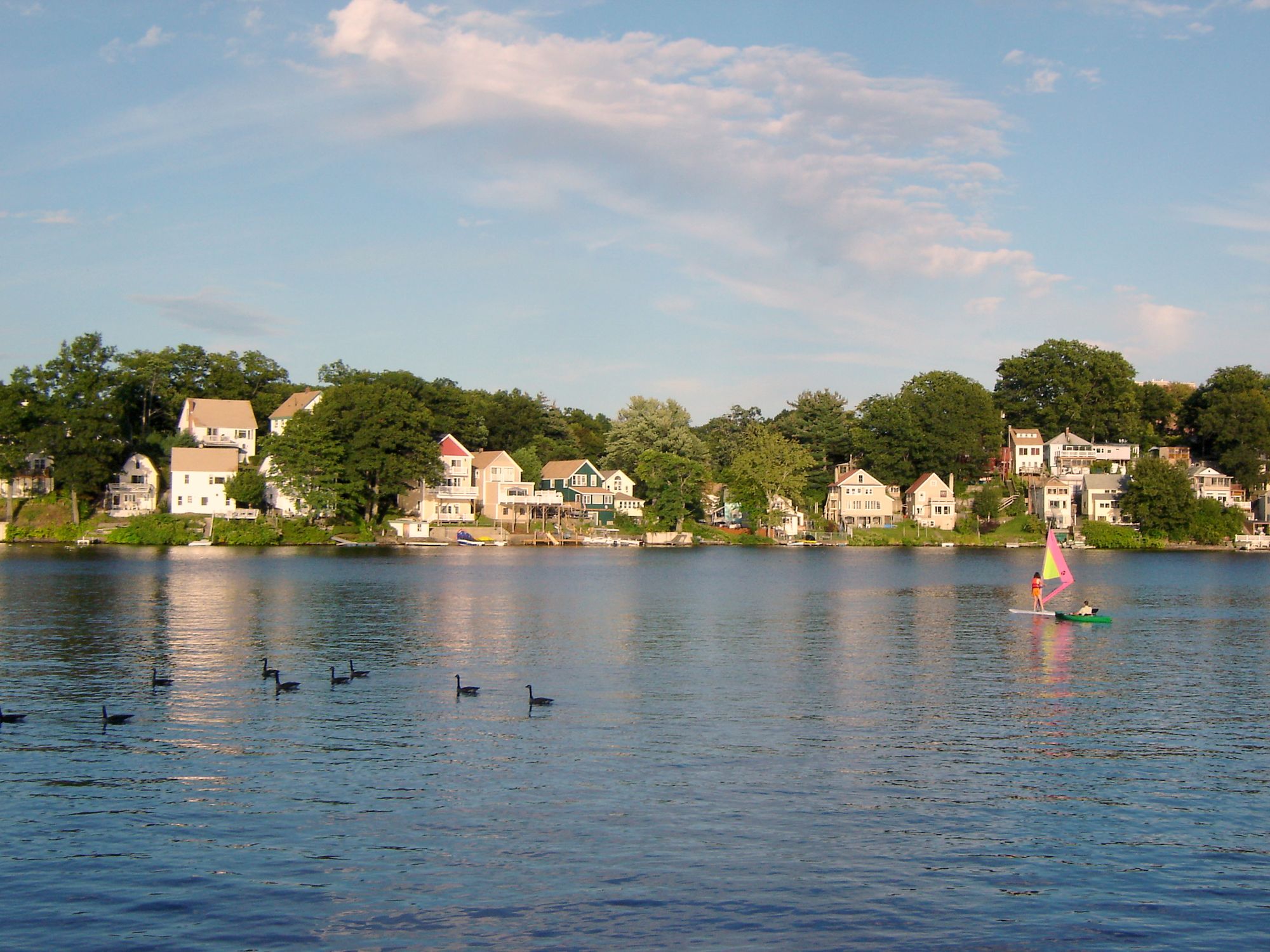
Lake Quinsigamond
Rhode Island Sound
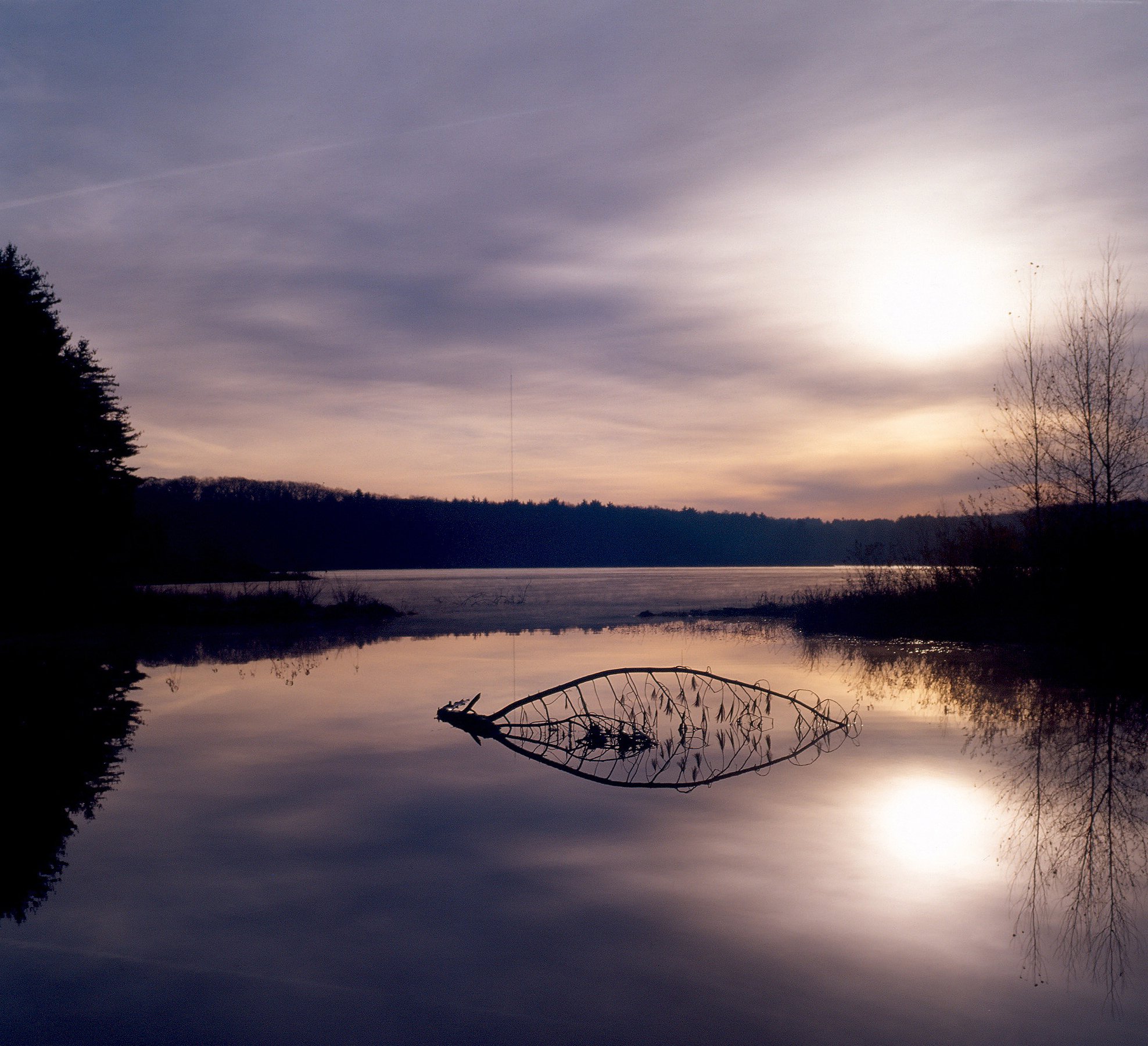
Wachusett Reservoir

Charles River
Sakonnet River
Clear River
What to know
Habitat Distribution
In Rhode Island, tautog inhabit Narragansett Bay, coastal waters, rocky shores, artificial and natural reefs, bridge pilings, shipwrecks, jetties, mussel beds, and areas with complex bottom structure. Rhode Island's population is considered part of a regional stock assessment covering Massachusetts and Rhode Island waters.Key Locations
Beavertail State Park, Fort Wetherill, India Point Park, Coddington Cove jetty, Hope Island, Whale Rock, General Rock, Brenton Reef, Plum Lighthouse, Block Island Sound, and Newport Harbor. Jamestown Bridge area.Specific Spots
Target rocky coastlines, jetties, bridge pilings, and areas with underwater structure. They strongly associate with cover and require suitable shelter during their inactive nighttime phase.Tautog FAQ
Answers from onWater's species guide.
What are the best lures and bait for Tautog in Rhode Island?
Popular rigs include single-hook bottom rigs, two-hook basic rigs, slider rigs, and high-low rigs with 3/0-5/0 octopus hooks. Tautog jigs (1/2 to 4 ounces) tipped with bait. Green crabs are the premier bait - break off most legs and claws, cut in half, and hook through leg sockets.
What flies work for Tautog in Rhode Island?
Crab patterns like the Merkin or Simon's HoverCrab, small Clouser Minnows (red over white, orange over white, olive over yellow in sizes 2-6), and stonefly nymphs like Strolis' Shimmer Stone. Keep flies short (less than one inch of hair beyond hook bend).
When is the best time to fish for Tautog in Rhode Island?
Rhode Island's tautog season is divided into specific periods: April 1-May 31 (3 fish limit), June 1-July 31 (closed), August 1-October 14 (3 fish limit), and October 15-December 31 (5 fish limit). Best fishing occurs from May through mid-June and late September through October.
How do you catch Tautog in Rhode Island?
From boats, anchor precisely over structure rather than drifting. Use saltwater mono-rig nymphing techniques for fly fishing with drop shot weight. Watch for subtle taps and pecks from smaller fish, then wait for the solid tug indicating a keeper-sized tautog has taken the bait.
What do Tautog eat?
Opportunistic sight feeders with powerful pharyngeal crushing teeth, primarily consuming blue mussels (their preferred prey), green crabs, Asian crabs, rock crabs, hermit crabs, barnacles, clams, scallops, and various crustaceans.
Fish smarter with real-time insights
Whether you're en route and conditions shift or you're looking for the best spot based on current flows, we enable you to make informed decisions on the fly.




See it in the app
Most maps show you water.
onWater shows you Tautog.



- 01 · Species map filter
Map every Tautog water
Pick Tautog and the map zeroes in on the waters they call home. No more guessing which lake holds them.
- 02 · Waterbody species
Tap any water. See what lives there.
Species, behavior and seasonal patterns for every lake, river and pond, before you leave the driveway.
- 03 · Angler Intelligence
Ask how to catch Tautog
Tactics, gear and timing from onWater's AI fishing guide, tuned to the species and the water you're on.
Stop guessing where Tautog are.
Open the map, filter by Tautog, and head to water that holds them. Download onWater and plan your next trip in minutes.
- Species map filter
- Angler Intelligence
- Fishing journal
Explore other species
Trout, bass, salmon, panfish and everything in between. Each guide unpacks the behavior, seasons, and tactics that put fish in the net.
No species information available.
Rhode Island licenses and regulations
Explore nearby waters
Explore Rhode Island waters
Top fishing waters
Popular Cities
Loading popular cities...

Smarter Fishing Starts in the App.
onWater Fish gives you everything you need to plan smarter, fish better, and own every trip from first cast to last.