Tiger Trout
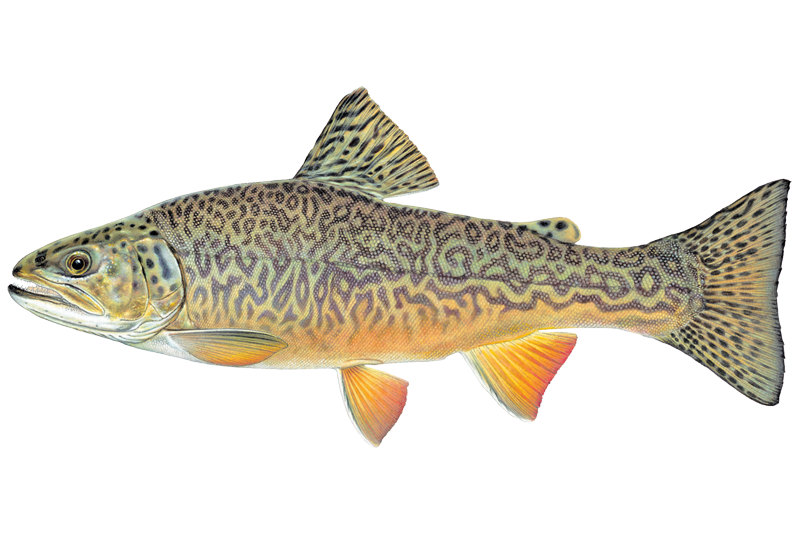
Tiger Trout in Rhode Island are sterile hybrids created by crossing female brown trout with male brook trout, exclusively produced in hatcheries and stocked in select waters.
- These distinctive fish display striking tiger-like vermiculation patterns across their greenish-yellow to brown bodies, with darker patches creating maze-like markings along their sides.
- They're notably aggressive predators with sharp teeth, combining the stockier build of brook trout with the elongated features of brown trout.
- These fish can grow 18-20 inches and weigh 2-5 pounds, with some reaching over 20 pounds.
Fishing in Rhode Island
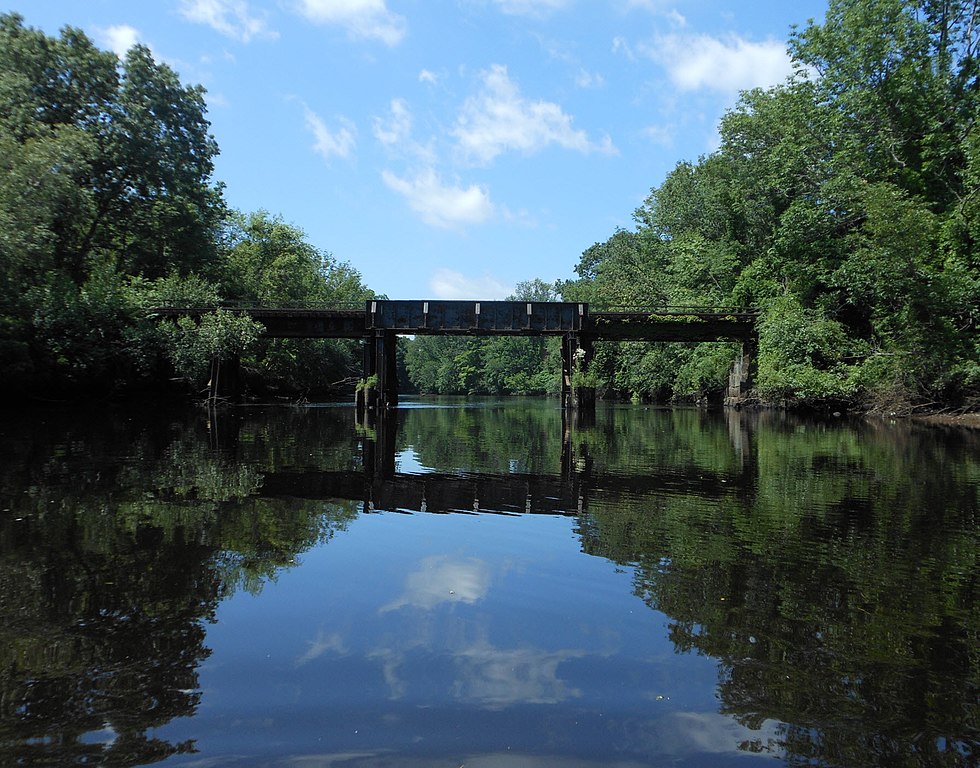
Taunton River
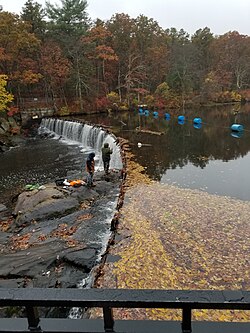
Blackstone River

Narragansett Bay

Pawcatuck River

Lake Quinsigamond

Rhode Island Sound

Wachusett Reservoir

Charles River

Sakonnet River

Clear River
What to know
Habitat Distribution
- They thrive in the same cold, clear, well-oxygenated waters as brook and brown trout but can tolerate slightly warmer conditions and lower elevations than brook trout.
Key Locations
- Rhode Island's Division of Fish and Wildlife stocks Tiger Trout in four premier locations: Silver Spring Lake (North Kingstown), Upper Melville Pond (Portsmouth), Shippee Sawmill Pond (Foster), and Barber Pond (South Kingstown).
Specific Spots
- Target structure like inflows, outlets, drop-offs, and spring holes where Tiger Trout ambush prey.
Tiger Trout FAQ
Answers from onWater's species guide.
What are the best lures and bait for Tiger Trout in Rhode Island?
1/8-ounce inline spinners like Panther Martins, small spoons such as Acme Phoebe or Kastmaster, and minnow-imitating lures.
What flies work for Tiger Trout in Rhode Island?
Woolly Buggers in black, olive, and brown are highly effective. Mouse patterns work exceptionally well at night or during low-light conditions.
When is the best time to fish for Tiger Trout in Rhode Island?
Rhode Island's trout season from the second Saturday in April through November 30th, with a reduced limit of 2 fish from December 1st through February 28th.
How do you catch Tiger Trout in Rhode Island?
Focus on streamers rather than nymphs or dry flies - strip with slow, consistent foot-long retrieves. Be stealthy in your approach, as these fish can be wary despite their aggressive nature.
What do Tiger Trout eat?
Tiger Trout are highly piscivorous, feeding almost exclusively on baitfish as adults, though young fish consume insects, smaller fish, and crustaceans. Unlike their parent species, Tiger Trout don't feed on insects like brook trout do - they focus on other fish.
Fish smarter with real-time insights
Whether you're en route and conditions shift or you're looking for the best spot based on current flows, we enable you to make informed decisions on the fly.







See it in the app
Most maps show you water.
onWater shows you Tiger Trout.



- 01 · Species map filter
Map every Tiger Trout water
Pick Tiger Trout and the map zeroes in on the waters they call home. No more guessing which lake holds them.
- 02 · Waterbody species
Tap any water. See what lives there.
Species, behavior and seasonal patterns for every lake, river and pond, before you leave the driveway.
- 03 · Angler Intelligence
Ask how to catch Tiger Trout
Tactics, gear and timing from onWater's AI fishing guide, tuned to the species and the water you're on.
Stop guessing where Tiger Trout are.
Open the map, filter by Tiger Trout, and head to water that holds them. Download onWater and plan your next trip in minutes.
- Species map filter
- Angler Intelligence
- Fishing journal
Explore other species
Trout, bass, salmon, panfish and everything in between. Each guide unpacks the behavior, seasons, and tactics that put fish in the net.

Find which waters have the species you want to catch

Largemouth Bass
Micropterus salmoides

Smallmouth Bass
Micropterus dolomieu

Rainbow Trout

Brown Trout
Salmo trutta

Brook Trout
Salvelinus fontinalis

Northern Pike
Esox lucius

Black Crappie
Pomoxis nigromaculatus

Alewife
Alosa pseudoharengus

American Eel
Anguilla rostrata

American Shad
Alosa sapidissima

Atlantic Salmon

Black Bullhead
Ameiurus melas

Black Sea Bass
Centropristis striata

Bluefish
Pomatomus saltatrix

Brown Bullhead
Ameiurus nebulosus

Chain Pickerel
Esox niger

Channel Catfish
Ictalurus punctatus

Common Carp

Creek Chub
Semotilus atromaculatus

Fallfish
Semotilus corporalis

Gizzard Shad
Dorosoma cepedianum

Hickory Shad
Alosa mediocris

Pumpkinseed
Lepomis gibbosus
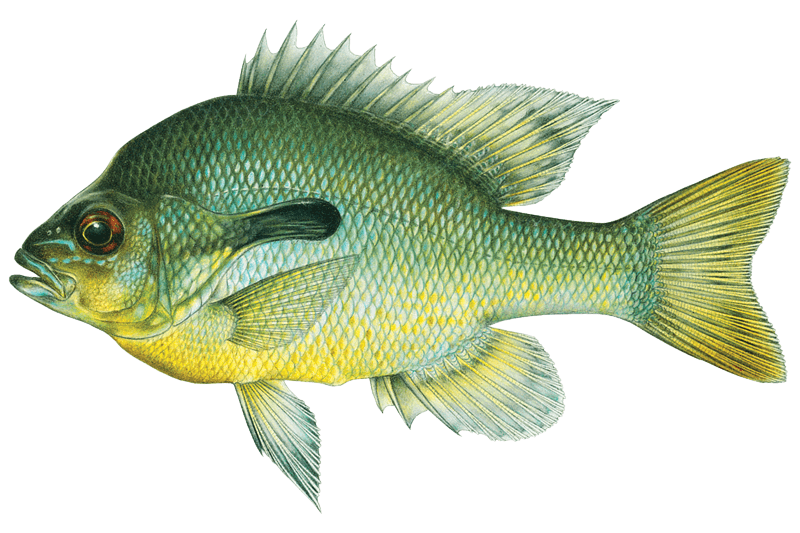
Redbreast Sunfish
Lepomis auritus

Redear Sunfish
Lepomis microlophus
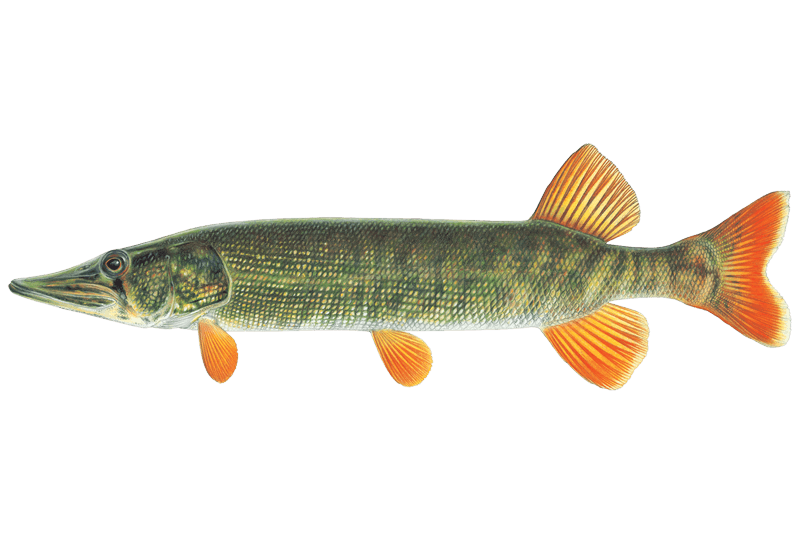
Redfin Pickerel
Esox americanus americanus

Rock Bass
Ambloplites rupestris

Scup
Stenotomus chrysops
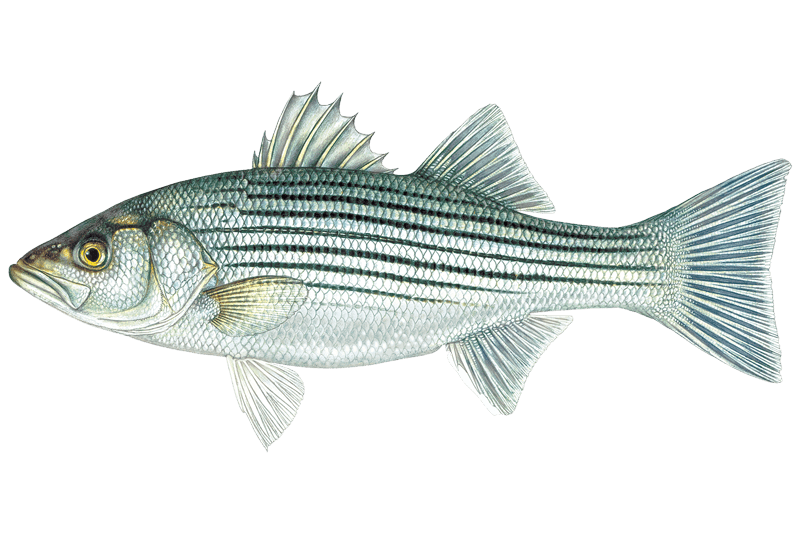
Striped Bass
Morone saxatilis

Summer Flounder
Paralichthys dentatus

Tautog
Tautoga onitis
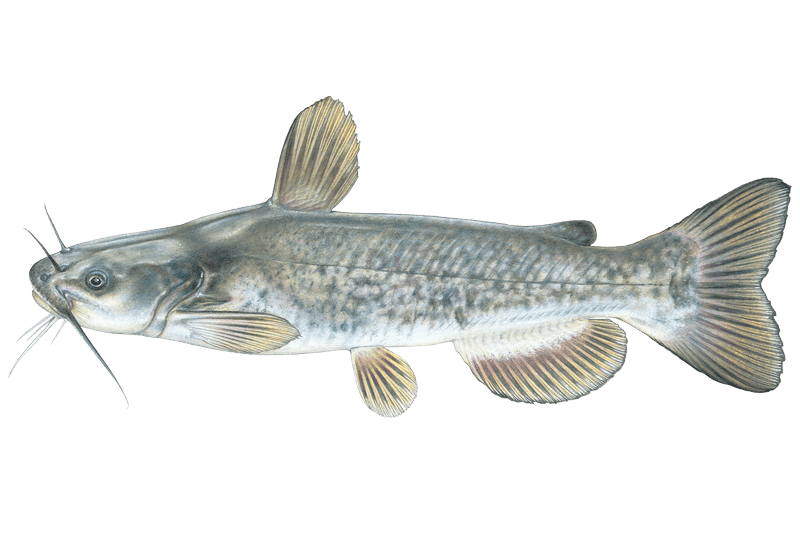
White Catfish
Ameiurus catus
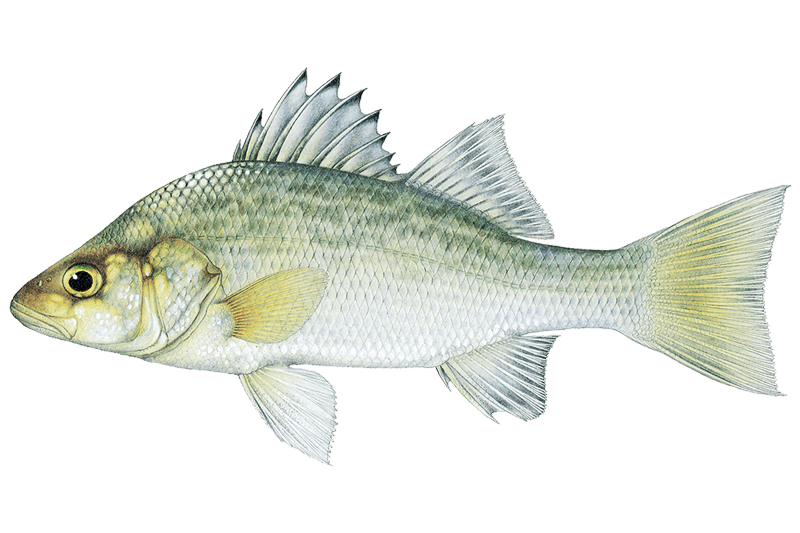
White Perch
Morone americana
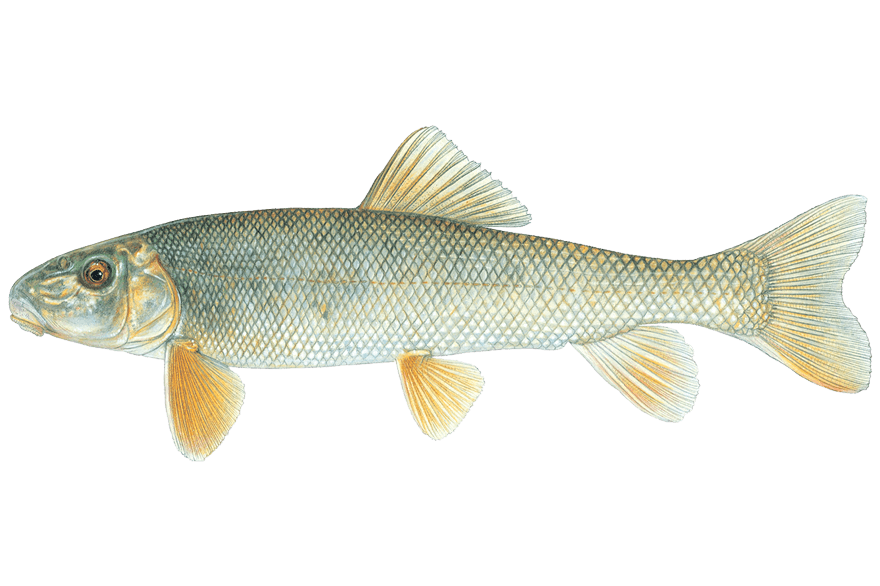
White Sucker
Catostomus commersonii
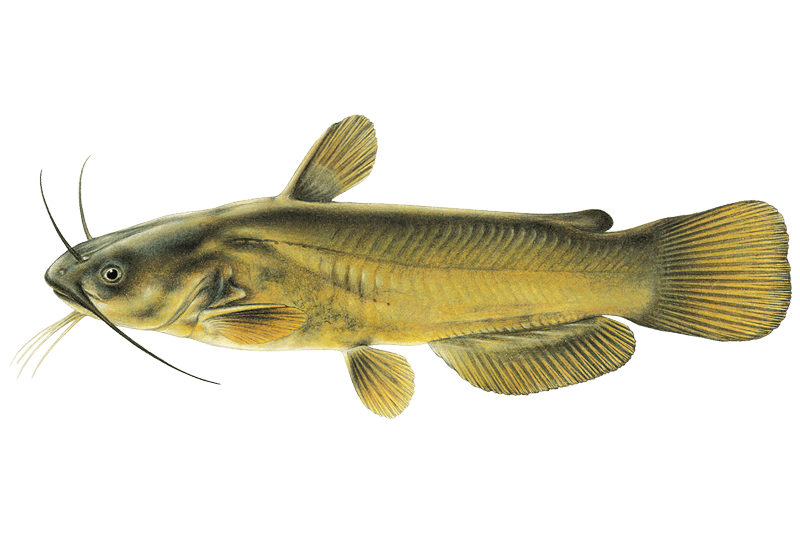
Yellow Bullhead
Ameiurus natalis
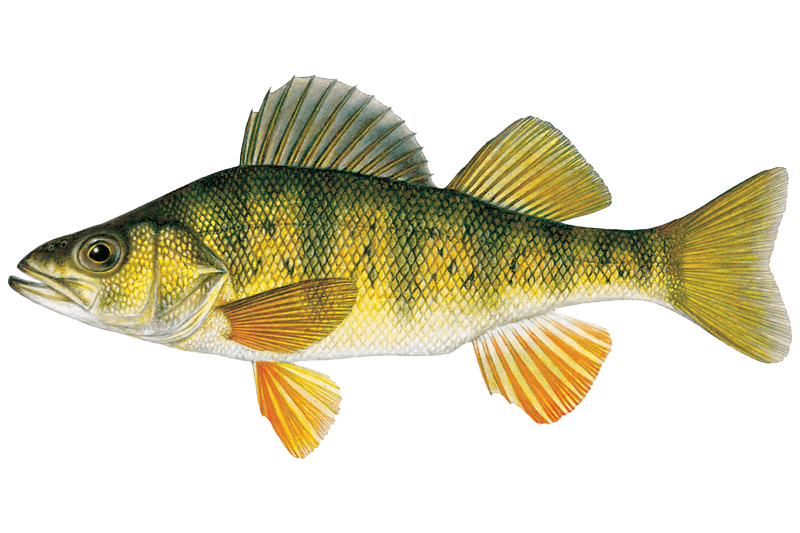
Yellow Perch
Perca flavescens
Rhode Island licenses and regulations

Rhode Island Boating Regulations
When using any type of watercraft to access a body of water, it is important to follow all federal, state, and local rules and regulations. These rules and regulations include boat permitting and licensing, invasive species inspections and stamps, life jacket and PFD rules, motor size and horsepower restrictions, noise limitations, restrictions on personal watercraft, and many more. Visit the web link below for the most current rules and regulations for this body of water.

Rhode Island Fishing License
Recreational Freshwater Fishing Licenses are required of anglers fifteen (15) years of age and older. Recreational Saltwater Fishing Licenses are required of anglers sixteen (16) years of age and older.

Rhode Island Fishing Regulations
This river has a variety of species and regulations, including potential floating and/or watercraft restrictions. Because this river is specially managed for species, seasons, angling methods, and watercraft, it is strongly encouraged you check all federal, state, and local regulations before fishing. Visit any of the links below, inquire locally, or contact a local fly shop to learn current regulations and restrictions.

Rhode Island Stream Access Laws
Rhode Island’s public trust doctrine opens all waters of the state, up to the high water mark, to public use. The state doesn’t have its own navigability test.
Explore nearby waters
Explore Rhode Island waters
Top fishing waters
Popular Cities
Loading popular cities...
Smarter Fishing Starts in the App.
onWater Fish gives you everything you need to plan smarter, fish better, and own every trip from first cast to last.