Scup

Scup are lively silver to bronze-colored schooling fish found throughout Rhode Island's coastal waters from Cape Cod to North Carolina.
They're structure-oriented bottom feeders with a classic panfish appearance and notorious dorsal spines that can pierce through boots.
Scientific Name: Stenotomus chrysops
Also known as porgies
Silver to bronze-colored schooling fish with a classic panfish appearance and notorious dorsal spines that can pierce through boots
Fishing in Rhode Island
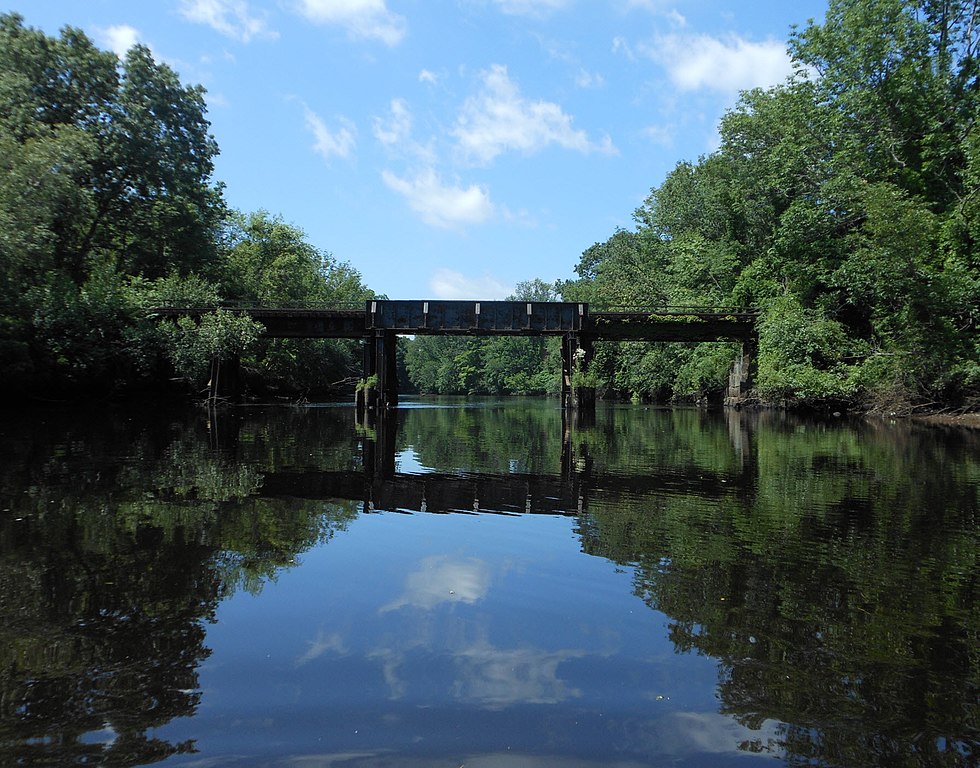
Taunton River
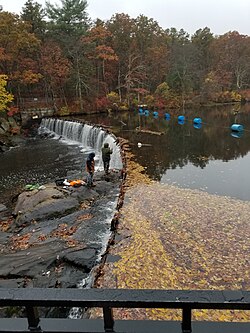
Blackstone River
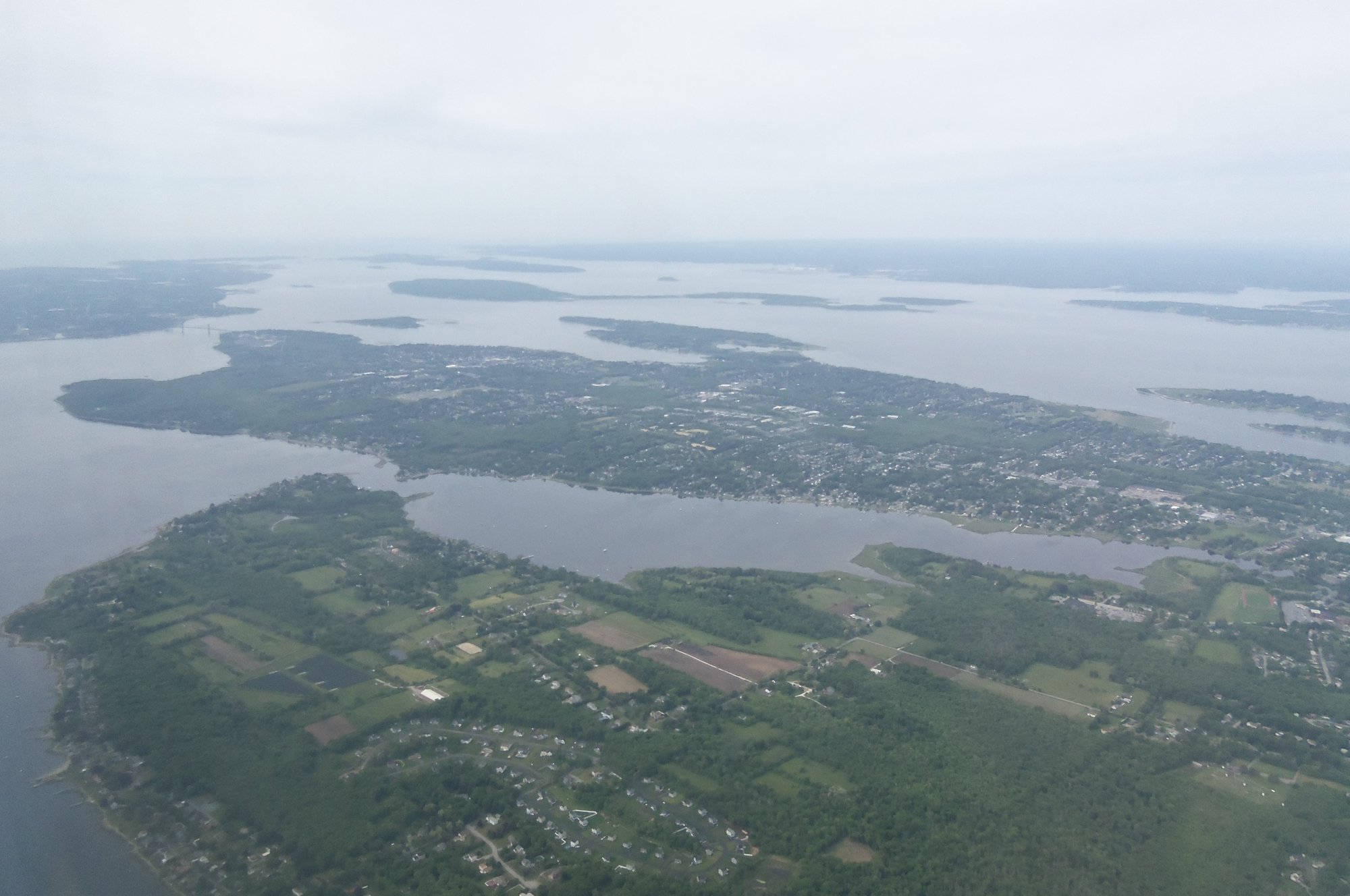
Narragansett Bay
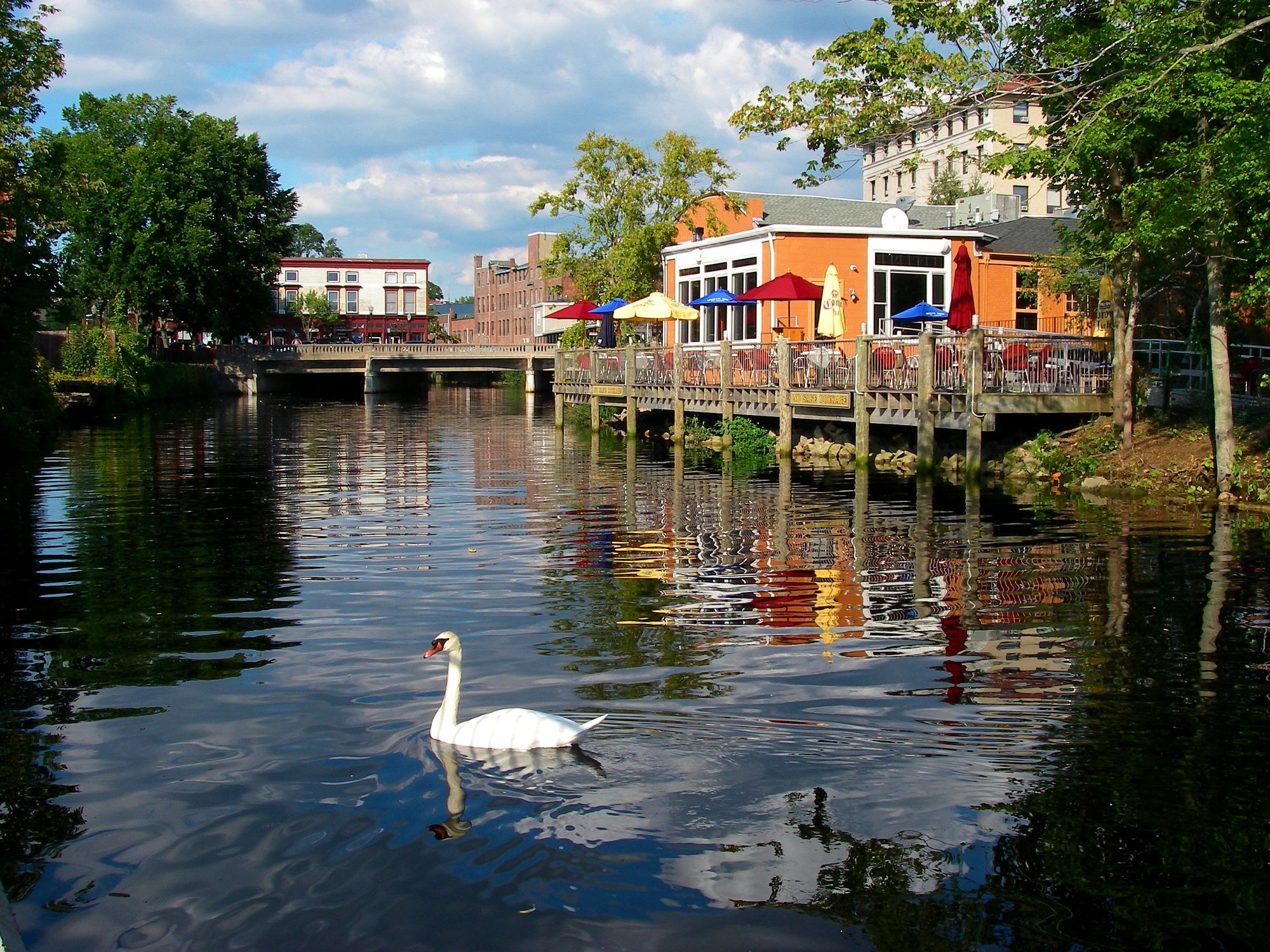
Pawcatuck River
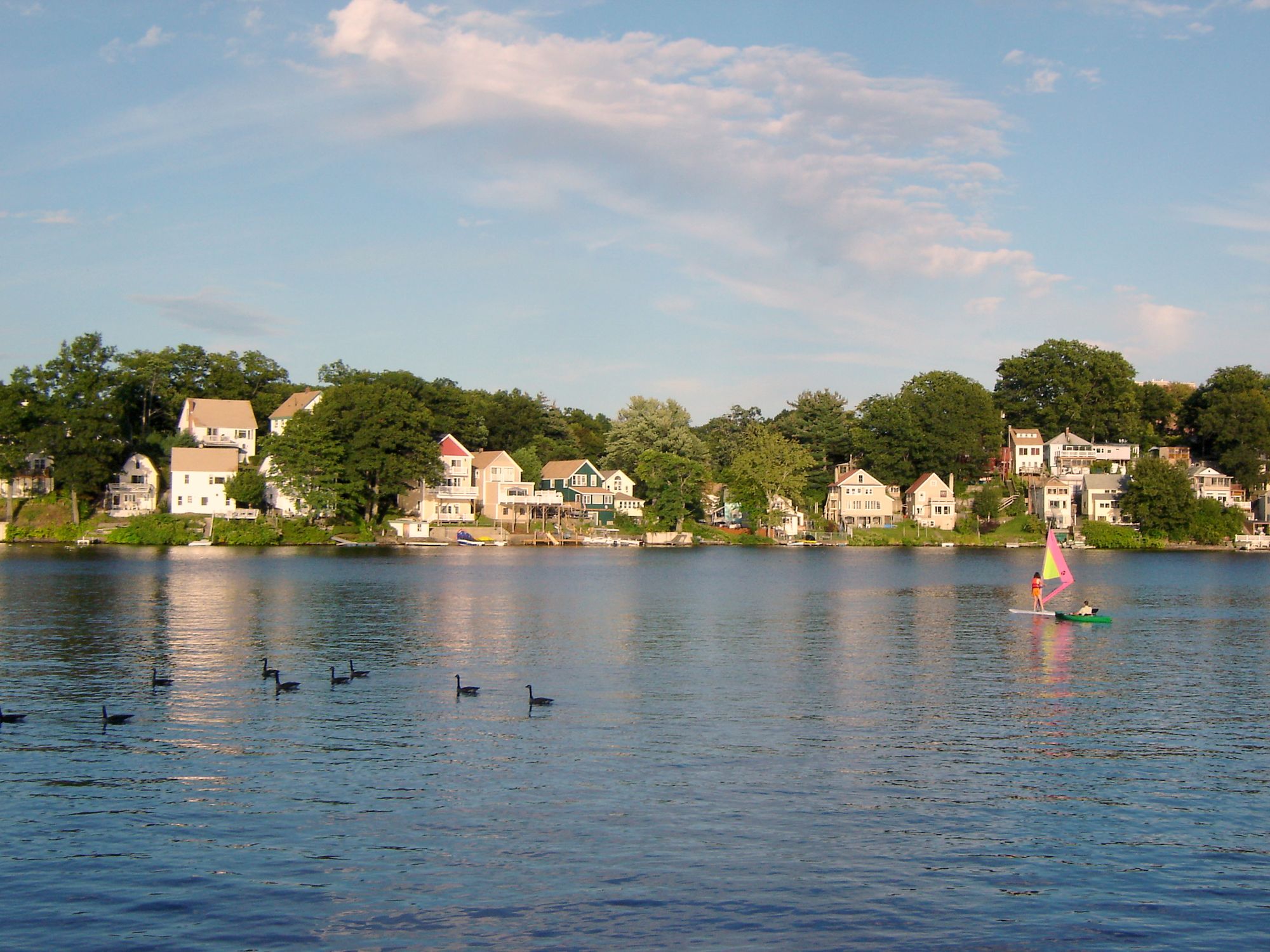
Lake Quinsigamond
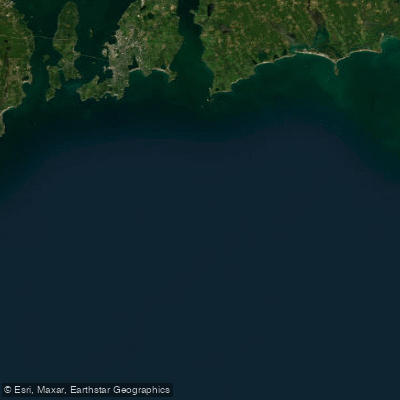
Rhode Island Sound
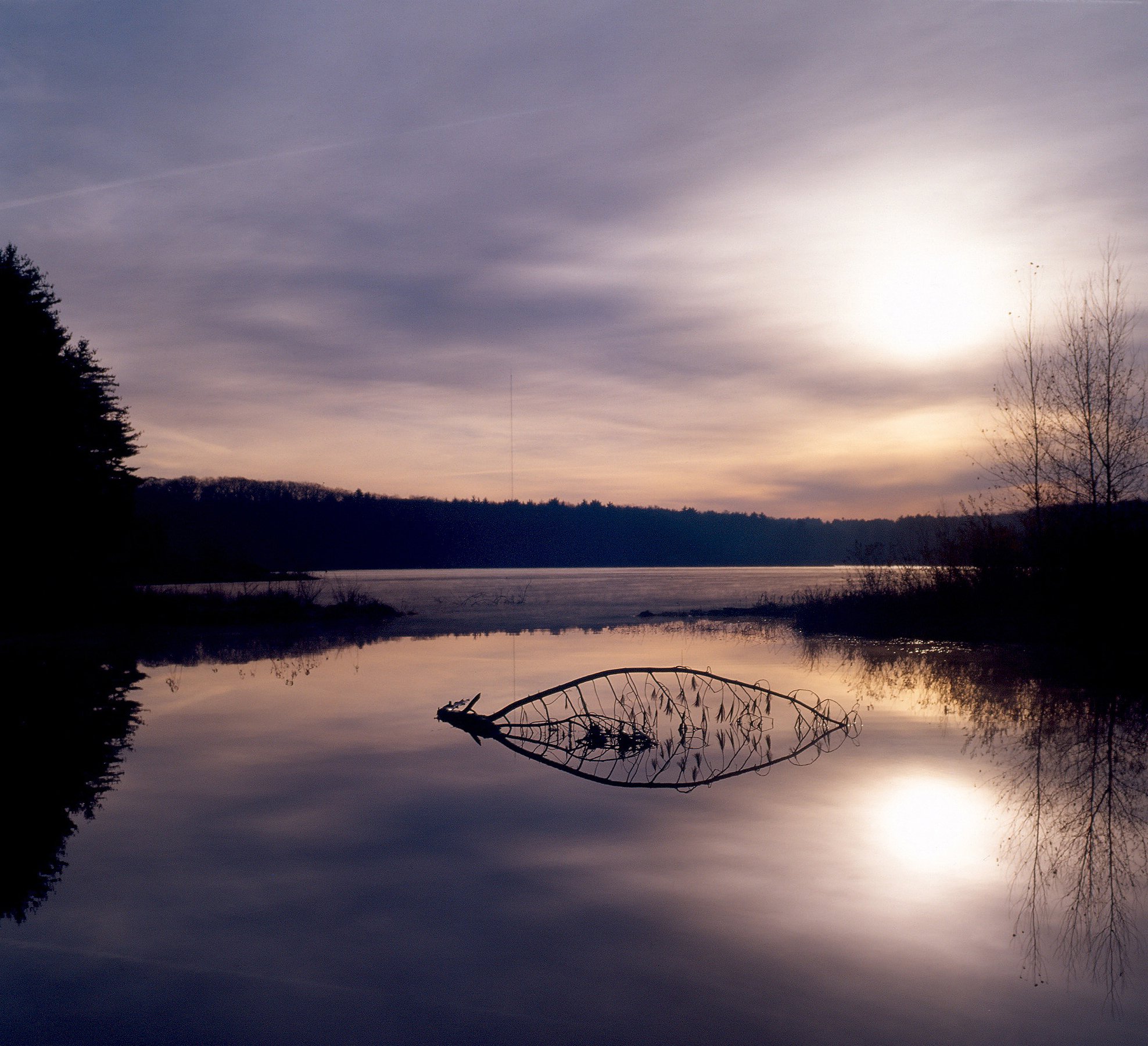
Wachusett Reservoir

Charles River
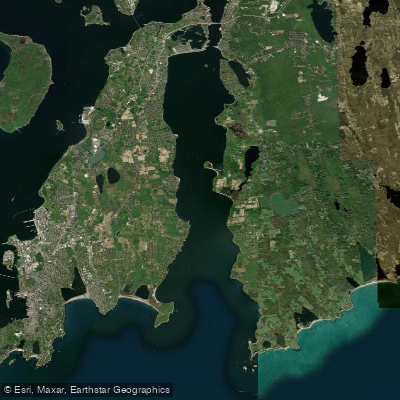
Sakonnet River
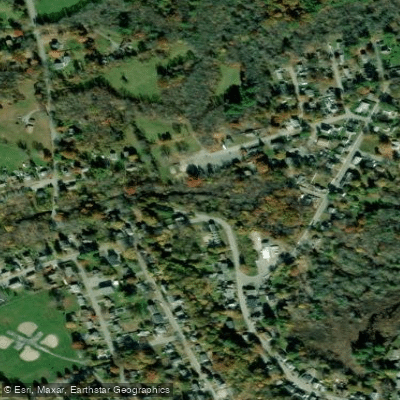
Clear River
What to know
Habitat Distribution
Found throughout Rhode Island's coastal waters from Cape Cod to North Carolina. These migratory fish overwinter offshore in depths of 75-185 meters, returning to Rhode Island's inshore waters in spring.Key Locations
Narragansett Bay, Block Island Sound, Newport, Point Judith, Warwick, Newport's rocky shorelines, Point Judith area, Beavertail State Park, Colt State Park along Narragansett Bay, and various artificial reefsSpecific Spots
Soft sandy bottoms near hard structures like rocky ledges, wrecks, artificial reefs, mussel beds, and bridge abutments in 10-20 feet of waterScup FAQ
Answers from onWater's species guide.
What are the best lures and bait for Scup in Rhode Island?
Sea clam bellies, salted squid strips, sea worms, and bluefish belly strips to deter smaller fish. Small jigheads (1/24 to 1/20 oz) tipped with soft plastics like Gulp or small bucktails, small spoons, metal jigs, and tiny swimming plugs.
When is the best time to fish for Scup in Rhode Island?
Most productive from June through October, with peak action occurring in September and October as bigger fish concentrate near structure before their offshore migration. October often provides the best size composition as larger scup stage for their offshore migration.
How do you catch Scup in Rhode Island?
Traditional bait fishing with bottom rigs, vertical fishing when anchored near structure, casting to rocky areas and drop-offs from shore
What do Scup eat?
Benthic feeders consuming polychaete worms, small crustaceans (amphipods, copepods, mysids), mollusks, squid, fish eggs, and detritus. Adults also feed on sand dollars, hydroids, and small fish.
Where do Scup live in Rhode Island?
Found throughout Rhode Island's coastal waters from Cape Cod to North Carolina. These migratory fish overwinter offshore in depths of 75-185 meters, returning to Rhode Island's inshore waters in spring.
Fish smarter with real-time insights
Whether you're en route and conditions shift or you're looking for the best spot based on current flows, we enable you to make informed decisions on the fly.







See it in the app
Most maps show you water.
onWater shows you Scup.



- 01 · Species map filter
Map every Scup water
Pick Scup and the map zeroes in on the waters they call home. No more guessing which lake holds them.
- 02 · Waterbody species
Tap any water. See what lives there.
Species, behavior and seasonal patterns for every lake, river and pond, before you leave the driveway.
- 03 · Angler Intelligence
Ask how to catch Scup
Tactics, gear and timing from onWater's AI fishing guide, tuned to the species and the water you're on.
Stop guessing where Scup are.
Open the map, filter by Scup, and head to water that holds them. Download onWater and plan your next trip in minutes.
- Species map filter
- Angler Intelligence
- Fishing journal
Explore other species
Trout, bass, salmon, panfish and everything in between. Each guide unpacks the behavior, seasons, and tactics that put fish in the net.

Find which waters have the species you want to catch

Largemouth Bass
Micropterus salmoides

Smallmouth Bass
Micropterus dolomieu

Rainbow Trout

Brown Trout
Salmo trutta

Brook Trout
Salvelinus fontinalis

Northern Pike
Esox lucius

Black Crappie
Pomoxis nigromaculatus

Alewife
Alosa pseudoharengus

American Eel
Anguilla rostrata

American Shad
Alosa sapidissima

Atlantic Salmon

Black Bullhead
Ameiurus melas

Black Sea Bass
Centropristis striata

Bluefish
Pomatomus saltatrix

Brown Bullhead
Ameiurus nebulosus

Chain Pickerel
Esox niger

Channel Catfish
Ictalurus punctatus

Common Carp

Creek Chub
Semotilus atromaculatus

Fallfish
Semotilus corporalis

Gizzard Shad
Dorosoma cepedianum

Hickory Shad
Alosa mediocris

Pumpkinseed
Lepomis gibbosus
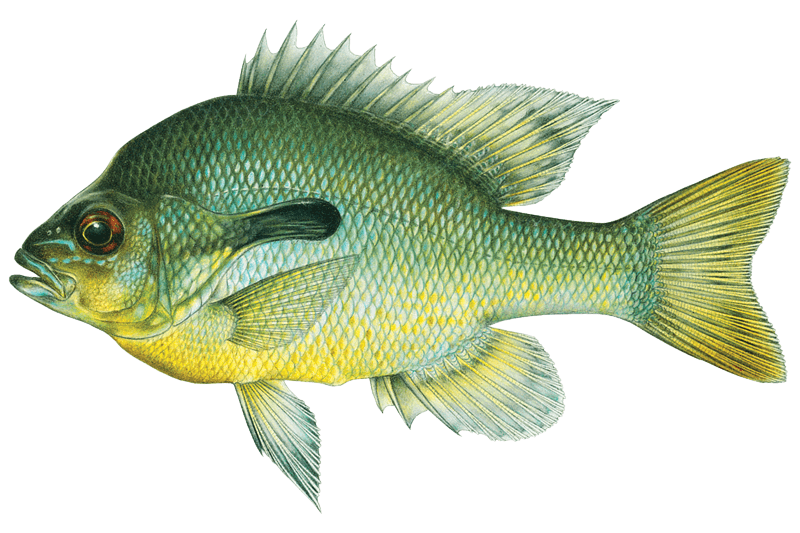
Redbreast Sunfish
Lepomis auritus

Redear Sunfish
Lepomis microlophus
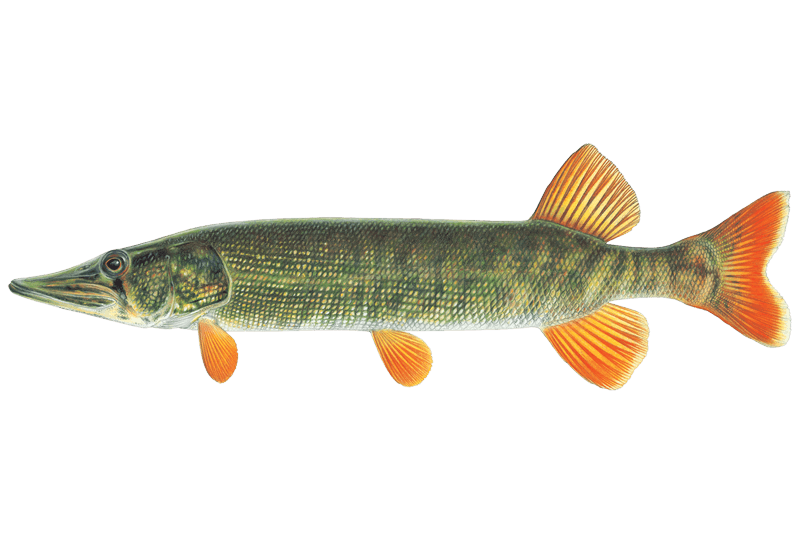
Redfin Pickerel
Esox americanus americanus

Rock Bass
Ambloplites rupestris
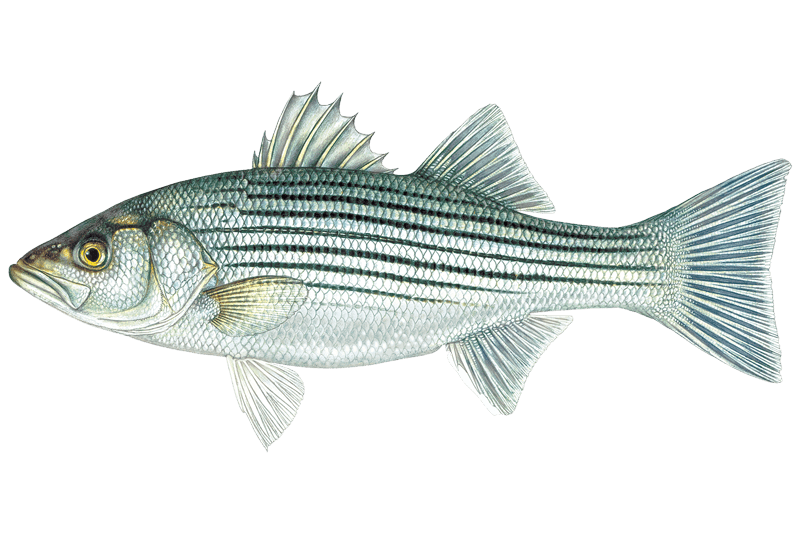
Striped Bass
Morone saxatilis

Summer Flounder
Paralichthys dentatus

Tautog
Tautoga onitis
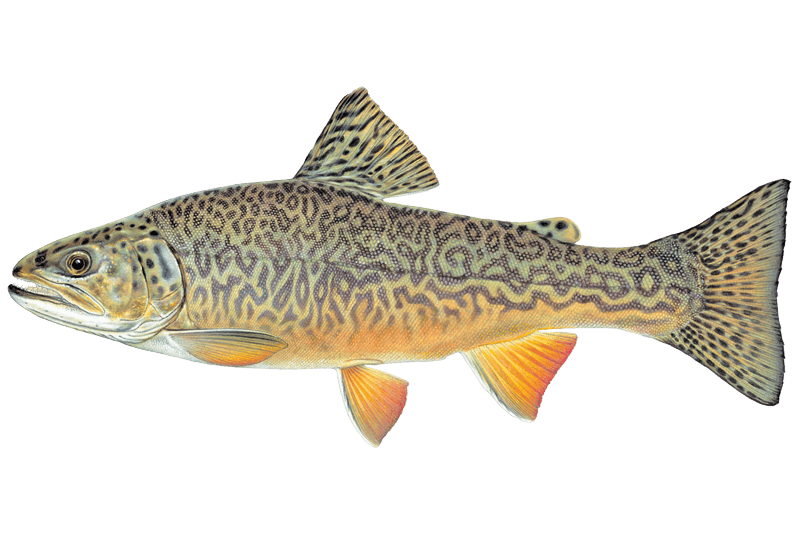
Tiger Trout
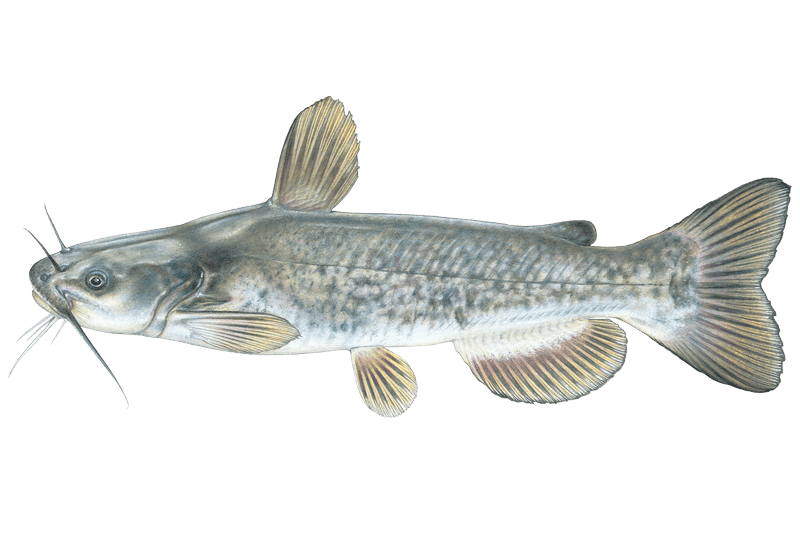
White Catfish
Ameiurus catus
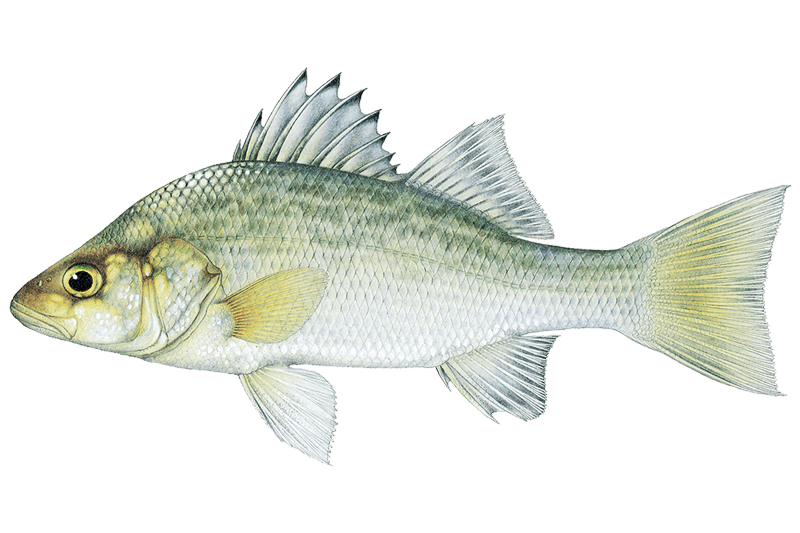
White Perch
Morone americana
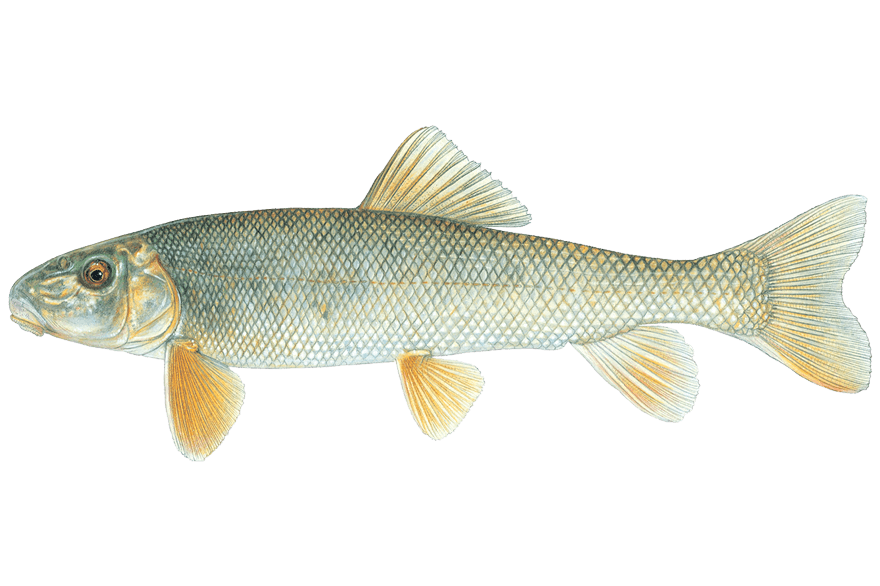
White Sucker
Catostomus commersonii
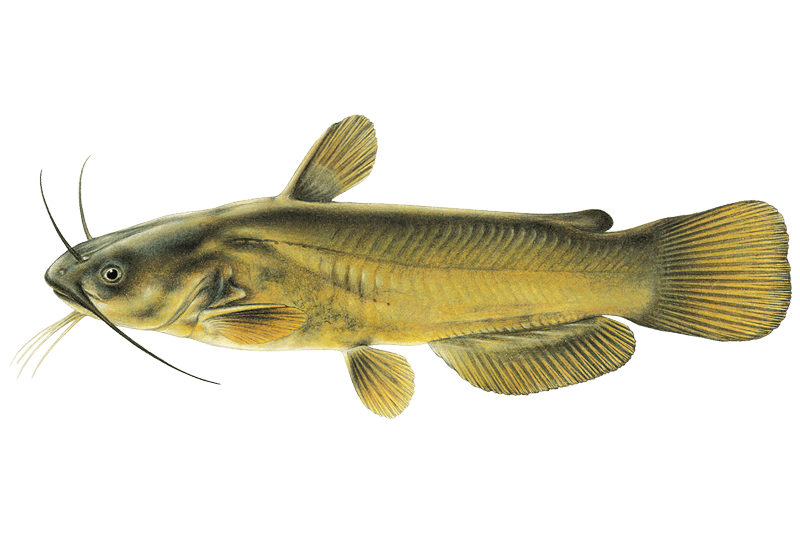
Yellow Bullhead
Ameiurus natalis
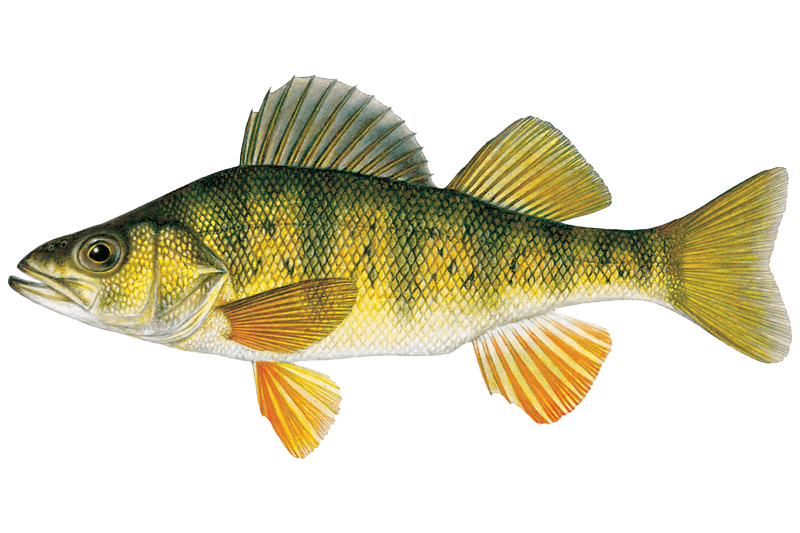
Yellow Perch
Perca flavescens
Rhode Island licenses and regulations

Rhode Island Boating Regulations
When using any type of watercraft to access a body of water, it is important to follow all federal, state, and local rules and regulations. These rules and regulations include boat permitting and licensing, invasive species inspections and stamps, life jacket and PFD rules, motor size and horsepower restrictions, noise limitations, restrictions on personal watercraft, and many more. Visit the web link below for the most current rules and regulations for this body of water.

Rhode Island Fishing License
Recreational Freshwater Fishing Licenses are required of anglers fifteen (15) years of age and older. Recreational Saltwater Fishing Licenses are required of anglers sixteen (16) years of age and older.

Rhode Island Fishing Regulations
This river has a variety of species and regulations, including potential floating and/or watercraft restrictions. Because this river is specially managed for species, seasons, angling methods, and watercraft, it is strongly encouraged you check all federal, state, and local regulations before fishing. Visit any of the links below, inquire locally, or contact a local fly shop to learn current regulations and restrictions.

Rhode Island Stream Access Laws
Rhode Island’s public trust doctrine opens all waters of the state, up to the high water mark, to public use. The state doesn’t have its own navigability test.
Explore nearby waters
Explore Rhode Island waters
Top fishing waters
Popular Cities
Loading popular cities...

Smarter Fishing Starts in the App.
onWater Fish gives you everything you need to plan smarter, fish better, and own every trip from first cast to last.