Common Shiner

Common Shiner is a small cyprinid minnow that plays an important ecological role as both predator and prey in the state's aquatic ecosystems.
Scientific Name: Luxilus cornutus
- Slender, elongate fish typically reach 64-102mm in length, with males growing larger than females and reaching up to 175-201mm in exceptional cases.
- They have a silvery body with large scales.
Fishing in North Dakota
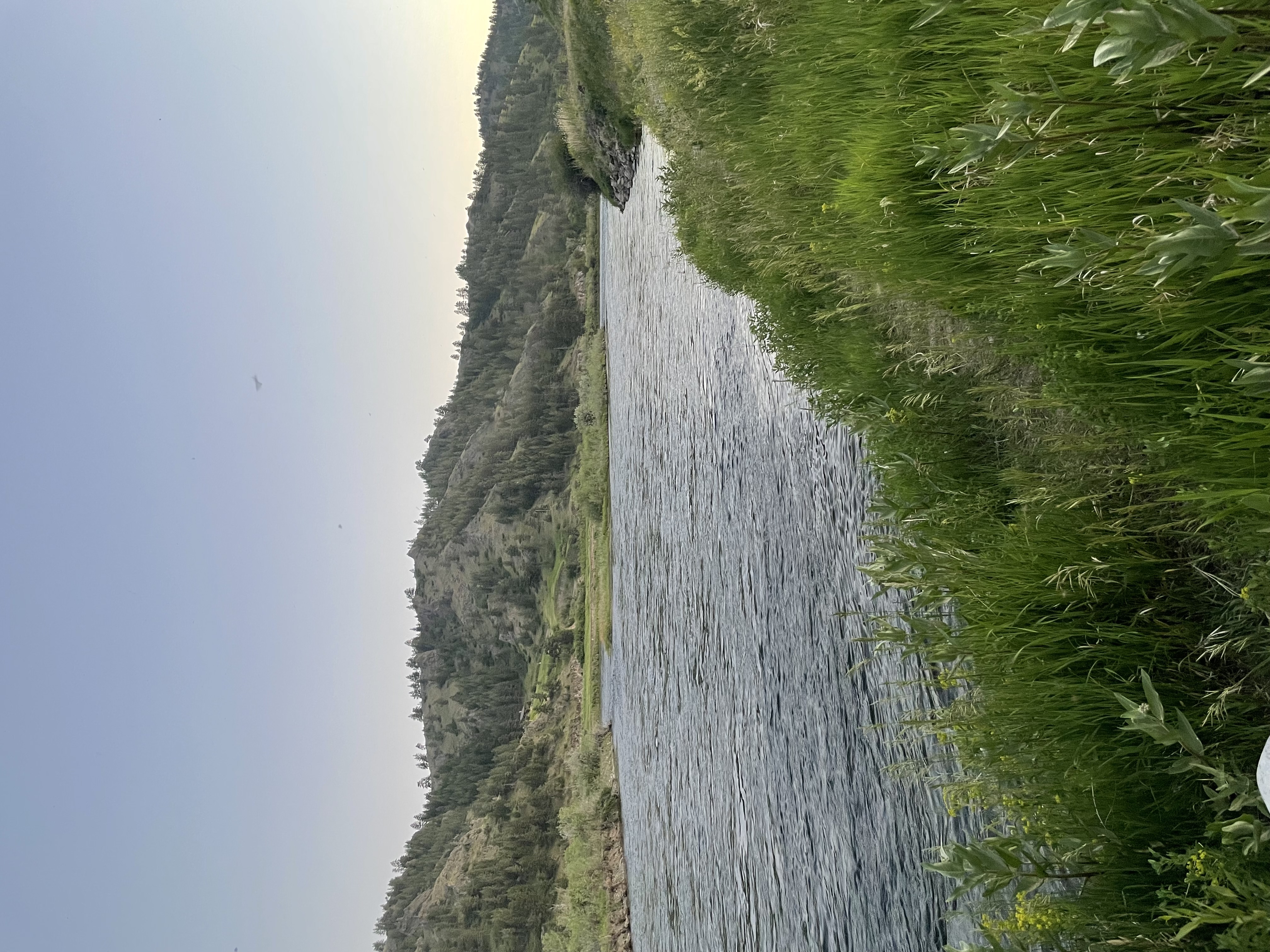
Missouri River
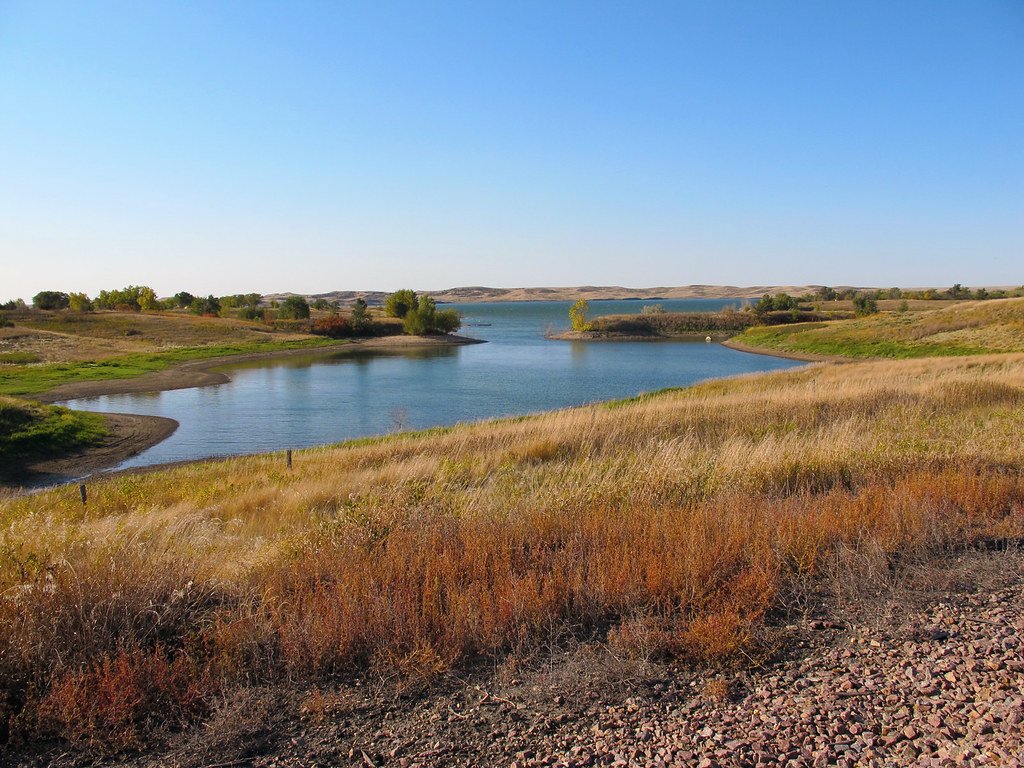
Lake Oahe
Heart River
Sweet Briar Lake
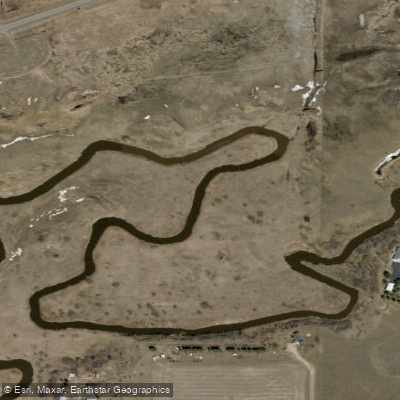
Apple Creek
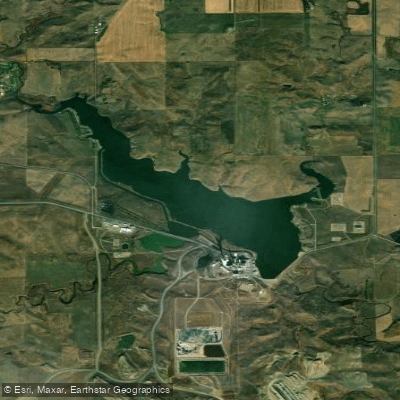
Nelson Lake
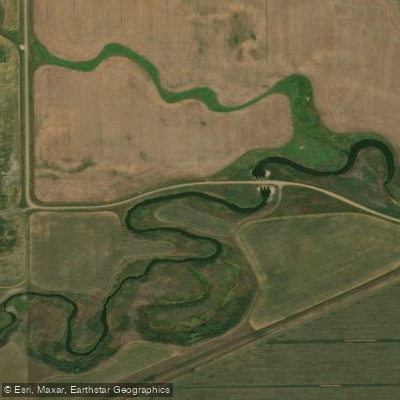
Little Heart River
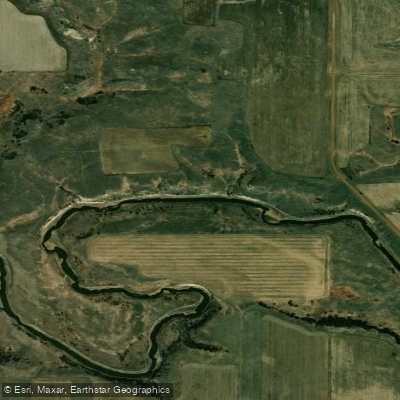
Cannonball River
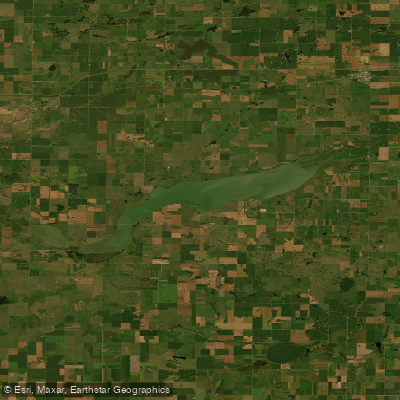
Long Lake
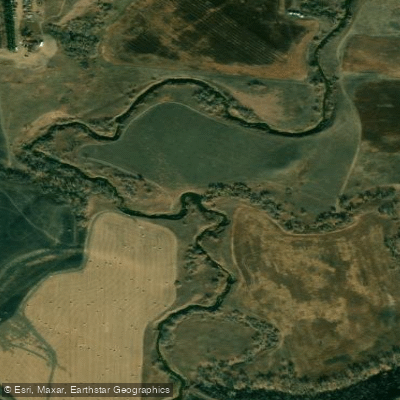
Square Butte Creek
What to know
Habitat Distribution
- Considered habitat generalists, preferring cool, clear streams with gravel substrates, little vegetation, and flowing water.
- Found primarily in the James River system and Red River basin tributaries.
Key Locations
- James River system and Red River basin tributaries including the Forest, Park, Sheyenne, Wild Rice, and Turtle rivers.
Specific Spots
- Target pool areas immediately below riffles and cascades, as these fish frequent pools more than rapids but avoid deadwater or long pools at stream mouths.
- They inhabit pool-riffle complexes in small to medium-sized streams and become more dependent on pools as water levels decrease.
- In lake environments, fish 0.5-1 meter above aquatic plants in 1-4 meter depths along open, exposed shores with hard, sandy bottoms.
Common Shiner FAQ
Answers from onWater's species guide.
What flies work for Common Shiner in North Dakota?
Small dry flies and nymphs work well, particularly patterns that imitate aquatic insects like midges, mayflies, and caddisflies. CDC Adams, Parachute Adams, and small nymph patterns in sizes 14-18 are effective. Small streamers that imitate minnows or injured baitfish can also produce results.
When is the best time to fish for Common Shiner in North Dakota?
Late spring through early fall when they're most active, avoiding the May-July spawning period.
How do you catch Common Shiner in North Dakota?
Fish the water column from bottom to surface as Common Shiners feed at all levels. Look for schools of shiners in clear, cool water areas.
What do Common Shiner eat?
Omnivorous, feeding on nearly equal amounts of plant and animal matter including aquatic insects, algae, zooplankton, and small invertebrates. They feed readily on the bottom, in the water column, and at the surface.
Where do Common Shiner live in North Dakota?
Considered habitat generalists, preferring cool, clear streams with gravel substrates, little vegetation, and flowing water. Found primarily in the James River system and Red River basin tributaries.
Fish smarter with real-time insights
Whether you're en route and conditions shift or you're looking for the best spot based on current flows, we enable you to make informed decisions on the fly.







See it in the app
Most maps show you water.
onWater shows you Common Shiner.



- 01 · Species map filter
Map every Common Shiner water
Pick Common Shiner and the map zeroes in on the waters they call home. No more guessing which lake holds them.
- 02 · Waterbody species
Tap any water. See what lives there.
Species, behavior and seasonal patterns for every lake, river and pond, before you leave the driveway.
- 03 · Angler Intelligence
Ask how to catch Common Shiner
Tactics, gear and timing from onWater's AI fishing guide, tuned to the species and the water you're on.
Stop guessing where Common Shiner are.
Open the map, filter by Common Shiner, and head to water that holds them. Download onWater and plan your next trip in minutes.
- Species map filter
- Angler Intelligence
- Fishing journal
Explore other species
Trout, bass, salmon, panfish and everything in between. Each guide unpacks the behavior, seasons, and tactics that put fish in the net.

Find which waters have the species you want to catch

Largemouth Bass
Micropterus salmoides

Smallmouth Bass

Rainbow Trout

Brown Trout

Brook Trout
Salvelinus fontinalis

Cutthroat Trout

Northern Pike

Muskellunge

Walleye
Sander vitreus

Black Crappie
Pomoxis nigromaculatus

Bigmouth Buffalo
Ictiobus cyprinellus

Black Bullhead
Ameiurus melas

Blue Catfish
Ictalurus furcatus

Blue Sucker
Cycleptus elongatus

Brown Bullhead
Ameiurus nebulosus

Burbot
Lota lota

Channel Catfish

Chinook Salmon
Oncorhynchus tshawytscha

Common Carp
Cyprinus carpio

Creek Chub
Semotilus atromaculatus

Flathead Catfish
Pylodictis olivaris

Flathead Chub
Platygobio gracilis

Freshwater Drum
Aplodinotus grunniens

Gizzard Shad
Dorosoma cepedianum

Green Sunfish
Lepomis cyanellus

Lake Trout

Longnose Gar
Lepisosteus osseus

Longnose Sucker
Catostomus catostomus
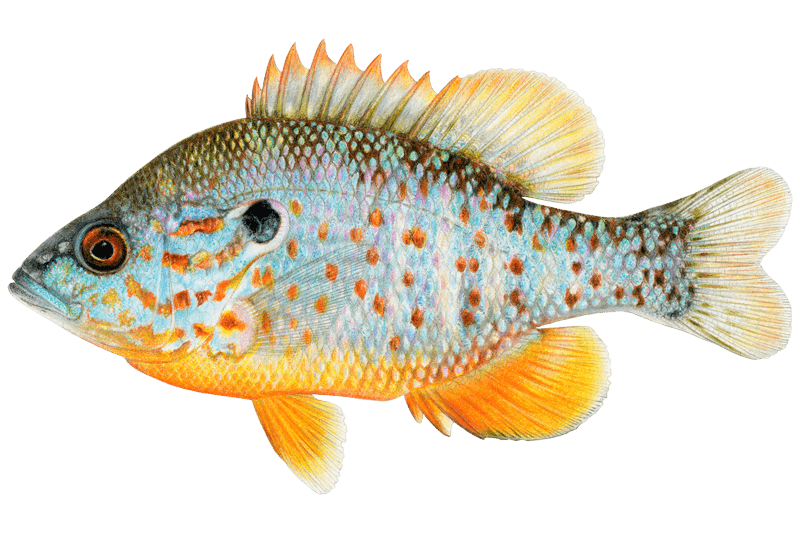
Orangespotted Sunfish
Lepomis humilis

Pumpkinseed
Lepomis gibbosus
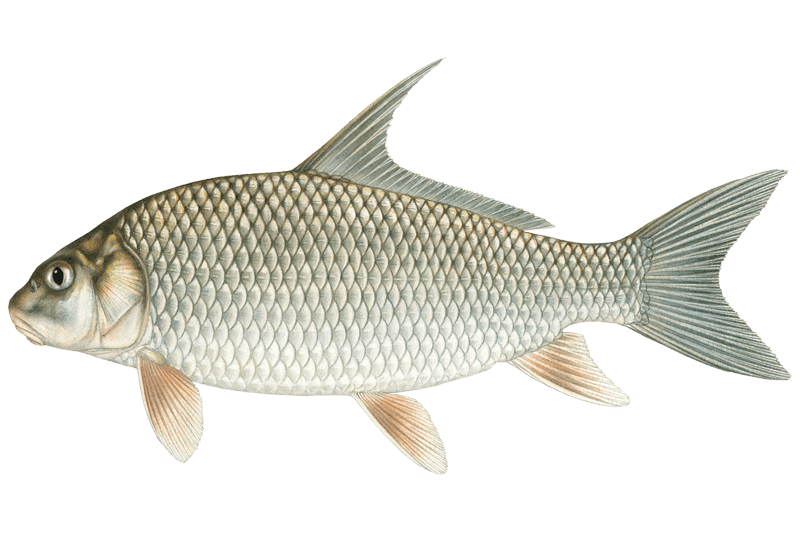
Quillback
Carpiodes cyprinus

Rock Bass
Ambloplites rupestris
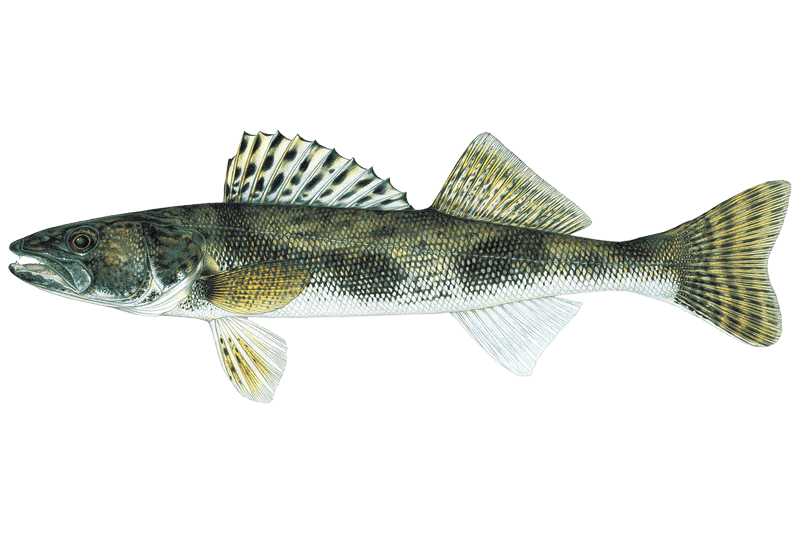
Sauger
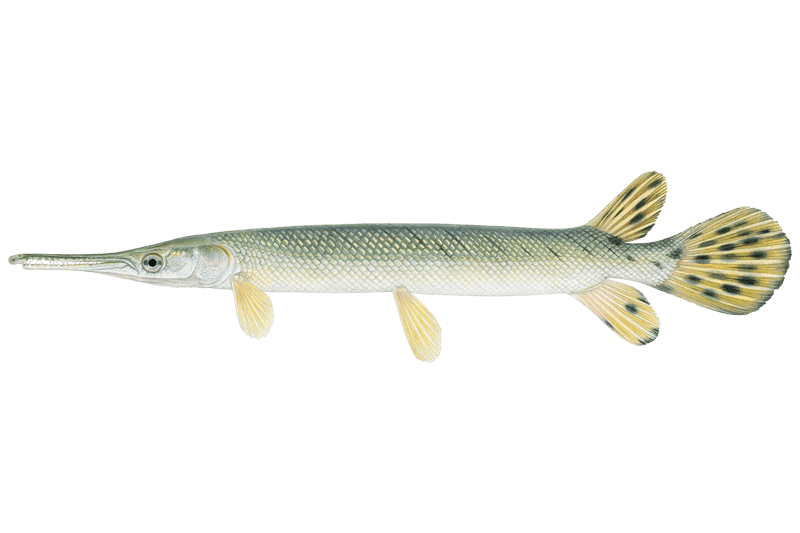
Shortnose Gar
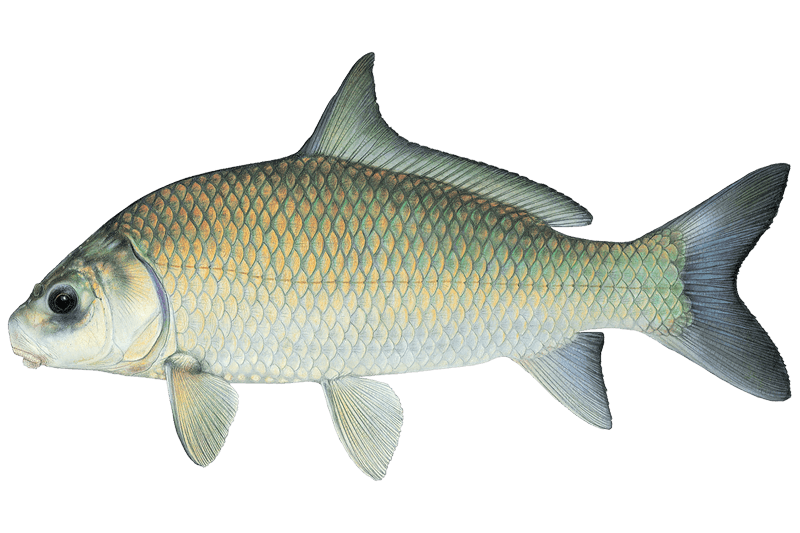
Smallmouth Buffalo
Ictiobus bubalus
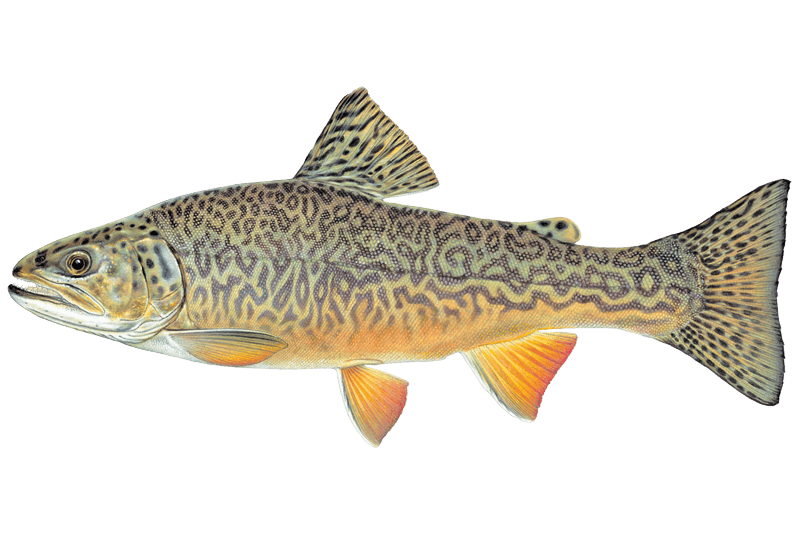
Tiger Trout
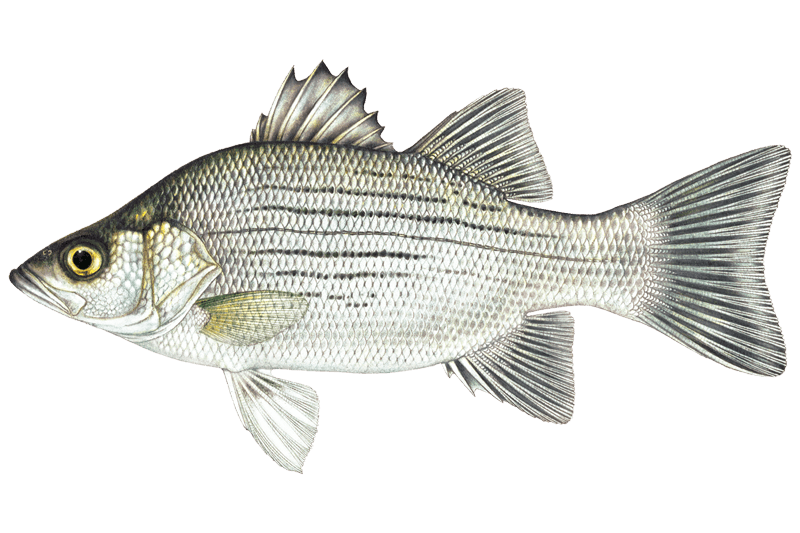
White Bass
Morone chrysops
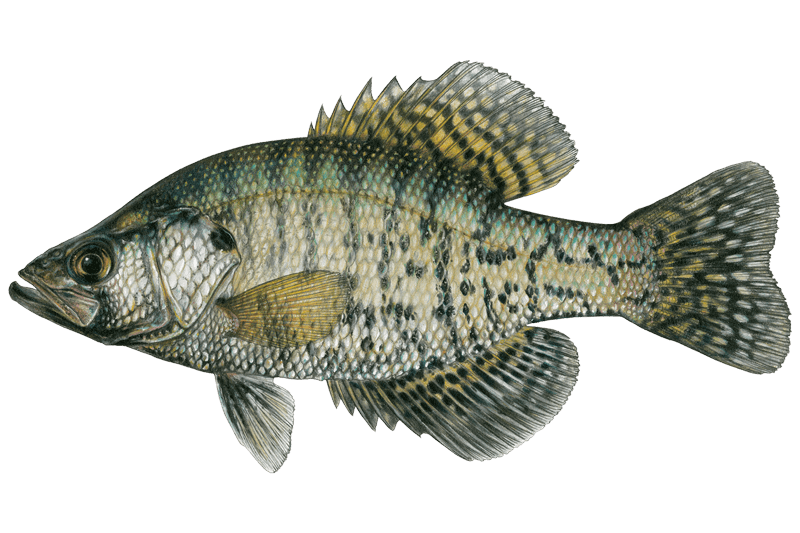
White Crappie
Pomoxis annularis
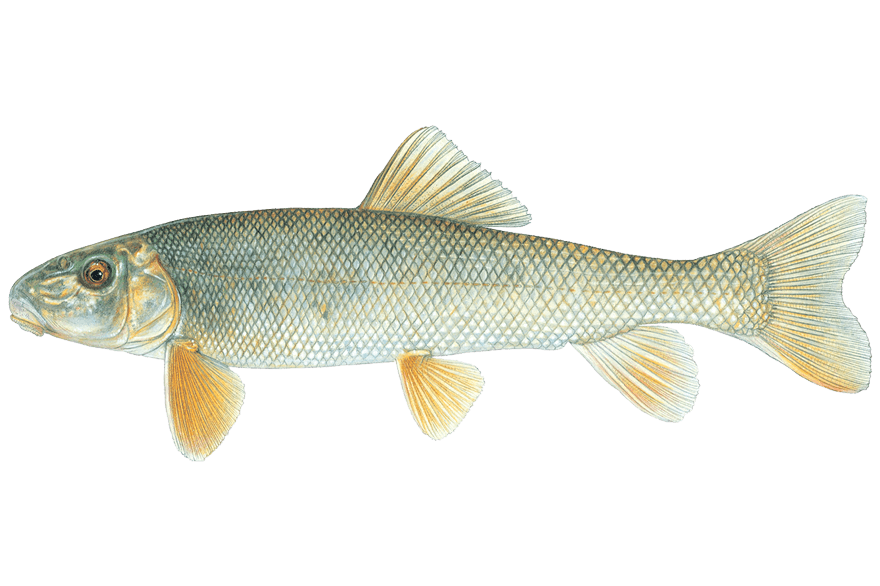
White Sucker
Catostomus commersonii
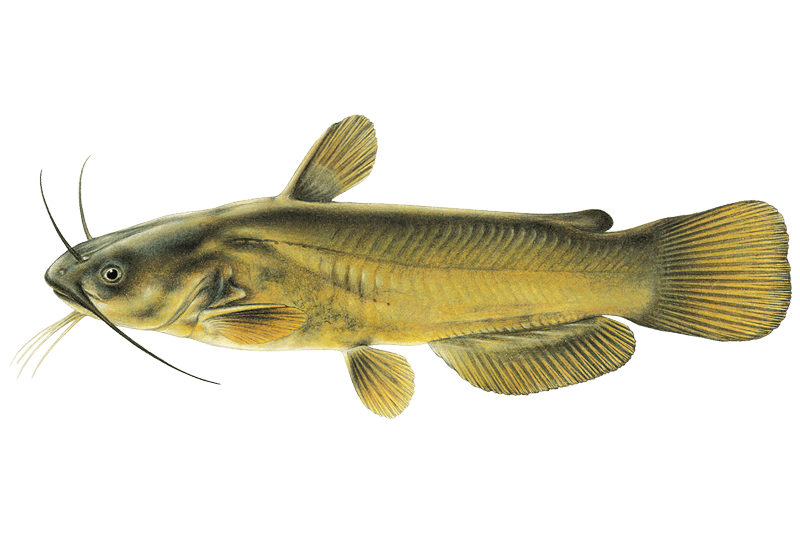
Yellow Bullhead
Ameiurus natalis
North Dakota licenses and regulations
North Dakota Boating Regulations
When using any type of watercraft to access a body of water, it is important to follow all federal, state, and local rules and regulations. These rules and regulations include boat permitting and licensing, invasive species inspections and stamps, life jacket and PFD rules, motor size and horsepower restrictions, noise limitations, restrictions on personal watercraft, and many more. Visit the web link below for the most current rules and regulations for this body of water.

North Dakota Fishing License
Residents and Nonresidents under 16 years old and older are not required to have a fishing license

North Dakota Fishing Regulations
This state has a variety of species and regulations, including potential floating and/or watercraft restrictions. Because this state is specially managed for species, seasons, angling methods, and watercraft, it is strongly encouraged you check all federal, state, and local regulations before fishing. Visit any of the links below, inquire locally, or contact a local fly shop to learn current regulations and restrictions.
North Dakota Stream Access Laws
Any person, before commencing any construction for the purpose of appropriating waters of the state or before taking waters of the state from any constructed works, shall first secure a water permit from the state engineer unless such construction or taking from such constructed works is for domestic or livestock purposes or for fish, wildlife, and other recreational uses.
Explore nearby waters
Explore North Dakota waters
Top fishing waters
Popular Cities
Loading popular cities...
Smarter Fishing Starts in the App.
onWater Fish gives you everything you need to plan smarter, fish better, and own every trip from first cast to last.