Blue Catfish

Blue Catfish are not native to North Dakota and have extremely limited presence in the state. The species is only documented in the Upper Lake Oahe region of the Missouri River system, with a single recorded occurrence in 1980.
Scientific Name: Ictalurus furcatus
- Blue Catfish are North America's largest catfish species, capable of reaching 165 cm in length and weights exceeding 40-50 kg.
- They are distinguished from Channel Catfish by their straight-edged anal fin (versus curved on channels), lack of dark spots, and higher anal fin ray count (30-36 rays).
Fishing in North Dakota

Missouri River
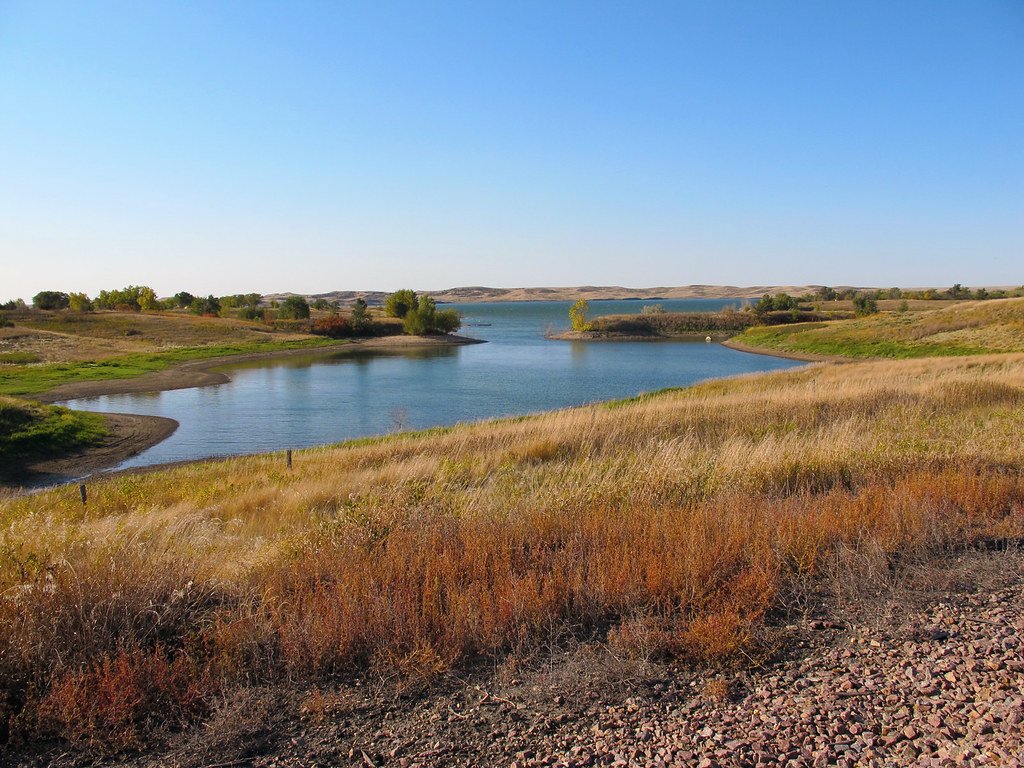
Lake Oahe
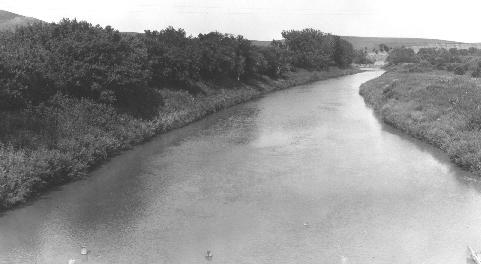
Heart River
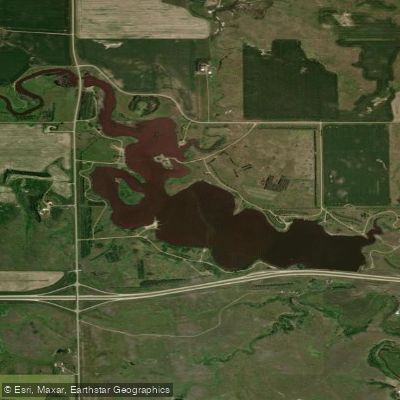
Sweet Briar Lake
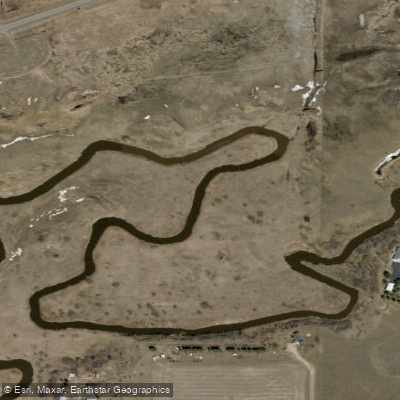
Apple Creek
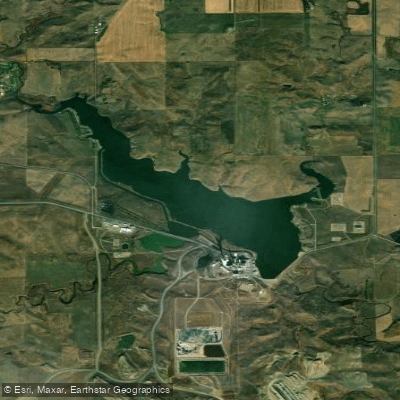
Nelson Lake
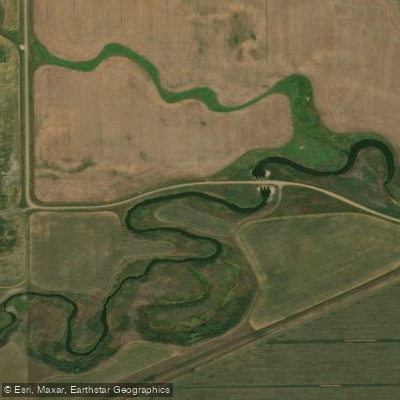
Little Heart River
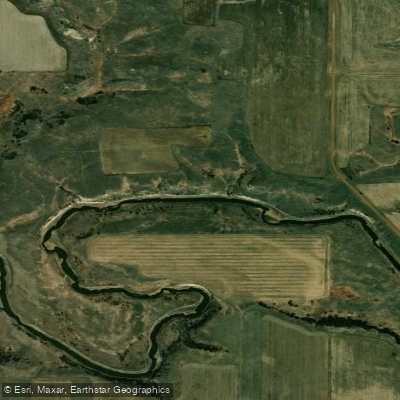
Cannonball River
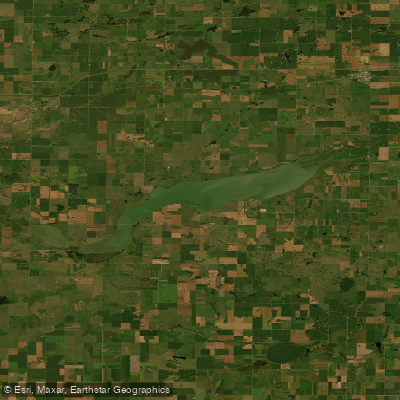
Long Lake
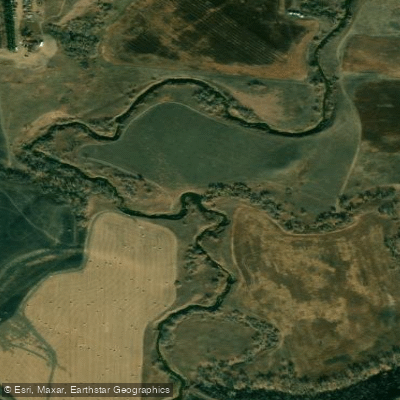
Square Butte Creek
What to know
Habitat Distribution
- Blue Catfish prefer large river systems with swift currents and deep channels over hard substrates like gravel and rock.
- The species can tolerate some salinity.
Key Locations
- Upper Lake Oahe region of the Missouri River system.
- For North Dakota catfishing, anglers are better served targeting the abundant Channel Catfish populations in the Red River (known for trophy specimens), Missouri River system, Sheyenne River, and numerous stocked community waters throughout the state.
Specific Spots
- Target deep water areas (20-45 feet) along outside river channel bends, particularly those with mud or clay bottoms that retain heat.
- Focus on areas with submerged structure like logs, rocks, or root wads.
Blue Catfish FAQ
Answers from onWater's species guide.
What are the best lures and bait for Blue Catfish in North Dakota?
Blue Catfish respond best to cut bait such as shad, herring, or skipjack, with fresh cut bait being most effective.
When is the best time to fish for Blue Catfish in North Dakota?
Winter months (January-February) when water temperatures drop to 36-38°F can be productive for larger specimens in deep holes. Avoid fishing during spawning season (late spring when water reaches 75-82°F) as males guard nests and feeding activity ceases.
How do you catch Blue Catfish in North Dakota?
Carolina rigs with 3-5 oz sliding sinkers work well in current, with 2-3 foot leaders and circle hooks.
What do Blue Catfish eat?
These fish are opportunistic predators with diets that change throughout development - juveniles feed on aquatic insects and zooplankton, while adults consume fish, crayfish, mussels, and other aquatic invertebrates.
Where do Blue Catfish live in North Dakota?
Blue Catfish prefer large river systems with swift currents and deep channels over hard substrates like gravel and rock. The species can tolerate some salinity.
Fish smarter with real-time insights
Whether you're en route and conditions shift or you're looking for the best spot based on current flows, we enable you to make informed decisions on the fly.




See it in the app
Most maps show you water.
onWater shows you Blue Catfish.



- 01 · Species map filter
Map every Blue Catfish water
Pick Blue Catfish and the map zeroes in on the waters they call home. No more guessing which lake holds them.
- 02 · Waterbody species
Tap any water. See what lives there.
Species, behavior and seasonal patterns for every lake, river and pond, before you leave the driveway.
- 03 · Angler Intelligence
Ask how to catch Blue Catfish
Tactics, gear and timing from onWater's AI fishing guide, tuned to the species and the water you're on.
Stop guessing where Blue Catfish are.
Open the map, filter by Blue Catfish, and head to water that holds them. Download onWater and plan your next trip in minutes.
- Species map filter
- Angler Intelligence
- Fishing journal
Explore other species
Trout, bass, salmon, panfish and everything in between. Each guide unpacks the behavior, seasons, and tactics that put fish in the net.
No species information available.
North Dakota licenses and regulations
Explore nearby waters
Explore North Dakota waters
Top fishing waters
Popular Cities
Loading popular cities...

Smarter Fishing Starts in the App.
onWater Fish gives you everything you need to plan smarter, fish better, and own every trip from first cast to last.