Brown Bullhead

Brown Bullhead are widely distributed catfish found in North Dakota's fishing waters, though they are less common than Black Bullhead.
These fish are extremely hardy fish that can tolerate low oxygen conditions, high temperatures up to 97°F, and polluted waters that other species cannot survive.
Scientific Name: Ameiurus nebulosus
- These fish are characterized by dark brown to yellowish-brown coloration with mottled sides, dark chin barbels (unlike Yellow Bullhead's light barbels), and a square tail.
- They grow 8-14 inches on average, with trophy specimens reaching 21 inches.
Fishing in North Dakota

Missouri River
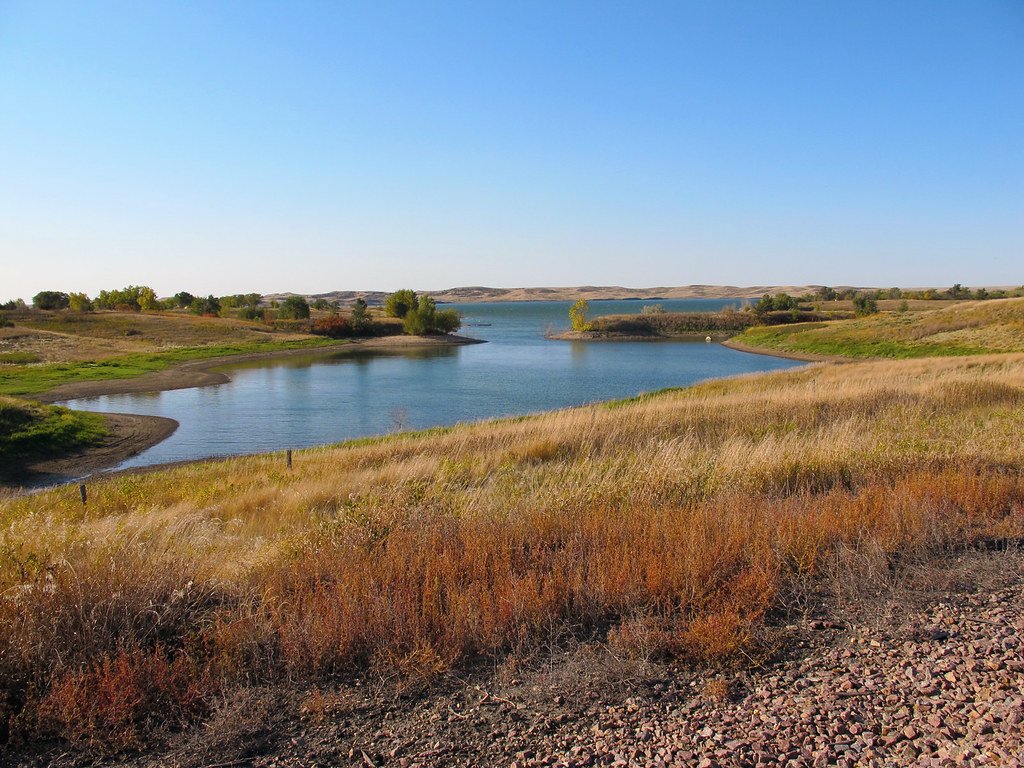
Lake Oahe
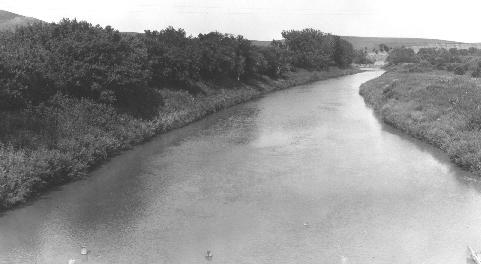
Heart River
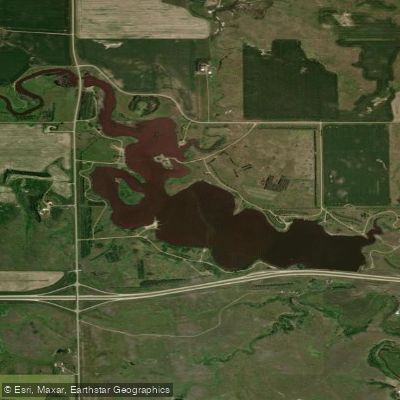
Sweet Briar Lake
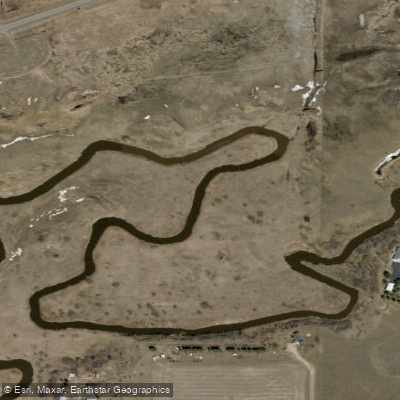
Apple Creek
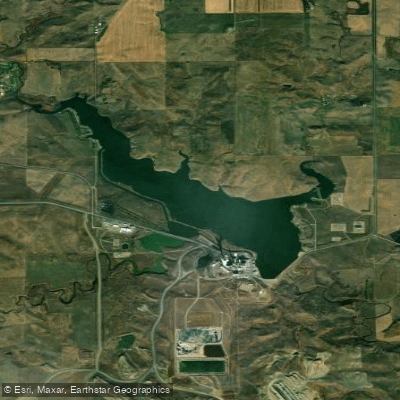
Nelson Lake
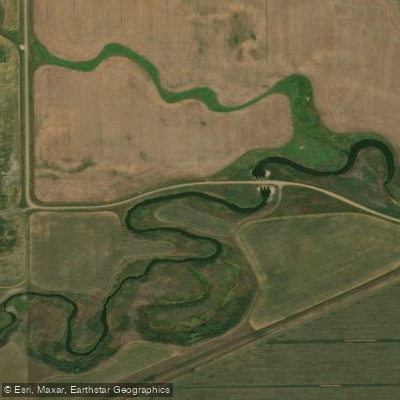
Little Heart River
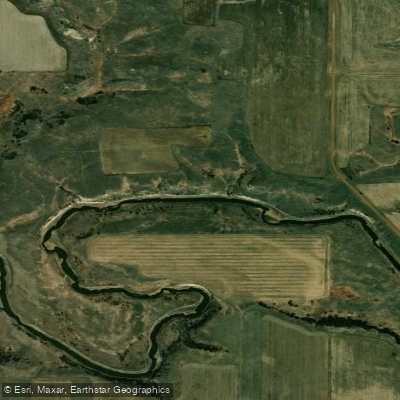
Cannonball River
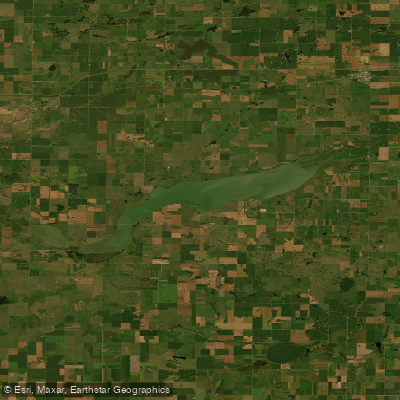
Long Lake
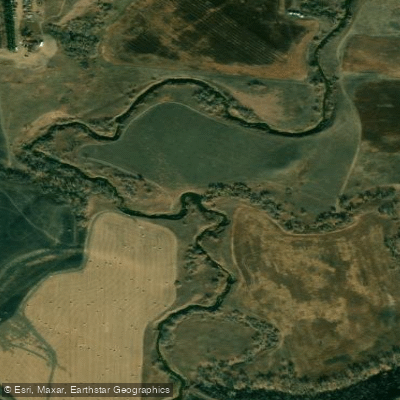
Square Butte Creek
What to know
Habitat Distribution
- They inhabit lakes, ponds, slow-moving streams, and backwaters with muddy bottoms and vegetation.
Key Locations
- In North Dakota, they're found in various fishing waters managed by the Game and Fish Department.
Specific Spots
- Fish shallow areas during spring and fall, including muddy bottoms near vegetation, creek mouths, and areas around logs or stumps.
- In summer, fish deeper water (20-40 feet) during the day near weed lines and drop-offs, then move to shallow areas after dark.
- Target areas below dams, slack water with muddy bottoms, shallow vegetated areas, and inflows from culverts or streams.
Brown Bullhead FAQ
Answers from onWater's species guide.
What are the best lures and bait for Brown Bullhead in North Dakota?
The most effective baits are nightcrawlers and earthworms, which account for two-thirds of trophy catches, but chicken liver, minnows, leeches, corn, cheese, hot dogs, and dough balls also work well.
What flies work for Brown Bullhead in North Dakota?
For fly fishing, use streamers like Woolly Buggers, Clouser Minnows, and baitfish imitations fished near the bottom.
When is the best time to fish for Brown Bullhead in North Dakota?
Spring through fall when water temperatures are above 55°F, with peak fishing occurring when temperatures reach 60-70°F. Fish actively feed before spawning in spring, making this an excellent time for fast action fishing.
How do you catch Brown Bullhead in North Dakota?
Still fishing and drift fishing are the most productive techniques. Use scented baits since Brown Bullhead rely heavily on smell to locate food, and avoid getting oils or sunscreen on your hands when handling bait.
What do Brown Bullhead eat?
Brown Bullhead are omnivorous bottom feeders with an excellent sense of smell, consuming aquatic insects, worms, small fish, fish e.g.gs, crayfish, mollusks, algae, and plant material.
Fish smarter with real-time insights
Whether you're en route and conditions shift or you're looking for the best spot based on current flows, we enable you to make informed decisions on the fly.




See it in the app
Most maps show you water.
onWater shows you Brown Bullhead.



- 01 · Species map filter
Map every Brown Bullhead water
Pick Brown Bullhead and the map zeroes in on the waters they call home. No more guessing which lake holds them.
- 02 · Waterbody species
Tap any water. See what lives there.
Species, behavior and seasonal patterns for every lake, river and pond, before you leave the driveway.
- 03 · Angler Intelligence
Ask how to catch Brown Bullhead
Tactics, gear and timing from onWater's AI fishing guide, tuned to the species and the water you're on.
Stop guessing where Brown Bullhead are.
Open the map, filter by Brown Bullhead, and head to water that holds them. Download onWater and plan your next trip in minutes.
- Species map filter
- Angler Intelligence
- Fishing journal
Explore other species
Trout, bass, salmon, panfish and everything in between. Each guide unpacks the behavior, seasons, and tactics that put fish in the net.
No species information available.
North Dakota licenses and regulations
Explore nearby waters
Explore North Dakota waters
Top fishing waters
Popular Cities
Loading popular cities...

Smarter Fishing Starts in the App.
onWater Fish gives you everything you need to plan smarter, fish better, and own every trip from first cast to last.