White Bass
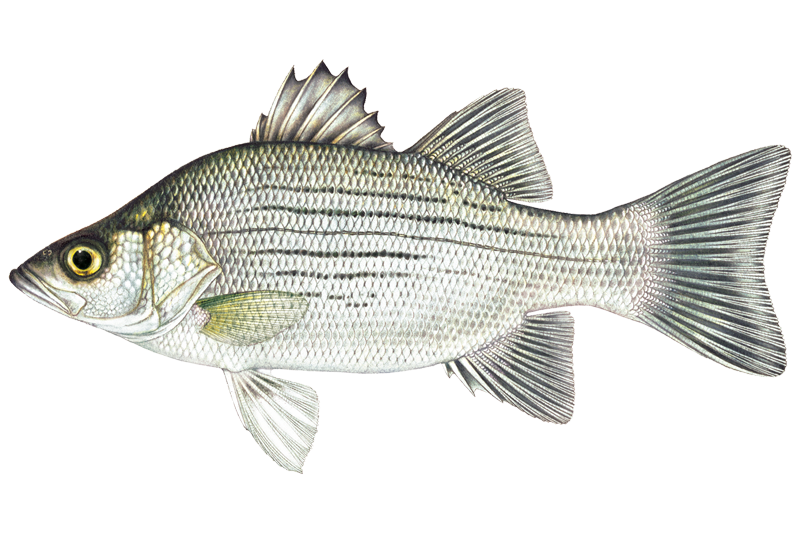
White Bass are a non-native but well-established species in North Dakota, introduced through stocking programs.
These temperate bass are schooling fish that are constantly mobile, following baitfish throughout the water column from shallow areas to depths of 30+ feet depending on season and food availability.
Scientific Name: Morone chrysops
- They are characterized by their silvery coloration with six to nine dark, narrow horizontal stripes along their sides and yellow-tinted eyes.
- These temperate bass typically weigh between 0.5-4 pounds, with most falling around 1-2 pounds.
Fishing in North Dakota

Missouri River
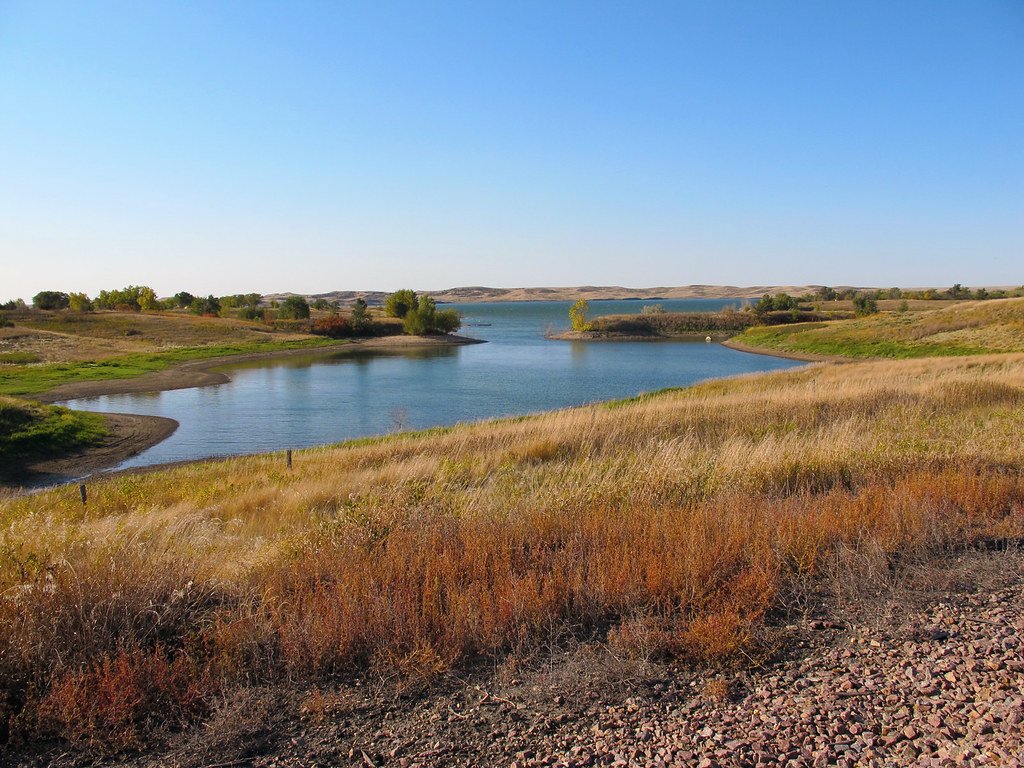
Lake Oahe
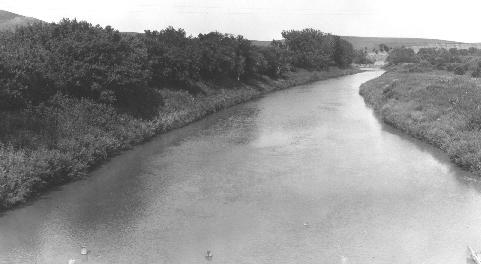
Heart River
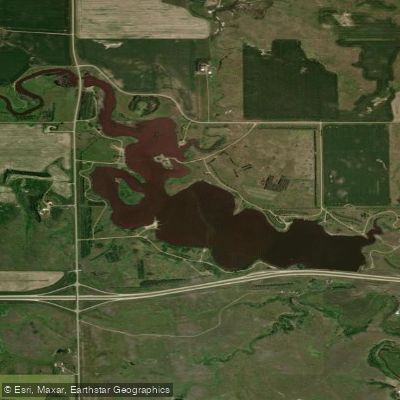
Sweet Briar Lake
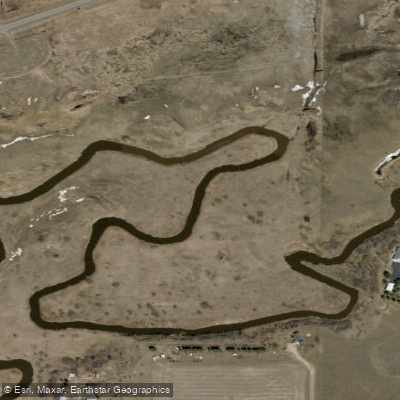
Apple Creek
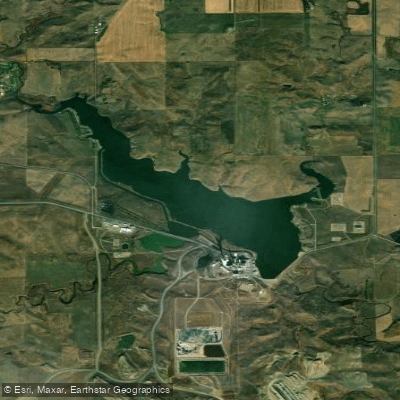
Nelson Lake
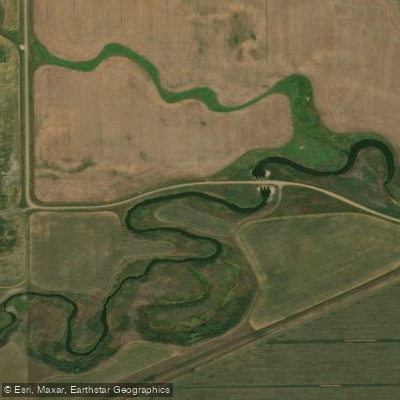
Little Heart River
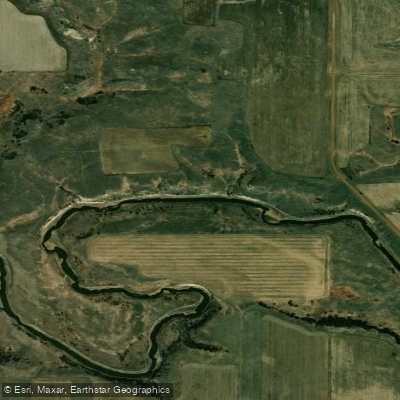
Cannonball River
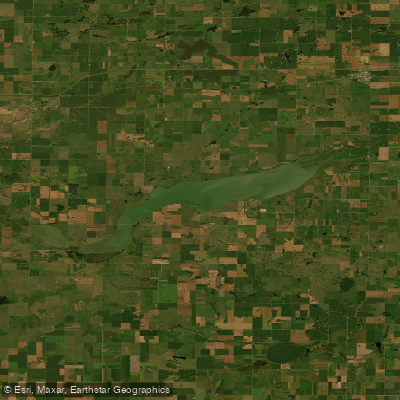
Long Lake
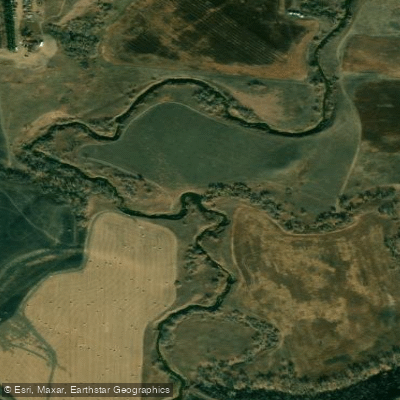
Square Butte Creek
What to know
Habitat Distribution
- They form large schools and are constantly mobile, following baitfish throughout the water column from shallow areas to depths of 30+ feet depending on season and food availability.
Key Locations
- White Bass are abundant in major North Dakota waters including Devils Lake, Lake Sakakawea, Lake Oahe, Lake Ashtabula, and the Missouri River system.
- Target them near Devils Lake's Channel A area, Lake Sakakawea's Van Hook Arm and Four Bears Bridge area, and Missouri River tailwaters below dams.
Specific Spots
- Focus on structure like points, drop-offs, weed edges, riprap, and areas where tributaries enter main lakes.
White Bass FAQ
Answers from onWater's species guide.
What are the best lures and bait for White Bass in North Dakota?
Top lures include 1/4 to 1/2 ounce lipless crankbaits (Rat-L-Trap style), small spoons, inline spinners (Rooster Tail), curly tail grubs on jigheads, and swimbaits in white, silver, chartreuse, or shad patterns. For ice fishing use spoons and live minnows.
What flies work for White Bass in North Dakota?
Effective flies include Clouser Minnows, Woolly Buggers, and finesse patterns in white and chartreuse.
When is the best time to fish for White Bass in North Dakota?
White Bass fishing in North Dakota is productive year-round, with spring and fall offering peak opportunities. Spring fishing is excellent from March through May as fish stage near tributary mouths and move into spawning areas, but avoid targeting them during actual spawning periods in May-June.
How do you catch White Bass in North Dakota?
Use steady retrieves when casting, and when vertical jigging, let lures flutter down as most strikes occur on the fall. In summer, target feeding schools that often drive baitfish to the surface - look for diving birds and surface commotion.
What do White Bass eat?
They are primarily baitfish predators, feeding heavily on shad, minnows, crustaceans, and aquatic insects. Young White Bass consume small crustaceans and insect larvae, while adults are largely fish-eaters.
Fish smarter with real-time insights
Whether you're en route and conditions shift or you're looking for the best spot based on current flows, we enable you to make informed decisions on the fly.




See it in the app
Most maps show you water.
onWater shows you White Bass.



- 01 · Species map filter
Map every White Bass water
Pick White Bass and the map zeroes in on the waters they call home. No more guessing which lake holds them.
- 02 · Waterbody species
Tap any water. See what lives there.
Species, behavior and seasonal patterns for every lake, river and pond, before you leave the driveway.
- 03 · Angler Intelligence
Ask how to catch White Bass
Tactics, gear and timing from onWater's AI fishing guide, tuned to the species and the water you're on.
Stop guessing where White Bass are.
Open the map, filter by White Bass, and head to water that holds them. Download onWater and plan your next trip in minutes.
- Species map filter
- Angler Intelligence
- Fishing journal
Explore other species
Trout, bass, salmon, panfish and everything in between. Each guide unpacks the behavior, seasons, and tactics that put fish in the net.
No species information available.
North Dakota licenses and regulations
Explore nearby waters
Explore North Dakota waters
Top fishing waters
Popular Cities
Loading popular cities...

Smarter Fishing Starts in the App.
onWater Fish gives you everything you need to plan smarter, fish better, and own every trip from first cast to last.