Bullhead

Bullhead are common catfish species found throughout New York's freshwater systems, with brown bullhead being the most abundant and widely distributed.
These hardy fish tolerate extreme conditions including high temperatures, low oxygen levels, pollution, and muddy waters that would be inhospitable to other species.
Three species occur in New York waters: brown bullhead (most common), yellow bullhead (increasing in numbers), and black bullhead (extremely rare, listed as Special Concern).
Brown bullheads average 8-14 inches and can weigh up to 2 pounds, with some Oneida Lake specimens reaching 18 inches and living over 6 years.
Brown bullhead can be distinguished from yellow bullhead by their dark brown or black chin barbels (yellow bullhead have white/yellowish barbels) and their square tail versus yellow bullhead's rounded tail.
Fishing in New York
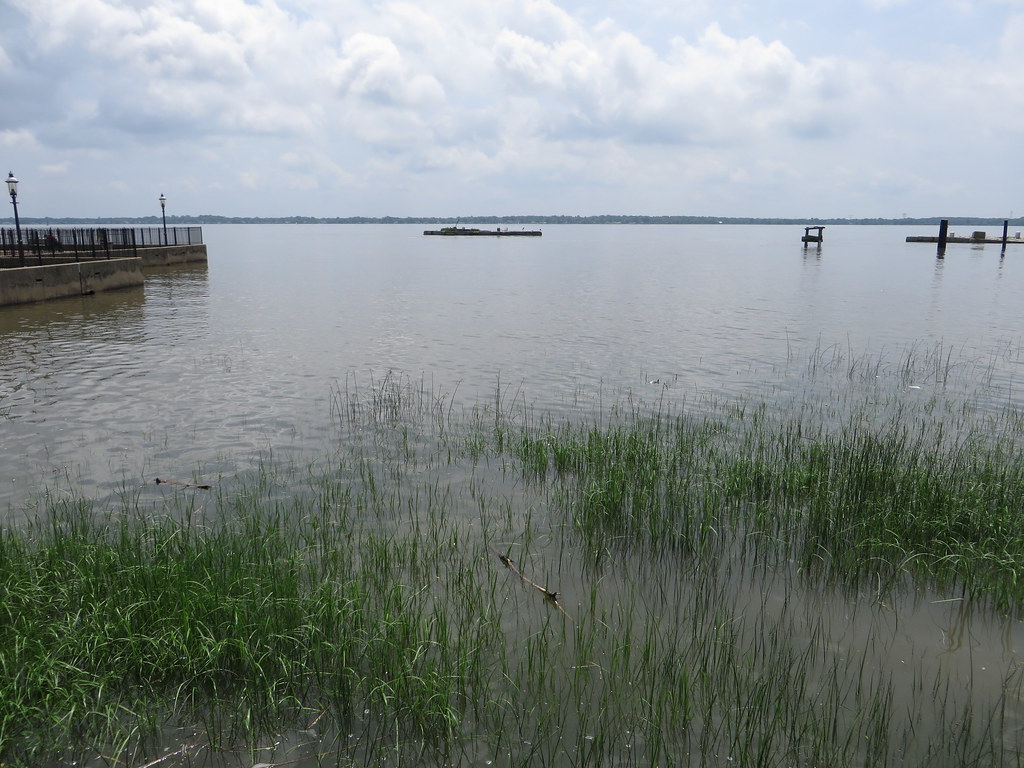
Delaware River
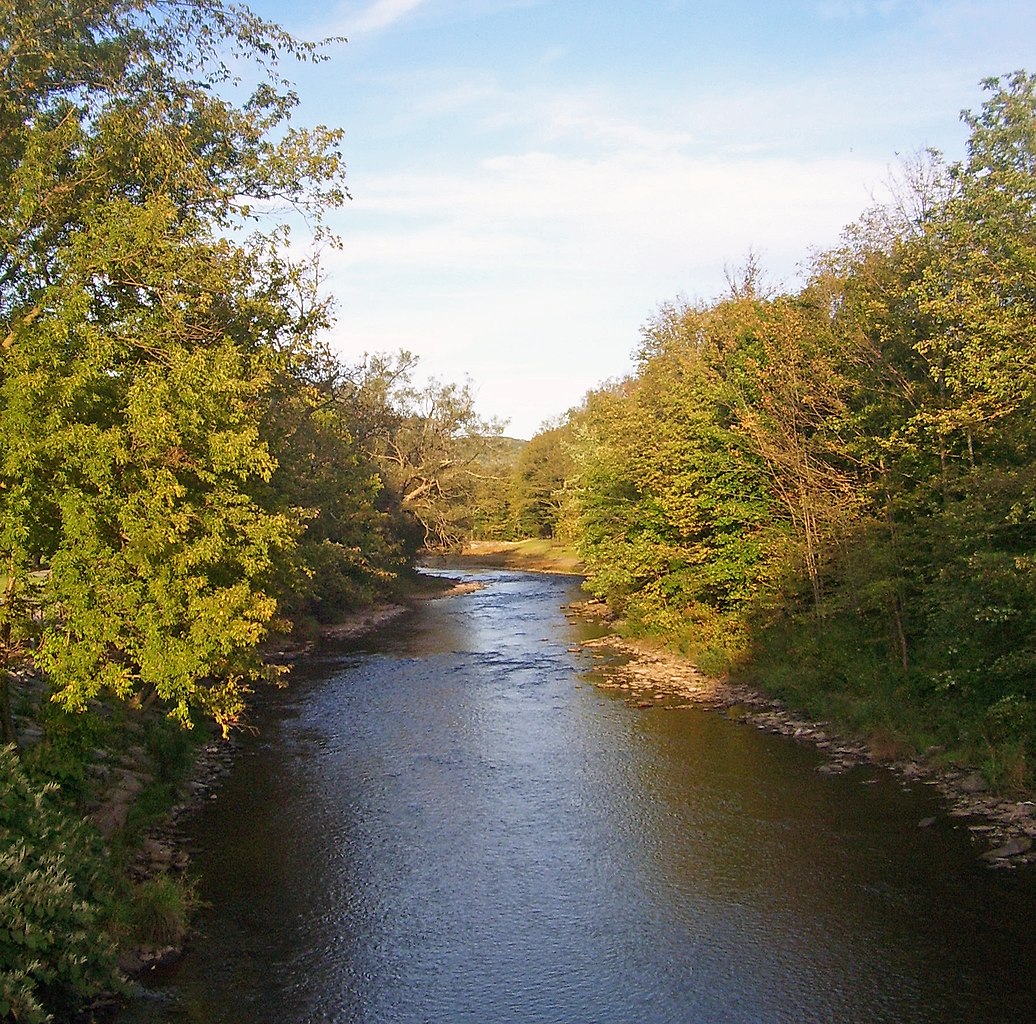
East Branch Delaware River
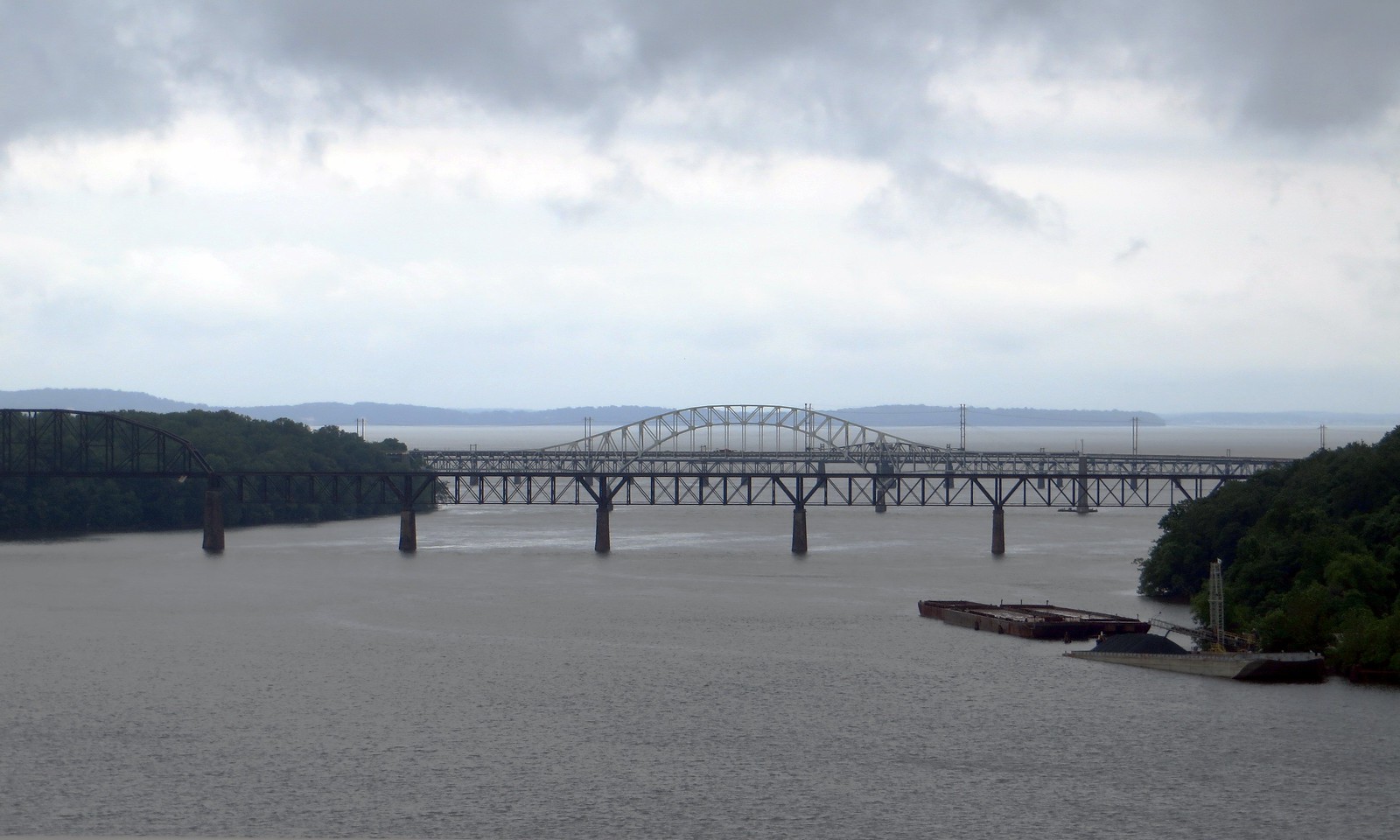
Susquehanna River
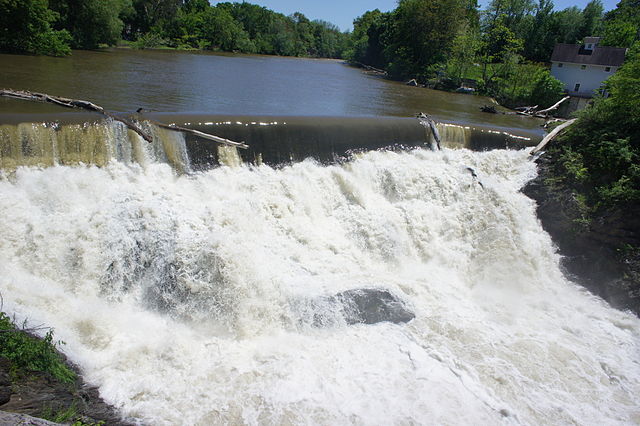
Beaver Kill
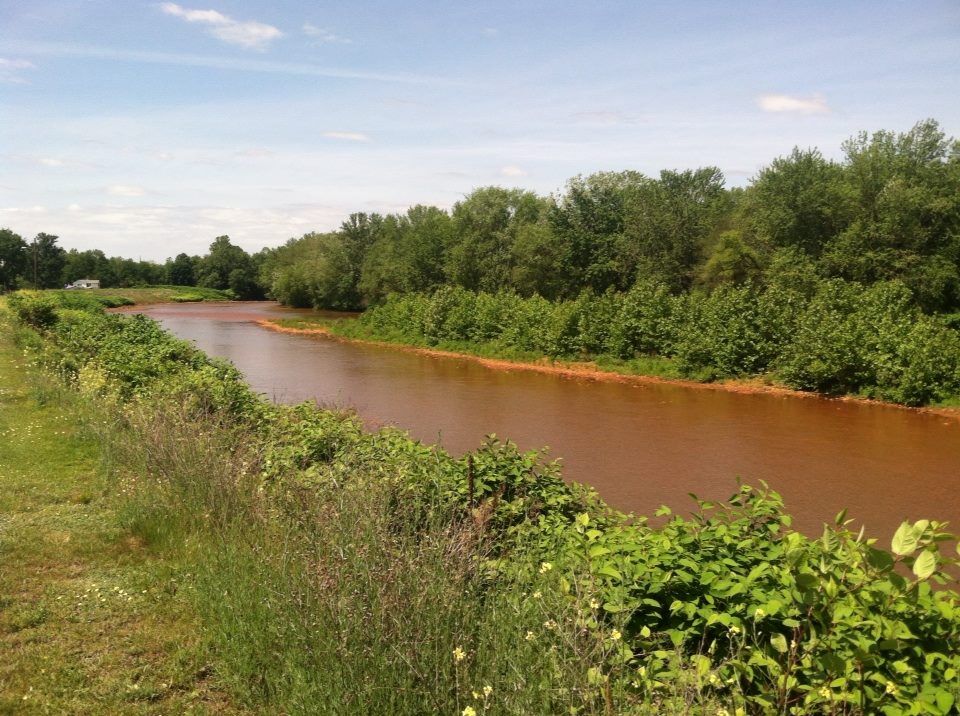
Lackawanna River
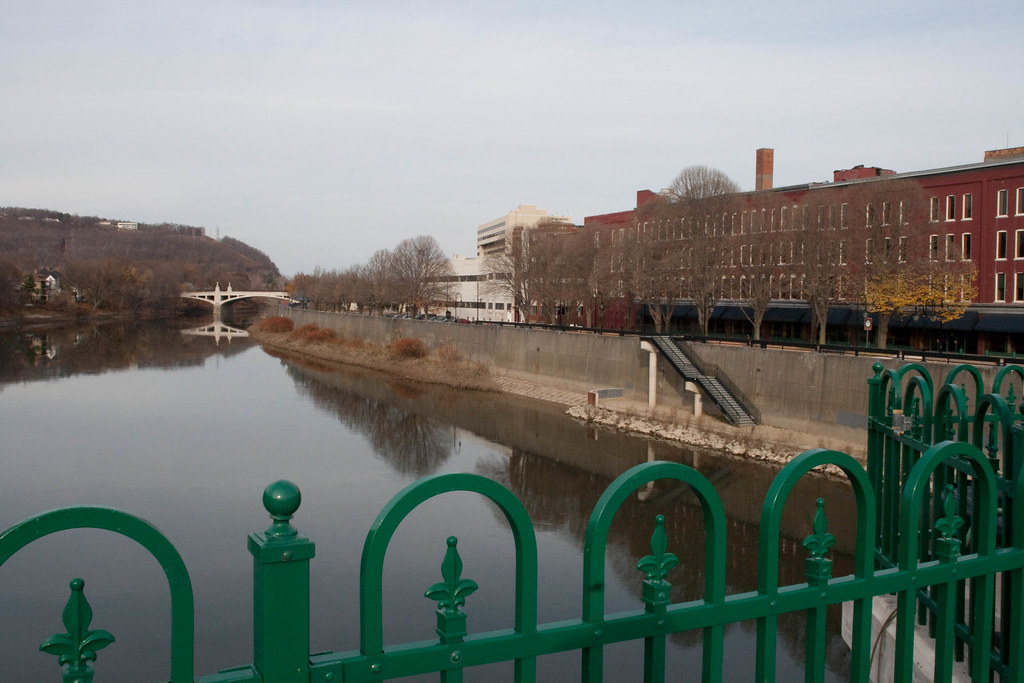
Chenango River
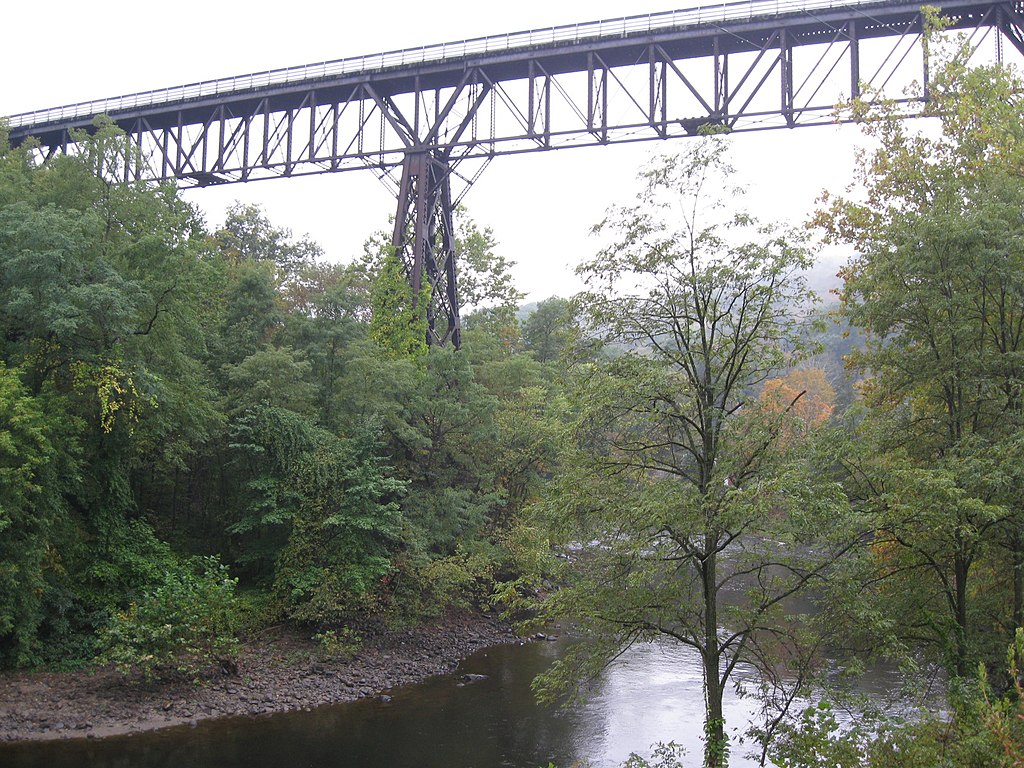
Rondout Creek
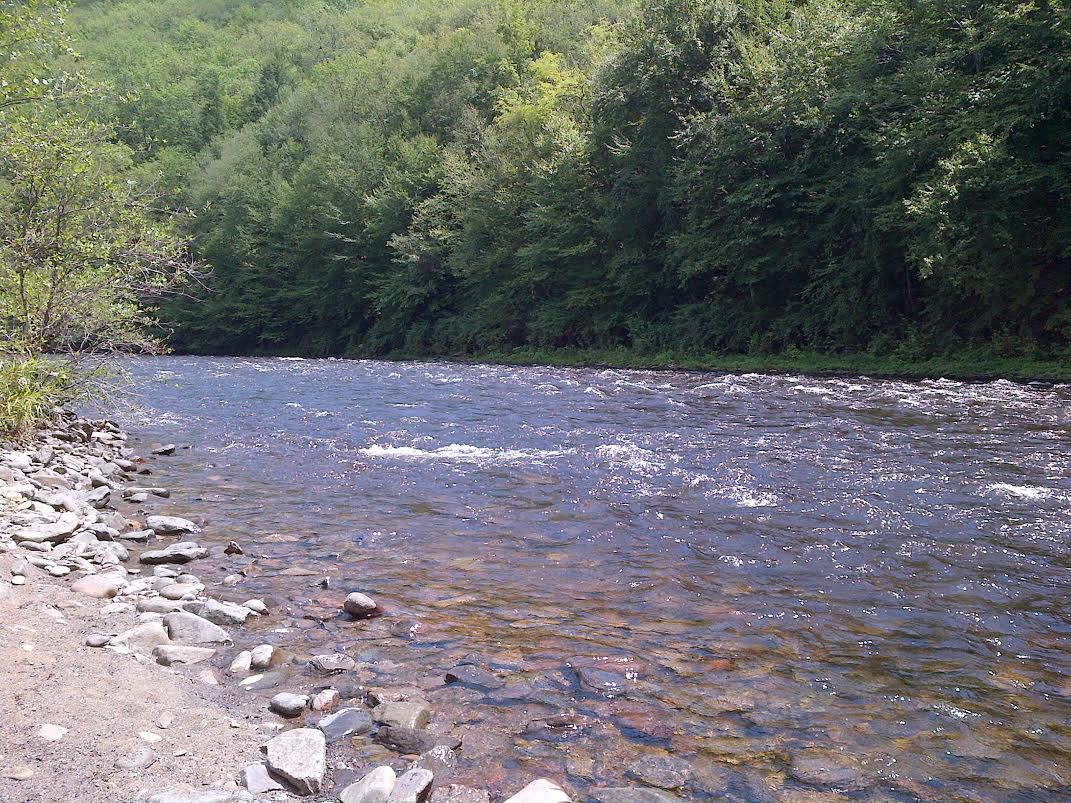
Lehigh River
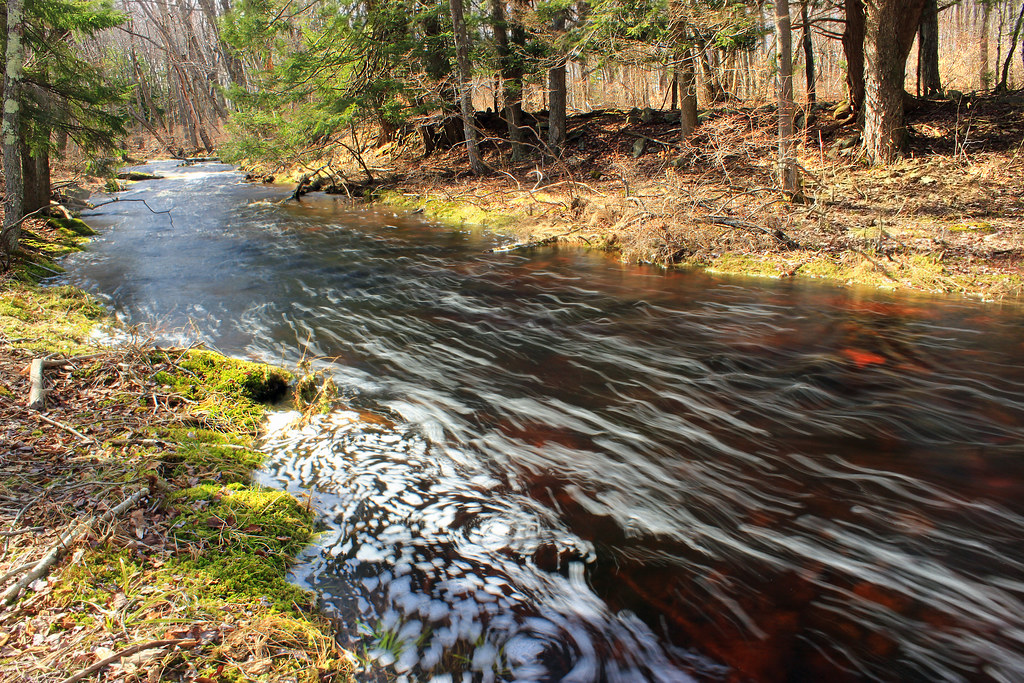
Tobyhanna Creek
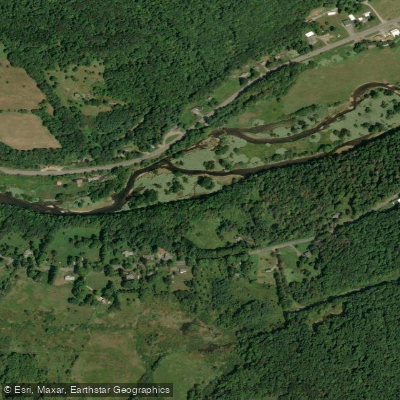
West Branch Delaware River
What to know
Habitat Distribution
They inhabit everything from cool Adirondack lakes to warm water ponds, slow-moving streams, backwaters, oxbows, and swamps, preferring mud or silt substrates with abundant vegetation.Key Locations
Productive waters include the St. Lawrence River, Finger Lakes, Oneida Lake, Lake Ontario, Lake Champlain, and countless ponds and slow streams throughout the state.Specific Spots
Target shallow bays, inlets, stream mouths, and areas with vegetation over muddy bottoms.Bullhead FAQ
Answers from onWater's species guide.
What are the best lures and bait for Bullhead in New York?
The most productive baits are nightcrawlers and leeches, though bullhead will take virtually any smelly offering including chicken liver, corn, cheese, hot dogs, crickets, minnows, and even marshmallows or bubblegum. Soak worms in pickled beet juice for added visual appeal in murky water.
When is the best time to fish for Bullhead in New York?
Beginning in April after ice-out when spring peeper frogs start calling and continuing through summer. The prime fishing period occurs when water temperatures reach the 50s and 60s. During winter, bullhead bury themselves in mud with only their mouths exposed.
How do you catch Bullhead in New York?
Present baits on or near the bottom since bullhead are primarily bottom feeders. Cast out rigs using forked sticks as rod holders, waiting 10 minutes before moving baits to new locations to spread scent and cover more water.
What do Bullhead eat?
Bullhead are omnivorous bottom feeders with poor eyesight, relying heavily on their sensitive barbels (whiskers) to locate food. Their diet includes worms, leeches, insects, crayfish, small fish like sunfish and yellow perch, zebra mussels, amphipods, aquatic invertebrates, fish eggs, and plant material.
Where do Bullhead live in New York?
They inhabit everything from cool Adirondack lakes to warm water ponds, slow-moving streams, backwaters, oxbows, and swamps, preferring mud or silt substrates with abundant vegetation.
Fish smarter with real-time insights
Whether you're en route and conditions shift or you're looking for the best spot based on current flows, we enable you to make informed decisions on the fly.







See it in the app
Most maps show you water.
onWater shows you Bullhead.



- 01 · Species map filter
Map every Bullhead water
Pick Bullhead and the map zeroes in on the waters they call home. No more guessing which lake holds them.
- 02 · Waterbody species
Tap any water. See what lives there.
Species, behavior and seasonal patterns for every lake, river and pond, before you leave the driveway.
- 03 · Angler Intelligence
Ask how to catch Bullhead
Tactics, gear and timing from onWater's AI fishing guide, tuned to the species and the water you're on.
Stop guessing where Bullhead are.
Open the map, filter by Bullhead, and head to water that holds them. Download onWater and plan your next trip in minutes.
- Species map filter
- Angler Intelligence
- Fishing journal
Explore other species
Trout, bass, salmon, panfish and everything in between. Each guide unpacks the behavior, seasons, and tactics that put fish in the net.

Find which waters have the species you want to catch

Largemouth Bass
Micropterus salmoides

Smallmouth Bass
Micropterus dolomieu

Rainbow Trout
Oncorhynchus mykiss

Brown Trout
Salmo trutta

Brook Trout
Salvelinus fontinalis

Northern Pike
Esox lucius

Muskellunge
Esox masquinongy

Walleye

Black Crappie
Pomoxis nigromaculatus

Alewife
Alosa pseudoharengus

American Eel
Anguilla rostrata

American Shad
Alosa sapidissima

Atlantic Bluefin Tuna
Thunnus thynnus

Atlantic Cod
Gadus morhua

Atlantic Herring
Clupea harengus

Atlantic Mackerel
Scomber scombrus

Atlantic Salmon
Salmo salar

Atlantic Sturgeon
Acipenser oxyrinchus

Black Bullhead
Ameiurus melas

Black Drum
Pogonias cromis

Blacknose Dace
Rhinichthys atratulus

Black Sea Bass
Centropristis striata

Blue Catfish
Ictalurus furcatus

Bluefish
Pomatomus saltatrix

Bowfin
Amia calva

Brown Bullhead
Ameiurus nebulosus

Burbot
Lota lota

Chain Pickerel
Esox niger

Channel Catfish
Ictalurus punctatus

Chinook Salmon
Oncorhynchus tshawytscha

Cisco
Coregonus artedi

Coho Salmon
Oncorhynchus kisutch

Common Carp
Cyprinus carpio

Creek Chub
Semotilus atromaculatus
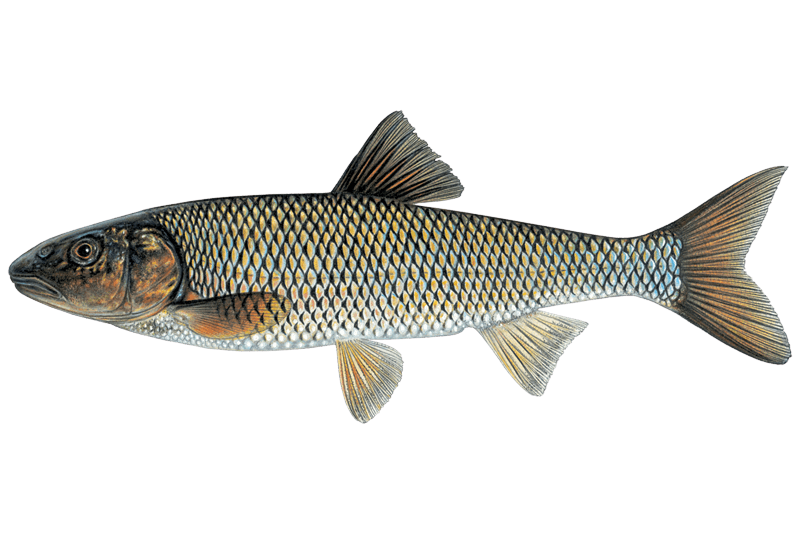
Fallfish
Semotilus corporalis

Flathead Catfish
Pylodictis olivaris

Freshwater Drum
Aplodinotus grunniens

Gizzard Shad
Dorosoma cepedianum

Golden Redhorse
Moxostoma erythrurum

Grass Carp
Ctenopharyngodon idella
New York licenses and regulations
New York Boating Regulations
When using any type of watercraft to access a body of water, it is important to follow all federal, state, and local rules and regulations. These rules and regulations include boat permitting and licensing, invasive species inspections and stamps, life jacket and PFD rules, motor size and horsepower restrictions, noise limitations, restrictions on personal watercraft, and many more. Visit the weblink below for the most current rules and regulations for this body of water.
New York Fishing License
"You need a fishing license if you are 16 years and older and fishing for: -Freshwater fish species by angling, spearing, hooking, longbow, and tip-ups. -Frog species by spearing, catching with the hands, or by use of a club or hook. -Freshwater baitfish for personal use."

New York Fishing Regulations
This river has a variety of species and regulations, including potential floating and/or watercraft restrictions. Because this river is specially managed for species, seasons, angling methods, and watercraft, it is strongly encouraged you to check all federal, state, and local regulations before fishing. Visit any of the links below, inquire locally, or contact a local fly shop to learn current regulations and restrictions.
New York Stream Access Laws
Public Fishing Rights (PFRs) are permanent easements purchased by NYSDEC from willing landowners, giving anglers the right to fish and walk along the bank (usually a 33' strip on one or both banks of the stream). This right is for the purpose of fishing only and no other purpose. Fishing privileges may be available on some other private lands with the permission of the landowner. Courtesy toward the landowner and respect for their property will ensure their continued use.
Explore nearby waters
Explore New York waters
Top fishing waters
Popular Cities
Loading popular cities...
Smarter Fishing Starts in the App.
onWater Fish gives you everything you need to plan smarter, fish better, and own every trip from first cast to last.