Flathead Catfish

Flathead catfish are not native to New York but have been documented in the state's waters, particularly in the Upper Delaware River system.
First collected in the Delaware River system in 1999 at Blue Marsh reservoir on the Schuylkill River, they are now established from the New York State border down to Philadelphia.
These invasive predators are apex predators that consume primarily live prey throughout their lives.
Scientific Name: Pylodictis olivaris
Easily identified by their distinctive flattened head, prominent underbite with the lower jaw extending past the upper jaw, and rounded (not forked) tail fin. They have olive to yellowish-brown coloration with dark mottling above and lighter coloration below.
Fishing in New York
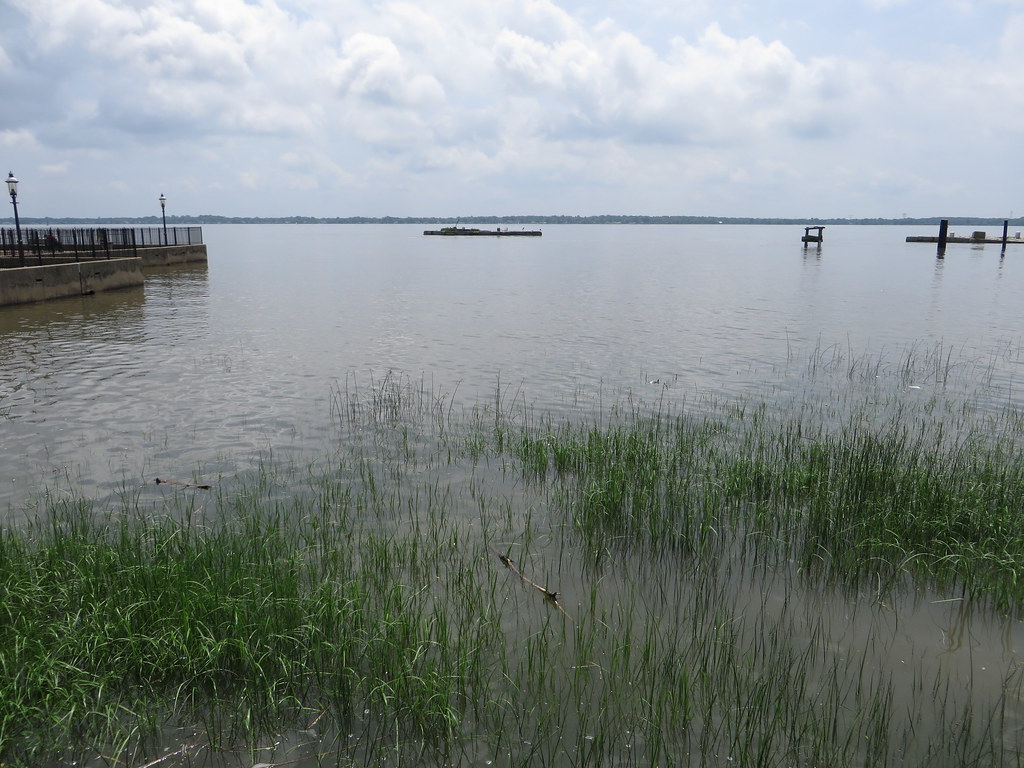
Delaware River
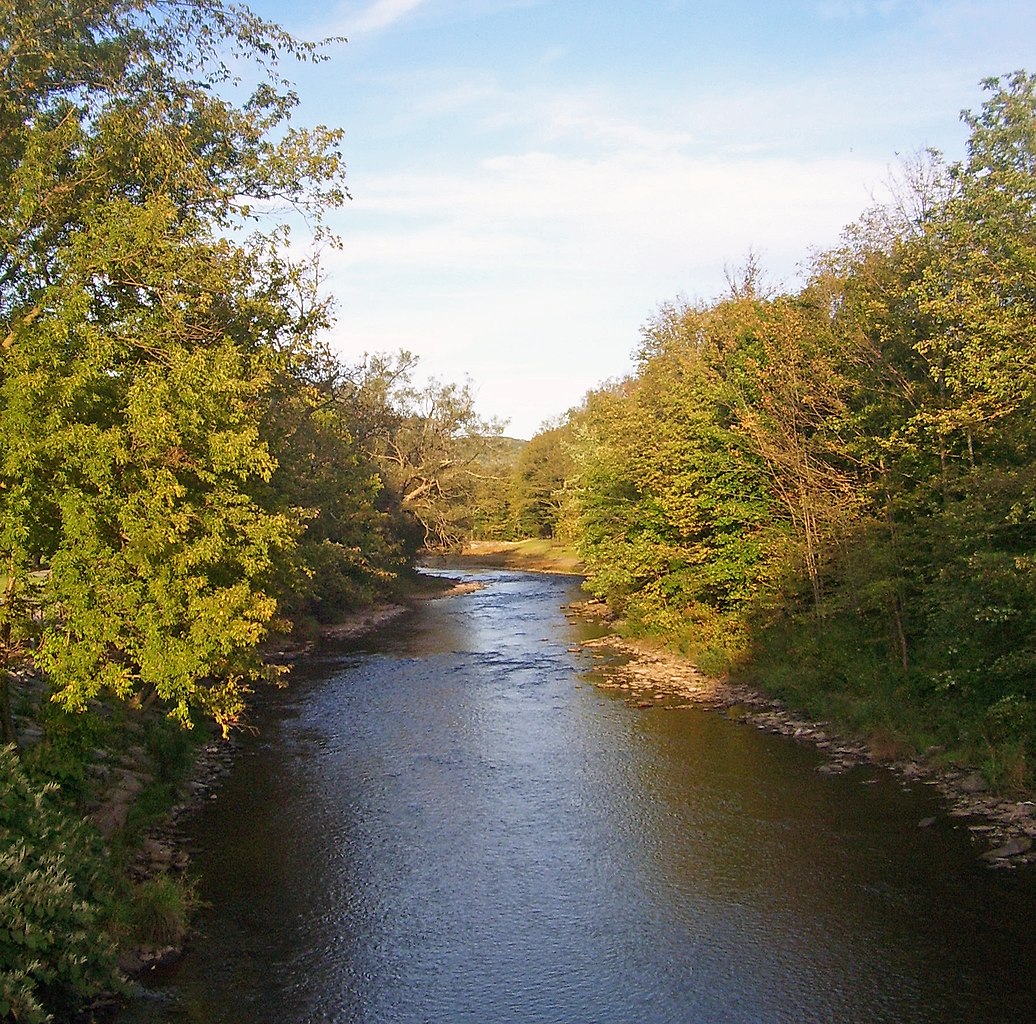
East Branch Delaware River
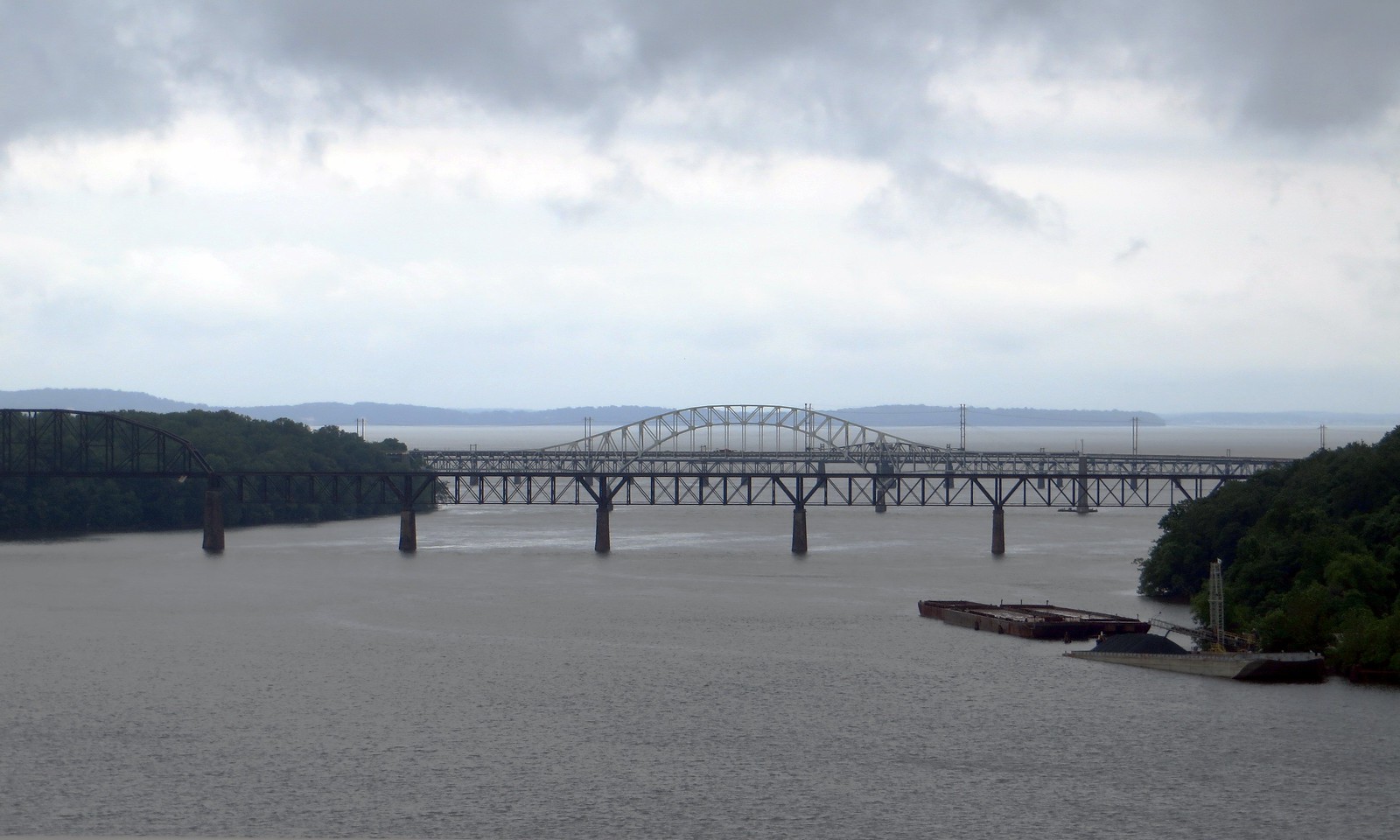
Susquehanna River
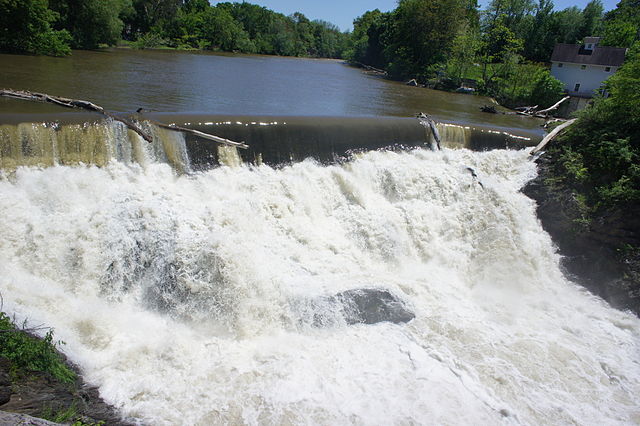
Beaver Kill
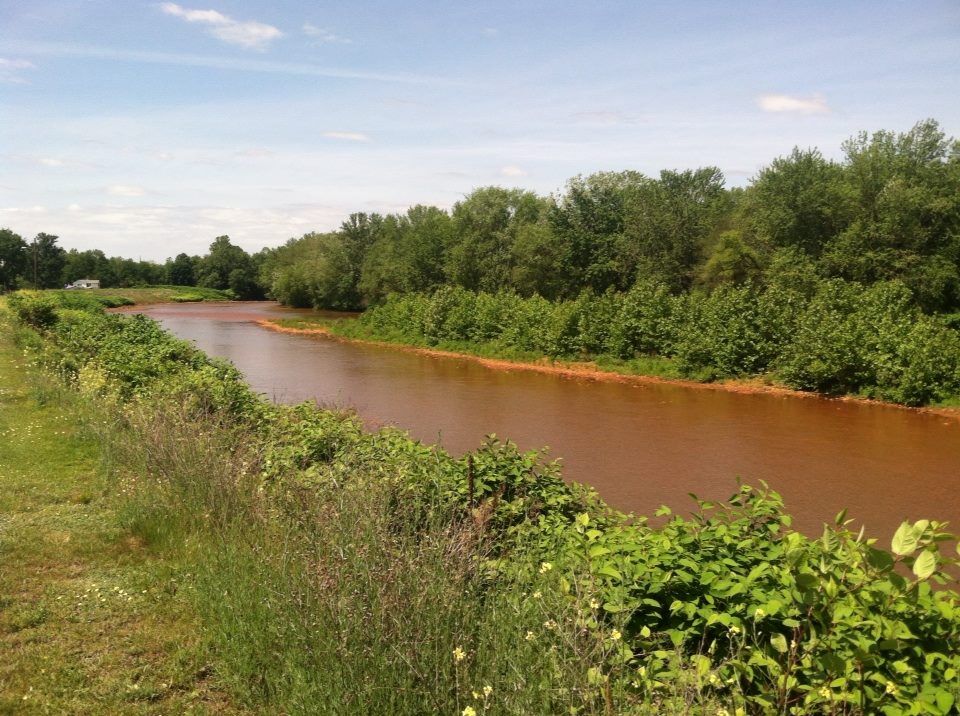
Lackawanna River
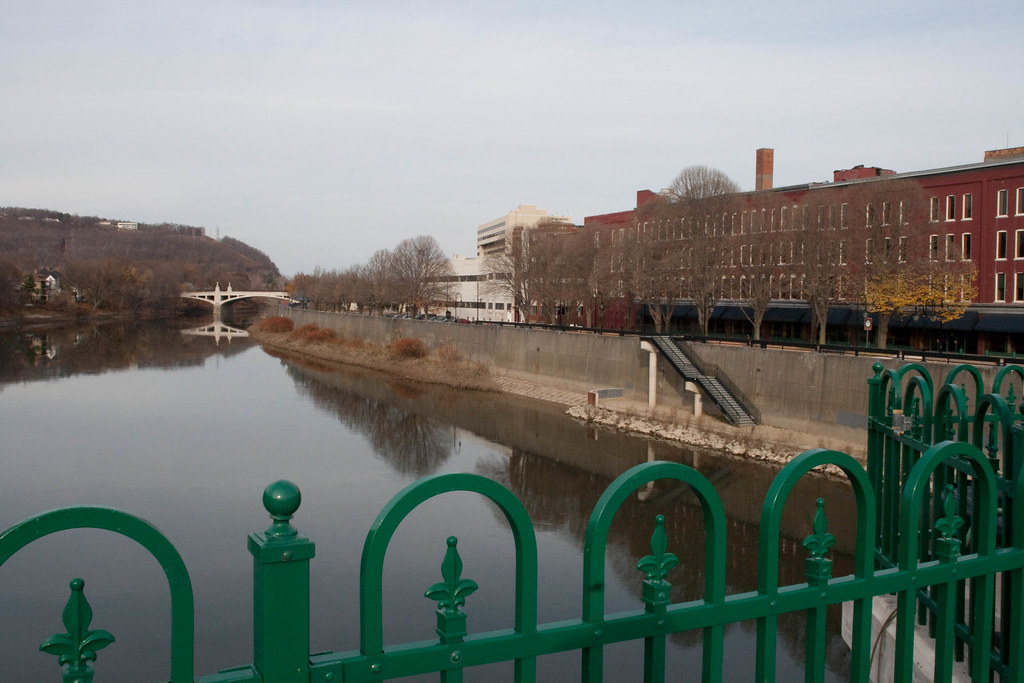
Chenango River
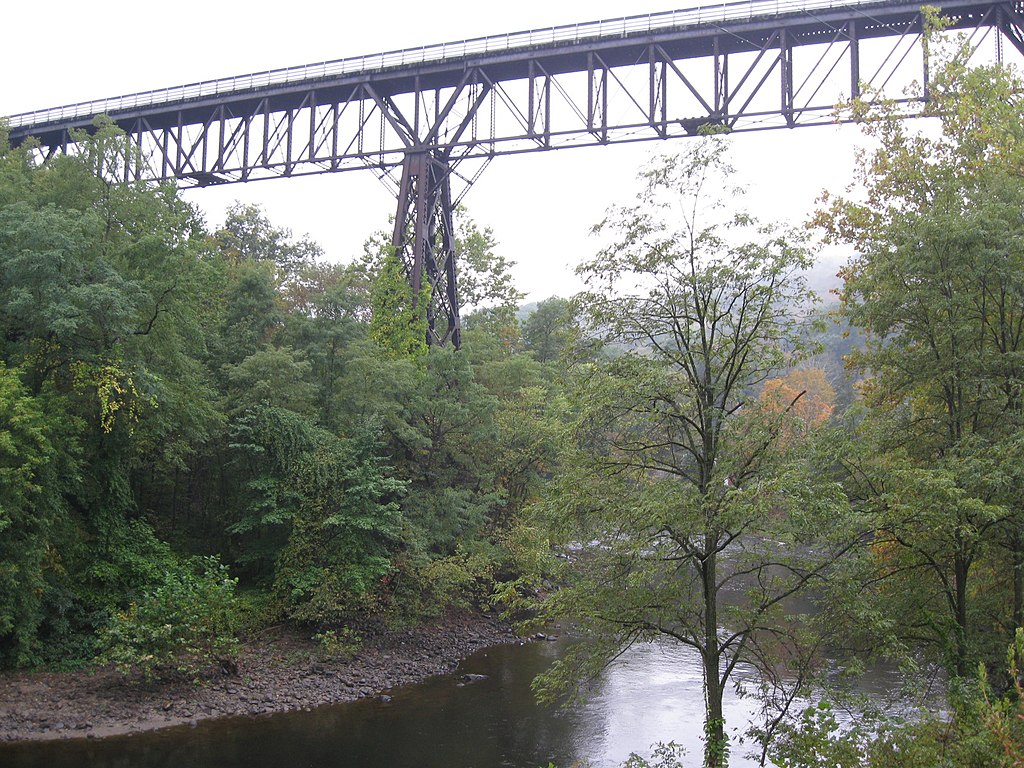
Rondout Creek
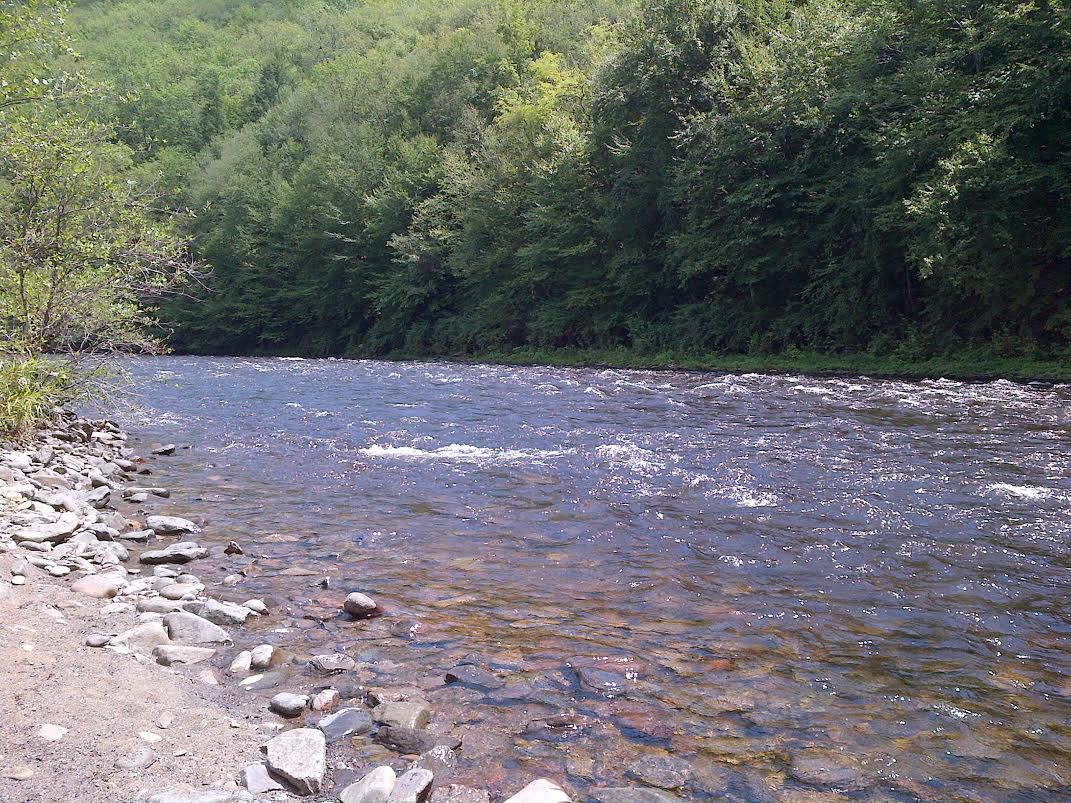
Lehigh River
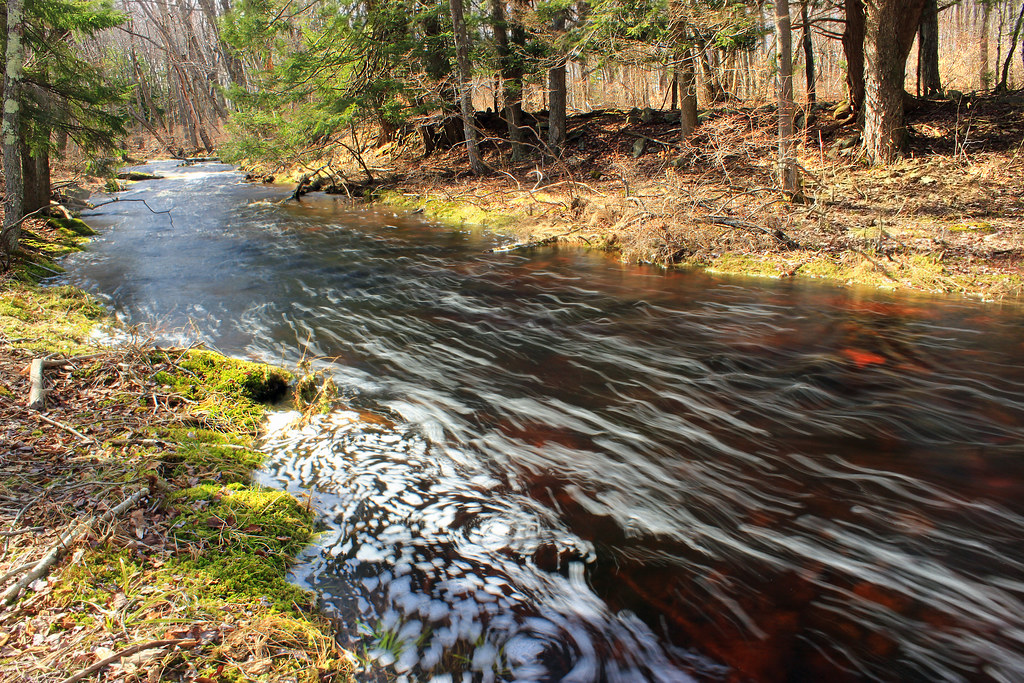
Tobyhanna Creek
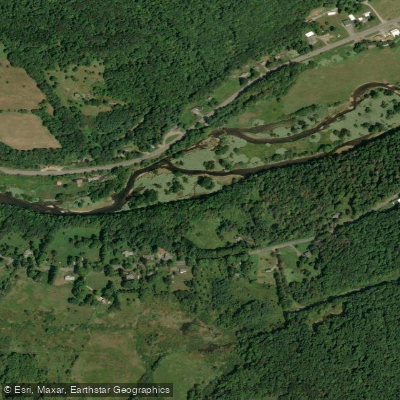
West Branch Delaware River
What to know
Habitat Distribution
Established from the New York State border down to Philadelphia in the Delaware River system.Key Locations
New York's Delaware River system, particularly the Delaware River between Riegelsville and Lambertville where most catches are reported.Specific Spots
Heavy structure like logjams, brush piles, undercut banks along deeper pools, particularly around creek mouths and tributary confluences. Adults typically occupy heavy cover like logjams, brush piles, undercut banks, and rocky areas in deeper pools during the day.Flathead Catfish FAQ
Answers from onWater's species guide.
What are the best lures and bait for Flathead Catfish in New York?
Small to medium-sized sunfish, bluegills, bullheads, or suckers work best, as flatheads strongly prefer live, struggling prey over cut bait or stink baits.
When is the best time to fish for Flathead Catfish in New York?
Fish from late spring through fall, avoiding the spawning period in late spring/early summer (May-June) when water reaches 72-77°F. Fall (September-October) offers excellent fishing as flatheads feed heavily before winter.
How do you catch Flathead Catfish in New York?
Use live bait almost exclusively. Fish adjacent to deeper water (15+ feet) and be prepared to move frequently, spending only 15-30 minutes per spot. Present live bait near structure where these ambush predators wait for prey.
What do Flathead Catfish eat?
Consume primarily live prey throughout their lives, preferring sunfish, bullheads, crayfish, and other fish. Unlike other catfish species that scavenge, flatheads are active hunters that prefer moving, live bait.
Where do Flathead Catfish live in New York?
Established from the New York State border down to Philadelphia in the Delaware River system.
Fish smarter with real-time insights
Whether you're en route and conditions shift or you're looking for the best spot based on current flows, we enable you to make informed decisions on the fly.




See it in the app
Most maps show you water.
onWater shows you Flathead Catfish.



- 01 · Species map filter
Map every Flathead Catfish water
Pick Flathead Catfish and the map zeroes in on the waters they call home. No more guessing which lake holds them.
- 02 · Waterbody species
Tap any water. See what lives there.
Species, behavior and seasonal patterns for every lake, river and pond, before you leave the driveway.
- 03 · Angler Intelligence
Ask how to catch Flathead Catfish
Tactics, gear and timing from onWater's AI fishing guide, tuned to the species and the water you're on.
Stop guessing where Flathead Catfish are.
Open the map, filter by Flathead Catfish, and head to water that holds them. Download onWater and plan your next trip in minutes.
- Species map filter
- Angler Intelligence
- Fishing journal
Explore other species
Trout, bass, salmon, panfish and everything in between. Each guide unpacks the behavior, seasons, and tactics that put fish in the net.
No species information available.
New York licenses and regulations
Explore nearby waters
Explore New York waters
Top fishing waters
Popular Cities
Loading popular cities...

Smarter Fishing Starts in the App.
onWater Fish gives you everything you need to plan smarter, fish better, and own every trip from first cast to last.