Fishing in New York
- Lakes
- 3,518
- Rivers
- 4,498
- Access
- 1,133
- Boat Ramps
- 1,029
- Shops
- 218
New York isn't one fishing state — it's at least three sharing a license.
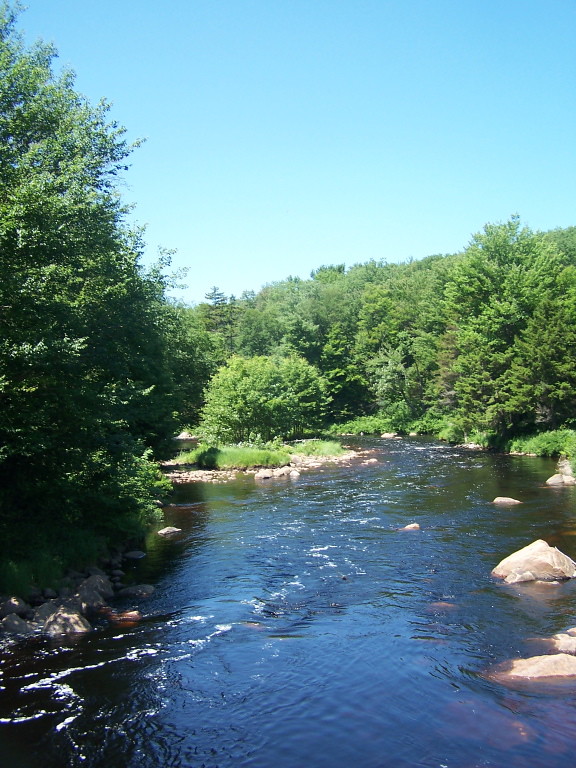
There's the Catskill dry-fly tradition that essentially invented American fly fishing, the Lake Ontario tributary scene that puts Pacific salmon and steelhead in a small Oswego County town for eight months a year, and the Great Lakes/St.
Lawrence warmwater world of trophy musky, smallmouth, and trolled salmon. They barely speak the same language. The Catskills are the historical core.
The Beaverkill and Willowemoc meet at Junction Pool in Roscoe — "Trout Town, USA" — where a ceremonial Opening Day pilgrimage happens every first Saturday of April regardless of weather.
The dry-fly calendar runs from the Hendrickson hatch in mid-April through Quill Gordons, March Browns, Sulphurs, and into Isonychia and Blue-Winged Olives in fall.
The West Branch of the Delaware below Cannonsville is the most technical water in the system, an all-wild tailwater of selective browns and rainbows where the bug life rewards anglers who actually match what's coming off.
The cultural infrastructure is still here too: Dette Flies in Roscoe, the Catskill Fly Fishing Center & Museum on the Willowemoc, Trout Unlimited chapters working on water temperature and habitat.
That last point matters — DEC's summer thermal closure on a stretch of the Beaverkill from Horton down to the Route 17 overpass, July and August, is a frank admission that these streams are running warmer than they used to.
Three hundred miles north, Pulaski runs on a different clock. Chinook stage off the river mouth in late August and push up the Salmon River through September and October — the Great Lakes record (47-plus pounds) came out of here.
Steelhead follow the salmon in and hold through April, and the Skamania strain stretches the season back into summer.
There are fly-only and catch-and-release sections above Altmar, snagging has been illegal since 1993, and full-time guides like Randy Jones book a year out.
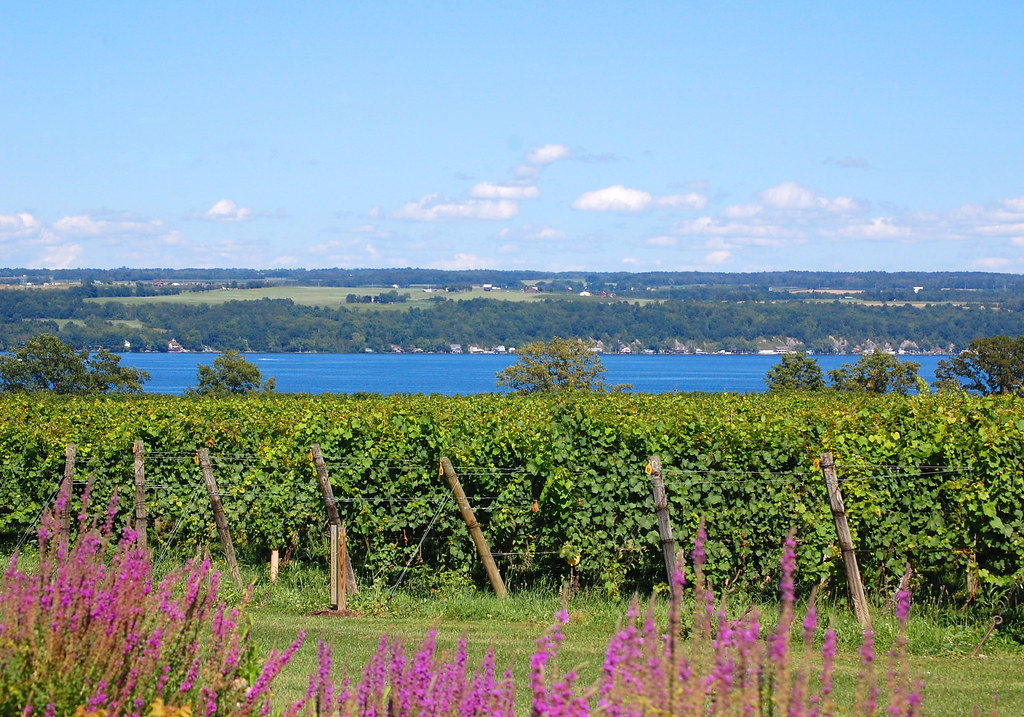
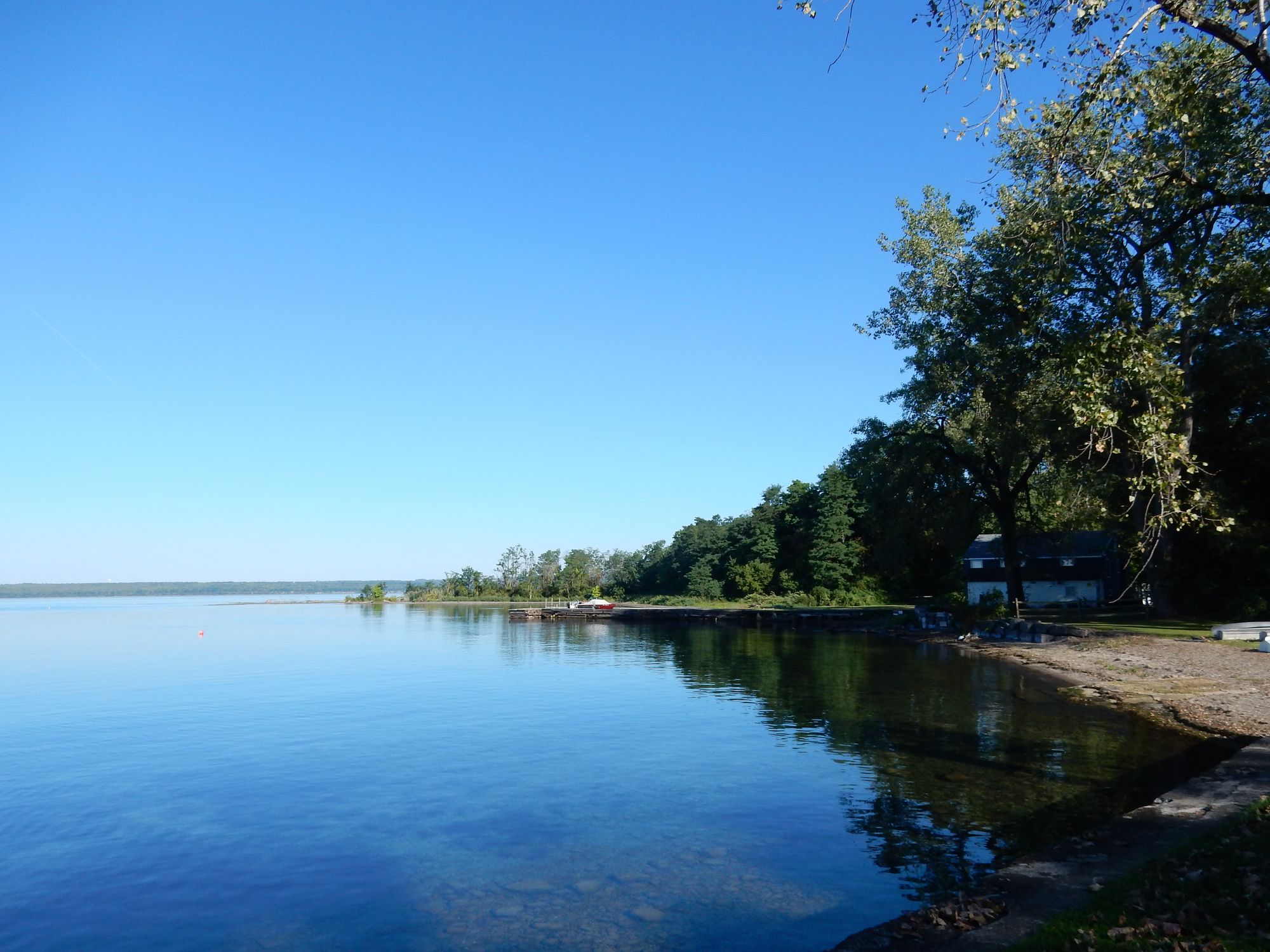
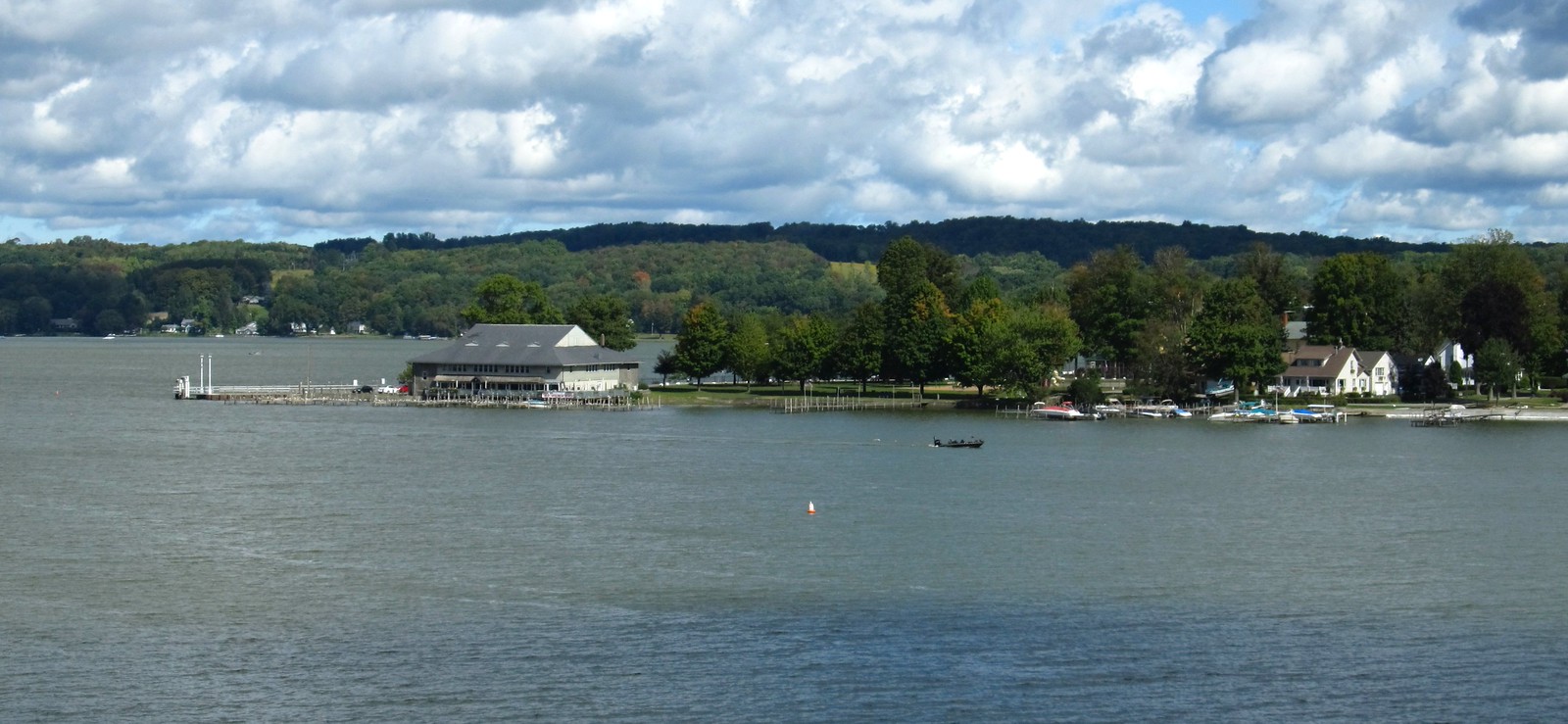
The rest of the state fills in around those two poles: Oneida for walleye and smallmouth, Lake Champlain's 490 square miles of two-and-a-half-pound smallmouth, the Thousand Islands for muskies trolled along shoal edges from Cape Vincent to Ogdensburg, the Finger Lakes layered cold over warm, brook trout in Adirondack ponds, Hudson stripers opening in April and the fall "Rocktober" run on the coast.
One thing to internalize before you go: New York has no general right to wade private water. Access runs on the Public Fishing Rights easement system — yellow signs, roughly 33-foot bank strips, over 1,300 equivalent miles across 400-plus streams.
Find the signs, or know your landowner. That's the homework.

Species & education
Learn what type of fish are in New York and what's needed to catch them.

Find which waters have the species you want to catch

Largemouth Bass
Micropterus salmoides

Smallmouth Bass
Micropterus dolomieu

Rainbow Trout
Oncorhynchus mykiss

Brown Trout
Salmo trutta

Brook Trout
Salvelinus fontinalis

Northern Pike
Esox lucius

Muskellunge
Esox masquinongy

Walleye

Black Crappie
Pomoxis nigromaculatus

Alewife
Alosa pseudoharengus

American Eel
Anguilla rostrata

American Shad
Alosa sapidissima

Atlantic Bluefin Tuna
Thunnus thynnus

Atlantic Cod
Gadus morhua

Atlantic Herring
Clupea harengus

Atlantic Mackerel
Scomber scombrus

Atlantic Salmon
Salmo salar

Atlantic Sturgeon
Acipenser oxyrinchus

Black Bullhead
Ameiurus melas

Black Drum
Pogonias cromis

Blacknose Dace
Rhinichthys atratulus

Black Sea Bass
Centropristis striata

Blue Catfish
Ictalurus furcatus

Bluefish
Pomatomus saltatrix

Bowfin
Amia calva

Brown Bullhead
Ameiurus nebulosus

Burbot
Lota lota

Chain Pickerel
Esox niger

Channel Catfish
Ictalurus punctatus

Chinook Salmon
Oncorhynchus tshawytscha

Cisco
Coregonus artedi

Coho Salmon
Oncorhynchus kisutch

Common Carp
Cyprinus carpio

Creek Chub
Semotilus atromaculatus
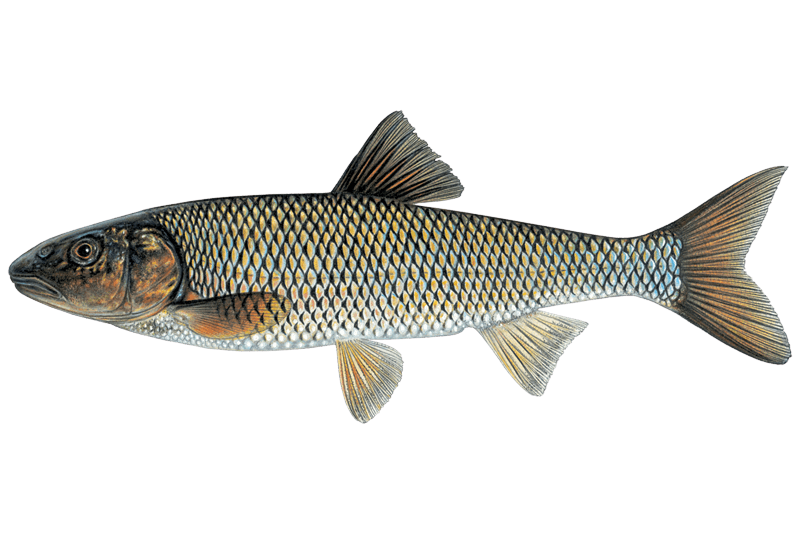
Fallfish
Semotilus corporalis

Flathead Catfish
Pylodictis olivaris

Freshwater Drum
Aplodinotus grunniens

Gizzard Shad
Dorosoma cepedianum

Golden Redhorse
Moxostoma erythrurum

Grass Carp
Ctenopharyngodon idella
Fishing guides in New York
Book a trip with a local fishing guide through Guidesly.

Andrew Beaudoin
Battle Fish Charters
5.0 (17 reviews)
Best freshwater fishing trips in Saranac Lake, NY
Book on Guidesly, opens in new tab
Justin Irving
Over The Rail Sportfishing
4.9 (17 reviews)
Trolling for World Class Salmon and Trout
Book on Guidesly, opens in new tab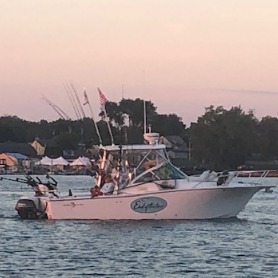
David Levan
End of the Line Charters
4.9 (15 reviews)
A Cast into the Serene Beauty of NY Lakes
Book on Guidesly, opens in new tab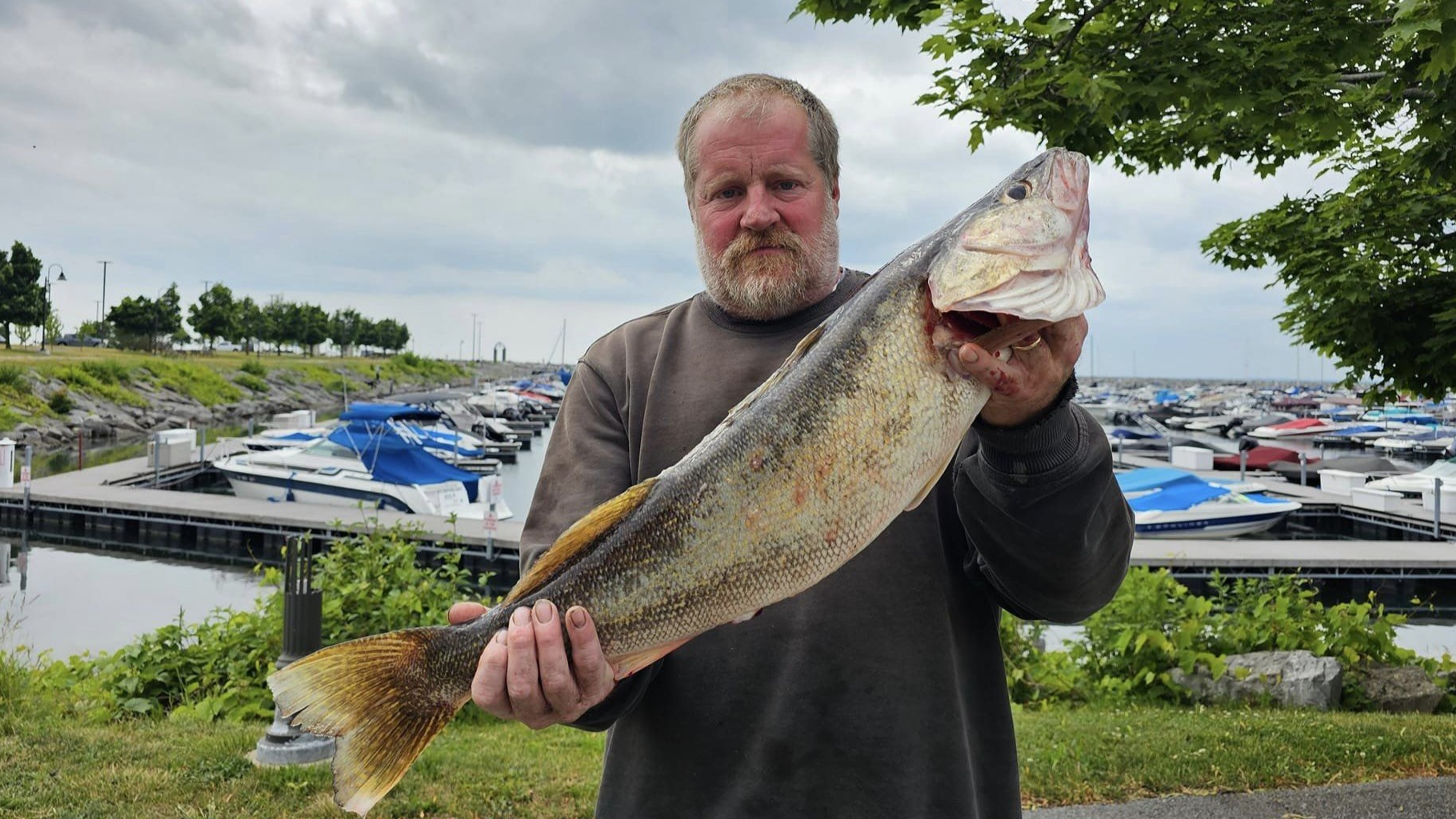
Rob Ebersole
Scary Good Sportfishing
5.0 (10 reviews)
Unforgettable moment in Lake Erie Fishing Charters
Book on Guidesly, opens in new tab
Bruce Mattison
Eagle Charters Sport Fishing
5.0 (9 reviews)
Top Oswego Fishing Charters. Book Today
Book on Guidesly, opens in new tab
Tyler Hageman
Around The Bend Fly Fishing
5.0 (9 reviews)
Catch the big one on Cattaraugus Creek!
Book on Guidesly, opens in new tab
Fish smarter with real-time insights
Whether you're en route and conditions shift or you're looking for the best spot based on current flows, we enable you to make informed decisions on the fly.







New York licenses and regulations
New York Boating Regulations
When using any type of watercraft to access a body of water, it is important to follow all federal, state, and local rules and regulations. These rules and regulations include boat permitting and licensing, invasive species inspections and stamps, life jacket and PFD rules, motor size and horsepower restrictions, noise limitations, restrictions on personal watercraft, and many more. Visit the weblink below for the most current rules and regulations for this body of water.
New York Fishing License
"You need a fishing license if you are 16 years and older and fishing for: -Freshwater fish species by angling, spearing, hooking, longbow, and tip-ups. -Frog species by spearing, catching with the hands, or by use of a club or hook. -Freshwater baitfish for personal use."

New York Fishing Regulations
This river has a variety of species and regulations, including potential floating and/or watercraft restrictions. Because this river is specially managed for species, seasons, angling methods, and watercraft, it is strongly encouraged you to check all federal, state, and local regulations before fishing. Visit any of the links below, inquire locally, or contact a local fly shop to learn current regulations and restrictions.
New York Stream Access Laws
Public Fishing Rights (PFRs) are permanent easements purchased by NYSDEC from willing landowners, giving anglers the right to fish and walk along the bank (usually a 33' strip on one or both banks of the stream). This right is for the purpose of fishing only and no other purpose. Fishing privileges may be available on some other private lands with the permission of the landowner. Courtesy toward the landowner and respect for their property will ensure their continued use.
Smarter Fishing Starts in the App.
onWater Fish gives you everything you need to plan smarter, fish better, and own every trip from first cast to last.