Cisco

Cisco are cold-water pelagic fish in the salmonid family that live in deep oligotrophic lakes and large rivers.
Scientific Name: Coregonus artedi
Also known as Lake Herring
Adults typically range from 279-457mm in length (11-18 inches), with an elongate body featuring a grayish top, white belly, silver sides, and a distinctive gray horizontal line running from head to tail. They have a pointed snout with a protruding lower jaw.
Cisco can reach lengths of 20 inches.
Fishing in New York
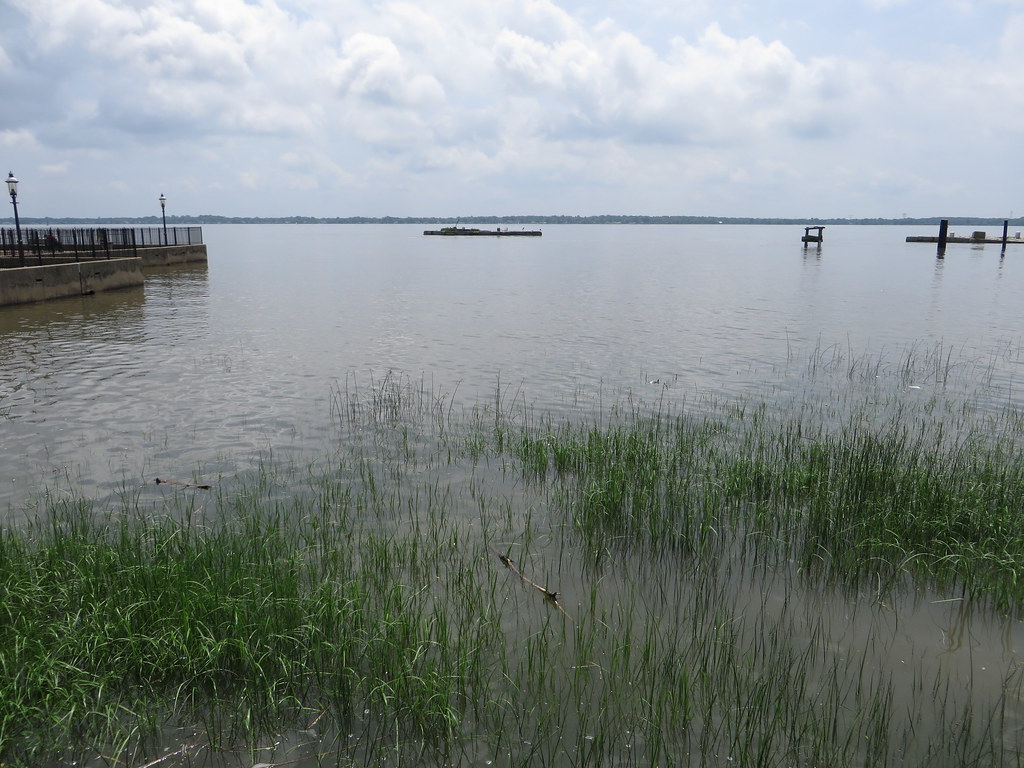
Delaware River
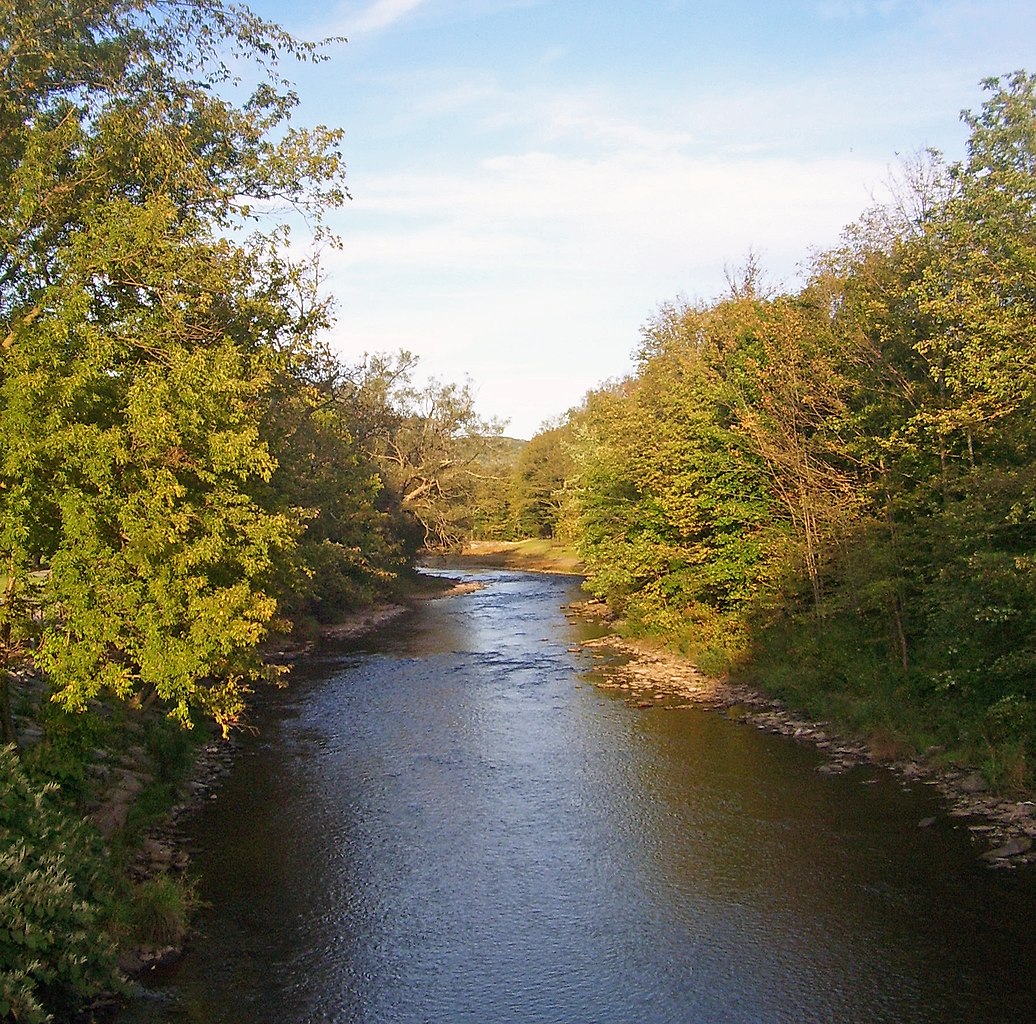
East Branch Delaware River
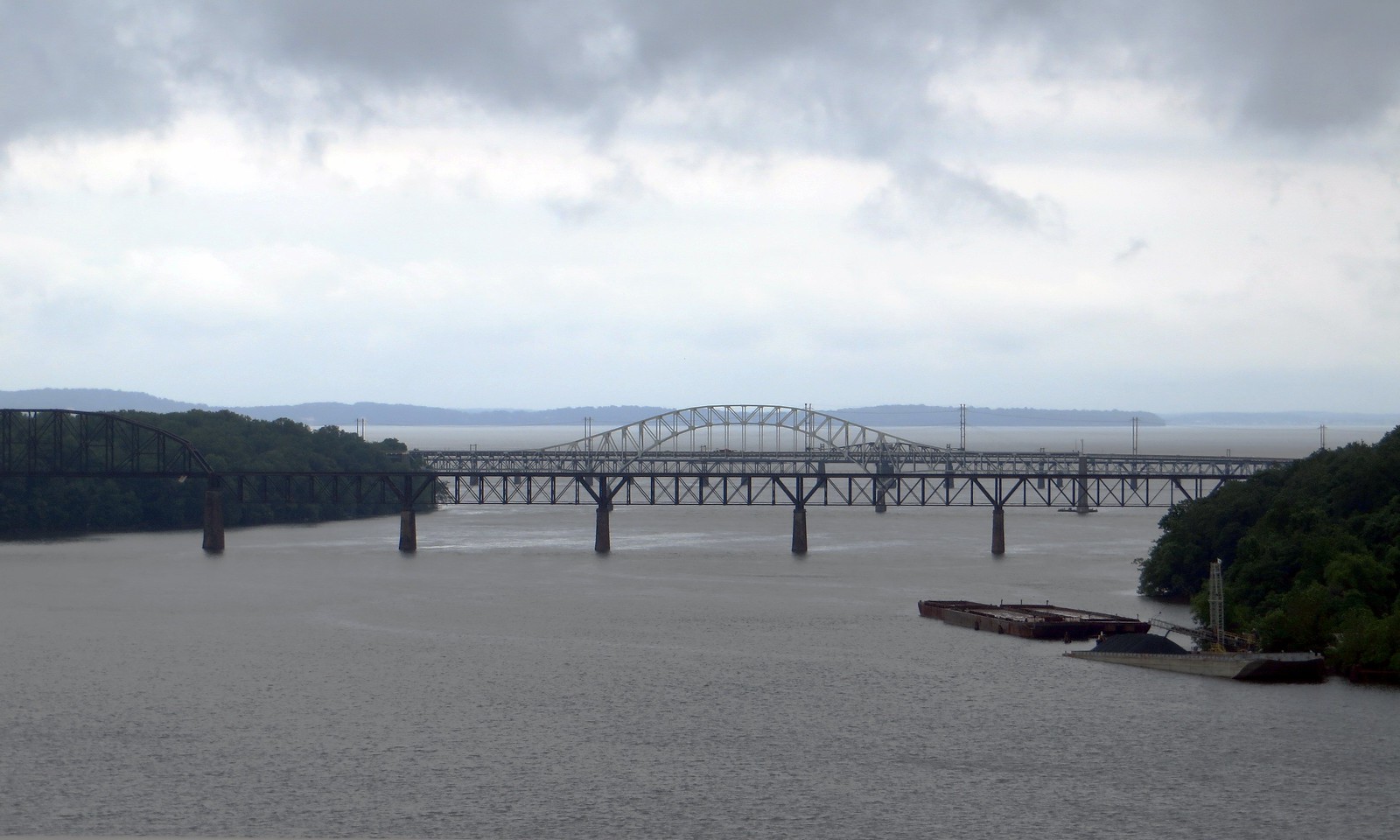
Susquehanna River
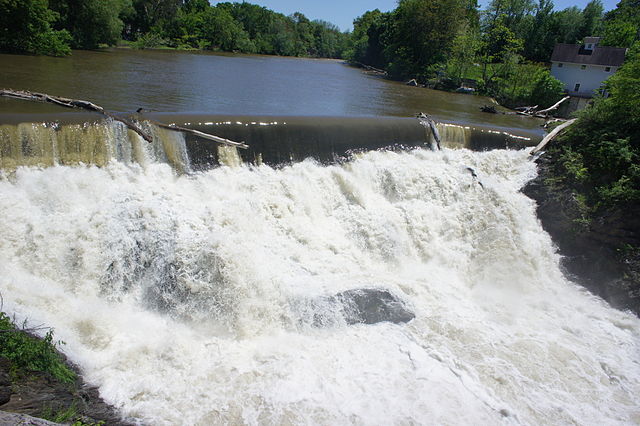
Beaver Kill
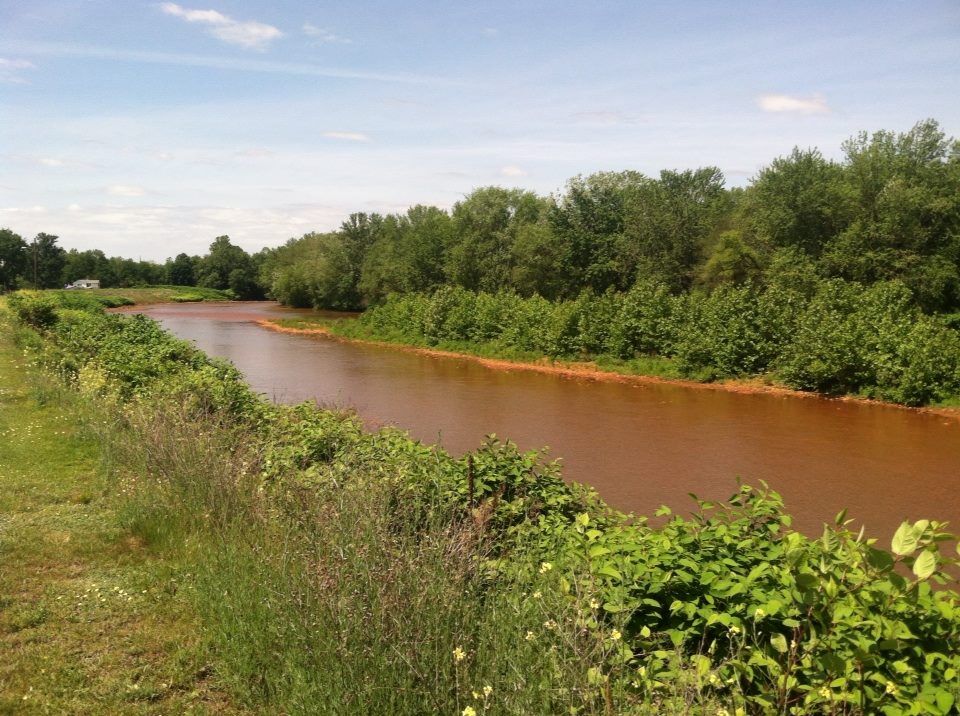
Lackawanna River
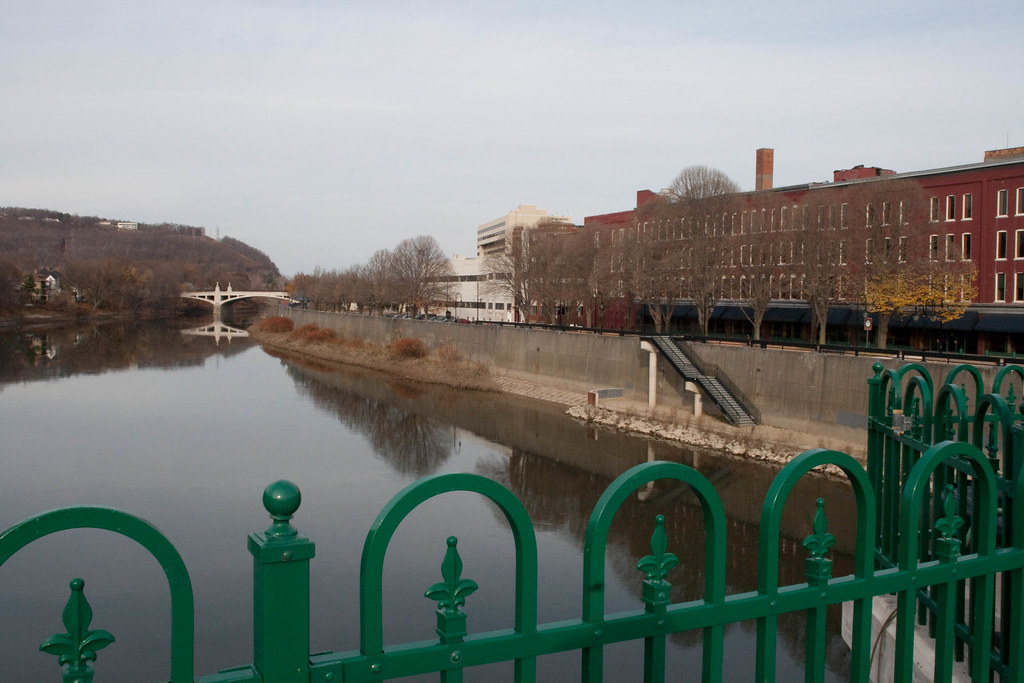
Chenango River
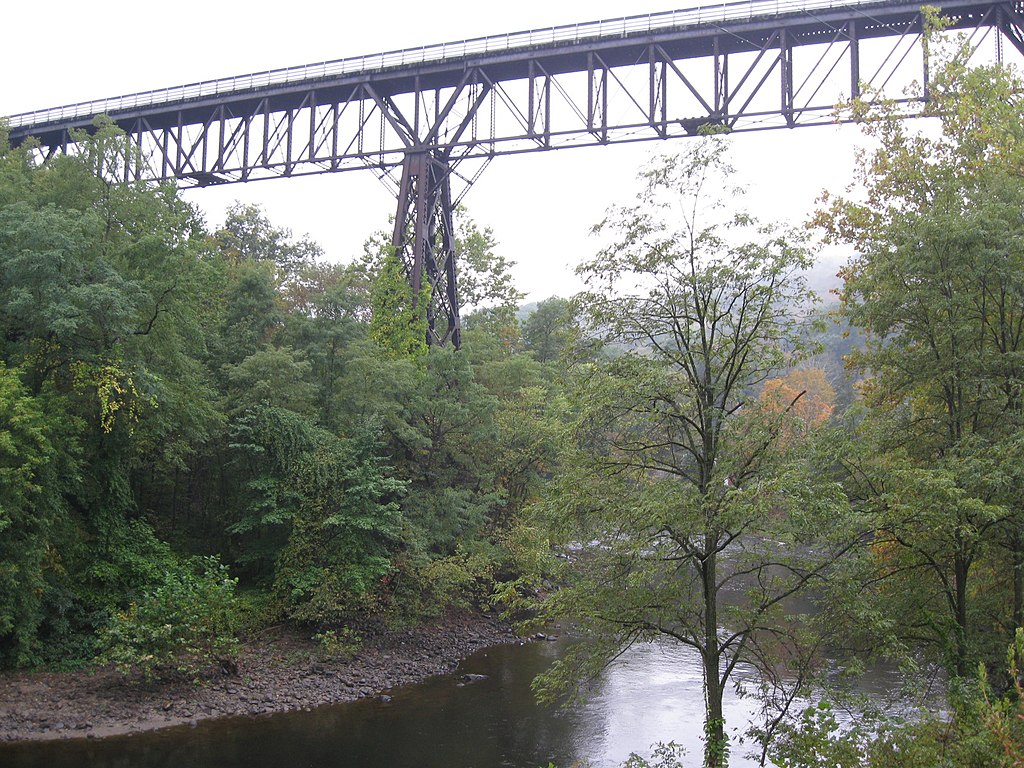
Rondout Creek
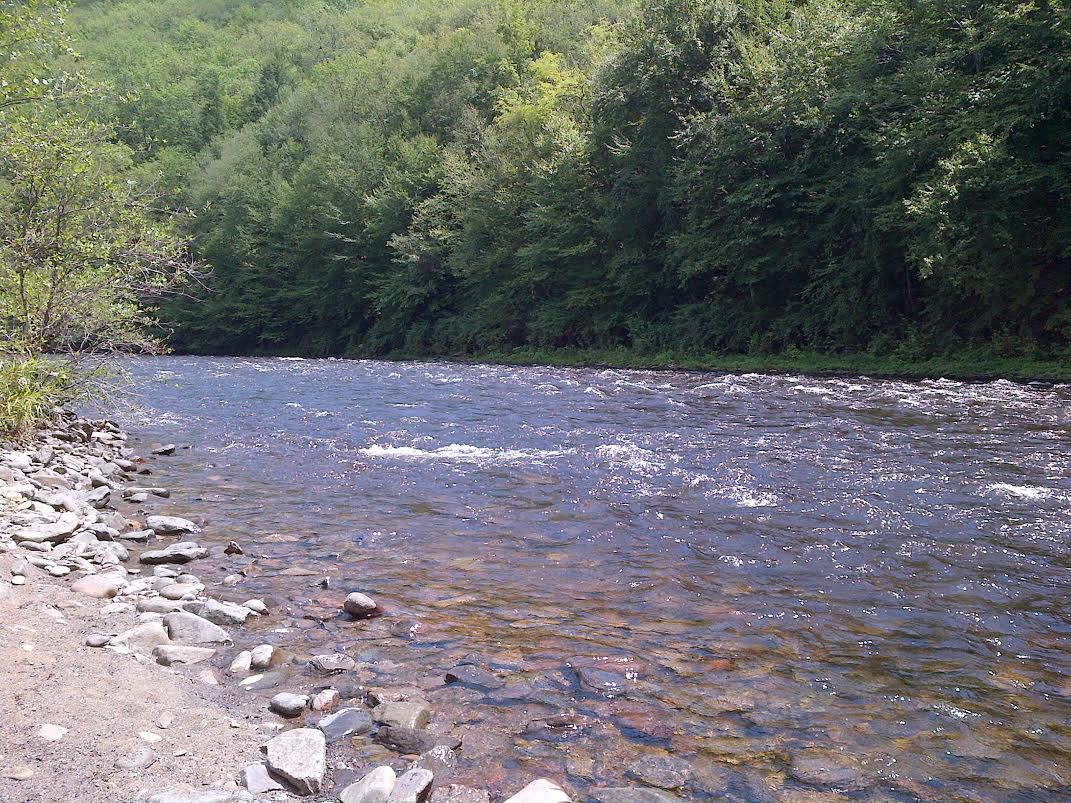
Lehigh River
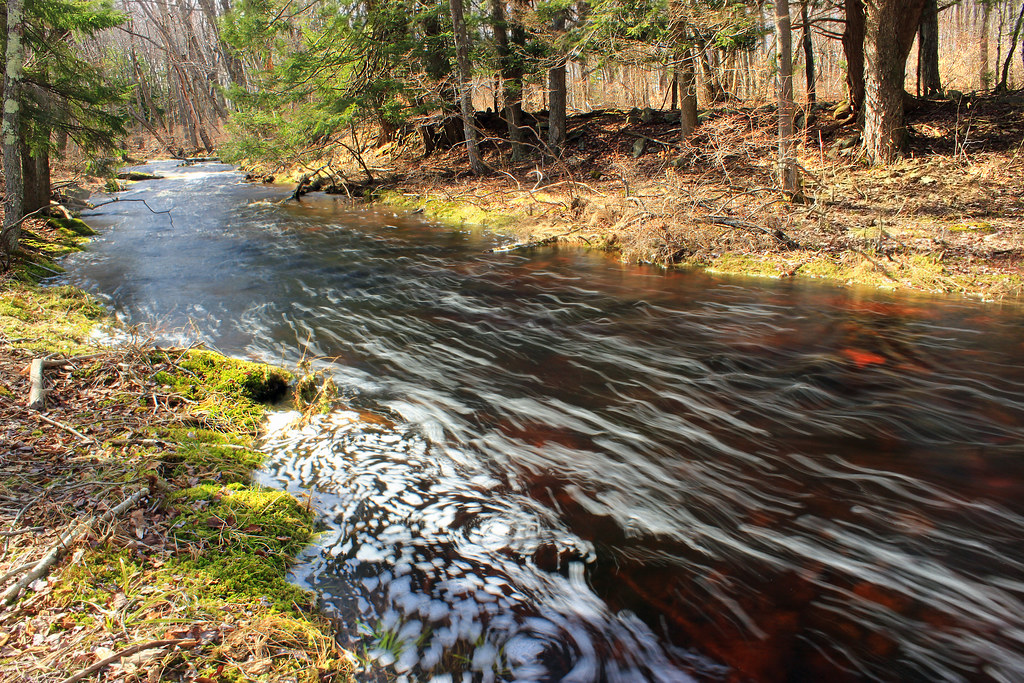
Tobyhanna Creek
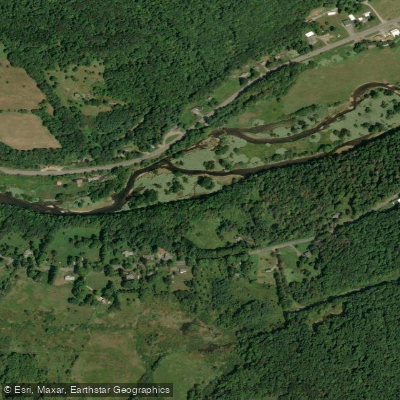
West Branch Delaware River
What to know
Habitat Distribution
In New York, Cisco are native to the St. Lawrence drainage including lakes Erie and Ontario, the Finger Lakes, low-elevation lakes of the Adirondacks, Lake Champlain, Lake George, and Chautauqua Lake.Key Locations
In New York, Cisco are native to the St. Lawrence drainage including lakes Erie and Ontario, the Finger Lakes, low-elevation lakes of the Adirondacks, Lake Champlain, Lake George, and Chautauqua Lake. Current populations persist in embayments like Sodus Bay and Chaumont Bay in Lake Ontario, and they're still present in Keuka and Skaneateles Lakes in the Finger Lakes region. Lake George has had abundant catches as recently as 2023. In Lake Ontario embayments like Sodus Bay and Chaumont Bay, focus on rocky shoals and embayment areas. For the Finger Lakes, target Keuka and Skaneateles Lakes where populations still exist. Key locations include Lake George for consistent action, and historically productive areas in the Adirondacks.Specific Spots
Look for deep mud flats that bottom out at 30-40 feet bordered by shallower structure around 20 feet. Cisco are typically suspended anywhere from 3 feet off bottom to halfway between surface and bottom. Focus on rocky shoals and embayment areas.Cisco FAQ
Answers from onWater's species guide.
What are the best lures and bait for Cisco in New York?
Small jigs and spoons are effective baits, particularly small jigging spoons with dropper jigs. A VMC Pro Series Rattle Spoon with a VMC Octopus Dropper Chain tipped with waxworms works well - the spoon calls them in while the small hook suits their tiny mouths.
When is the best time to fish for Cisco in New York?
The best season for Cisco fishing in New York is winter when they school near the surface in large numbers. Avoid fishing during spawning season (October-December) when they're reproducing in shallow rocky areas.
How do you catch Cisco in New York?
Ice fishing particularly productive. Use electronics to locate suspended schools, and fish quietly to avoid spooking these easily disturbed fish.
What do Cisco eat?
Cisco are primarily zooplanktivores feeding on plankton, but also consume small fish, mollusks, crustaceans, mayflies, and plant material.
Where do Cisco live in New York?
In New York, Cisco are native to the St. Lawrence drainage including lakes Erie and Ontario, the Finger Lakes, low-elevation lakes of the Adirondacks, Lake Champlain, Lake George, and Chautauqua Lake.
Fish smarter with real-time insights
Whether you're en route and conditions shift or you're looking for the best spot based on current flows, we enable you to make informed decisions on the fly.







See it in the app
Most maps show you water.
onWater shows you Cisco.



- 01 · Species map filter
Map every Cisco water
Pick Cisco and the map zeroes in on the waters they call home. No more guessing which lake holds them.
- 02 · Waterbody species
Tap any water. See what lives there.
Species, behavior and seasonal patterns for every lake, river and pond, before you leave the driveway.
- 03 · Angler Intelligence
Ask how to catch Cisco
Tactics, gear and timing from onWater's AI fishing guide, tuned to the species and the water you're on.
Stop guessing where Cisco are.
Open the map, filter by Cisco, and head to water that holds them. Download onWater and plan your next trip in minutes.
- Species map filter
- Angler Intelligence
- Fishing journal
Explore other species
Trout, bass, salmon, panfish and everything in between. Each guide unpacks the behavior, seasons, and tactics that put fish in the net.

Find which waters have the species you want to catch

Largemouth Bass
Micropterus salmoides

Smallmouth Bass
Micropterus dolomieu

Rainbow Trout
Oncorhynchus mykiss

Brown Trout
Salmo trutta

Brook Trout
Salvelinus fontinalis

Northern Pike
Esox lucius

Muskellunge
Esox masquinongy

Walleye

Black Crappie
Pomoxis nigromaculatus

Alewife
Alosa pseudoharengus

American Eel
Anguilla rostrata

American Shad
Alosa sapidissima

Atlantic Bluefin Tuna
Thunnus thynnus

Atlantic Cod
Gadus morhua

Atlantic Herring
Clupea harengus

Atlantic Mackerel
Scomber scombrus

Atlantic Salmon
Salmo salar

Atlantic Sturgeon
Acipenser oxyrinchus

Black Bullhead
Ameiurus melas

Black Drum
Pogonias cromis

Blacknose Dace
Rhinichthys atratulus

Black Sea Bass
Centropristis striata

Blue Catfish
Ictalurus furcatus

Bluefish
Pomatomus saltatrix

Bowfin
Amia calva

Brown Bullhead
Ameiurus nebulosus

Burbot
Lota lota

Chain Pickerel
Esox niger

Channel Catfish
Ictalurus punctatus

Chinook Salmon
Oncorhynchus tshawytscha

Coho Salmon
Oncorhynchus kisutch

Common Carp
Cyprinus carpio

Creek Chub
Semotilus atromaculatus

Fallfish
Semotilus corporalis

Flathead Catfish
Pylodictis olivaris

Freshwater Drum
Aplodinotus grunniens

Gizzard Shad
Dorosoma cepedianum

Golden Redhorse
Moxostoma erythrurum

Grass Carp
Ctenopharyngodon idella

Green Sunfish
Lepomis cyanellus
New York licenses and regulations

New York Boating Regulations
When using any type of watercraft to access a body of water, it is important to follow all federal, state, and local rules and regulations. These rules and regulations include boat permitting and licensing, invasive species inspections and stamps, life jacket and PFD rules, motor size and horsepower restrictions, noise limitations, restrictions on personal watercraft, and many more. Visit the weblink below for the most current rules and regulations for this body of water.

New York Fishing License
"You need a fishing license if you are 16 years and older and fishing for: -Freshwater fish species by angling, spearing, hooking, longbow, and tip-ups. -Frog species by spearing, catching with the hands, or by use of a club or hook. -Freshwater baitfish for personal use."

New York Fishing Regulations
This river has a variety of species and regulations, including potential floating and/or watercraft restrictions. Because this river is specially managed for species, seasons, angling methods, and watercraft, it is strongly encouraged you to check all federal, state, and local regulations before fishing. Visit any of the links below, inquire locally, or contact a local fly shop to learn current regulations and restrictions.

New York Stream Access Laws
Public Fishing Rights (PFRs) are permanent easements purchased by NYSDEC from willing landowners, giving anglers the right to fish and walk along the bank (usually a 33' strip on one or both banks of the stream). This right is for the purpose of fishing only and no other purpose. Fishing privileges may be available on some other private lands with the permission of the landowner. Courtesy toward the landowner and respect for their property will ensure their continued use.
Explore nearby waters
Explore New York waters
Top fishing waters
Popular Cities
Loading popular cities...
Smarter Fishing Starts in the App.
onWater Fish gives you everything you need to plan smarter, fish better, and own every trip from first cast to last.