Blue Catfish

Blue Catfish are not native to New York waters, originating from the Mississippi, Missouri, and Ohio River basins.
However, they have been documented in New York through nonindigenous occurrences, particularly in the New Jersey-New York region including the Hackensack-Passaic and Lower Hudson watersheds from 1920-1978.
Scientific Name: Ictalurus furcatus
- These large predatory catfish can exceed 165 cm in length and weigh over 100 pounds, making them among the largest North American catfish species.
- They're distinguished from channel catfish by their straight-edged anal fin (versus curved), lack of dark spots, and typically having more than 32 anal fin rays.
Fishing in New York
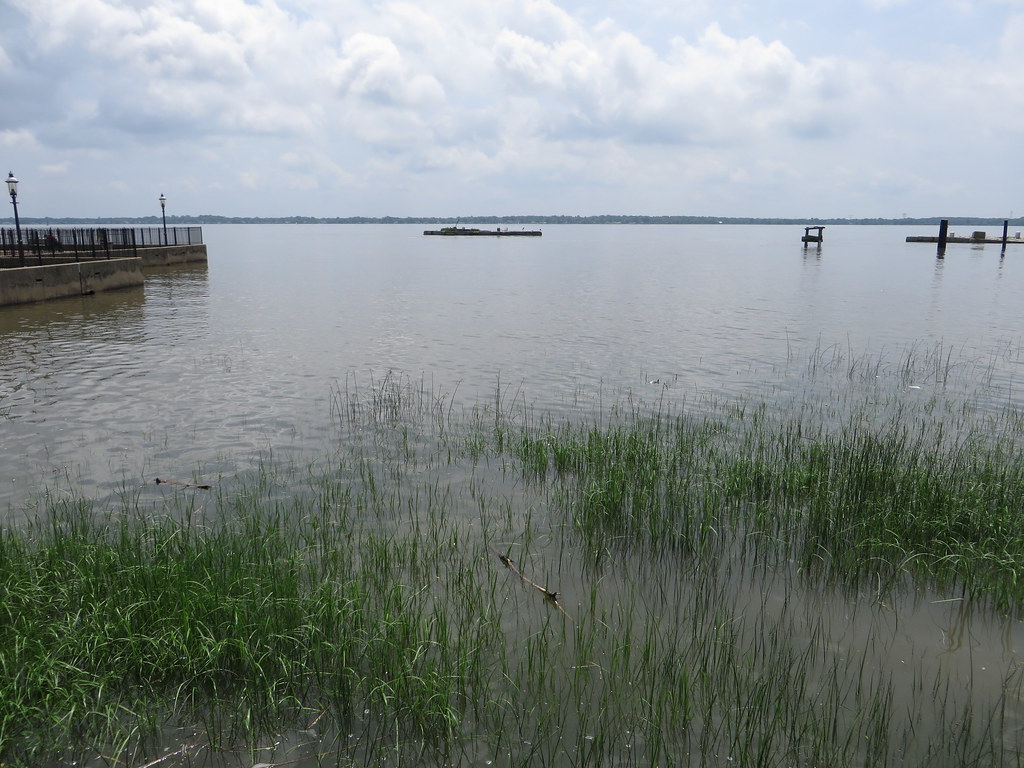
Delaware River
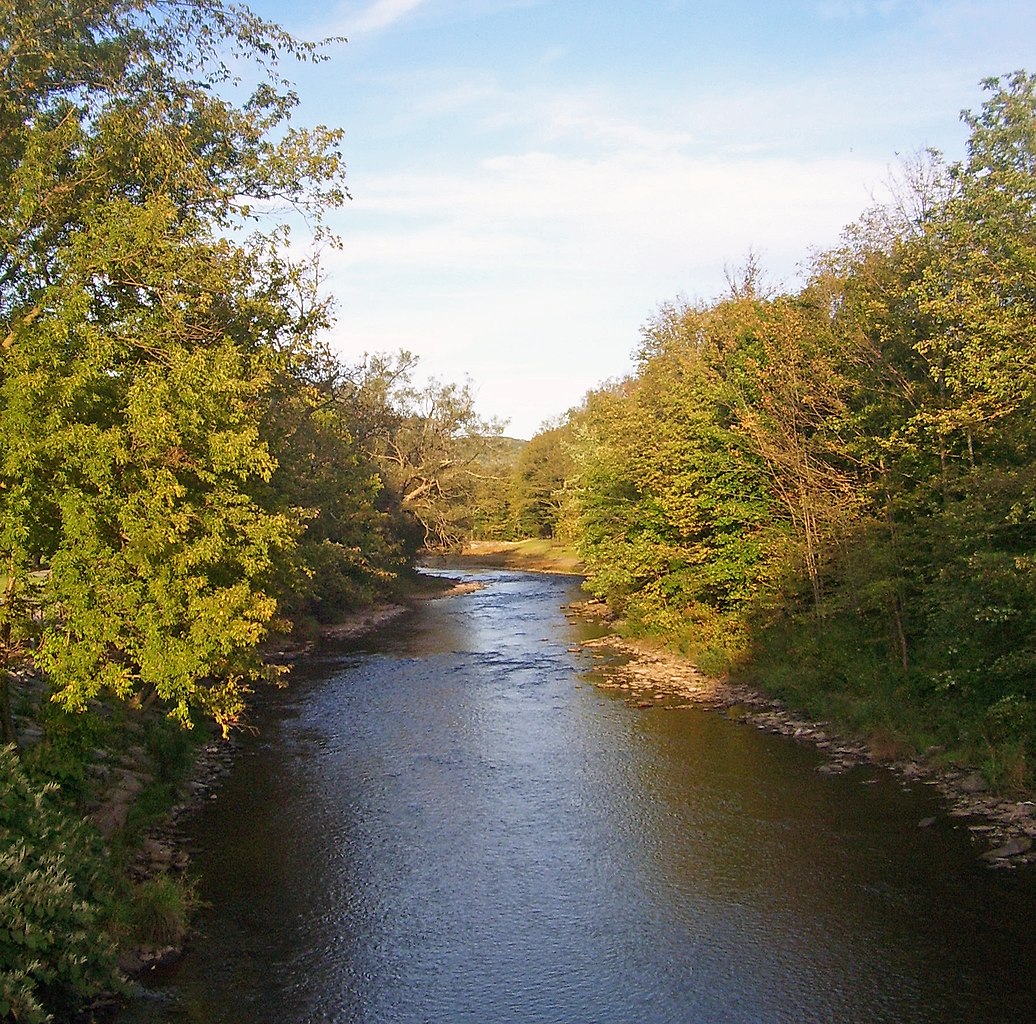
East Branch Delaware River
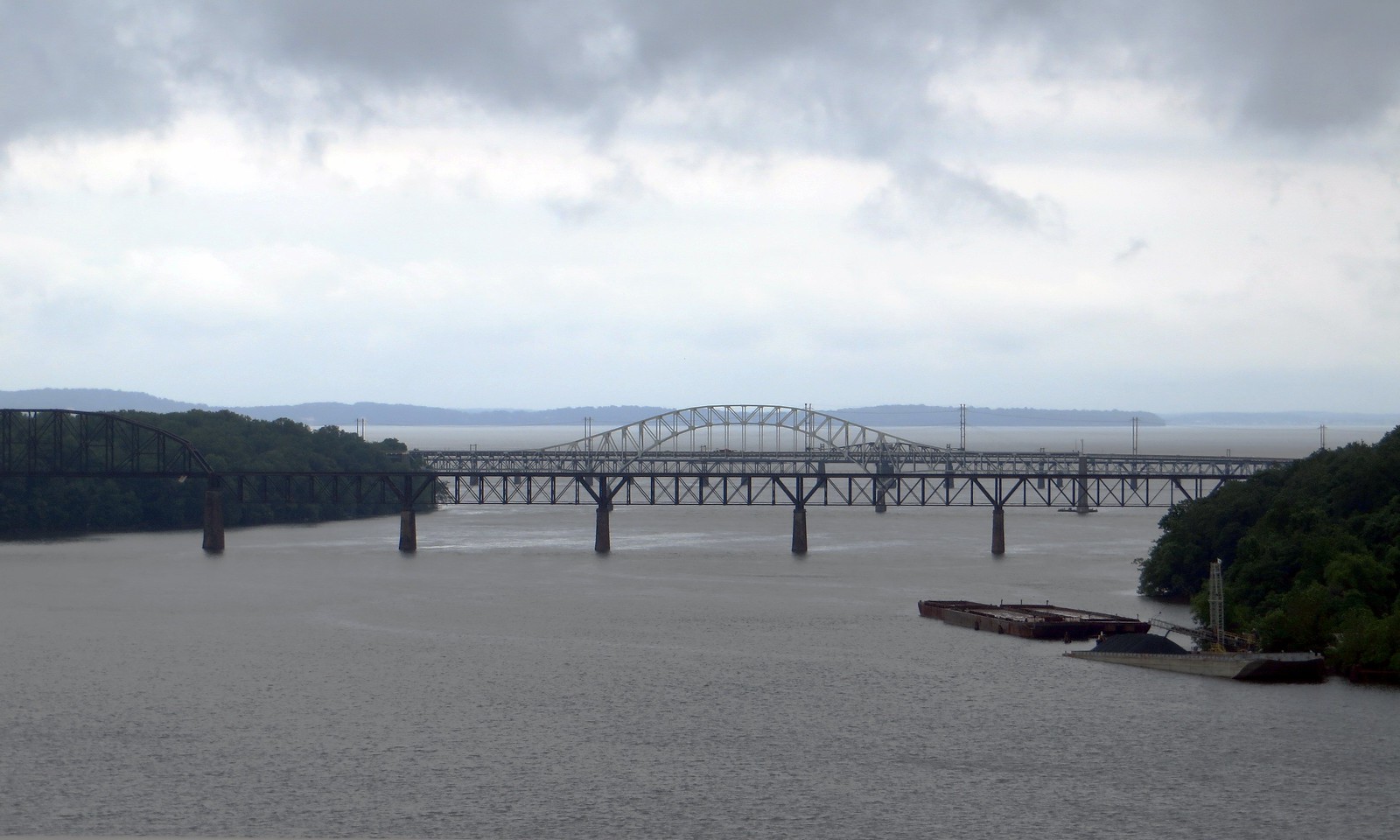
Susquehanna River
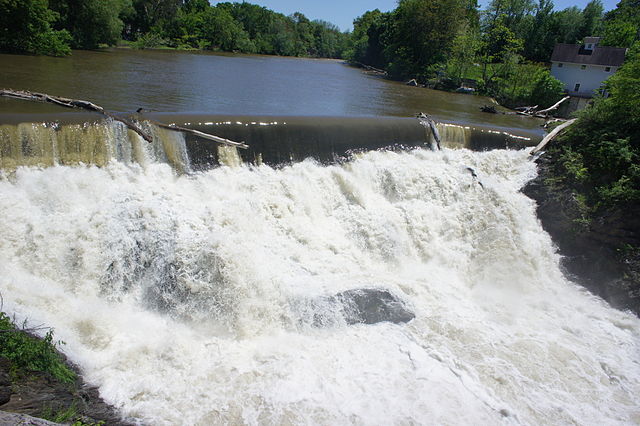
Beaver Kill
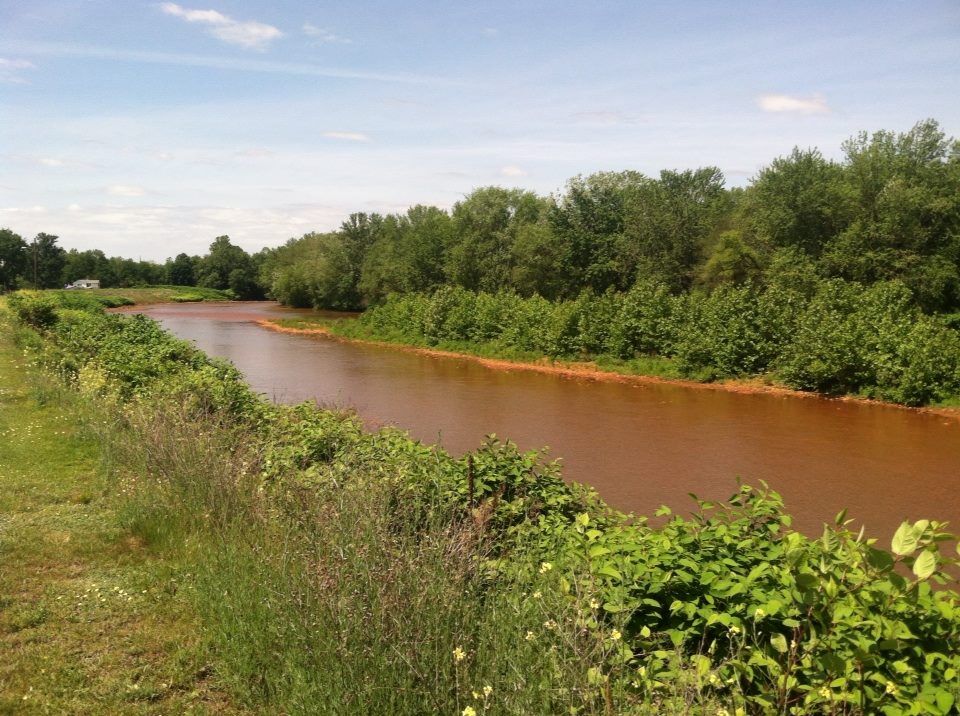
Lackawanna River
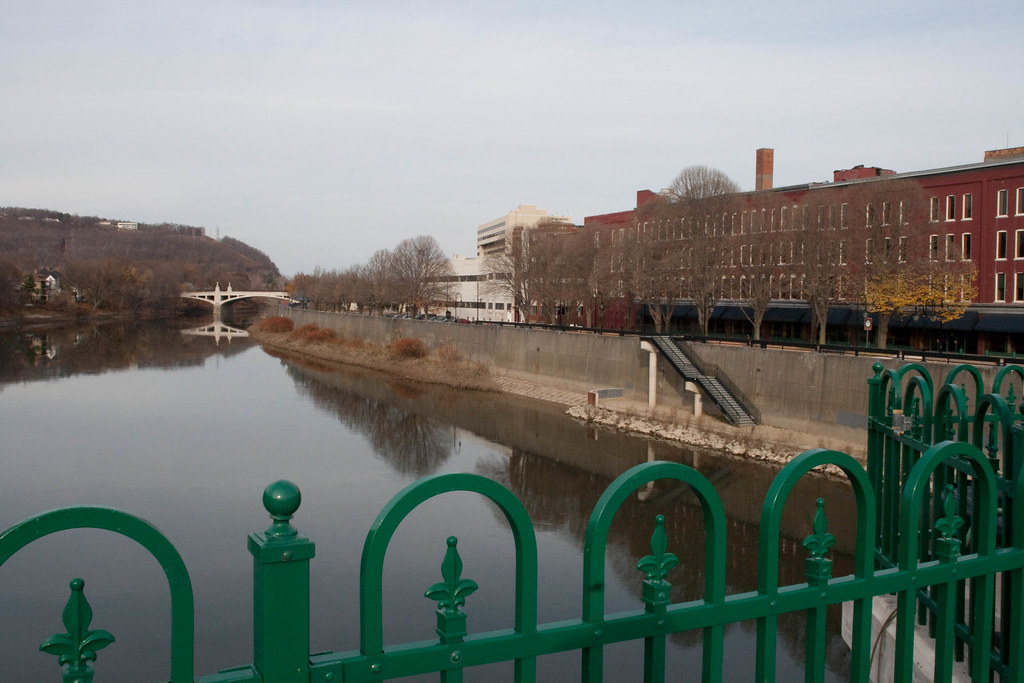
Chenango River
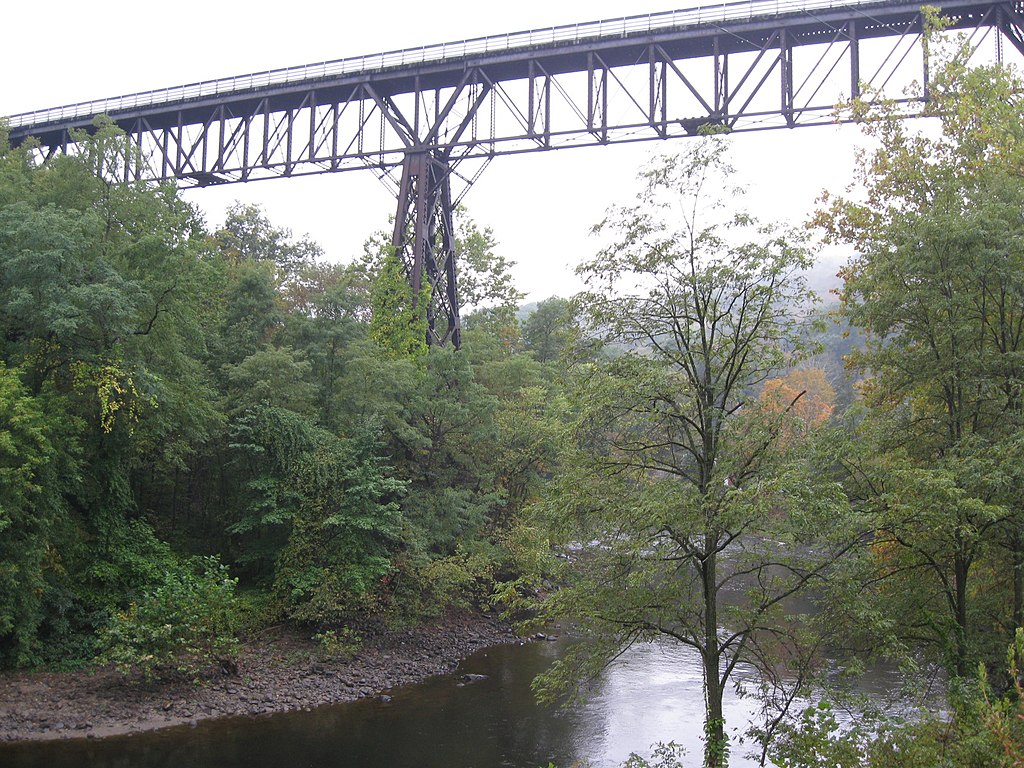
Rondout Creek
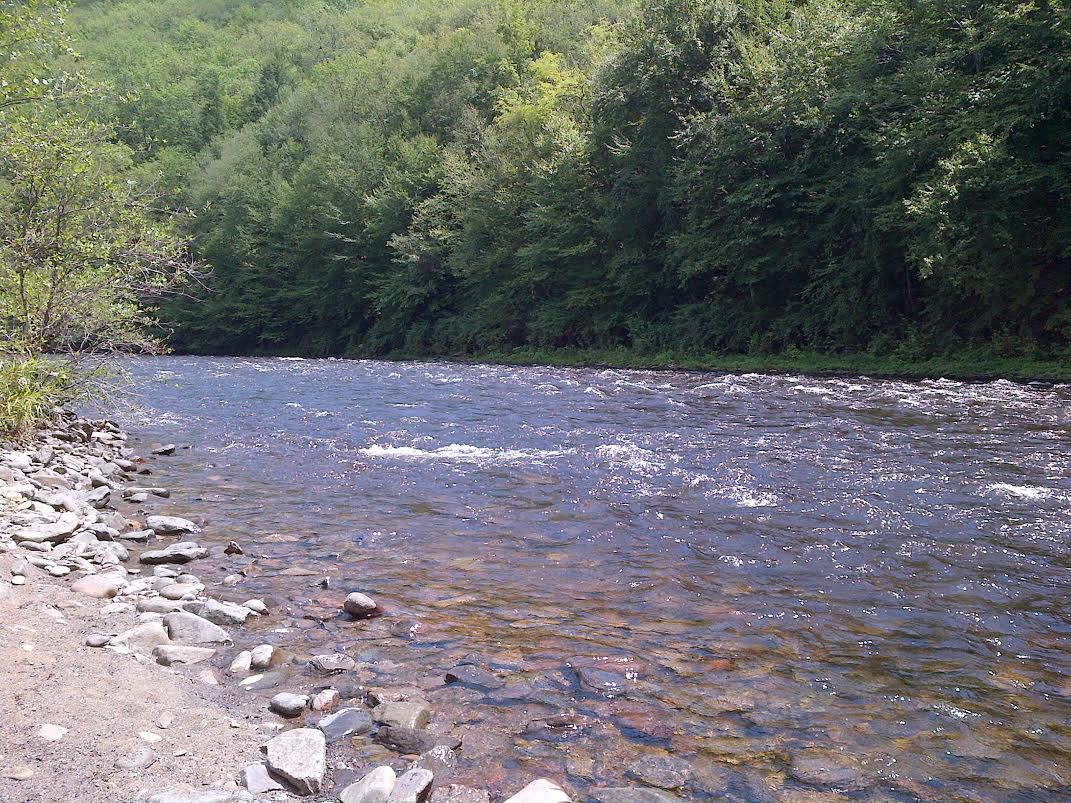
Lehigh River
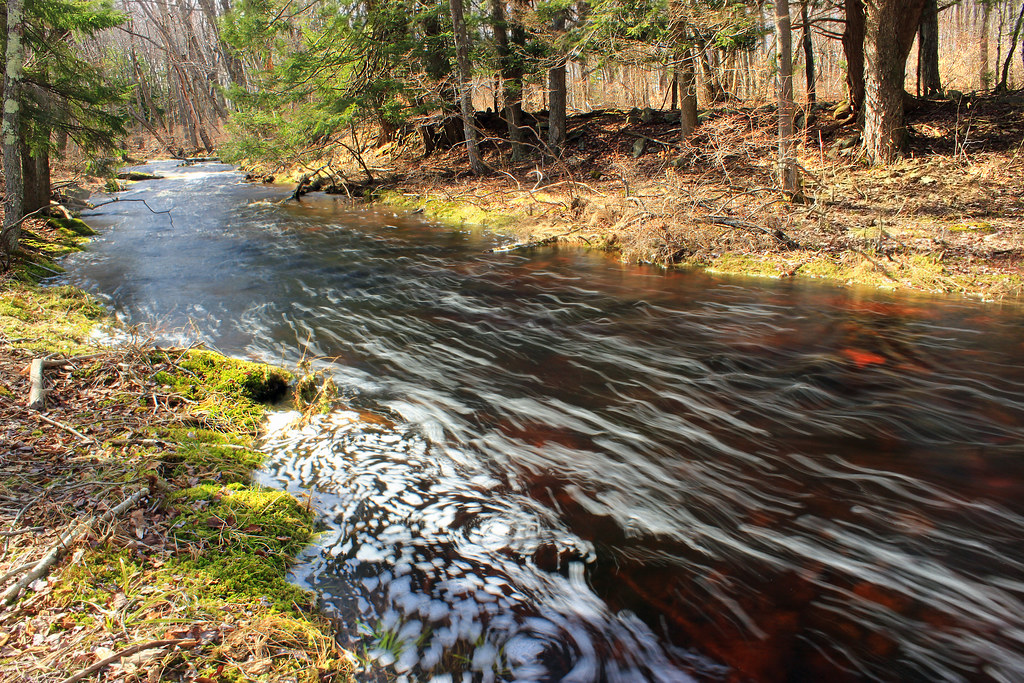
Tobyhanna Creek
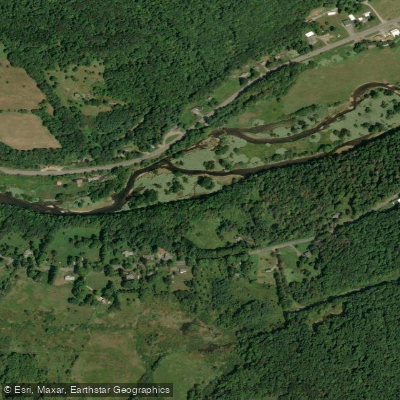
West Branch Delaware River
What to know
Habitat Distribution
- They prefer freshwater but can tolerate brackish conditions up to 15 ppt salinity.
- They inhabit deeper waters with swift currents and hard substrates, often near dams and tailwaters.
- Blue catfish are migratory, moving to warmer waters in winter (preferring 28-30°C) and cooler areas in summer.
Key Locations
- New Jersey-New York region including the Hackensack-Passaic and Lower Hudson watersheds.
Specific Spots
- Target outside river-channel bends with submerged cover including stumps, logs, and rocks over mud bottom, which retains heat better than other substrates.
- Focus on depths of 30-45 feet during winter, moving to 15-25 feet during late February warm-ups.
- Focus on rocky channel banks, dam tailwaters, and inflowing creek mouths.
Blue Catfish FAQ
Answers from onWater's species guide.
What are the best lures and bait for Blue Catfish in New York?
Cut fresh bait is most effective - menhaden steaks cut 1/2 to 3/4 inch wide, skipjack herring heads for larger fish, squid strips, large shrimp, cut perch, bluegill, gizzard shad, or eel pieces. Fresh bait consistently outperforms frozen options.
When is the best time to fish for Blue Catfish in New York?
Blue catfish fishing is most productive during winter months (December through March) for trophy-sized fish, with surface temperatures around 36-38°F providing prime conditions for giants. Late March through early May offers excellent opportunities for both quantity and quality catches.
How do you catch Blue Catfish in New York?
Many successful anglers use multiple rods fanned around the boat 30-40 feet apart. Target areas with drop-offs, covering different depths from 10-20 feet being optimal in many areas. Small floats positioned a foot from the hook can increase strikes by keeping bait just off bottom to disperse more scent.
What do Blue Catfish eat?
Blue catfish are opportunistic omnivores with an exceptionally broad diet including fish, crustaceans, mollusks, aquatic vegetation, insects, and even small mammals. They consume 8-10% of their body weight daily - a 30-pound fish eats about 2 pounds of prey daily.
Where do Blue Catfish live in New York?
They prefer freshwater but can tolerate brackish conditions up to 15 ppt salinity. They inhabit deeper waters with swift currents and hard substrates, often near dams and tailwaters. Blue catfish are migratory, moving to warmer waters in winter (preferring 28-30°C) and cooler areas in summer.
Fish smarter with real-time insights
Whether you're en route and conditions shift or you're looking for the best spot based on current flows, we enable you to make informed decisions on the fly.




See it in the app
Most maps show you water.
onWater shows you Blue Catfish.



- 01 · Species map filter
Map every Blue Catfish water
Pick Blue Catfish and the map zeroes in on the waters they call home. No more guessing which lake holds them.
- 02 · Waterbody species
Tap any water. See what lives there.
Species, behavior and seasonal patterns for every lake, river and pond, before you leave the driveway.
- 03 · Angler Intelligence
Ask how to catch Blue Catfish
Tactics, gear and timing from onWater's AI fishing guide, tuned to the species and the water you're on.
Stop guessing where Blue Catfish are.
Open the map, filter by Blue Catfish, and head to water that holds them. Download onWater and plan your next trip in minutes.
- Species map filter
- Angler Intelligence
- Fishing journal
Explore other species
Trout, bass, salmon, panfish and everything in between. Each guide unpacks the behavior, seasons, and tactics that put fish in the net.
No species information available.
New York licenses and regulations
Explore nearby waters
Explore New York waters
Top fishing waters
Popular Cities
Loading popular cities...

Smarter Fishing Starts in the App.
onWater Fish gives you everything you need to plan smarter, fish better, and own every trip from first cast to last.