Longnose Dace

The Longnose Dace has the most widespread distribution of all fish in Montana, found throughout all three major drainages (Missouri, Yellowstone, and Columbia Rivers).
These small minnows are incredibly adaptable, inhabiting diverse habitats from muddy warm waters to clear cold streams and lakes. Longnose dace serve as one of the most important forage species for Montana's larger predatory game fish.
Their widespread distribution and stable populations make them common throughout Montana waters, from mountain streams to prairie rivers and reservoirs.
Scientific Name: Rhinichthys cataractae
- These small minnows typically reach 6 inches maximum length and are characterized by their elongated fleshy snout extending past the mouth, olive to black backs fading to white or yellow underneath, and small barbels at each corner of the mouth.
- Breeding males develop distinctive reddish orange coloration on their heads and fins.
Fishing in Montana
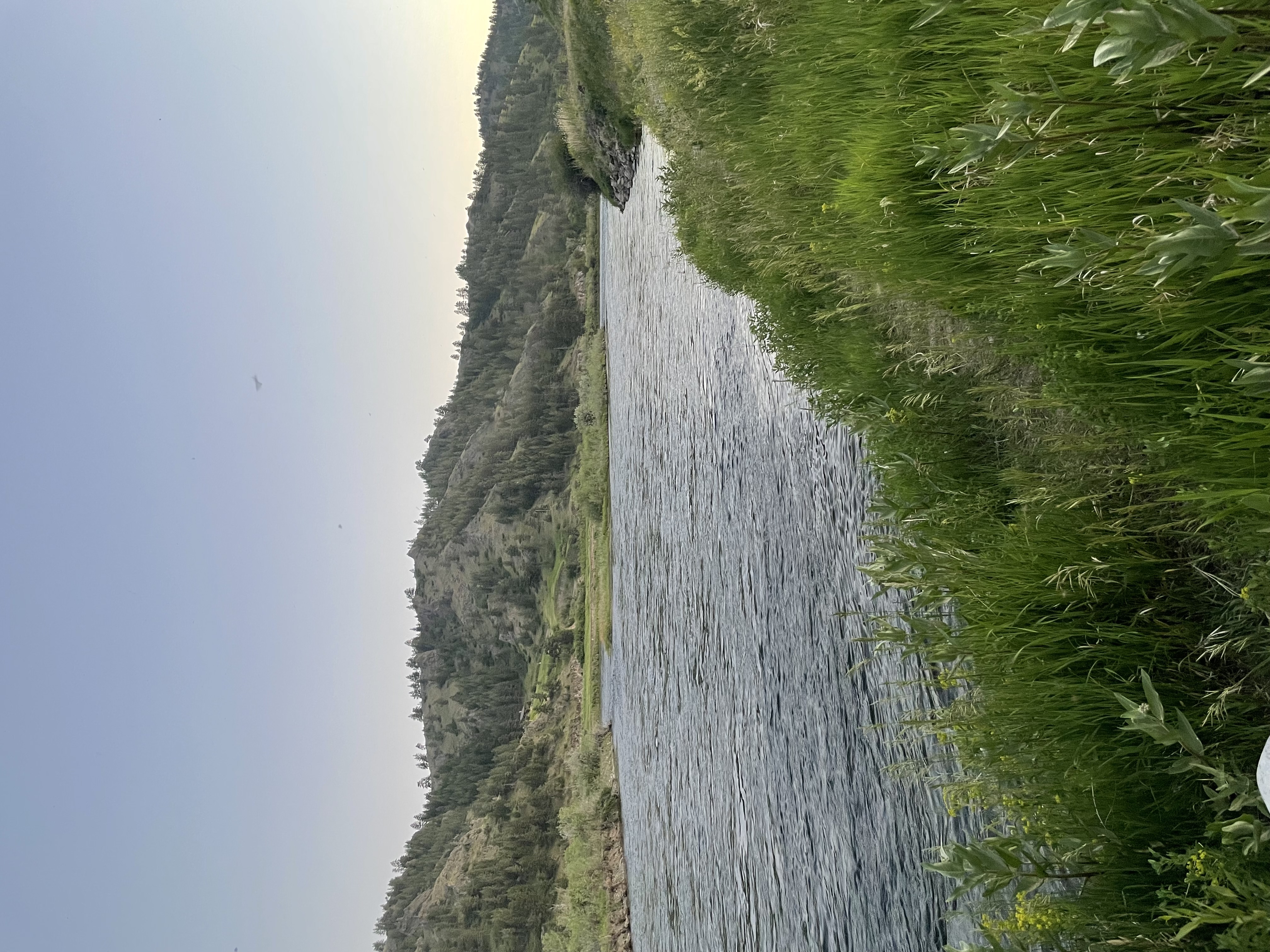
Missouri River
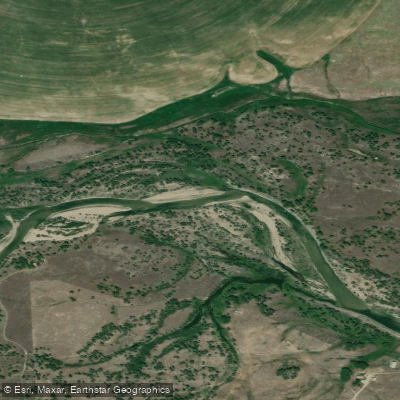
Sun River
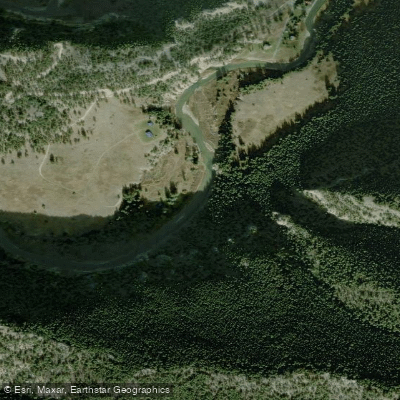
Smith River
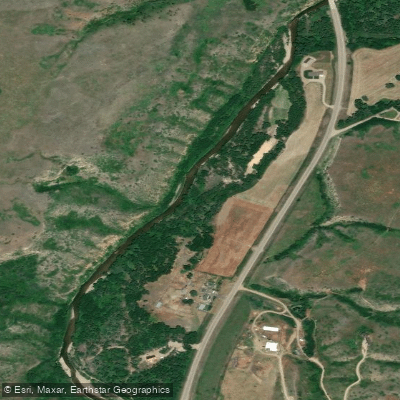
Belt Creek
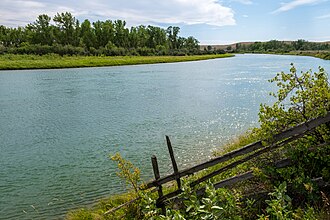
Marias River
Benton Lake
Holter Lake
Teton River
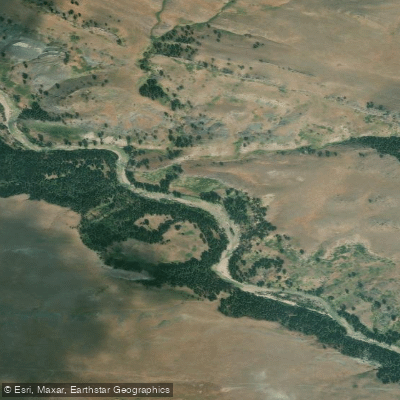
Dearborn River
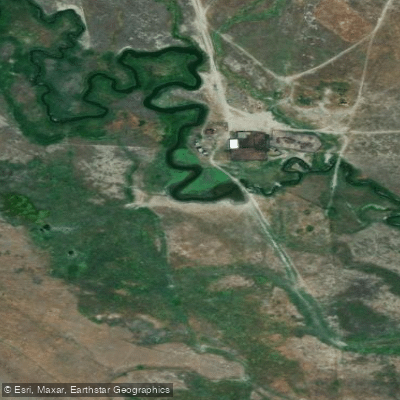
Little Muddy Creek
What to know
Habitat Distribution
- Found throughout all three major drainages (Missouri, Yellowstone, and Columbia Rivers).
- They can be found in virtually every conceivable water type across Montana - from mountain streams to prairie rivers and reservoirs.
Key Locations
- Big Hole and Missouri Rivers to mountain streams and prairie waters.
Specific Spots
- Target rocky riffle areas with moderate to fast current (45+ cm/sec) in depths typically less than 3 feet.
- They prefer areas with overhead cover like boulders, large rocks, logs, and debris that provide shelter from current.
- They prefer rocky riffle areas with fast-flowing water and are well-adapted for bottom living among stones in swift currents.
Longnose Dace FAQ
Answers from onWater's species guide.
What flies work for Longnose Dace in Montana?
Small nymph patterns that imitate chironomids, mayflies, and other aquatic insects they feed on.
When is the best time to fish for Longnose Dace in Montana?
The best time to encounter them is during late spring through summer months (June-August) when they're most active in shallow riffle areas.
How do you catch Longnose Dace in Montana?
Small nymph patterns presented near the bottom in riffle areas would be most effective.
What do Longnose Dace eat?
Their diet consists primarily of immature aquatic insects picked off rocks, including chironomids, mayflies, and simulids, with small amounts of algae and fish e.g.gs. They're nocturnal feeders, likely to avoid predation and competition with salmonids.
Where do Longnose Dace live in Montana?
Found throughout all three major drainages (Missouri, Yellowstone, and Columbia Rivers). They can be found in virtually every conceivable water type across Montana - from mountain streams to prairie rivers and reservoirs.
Fish smarter with real-time insights
Whether you're en route and conditions shift or you're looking for the best spot based on current flows, we enable you to make informed decisions on the fly.







See it in the app
Most maps show you water.
onWater shows you Longnose Dace.



- 01 · Species map filter
Map every Longnose Dace water
Pick Longnose Dace and the map zeroes in on the waters they call home. No more guessing which lake holds them.
- 02 · Waterbody species
Tap any water. See what lives there.
Species, behavior and seasonal patterns for every lake, river and pond, before you leave the driveway.
- 03 · Angler Intelligence
Ask how to catch Longnose Dace
Tactics, gear and timing from onWater's AI fishing guide, tuned to the species and the water you're on.
Stop guessing where Longnose Dace are.
Open the map, filter by Longnose Dace, and head to water that holds them. Download onWater and plan your next trip in minutes.
- Species map filter
- Angler Intelligence
- Fishing journal
Explore other species
Trout, bass, salmon, panfish and everything in between. Each guide unpacks the behavior, seasons, and tactics that put fish in the net.

Find which waters have the species you want to catch

Largemouth Bass

Smallmouth Bass
Micropterus dolomieu

Rainbow Trout
Oncorhynchus mykiss

Brown Trout
Salmo trutta

Brook Trout
Salvelinus fontinalis

Cutthroat Trout

Northern Pike
Esox lucius

Walleye

Black Crappie
Pomoxis nigromaculatus
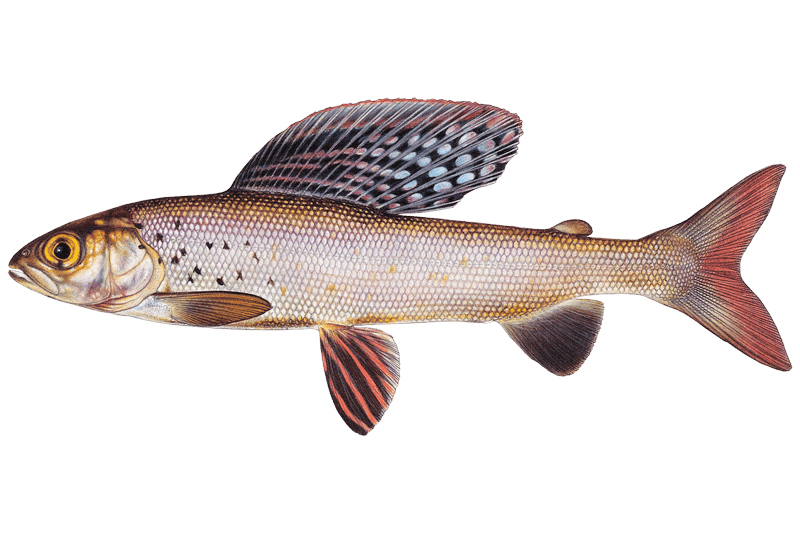
Arctic Grayling
Thymallus arcticus

Bigmouth Buffalo
Ictiobus cyprinellus

Black Bullhead
Ameiurus melas

Blue Sucker
Cycleptus elongatus
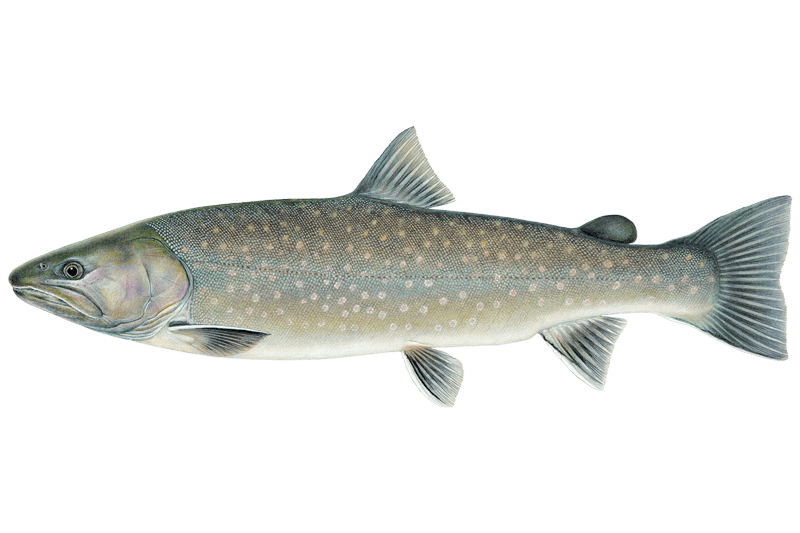
Bull Trout
Salvelinus confluentus

Burbot
Lota lota

Channel Catfish
Ictalurus punctatus

Chinook Salmon

Cisco
Coregonus artedi

Coho Salmon
Oncorhynchus kisutch

Common Carp
Cyprinus carpio

Creek Chub
Semotilus atromaculatus

Flathead Chub
Platygobio gracilis

Freshwater Drum
Aplodinotus grunniens
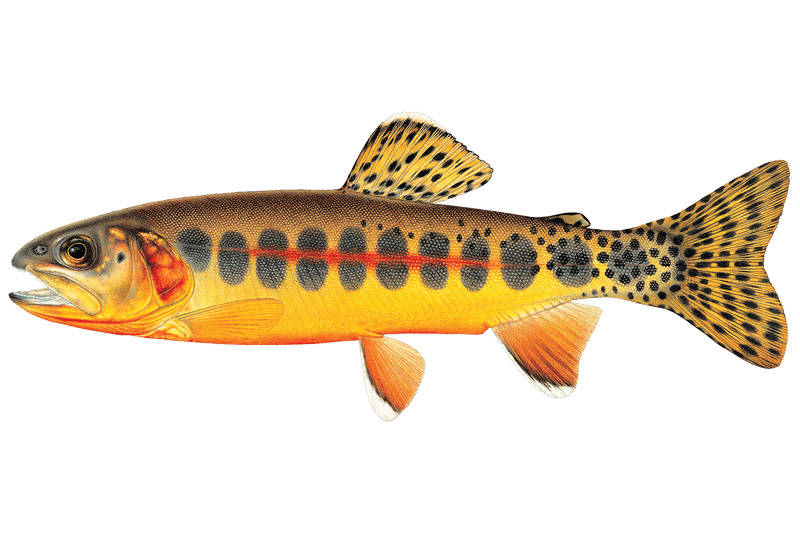
Golden Trout
Oncorhynchus mykiss aguabonita

Green Sunfish
Lepomis cyanellus
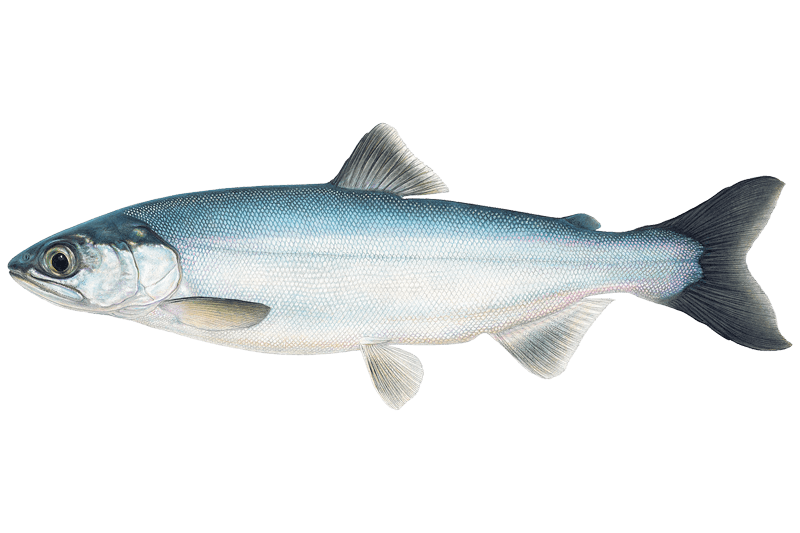
Kokanee Salmon
Oncorhynchus nerka

Lake Trout
Salvelinus namaycush
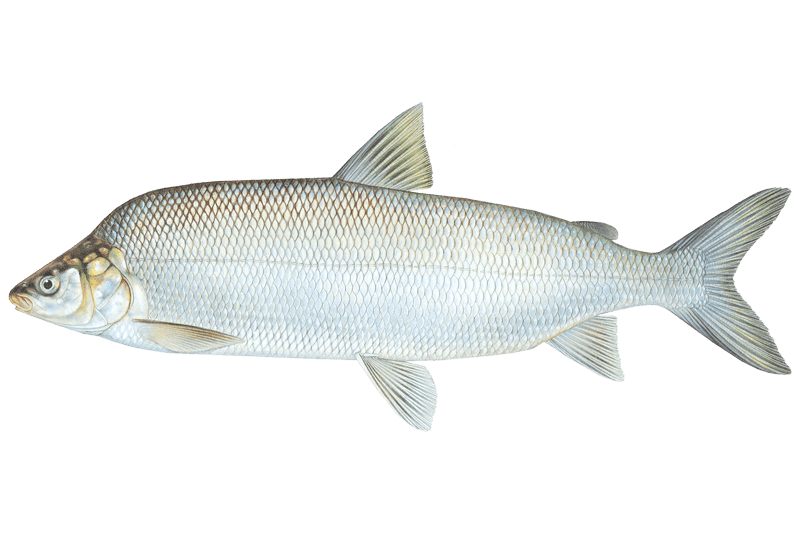
Lake Whitefish
Coregonus clupeaformis

Largescale Sucker
Catostomus macrocheilus

Longnose Sucker
Catostomus catostomus
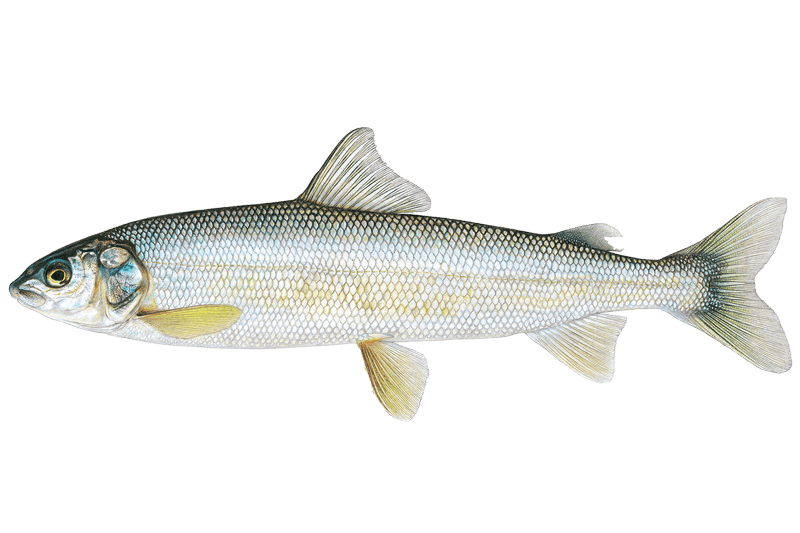
Mountain Whitefish
Prosopium williamsoni
Northern Pikeminnow
Ptychocheilus oregonensis

Pumpkinseed
Lepomis gibbosus
Pygmy Whitefish
Prosopium coulterii

Redside Shiner
Richardsonius balteatus

Rock Bass
Ambloplites rupestris
Sauger
Sander canadensis
Silver Redhorse
Moxostoma anisurum
Smallmouth Buffalo
Ictiobus bubalus

Sockeye Salmon
Oncorhynchus nerka
Montana licenses and regulations

Montana Boating Regulations
When using any type of watercraft to access a body of water, it is important to follow all federal, state, and local rules and regulations. These rules and regulations include boat permitting and licensing, invasive species inspections and stamps, life jacket and PFD rules, motor size and horsepower restrictions, noise limitations, restrictions on personal watercraft, and many more. Visit the web link below for the most current rules and regulations for this body of water.

Montana Fishing License
All anglers 12 and over must possess a license.
Montana Fishing Regulations
This river has a variety of species and regulations, including potential floating and/or watercraft restrictions. Because this river is specially managed for species, seasons, angling methods, and watercraft, it is strongly encouraged you check all federal, state, and local regulations before fishing. Visit any of the links below, inquire locally, or contact a local fly shop to learn current regulations and restrictions.
Montana Stream Access Laws
Under the Montana Stream Access Law, the public may use rivers and streams for recreational purposes up to the ordinary high water marks. Although the law gives recreationists the right to use rivers and streams for water-related recreation, it does not give them the right to enter private lands bordering those streams or to cross private lands to gain access to streams without landowner permission. Montana's stream access law ensures public access to surface waters by public bridge or county road right-of-way. The width of a public bridge or public road right-of-way easement is the same as the public highway to which it is attached.
Explore nearby waters
Explore Montana waters
Top fishing waters
Popular Cities
Loading popular cities...
Smarter Fishing Starts in the App.
onWater Fish gives you everything you need to plan smarter, fish better, and own every trip from first cast to last.