Eastern Sand Darter

The Eastern Sand Darter is a small, translucent fish native to Kentucky's river systems, distinguished by its extremely long and slender body that makes it one of the most distinctive darters in North America.
Scientific Name: Ammocrypta pellucida
Adults typically reach 4-7 cm in length with a pale yellow, almost transparent body marked by dark spots along the lateral line, dorsal ridge, and pointed snout.
Males develop dark bases on pelvic fins during breeding season, and both sexes grow tubercles on pelvic and anal fins from May through July spawning period.
Fishing in Kentucky
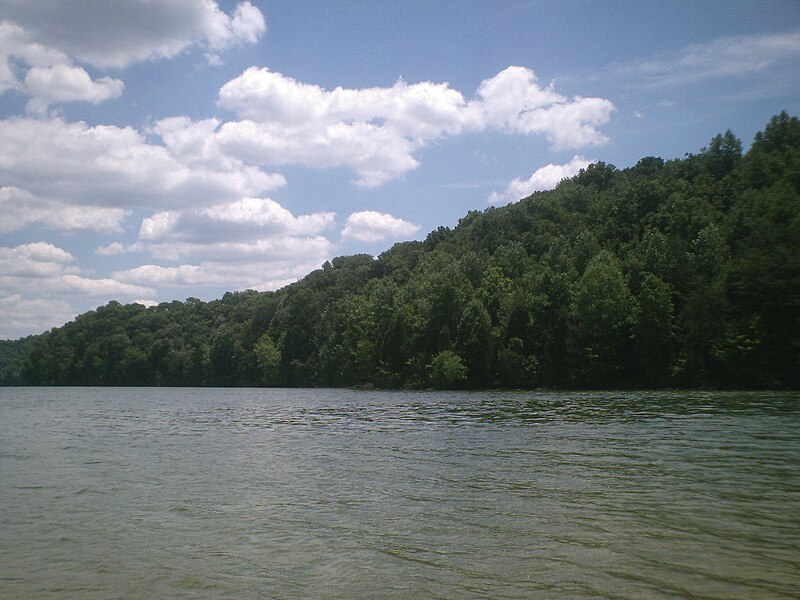
Herrington Lake
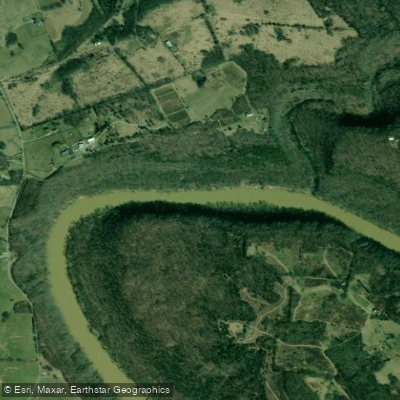
Kentucky River
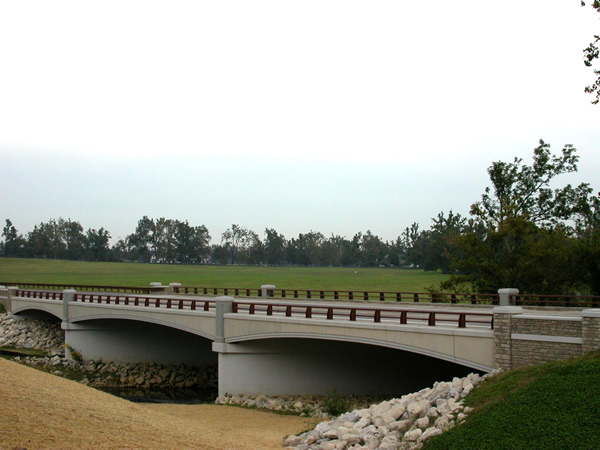
North Elkhorn Creek
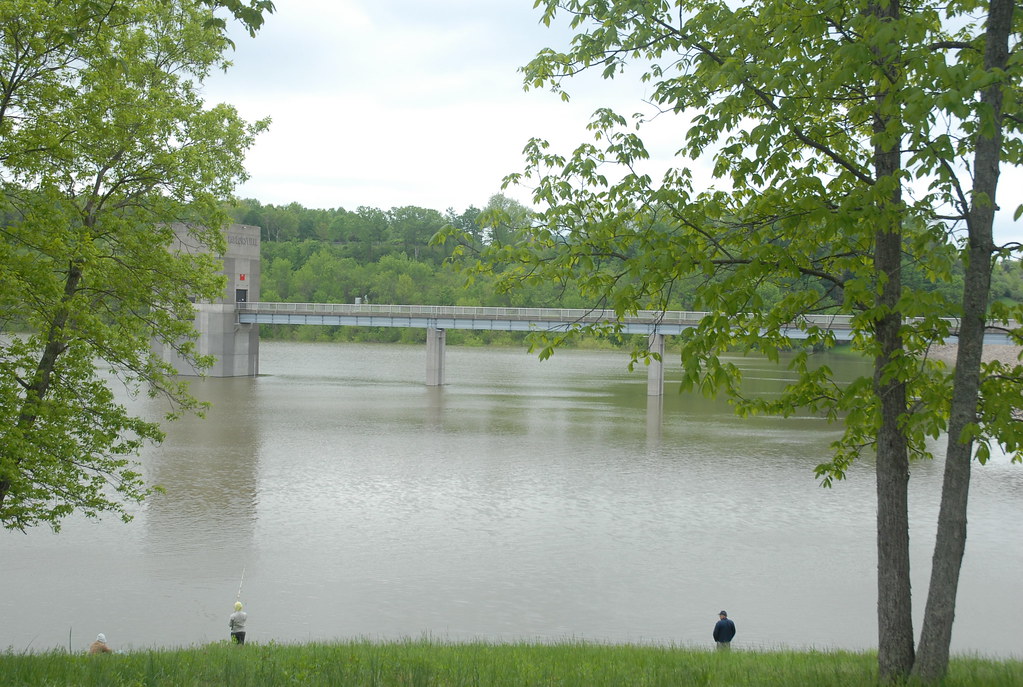
Taylorsville Lake
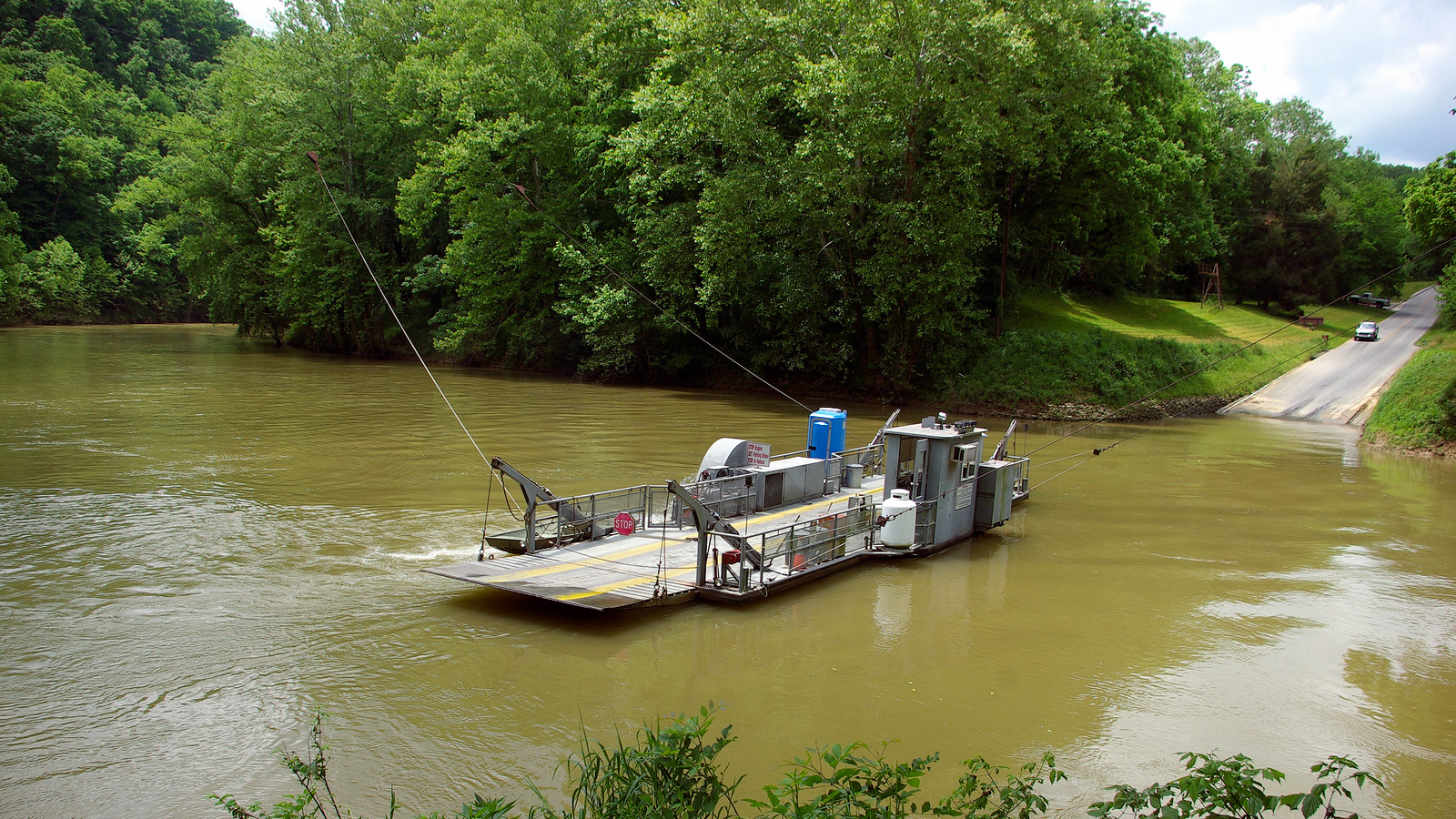
Green River
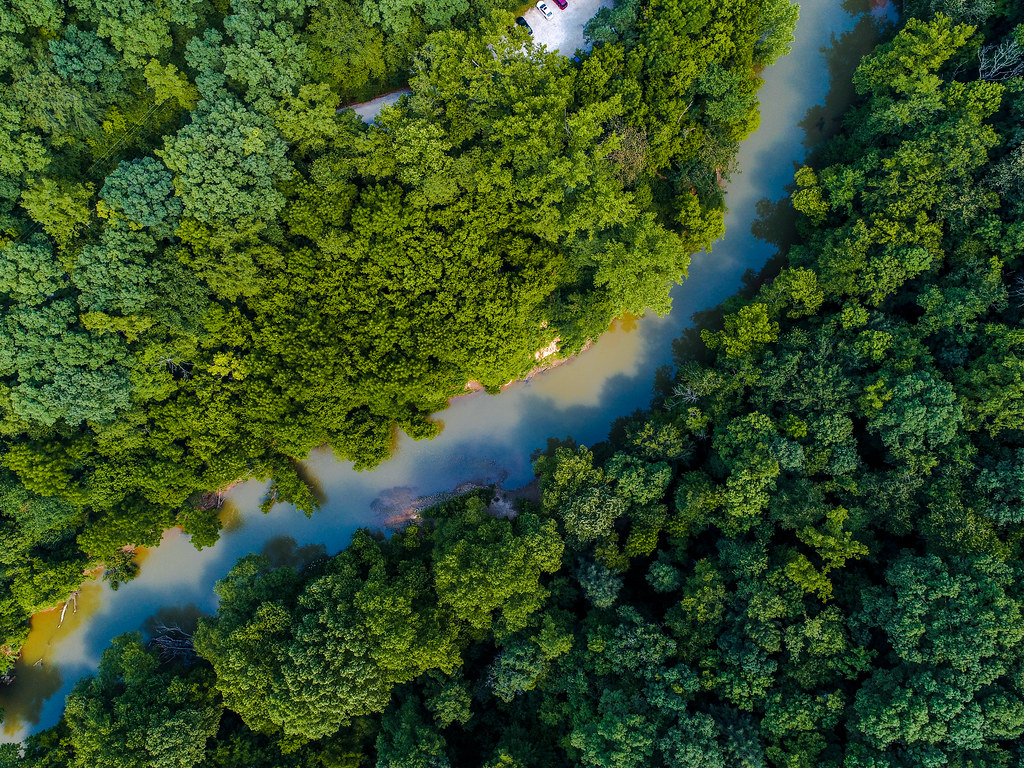
Red River
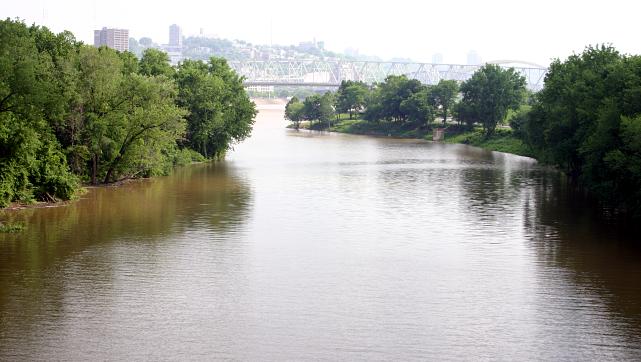
Licking River
Rockcastle River
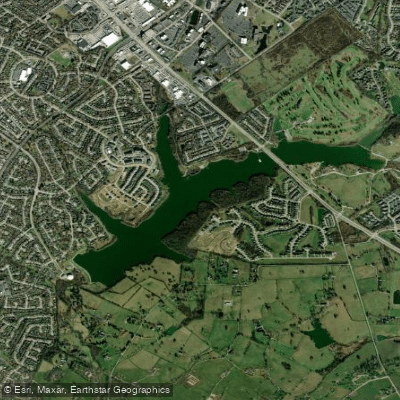
Lexington Reservoir Number 4
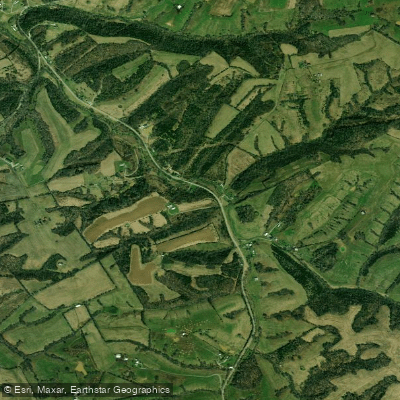
Salt River
What to know
Habitat Distribution
They inhabit sandy-bottomed streams and sandy shoals with clean sand substrates (0.1-1.0 mm particles), preferring slow to medium currents in water depths typically under 50 cm. The species requires current fast enough to prevent siltation but gentle enough not to disturb sand deposits.Key Locations
In Kentucky, Eastern Sand Darters have been documented in the Green River, Rolling Fork, Kentucky River, Licking River, and Little Sandy rivers, plus Blaine Creek. Anglers fishing Kentucky's sandy-bottomed streams and rivers where they occur - including sections of the Green River, Kentucky River, Licking River, Little Sandy River, and Blaine Creek - may occasionally encounter them incidentally.Specific Spots
They're often found along depositional areas downstream of river bends where sand naturally accumulates. They inhabit specific sandy areas with clean substrates in shallow water (less than 50 cm deep) with gentle to moderate current, typically found downstream of river bends on the depositional side.Eastern Sand Darter FAQ
Answers from onWater's species guide.
When is the best time to fish for Eastern Sand Darter in Kentucky?
The species' spawning period from May through mid-August should be particularly respected as a time to avoid any activities that might disturb their critical reproduction habitats.
How do you catch Eastern Sand Darter in Kentucky?
If accidentally caught while targeting other species, they should be immediately and carefully released.
What do Eastern Sand Darter eat?
Eastern Sand Darters feed primarily on midge larvae, supplemented by small crustaceans, blackfly larvae, and other small insects when midge larvae are scarce.
Where do Eastern Sand Darter live in Kentucky?
They inhabit sandy-bottomed streams and sandy shoals with clean sand substrates (0.1-1.0 mm particles), preferring slow to medium currents in water depths typically under 50 cm. The species requires current fast enough to prevent siltation but gentle enough not to disturb sand deposits.
Fish smarter with real-time insights
Whether you're en route and conditions shift or you're looking for the best spot based on current flows, we enable you to make informed decisions on the fly.







See it in the app
Most maps show you water.
onWater shows you Eastern Sand Darter.



- 01 · Species map filter
Map every Eastern Sand Darter water
Pick Eastern Sand Darter and the map zeroes in on the waters they call home. No more guessing which lake holds them.
- 02 · Waterbody species
Tap any water. See what lives there.
Species, behavior and seasonal patterns for every lake, river and pond, before you leave the driveway.
- 03 · Angler Intelligence
Ask how to catch Eastern Sand Darter
Tactics, gear and timing from onWater's AI fishing guide, tuned to the species and the water you're on.
Stop guessing where Eastern Sand Darter are.
Open the map, filter by Eastern Sand Darter, and head to water that holds them. Download onWater and plan your next trip in minutes.
- Species map filter
- Angler Intelligence
- Fishing journal
Explore other species
Trout, bass, salmon, panfish and everything in between. Each guide unpacks the behavior, seasons, and tactics that put fish in the net.

Find which waters have the species you want to catch

Largemouth Bass
Micropterus salmoides

Smallmouth Bass
Micropterus dolomieu

Rainbow Trout

Brown Trout

Brook Trout
Salvelinus fontinalis

Cutthroat Trout

Northern Pike
Esox lucius

Muskellunge
Esox masquinongy

Walleye

Black Crappie
Pomoxis nigromaculatus

Alewife
Alosa pseudoharengus
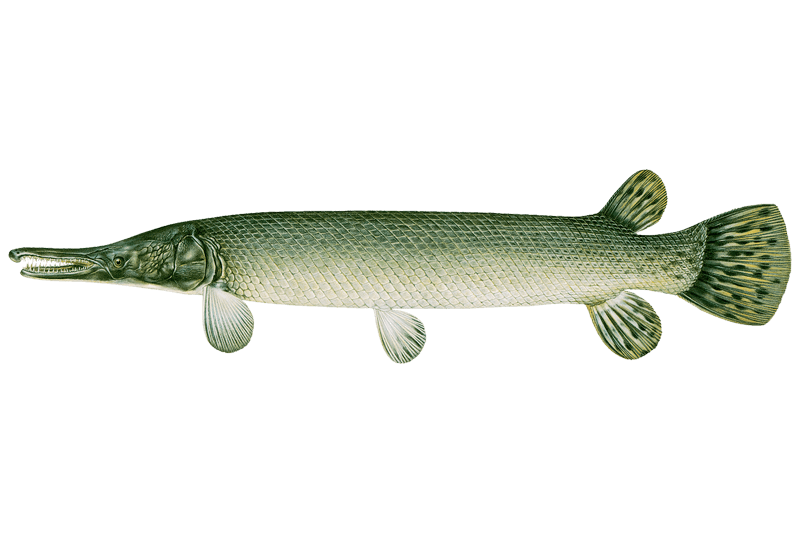
Alligator Gar

American Eel
Anguilla rostrata

Bighead Carp
Hypophthalmichthys nobilis

Bigmouth Buffalo
Ictiobus cyprinellus

Black Buffalo
Ictiobus niger

Black Bullhead
Ameiurus melas

Blue Catfish

Blue Sucker
Cycleptus elongatus

Bowfin
Amia calva

Brown Bullhead
Ameiurus nebulosus

Chain Pickerel
Esox niger

Channel Catfish

Common Carp
Cyprinus carpio

Creek Chub
Semotilus atromaculatus
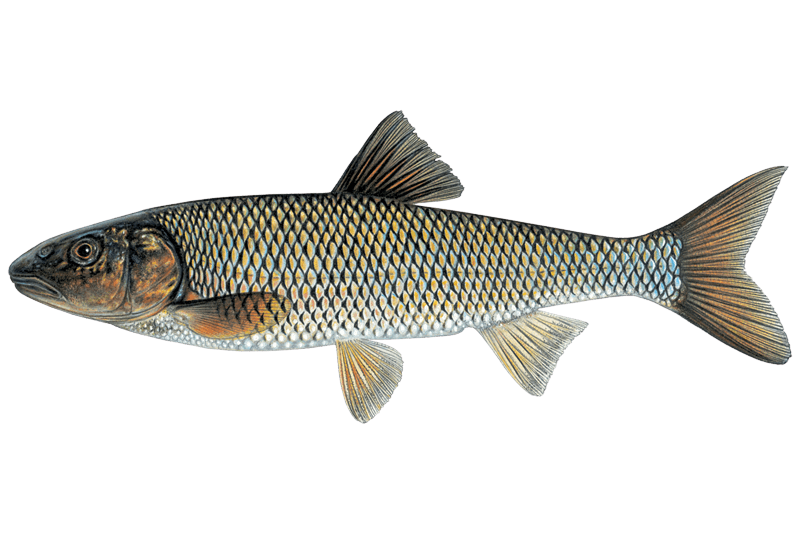
Fallfish
Semotilus corporalis

Flathead Catfish
Pylodictis olivaris

Flathead Chub
Platygobio gracilis

Flier
Centrarchus macropterus

Freshwater Drum
Aplodinotus grunniens

Gizzard Shad
Dorosoma cepedianum

Golden Redhorse
Moxostoma erythrurum
Golden Trout
Oncorhynchus aguabonita

Goldeye
Hiodon alosoides

Grass Carp
Ctenopharyngodon idella
Grass Pickerel
Esox americanus vermiculatus

Green Sunfish
Lepomis cyanellus

Lake Sturgeon
Acipenser fulvescens

Longear Sunfish
Lepomis megalotis

Longnose Gar
Kentucky licenses and regulations

Kentucky Boating Regulations
When using any type of watercraft to access a body of water, it is important to follow all federal, state, and local rules and regulations. These rules and regulations include boat permitting and licensing, invasive species inspections and stamps, life jacket and PFD rules, motor size and horsepower restrictions, noise limitations, restrictions on personal watercraft, and many more. Visit the web link below for the most current rules and regulations for this body of water.

Kentucky Fishing License
All persons must fill out and carry the proper license and permit to fish any Kentucky waters except residents and nonresidents age 15 and younger.

Kentucky Fishing Regulations
This river has a variety of species and regulations, including potential floating and/or watercraft restrictions. Because this river is specially managed for species, seasons, angling methods, and watercraft, it is strongly encouraged you check all federal, state, and local regulations before fishing. Visit any of the links below, inquire locally, or contact a local fly shop to learn current regulations and restrictions.

Kentucky Stream Access Laws
Public usage is limited to larger waterways with more permanent commerce and transportation. The public right to navigation includes boating, fishing, swimming, temporary anchorage and incidental use of the riverbed, regardless of streambed ownership.
Explore nearby waters
Explore Kentucky waters
Top fishing waters
Popular Cities
Loading popular cities...
Smarter Fishing Starts in the App.
onWater Fish gives you everything you need to plan smarter, fish better, and own every trip from first cast to last.