Fishing in South Carolina
- Lakes
- 1,535
- Rivers
- 3,675
- Access
- 475
- Boat Ramps
- 574
- Shops
- 70
South Carolina packs three different fishing states into one — a Blue Ridge trout corner, a flooded-timber lake country in the middle, and a 200-mile Lowcountry coast — and most serious anglers here move between at least two of them.
In Oconee, Pickens, and Greenville counties, the fishing is small water and big shade: rhododendron-lined freestones running off the Blue Ridge, with wild rainbows in the Middle Saluda inside Jones Gap, wild browns and stocked fish in the Chattooga, and the delayed-harvest stretch from the Hwy 28 Bridge up to Reed Creek running single-hook artificial-only from November through mid-May.
Most of the trout water sits on Sumter National Forest or in the Mountain Bridge state parks, which matters — South Carolina is a landowner-permission state for stream access, and there's no public-water wading right elsewhere.
Tucked behind all of this is Lake Jocassee, clear and deep, holding more state freshwater records than any other body of water in South Carolina, including the trout records and three of the four black bass.
Anglers chasing the SCDNR Black Bass Slam — redeye, spotted, smallmouth, largemouth — tend to end up here. Drop down to the Midlands and Santee Cooper takes over.
The two-lake system, Marion and Moultrie, is where a 58-pound channel cat came out of Moultrie in 1964 and where the freshwater striper story actually began — the first population ever proven to complete its life cycle without going to sea.
The spring run is the main event: March through May, stripers push up the diversion canal and into the Congaree and Wateree, and live herring is the bait of record. Season closes June 1 and reopens October 1, so locals know to plan around it.
The flooded standing timber of Lake Marion still produces big largemouth, slab crappie, and the blue cats that replaced the old world record. The coast is its own thing entirely.
From the Grand Strand down through Charleston to Hilton Head and Edisto, the dominant scene is a push-pole skiff easing across grass at the top of the tide, looking for the orange tail of a redfish working a fiddler crab.
Those tides only line up five to ten days a month between May and October. Fall is the heavier season — schools of reds, specks stacking around the jetties and creek mouths, bull reds staging just off the beach.
Cobia tracks the beaches in April and May, and the Governor's Cup billfish series runs out of Charleston through the summer. Redfish, seatrout, tarpon, and striped bass are all declared gamefish in South Carolina — they can't be sold, can't be netted.
That tells you something about how the state thinks about its fish.
Top waters to fish near South Carolina
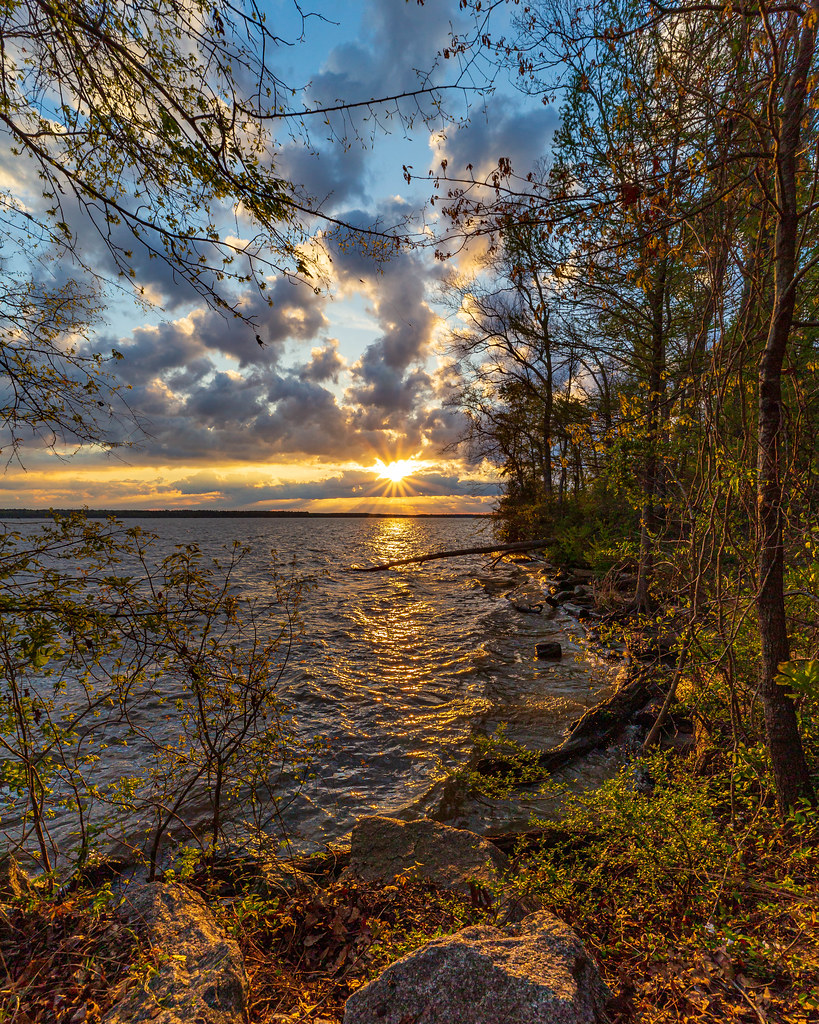
Lake Marion
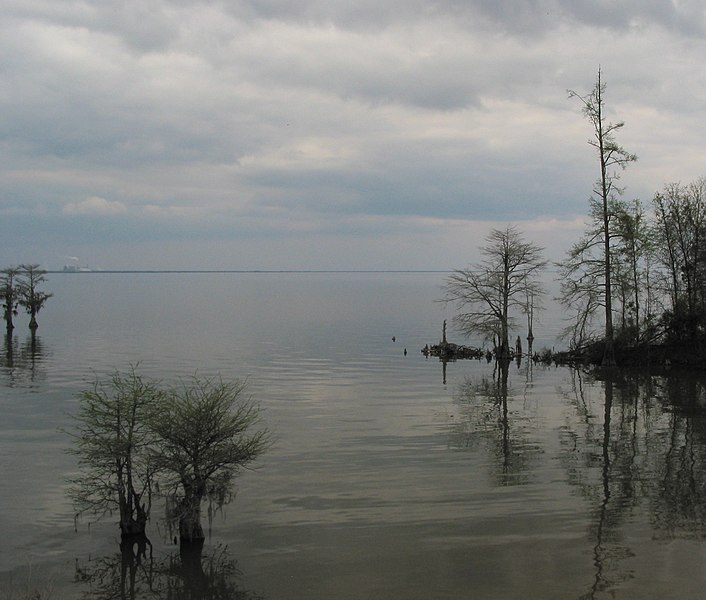
Lake Moultrie
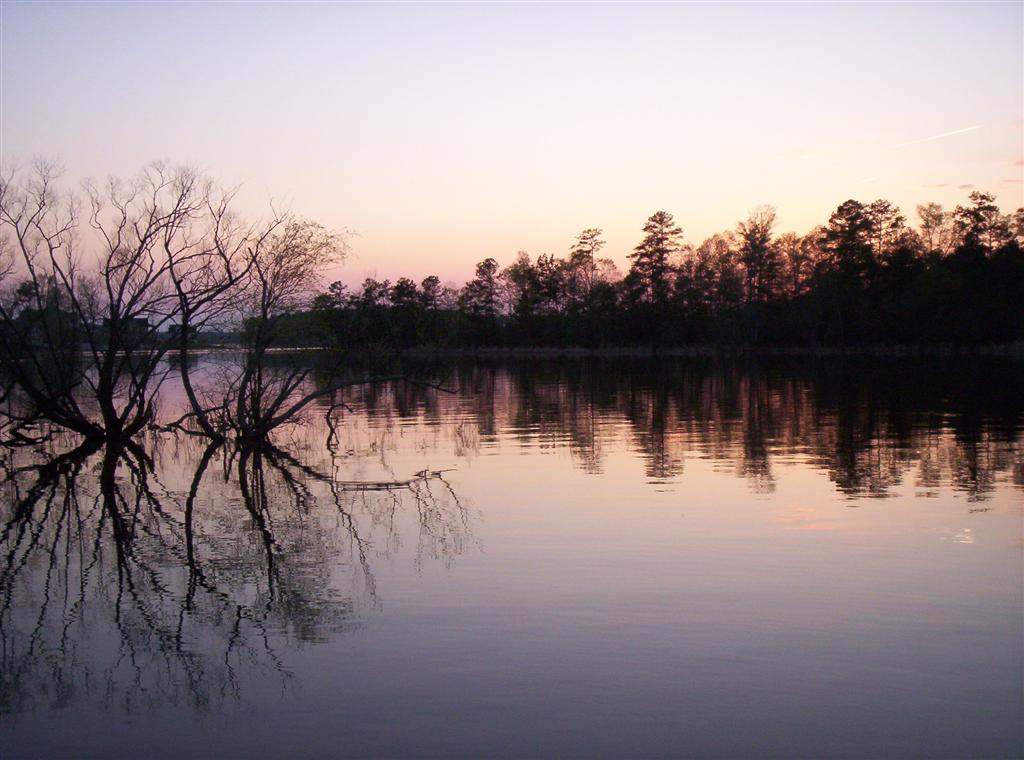
Lake Murray
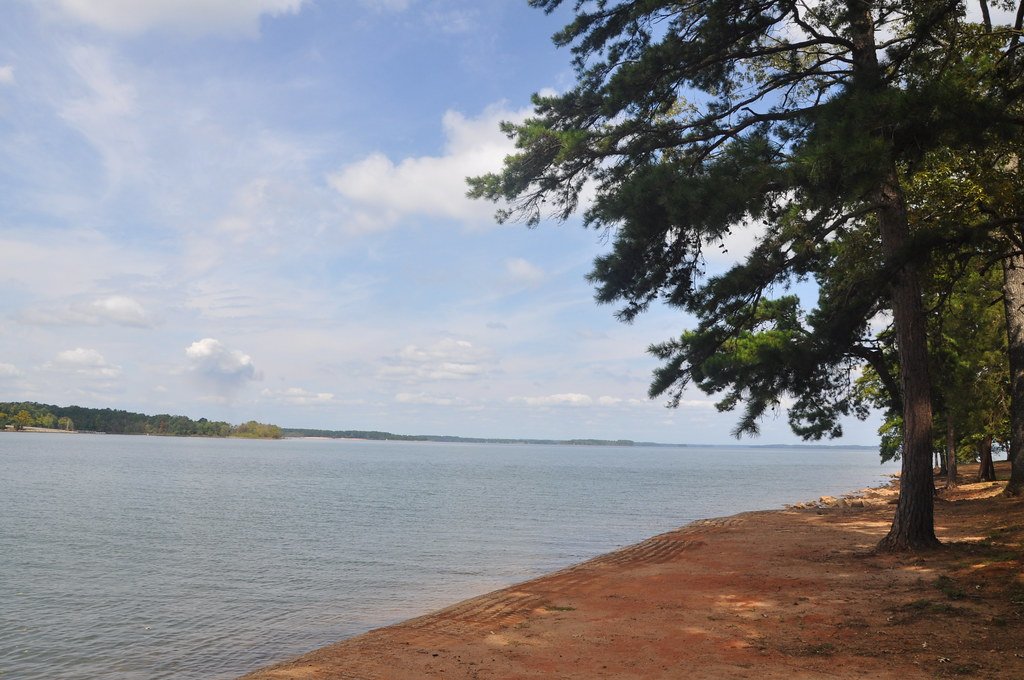
Hartwell Lake
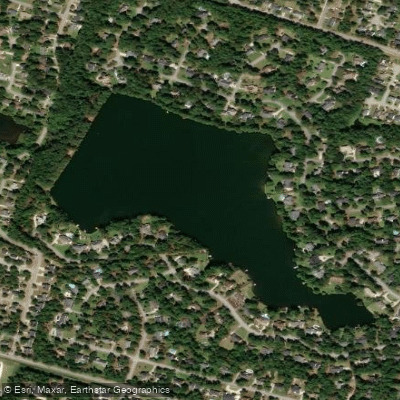
Clarks Lake
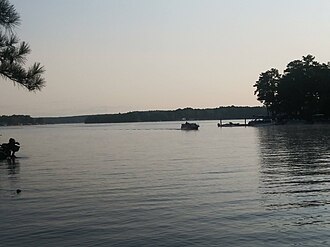
Lake Greenwood
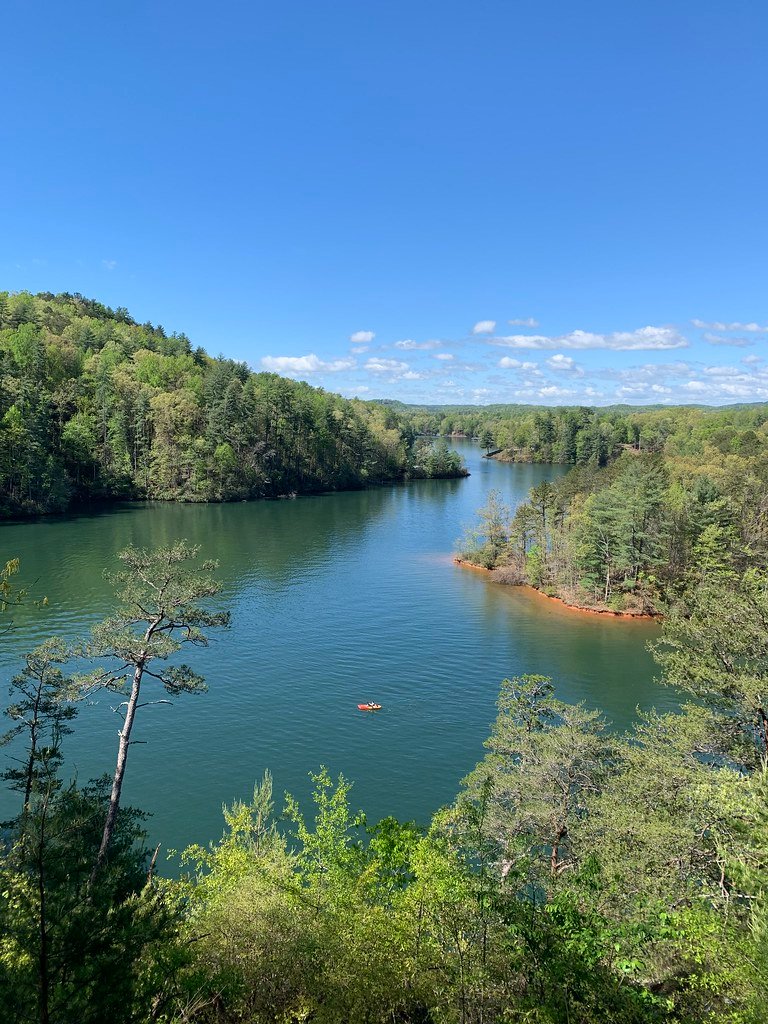
Lake Keowee
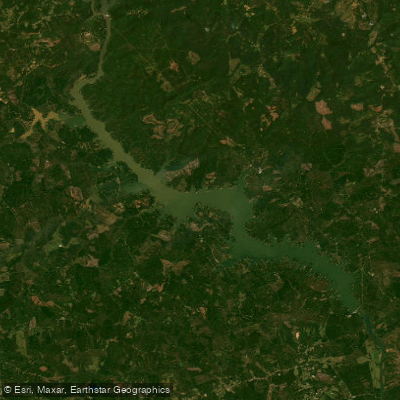
Wateree Lake
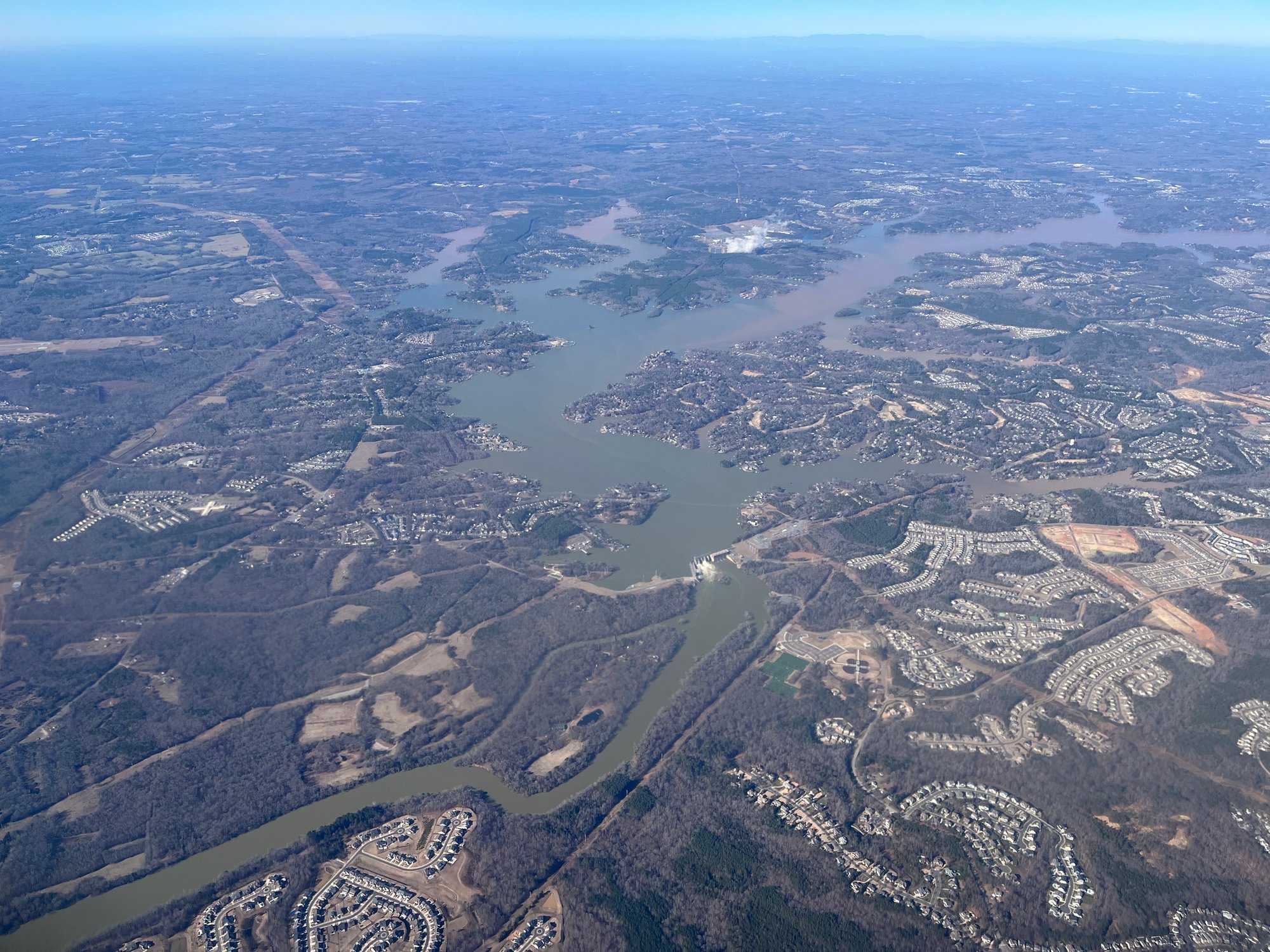
Lake Wylie
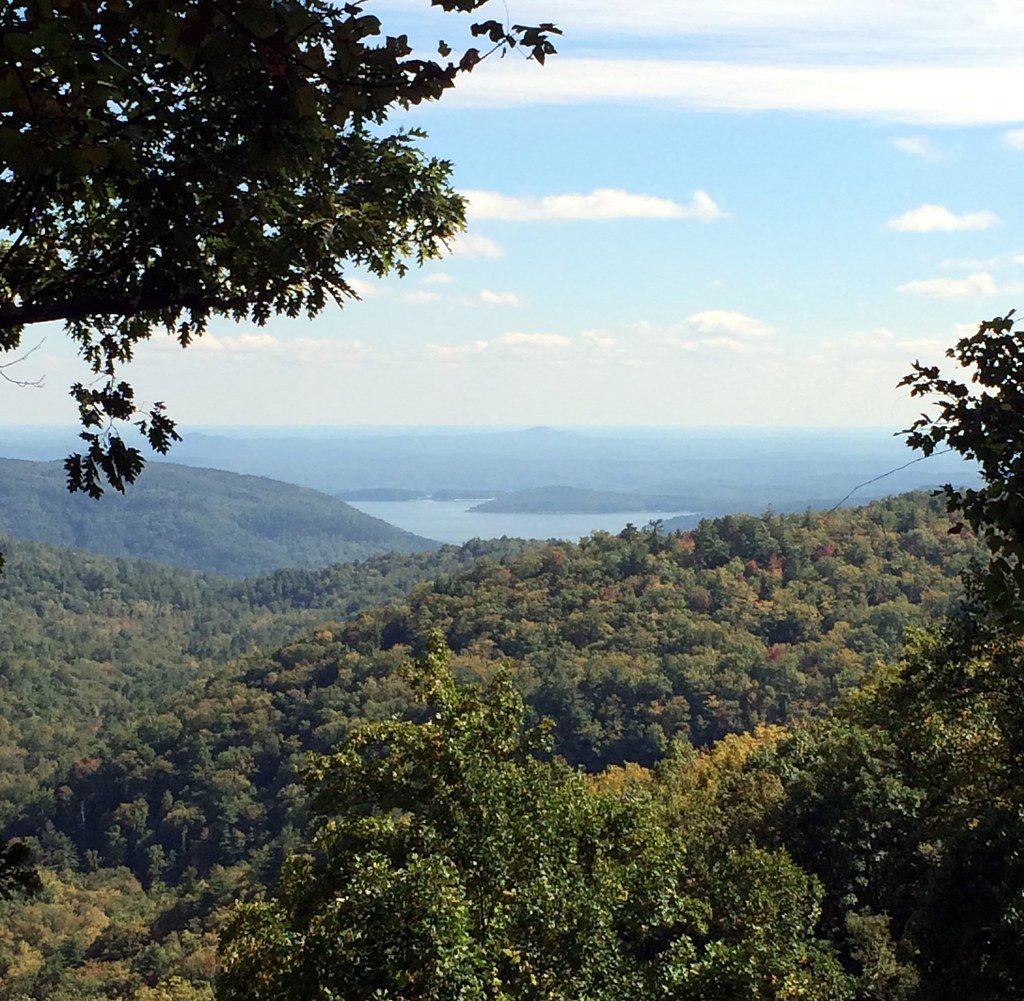
Lake Jocassee
Species & education
Learn what type of fish are in South Carolina and what's needed to catch them.

Find which waters have the species you want to catch

Largemouth Bass
Micropterus salmoides

Smallmouth Bass

Rainbow Trout
Oncorhynchus mykiss

Brown Trout
Salmo trutta

Brook Trout
Salvelinus fontinalis

Muskellunge
Esox masquinongy

Walleye
Sander vitreus

Black Crappie
Pomoxis nigromaculatus

Alewife
Alosa pseudoharengus

American Eel
Anguilla rostrata

American Shad
Alosa sapidissima

Atlantic Croaker
Micropogonias undulatus

Atlantic Sharpnose Shark
Rhizoprionodon terraenovae

Atlantic Sturgeon
Acipenser oxyrinchus

Bigmouth Buffalo
Ictiobus cyprinellus

Black Buffalo
Ictiobus niger

Black Bullhead
Ameiurus melas

Black Drum
Pogonias cromis

Blacktip Shark
Carcharhinus limbatus

Blue Catfish
Ictalurus furcatus

Bluefish

Blue Tilapia
Oreochromis aureus

Bowfin
Amia calva

Brown Bullhead
Ameiurus nebulosus

Bull Shark
Carcharhinus leucas

Chain Pickerel
Esox niger

Channel Catfish
Ictalurus punctatus

Cobia
Rachycentron canadum

Common Carp
Cyprinus carpio

Creek Chub
Semotilus atromaculatus

Crevalle Jack
Caranx hippos

Flathead Catfish

Flier
Centrarchus macropterus

Freshwater Drum
Aplodinotus grunniens

Gizzard Shad
Dorosoma cepedianum

Grass Carp
Ctenopharyngodon idella

Green Sunfish
Lepomis cyanellus

Hickory Shad
Alosa mediocris

Longear Sunfish
Lepomis megalotis

Longnose Gar
Lepisosteus osseus
Fishing guides in South Carolina
Book a trip with a local fishing guide through Guidesly.

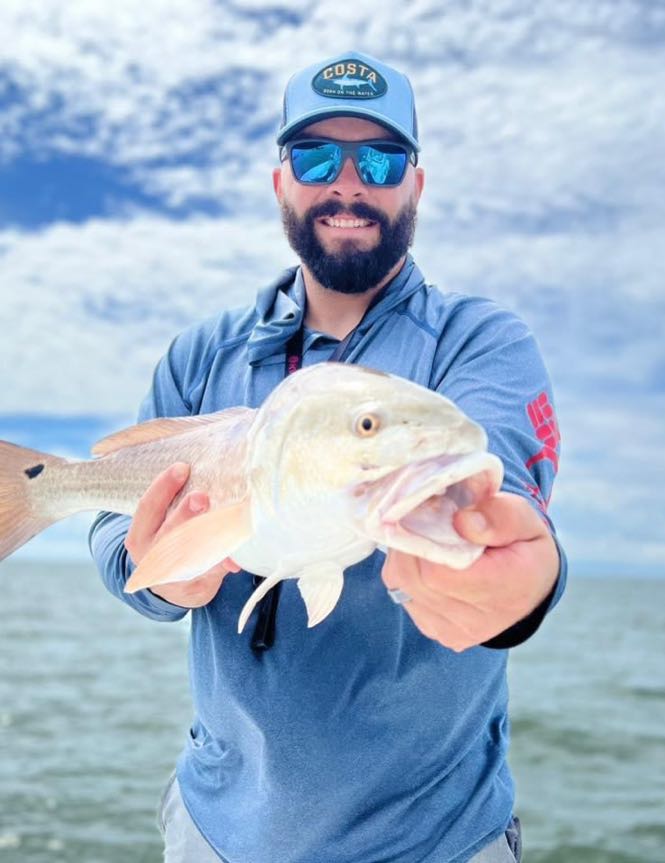
Mike Whitesides
Salty Angler Fishing Charters
5.0 (39 reviews)
South Carolina Fishing: Nearshore & Inshore
Book on Guidesly, opens in new tab
Danny Kimble
Hooked Up On Striper Guide Service
5.0 (21 reviews)
Crappie and Bass Fishing On Lake Murray, SC
Book on Guidesly, opens in new tab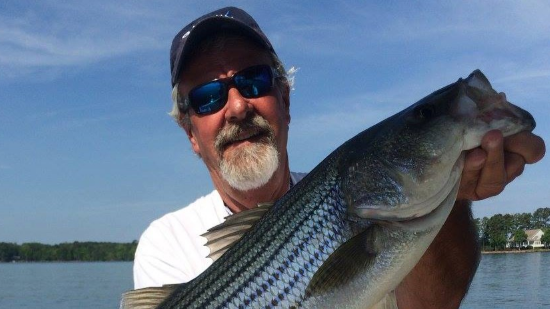
Terry Caulder
Catch 22 Striper Guide Service
5.0 (17 reviews)
Get Reelin' in SC for Bass While They’re Hot!
Book on Guidesly, opens in new tab
Dominic Giusti
Spanish Moss Charters
5.0 (12 reviews)
Charleston inshore fishing made memorable
Book on Guidesly, opens in new tab
Bobby Winters
Bob's Guide Service Encore
4.7 (12 reviews)
Lake Marion & Lake Moultrie-Striper and Catfish!
Book on Guidesly, opens in new tab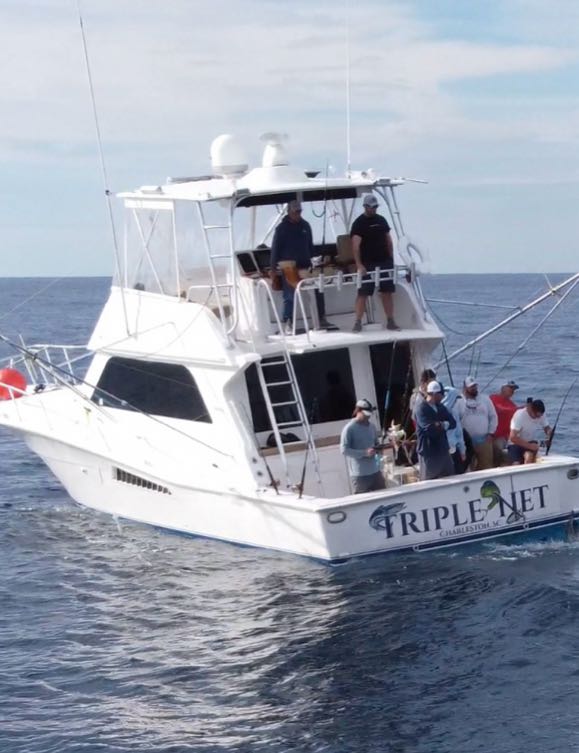
Chase Edgren
Last Cast Charleston
5.0 (10 reviews)
Charleston SC Fishing Trips: Reel in the Adventure
Book on Guidesly, opens in new tab
Fish smarter with real-time insights
Whether you're en route and conditions shift or you're looking for the best spot based on current flows, we enable you to make informed decisions on the fly.







South Carolina licenses and regulations

South Carolina Boating Regulations
When using any type of watercraft to access a body of water, it is important to follow all federal, state, and local rules and regulations. These rules and regulations include boat permitting and licensing, invasive species inspections and stamps, life jacket and PFD rules, motor size and horsepower restrictions, noise limitations, restrictions on personal watercraft, and many more. Visit the web link below for the most current rules and regulations for this body of water.

South Carolina Fishing License
Children under the age of 16 are not required to purchase a hunting or fishing license unless they are engaged in commercial activity or using any non-game fish devices (traps, trotlines, gill nets, hoop nets, set hooks, jugs.)

South Carolina Fishing Regulations
This river has a variety of species and regulations, including potential floating and/or watercraft restrictions. Because this river is specially managed for species, seasons, angling methods, and watercraft, it is strongly encouraged you check all federal, state, and local regulations before fishing. Visit any of the links below, inquire locally, or contact a local fly shop to learn current regulations and restrictions.

South Carolina Stream Access Laws
In South Carolina, if a waterway can be floated and used as a public highway, it is navigable and open to recreational use up to the high water mark.
National parks in South Carolina
Explore South Carolina waters

Smarter Fishing Starts in the App.
onWater Fish gives you everything you need to plan smarter, fish better, and own every trip from first cast to last.