Fishing in Nebraska
- Lakes
- 2,257
- Rivers
- 1,545
- Access
- 58
- Boat Ramps
- 406
- Shops
- 34
Nebraska fishing is a plains-state warmwater game with a few surprising cold-water corners, and most of the good stuff sits a long drive from where most of the people live.
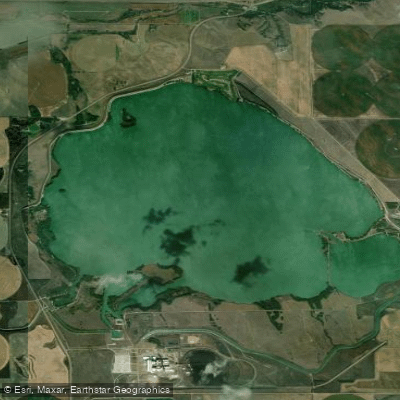
The through-line is big reservoirs built on prairie rivers, a belt of genuinely unusual natural lakes in the Sandhills, and catfish water almost everywhere in between. Lake McConaughy anchors the whole picture.
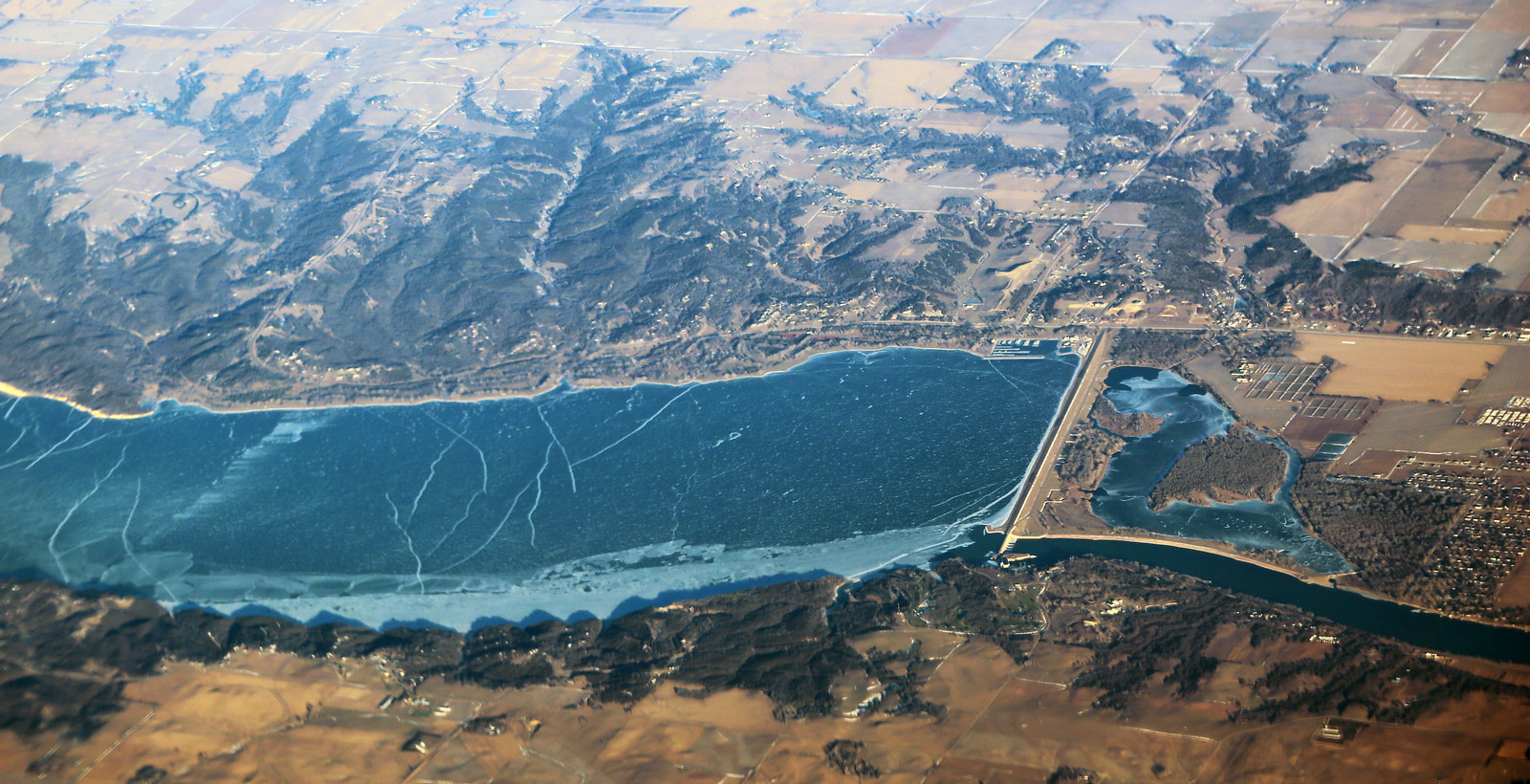
It's the state's walleye factory — Big Mac gave up the 16-pound-plus state record and still averages around 60 master-angler walleye a year.
The run pulls anglers to Kingsley Dam and the North Platte arm mid-April into early May, and again from Labor Day through Thanksgiving, when big fish push onto the deep humps along the south shore.
The same water grows wipers worth chasing through the summer, and just below the dam, Lake Ogallala runs cold enough year-round to hold rainbows, browns, and tigers — probably the most reliable trout water on the Great Plains.
The Sandhills are the other thing Nebraska has that nobody else in the region really does.
The lakes on Valentine NWR, Merritt, Big Alkali, Swan, Blue — shallow, spring-fed, fertile enough to grow bluegills over a pound and sustain northern pike that actually reproduce on their own.
Merritt holds the state muskie and channel cat records and sits in country where you won't see much but sandhill and sky.
Locals will tell you the best time to fish these lakes is through a hole in the ice in January, when the weeds lay down and the perch, pike, and panfish stack up. The fly crowd works quieter water.
East Branch Verdigre Creek holds at 57 degrees year-round through Grove Lake WMA, gets 200 rainbows a week from the on-site rearing station, and has wild browns on top of it.
Pair it with Long Pine Creek, Soldier Creek, and the Pine Ridge tributaries and you can put together the Trout Slam — rainbow, brown, brook, cutthroat — a pursuit most people outside the state don't know exists here.
Then there's October on the Missouri below Gavins Point, where 1,600 drawn tags go out for paddlefish snagging from the Nebraska bank downstream to the Big Sioux.
It's the most talked-about month on the state's fishing calendar, and the kind of oddball tradition that tells you who's serious. One thing worth knowing before you plan: Nebraska has no Montana-style stream access.
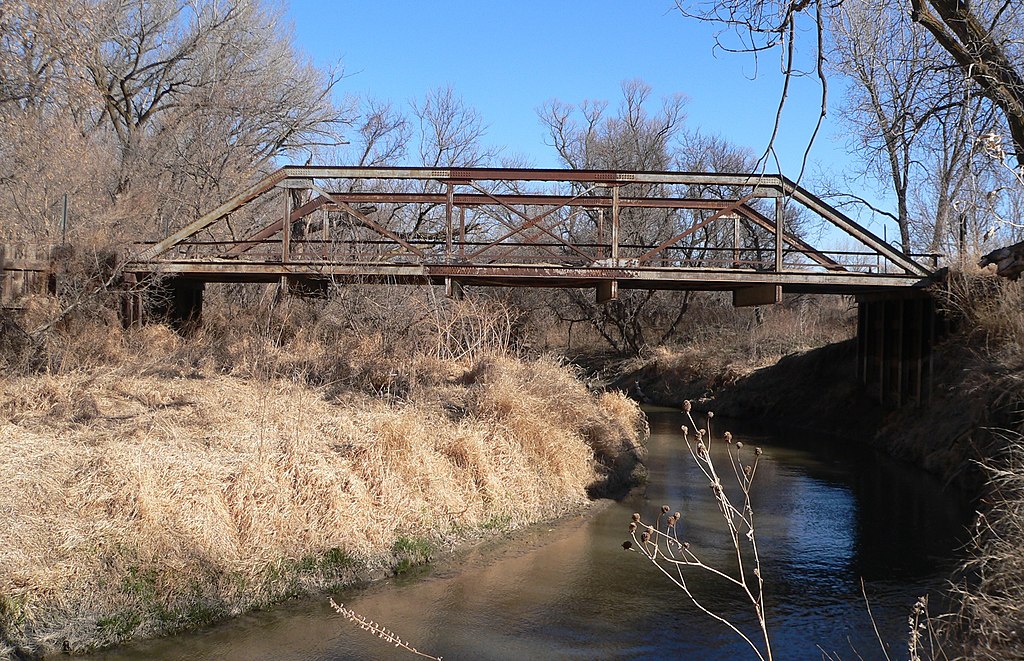
Banks are mostly private, and the public water is WMAs, SRAs, federal refuges, and whatever the Open Fields and Waters program has picked up that year. The good fisheries are out west. Get used to the drive.
Species & education
Learn what type of fish are in Nebraska and what's needed to catch them.

Find which waters have the species you want to catch

Largemouth Bass
Micropterus salmoides

Smallmouth Bass
Micropterus dolomieui

Rainbow Trout
Oncorhynchus mykiss

Brown Trout
Salmo trutta

Brook Trout
Salvelinus fontinalis

Cutthroat Trout

Northern Pike
Esox lucius

Muskellunge
Esox masquinongy

Walleye
Sander vitreus

Black Crappie
Pomoxis nigromaculatus

Alewife
Alosa pseudoharengus

Bighead Carp
Hypophthalmichthys nobilis

Bigmouth Buffalo
Ictiobus cyprinellus

Black Buffalo
Ictiobus niger

Black Bullhead
Ameiurus melas

Blue Catfish
Ictalurus furcatus

Blue Sucker
Cycleptus elongatus

Burbot
Lota lota

Channel Catfish
Ictalurus punctatus

Common Carp
Cyprinus carpio

Creek Chub
Semotilus atromaculatus

Flathead Catfish
Pylodictis olivaris

Flathead Chub
Platygobio gracilis

Freshwater Drum
Aplodinotus grunniens

Gizzard Shad
Dorosoma cepedianum

Grass Carp
Ctenopharyngodon idella

Green Sunfish
Lepomis cyanellus

Lake Sturgeon
Acipenser fulvescens

Longnose Gar

Longnose Sucker
Catostomus catostomus
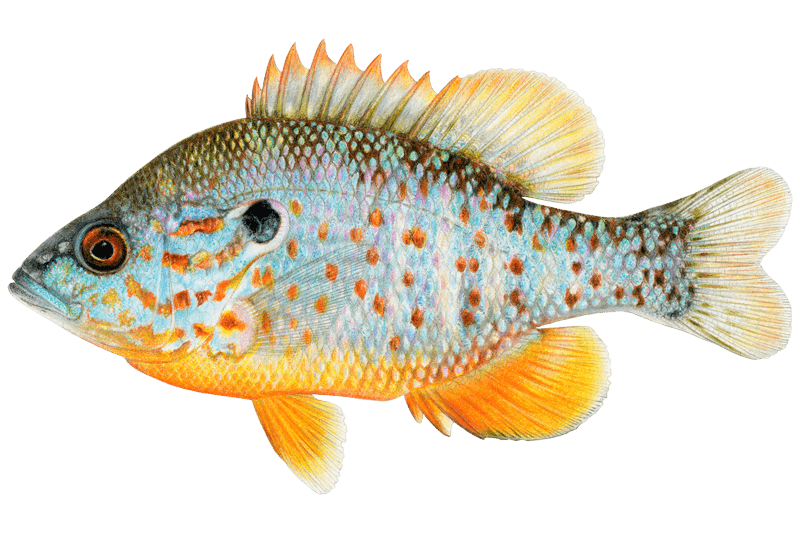
Orangespotted Sunfish
Lepomis humilis

Pumpkinseed
Lepomis gibbosus
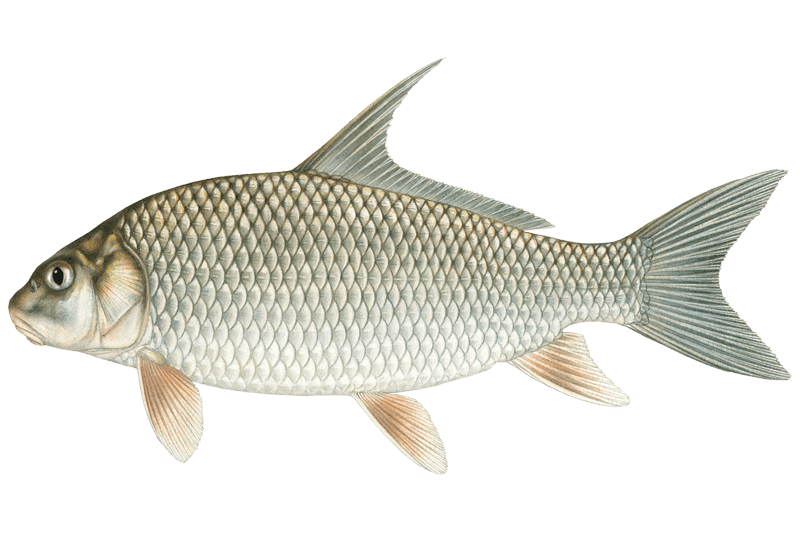
Quillback
Carpiodes cyprinus

Redear Sunfish
Lepomis microlophus

Sand Shiner
Notropis stramineus
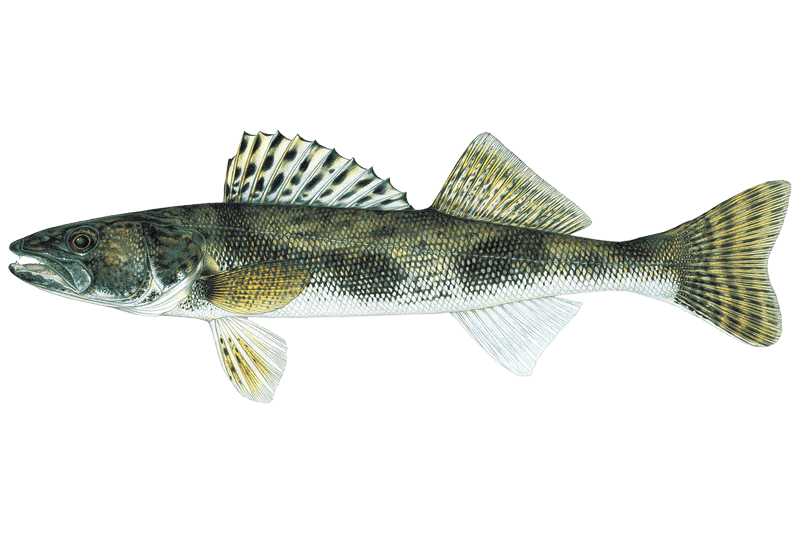
Sauger
Sander canadensis
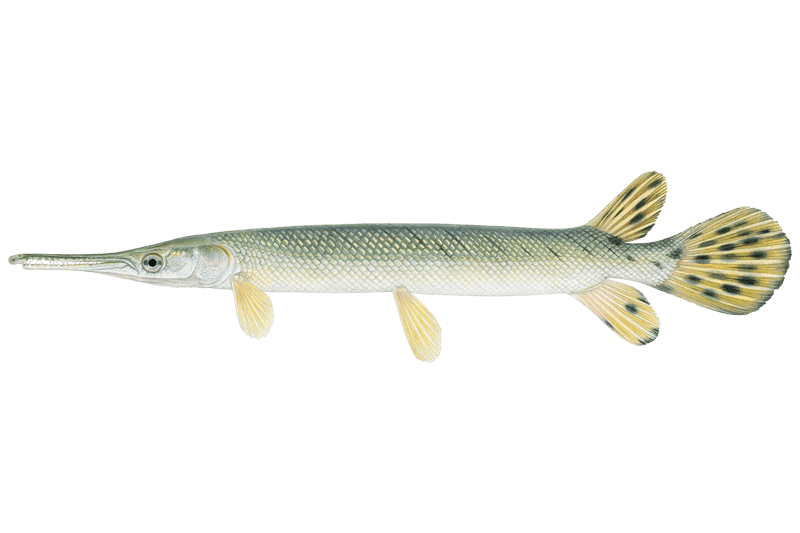
Shortnose Gar
Lepisosteus platostomus
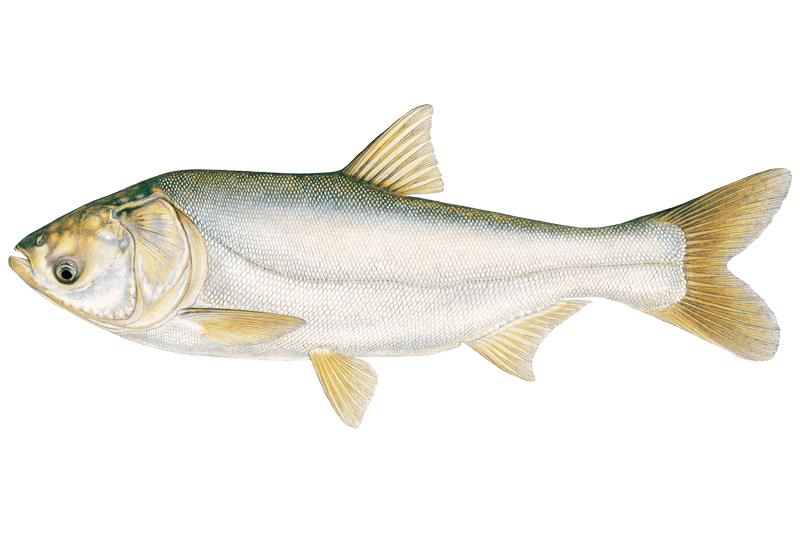
Silver Carp
Hypophthalmichthys molitrix
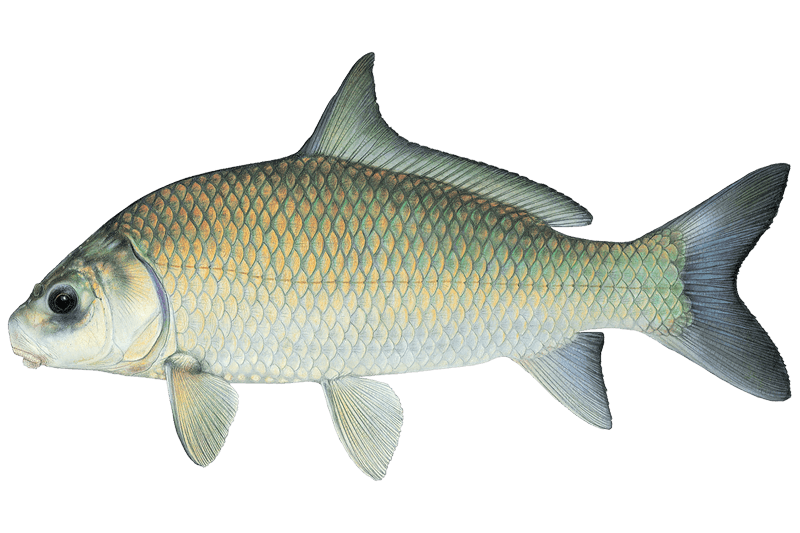
Smallmouth Buffalo
Ictiobus bubalus
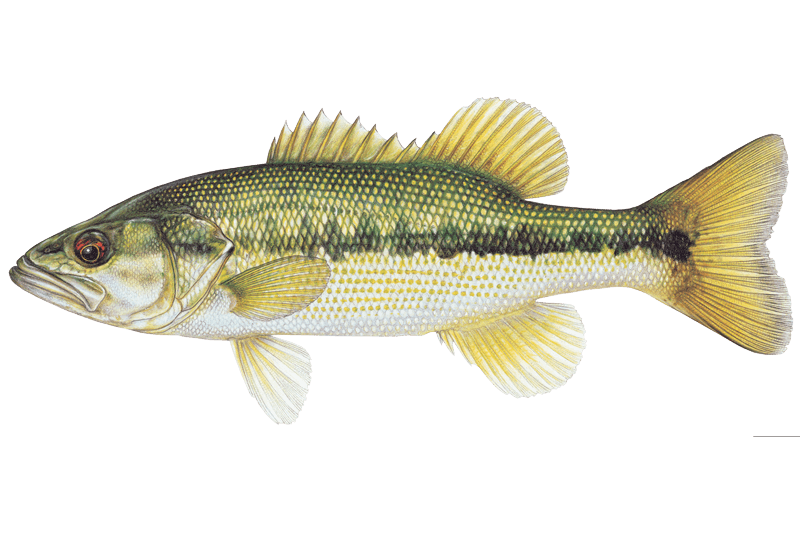
Spotted Bass
Micropterus punctulatus
Fishing guides in Nebraska
Book a trip with a local fishing guide through Guidesly.

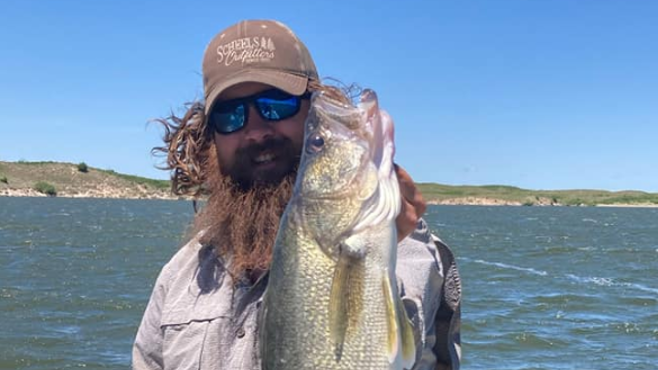
Samuel Schmidt
S.S. Fins & Feathers
Cast And Blast With The Top Nebraska Fishing Guide
Book on Guidesly, opens in new tab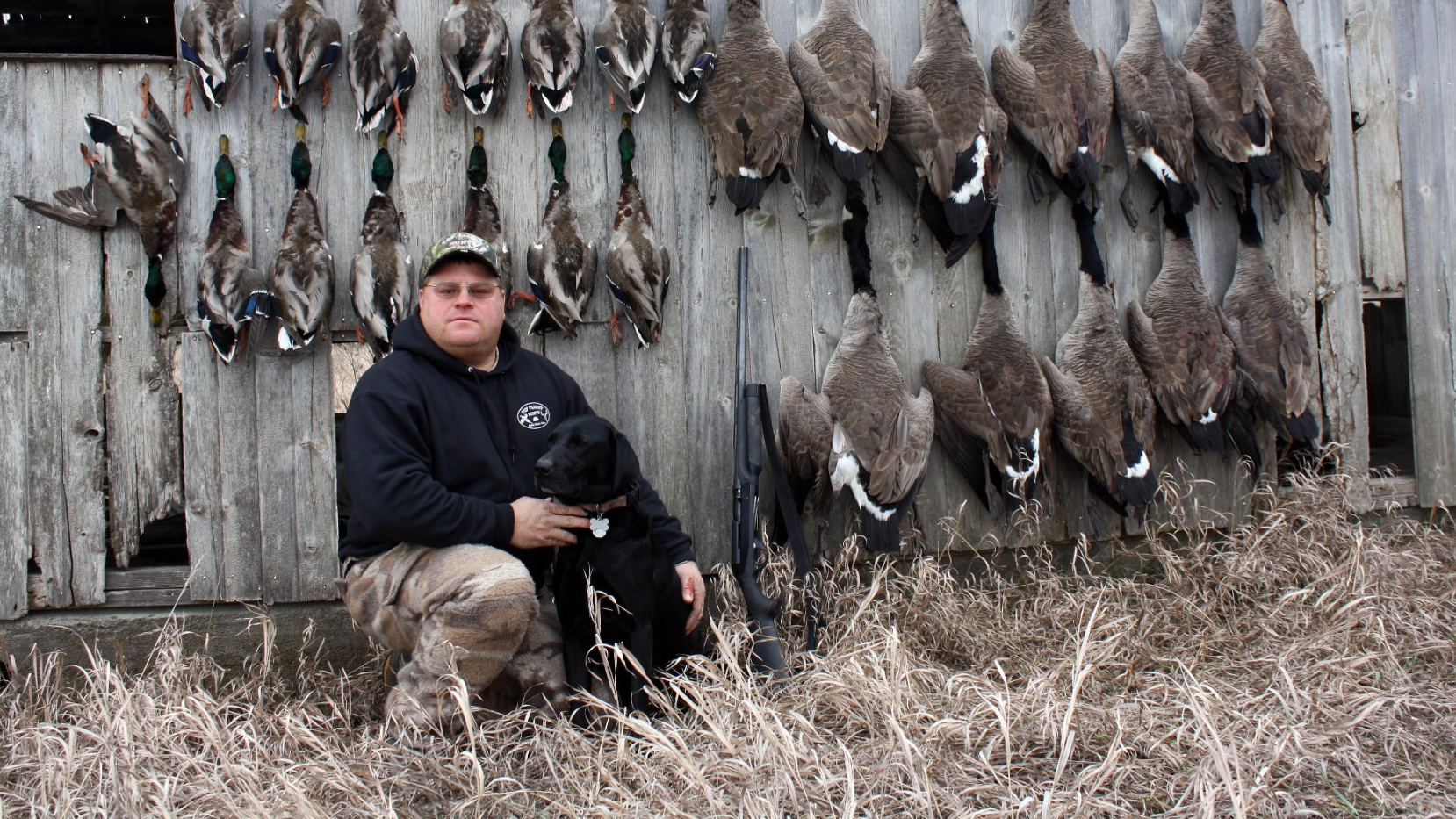
Lawrence Walz III
Top Flight Hunts
Guided Hunting Trips in Nebraska’s Wild Lands
Book on Guidesly, opens in new tab
Scott Kuhn
Deer Meadows Outfitters
Nebraska Deer Hunts on Private Sandhills Land
Book on Guidesly, opens in new tab
Fish smarter with real-time insights
Whether you're en route and conditions shift or you're looking for the best spot based on current flows, we enable you to make informed decisions on the fly.







Nebraska licenses and regulations

Nebraska Boating Regulations
When using any type of watercraft to access a body of water, it is important to follow all federal, state, and local rules and regulations. These rules and regulations include boat permitting and licensing, invasive species inspections and stamps, life jacket and PFD rules, motor size and horsepower restrictions, noise limitations, restrictions on personal watercraft, and many more. Visit the web link below for the most current rules and regulations for this body of water.

Nebraska Fishing License
A sport fishing license is required for any person 16 years of age and older.

Nebraska Fishing Regulations
This state has a variety of species and regulations, including potential floating and/or watercraft restrictions. Because this state is specially managed for species, seasons, angling methods, and watercraft, it is strongly encouraged you check all federal, state, and local regulations before fishing. Visit any of the links below, inquire locally, or contact a local fly shop to learn current regulations and restrictions.

Nebraska Stream Access Laws
An individual is allowed to navigate all Nebraska rivers and streams even if such rivers and streams flow through private property. The landowner owns the land adjoining and underneath the river and stream. Therefore, an individual is trespassing if he/she gets out of the canoe, kayak or inner-tube, or drops anchor.
National parks in Nebraska
Smarter Fishing Starts in the App.
onWater Fish gives you everything you need to plan smarter, fish better, and own every trip from first cast to last.