Walleye

Walleye are Nebraska's most sought-after game fish, topping angler preference surveys for many years. This coolwater predator is primarily a non-native species in Nebraska, introduced since 1884, but has become essential to the state's fishing culture.
Scientific Name: Sander vitreus
Fishing in Nebraska
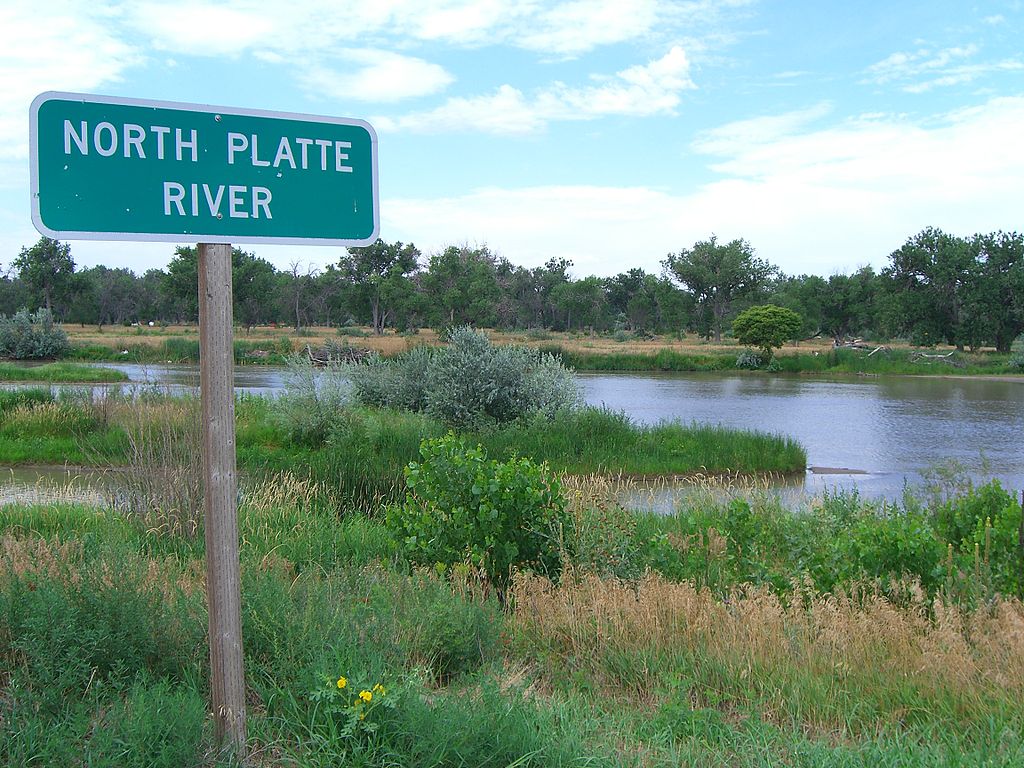
Platte River
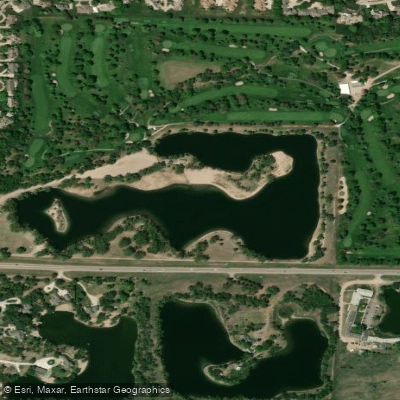
L E Ray Lake
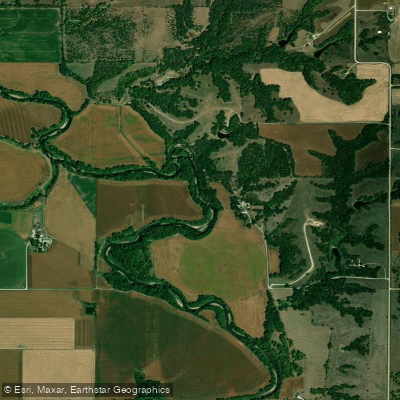
Big Blue River
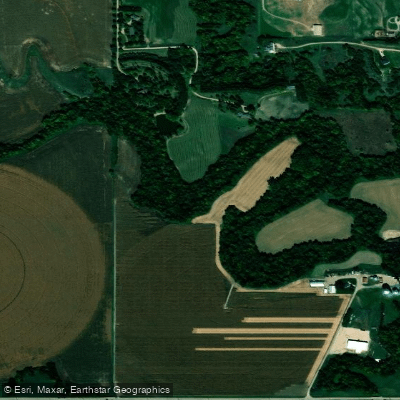
Wood River
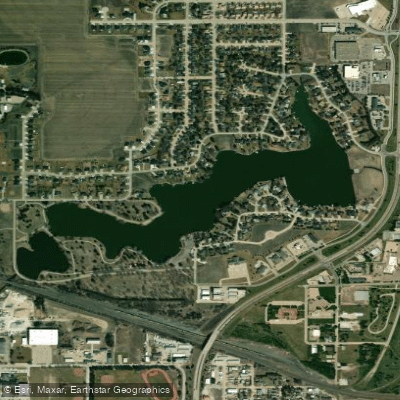
Lake Hastings
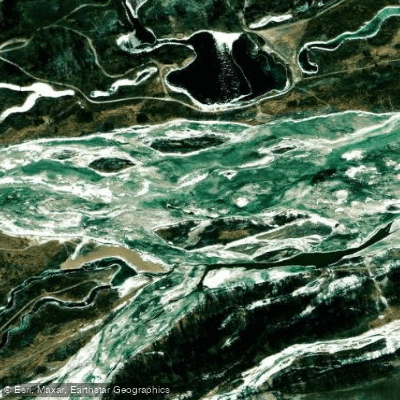
South Channel Platte River
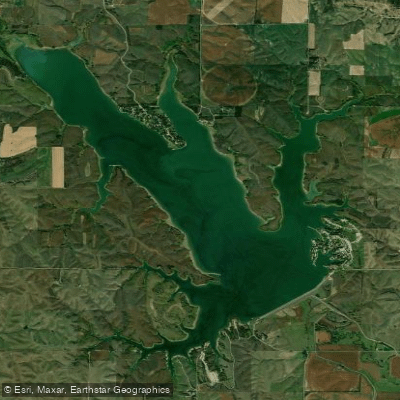
Sherman Reservoir
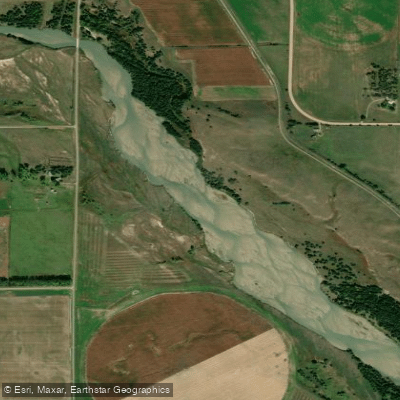
Middle Loup River
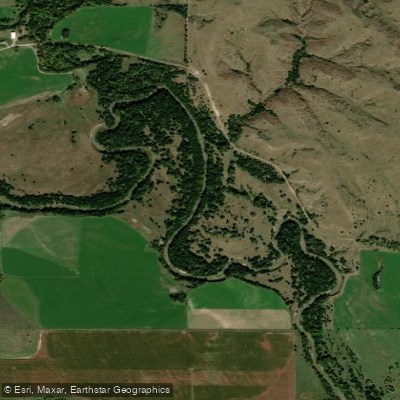
South Loup River
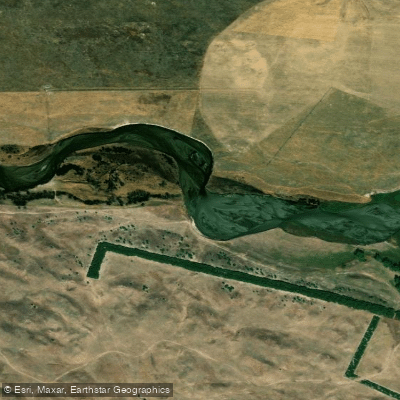
North Loup River
What to know
Habitat Distribution
- Walleye prefer large, shallow lakes with high turbidity and thrive in Nebraska's larger western reservoirs like Lake McConaughy, Merritt Reservoir, Box Butte, Elwood, and Sherman reservoirs.
Key Locations
- Target Nebraska's premier walleye waters: Lake McConaughy and Merritt Reservoir are consistently top producers, with Elwood, Sherman, Johnson, Winters Creek, and Box Butte reservoirs also offering excellent opportunities.
- For eastern Nebraska, try Kramper, Conestoga, Branched Oak, and Zorinsky lakes.
Specific Spots
- Adult walleye are most commonly caught in 13-20 foot depths, though they move deeper (20-25 feet) during hot summer months.
- Productive areas include rocky shorelines, drop-offs, mid-lake humps, weed edges, and around Kingsley Dam at McConaughy.
- They spawn moving to shallow rocky areas and reefs.
Walleye FAQ
Answers from onWater's species guide.
What are the best lures and bait for Walleye in Nebraska?
Essential lures include jigs (1/8 to 3/8 oz) tipped with minnows, leeches, or soft plastics, crankbaits like Shad Raps and deep-diving models, and spinner rigs with bottom bouncers.
What flies work for Walleye in Nebraska?
For fly fishing, use streamers like Clouser minnows, woolly buggers, sculpin patterns, and leech imitations.
When is the best time to fish for Walleye in Nebraska?
The prime walleye fishing months in Nebraska are May and June, followed by excellent fall fishing from September through October. They spawn in spring (typically late March to early April) when water temperatures reach 40°F.
How do you catch Walleye in Nebraska?
In spring, target shallow rocky areas and points in 8-15 feet of water with slip bobbers and live bait. Summer requires deeper presentations (20-30 feet) using trolling techniques with crankbaits or bottom bouncers with spinner rigs.
What do Walleye eat?
Walleye are primarily piscivorous, feeding heavily on gizzard shad, alewives, yellow perch, and emerald shiners. Age-0 walleye begin with zooplankton (particularly calanoida) before shifting directly to young gizzard shad, demonstrating simplistic but effective feeding patterns.
Fish smarter with real-time insights
Whether you're en route and conditions shift or you're looking for the best spot based on current flows, we enable you to make informed decisions on the fly.




See it in the app
Most maps show you water.
onWater shows you Walleye.



- 01 · Species map filter
Map every Walleye water
Pick Walleye and the map zeroes in on the waters they call home. No more guessing which lake holds them.
- 02 · Waterbody species
Tap any water. See what lives there.
Species, behavior and seasonal patterns for every lake, river and pond, before you leave the driveway.
- 03 · Angler Intelligence
Ask how to catch Walleye
Tactics, gear and timing from onWater's AI fishing guide, tuned to the species and the water you're on.
Stop guessing where Walleye are.
Open the map, filter by Walleye, and head to water that holds them. Download onWater and plan your next trip in minutes.
- Species map filter
- Angler Intelligence
- Fishing journal
Explore other species
Trout, bass, salmon, panfish and everything in between. Each guide unpacks the behavior, seasons, and tactics that put fish in the net.
No species information available.
Nebraska licenses and regulations
Explore nearby waters
Explore Nebraska waters
Top fishing waters
Popular Cities
Loading popular cities...

Smarter Fishing Starts in the App.
onWater Fish gives you everything you need to plan smarter, fish better, and own every trip from first cast to last.