Sauger

Sauger are native to Nebraska's waters and were historically common throughout the Missouri River and its major tributaries including the Platte, Blue, Loup, Elkhorn, and Niobrara rivers.
However, their populations have declined dramatically - by as much as 98% in some areas since channelization and impoundment began.
Scientific Name: Sander canadensis
- Distinguished from walleye by dark spots on the webbing of their spinous dorsal fin, bronze or brown coloration with dark blotches extending below the lateral line, and the absence of a white patch on the lower tail lobe.
Fishing in Nebraska
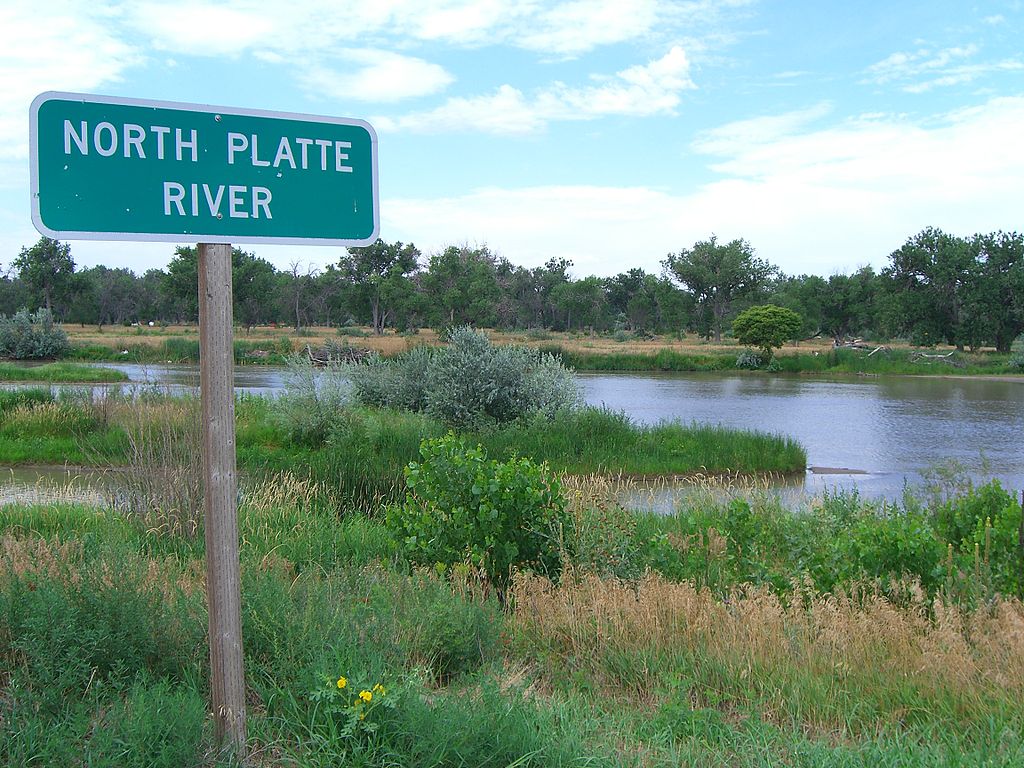
Platte River
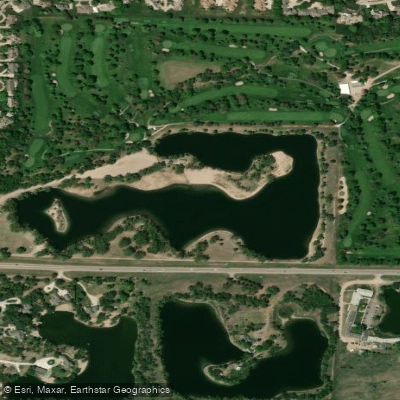
L E Ray Lake
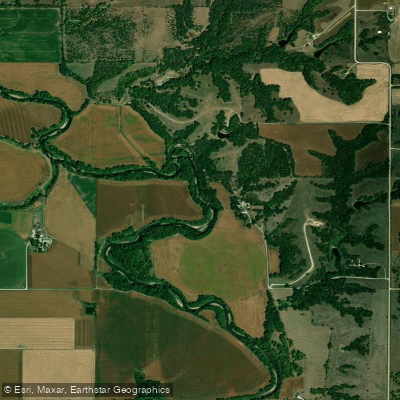
Big Blue River
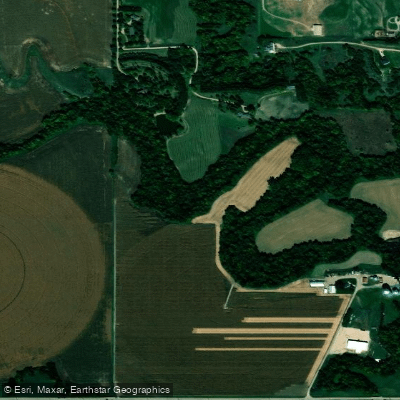
Wood River
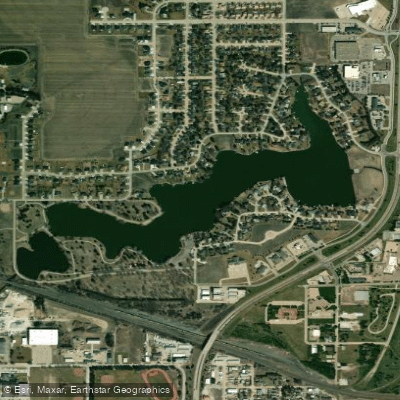
Lake Hastings
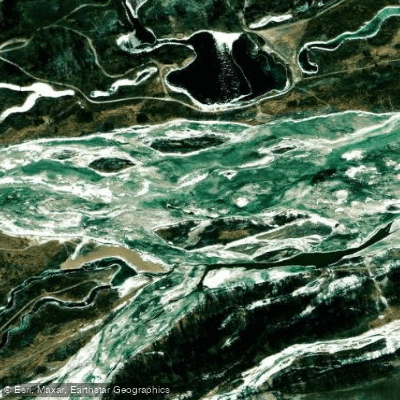
South Channel Platte River
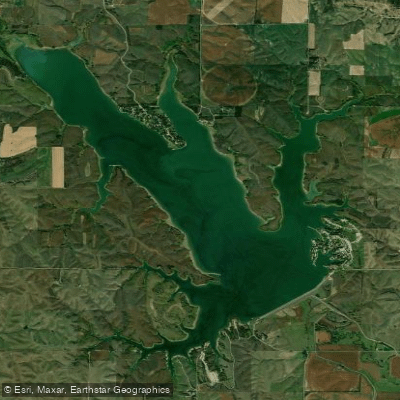
Sherman Reservoir
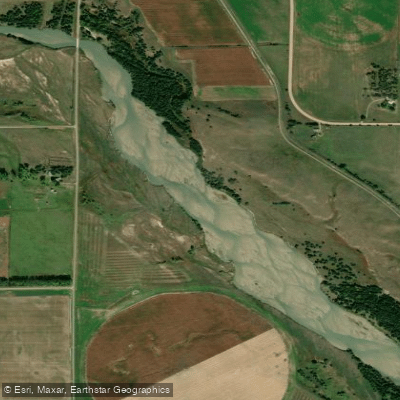
Middle Loup River
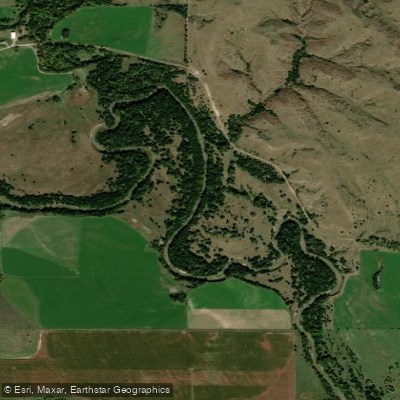
South Loup River
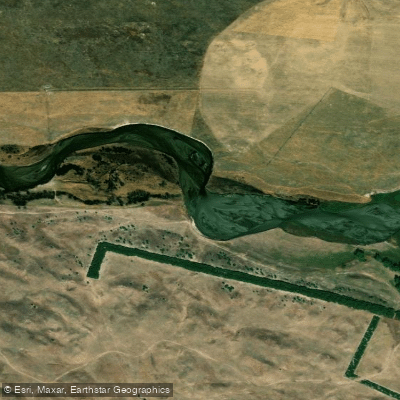
North Loup River
What to know
Habitat Distribution
- Historically common throughout the Missouri River and its major tributaries including the Platte, Blue, Loup, Elkhorn, and Niobrara rivers.
- Prefer large, turbid rivers with deep pools.
Key Locations
- Most commonly found in the Missouri River, with the upper unchannelized reach above Gavins Point Dam providing the best populations.
Specific Spots
- Focus on main channel borders, wing dike pools, revetment areas, and deeper pools with rocky or rubble bottoms.
- They utilize main channel habitats, sandbar pools, backwaters, and areas around wing dikes and revetments.
- Target areas with structure like drop-offs, ledges, and current breaks.
Sauger FAQ
Answers from onWater's species guide.
What are the best lures and bait for Sauger in Nebraska?
Heavy hair jigs from 3/4 to 2 ounces work best, often tipped with minnows for added scent in the turbid waters they prefer. Blue, white, and yellow jigs are effective in clear water, while red and pink colors work better in murky conditions.
When is the best time to fish for Sauger in Nebraska?
Best sauger fishing occurs during fall and winter months when they're actively feeding, with peak activity from September through early spring. Winter fishing can be particularly productive, with February and March showing higher catch rates historically.
How do you catch Sauger in Nebraska?
Use vertical jigging as the primary technique since sauger stick to the bottom. Try varying your jigging speed and motion as sauger preferences can change daily. Trolling with Lindy rigs at 1.5 mph, using shiners and letting the bait occasionally bounce off the bottom, is productive in deeper water.
What do Sauger eat?
Small sauger feed on zooplankton and aquatic insect larvae, while adults are almost exclusively piscivorous, consuming gizzard shad, emerald shiners, freshwater drum, and channel catfish.
Where do Sauger live in Nebraska?
Historically common throughout the Missouri River and its major tributaries including the Platte, Blue, Loup, Elkhorn, and Niobrara rivers. Prefer large, turbid rivers with deep pools.
Fish smarter with real-time insights
Whether you're en route and conditions shift or you're looking for the best spot based on current flows, we enable you to make informed decisions on the fly.




See it in the app
Most maps show you water.
onWater shows you Sauger.



- 01 · Species map filter
Map every Sauger water
Pick Sauger and the map zeroes in on the waters they call home. No more guessing which lake holds them.
- 02 · Waterbody species
Tap any water. See what lives there.
Species, behavior and seasonal patterns for every lake, river and pond, before you leave the driveway.
- 03 · Angler Intelligence
Ask how to catch Sauger
Tactics, gear and timing from onWater's AI fishing guide, tuned to the species and the water you're on.
Stop guessing where Sauger are.
Open the map, filter by Sauger, and head to water that holds them. Download onWater and plan your next trip in minutes.
- Species map filter
- Angler Intelligence
- Fishing journal
Explore other species
Trout, bass, salmon, panfish and everything in between. Each guide unpacks the behavior, seasons, and tactics that put fish in the net.
No species information available.
Nebraska licenses and regulations
Explore nearby waters
Explore Nebraska waters
Top fishing waters
Popular Cities
Loading popular cities...

Smarter Fishing Starts in the App.
onWater Fish gives you everything you need to plan smarter, fish better, and own every trip from first cast to last.