Longnose Gar
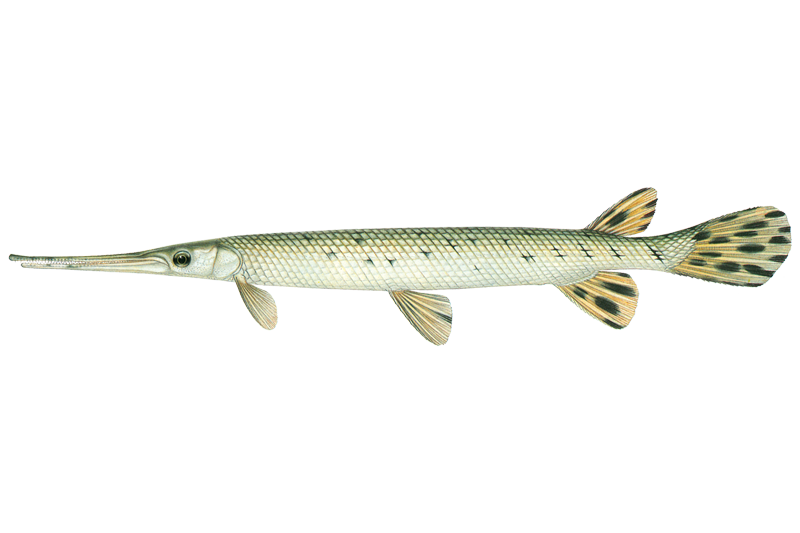
Longnose Gar are one of Nebraska's most ancient native fish species, having inhabited state waters for over 100 million years.
Two gar species are found in Nebraska - the Longnose Gar and Shortnose Gar - with the Longnose being the larger, reaching weights up to twenty-some pounds in Nebraska waters.
- These prehistoric fish have armor-like ganoid scales, long toothy snouts, and torpedo-shaped bodies built for ambush predation.
- They can breathe both air and water through a specialized swim bladder, allowing them to survive in low-oxygen conditions where other fish cannot.
Fishing in Nebraska
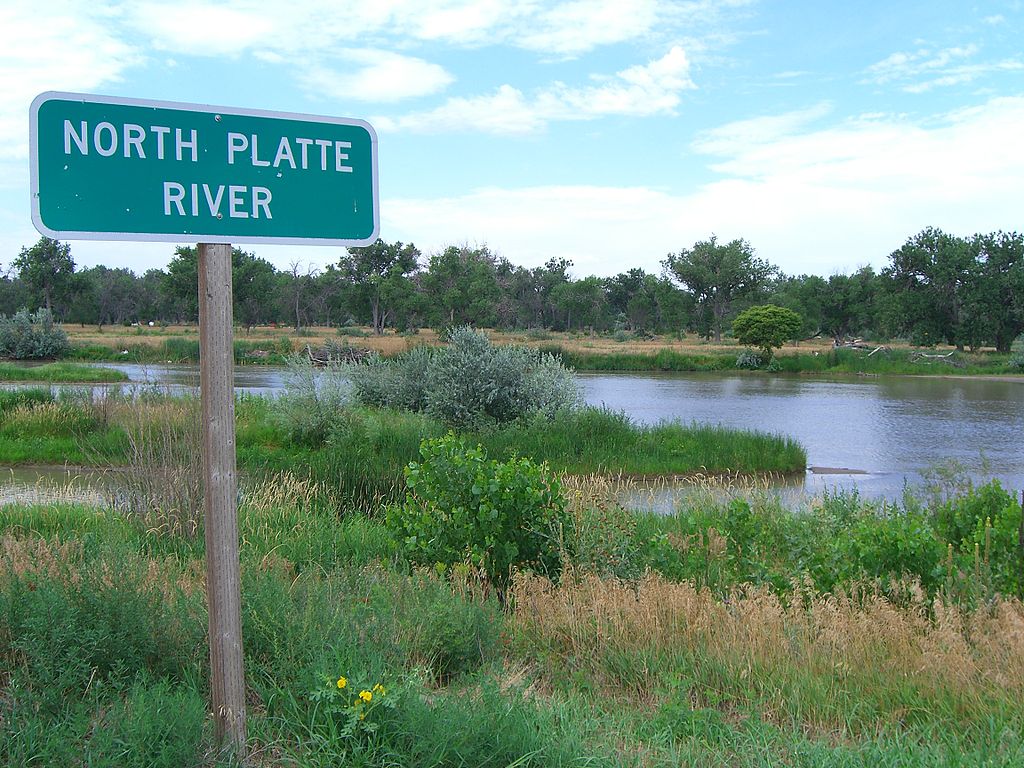
Platte River
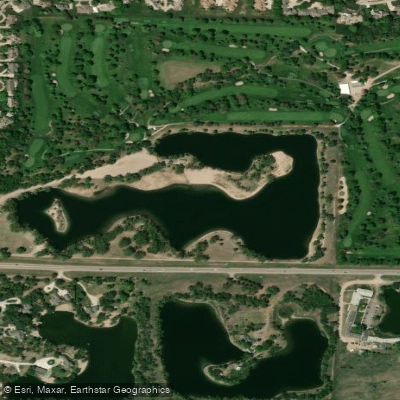
L E Ray Lake
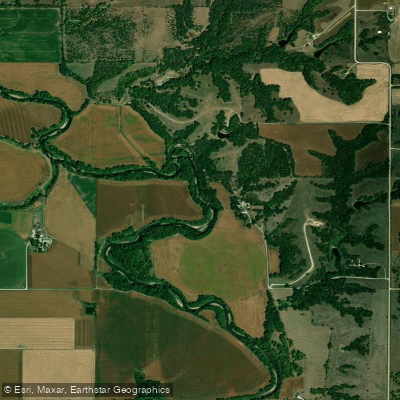
Big Blue River
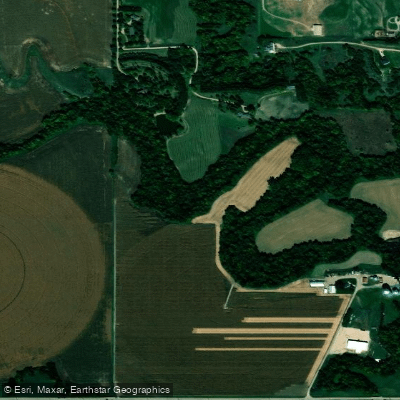
Wood River
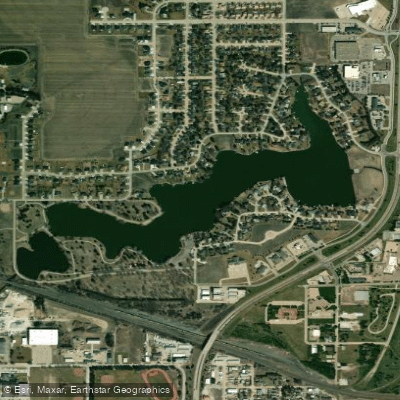
Lake Hastings
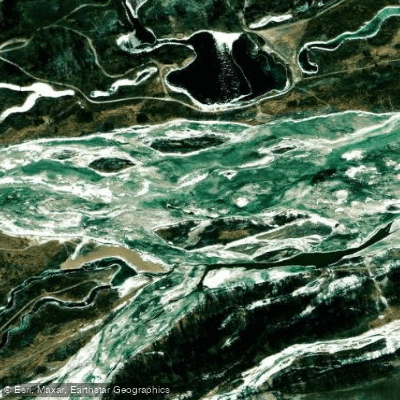
South Channel Platte River
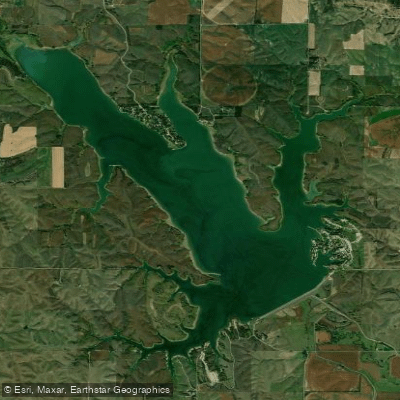
Sherman Reservoir
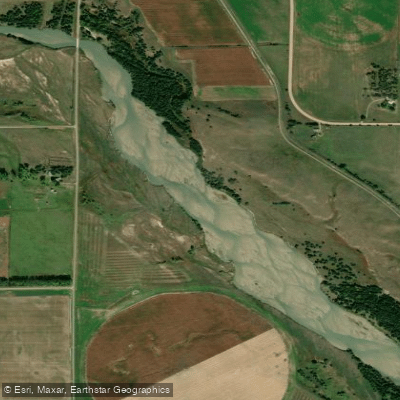
Middle Loup River
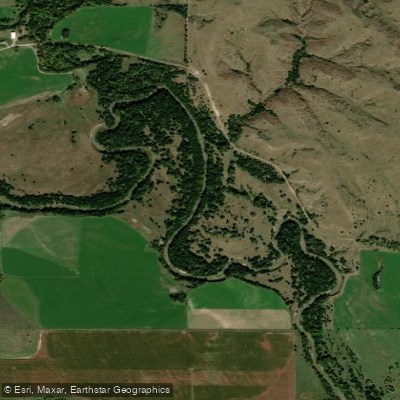
South Loup River
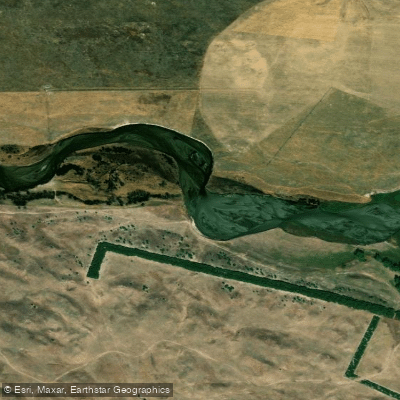
North Loup River
What to know
Habitat Distribution
- They're most common in the lower reaches of these rivers but can be found well into central parts of the state depending on water levels.
- They often inhabit standing waters including pits, ponds, and oxbows that periodically flood.
- These fish prefer slow-moving waters, backwaters, and areas with vegetation where they can ambush prey.
Key Locations
- In Nebraska, Longnose Gar are found primarily in the Missouri River and other Nebraska rivers that flow into the Missouri.
- Target slow-moving areas of the Missouri River and its tributaries, particularly around weedy bends, backwaters, areas below dams, and oxbows.
Specific Spots
- Look for gar near vegetation, downed trees, and structure in calm waters.
- They often surface to gulp air, making them easier to spot and target.
Longnose Gar FAQ
Answers from onWater's species guide.
What are the best lures and bait for Longnose Gar in Nebraska?
Small live minnows under floats, cut bait, small spoons, jigs, and spinnerbaits. In-line spinners and minnowbaits can be effective when hooks find flesh rather than bone.
What flies work for Longnose Gar in Nebraska?
Hookless rope flies made from unbraided nylon rope, 6-9 inches long. Some anglers add a small size 16-20 hook to meet legal requirements. Spring fish may respond to smaller patterns like Woolly Buggers.
When is the best time to fish for Longnose Gar in Nebraska?
The best time to target Longnose Gar in Nebraska is during the warmest months from July through August. Spawning occurs in late spring around 68-70°F water temperatures, typically from late May through June when gar congregate in shallow, weedy areas. During this period, they should be left undisturbed.
How do you catch Longnose Gar in Nebraska?
Sight-fishing is highly effective. The most effective approach uses hookless rope flies made from unbraided nylon rope, 6-9 inches long, as gar teeth become entangled in the fibers. Cast the fly a few feet beyond and in front of the fish, then strip slowly.
What do Longnose Gar eat?
Longnose Gar are opportunistic predators feeding primarily on fish, with gizzard shad being particularly common in their diet, along with various minnows, shiners, catfish, and occasional insects and crustaceans.
Fish smarter with real-time insights
Whether you're en route and conditions shift or you're looking for the best spot based on current flows, we enable you to make informed decisions on the fly.




See it in the app
Most maps show you water.
onWater shows you Longnose Gar.



- 01 · Species map filter
Map every Longnose Gar water
Pick Longnose Gar and the map zeroes in on the waters they call home. No more guessing which lake holds them.
- 02 · Waterbody species
Tap any water. See what lives there.
Species, behavior and seasonal patterns for every lake, river and pond, before you leave the driveway.
- 03 · Angler Intelligence
Ask how to catch Longnose Gar
Tactics, gear and timing from onWater's AI fishing guide, tuned to the species and the water you're on.
Stop guessing where Longnose Gar are.
Open the map, filter by Longnose Gar, and head to water that holds them. Download onWater and plan your next trip in minutes.
- Species map filter
- Angler Intelligence
- Fishing journal
Explore other species
Trout, bass, salmon, panfish and everything in between. Each guide unpacks the behavior, seasons, and tactics that put fish in the net.
No species information available.
Nebraska licenses and regulations
Explore nearby waters
Explore Nebraska waters
Top fishing waters
Popular Cities
Loading popular cities...

Smarter Fishing Starts in the App.
onWater Fish gives you everything you need to plan smarter, fish better, and own every trip from first cast to last.