Largemouth Bass

Largemouth bass in Nebraska are native transplants that have established excellent populations throughout the state's waters.
They are considered non-indigenous to Nebraska, having been first stocked in the Elkhorn River system following a historic train wreck that released live fish.
Scientific Name: Micropterus salmoides
- These predatory fish are built for strength rather than speed, with broad powerful tails and muscular bodies designed for ambushing prey around cover.
Fishing in Nebraska
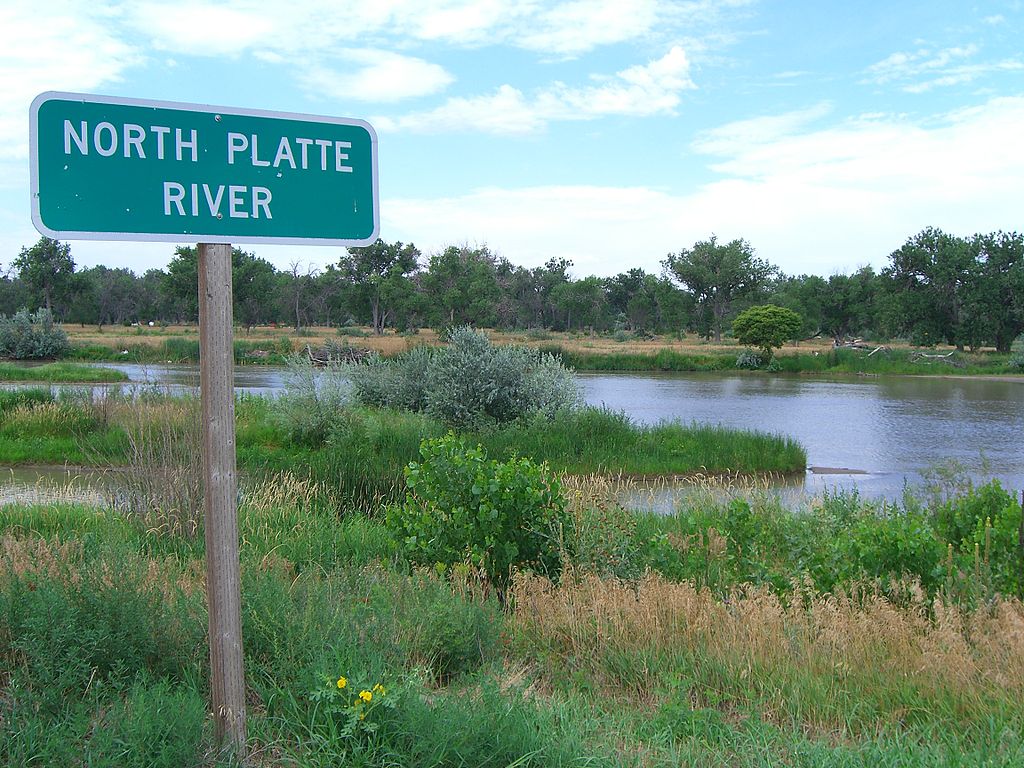
Platte River
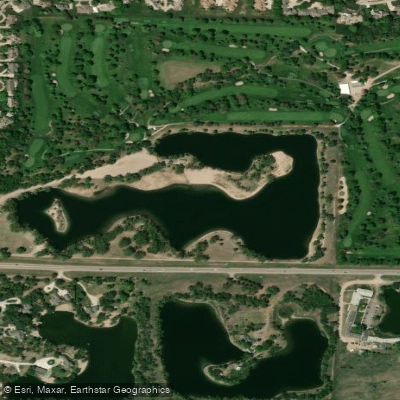
L E Ray Lake
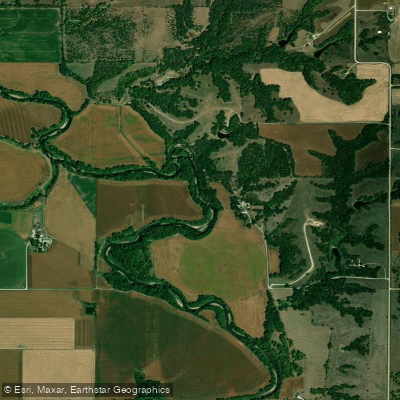
Big Blue River
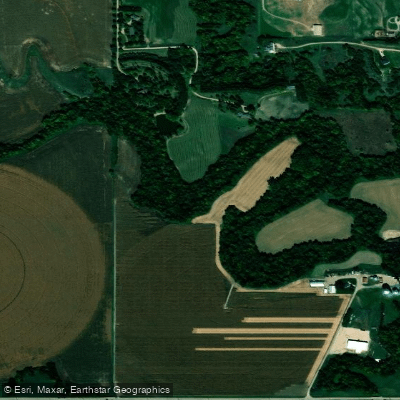
Wood River
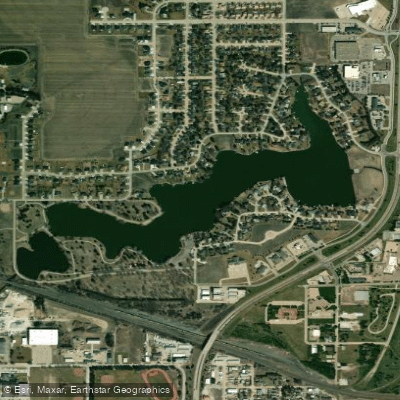
Lake Hastings
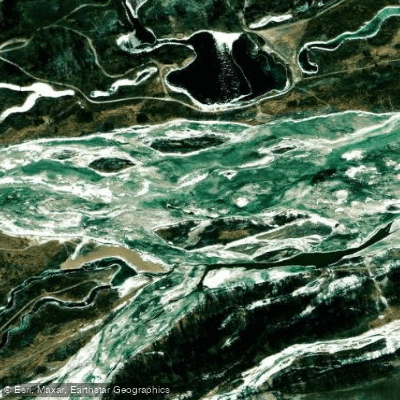
South Channel Platte River
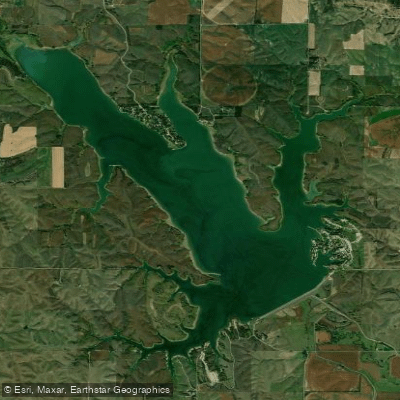
Sherman Reservoir
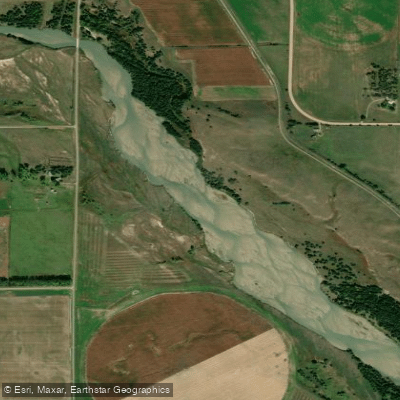
Middle Loup River
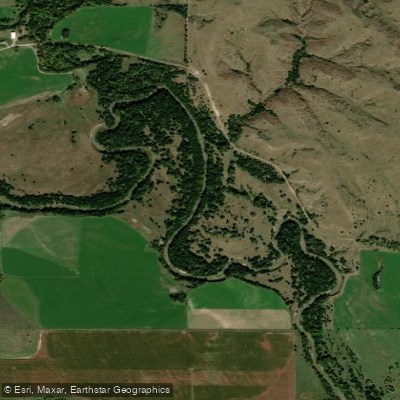
South Loup River
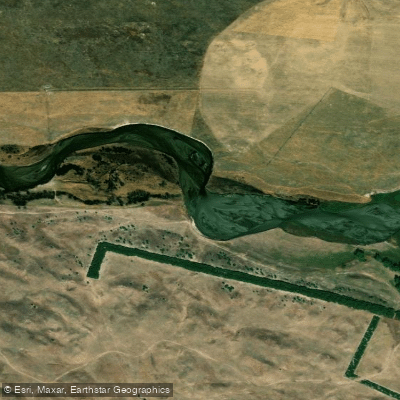
North Loup River
What to know
Key Locations
- In Nebraska, they inhabit numerous lakes, reservoirs, and rivers statewide, with particularly strong populations in places like Merritt Reservoir, Branched Oak Lake, Burchard Lake, Lewis and Clark Lake, Grove Lake, Walnut Creek, Burchard, and Zorinsky Lake.
- Specific productive Nebraska waters include the Elkhorn River system, the Missouri River backwaters, sandhill lakes, and major reservoirs.
Specific Spots
- They prefer waters with structure like fallen trees, brush piles, weed beds, and rocky areas.
- Target structure-rich areas including fallen trees, brush piles, weed edges, rocky points, and docks.
Largemouth Bass FAQ
Answers from onWater's species guide.
What are the best lures and bait for Largemouth Bass in Nebraska?
For conventional tackle, effective lures include shallow-running crankbaits in chartreuse and crawfish colors, spinnerbaits (especially 1/4-ounce silver and gold willow-leaf white), square-bill crankbaits, scum frogs for heavy cover, and various soft plastics like worms and creature baits.
What flies work for Largemouth Bass in Nebraska?
Top fly patterns include popping bugs in bumblebee, frog, and chartreuse patterns for surface action, Clouser minnows and baitfish patterns for subsurface work, crawfish patterns like Cohen's Jiggy Craw for bottom bouncing, and deer-hair divers.
When is the best time to fish for Largemouth Bass in Nebraska?
Spring (when water temperatures reach 55-70°F) and fall offer the most consistent action, with summer providing good fishing in deeper waters and around vegetation. Peak fly fishing periods are mid-February through mid-March during spawn preparation and November when bass feed heavily before winter.
How do you catch Largemouth Bass in Nebraska?
Work topwater presentations with a 'bloop' sound rather than harsh pops, and fish deeper during bright, hot conditions. Night fishing can be excellent, especially during summer months when bass move shallow to feed in cooler water temperatures.
What do Largemouth Bass eat?
Largemouth bass are voracious predators that will literally consume anything that fits in their mouth - from fish and crayfish to snakes, birds, frogs, mice, and other aquatic creatures. They must eat 10 pounds of prey to gain just one pound of body weight.
Fish smarter with real-time insights
Whether you're en route and conditions shift or you're looking for the best spot based on current flows, we enable you to make informed decisions on the fly.




See it in the app
Most maps show you water.
onWater shows you Largemouth Bass.



- 01 · Species map filter
Map every Largemouth Bass water
Pick Largemouth Bass and the map zeroes in on the waters they call home. No more guessing which lake holds them.
- 02 · Waterbody species
Tap any water. See what lives there.
Species, behavior and seasonal patterns for every lake, river and pond, before you leave the driveway.
- 03 · Angler Intelligence
Ask how to catch Largemouth Bass
Tactics, gear and timing from onWater's AI fishing guide, tuned to the species and the water you're on.
Stop guessing where Largemouth Bass are.
Open the map, filter by Largemouth Bass, and head to water that holds them. Download onWater and plan your next trip in minutes.
- Species map filter
- Angler Intelligence
- Fishing journal
Explore other species
Trout, bass, salmon, panfish and everything in between. Each guide unpacks the behavior, seasons, and tactics that put fish in the net.
No species information available.
Nebraska licenses and regulations
Explore nearby waters
Explore Nebraska waters
Top fishing waters
Popular Cities
Loading popular cities...

Smarter Fishing Starts in the App.
onWater Fish gives you everything you need to plan smarter, fish better, and own every trip from first cast to last.