Fishing in Scotland
- Lakes
- 6,577
- Rivers
- 16,169
- Access
- 252
- Boat Ramps
- 52
- Shops
- 0
Scotland is salmon country, but that framing only gets you so far. The fishing here runs from Highland spate rivers to lowland limestone lochs, from sea trout in summer estuaries to grayling in cold border streams in January.
It's a place where the water shapes the culture — fly fishing has roots here that go back centuries — and where the fish you're after will largely determine where you go and when. The two rivers that anchor the salmon scene are the Spey and the Tweed.
The Spey opens in mid-February and runs through to the end of September; the Tweed opens in February and fishes into November, making it one of the longer seasons on offer.
Spring fish on both rivers — February through May — tend to be fresh from the sea, in prime condition. Autumn brings another reliable run, and September through November is when many experienced anglers plan their trips.
The Tay opens earliest of all, in January, though numbers are thin that early in the year. Sea trout fishing is concentrated in the summer months, roughly late May through August, with June and early July often producing the best fish on most rivers.
Brown trout season on rivers and lochs runs from mid-March to the end of September across most of the country, though parts of northern Scotland don't open until April. Loch fishing for wild brown trout is a different experience entirely.
Loch Leven in Perth and Kinross is well-regarded for its wild fish, with trout that can reach double figures in weight.
Further north, lochs like Loch Watten, Loch Shin, and Loch Assynt hold fish too — smaller on average in the wilder Highland terrain, but aggressive and genuinely wild.
A handful of limestone lochs near Cape Wrath and above Inchnadamph in Assynt are worth knowing about: the alkaline water grows unusually large trout, though the clarity makes them harder to fool. The access system here is worth understanding before you go.
Scotland doesn't require a government rod licence for most waters — the Border Esk is the exception, where an England and Wales licence is needed because the river crosses the border.
What you do need, on every water, is permission from the landowner or the relevant angling club or association. For salmon, sea trout, and brown trout, that permission must be in writing — fishing without it is a criminal offence in the case of salmon.
Permits are arranged water by water, and the best beats on the Spey or Tweed can be booked well in advance. A local ghillie is worth the investment, not just for access but for reading conditions that change quickly in Scottish weather.
Grayling fishing is an underrated option for anyone visiting in winter. The Tweed and Tay fish well for grayling in January and February when nymphing techniques come into their own.
Pike are available year-round on waters like Loch Lomond, though they're more cooperative in winter on dead baits than on lures. Scotland rewards anglers who pay attention to timing and conditions.
The fish are real, the seasons matter, and the water tells you what it's doing if you know how to read it.

Species & education
Learn what type of fish are in Scotland and what's needed to catch them.
Find which waters have the species you want to catch
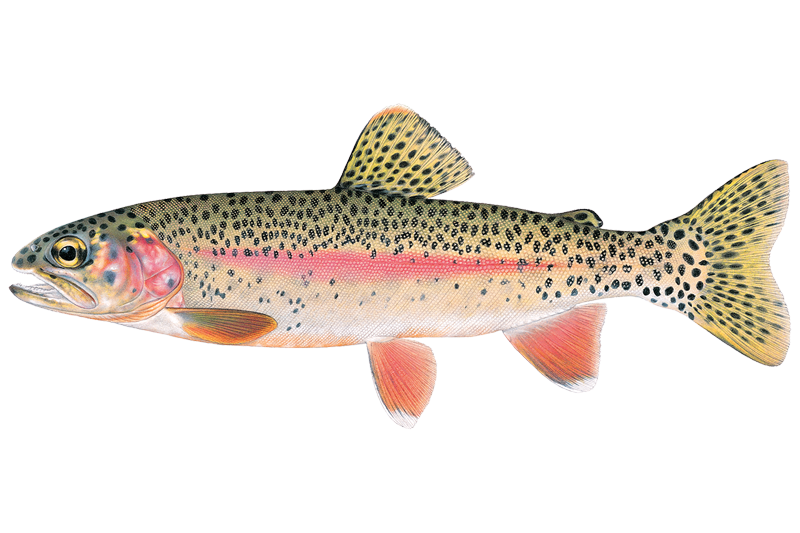
Rainbow Trout
Oncorhynchus mykiss
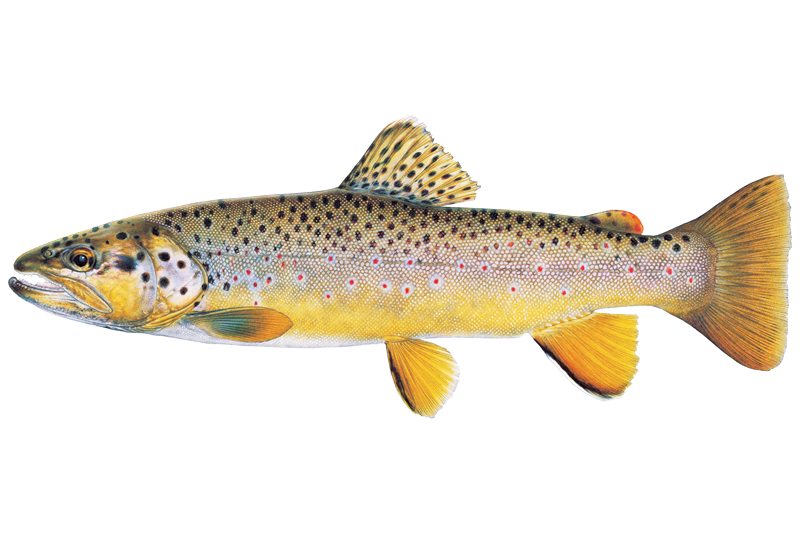
Brown Trout
Salmo trutta
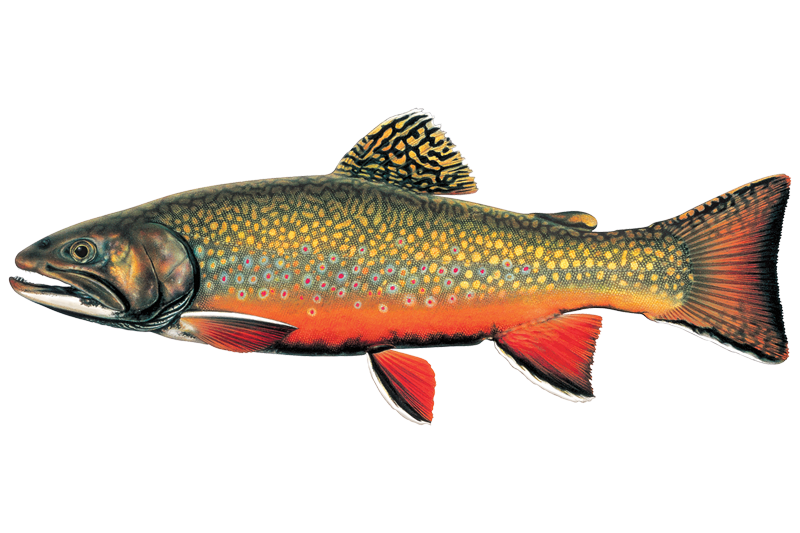
Brook Trout
Salvelinus fontinalis
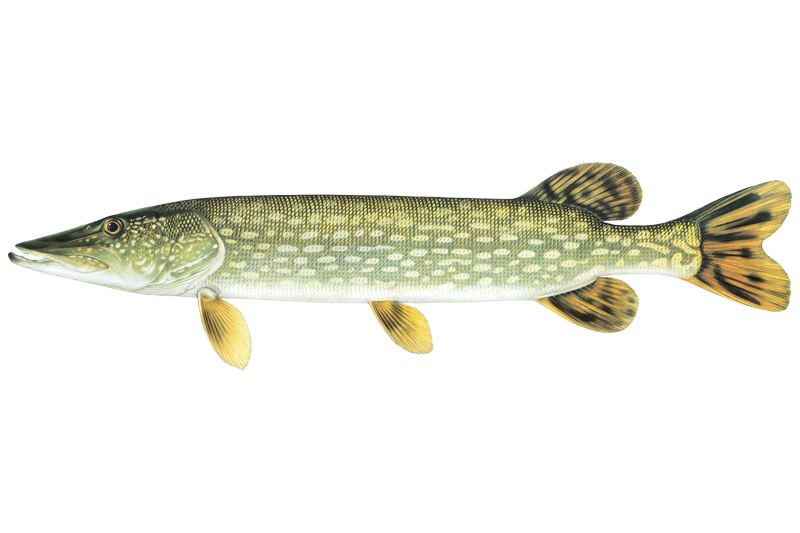
Northern Pike
Esox lucius

Allis Shad
Alosa alosa

Angler
Lophius piscatorius

Arctic Char
Salvelinus alpinus

Atlantic Bluefin Tuna
Thunnus thynnus

Atlantic Cod
Gadus morhua

Atlantic Halibut
Hippoglossus hippoglossus

Atlantic Herring
Clupea harengus

Atlantic Horse Mackerel
Trachurus trachurus

Atlantic Mackerel
Scomber scombrus
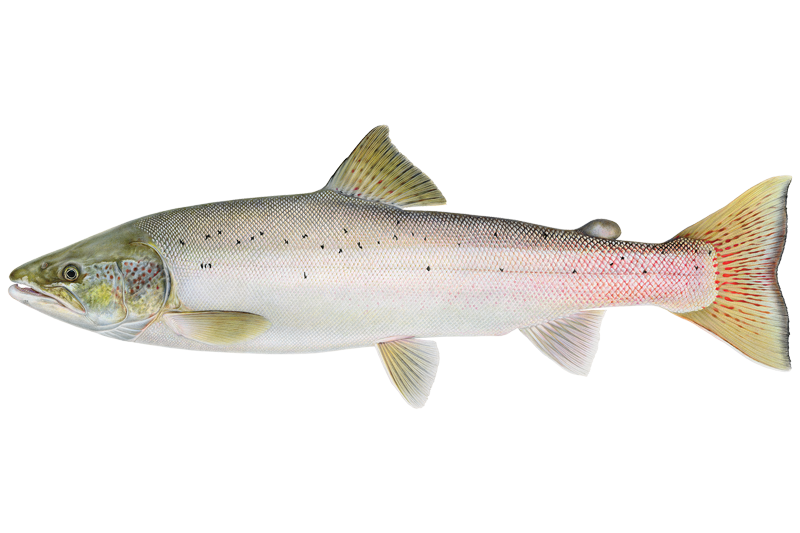
Atlantic Salmon
Salmo salar

Atlantic Wolffish
Anarhichas lupus

Ballan Wrasse
Labrus bergylta

Barbel
Barbus barbus

Black Seabream
Spondyliosoma cantharus

Bleak
Alburnus alburnus

Blonde Ray
Raja brachyura

Blue Shark
Prionace glauca

Bogue
Boops boops

Bourget Whitefish
Coregonus lavaretus

Brill
Scophthalmus rhombus

Bull Huss
Scyliorhinus stellaris

Coalfish
Pollachius virens

Common Bream
Abramis brama
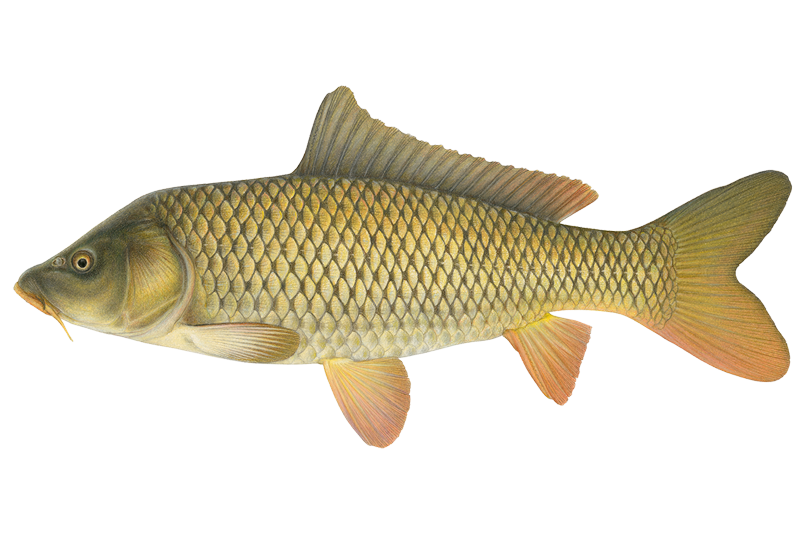
Common Carp
Cyprinus carpio

Common Dace
Leuciscus leuciscus

Common Gudgeon
Gobio gobio

Common Roach
Rutilus rutilus

Common Skate
Dipturus intermedius

Common Sole
Solea solea

Common Stingray
Dasyatis pastinaca

Common Sturgeon
Acipenser sturio

Conger Eel
Conger conger

Corkwing Wrasse
Symphodus melops

Couch's Seabream
Pagrus pagrus

Crucian Carp
Carassius carassius

Cuckoo Ray
Leucoraja naevus
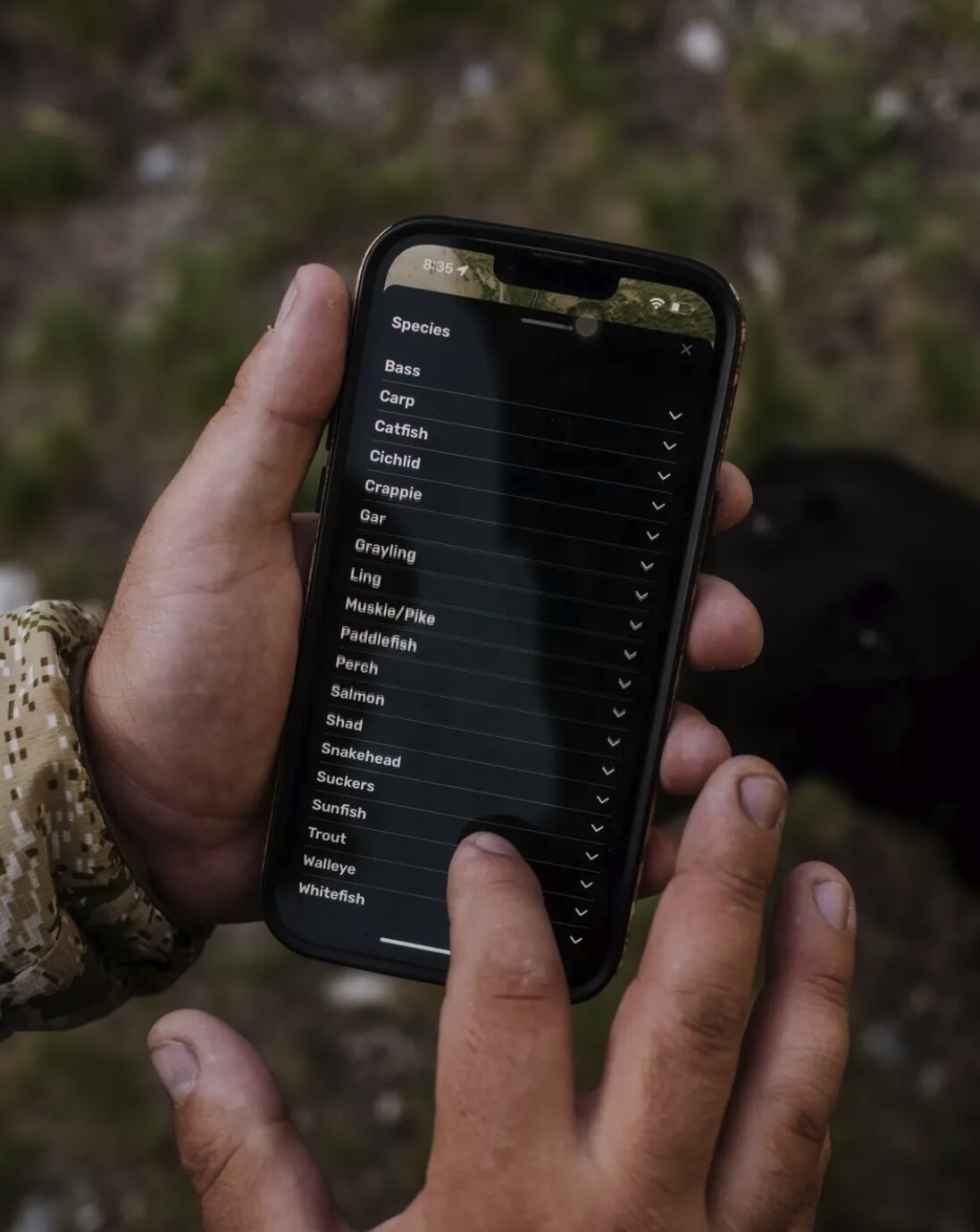
Fish smarter with real-time insights
Whether you're en route and conditions shift or you're looking for the best spot based on current flows, we enable you to make informed decisions on the fly.
Scotland licenses and regulations
Explore Scotland waters
Top fishing waters
Popular Cities
Loading popular cities...

Smarter Fishing Starts in the App.
onWater Fish gives you everything you need to plan smarter, fish better, and own every trip from first cast to last.